How we built this comparison
This page combines traveler discussion patterns, published price ranges, flight schedules, and seasonal data to help you decide between Canada and Guatemala.
- Reviewed 50+ Reddit threads from r/travel, r/solotravel, r/CanadaTravel, r/Guatemala
- Verified costs and logistics against current booking platforms for flights, accommodation, and tours
- Cross-referenced seasonal patterns and weather data for optimal travel timing
⚡ Quick Answers
⚡ The TL;DR Verdict
For most travelers seeking adventure on a budget, cultural depth, and warmer climates, Guatemala is the pick. It offers a dense, rewarding experience for around $50-80 USD per day. If you prioritize modern comforts, extensive infrastructure, vast wilderness, and a higher sense of personal security, with a daily budget closer to $180-250 USD, Canada is your destination.
- Choose Canada: You want wide open spaces, modern amenities, a low-stress travel experience, and dont mind spending more for comfort and safety. Ideal for road trips, winter sports, and exploring diverse cities.
- Choose Guatemala: You are on a tighter budget, seek deep cultural immersion, enjoy challenging hikes, and are comfortable with more basic infrastructure and a faster pace of travel. Perfect for language learners and independent backpackers.
- Choose Both: If you have 4+ weeks and a flexible budget, combine them for an extreme contrast in landscapes and cultures. Start with the grit and warmth of Guatemala, then decompress in Canada's calm. This approach requires significant travel time between the regions.
Choose Canada
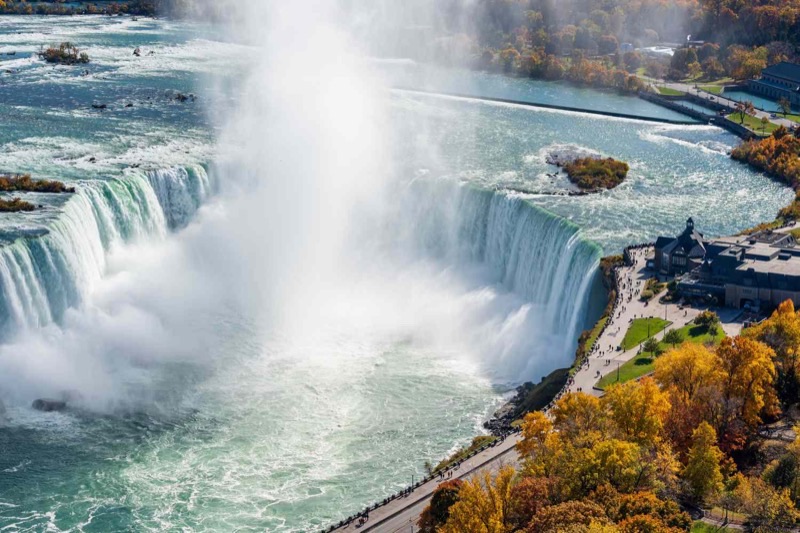
Choose Canada for an unparalleled blend of vast, pristine wilderness and modern urban sophistication. It's ideal for travelers seeking epic road trips through the Rocky Mountains, world-class skiing in Whistler, or exploring diverse, safe cities like Toronto and Vancouver, perfect for those prioritizing comfort and a higher budget.
Choose Guatemala
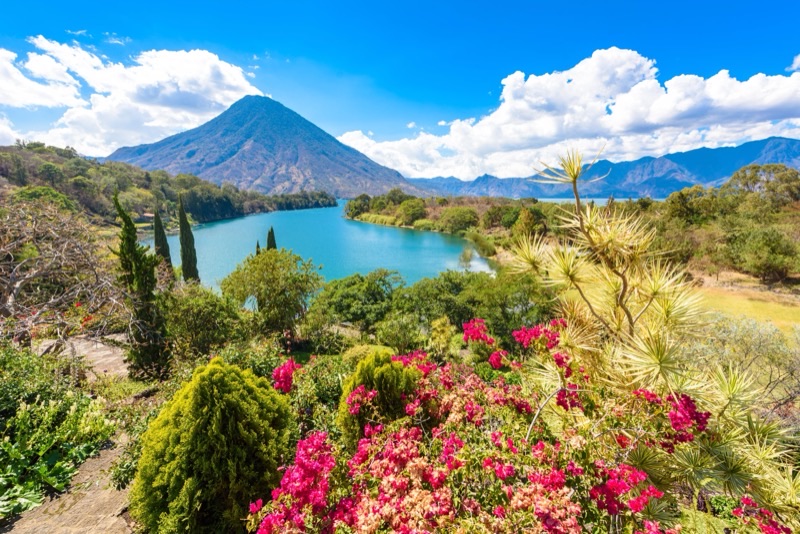
Opt for Guatemala to dive deep into a vibrant, ancient culture on a more modest budget. It's perfect for adventurous backpackers eager to hike active volcanoes, explore the majestic ruins of Tikal, or immerse themselves in the Indigenous communities around Lake Atitlán, embracing a more raw and authentic experience.
📊 Visual Scorecard
🌤 When to Visit
Average high temperatures (°C). Green = best months, orange = avoid.
Quick Comparison
| Category | Canada | Guatemala | Winner |
|---|---|---|---|
| Costs & Budget | Significantly higher costs for everything: accommodation, food, transport, activities. Expect Western prices. | Extremely budget-friendly. Your money stretches far, especially for local food and transport. | Guatemala |
| Nature & Scenery | Vast, wild landscapes with towering mountains, expansive forests, and numerous lakes. Four distinct seasons. | Dramatic volcanic landscapes, cloud forests, ancient jungle, and a large, deep lake. Warm, tropical climate. | Canada |
| Culture & History | Multicultural cities, French colonial heritage in Quebec, and modern arts scenes. Indigenous history present but often less central to tourist trails. | Deep Mayan heritage, well-preserved Spanish colonial architecture, and active Indigenous traditions. Language learning is popular. | Guatemala |
| Food Scene | Diverse international cuisine in cities, local specialties like poutine and maple products. High quality, higher prices. | Flavorful, simple, and often corn-based cuisine. Focus on fresh local ingredients. Coffee is a highlight. | Canada |
| Safety & Security | Very safe overall with low crime rates. Standard precautions apply in large cities. | Requires vigilance, particularly in urban areas and at night. Petty crime and some violent crime are concerns. | Canada |
| Getting There | Numerous direct flights from US and European cities. Flight times vary greatly depending on origin. | Direct flights mainly from major US hubs, some from Mexico and Central America. No direct flights from Europe. | Canada |
| Getting Around | Excellent public transport in cities, extensive highway network for driving, long-distance trains available. | Chicken buses for local travel, tourist shuttles for inter-city. Driving is challenging and not recommended for most tourists. | Canada |
| Accommodation | Wide range of high-quality hotels, hostels, and Airbnb options. Prices are higher across the board. | Budget-friendly hostels, guesthouses, and boutique hotels. More rustic options often available. | Canada |
| Adventure Activities | Skiing, snowboarding, hiking, kayaking, white-water rafting, wildlife safaris. | Volcano trekking, kayaking on lakes, caving, jungle tours, surfing. | Tie |
| Solo Travel Experience | Very safe and easy to navigate alone. Can be expensive and sometimes harder to meet other travelers outside of hostels. | Popular with backpackers, easy to meet people. Requires more safety awareness but offers deep immersion. | Guatemala |
💰 Costs & Budget
Canada is an expensive country by global standards. A modest hostel bed in a city like Toronto or Vancouver runs $40-70 CAD ($30-50 USD) per night, while a basic mid-range hotel…

Canada
Guatemala
Canada is an expensive country by global standards. A modest hostel bed in a city like Toronto or Vancouver runs $40-70 CAD ($30-50 USD) per night, while a basic mid-range hotel can easily be $180-250 CAD ($130-180 USD). A sit-down meal at a casual restaurant costs $20-35 CAD ($15-25 USD), and groceries for a week might be $80-120 CAD ($60-90 USD). Public transport in cities like Montreal is $3.75 CAD ($2.75 USD) per ride. A daily budget for a budget traveler is $150-250 CAD ($110-180 USD), and closer to $300-400 CAD ($220-290 USD) for comfortable travel, not including major tours or car rentals.
Guatemala offers exceptional value. A hostel dorm bed in Antigua or San Pedro La Laguna costs $7-15 USD per night, and private rooms in guesthouses are $30-60 USD. Local meals (comida tipica) can be found for $3-8 USD, especially at comedores. Even in tourist areas, a nice meal might be $10-20 USD. Chicken bus rides between towns cost $1-5 USD, and shuttle services between major tourist destinations like Antigua and Lake Atitlan run $10-25 USD. A budget traveler can easily get by on $40-70 USD per day, while a comfortable mid-range trip might be $80-120 USD daily. For those prioritizing financial savings, Guatemala is the clear choice.
- Winner: Guatemala
- Why: Guatemala provides an authentic travel experience at a fraction of Canada's cost, making it accessible for extended trips or tighter budgets.
- Who this matters for: Budget travelers, long-term backpackers, and anyone prioritizing affordable experiences.
🏞️ Nature & Scenery
Canada's natural environment is immense and varied. From the Rocky Mountains in Banff National Park and Jasper National Park with their snow-capped peaks, turquoise lakes like…
Canada
Guatemala
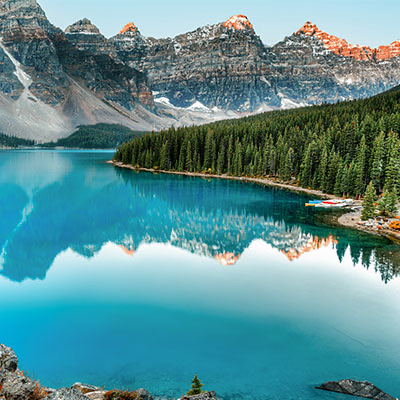
Canada's natural environment is immense and varied. From the Rocky Mountains in Banff National Park and Jasper National Park with their snow-capped peaks, turquoise lakes like Lake Louise, and extensive hiking trails, to the rugged coastlines of British Columbia and the Maritimes, Canada offers scale. The Laurentian Mountains in Quebec provide autumn colors and winter sports. Wildlife viewing opportunities for moose, bears, and whales are common. The sheer size means different regions have distinct ecosystems, from the Arctic tundra to temperate rainforests. Accessibility to many of these areas, while requiring travel, is generally straightforward with good infrastructure.
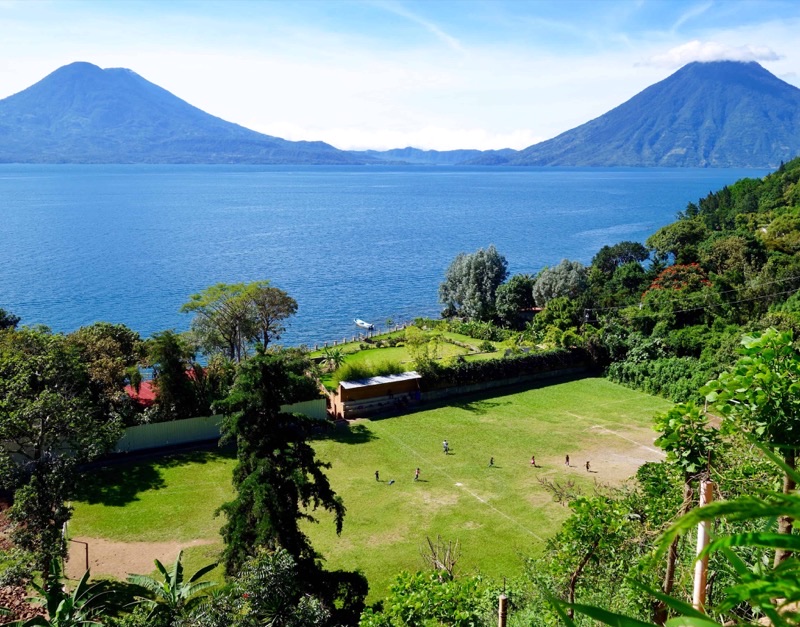
Guatemala's natural offerings are more concentrated but no less intense. Lake Atitlan is framed by volcanoes and Indigenous villages, offering kayaking and paddleboarding opportunities. The Pacaya Volcano provides accessible hikes to active lava flows, while Acatenango offers a challenging overnight trek for views of Volcan Fuego's eruptions. Semuc Champey features terraced limestone pools in a remote jungle setting, and the Peten region contains vast swathes of jungle protecting Mayan ruins. While impressive, these environments often require more adventurous travel to reach. Canada wins for its sheer scale, diversity across latitudes, and ease of access to these large, preserved areas.
- Winner: Canada
- Why: Canada's natural landscapes are on a grander, more varied scale, with well-maintained national parks and extensive trail networks.
- Who this matters for: Hikers, nature photographers, wildlife enthusiasts, and those who appreciate organized outdoor recreation.
🗿 Culture & History
Canada's cultural landscape is a mosaic. Quebec offers a strong French Canadian identity, with cities like Quebec City providing preserved European colonial architecture and…
Canada
Guatemala
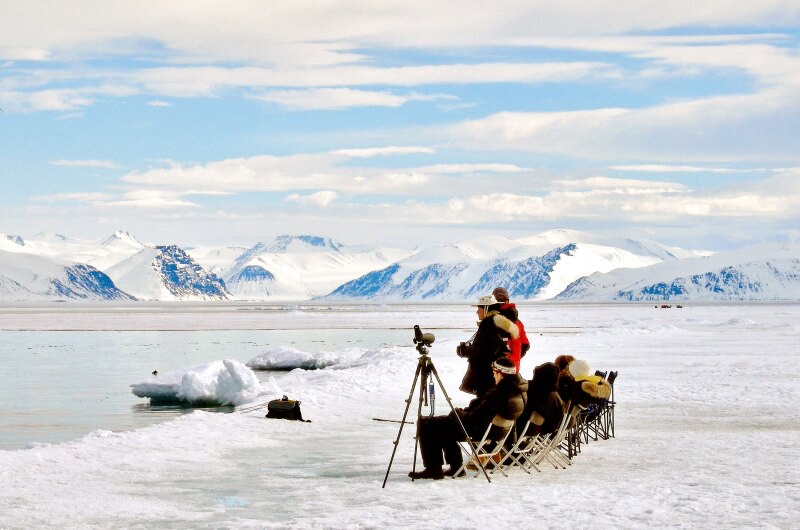
Canada's cultural landscape is a mosaic. Quebec offers a strong French Canadian identity, with cities like Quebec City providing preserved European colonial architecture and language, while Montreal blends this with modern North American influences and a thriving arts scene. Toronto is a truly multicultural city, with neighborhoods reflecting global communities. Indigenous cultures, while foundational, are often explored through museums like the Canadian Museum of History, or specific cultural centers. The general historical narrative focuses on European settlement and modern nation-building. The culture is generally polite and reserved.
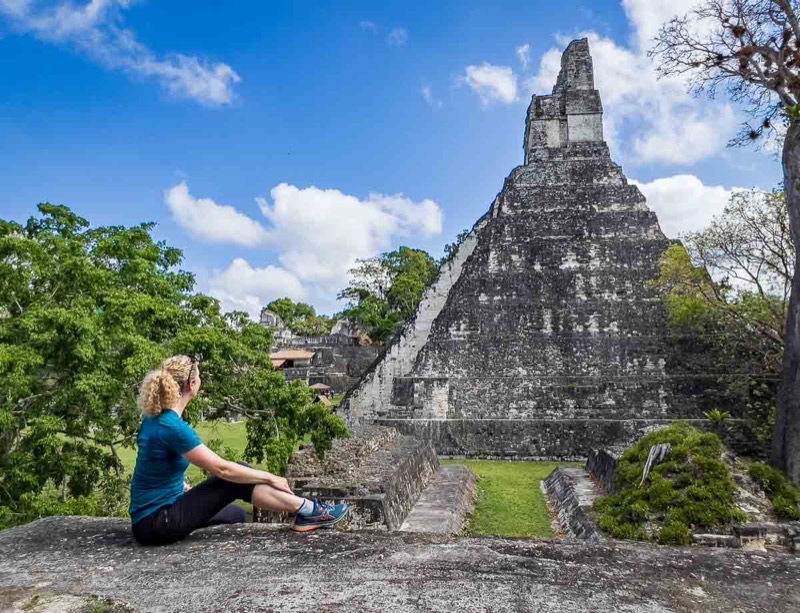
Guatemala, in contrast, lives and breathes its ancient and colonial past. Antigua Guatemala is a UNESCO site, a city of cobblestone streets, colonial churches, and ruins, directly showcasing Spanish influence. Lake Atitlan is surrounded by Indigenous Mayan villages where traditional dress, languages (like Kaqchikel and Tzutujil), and customs are daily life. The ruins of Tikal in the Peten jungle are a monumental testament to the ancient Mayan civilization. Chichicastenango hosts one of the largest traditional markets in Central America, a place where Mayan spiritual practices intermingle with Catholic traditions. The opportunity for deep, immediate engagement with living cultural traditions and ancient history is far greater in Guatemala.
- Winner: Guatemala
- Why: Guatemala offers a more profound and immediate immersion into ancient and colonial history, with living Indigenous cultures actively shaping the daily experience.
- Who this matters for: Anthropology enthusiasts, history buffs, language learners, and travelers seeking authentic cultural interaction.
🍽️ Food Scene
Canada's food scene is defined by its multicultural cities. Toronto and Vancouver offer every cuisine imaginable, from authentic Chinese dim sum to Italian pasta and Middle…

Canada
Guatemala
Canada's food scene is defined by its multicultural cities. Toronto and Vancouver offer every cuisine imaginable, from authentic Chinese dim sum to Italian pasta and Middle Eastern kebabs. Specific Canadian items include poutine (fries with cheese curds and gravy), maple syrup products (from candies to butter), and fresh seafood on the coasts (Atlantic lobster, Pacific salmon). There is a strong craft beer and wine scene, particularly in British Columbia and Ontario. Dining out is generally high quality and service-oriented, but comes with a corresponding price tag. Expect to pay $15-30 CAD ($11-22 USD) for a casual main dish in a city.
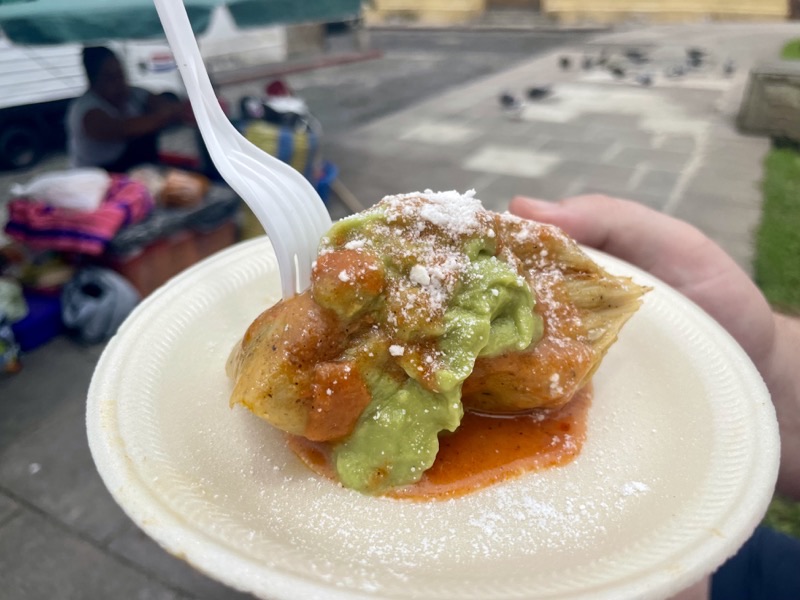
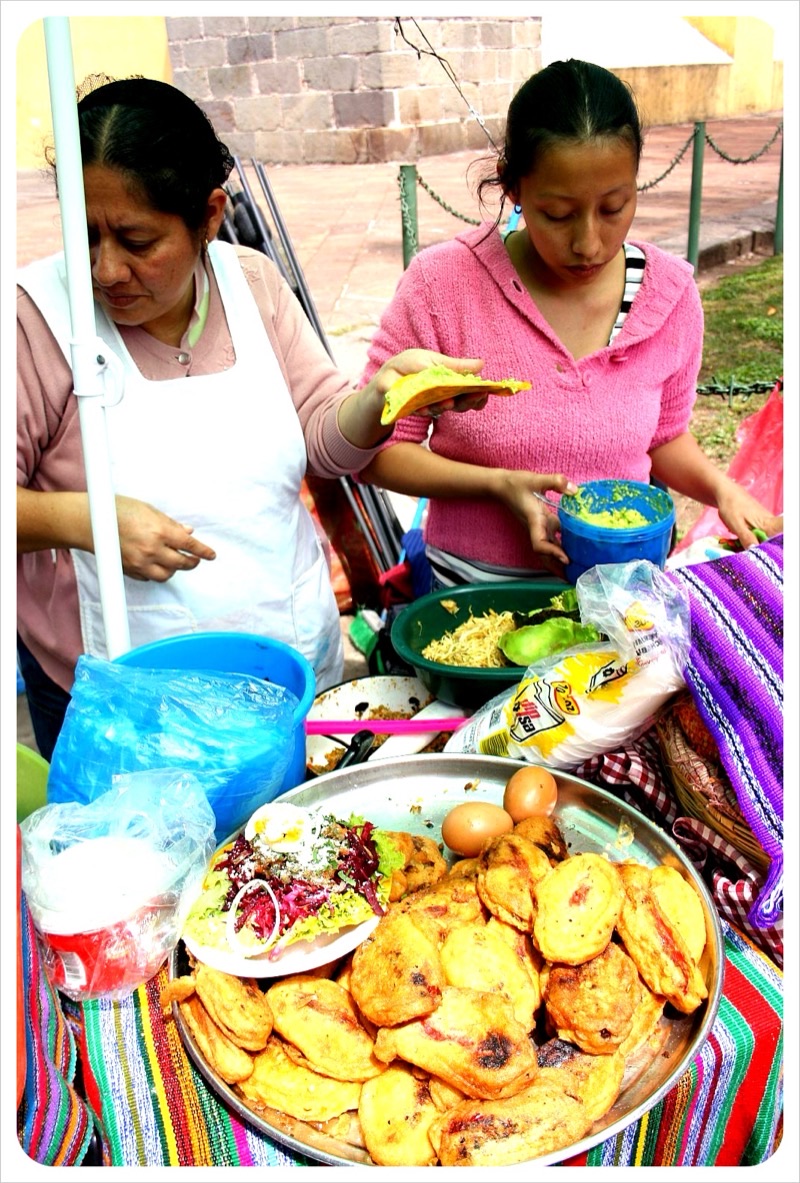
Guatemala's food is hearty, often simple, and deeply rooted in Mayan and Spanish traditions. Staples include tortillas, black beans, rice, and plantains. Local dishes like pepián (a rich, savory stew), kak'ik (turkey soup), and tamales are common. Street food like pupusas (stuffed tortillas) or tostadas are delicious and very cheap, often under $2-3 USD. Fresh tropical fruit is abundant and inexpensive. Guatemala is renowned for its coffee, especially from regions like Antigua and Atitlan, which is available everywhere. While less diverse than Canada's urban offerings, Guatemala's food provides a clear sense of place and excellent value. Canada takes this category for its breadth of quality international dining and established food safety standards.
- Winner: Canada
- Why: Canada's large cities offer a vast array of high-quality international cuisines, catering to diverse palates and dietary needs, alongside specific national dishes.
- Who this matters for: Foodies seeking global flavors, gourmet experiences, and those with specific dietary restrictions that are easier to accommodate.
🛡️ Safety & Security
Canada is consistently ranked among the safest countries in the world. Serious violent crime is rare, and petty theft is generally confined to major tourist areas in large cities.…
Canada
Guatemala
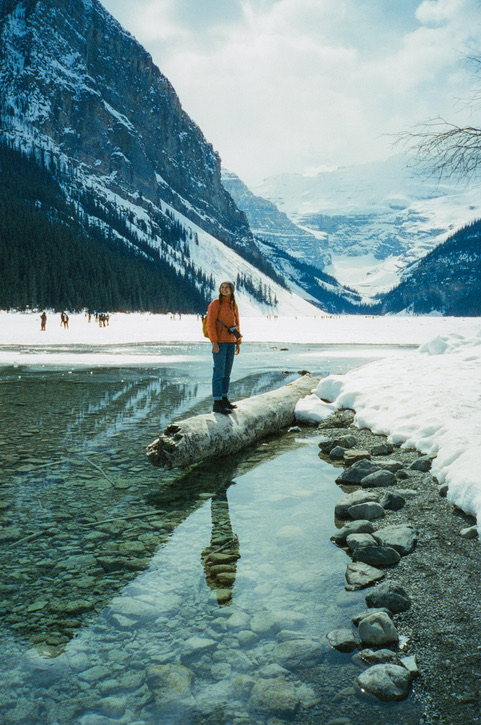
Canada is consistently ranked among the safest countries in the world. Serious violent crime is rare, and petty theft is generally confined to major tourist areas in large cities. Travelers can walk freely in most neighborhoods during the day and often at night without significant concern. Public transport is secure. The primary safety advice typically involves being aware of your surroundings in crowded urban centers, securing belongings, and exercising caution when hiking in wilderness areas (bears, weather). The infrastructure is reliable, and emergency services are efficient and accessible. Solo female travelers often report feeling very secure across the country.
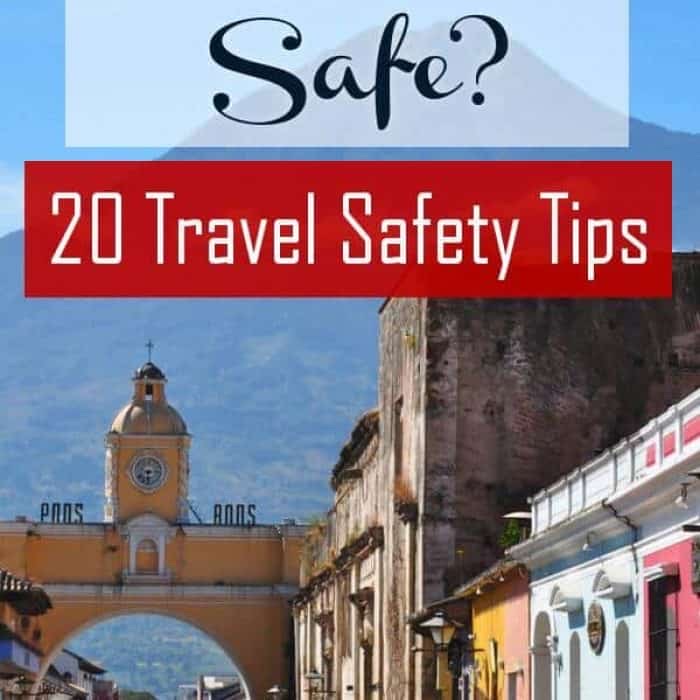
Guatemala requires a higher degree of situational awareness. While tourist areas like Antigua and Lake Atitlan are generally safer, petty theft (pickpocketing, bag snatching) is common, especially in markets and on crowded buses. Express kidnappings (where victims are forced to withdraw cash from ATMs) can occur, though less frequently in main tourist hubs. Violent crime, including armed robbery, is a concern in Guatemala City and some other non-tourist urban areas. Travelers should avoid walking alone at night, use reputable shuttle services or taxis, and be discreet with valuables. Despite these concerns, millions visit safely each year by exercising caution. Canada is the unambiguous winner for its consistently low crime rates and a general sense of security.
- Winner: Canada
- Why: Canada offers a significantly higher level of personal safety and security, with low crime rates and reliable public services, allowing for worry-free exploration.
- Who this matters for: Solo travelers (especially women), families, and anyone prioritizing peace of mind during their trip.
✈️ Getting There
Canada has excellent air connectivity, especially with the United States and Europe. Major cities like Toronto (YYZ), Vancouver (YVR), and Montreal (YUL) serve as international…
Canada has excellent air connectivity, especially with the United States and Europe. Major cities like Toronto (YYZ), Vancouver (YVR), and Montreal (YUL) serve as international gateways. Flights from New York to Toronto can be as short as 1.5 hours, while Los Angeles to Vancouver is around 2.5 hours. From major European hubs like London or Paris, direct flights typically range from 6 to 8 hours. Competition on these routes often leads to reasonable fares, particularly outside peak summer. Customs and immigration processes are generally efficient for most visitors.
Guatemala's main international airport is La Aurora (GUA) in Guatemala City. Direct flights from the United States are common from cities like Miami (MIA, ~2.5 hours), Houston (IAH, ~3.5 hours), Atlanta (ATL, ~3.5 hours), and Los Angeles (LAX, ~5 hours). There are also direct connections from Mexico City and other Central American capitals. However, there are no direct flights from Europe or Asia, requiring at least one layover, usually in the US or Mexico. This can significantly increase travel time and sometimes cost for non-North American travelers. Canada's broader direct flight network and often shorter flight times for many make it the easier destination to reach.
- Winner: Canada
- Why: Canada offers a wider network of direct flights from more international origins, often with shorter flight durations from key markets.
- Who this matters for: Travelers from Europe or Asia, and those seeking the most convenient and quickest flight options.
🚌 Getting Around
Getting around Canada is generally straightforward and comfortable, albeit sometimes slow due to distance. Major cities have efficient public transit systems (subways, buses,…
Getting around Canada is generally straightforward and comfortable, albeit sometimes slow due to distance. Major cities have efficient public transit systems (subways, buses, streetcars) like the TTC in Toronto or STM in Montreal. For inter-city travel, Canada has a vast, well-maintained highway network perfect for road trips; car rental is common. VIA Rail offers scenic but slower train journeys between some cities, and domestic flights are necessary for crossing provinces quickly. Everything operates on a reliable schedule, and information is readily available in English and French. Costs for transport can add up, especially for long distances or car rentals.
Guatemala's transport is an experience in itself. The iconic 'chicken buses' (repurposed US school buses) are the cheapest way to travel locally and between nearby towns, often costing just a few dollars. They are crowded, fast, and a cultural immersion. For tourists, shared shuttles operate frequently between major hubs like Antigua, Lake Atitlan, and Flores; these are more comfortable but cost $10-30 USD per trip. Driving yourself is generally not recommended due to challenging road conditions, aggressive drivers, and potential safety concerns in less-traveled areas. While adventurous, Guatemala's transport can be less predictable and comfortable than Canada's. Canada wins for its reliable, diverse, and well-developed transportation options.
- Winner: Canada
- Why: Canada offers a highly reliable, safe, and diverse transportation network, from modern city transit to extensive highways for comfortable self-driving.
- Who this matters for: Travelers who prefer comfort and predictability, those planning road trips, and individuals with mobility considerations.
🏨 Accommodation
Canada offers a broad spectrum of accommodation, from luxurious international hotel chains like Fairmont and Ritz-Carlton in major cities and national parks, to reliable mid-range…
Canada offers a broad spectrum of accommodation, from luxurious international hotel chains like Fairmont and Ritz-Carlton in major cities and national parks, to reliable mid-range hotels like Marriott and Hilton, and numerous independent boutique options. Hostels, such as those operated by HI Hostels or local chains, are plentiful in cities and tourist areas, typically offering clean dorms for $40-70 CAD ($30-50 USD) and private rooms for $100-150 CAD ($75-110 USD). Airbnb is also widely available. Standards of cleanliness, safety, and amenities are consistently high. You get what you pay for in terms of quality and comfort.
Guatemala's accommodation scene caters heavily to budget travelers and those seeking unique, often charming, experiences. Hostels are abundant in places like Antigua and San Pedro La Laguna, with dorm beds as low as $7-15 USD and private rooms for $25-45 USD. Colonial guesthouses (casas coloniales) offer character in Antigua for $40-80 USD. Lakeside bungalows and eco-lodges around Atitlan provide more secluded options. While generally clean, amenities can be more basic compared to Canada. Hot water might not always be guaranteed, especially in cheaper places. Canada wins for its consistently high standards, wider range of luxury to mid-range options, and predictable quality across all price points.
- Winner: Canada
- Why: Canada provides a consistent level of high-quality accommodation, with reliable amenities and services across various price points, offering greater comfort and predictability.
- Who this matters for: Travelers prioritizing comfort, specific amenity requirements, and those who prefer established hotel chains.
⛰️ Adventure Activities
Canada excels in cold-weather and large-scale wilderness adventures. The Canadian Rockies are a premier destination for skiing and snowboarding at resorts like Whistler Blackcomb,…
Canada excels in cold-weather and large-scale wilderness adventures. The Canadian Rockies are a premier destination for skiing and snowboarding at resorts like Whistler Blackcomb, Banff Sunshine, or Lake Louise. Summer offers extensive hiking in national parks, canoeing/kayaking on vast lakes and rivers, and white-water rafting. Wildlife viewing, including bears, moose, and whales, is a common activity. Opportunities for ice climbing, dog sledding, and snowshoeing are also widespread during winter months. The infrastructure for these activities is highly developed, with guided tours and equipment rentals readily available, though often expensive.
Guatemala offers intense, unique adventures in its tropical and volcanic landscapes. Trekking up active volcanoes like Pacaya (for lava views) or the multi-day Acatenango hike (for Volcan Fuego eruptions) are major draws. Kayaking, paddleboarding, or even scuba diving (yes, in a high-altitude lake!) on Lake Atitlan are popular. Exploring the natural limestone pools of Semuc Champey, caving through K'an Ba Cave, or jungle trekking around Tikal for wildlife spotting (monkeys, toucans) provide different thrills. Surfing is possible on the Pacific coast. Both countries offer distinct and compelling adventure opportunities. Canada provides more accessible, less strenuous adventure options in some cases, while Guatemala leans towards more physically demanding and raw experiences. Thus, it's a tie, depending on preference.
- Winner: Tie
- Why: Both countries offer compelling, distinct adventure options catering to different preferences and climates, making it a matter of individual taste.
- Who this matters for: Travelers seeking specific types of adventure, whether cold-weather sports and vast wilderness (Canada) or tropical treks and volcanic climbs (Guatemala).
🚶♀️ Solo Travel Experience
Solo travel in Canada is remarkably safe and straightforward. The infrastructure is excellent, and public transport is reliable in cities. Language barriers are minimal for…
Solo travel in Canada is remarkably safe and straightforward. The infrastructure is excellent, and public transport is reliable in cities. Language barriers are minimal for English speakers. It's easy to book accommodations, tours, and activities independently. The main challenge for solo travelers can be the cost, as many activities or meals are priced for pairs, and the sheer size of the country can make solo road trips expensive. Meeting other travelers might require staying in hostels or actively seeking out group tours, as the culture can be more reserved than in Latin America. However, the peace of mind regarding personal safety is significant.
Guatemala is a well-trodden path for solo backpackers, particularly those on a budget or interested in language learning. Hostels in Antigua, Lake Atitlan, and Flores are social hubs where meeting other travelers is effortless. Language schools provide a built-in community. The smaller geographical area means travel between destinations is relatively quick and affordable via shuttles. The main consideration is safety; solo travelers must be more vigilant, especially at night, and avoid walking alone in deserted areas. Despite this, the friendliness of locals (in tourist zones) and the strong backpacker trail make it an incredibly rewarding solo destination. Guatemala wins for its ease of connection with other travelers and its immersive nature for independent explorers.
- Winner: Guatemala
- Why: Guatemala provides a more social and community-oriented experience for solo travelers, making it easier to meet people and feel integrated into the travel scene.
- Who this matters for: Backpackers, budget solo travelers, those looking to meet other travelers, and individuals seeking cultural immersion.
🎯 The Decision Framework
Choose Canada If…
- You want immaculate national parks and vast, untouched wilderness.
- You prioritize personal safety and a low-stress travel environment.
- You enjoy modern, multicultural cities with diverse dining options.
- You are planning a comfortable road trip through varied landscapes.
- You are interested in winter sports like skiing or snowboarding.
- You speak English or French and prefer easy communication.
- You have a higher travel budget and appreciate consistent quality.
- You want accessible, well-maintained infrastructure and amenities.
Choose Guatemala If…
- You are on a tight budget and want your money to go far.
- You seek deep immersion in ancient Mayan and colonial cultures.
- You enjoy challenging treks, especially volcano climbing.
- You want to improve your Spanish at an affordable language school.
- You are comfortable with more rustic infrastructure and an adventurous pace.
- You prefer warm, tropical climates and lush landscapes.
- You enjoy social hostel environments and meeting fellow backpackers.
- You are excited by authentic, traditional cuisine and vibrant markets.
📅 Sample Itineraries
Weekend in Canada (3 Days)
💡 Purchase a Toronto CityPASS for attractions like the CN Tower and Royal Ontario Museum to save around 30% on combined entry fees.
Weekend in Guatemala (3 Days)
💡 Book Pacaya Volcano tours through reputable hostels or tour agencies in Antigua for reliable transport and guides, often including a snack.
One Week in Canada (7 Days)
💡 Utilize Canada's VIA Rail for inter-city travel; booking in advance can secure better rates, especially for longer distances between major cities.
One Week in Guatemala (7 Days)
💡 For Tikal, consider a sunrise tour for an atmospheric experience, but be prepared for an early start and potentially higher tour costs ($40-60).
❓ Frequently Asked Questions
What are typical flight times from the US to each country?
Flights from major US cities to Canada (e.g., Toronto, Vancouver) range from 1.5 to 5 hours, depending on your departure city. To Guatemala City (GUA) from major US hubs like Miami or Houston, expect flights to be approximately 2.5 to 5 hours.
How much does a basic meal cost in Canada versus Guatemala?
In Canada, a basic sit-down meal at a casual restaurant costs around $15-30 CAD ($11-22 USD). In Guatemala, you can find local meals (comida tipica) for $3-8 USD at comedores, or street food for $1-3 USD.
Which country is better for hiking?
Canada offers extensive, well-maintained trails in national parks like Banff, with options from easy strolls to multi-day backcountry treks. Guatemala provides more strenuous and unique volcano hikes, like the overnight Acatenango trek to see Volcan Fuego, offering a raw, challenging experience.
Is it safe to travel solo in Canada or Guatemala?
Canada is extremely safe for solo travelers, with very low crime rates. Guatemala is popular with solo backpackers but requires more vigilance regarding petty theft and personal security, especially at night or in less touristy areas.
What are the accommodation costs like?
In Canada, a hostel dorm bed is typically $40-70 CAD ($30-50 USD), and a mid-range hotel is $180-250 CAD ($130-180 USD). In Guatemala, a hostel dorm is $7-15 USD, and a private room in a guesthouse is $30-60 USD.
What's the best way to get around in each country?
In Canada, cities have good public transport, and an extensive highway network makes car rental popular for longer distances. In Guatemala, local chicken buses are cheap and adventurous, while tourist shuttles connect major destinations.
Which country offers better cultural immersion?
Guatemala offers deeper, more immediate cultural immersion with its strong Indigenous Mayan heritage, traditional markets, and well-preserved colonial cities. Canada's culture is more diverse and modern, with strong French Canadian and multicultural urban influences.
What's the weather difference between Canada and Guatemala?
Canada experiences four distinct seasons, with cold, snowy winters and warm summers. Guatemala has a tropical climate with a wet season (May to October) and a dry season (November to April), maintaining warm temperatures year-round, though highland areas are cooler.
Ready to plan your next adventure?
Get a free custom itinerary for Canada, Guatemala, or both — built from real traveler insights.
👥 Travelers Also Compared
🎟️ Book Tours & Experiences
Hand-picked tours and activities for both destinations — book with free cancellation
Experiences via Viator — free cancellation on most tours