How we built this comparison
This page combines traveler discussion patterns, published price ranges, flight schedules, and seasonal data to help you decide between Canada and Mexico.
- Reviewed 100+ Reddit threads from r/travel, r/solotravel, r/MexicoTravel, r/askTO, r/Vancouver, and other country-specific subreddits.
- Verified costs and logistics against current booking platforms like Google Flights, Booking.com, and local transportation sites.
- Cross-referenced seasonal patterns, weather data, and safety advisories from government travel resources.
⚡ Quick Answers
⚡ The TL;DR Verdict
For most travelers seeking a more budget-friendly adventure with diverse culture and warm weather, Mexico is the clear choice. Its costs allow for longer trips or more luxury within the same budget. Canada suits those prioritizing cooler climates, vast natural spaces, and a generally higher standard of public infrastructure, assuming a larger daily spend.
- Choose Canada: You prioritize pristine national parks, colder weather activities like skiing, organized city experiences, and generally feel safer in familiar Western environments, with a budget of $100-200+ USD/day.
- Choose Mexico: You want warm beaches, incredible food at low prices, deep historical sites, a lively atmosphere, and can manage on $60-120 USD/day, embracing a different cultural pace.
- Choose Both: If you have 3-4 weeks and a substantial budget ($5000+), you could experience both. Start in Mexico for beaches and culture, then fly north for Canadas mountains or cities, enjoying the stark contrast.
Choose Canada
Choose Canada if you're an outdoor enthusiast dreaming of skiing the slopes of Whistler or hiking the majestic Rockies in Banff National Park. It's best for travelers prioritizing pristine wilderness, organized city exploration in Vancouver or Toronto, and a generally higher standard of comfort, with a daily budget allowing for premium experiences.
Choose Mexico
Choose Mexico for an immersive cultural adventure, perfect for foodies craving authentic street tacos in Oaxaca or history buffs exploring the ancient Mayan ruins of Chichen Itza. It's ideal for budget-conscious travelers seeking vibrant markets, sunny beaches in Tulum, and a lively atmosphere without breaking the bank, embracing a truly different cultural pace.
📊 Visual Scorecard
🌤 When to Visit
Average high temperatures (°C). Green = best months, orange = avoid.
Quick Comparison
| Category | Canada | Mexico | Winner |
|---|---|---|---|
| Costs & Budget | Higher costs across the board for accommodation, food, and transport. Daily budget of $100-200+ USD. | Significantly lower costs for almost everything, allowing for longer trips or better experiences on a smaller budget. Daily budget of $60-120 USD. | Mexico |
| Beaches & Coastline | Atlantic and Pacific coasts offer rugged, cold-water beaches, popular for surfing and coastal walks, but not for swimming in warm waters. | Extensive coastlines on the Pacific, Caribbean, and Gulf of Mexico with warm waters, coral reefs, and sandy stretches suitable for swimming and relaxation year-round. | Mexico |
| Food Scene | Known for poutine, maple syrup, and diverse immigrant cuisines, with a focus on quality ingredients. | Globally recognized for its regional dishes, street food culture, and specific ingredients like chiles and corn. | Mexico |
| Culture & History | Colonial history from French and British influences, First Nations cultures, and modern multiculturalism in urban centers. | Ancient civilizations (Maya, Aztec), Spanish colonial period, strong indigenous traditions, and a dynamic contemporary arts scene. | Mexico |
| Nightlife & Social Scene | Cities like Toronto, Montreal, and Vancouver have sophisticated bar scenes and clubs, often closing by 3 AM. | Diverse nightlife from beach clubs and salsa bars to lively cantinas, often extending into the early morning. | Mexico |
| Nature & Outdoors | Vast, wild landscapes including Rocky Mountains, vast forests, thousands of lakes, and Arctic tundra. | Diverse landscapes including deserts, jungles, volcanos, cenotes, and extensive coastlines. | Canada |
| Safety & Logistics | Generally very safe with low crime rates; well-developed infrastructure. | Safety varies significantly by region; some areas require caution. Infrastructure can be inconsistent. | Canada |
| Getting Around | Good public transport in cities, vast distances between major points often require domestic flights or long drives. | Extensive, affordable bus network for intercity travel; Uber/taxis common; driving can be challenging. | Mexico |
| Accommodation | Wide range from hostels to luxury hotels, generally higher prices, especially in peak season. | Abundant options from budget hostels and guesthouses to all-inclusive resorts and boutique hotels, at generally lower prices. | Mexico |
| Weather & Seasons | Four distinct seasons with long, cold winters and warm, humid summers; ideal for winter sports or summer outdoor activities. | Primarily warm to hot year-round, with a distinct dry season (November-May) and rainy season (June-October); variable by altitude. | Tie |
💰 Costs & Budget
Canada operates on a higher cost of living, which translates directly to travel expenses. Expect to pay CAD $150-300 ($110-220 USD) for a mid-range hotel room in cities like…
Canada
Mexico
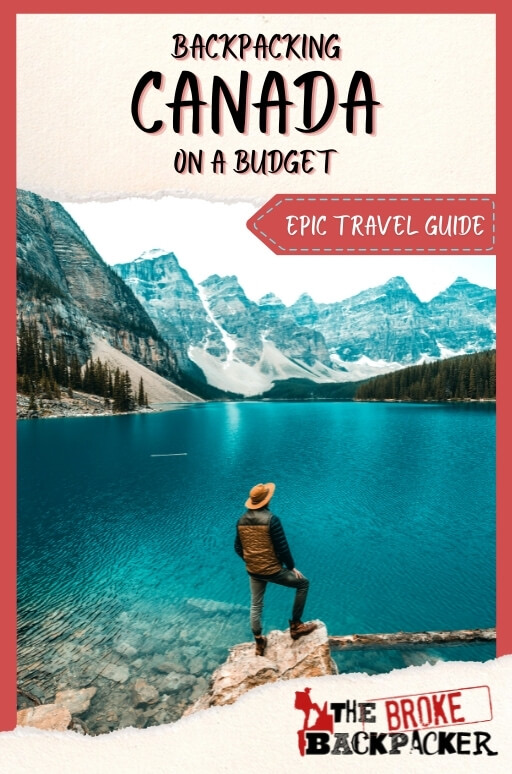
Canada operates on a higher cost of living, which translates directly to travel expenses. Expect to pay CAD $150-300 ($110-220 USD) for a mid-range hotel room in cities like Toronto or Vancouver. A casual meal at a restaurant can be CAD $20-30 ($15-22 USD), while groceries for a week might run CAD $80-120 ($60-90 USD). Activities like national park passes (e.g., Banff) cost CAD $22 per vehicle per day, and ski lift tickets can exceed CAD $150 ($110 USD) daily. Public transport in major cities typically costs CAD $3.25 ($2.40 USD) per ride.
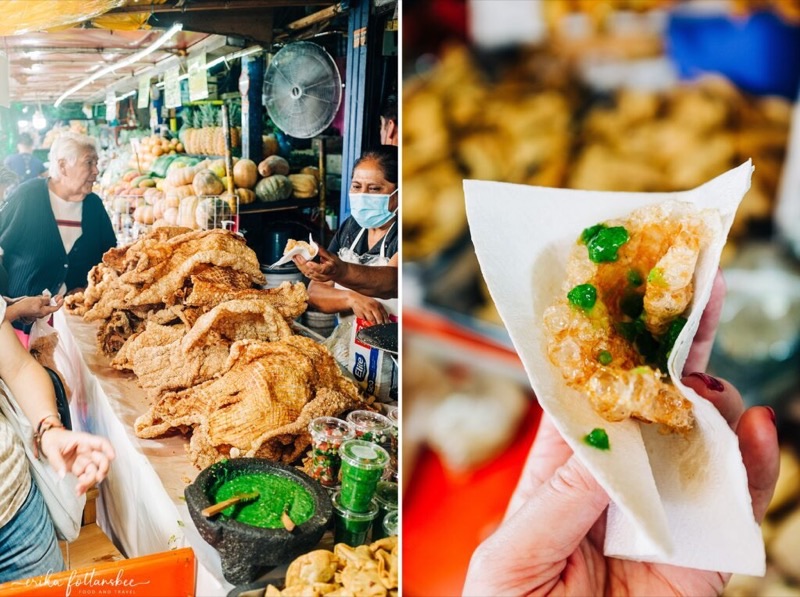
Mexico offers a stark contrast in pricing. A decent hotel room in many popular areas like Oaxaca or Merida can be found for MXN $800-1500 ($45-85 USD). Street tacos cost MXN $20-40 ($1-2 USD) each, and a sit-down meal at a local eatery often comes in at MXN $150-300 ($8-17 USD). Groceries for a week are easily MXN $500-800 ($28-45 USD). Entry fees to archaeological sites like Chichen Itza are around MXN $600 ($34 USD), while local bus rides are MXN $10-20 ($0.50-1 USD). Mexico allows your travel funds to stretch much further. tabiji verdict: Mexico is the undeniable winner for budget-conscious travelers aiming to maximize their trip duration or experience level.
- Winner: Mexico
- Why: Mexico provides substantially lower prices for accommodation, food, transport, and activities, making travel accessible to more budgets.
- Who this matters for: Budget travelers, long-term travelers, those seeking luxury on a modest budget.
🏖️ Beaches & Coastline
Canadas coastline is immense but primarily features cooler water and a more rugged aesthetic. On the Pacific side, Tofino, BC, is a well-known surf destination with long sandy…
Canada
Mexico
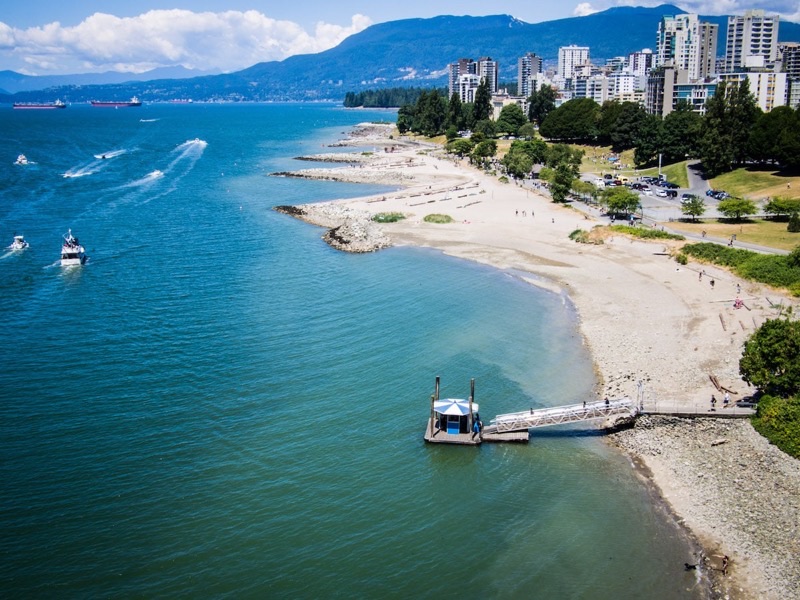
Canadas coastline is immense but primarily features cooler water and a more rugged aesthetic. On the Pacific side, Tofino, BC, is a well-known surf destination with long sandy beaches and dense rainforest, but the water temperature rarely exceeds 15°C (59°F). The Atlantic provinces like Nova Scotia and Prince Edward Island have beautiful sandy coves, but again, the water is cool, usually only warm enough for quick dips in late summer. These areas are more suited for coastal hikes, wildlife observation, and photography rather than extended swimming or sunbathing.
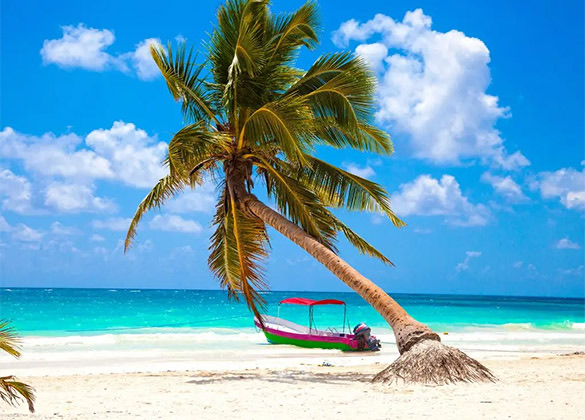
Mexico is a paradise for beach lovers. Its Caribbean coast, including destinations like Tulum, Playa del Carmen, and Cancun, features white sand and clear turquoise waters averaging 27°C (80°F), ideal for swimming, snorkeling, and diving in places like the Mesoamerican Barrier Reef. The Pacific coast offers different vibes, from the lively shores of Puerto Vallarta and Mazatlan to the more laid-back surf breaks of Oaxaca like Puerto Escondido. Baja Californias beaches, particularly around Los Cabos, blend desert landscapes with warm ocean access. From lively resorts to secluded coves, Mexicos beaches are a major draw. tabiji verdict: Mexico provides superior, warm-water beach experiences for swimming and relaxation, making it the clear choice for a beach vacation.
- Winner: Mexico
- Why: Mexico offers consistently warm, swimmable ocean waters and extensive sandy beaches on three different coasts, catering to all types of beach activities.
- Who this matters for: Sun-seekers, swimmers, snorkelers, divers, families with young children.
🌮 Food Scene
Canadas food scene, while evolving, has certain staples. Poutine, a dish of fries, cheese curds, and gravy, is a national comfort food. Maple syrup is a key ingredient and export,…

Canada
Mexico
Canadas food scene, while evolving, has certain staples. Poutine, a dish of fries, cheese curds, and gravy, is a national comfort food. Maple syrup is a key ingredient and export, used in many desserts and breakfast items. Major cities like Toronto and Vancouver offer diverse international cuisines, from Italian to Asian, due to their multicultural populations. Fine dining is common in big cities, but everyday eating can be expensive. Think CAD $25 ($18 USD) for a burger and fries in downtown Toronto. Local specialties include Atlantic lobster and Quebecois tourtiere (meat pie).
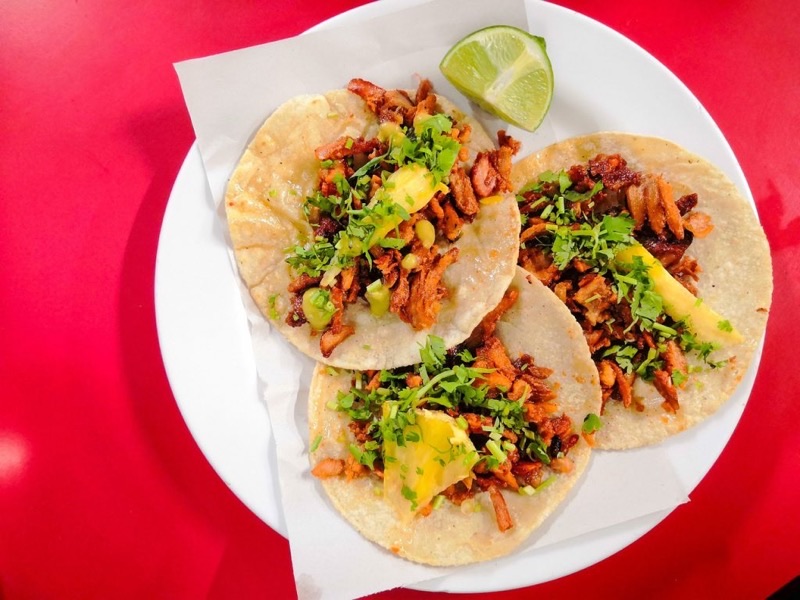
Mexicos food culture is a UNESCO Intangible Cultural Heritage. Its regional variations are immense, from the mole sauces of Oaxaca to the cochinita pibil of the Yucatan. Street food is central to daily life and incredibly affordable; a few tacos for MXN $60-80 ($3-4 USD) is a common lunch. Mexico City alone boasts thousands of eateries, from casual taquerias to Michelin-starred restaurants. The use of fresh, local ingredients, corn tortillas, diverse chiles, and specific preparation methods creates dishes with depth and complexity that are hard to match anywhere else. tabiji verdict: Mexico offers a more diverse, accessible, and deeply ingrained food experience that is both affordable and globally celebrated.
- Winner: Mexico
- Why: Mexico provides an unparalleled culinary journey with incredible diversity, authentic regional dishes, and accessible street food at exceptional value.
- Who this matters for: Foodies, adventurous eaters, budget travelers, anyone who values authentic local flavors.
🗿 Culture & History
Canadas historical narrative is largely shaped by European colonization and its relationship with Indigenous peoples. The historical sites often relate to early settlements, fur…
Canada
Mexico
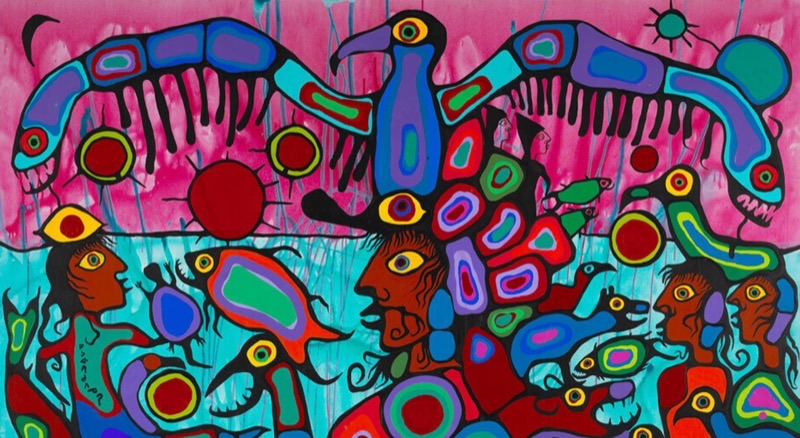
Canadas historical narrative is largely shaped by European colonization and its relationship with Indigenous peoples. The historical sites often relate to early settlements, fur trade, and parliamentary history. Quebec Citys old town, a UNESCO site, is a prime example of French colonial architecture. Indigenous cultural centers across the country aim to preserve and share First Nations, Inuit, and Métis histories. Modern Canadian culture is highly multicultural, particularly in cities like Toronto and Vancouver, where different communities maintain their traditions. Museums like the Canadian Museum of History in Gatineau offer a broad overview.
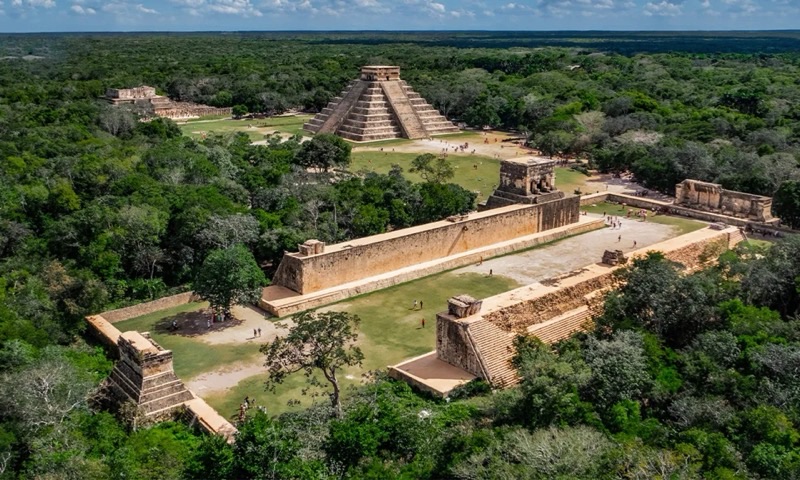
Mexicos history dates back thousands of years with powerful pre-Columbian civilizations. Sites like Teotihuacan (near Mexico City), Chichen Itza, Palenque, and Uxmal showcase incredible architectural and astronomical achievements of the Aztec and Maya. The Spanish colonial period left its mark in architecturally significant cities like San Miguel de Allende, Oaxaca, and Guanajuato, all UNESCO sites, with grand cathedrals and plazas. Indigenous traditions remain a strong, visible part of daily life, particularly in states like Oaxaca and Chiapas, influencing art, crafts, music, and festivals. The countrys Day of the Dead celebrations are a globally recognized cultural event. tabiji verdict: Mexico offers a significantly deeper, older, and more visible layer of historical and cultural experiences from ancient civilizations to colonial influence.
- Winner: Mexico
- Why: Mexico boasts thousands of years of human history, with extensive archaeological sites, preserved colonial cities, and living indigenous cultures that are central to its identity.
- Who this matters for: History buffs, anthropologists, art enthusiasts, those seeking profound cultural immersion.
🎉 Nightlife & Social Scene
Canadas nightlife is generally concentrated in its larger cities. Montreal is famous for its lively bars and clubs, particularly along Rue Sainte-Catherine and Rue Crescent, often…

Canada

Mexico
Canadas nightlife is generally concentrated in its larger cities. Montreal is famous for its lively bars and clubs, particularly along Rue Sainte-Catherine and Rue Crescent, often with later closing times than other cities. Toronto offers a range of options from high-end cocktail bars in the Entertainment District to breweries and live music venues. Vancouver has a smaller but growing scene. Expect to pay CAD $8-12 ($6-9 USD) for a beer and CAD $12-18 ($9-13 USD) for a cocktail. Closing times are typically around 2 AM or 3 AM, and the atmosphere can be more subdued compared to some international destinations.
Mexico offers a more varied and often more energetic nightlife. Cancun and Playa del Carmen are globally known for their large resorts and superclubs like Coco Bongo, operating until sunrise. Mexico City has a sophisticated array of bars, speakeasies, and clubs in neighborhoods like Roma Norte and Condesa, with options for every taste and budget. Oaxaca and Guadalajara offer lively local cantinas, mezcalerias, and salsa clubs where locals dance late into the night. Beer prices can be as low as MXN $30-60 ($1.50-3 USD) in local spots, with cocktails ranging MXN $100-200 ($5-11 USD). The social aspect is often more central, with music and dancing as core components. tabiji verdict: Mexico provides a more diverse, affordable, and generally more energetic social and nightlife experience across various settings.
- Winner: Mexico
- Why: Mexico features a broader spectrum of nightlife options, from massive clubs to authentic local bars, often with later closing times and lower prices.
- Who this matters for: Party-goers, social travelers, those seeking late-night entertainment, dancers.
🏔️ Nature & Outdoors
Canadas natural landscapes are immense and largely preserved. The Canadian Rockies, with Banff and Jasper National Parks, offer soaring peaks, glaciers, emerald lakes like Lake…
Canadas natural landscapes are immense and largely preserved. The Canadian Rockies, with Banff and Jasper National Parks, offer soaring peaks, glaciers, emerald lakes like Lake Louise, and extensive hiking trails. British Columbias coastline provides fjords and temperate rainforests. The boreal forest covers much of the country, home to countless lakes and rivers perfect for canoeing and fishing. The Arctic territories present a frontier of ice, tundra, and unique wildlife. Activities include hiking, skiing, snowboarding, wildlife spotting (bears, moose), kayaking, and ice skating. Access to these areas is generally well-maintained and organized.
Mexico also has diverse natural settings. The Copper Canyon system in Chihuahua is larger and deeper than the Grand Canyon, offering incredible trekking opportunities. Central Mexico features numerous volcanos, some active, like Popocatepetl and Iztaccihuatl. The Yucatan Peninsula is famous for its cenotes (natural sinkholes), ideal for swimming and snorkeling, and its dense jungles that hide Mayan ruins. Baja California has deserts meeting the ocean, creating unique coastal scenery. However, the sheer scale of untouched wilderness and cold-weather activities like those in Canada is not as prevalent. tabiji verdict: Canada edges out Mexico for pure, expansive, and easily accessible large-scale wilderness and colder climate outdoor pursuits.
- Winner: Canada
- Why: Canada offers truly immense, raw, and well-preserved natural spaces, particularly its iconic mountain ranges, vast forests, and pristine lakes for year-round outdoor activities.
- Who this matters for: Hikers, skiers, nature photographers, wildlife enthusiasts, those seeking cold-weather outdoor adventures.
🛡️ Safety & Logistics
Canada is consistently ranked as one of the safest countries globally. Major cities have low violent crime rates, and petty crime is present but not rampant. Public services are…
Canada is consistently ranked as one of the safest countries globally. Major cities have low violent crime rates, and petty crime is present but not rampant. Public services are reliable, and infrastructure like roads and healthcare is well-developed. Traveling in rural areas is generally extremely safe, though wilderness preparedness is essential. Navigation is straightforward with clear signage and reliable GPS. The main concerns for travelers are wildlife encounters in national parks and adapting to cold weather conditions.
Mexico presents a more complex safety picture. Popular tourist destinations like Cancun, Tulum, Puerto Vallarta, and Mexico City are generally safe for travelers, especially in well-frequented areas. However, certain regions, particularly border states and areas with organized crime activity, carry higher risk. Petty crime like pickpocketing is common in crowded areas. Infrastructure quality can vary; major highways are good, but rural roads may be less maintained. Tourists should exercise caution, avoid displaying wealth, and research specific destinations. Local authorities are present in tourist zones, but response times can be slower outside these areas. tabiji verdict: Canada offers a higher baseline of personal safety and more consistent, reliable infrastructure for travelers, providing a more relaxed journey.
- Winner: Canada
- Why: Canada provides a consistently high level of personal safety, low crime rates, and reliable infrastructure across the entire country.
- Who this matters for: Solo travelers, families with young children, first-time international travelers, those prioritizing peace of mind.
🚌 Getting Around
Getting around Canada, especially across provinces, often involves long distances. Domestic flights are efficient but expensive (e.g., Toronto to Vancouver can be CAD $300-600…
Getting around Canada, especially across provinces, often involves long distances. Domestic flights are efficient but expensive (e.g., Toronto to Vancouver can be CAD $300-600 ($220-440 USD) round trip). Train travel via VIA Rail exists but is slow and also costly. Intercity buses are less common for long hauls but serve regional routes. In cities, public transport systems (subways, buses, streetcars) are efficient but not cheap, with single fares around CAD $3.25 ($2.40 USD). Renting a car is popular for exploring national parks but fuel and rental costs are high.
Mexico boasts an excellent and affordable long-distance bus system, with major companies like ADO offering comfortable, air-conditioned coaches between almost all major cities and tourist destinations. A 6-hour bus ride from Mexico City to Oaxaca might cost MXN $500-700 ($28-40 USD). Within cities, Uber is widely available and cheap, often MXN $50-150 ($2.75-8.50 USD) for a ride. Taxis are also common but require price negotiation outside of metered zones. Driving a rental car is possible but requires caution due to varying road conditions, aggressive drivers, and potential for speed traps. tabiji verdict: Mexico offers a more practical, extensive, and significantly more affordable public transport network for intercity travel, giving it the edge.
- Winner: Mexico
- Why: Mexico has a highly efficient and very affordable long-distance bus network, combined with inexpensive ride-sharing options in cities, making travel accessible and easy.
- Who this matters for: Budget travelers, those who prefer not to drive, travelers covering multiple destinations.
🏨 Accommodation
Canadas accommodation options are extensive but come at a higher price point. Hostels in major cities might start at CAD $40-60 ($30-45 USD) for a dorm bed. Mid-range hotels…
Canadas accommodation options are extensive but come at a higher price point. Hostels in major cities might start at CAD $40-60 ($30-45 USD) for a dorm bed. Mid-range hotels typically cost CAD $150-300 ($110-220 USD) per night, with significant seasonal fluctuations, particularly in popular areas like Banff where prices can easily exceed CAD $400 ($290 USD) in summer. Airbnbs are prevalent but also reflect the higher cost of living. Quality is generally high, with good standards of cleanliness and service across the board.
Mexico offers an incredible array of accommodation at more favorable prices. Hostel dorm beds can be found for MXN $200-400 ($11-22 USD) in many cities. Budget guesthouses and small hotels often cost MXN $600-1200 ($33-68 USD) per night. Boutique hotels in popular colonial cities like Oaxaca might range MXN $1500-3000 ($85-170 USD). The country also excels in all-inclusive resorts along its coasts, offering competitive packages. Airbnbs are very common and can provide excellent value, especially for longer stays. The range and affordability mean travelers can often upgrade their accommodation without significantly impacting their budget. tabiji verdict: Mexico provides superior value and a wider range of accommodation choices for various budgets, allowing travelers more flexibility.
- Winner: Mexico
- Why: Mexico offers significantly more affordable accommodation options across all categories, from hostels to luxury resorts, providing better value for money.
- Who this matters for: Budget travelers, families, those seeking more luxurious stays for less money, long-term travelers.
☀️ Weather & Seasons
Canada experiences extreme seasonal variations. Winters (November-March) are long and cold across most of the country, with heavy snowfall in many regions, making it ideal for…
Canada experiences extreme seasonal variations. Winters (November-March) are long and cold across most of the country, with heavy snowfall in many regions, making it ideal for skiing, snowboarding, and ice hockey. Temperatures can drop to -20°C (-4°F) or lower. Summers (June-August) are generally warm and pleasant, reaching 20-30°C (68-86°F) in southern cities, perfect for hiking, camping, and watersports. Spring and autumn are brief but offer beautiful foliage (especially in Eastern Canada) and milder temperatures. Travel plans are often dictated by seasonal activities.
Mexico generally has a warm climate year-round, with regional differences. Coastal areas are hot and humid, with Caribbean temperatures averaging 27°C (80°F) and Pacific slightly cooler. Central Mexico, due to altitude, has a more temperate climate, often referred to as 'eternal spring,' with Mexico City averaging 18-22°C (64-72°F). The dry season (November-May) is considered peak tourist season, offering sunny days and low humidity. The rainy season (June-October) brings afternoon downpours, but these are often brief and clear up quickly. Tropical storms are a risk on the coasts during hurricane season (June-November). tabiji verdict: Neither country strictly 'wins' as their weather patterns cater to entirely different preferences and activities, making it a matter of traveler priority.
- Winner: Tie
- Why: Both countries offer distinct and appealing weather patterns suitable for different travel styles, making a 'winner' dependent solely on individual preference for hot vs. cold climates.
- Who this matters for: This category depends entirely on whether a traveler prefers warm, sunny climates for beaches and relaxation or cold, snowy conditions for winter sports and crisp air.
🎯 The Decision Framework
Choose Canada If…
- You crave pristine mountain landscapes and clear lakes.
- You enjoy skiing, snowboarding, or other cold-weather sports.
- You prioritize a consistently low crime rate and feel more secure.
- You prefer organized, well-maintained national parks and trails.
- You like a multicultural city experience with diverse, quality dining.
- You are comfortable with higher travel costs and longer distances.
- You seek a quieter, more subdued nightlife experience.
Choose Mexico If…
- You want warm, sandy beaches and ocean activities like snorkeling.
- You are excited by ancient ruins (Mayan, Aztec) and colonial cities.
- You prefer a budget-friendly trip where your money stretches further.
- You want to indulge in incredibly diverse and affordable street food.
- You enjoy lively music, dancing, and late-night social scenes.
- You are comfortable navigating a different language and cultural norms.
- You seek adventure, from cenotes to volcanos, in a hot climate.
📅 Sample Itineraries
Weekend in Canada (3 Days)
💡 Purchase a Presto card in Toronto for local transit to save money on individual fares, as single rides are about $3.30 cash.
Weekend in Mexico (3 Days)
💡 Use the Mexico City Metro system; single rides cost about $0.25, making it an extremely economical way to travel around the city.
One Week in Canada (7 Days)
💡 Purchase a Parks Canada Discovery Pass (around $75 for a year) if visiting multiple national parks to save on individual entry fees.
One Week in Mexico (7 Days)
💡 Utilize Mexico's comfortable and affordable ADO bus network for intercity travel; a bus from Playa del Carmen to Tulum costs around $3-5.
❓ Frequently Asked Questions
Which country is better for a solo female traveler?
Canada generally offers a higher level of safety and predictability across the board, making it a strong choice for solo female travelers. While popular tourist areas in Mexico are generally safe, incidents can occur, and higher vigilance is required. Canada has reliable public transport and infrastructure, reducing logistical stress.
What is the average flight time from North American hubs to each country?
From major US cities like New York or Los Angeles, direct flights to Canadas hubs (Toronto, Vancouver) average 2-6 hours. Flights to Mexicos hubs (Mexico City, Cancun) typically range 3-7 hours. For example, LAX to Mexico City is about 4.5 hours, while LAX to Vancouver is around 2.5 hours.
Is it possible to visit both on a two-week trip?
A two-week trip would be extremely rushed to genuinely experience both. You would spend significant time and money on internal flights (e.g., Mexico City to Toronto can be $400-600 USD one-way). It is better to focus on one country to avoid feeling exhausted and financially strained, especially with a limited timeframe.
Which destination is better for families with young children?
Mexico, particularly its all-inclusive resorts in Cancun or Riviera Maya, offers excellent family-friendly amenities, warm beaches, and kids clubs. Canada provides family experiences like national parks and interactive museums, but the cooler climate and higher costs might be less ideal for younger children unless specifically seeking winter activities.
What are the visa requirements for US citizens for each country?
US citizens do not need a visa for tourist visits to Canada or Mexico. For Mexico, a FMM (Forma Migratoria Multiple) is issued upon arrival, usually for up to 180 days. For Canada, a passport is sufficient for entry for up to 6 months for tourism.
Which country offers better value for luxury travel?
Mexico provides significantly better value for luxury travel. A high-end resort or boutique hotel in Mexico that might cost $300-600 USD per night would likely cost $500-1000+ USD in Canada for a comparable experience. Services, dining, and activities also tend to be more affordable in Mexico.
What is the internet and mobile connectivity like in each country?
Canada has excellent internet and mobile connectivity in urban areas and most populated regions. Rural and remote areas can have limited or no service. Mexico has good connectivity in cities and popular tourist zones, but it can be spotty in more remote or mountainous regions. SIM cards are cheap and easy to acquire in Mexico.
Which country has more significant indigenous cultural presence for travelers?
Mexico offers a more pronounced and visible indigenous cultural presence that is deeply integrated into daily life. Regions like Oaxaca and Chiapas are known for their strong indigenous communities, traditional markets, crafts, and languages. While Canada has First Nations, Inuit, and Métis cultures, their presence is often less immediately visible to casual travelers outside of dedicated cultural centers.
Ready to plan your North America trip?
Get a free custom itinerary for Canada, Mexico, or both — built from real traveler insights.
👥 Travelers Also Compared
🎟️ Book Tours & Experiences
Hand-picked tours and activities for both destinations — book with free cancellation
Experiences via Viator — free cancellation on most tours