How we built this comparison
This page combines traveler discussion patterns, published price ranges, flight schedules, and seasonal data to help you decide between Canada and Namibia.
- Reviewed 500+ Reddit threads from r/travel, r/solotravel, r/CanadaTravel, r/NamibiaTravel, and other regional subreddits
- Verified costs and logistics against current booking platforms like Google Flights, Booking.com, and local tour operators
- Cross-referenced seasonal patterns, weather data, and safety advisories from government sources
⚡ Quick Answers
⚡ The TL;DR Verdict
For most travelers seeking variety, established infrastructure, and a mix of nature and urban experiences, Canada is the stronger contender. However, if your primary goal is a unique wildlife safari experience combined with desolate desert landscapes, Namibia delivers an unparalleled adventure at a competitive price point. Travelers with less time or a lower tolerance for long transit will favor Canada.
- Choose Canada: You prioritize diverse activities from city exploration to mountain adventures, desire reliable infrastructure, and prefer a more familiar travel experience with clear language and safety standards.
- Choose Namibia: You are focused on wildlife safaris, dramatic desert scenery, driving yourself through vast open spaces, and prefer a remote, less crowded adventure with a lower daily budget for premium experiences.
- Choose Both: Consider both if you have several months for extended travel, appreciating both developed natural parks and raw, untamed wilderness. Allocate at least 2-3 weeks for each country to truly appreciate them.
Choose Canada
Choose Canada if you're a traveler who thrives on diverse experiences, from exploring vibrant cities like Vancouver or Montreal to hiking majestic trails in the Canadian Rockies. It's best for those prioritizing reliable infrastructure, a wide range of activities, and a familiar, comfortable travel experience where language and safety are straightforward.
Choose Namibia
Opt for Namibia if you dream of an unparalleled wildlife safari in Etosha National Park and dramatic, desolate landscapes like Sossusvlei's towering dunes. This destination is best for adventurous travelers eager to self-drive through vast, uncrowded spaces, offering a unique, remote experience at a surprisingly competitive price point for its premium wildlife encounters.
📊 Visual Scorecard
🌤 When to Visit
Average high temperatures (°C). Green = best months, orange = avoid.
Quick Comparison
| Category | Canada | Namibia | Winner |
|---|---|---|---|
| Costs | Higher daily budgets, especially in cities and popular national parks. Expect CAD 150-350 ($110-255 USD) per day. | Lower daily budgets overall, particularly for self-drive safaris. Expect NAD 1300-3800 ($70-200 USD) per day. | Namibia |
| Getting There | Direct flights from major global hubs, typically 5-10 hours from Europe or the US. Toronto Pearson (YYZ) and Vancouver International (YVR) are main gateways. | Longer, multi-leg flights, often 15-20+ hours from Europe/US, usually connecting through Johannesburg (JNB) to Windhoek (WDH). | Canada |
| Getting Around | Extensive road network, reliable public transport in cities, domestic flights for long distances. Car rental is common for rural exploration. | Self-drive 4x4 rentals are the preferred method for exploring vast, remote areas; limited public transport outside Windhoek. Road conditions vary. | Canada |
| Nature & Wildlife | Diverse ecosystems from Rocky Mountains to coastal rainforests. Iconic wildlife includes bears, moose, whales, and eagles. | Dramatic desert landscapes (Sossusvlei, Skeleton Coast) and prolific African wildlife in Etosha National Park (elephants, rhinos, lions). | Tie |
| Culture & History | Indigenous cultures, French colonial heritage in Quebec, British colonial influence, and modern multicultural cities. | Rich Indigenous heritage (San, Himba), German colonial past, and diverse African traditions. | Canada |
| Accommodation | Wide range from hostels to luxury hotels, ample camping in national parks. Prices are generally higher than Namibia. | Lodges and guesthouses are common, unique desert camps. Camping is popular and well-equipped. Fewer budget hostel options outside cities. | Canada |
| Food & Drink | Multicultural cuisine in cities, poutine, maple syrup products, fresh seafood on coasts. Craft beer scene. | Meat-heavy cuisine (game meats, braai), German influence (sausages, pastries), unique local drinks. | Canada |
| Weather & Seasons | Distinct four seasons across regions; cold, snowy winters in many parts, warm summers. Best for outdoor activities in summer/fall. | Mostly arid climate, hot summers (wet season) and mild, dry winters. Best for wildlife viewing in dry winter months (May-Oct). | Namibia |
| Safety | Generally very safe. Low violent crime rates, but petty theft can occur in urban areas. Wildlife safety awareness in natural parks. | Generally safe for tourists, but petty crime is a concern in cities. Self-drive safety includes road conditions and remote travel planning. | Canada |
| Activities & Adventure | Hiking, skiing, kayaking, whale watching, city exploration, cultural festivals, diverse outdoor pursuits. | Safari game drives, desert exploration (Sossusvlei), quad biking, sandboarding, skydiving, Himba cultural visits. | Tie |
💸 Costs
Travel in Canada generally requires a higher budget for accommodation, food, and activities. A basic hostel bed in Toronto might cost CAD 50-70 ($37-52 USD), while a mid-range…
Canada
Namibia
Travel in Canada generally requires a higher budget for accommodation, food, and activities. A basic hostel bed in Toronto might cost CAD 50-70 ($37-52 USD), while a mid-range hotel in Banff can easily be CAD 200-300 ($145-220 USD) per night. Meals in a casual restaurant are CAD 20-35 ($15-26 USD), and entrance fees to national parks like Banff National Park are CAD 10.50 ($7.70 USD) per person daily. Transportation, especially car rentals, is a significant expense, often CAD 60-100+ ($44-73 USD) per day.
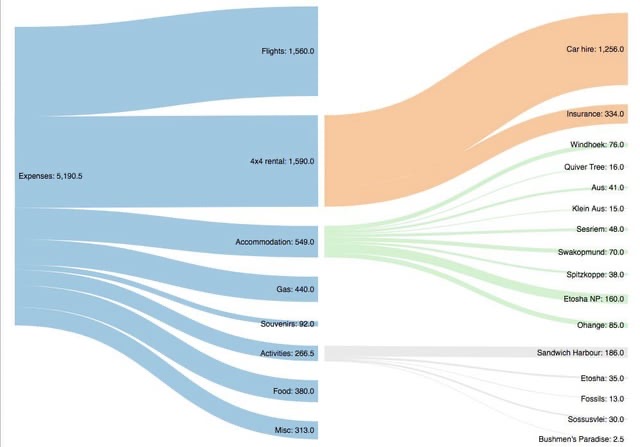
Namibia offers a more budget-friendly experience, particularly for those willing to self-cater and camp. A campsite in Etosha National Park can be NAD 300-500 ($16-27 USD) per person, while a mid-range lodge outside a park might cost NAD 1500-3000 ($80-160 USD) per night. Groceries are affordable for self-catering, but restaurant meals in Windhoek or Swakopmund can be NAD 200-400 ($10-20 USD). Park entrance fees are NAD 150 ($8 USD) per person plus NAD 50 ($2.70 USD) per vehicle daily. A 4x4 rental is a major cost, often NAD 800-1500 ($43-80 USD) per day, but still cheaper than guided tours. tabiji verdict: Namibia wins on overall affordability for comparable quality experiences, especially for travelers prioritizing nature.
- Winner: Namibia
- Why: Namibia offers significant savings on accommodation and activities, making high-quality experiences more accessible.
- Who this matters for: Travelers on a tighter budget or those wanting to extend their trip duration without compromising experience quality.
✈️ Getting There
Reaching Canada from North America or Europe is relatively straightforward. Direct flights from New York to Toronto are around 1.5-2 hours, while flights from London to Montreal…
Canada
Namibia
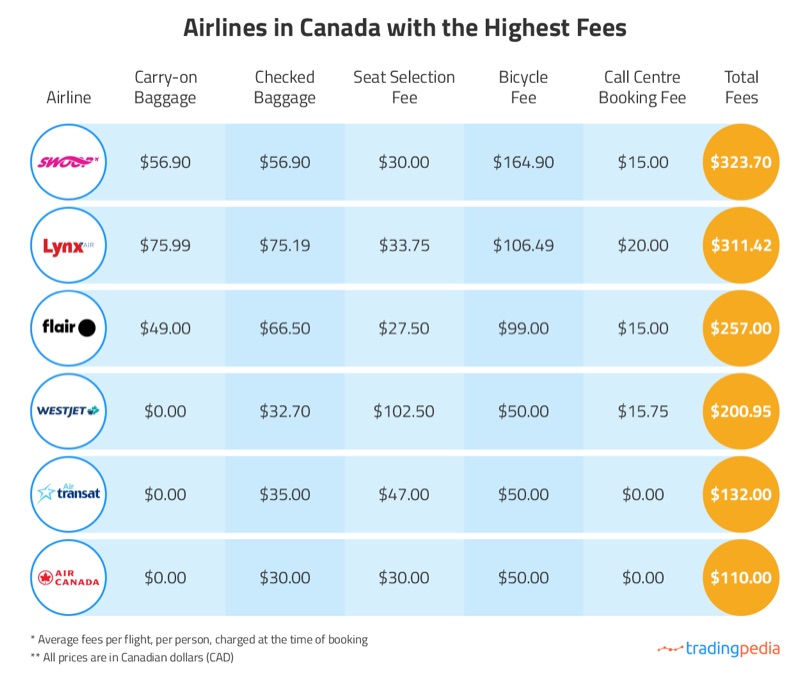
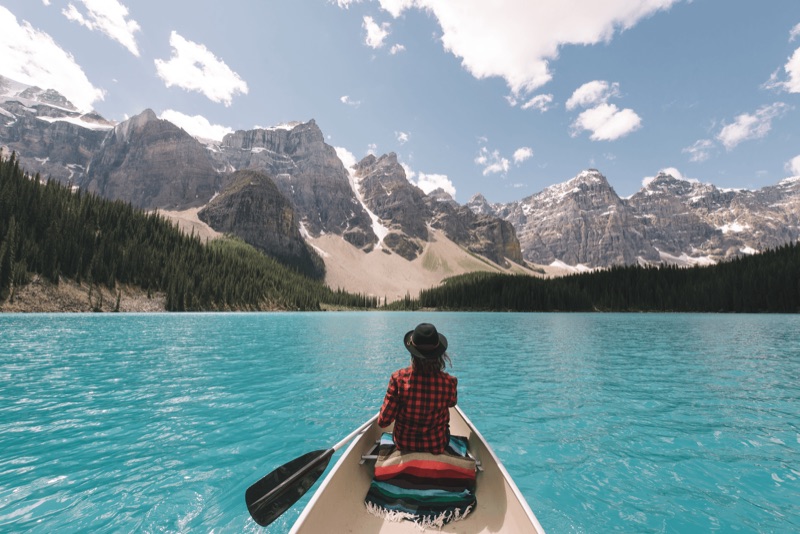
Reaching Canada from North America or Europe is relatively straightforward. Direct flights from New York to Toronto are around 1.5-2 hours, while flights from London to Montreal take about 7 hours. From Frankfurt to Vancouver, expect around 9-10 hours direct. Major airlines like Air Canada, WestJet, British Airways, and Lufthansa operate frequent routes. Flight costs can range from $400-800 USD round trip from the US, or $600-1200 USD from Europe, depending on the season and booking time.
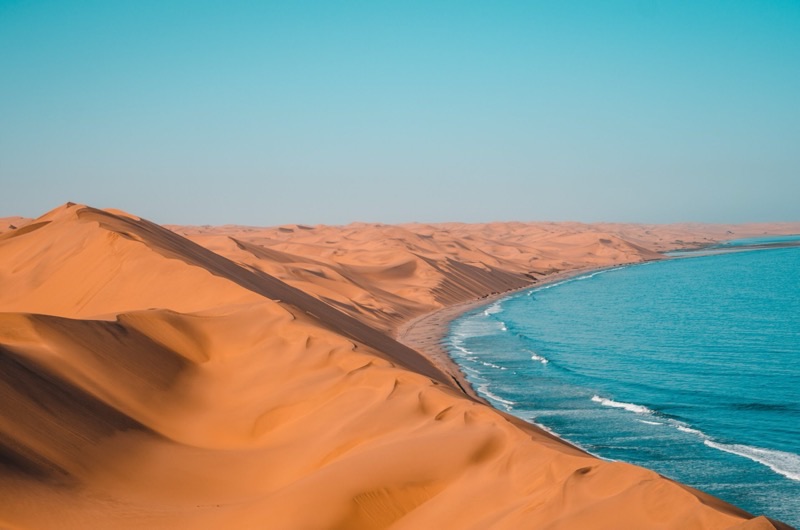
Namibia requires a more substantial travel commitment. From New York, a flight typically involves 2-3 stops and 20-25 hours of travel, often connecting through Europe (e.g., Frankfurt) and then Johannesburg, South Africa, before reaching Hosea Kutako International Airport (WDH) in Windhoek. From London, flights are typically 15-18 hours with one stop. Major carriers include Qatar Airways, Ethiopian Airlines, and Lufthansa. Flight costs are generally higher, ranging from $1200-2000+ USD round trip from North America or Europe. tabiji verdict: Canada is easier and quicker to access for most international travelers, minimizing travel time and cost.
- Winner: Canada
- Why: Canada has shorter flight times and more direct routes from major global travel markets.
- Who this matters for: Travelers with limited vacation time or those sensitive to long-haul flights and complex itineraries.
🚗 Getting Around
Canada's infrastructure for travel is highly developed. Major cities like Toronto, Montreal, and Vancouver have efficient public transit systems (subways, buses, streetcars)…

Canada
Namibia
Canada's infrastructure for travel is highly developed. Major cities like Toronto, Montreal, and Vancouver have efficient public transit systems (subways, buses, streetcars) costing around CAD 3.25 ($2.40 USD) per ride. For inter-city travel, VIA Rail Canada offers train services, though often slower than driving. Greyhound Canada previously offered bus routes, but options are now more fragmented with regional operators. For exploring national parks like Jasper or Pacific Rim, a rental car is essential, with major companies like Hertz or Enterprise operating across the country. Roads are well-maintained, but winter conditions require appropriate tires.
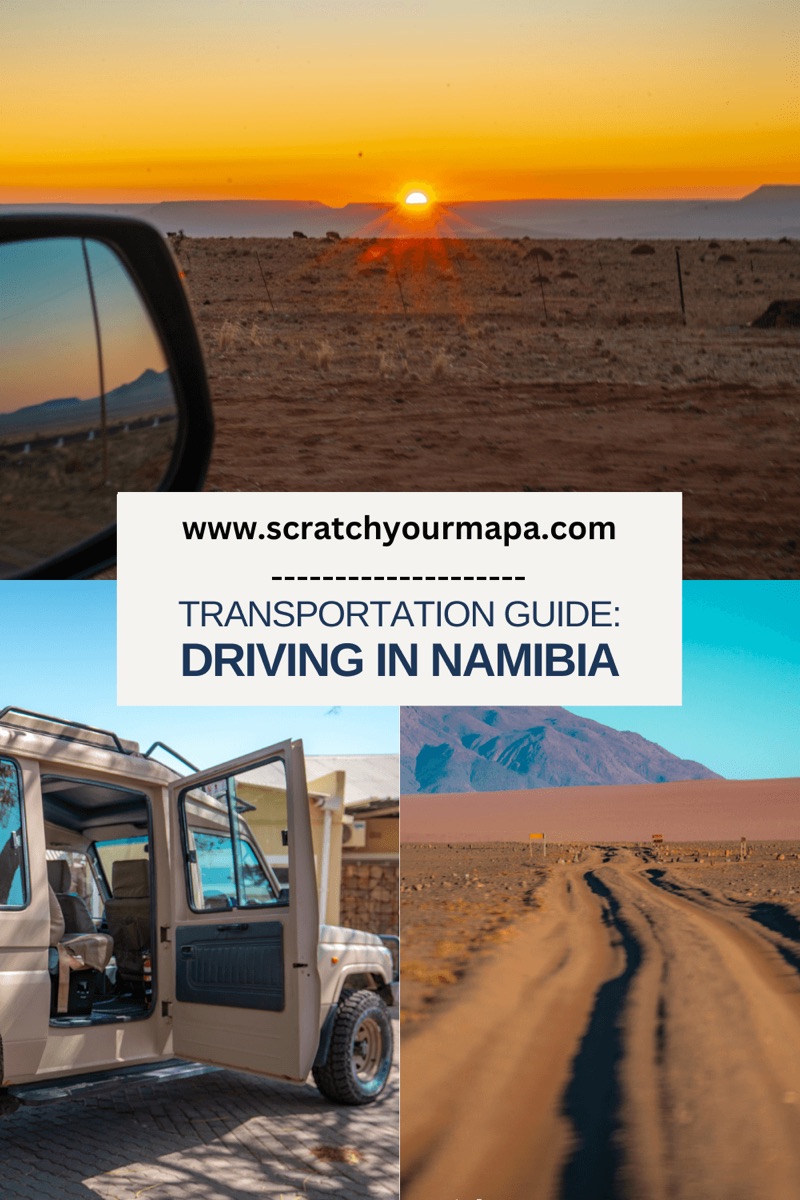
Namibia's appeal lies in its self-drive safari model. Renting a 4x4 vehicle equipped for camping is highly recommended for independence, costing NAD 800-1500 ($43-80 USD) per day. Roads outside major towns are often gravel or dirt tracks, requiring careful driving and knowledge of tire changes. Fuel availability can be sparse in remote areas. Public transport is almost non-existent for tourists beyond shared taxis in Windhoek and a few intercity buses. Guided tours are an alternative but significantly increase costs. Navigation is straightforward with apps like Maps.me, but distances are vast. tabiji verdict: Canada offers significantly more diverse and reliable transportation options for various travel styles.
- Winner: Canada
- Why: Canada provides a wider array of well-established and reliable transportation methods, suitable for different traveler preferences and budgets.
- Who this matters for: Travelers who prefer not to drive themselves, those relying on public transport, or those seeking quicker travel between regions.
🐻 Nature & Wildlife
Canada's natural offerings are incredibly varied. The Canadian Rockies (Banff, Jasper National Parks) provide alpine lakes like Lake Louise, massive glaciers, and opportunities…

Canada
Namibia
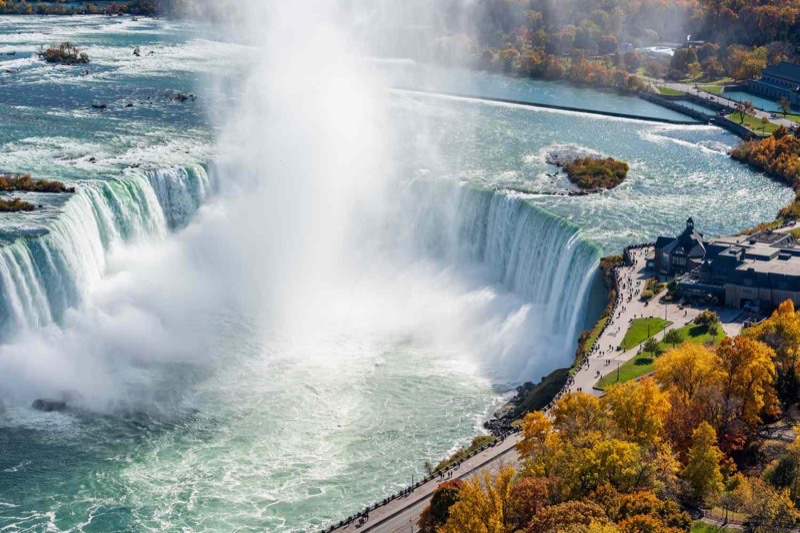
Canada's natural offerings are incredibly varied. The Canadian Rockies (Banff, Jasper National Parks) provide alpine lakes like Lake Louise, massive glaciers, and opportunities for hiking. British Columbia's coast offers whale watching (orca, humpback) near Tofino and bear viewing tours in places like Knight Inlet. The boreal forests are home to moose, deer, and various bird species. The country's sheer size means encountering different landscapes, from the maritime provinces' rugged coastlines to the prairies' expansive skies. National Parks are well-managed, with clear trails and visitor centers.
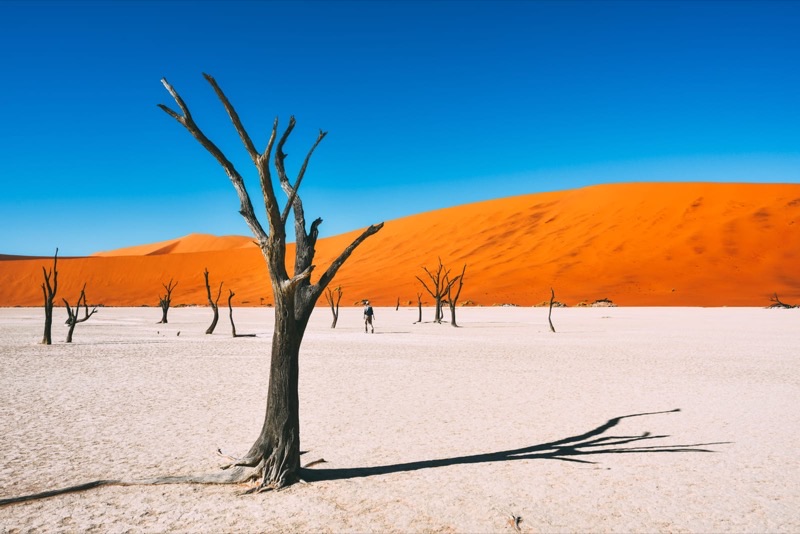
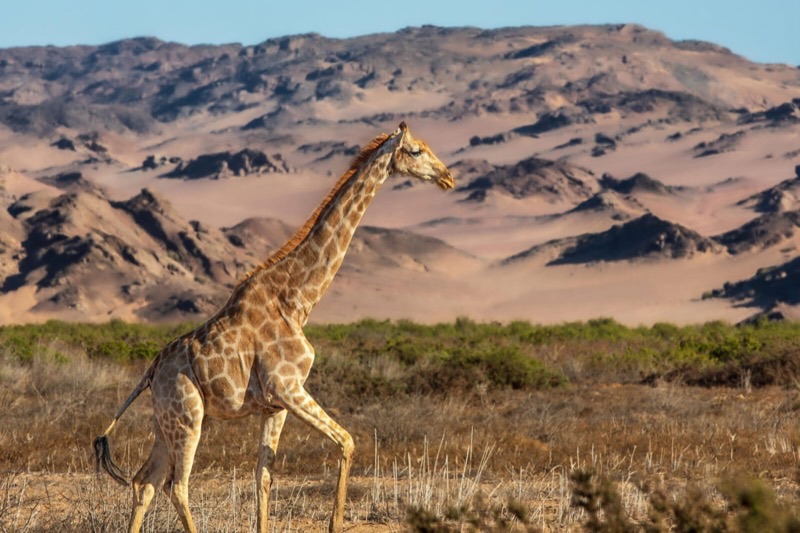
Namibia is synonymous with its stark, otherworldly landscapes and iconic African wildlife. Sossusvlei and Deadvlei in the Namib Desert feature towering red dunes up to 300 meters high. The Skeleton Coast presents a desolate stretch of coastline with shipwrecks and seal colonies. Etosha National Park is a premier safari destination, known for its waterholes where elephants, black rhinos, lions, giraffes, and various antelope species gather, especially during the dry season. The desert-adapted wildlife, like desert elephants, is unique. The remote, raw feel of Namibia's natural areas is a major draw. tabiji verdict: Both countries offer unparalleled natural experiences, but of entirely different types, making it a tie based on traveler preference for mountains and forests versus desert and savannah wildlife.
- Winner: Tie
- Why: Both offer distinct, high-quality natural experiences – Canada with its vast, varied landscapes and large mammals, Namibia with its unique desert ecology and classic African safari animals.
- Who this matters for: Travelers whose primary motivation is engaging with the natural world, whether it's alpine adventures or desert safaris.
🏛️ Culture & History
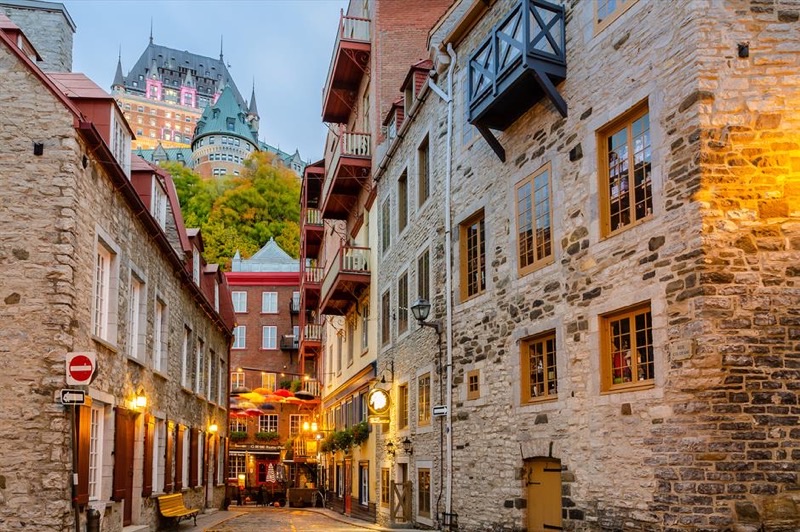
Canada boasts a complex cultural landscape. Quebec, particularly Montreal and Quebec City, preserves a strong French-speaking heritage with historic architecture like the…
Canada
Namibia
Canada boasts a complex cultural landscape. Quebec, particularly Montreal and Quebec City, preserves a strong French-speaking heritage with historic architecture like the fortifications of Old Quebec and the Notre-Dame Basilica. English Canada, especially in provinces like Ontario and British Columbia, reflects British colonial influences, visible in parliamentary buildings and historic towns. Indigenous cultures, from the First Nations, Inuit, and Métis peoples, are prominent and increasingly recognized, with cultural centers and museums across the country, such as the Canadian Museum of History in Gatineau. Cities like Toronto and Vancouver are highly multicultural, evident in their diverse neighborhoods and culinary scenes.
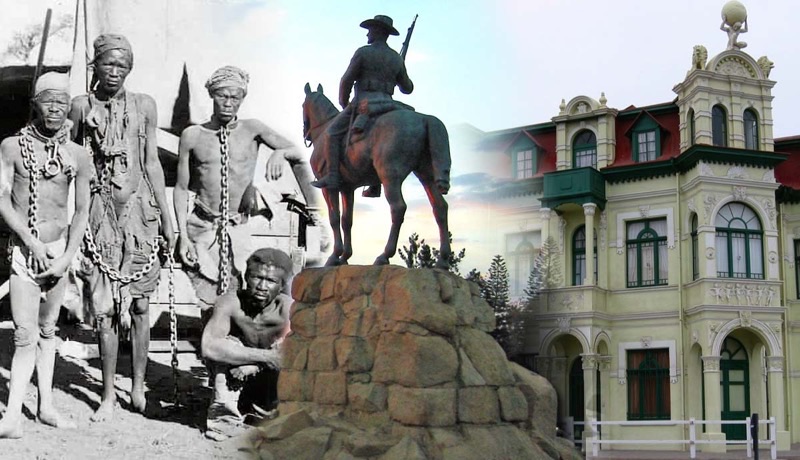
Namibia's history is shaped by its Indigenous peoples and a relatively brief but impactful German colonial period. Windhoek exhibits German colonial architecture, and towns like Swakopmund feel distinctly European with their half-timbered houses and German bakeries. The Himba people in the Kunene Region maintain a traditional pastoral lifestyle, offering opportunities for respectful cultural visits. The San (Bushmen) are among the oldest inhabitants of Southern Africa, with their rock art and traditional practices still present in certain areas. Genocide museums and monuments also speak to the country's turbulent past. tabiji verdict: Canada offers a more accessible and diversified cultural experience, particularly with its strong French-Canadian and multicultural urban scenes.
- Winner: Canada
- Why: Canada provides a more accessible and varied historical and cultural narrative, ranging from French colonial to Indigenous and modern urban influences.
- Who this matters for: Travelers interested in varied historical architecture, museum exploration, and diverse urban cultural experiences.
🏨 Accommodation
Canada offers a comprehensive spectrum of accommodation. Hostels in major cities like HI Toronto can be found for CAD 40-70 ($30-52 USD) per night. Mid-range hotels such as…
Canada offers a comprehensive spectrum of accommodation. Hostels in major cities like HI Toronto can be found for CAD 40-70 ($30-52 USD) per night. Mid-range hotels such as Sandman Hotels or Coast Hotels typically run CAD 150-250 ($110-185 USD). Luxury options like Fairmont Hotels are prominent, especially in iconic locations like Lake Louise, costing CAD 500+ ($365+ USD). National parks like Banff provide numerous campgrounds, often needing advance booking, with sites costing CAD 20-40 ($15-30 USD) per night. Airbnbs and vacation rentals are also prevalent, particularly in tourist-heavy areas.
Namibia's accommodation largely revolves around its unique safari and desert environment. In Windhoek, guesthouses and small hotels are available for NAD 800-1500 ($43-80 USD). Outside cities, lodges are the primary option, ranging from mid-tier at NAD 1500-3000 ($80-160 USD) to high-end luxury camps at NAD 5000+ ($270+ USD), particularly around Etosha or Sossusvlei. Camping is very popular, with well-maintained sites in national parks and private reserves costing NAD 300-500 ($16-27 USD) per person. Self-catering chalets are also available. Hostels are rare outside of Windhoek and Swakopmund. tabiji verdict: Canada offers greater variety and accessibility of budget-friendly and mid-range accommodation across all regions, catering to diverse traveler needs.
- Winner: Canada
- Why: Canada has a more developed and varied accommodation sector, providing more options across different price points and types of travel.
- Who this matters for: Travelers seeking diverse lodging choices, from urban hostels to remote cabin rentals, or those with specific budget constraints for accommodation.
🍔 Food & Drink
Canada's food scene is defined by its multiculturalism and regional specialties. Major cities like Toronto, Montreal, and Vancouver offer a vast array of international cuisines,…
Canada's food scene is defined by its multiculturalism and regional specialties. Major cities like Toronto, Montreal, and Vancouver offer a vast array of international cuisines, from authentic Chinese in Richmond, BC, to Italian in Little Italy districts. Iconic Canadian dishes include poutine (fries, cheese curds, gravy), particularly popular in Quebec, and beaver tails (fried dough pastry). Fresh seafood is a highlight on both coasts, especially lobster in the Maritimes and salmon in British Columbia. Craft beer and local wines (Niagara region) are also prominent. A casual restaurant meal might cost CAD 20-35 ($15-26 USD), while fine dining can be CAD 70+ ($50+ USD).
Namibia's culinary offerings lean heavily on meat, a legacy of its pastoral traditions and German influence. Braai (barbecue) is a central social and culinary event, featuring beef, lamb, and often game meats like oryx or springbok. Traditional dishes include kapana (grilled meat strips) and pap (maize porridge). German bakeries are common, especially in Windhoek and Swakopmund, offering strudels and schwarzwälder kirschtorte. Local beers like Windhoek Lager are popular. Restaurant meals can range from NAD 150-400 ($8-20 USD). Vegetarian options are less common outside larger towns. tabiji verdict: Canada's diverse urban centers and varied regional specialties provide a more expansive and adaptable food and drink experience for most palates.
- Winner: Canada
- Why: Canada offers a significantly broader and more diverse culinary landscape, especially in its multicultural cities, catering to a wider range of tastes.
- Who this matters for: Food enthusiasts, vegetarians/vegans, or travelers who prioritize diverse dining experiences and international cuisines.
☀️ Weather & Seasons
Canada's climate varies drastically by region. Winters can be severely cold and snowy in the Prairies and Eastern Canada (e.g., -20°C/-4°F in Winnipeg), ideal for winter sports…
Canada's climate varies drastically by region. Winters can be severely cold and snowy in the Prairies and Eastern Canada (e.g., -20°C/-4°F in Winnipeg), ideal for winter sports like skiing in Whistler or Mont Tremblant. Summers are generally warm across the country, with temperatures often reaching 20-30°C (68-86°F), perfect for hiking and exploring national parks. Spring and autumn offer milder weather and beautiful foliage, particularly in Eastern Canada. Travel planning requires careful consideration of regional weather patterns.
Namibia experiences a largely arid to semi-arid climate. The country has two main seasons: a hot, wet summer from November to April, characterized by afternoon thunderstorms and high humidity, with temperatures often exceeding 35°C (95°F). The dry winter season, from May to October, brings mild daytime temperatures (20-25°C / 68-77°F) and cool nights, minimal rainfall, and clear skies. This dry period is optimal for wildlife viewing as animals congregate around fewer water sources. The coastal areas, like Swakopmund, are cooler and foggier year-round. tabiji verdict: Namibia's consistent dry season offers a more predictable and generally favorable climate for its primary attractions (wildlife and desert exploration).
- Winner: Namibia
- Why: Namibia offers a long, predictable dry season which is optimal for its main attractions (safari and desert), while Canada's weather is more variable and can be extreme.
- Who this matters for: Travelers prioritizing clear skies, predictable weather for outdoor activities, and optimal wildlife viewing conditions.
🚨 Safety
Canada is considered one of the safest countries for travelers. Violent crime is low, particularly outside of isolated urban areas. Petty crime like pickpocketing can occur in…
Canada is considered one of the safest countries for travelers. Violent crime is low, particularly outside of isolated urban areas. Petty crime like pickpocketing can occur in busy tourist zones in cities like Vancouver or Toronto, so standard precautions apply. When exploring national parks, awareness of wildlife (bears, cougars) and proper wilderness safety protocols (carrying bear spray, hiking in groups) is crucial. Roads are well-maintained, and emergency services are reliable and accessible across populated regions. The political environment is stable, and local populations are generally welcoming.
Namibia is generally safe for tourists, but certain precautions are advisable. Petty crime (bag snatching, car break-ins) is more prevalent in Windhoek and other urban centers, particularly at night. Self-drive safety is a key concern; travelers should be prepared for long distances, variable road conditions, and lack of mobile reception in remote areas. Always carry spare tires and sufficient water/fuel. Wildlife encounters, especially outside fenced areas, require caution. Border regions can have higher crime rates. Emergency services outside major towns may be less immediate. tabiji verdict: Canada offers a higher overall sense of security and more reliable infrastructure for safety and emergencies.
- Winner: Canada
- Why: Canada has significantly lower crime rates and a more developed, reliable emergency infrastructure, contributing to a safer travel environment.
- Who this matters for: Solo travelers, families, or anyone prioritizing a low-risk, secure travel experience with readily available support.
⛰️ Activities & Adventure
Canada provides a broad spectrum of activities. In the Rocky Mountains, popular pursuits include hiking trails in Banff, Lake Louise, and Jasper National Parks,…
Canada provides a broad spectrum of activities. In the Rocky Mountains, popular pursuits include hiking trails in Banff, Lake Louise, and Jasper National Parks, skiing/snowboarding in winter at resorts like Whistler Blackcomb, and kayaking on clear alpine lakes. On the coasts, whale watching tours are popular near Vancouver Island or Nova Scotia. Cities offer museums (Royal Ontario Museum in Toronto), art galleries, live music, and diverse culinary experiences. From exploring Old Montreal's cobblestone streets to camping in Algonquin Provincial Park, options cater to various interests.
Namibia specializes in desert and wildlife-focused adventures. Safari game drives in Etosha National Park are the main draw, offering close encounters with diverse African animals. The Namib Desert provides quad biking, sandboarding down massive dunes near Swakopmund, and sunrise hot air balloon rides over Sossusvlei. Skydiving is popular in Swakopmund, offering views of the desert meeting the ocean. Cultural visits to Himba villages in the north provide insights into traditional lifestyles. The remote Fish River Canyon offers multi-day hiking for experienced trekkers. tabiji verdict: Both destinations excel in adventure, but cater to different types of adventurers – Canada with its varied outdoor and urban activities, Namibia with its specific desert and safari focus.
- Winner: Tie
- Why: Both countries offer distinct, high-quality adventure and activity options – Canada for its diverse outdoor pursuits and urban offerings, Namibia for its unique desert and safari-centric experiences.
- Who this matters for: Adventure seekers and active travelers, depending on whether their interest lies in mountain sports and urban exploration or desert safaris and unique landscape activities.
🎯 The Decision Framework
Choose Canada If…
- You want to combine mountain adventures with diverse city exploration.
- You prefer well-established tourist infrastructure and clear road signs.
- You are comfortable with higher daily spending on food and accommodation.
- You want easy access to diverse cuisines and cultural events in cities.
- You enjoy activities like skiing, hiking, and kayaking in temperate climates.
- You appreciate reliable public transportation within urban centers.
- You seek experiences across four distinct seasons.
- You prefer a shorter flight time from North America or Europe.
Choose Namibia If…
- Your primary goal is a self-drive safari experience with iconic African wildlife.
- You are drawn to stark, expansive desert landscapes and unique geology (Sossusvlei).
- You prioritize a more remote, less crowded travel experience.
- You are comfortable driving a 4x4 on gravel roads for long distances.
- You want a premium lodge or camping experience at a relatively lower cost.
- You are interested in cultural interactions with groups like the Himba.
- You prefer a predictable dry season for optimal outdoor activities and wildlife viewing.
- You seek adventure activities like sandboarding or desert quad biking.
📅 Sample Itineraries
Weekend in Vancouver (3 Days)
💡 Purchase a Vancouver Attractions Pass online to save about 15-20% on multiple entry fees if you plan to visit several paid attractions.
Weekend in Swakopmund (3 Days)
💡 Book popular desert activities like quad biking or marine cruises in advance, especially during peak season, to secure your spot and sometimes get better rates.
One Week in the Canadian Rockies (7 Days)
💡 Purchase a Parks Canada Discovery Pass for ~$140 per vehicle if you plan to visit multiple national parks, saving money compared to daily passes over a week-long trip.
One Week Namibia Safari & Coast (7 Days)
💡 When self-driving in Namibia, ensure your vehicle is a 4x4, especially for national parks and desert roads. Always carry extra water, fuel, and a spare tire, as distances between towns can be substantial.
❓ Frequently Asked Questions
What is the typical flight cost from the US to Canada versus Namibia?
Flights from major US cities to Canada (e.g., Toronto, Vancouver) typically range from $400-800 USD round trip for a non-stop or one-stop journey. For Namibia (Windhoek), expect to pay $1200-2000+ USD round trip, usually involving 2-3 stops and significantly longer travel times.
Which destination is better for solo female travelers concerning safety?
Canada is generally considered safer for solo female travelers due to lower crime rates and a more developed support infrastructure. While Namibia is generally safe for tourists, petty crime in urban areas and the remoteness of self-drive routes require more vigilance and careful planning for solo travelers.
Can I see iconic wildlife in both Canada and Namibia?
Yes, but very different types. Canada offers bears, moose, elk, caribou, and whales in their natural habitats. Namibia provides classic African safari animals like elephants, rhinos, lions, giraffes, and various antelope species, primarily in Etosha National Park.
What are the key differences in road trip experiences?
Canada offers well-maintained paved roads, clear signage, and frequent services, making road trips comfortable. Namibia involves vast distances on mostly gravel roads, requiring a 4x4 vehicle, carrying spare tires, and careful planning for fuel and water stops due to remote conditions. Both offer incredible scenery.
Which country is more accessible for travelers with mobility challenges?
Canada generally offers better accessibility for travelers with mobility challenges. Cities and national parks often have accessible facilities, ramps, and public transport options. Namibia's remote, often rugged terrain and focus on self-drive safaris make it less accessible for many mobility needs.
How much should I budget for a mid-range trip to each country for two weeks?
For two weeks in Canada, a mid-range budget would be approximately $2000-3500 USD per person, excluding flights. For Namibia, a similar mid-range, self-drive safari trip could cost around $1500-2800 USD per person, also excluding international flights.
What are the best times of year to visit Canada vs. Namibia?
For Canada, late spring to early fall (June-September) is ideal for outdoor activities and comfortable weather. For Namibia, the dry winter season (May-October) is optimal for wildlife viewing and moderate temperatures, avoiding the extreme heat and rain of summer.
Are vegetarian or vegan food options readily available in both countries?
Canada, especially its major cities, has abundant vegetarian and vegan options due to its multicultural population and diverse food scene. Namibia offers fewer dedicated options outside of Windhoek and Swakopmund, with most restaurants heavily meat-focused, though basic vegetarian meals can usually be arranged.
Ready to plan your North America or Southern Africa trip?
Get a free custom itinerary for Canada, Namibia, or both — built from real traveler insights.
👥 Travelers Also Compared
🎟️ Book Tours & Experiences
Hand-picked tours and activities for both destinations — book with free cancellation
Experiences via Viator — free cancellation on most tours