How we built this comparison
This page combines traveler discussion patterns, published price ranges, flight schedules, and seasonal data to help you decide between Canada and Romania.
- Reviewed 50+ Reddit threads from r/travel, r/solotravel, r/CanadaTravel, r/Romania, and r/TravelNoPics
- Verified costs and logistics against current booking platforms like Booking.com, Skyscanner, and local transport sites
- Cross-referenced seasonal patterns and weather data for optimal travel timing and activity recommendations
⚡ Quick Answers
⚡ The TL;DR Verdict
If you prioritize big nature, diverse cities, and high comfort for a higher price, pick Canada. If you seek budget-friendly adventures, ancient history, and a more rustic feel, Romania is your destination. Most travelers will find Romania a more accessible and rewarding solo trip due to lower costs and concentrated attractions.
- Choose Canada: You want grand scale nature, well-maintained national parks, varied city experiences, and a generally higher level of infrastructure and service, with a budget to match.
- Choose Romania: You prefer budget travel, medieval architecture, specific historical sites, Eastern European culture, and are comfortable with less polished travel logistics.
- Choose Both: To experience both, plan at least three weeks, focusing on a specific region in Canada (e.g., West Coast) and a loop through Transylvania and Bucharest in Romania. This is an ambitious, expensive dual trip.
Choose Canada
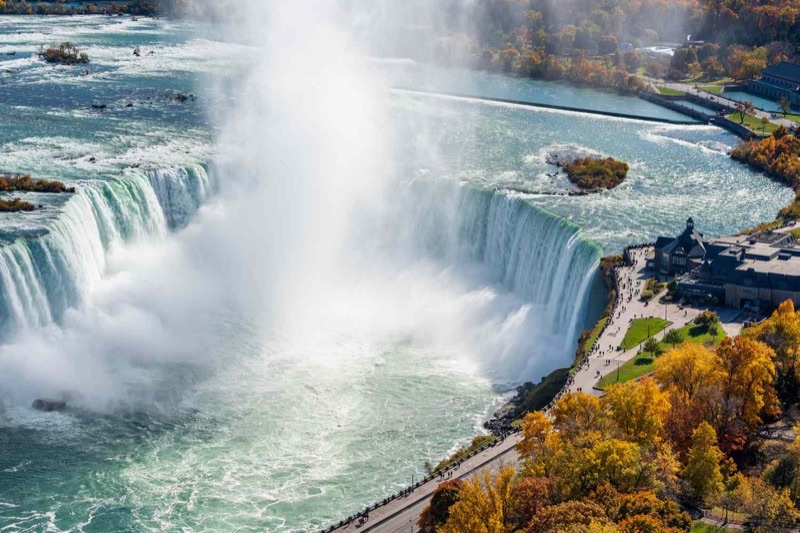
If you dream of majestic mountain ranges, pristine lakes, and world-class outdoor adventures like hiking in Banff or exploring the vibrant streets of Vancouver, Canada is your unparalleled choice. This destination caters to travelers seeking high comfort, diverse cultural experiences, and an expansive natural playground, ideal for a memorable, well-planned trip with a generous budget.
Choose Romania
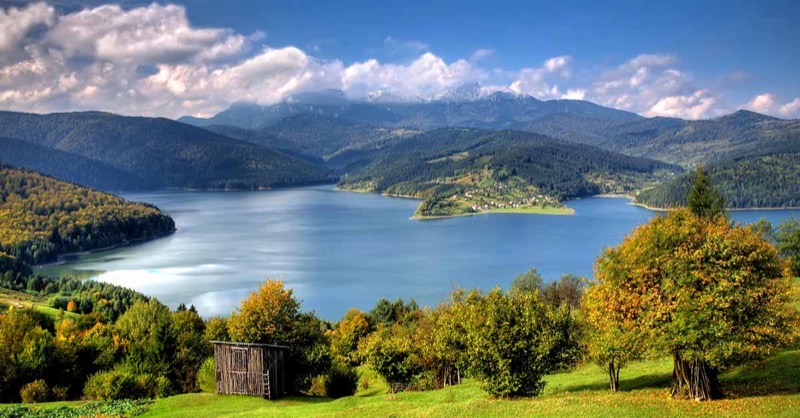
For an immersive journey into ancient legends, medieval charm, and a distinctly authentic Eastern European experience, Romania beckons. Explore Dracula's castles in Transylvania, wander Bucharest's atmospheric Old Town, or trek the wild Carpathian Mountains, making it perfect for budget-conscious adventurers and history enthusiasts craving unique cultural encounters.
📊 Visual Scorecard
🌤 When to Visit
Average high temperatures (°C). Green = best months, orange = avoid.
Quick Comparison
| Category | Canada | Romania | Winner |
|---|---|---|---|
| Costs & Budget | Significantly higher costs for accommodation, food, and transport. Daily budget $100-250+ USD. | Very affordable. Daily budget $40-90 USD, even less for budget travelers. | Romania |
| Nature & Outdoors | Vast, wild landscapes: Rockies, coastlines, lakes, prairies. Well-developed national parks, extensive trail networks. | Carpathian Mountains, Danube Delta, caves, forests. More rugged, less developed infrastructure in some areas. | Canada |
| Culture & History | Multicultural cities, Indigenous heritage, French-Canadian distinctiveness, colonial history. | Medieval castles, Orthodox monasteries, Roman and Ottoman influences, Communist era history, strong folk traditions. | Romania |
| Food Scene | Diverse international cuisine, poutine, maple syrup, craft beer. Higher restaurant prices. | Hearty, meat-focused dishes, strong soups, pastry, local wines. Very affordable. | Romania |
| Getting There | Direct flights from major global hubs to large Canadian cities. Longer flight times for Europe/Asia. | Direct flights to Bucharest/Cluj from many European cities. Fewer direct long-haul options. | Tie |
| Getting Around | Excellent road infrastructure, expensive domestic flights, limited intercity train network, car often necessary. | Improving road network, extensive but slow train network, good bus connections. Driving can be challenging. | Canada |
| Accommodation | Wide range of options, but generally expensive. Hostels, hotels, Airbnb, camping. Book well in advance for popular areas. | Very affordable. Hostels, guesthouses, hotels, agrotourism. Good value for money, even for higher-end stays. | Romania |
| Nightlife | Diverse bars and clubs in major cities, craft breweries, live music. Drinks can be expensive. | Lively Old Town scene in Bucharest, student bars in Cluj, traditional pubs, affordable drinks. | Romania |
| Safety | Generally very safe. Low violent crime, but petty theft can occur in crowded urban areas. Wildlife safety important in nature. | Generally safe, but petty crime is more prevalent, especially pickpocketing. Scams can target tourists. Driving can be hazardous. | Canada |
| Solo Travel | Easy to navigate, safe, but can be expensive. Opportunities to meet others in hostels/tours. Distances are vast. | Affordable, good hostel scene, easy to meet people. Some language barriers, less polished infrastructure. | Romania |
💰 Costs & Budget
Canada is an expensive country, particularly in popular cities like Vancouver or Toronto and major national parks such as Banff. Expect a basic hostel bed to cost $40-70 CAD…
Canada

Romania
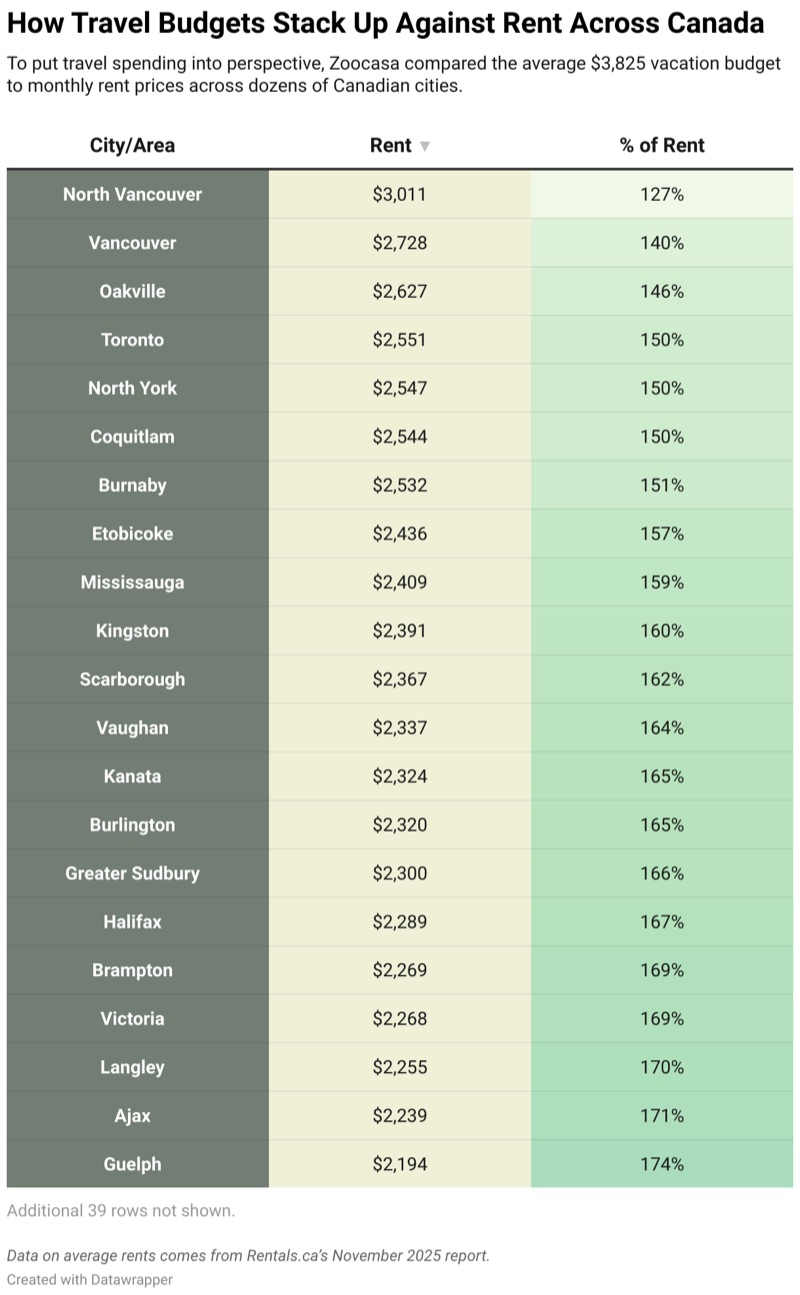
Canada is an expensive country, particularly in popular cities like Vancouver or Toronto and major national parks such as Banff. Expect a basic hostel bed to cost $40-70 CAD ($30-55 USD), a casual restaurant meal $20-30 CAD ($15-23 USD), and public transport around $3.25 CAD ($2.50 USD) per ride. Car rental can be $70-120 CAD ($55-90 USD) per day, plus fuel. A budget traveler might scrape by on $100 USD/day, but a comfortable mid-range trip is more like $150-250 USD/day without major activities like heli-skiing. Groceries are also costly, so cooking your own meals helps.
Romania offers far greater value. A hostel bed in Bucharest or Brasov is typically 60-100 RON ($13-22 USD), a hearty meal in a local restaurant 30-60 RON ($6.50-13 USD), and a city bus ticket 3 RON ($0.65 USD). Car rental can start from 100-150 RON ($22-33 USD) per day. A daily budget of $40-60 USD is comfortable for a solo traveler, allowing for good food and entry fees. Even with higher-end dining and accommodation, it is difficult to spend more than $90-100 USD per day. For budget-conscious travelers, Romania offers a lot of travel for little money.
Tabiji verdict: Romania is the clear winner for budget travelers; Canada demands a serious financial commitment.
- Winner: Romania
- Why: Romania provides significantly more travel value for every dollar spent, making it accessible to a wider range of budgets.
- Who this matters for: Budget-conscious travelers, students, and those planning longer trips.
🏞️ Nature & Outdoors
Canada's natural spaces are immense and diverse. The Canadian Rockies (Banff, Jasper National Parks) offer accessible trails to turquoise lakes like Lake Louise and Moraine Lake,…
Canada
Romania
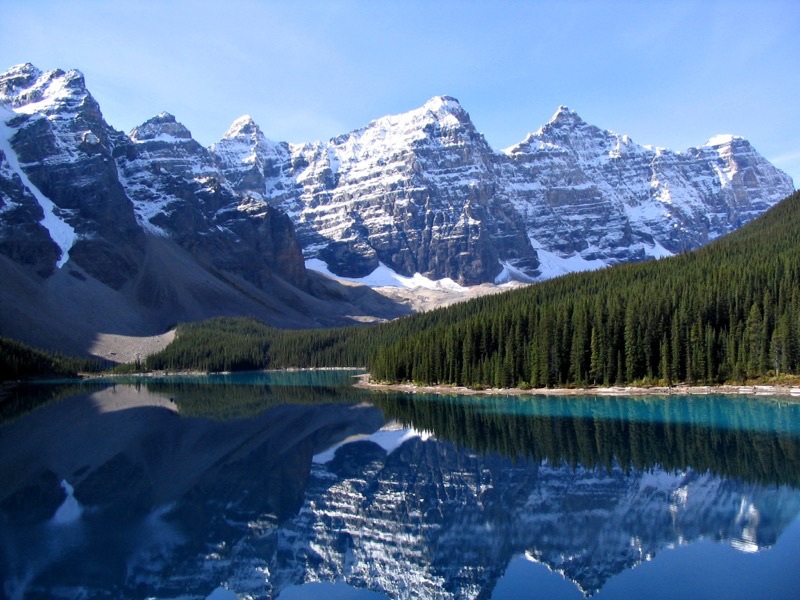
Canada's natural spaces are immense and diverse. The Canadian Rockies (Banff, Jasper National Parks) offer accessible trails to turquoise lakes like Lake Louise and Moraine Lake, and opportunities for hiking, kayaking, and wildlife sightings (bears, elk). The West Coast has old-growth forests and Pacific Ocean beaches. The Atlantic provinces provide rugged coastlines and maritime beauty. You can drive for hours through plains, shield rock, or dense forests. Infrastructure within national parks is modern, with visitor centers, campgrounds, and well-marked trails. Entrance fees to national parks are around $10.50 CAD ($8 USD) per person per day or $72.25 CAD ($55 USD) for an annual pass. Activities like guided bear watching tours can cost $150-300 CAD ($115-230 USD).
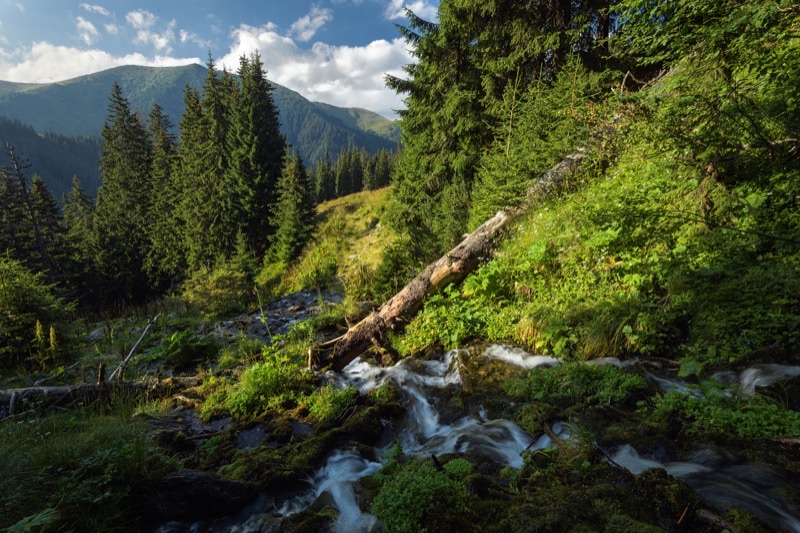
Romania's nature is centered on the Carpathian Mountains, offering dramatic peaks, deep forests, and abundant wildlife including brown bears, wolves, and lynx. Areas like Piatra Craiului National Park or Bucegi Natural Park have extensive hiking paths, though they are often less maintained and more challenging than their Canadian counterparts. The Danube Delta is a wetlands area, home to hundreds of bird species. Cave systems like Scarisoara Ice Cave provide unique underground experiences. While beautiful, access can be less straightforward, requiring careful planning or local guides. Hiking in the Carpathians is generally free, but specific attractions like the Transfagarasan Road are seasonal. Wildlife tours can be arranged from Brasov starting around 150-300 RON ($33-65 USD).
Tabiji verdict: Canada edges out Romania for its sheer scale, diversity, and the accessibility of its grand natural features.
- Winner: Canada
- Why: Canada presents a wider array of grand, well-managed natural environments that are generally easier to access and navigate.
- Who this matters for: Outdoor enthusiasts, hikers, wildlife photographers, and those seeking extensive national park systems.
🏛️ Culture & History
Canada's cultural identity is a blend of Indigenous nations, French colonial roots (especially Quebec), British influence, and subsequent waves of immigration. Major cities like…

Canada
Romania
Canada's cultural identity is a blend of Indigenous nations, French colonial roots (especially Quebec), British influence, and subsequent waves of immigration. Major cities like Toronto or Vancouver are mosaics of different cultures, evident in their food scenes and neighborhoods. Montreal offers a distinct European feel with its French language and architecture. Indigenous cultural centers and museums across the country work to preserve and share First Nations, Inuit, and Métis stories. The Royal Ontario Museum in Toronto or the Canadian Museum of History in Gatineau provide historical context. Entry fees for museums range from $15-25 CAD ($11-19 USD).
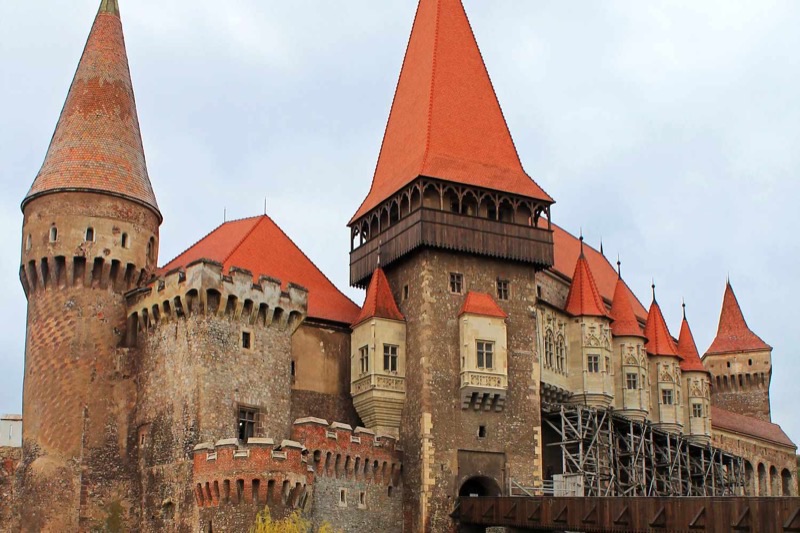
Romania boasts a long and complex history, visible in its medieval castles like Peles Castle in Sinaia or Bran Castle (popularly associated with Dracula), the painted monasteries of Bucovina (Voronet, Sucevita), and the ancient Dacian fortresses. Bucharest's architecture reflects Ottoman, French, and Communist influences. The country retains strong folk traditions, especially in rural areas like Maramures, with intricate wooden churches and traditional crafts. Communist-era sites, such as the Palace of the Parliament in Bucharest, offer specific insights into 20th-century history. Museum entry fees are typically 20-50 RON ($4.50-11 USD). There is a deep, tangible connection to the past around every corner.
Tabiji verdict: Romania offers a more concentrated and ancient historical experience that feels more distinct and palpable.
- Winner: Romania
- Why: Romania provides a more specific and immersive historical narrative through its medieval architecture, monasteries, and tangible ancient influences.
- Who this matters for: History buffs, architecture enthusiasts, and those interested in specific Eastern European narratives.
🍽️ Food Scene
Canada's food scene is defined by its multiculturalism, especially in cities like Toronto, which has excellent representations of nearly every cuisine imaginable. Beyond that,…
Canada
Romania
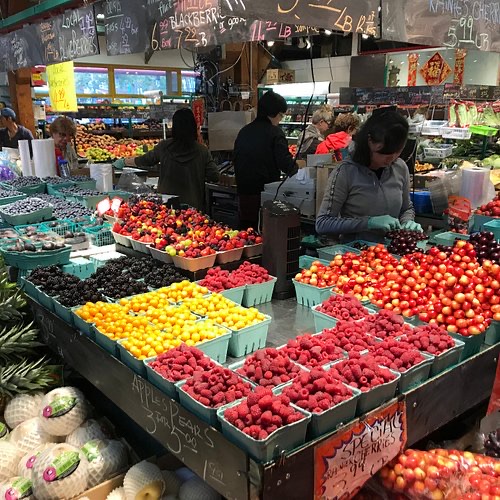
Canada's food scene is defined by its multiculturalism, especially in cities like Toronto, which has excellent representations of nearly every cuisine imaginable. Beyond that, national staples include poutine (fries, cheese curds, gravy), maple syrup products, and Nanaimo bars. Craft beer and wine regions (Niagara, Okanagan) are growing. A sit-down meal at a mid-range restaurant in a major city can easily cost $25-40 CAD ($19-30 USD) per person, excluding drinks. Street food or casual eateries offer options from $10-15 CAD ($7.50-11.50 USD). Farmers markets provide local produce, but groceries are still expensive.
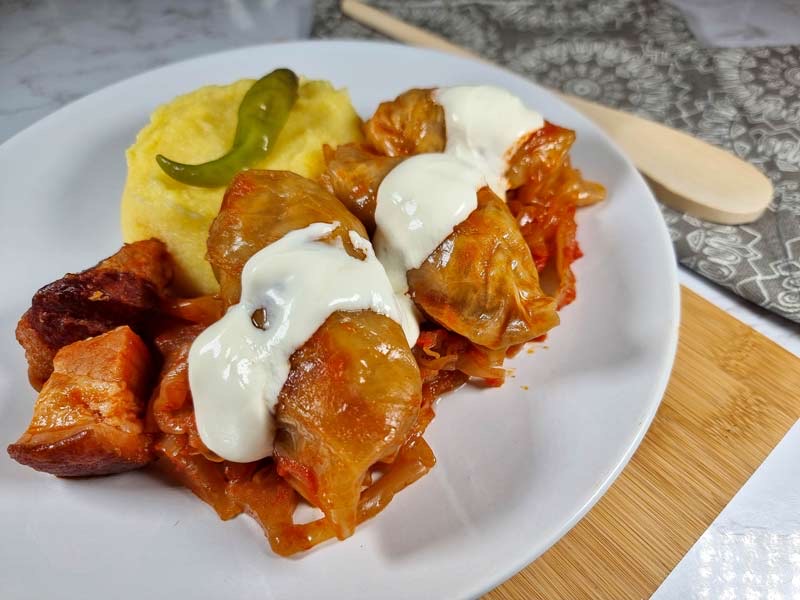
Romanian food is hearty and flavorful, with influences from Ottoman, Austro-Hungarian, and Slavic traditions. Signature dishes include Mici (grilled minced meat rolls, about 3-5 RON/$0.65-1.10 USD each), Sarmale (cabbage rolls), Ciorbă (sour soups), and Papanași (fried doughnuts with sour cream and jam). Traditional restaurants (hanuri) offer substantial meals at very low prices, often 30-60 RON ($6.50-13 USD) for a main course. Street food like covrigi (pretzels) costs just 2-5 RON ($0.45-1.10 USD). Local wines and plum brandy (palinca) are common. The food is consistently good and accessible, with portion sizes generally generous.
Tabiji verdict: Romania wins for its flavorful, specific traditional cuisine and its incredible value, making it easier to try a wider variety of local dishes.
- Winner: Romania
- Why: Romania offers a distinctive and consistently affordable culinary experience with strong regional dishes.
- Who this matters for: Foodies on a budget, travelers seeking traditional European flavors, and those who enjoy hearty meals.
✈️ Getting There
Getting to Canada from major US cities is straightforward, with numerous direct flights to Toronto (YYZ), Montreal (YUL), and Vancouver (YVR). From New York (JFK), a flight to…
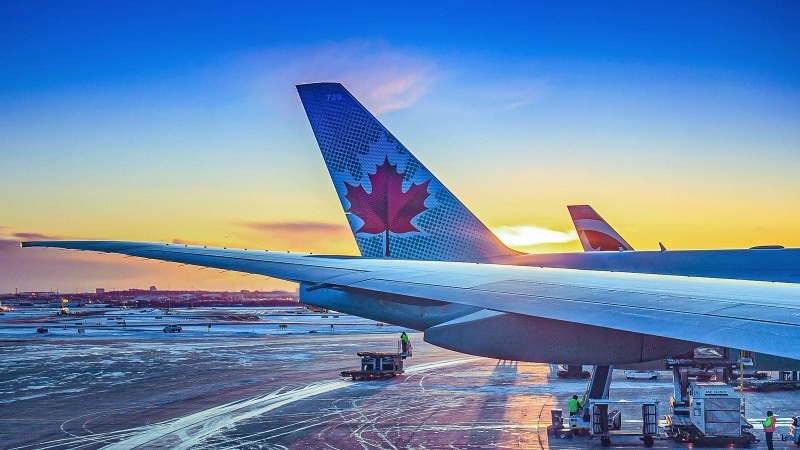
Canada
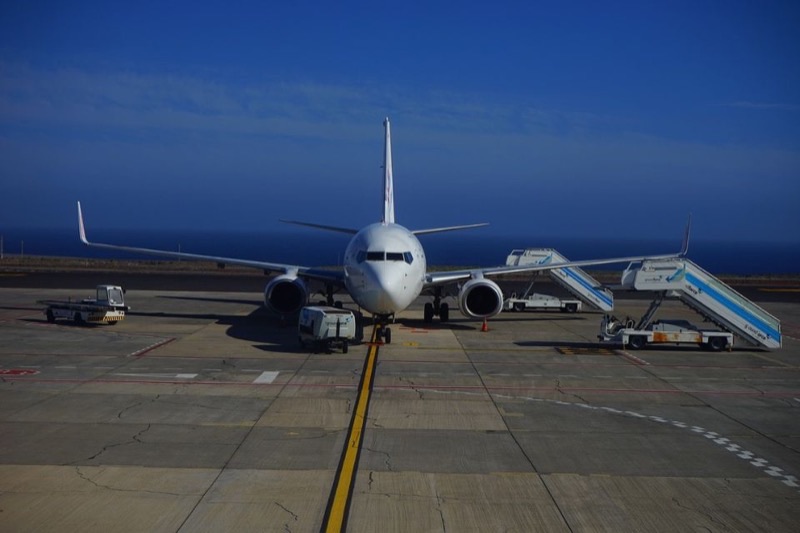
Romania
Getting to Canada from major US cities is straightforward, with numerous direct flights to Toronto (YYZ), Montreal (YUL), and Vancouver (YVR). From New York (JFK), a flight to Toronto is about 1.5-2 hours, costing $200-400 USD round trip. From London (LHR), a direct flight to Montreal takes 7-8 hours, costing $500-800 USD round trip. From Asia, flights are significantly longer, often 10-14 hours to Vancouver, with prices ranging from $800-1500 USD. Visa requirements vary by nationality, but many western visitors are visa-exempt with an eTA.
Romania has direct flights from many European hubs to Bucharest (OTP) and Cluj-Napoca (CLJ). From London (LHR), a direct flight to Bucharest takes about 2.5-3 hours, costing $100-300 USD round trip. From New York (JFK), there are no direct flights, typically involving a stop in a European city, with total travel time around 10-14 hours and costs ranging from $600-1000 USD round trip. From Asia, flights are also 12-16 hours with stops. Romania is part of the EU, so Schengen visa rules apply for many visitors. Budget airlines like Wizz Air and Ryanair operate extensive routes within Europe, making it cheap to reach from other European countries.
Tabiji verdict: A tie because while Canada has more direct long-haul options, Romania is incredibly accessible and cheap from within Europe.
- Winner: Tie
- Why: Both destinations offer good accessibility from their respective major continents, but long-haul travel to Romania usually involves a connection.
- Who this matters for: Travelers from North America (Canada wins), travelers from Europe (Romania wins).
🚗 Getting Around
Canada's vastness makes internal travel a consideration. Road infrastructure is excellent, but distances are huge. Renting a car is often the best way to explore regions like the…
Canada's vastness makes internal travel a consideration. Road infrastructure is excellent, but distances are huge. Renting a car is often the best way to explore regions like the Rockies or Atlantic provinces, though fuel is expensive (around $1.60-2.00 CAD/liter or $4.50-5.70 USD/gallon). Domestic flights between major cities are convenient but costly, often $200-500 CAD ($150-380 USD) for a one-way trip between Toronto and Vancouver. The Via Rail train network is scenic but not comprehensive for rapid transit, and often expensive. Public transport within cities like Toronto and Montreal is efficient and modern.
Romania's public transport relies on trains (CFR Călători) and buses. Trains are inexpensive but often slow and can be unreliable, especially on regional routes. A train ticket from Bucharest to Brasov is around 40-70 RON ($9-15 USD) for a 2.5-3 hour journey. Buses offer better coverage for some routes. Roads have improved significantly, but some rural roads remain unpaved or poorly maintained. Driving can be an adventure, with aggressive drivers, horse-drawn carts, and sometimes confusing signage outside major centers. Car rental is affordable, but be prepared for a different driving culture. City public transport is generally good and cheap.
Tabiji verdict: Canada wins for its reliable, albeit expensive, infrastructure; Romania's transit requires more patience and adaptability.
- Winner: Canada
- Why: Canada's infrastructure, while costly, is more reliable and easier for travelers to navigate vast distances, especially by car.
- Who this matters for: Independent travelers, those prioritizing convenience and speed, and road-trippers.
🏨 Accommodation
Accommodation in Canada is a significant part of the travel budget. A decent hotel room in a city like Toronto or Vancouver often starts at $150-250 CAD ($115-190 USD) per night.…
Accommodation in Canada is a significant part of the travel budget. A decent hotel room in a city like Toronto or Vancouver often starts at $150-250 CAD ($115-190 USD) per night. Hostels in major cities or popular national park towns can be $40-70 CAD ($30-55 USD) for a dorm bed. Airbnb rentals are available but also pricier. Camping is popular and a more budget-friendly option, with national park campgrounds costing $20-40 CAD ($15-30 USD) per night. For popular destinations like Banff, booking several months in advance is essential, especially during peak summer.
Romania offers excellent value for accommodation. Hostel dorms in Bucharest, Brasov, or Sibiu are typically 60-100 RON ($13-22 USD) per night. Mid-range hotels or well-rated guesthouses (pensiuni) can be found for 150-300 RON ($33-65 USD) per night, often including breakfast. Even boutique hotels in city centers rarely exceed 400-600 RON ($87-130 USD). Agrotourism in rural areas provides charming, affordable stays with local hospitality. Booking a few weeks in advance is usually sufficient, even in peak season, though popular properties in Brasov or Sighisoara can fill up.
Tabiji verdict: Romania offers superior value and quality for accommodation across all budget ranges.
- Winner: Romania
- Why: Romania provides significantly more affordable and varied accommodation options, from budget hostels to comfortable guesthouses.
- Who this matters for: Budget travelers, those seeking good value, and extended stay visitors.
🍻 Nightlife
Canada's major cities like Toronto, Montreal, and Vancouver have energetic nightlife scenes. Montreal is particularly known for its late-night clubs and bars. Toronto offers a…
Canada's major cities like Toronto, Montreal, and Vancouver have energetic nightlife scenes. Montreal is particularly known for its late-night clubs and bars. Toronto offers a range from upscale lounges to casual pubs. Craft breweries are popular across the country. A pint of beer can cost $8-12 CAD ($6-9 USD) in a bar, and cocktails upwards of $15 CAD ($11.50 USD). Cover charges for clubs can be $10-20 CAD ($7.50-15 USD). Legal drinking age is 19 in most provinces (18 in Quebec, Alberta, Manitoba).
Romania's nightlife is concentrated and lively, especially in Bucharest's Old Town, which is packed with bars, clubs, and pubs. Cluj-Napoca, a university city, also has a vibrant scene. Beer prices are very affordable, typically 8-15 RON ($1.75-3.30 USD) for a pint in a bar. Cocktails range from 25-40 RON ($5.50-8.70 USD). Cover charges are rare. The atmosphere is generally relaxed, and many places stay open late. Traditional pubs (cramă) offer a different experience with local spirits and folk music. The legal drinking age is 18.
Tabiji verdict: Romania wins for its concentrated, energetic, and significantly more affordable nightlife, especially for those seeking a party atmosphere.
- Winner: Romania
- Why: Romania's nightlife, particularly in Bucharest's Old Town, is more concentrated, energetic, and substantially more affordable for drinks.
- Who this matters for: Party-goers, young travelers, and those who enjoy a lively night out without breaking the bank.
🛡️ Safety
Canada is considered a very safe country for travelers. Violent crime rates are low. Major cities are safe to explore, even at night, though basic urban precautions against petty…
Canada is considered a very safe country for travelers. Violent crime rates are low. Major cities are safe to explore, even at night, though basic urban precautions against petty theft apply. In national parks, the main safety concerns involve wildlife (bears, cougars) and being prepared for outdoor conditions. Following park guidelines, carrying bear spray, and informing others of your hiking plans are important. Roads are well-maintained, and emergency services are reliable. Solo female travelers generally report feeling very secure across the country.
Romania is generally safe for tourists, though petty crime like pickpocketing is more common, particularly in crowded areas of Bucharest or on public transport. Be wary of common tourist scams, especially around money exchange or taxi services. Road safety is a concern due to aggressive driving, poorly lit rural roads, and roaming animals. While serious crime against tourists is rare, exercising caution, especially at night in less frequented areas, is advisable. Solo female travelers should be aware of catcalling in some areas, but physical safety is generally not a major concern with standard precautions.
Tabiji verdict: Canada offers a higher level of general safety and less need for vigilance, especially regarding petty crime.
- Winner: Canada
- Why: Canada has lower rates of petty crime and scams, providing a more relaxed travel environment.
- Who this matters for: Solo travelers, families with young children, and those who prioritize a very secure travel experience.
🚶♀️ Solo Travel
Solo travel in Canada is straightforward and very safe, particularly for those comfortable with higher costs. Hostels in major cities (e.g., The Only Backpacker's Inn in Toronto,…
Solo travel in Canada is straightforward and very safe, particularly for those comfortable with higher costs. Hostels in major cities (e.g., The Only Backpacker's Inn in Toronto, Samesun Vancouver) provide good opportunities to meet other travelers. Organized tours (e.g., Rocky Mountain excursions) are plentiful. The main challenge is the vast distances, which can make independent exploration costly and time-consuming without a car. English is widely spoken, and French in Quebec. While secure, the higher daily expenses can make extended solo trips challenging on a budget.
Romania is an excellent choice for solo travelers, especially budget-conscious ones. The low costs mean your money goes further, allowing for more experiences. There is a strong hostel network in cities like Bucharest (e.g., Little Bucharest Old Town Hostel), Brasov, and Sibiu, which are social hubs. Group tours to castles or the mountains are inexpensive and easy to join. While English is spoken in tourist areas, knowing a few Romanian phrases is helpful in rural regions. Public transport is affordable, connecting key destinations. The concentrated nature of its attractions in Transylvania makes it easy to create a logical itinerary.
Tabiji verdict: Romania is the better pick for solo travelers due to its affordability, social hostel scene, and ease of navigation on a budget.
- Winner: Romania
- Why: Romania offers a more accessible and social solo travel experience due to its lower costs, concentrated attractions, and lively hostel culture.
- Who this matters for: Budget solo travelers, backpackers, and those looking to easily connect with other travelers.
🎯 The Decision Framework
Choose Canada If…
- You want to see immense mountain ranges and pristine wilderness.
- You prefer high-quality infrastructure and organized services.
- You enjoy multicultural cities with diverse food options.
- You are comfortable with a higher daily travel budget.
- You prioritize very high levels of personal safety and order.
- You want to easily travel long distances by well-maintained roads.
- You speak English and French and want to use them primarily.
- You seek accessible outdoor activities like hiking and kayaking.
Choose Romania If…
- You are traveling on a strict budget and want your money to last.
- You are fascinated by medieval castles, fortified churches, and ancient history.
- You enjoy hearty, specific Eastern European cuisine.
- You prefer a more rustic, less polished travel experience.
- You want to explore the Carpathian Mountains and specific wildlife.
- You appreciate a lively and affordable nightlife scene.
- You are seeking a destination with distinct folk traditions and culture.
- You are comfortable navigating slower public transport or driving on varied roads.
📅 Sample Itineraries
Weekend in Vancouver (3 Days)
💡 Purchase a Compass Card for Vancouver's public transit ($6 deposit, top up as needed) to save on individual fare costs and simplify commuting.
Weekend in Bucharest & Brasov (3 Days)
💡 Use ride-sharing apps like Bolt or Uber in Bucharest for convenient and affordable transport; a typical ride within the city center is $3-7.
One Week in Western Canada (7 Days)
💡 Book your rental car and accommodation in Banff and Jasper well in advance, especially for summer travel, as prices increase closer to the date and availability decreases.
One Week in Romania (7 Days)
💡 Purchase a 'train pass' or book tickets in advance through the CFR Călători website for longer journeys to ensure availability and potentially lower prices, especially for intercity routes.
❓ Frequently Asked Questions
What is a realistic daily budget for Canada versus Romania?
For Canada, expect to spend $100-250 USD per day for mid-range travel, including accommodation, food, and some activities. Budget travelers might manage $70-100 USD. In Romania, a comfortable daily budget is $40-90 USD, with budget travelers often spending $30-40 USD, offering significant savings.
Which country is better for outdoor adventures?
Canada is generally better for grand-scale, accessible outdoor adventures with its extensive national park system and well-maintained trails in places like Banff or Jasper. Romania offers rugged, less crowded mountain experiences in the Carpathians, but with less developed infrastructure. Canada wins for accessibility and variety.
Is driving a good option in both countries?
Driving is an excellent option for exploring Canada, especially regions like the Rockies or Atlantic provinces, though distances are vast and fuel is expensive (around $1.60-2.00 CAD/liter). In Romania, car rental is cheaper, but driving can be challenging due to varied road quality, aggressive drivers, and rural traffic. Canada offers a more predictable driving experience.
How do flight times and costs compare from North America?
From major North American cities like NYC, direct flights to Canada (Toronto, Montreal) are 1.5-2 hours and cost $200-400 USD. To Romania (Bucharest), there are no direct flights, involving a 10-14 hour journey with a stop, costing $600-1000 USD. Canada is more directly accessible from North America.
What are the language considerations for travelers?
In Canada, English is widely spoken everywhere, and French is prevalent in Quebec and parts of New Brunswick. In Romania, Romanian is the official language. English is commonly spoken in tourist areas and by younger generations, but less so in rural regions. Learning a few basic Romanian phrases helps.
Which destination is more culturally specific?
Romania offers a more concentrated and specific cultural experience rooted in medieval history, Orthodox traditions, and specific folk customs. Canada's culture is a diverse blend of Indigenous, French, British, and immigrant influences, which offers variety but less of a single, defined national identity.
What is the best time of year to visit each country?
For Canada's outdoors, June to September is ideal, though winter sports thrive December to March. For Romania, May-June and September-October offer pleasant weather for sightseeing and hiking without extreme heat or cold. July and August are also good but can be hot in cities.
How easy is it to find good food on a budget?
Romania makes finding delicious, budget-friendly food very easy. Local restaurants offer hearty meals for $6-13 USD, and street food is even cheaper. In Canada, budget eating often means fast food or cooking your own meals, as restaurant prices are significantly higher, typically $15-30 USD for a casual meal.
Ready to plan your next trip?
Get a free custom itinerary for Canada, Romania, or both — built from real traveler insights.
👥 Travelers Also Compared
🎟️ Book Tours & Experiences
Hand-picked tours and activities for both destinations — book with free cancellation
Experiences via Viator — free cancellation on most tours