How we built this comparison
This page combines traveler discussion patterns, published price ranges, flight schedules, and seasonal data to help you decide between Canada and Sweden.
- Reviewed 500+ Reddit threads from r/travel, r/solotravel, r/CanadaTravel, etc.
- Verified costs and logistics against current booking platforms (Expedia, Booking.com, Google Flights)
- Cross-referenced seasonal patterns and weather data for optimal travel timing

⚡ Quick Answers
⚡ The TL;DR Verdict
For most travelers, Canada provides a more diverse experience, especially for those seeking raw nature and varied city life without breaking the bank daily. Sweden offers a refined, efficient, and generally safer European experience, though at a higher cost for specific items like alcohol. Pick Canada for an adventure, Sweden for sophisticated ease.
- Choose Canada: Travelers prioritizing large-scale nature, diverse cultural experiences, and slightly more budget-friendly overall costs for longer trips. Good for road trips and outdoor enthusiasts.
- Choose Sweden: Travelers seeking efficient public transport, design-forward cities, a strong focus on sustainability, and high personal safety. Ideal for those who value refined urban experiences and winter activities like northern lights chasing.
- Choose Both: If you have at least a month and a significant budget, seeing both offers a complete contrast. Consider a 2-week trip to each, focusing on a specific region in Canada (e.g., West Coast) and then a week in Stockholm and a week in the Swedish north.
Choose Canada
Choose Canada if you're an adventure seeker craving immense natural beauty and diverse cityscapes on a grand scale. Explore the majestic Rockies for hiking or kayaking, or experience the vibrant cultures of Montreal and Vancouver. It's ideal for road trips and outdoor enthusiasts looking for a budget-friendly, immersive experience over a longer duration.
Choose Sweden
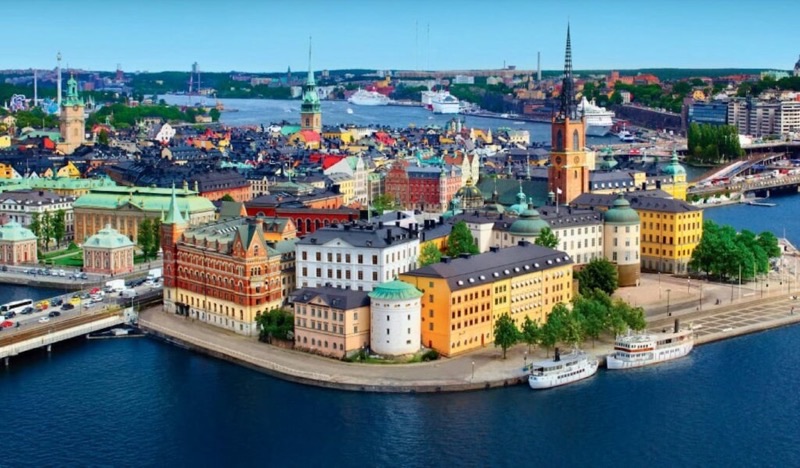
Opt for Sweden if you prioritize sophisticated urban experiences, cutting-edge design, and efficient living, even with a slightly higher budget. Wander through Stockholm's charming Gamla Stan or explore trendy Södermalm, appreciating its strong sustainability ethos and high personal safety. It's perfect for travelers who enjoy refined city breaks, design, and winter wonders like chasing the Northern Lights in Lapland.
📊 Visual Scorecard
🌤 When to Visit
Average high temperatures (°C). Green = best months, orange = avoid.
Quick Comparison
| Category | Canada | Sweden | Winner |
|---|---|---|---|
| Costs & Budget | Generally more affordable for food and accommodation outside major cities; alcohol is expensive, gas is cheaper. | Higher costs for dining out and alcohol; public transport is efficient but not cheap, accommodation is moderate. | Canada |
| Getting There | Direct flights from major global hubs, longer travel times from Europe/Asia, relatively straightforward entry. | Excellent European connections, direct flights from North America/Asia, shorter travel times from most of Europe. | Tie |
| Nature & Outdoors | Immense, varied landscapes: Rockies, vast forests, coastlines, lakes, prairies. Wildlife viewing is common. | Forests, thousands of lakes, archipelagos, Arctic landscapes. Focus on 'Allemansrätten' (right to roam). | Canada |
| Food & Drink | Poutine, maple syrup, diverse ethnic food in cities, fresh seafood on coasts. Craft beer scene. | Meatballs, herring, crispbread, 'fika' culture. Focus on fresh, local ingredients. Expensive alcohol. | Canada |
| Culture & History | Indigenous cultures, French-English divide, colonial history, multicultural urban centers. | Viking heritage, royal history, modern design, strong social democratic values. | Tie |
| Accommodation | Wide range from hostels to luxury hotels, good options for cabins/cottages, prices vary by region. | Efficient and clean options, design-focused hotels common, hostels available. Can be pricier in cities. | Canada |
| Nightlife | Diverse scenes in major cities, especially Montreal (late hours) and Toronto. Pubs, clubs, live music. | Sophisticated bars, clubs, but high alcohol prices and earlier closing times outside major weekends. | Canada |
| Safety | Generally very safe, low violent crime. Larger cities have typical urban issues, but often avoidable. | Among the safest countries globally. Low crime rates, very safe for solo travelers. | Sweden |
| Getting Around | Requires a car for exploring beyond major cities; public transport good in cities, intercity rail limited. | Excellent public transport network (trains, buses) for intercity and urban travel; efficient but not cheap. | Sweden |
| Solo Travel | Easy to meet people in hostels, safe, but vast distances can make solo road trips daunting. | Extremely safe, easy to navigate, 'fika' culture promotes social interaction, well-developed hostel scene. | Sweden |
💰 Costs & Budget
Canada offers a daily budget around CAD $150-250 (USD $110-180) for mid-range travel. You can find decent meals for CAD $15-25 (USD $11-18) in casual restaurants. A craft beer…

Canada
Sweden
Canada offers a daily budget around CAD $150-250 (USD $110-180) for mid-range travel. You can find decent meals for CAD $15-25 (USD $11-18) in casual restaurants. A craft beer might cost CAD $7-9 (USD $5-7). Accommodation in cities like Montreal or Vancouver starts around CAD $100-150 (USD $75-110) for a comfortable hostel or budget hotel. Fuel is notably cheaper than in Sweden, making road trips more budget-friendly. Attractions like national park passes are often around CAD $20 (USD $15) per day or CAD $140 (USD $105) for an annual family pass, providing good value for outdoor activity.
Sweden runs a daily budget around SEK 1000-1800 (USD $95-170), but some items drive costs up. A meal in Stockholm can easily be SEK 150-250 (USD $14-24), and a standard beer at a bar is SEK 70-90 (USD $7-9). Alcohol is a controlled monopoly through Systembolaget, with prices higher than many other European countries. Accommodation in Stockholm can be SEK 800-1500 (USD $75-140) for a mid-range hotel. Public transport is efficient but can add up, with a single ticket in Stockholm around SEK 42 (USD $4). Overall, Canada offers more wiggle room for the budget-conscious traveler.
- Winner: Canada
- Why: Canada provides better value for money on daily expenses like food and transport, especially for extended trips or road travel.
- Who this matters for: Budget-conscious travelers and those planning longer adventures.
✈️ Getting There
Getting to Canada from North America is often quick and affordable; for example, a flight from New York to Toronto can be 1.5 hours, costing USD $200-400 round trip. From Europe,…

Canada
Sweden
Getting to Canada from North America is often quick and affordable; for example, a flight from New York to Toronto can be 1.5 hours, costing USD $200-400 round trip. From Europe, flights to Toronto or Montreal are typically 7-8 hours, with costs around USD $500-800 from London. Flights to Vancouver or Calgary from Europe take 9-10 hours. Canada has numerous international airports, making access across its vast geography feasible, though internal flights can be pricey. Entry requirements usually involve an eTA for visa-exempt foreign nationals or a visa, which is a fairly streamlined process.
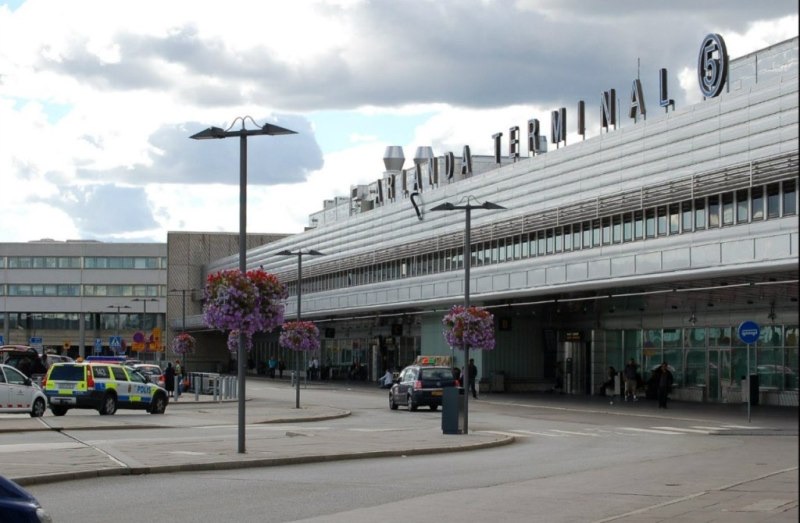
Sweden is highly accessible, particularly from within Europe, with flights from London to Stockholm taking only 2.5 hours and costing USD $100-300 round trip. Direct flights from North America (e.g., New York to Stockholm) are typically 7-8 hours, with fares around USD $600-1000. Stockholm Arlanda Airport (ARN) is a major hub. For many nationalities, Sweden is part of the Schengen Area, meaning easy entry from other Schengen countries and a straightforward visa process for others. Both destinations have well-developed air travel infrastructure, making the choice dependent on your starting point.
- Winner: Tie
- Why: Both countries offer excellent international connectivity, with travel times and costs varying based on origin continent.
- Who this matters for: Travelers prioritizing easy access from their home region.
🏞️ Nature & Outdoors
Canada offers an unparalleled scale of natural environments. The Canadian Rockies in Banff and Jasper National Parks present immense mountains, glaciers, and turquoise lakes like…

Canada
Sweden
Canada offers an unparalleled scale of natural environments. The Canadian Rockies in Banff and Jasper National Parks present immense mountains, glaciers, and turquoise lakes like Lake Louise, readily accessible via scenic drives such as the Icefields Parkway. Coastal areas like Pacific Rim National Park on Vancouver Island provide rugged Pacific beaches and old-growth rainforests. The vastness means you can often find solitude. Wildlife such as bears, moose, and elk are common sightings. The sheer size of the country allows for diverse activities from sea kayaking in British Columbia to hiking in Gros Morne National Park in Newfoundland.
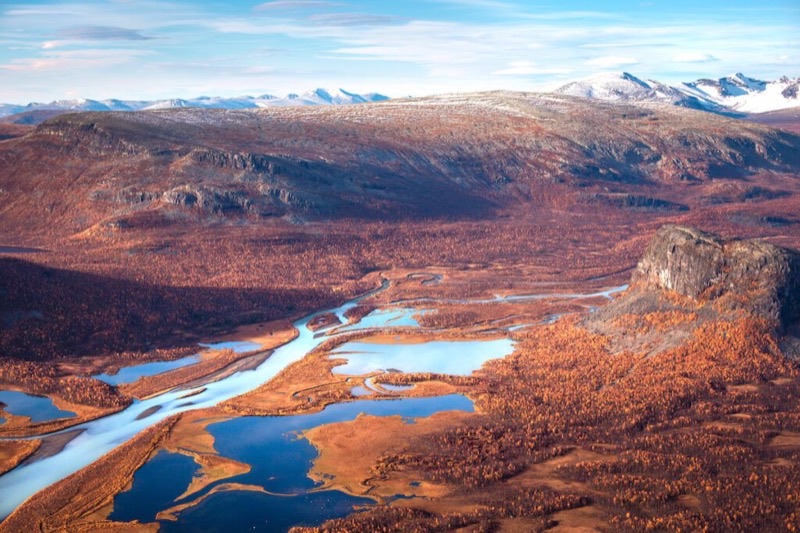
Sweden’s nature is beautiful but on a different scale. The Swedish Lapland offers Arctic experiences like the Icehotel in Jukkasjärvi and northern lights viewing, particularly from Abisko National Park. The country is covered in extensive forests and boasts thousands of lakes, perfect for fishing, kayaking, and hiking under the 'Allemansrätten' (freedom to roam) law. The Stockholm Archipelago, with its tens of thousands of islands, is a unique coastal environment. While Sweden has its own appeal for outdoor enthusiasts, Canada's geographic diversity and the sheer size of its protected wilderness areas provide more varied and dramatic landscapes for exploration.
- Winner: Canada
- Why: Canada's sheer size and diverse ecosystems, from the Rocky Mountains to two major ocean coastlines, offer more dramatic and varied outdoor experiences.
- Who this matters for: Adventure seekers, hikers, wildlife photographers, and road trippers looking for vast, diverse landscapes.
🍽️ Food & Drink
Canada's food scene is a blend of traditional fare and strong international influences, especially in its major cities. Poutine (fries, cheese curds, gravy) is a Quebecois staple,…

Canada

Sweden
Canada's food scene is a blend of traditional fare and strong international influences, especially in its major cities. Poutine (fries, cheese curds, gravy) is a Quebecois staple, available from CAD $10-18 (USD $7-13). Maple syrup products are ubiquitous. In cities like Vancouver and Toronto, you find exceptional Asian cuisine, often at reasonable prices, for example, a pho bowl for CAD $12-16 (USD $9-12). Fresh seafood, particularly salmon and lobster, is a highlight on the coasts. The craft beer scene has expanded considerably, with a pint usually CAD $7-9 (USD $5-7). Eating out can be moderate, with diverse options at various price points.
Sweden offers a cuisine centered on fresh, seasonal ingredients. Iconic dishes include köttbullar (meatballs, often with lingonberry jam), pickled herring, and crispbread. 'Fika' – a coffee and pastry break – is a central part of daily life; a coffee and kanelbulle (cinnamon bun) might cost SEK 50-70 (USD $5-7). While the quality of food can be excellent, dining out is generally more expensive than in Canada. A main course at a mid-range restaurant in Stockholm typically starts at SEK 200-300 (USD $19-28). Alcohol is regulated by Systembolaget, the state monopoly, meaning higher prices and restricted purchasing hours. This makes social drinking more expensive than in Canada.
- Winner: Canada
- Why: Canada offers a wider variety of affordable dining options, especially with its strong ethnic food scenes, and less expensive alcohol.
- Who this matters for: Foodies on a moderate budget and those who enjoy diverse international cuisine.
🏛️ Culture & History
Canada's cultural identity is a complex blend of Indigenous traditions, British parliamentary influence, and strong French heritage in Quebec, with Montreal serving as a bilingual…

Canada
Sweden
Canada's cultural identity is a complex blend of Indigenous traditions, British parliamentary influence, and strong French heritage in Quebec, with Montreal serving as a bilingual cultural hub. Sites like Old Montreal or Quebec City display colonial architecture. The Royal Ontario Museum in Toronto or the Canadian Museum of History in Gatineau offer insights into the nation's past and diverse communities. Canada also boasts a significant contemporary arts scene, particularly in film and music. The cultural landscape is heavily influenced by immigration, creating very diverse urban experiences where many traditions coexist.
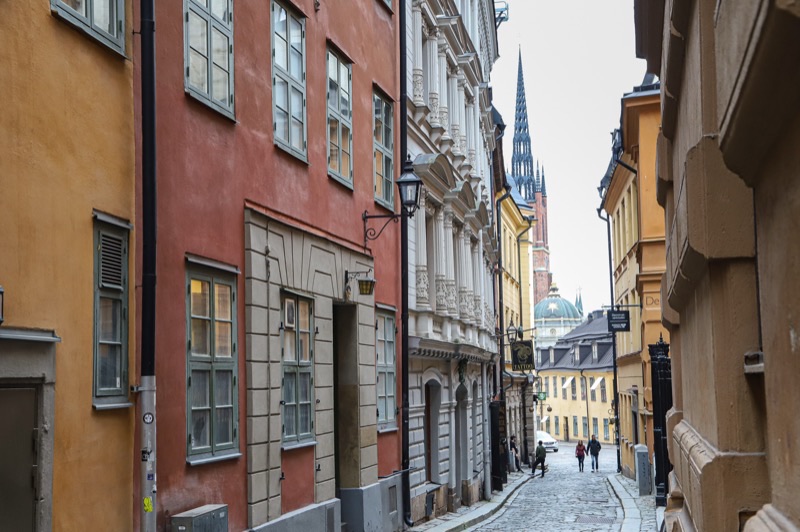
Sweden's cultural narrative is rooted in its Viking past and its long history as a European power, evident in sites like Gamla Stan (Old Town) in Stockholm or the Vasa Museum, which houses a preserved 17th-century warship. Modern Swedish culture emphasizes design, innovation, and social equality. Fika culture is a daily ritual of coffee and conversation. Museums like the Nordic Museum in Stockholm offer deep dives into Swedish life and traditions. Both countries have compelling cultural stories, but their origins and contemporary expressions differ significantly. Canada's multiculturalism provides a breadth of experiences, while Sweden offers a depth into its specific Nordic and historical identity.
- Winner: Tie
- Why: Both nations present rich, distinct cultural and historical narratives, appealing to different interests.
- Who this matters for: Travelers interested in either colonial history and multiculturalism (Canada) or Viking heritage and modern Nordic design (Sweden).
🏨 Accommodation
Canada offers a diverse array of accommodation. In major cities like Toronto or Montreal, hostel beds can be found for CAD $35-60 (USD $25-45), while mid-range hotels typically…
Canada offers a diverse array of accommodation. In major cities like Toronto or Montreal, hostel beds can be found for CAD $35-60 (USD $25-45), while mid-range hotels typically start at CAD $120-200 (USD $90-150). Outside of cities, particularly in national parks or smaller towns, you can find excellent value in motels, B&Bs, and cabins. Camping is very popular and affordable, with sites in national parks often costing CAD $20-30 (USD $15-22) per night. During peak season, especially in popular spots like Banff, prices can increase significantly. Airbnb is widely available across the country, providing more choice.
Sweden's accommodation landscape is generally high quality and well-maintained. Hostels in Stockholm can range from SEK 250-450 (USD $24-42) per night for a dorm bed. Mid-range hotels in the capital typically start at SEK 900-1500 (USD $85-140). Boutique and design-focused hotels are common but come at a premium. Outside of Stockholm, prices can be slightly lower. Unique options like tree hotels or ice hotels in Lapland offer exceptional experiences but are very expensive. While Sweden's offerings are reliable and often stylish, Canada often provides better value and more options for those seeking nature-based stays like cabins or camping, especially outside the most popular urban centers.
- Winner: Canada
- Why: Canada has a more varied and often more affordable selection of accommodation types, especially for outdoor and long-stay travelers.
- Who this matters for: Budget travelers, families, and those seeking nature-integrated lodging.
🍻 Nightlife
Canada's nightlife varies greatly by city. Montreal is renowned for its late-night culture, with bars and clubs often open until 3 am, offering a range from intimate jazz clubs to…
Canada's nightlife varies greatly by city. Montreal is renowned for its late-night culture, with bars and clubs often open until 3 am, offering a range from intimate jazz clubs to large dance venues. Toronto's entertainment districts also offer a wide selection of pubs, cocktail bars, and music venues. Vancouver has a more relaxed scene, but still provides plenty of options for a night out. A typical beer at a bar might be CAD $7-9 (USD $5-7), and cocktails CAD $12-18 (USD $9-13). Live music, comedy clubs, and diverse cultural events are common, providing extensive evening options. The relaxed liquor laws in most provinces contribute to a generally accessible and diverse nightlife experience.
Sweden's nightlife, particularly in Stockholm and Gothenburg, can be good, but it comes with a few caveats. Bars and clubs are generally sophisticated and stylish, reflecting Swedish design. However, alcohol prices are significantly higher due to Systembolaget's monopoly and high taxes; a standard drink can easily be SEK 70-100 (USD $7-9). Closing times, while later on weekends, can be earlier during the week. While Swedes certainly know how to enjoy themselves, the cost of a full night out can add up quickly. Canada, especially in its larger cities, offers a more accessible and varied nightlife scene for a broader budget range.
- Winner: Canada
- Why: Canada's major cities, particularly Montreal, offer a more expansive and generally less expensive nightlife experience.
- Who this matters for: Travelers who prioritize late-night entertainment and a lower cost for drinks.
🚨 Safety
Canada is considered a very safe country for travelers, with low rates of violent crime. Most incidents in larger cities like Toronto, Vancouver, or Montreal are property-related…
Canada is considered a very safe country for travelers, with low rates of violent crime. Most incidents in larger cities like Toronto, Vancouver, or Montreal are property-related (e.g., petty theft), and can be avoided with common sense precautions. Rural areas and national parks are exceptionally safe, though wildlife safety (e.g., bear awareness) is important. Public transport is generally secure. Walking alone at night in well-lit, populated areas is usually fine, but caution is advised in less frequented zones, as with any major city. Emergency services are reliable and responsive throughout the country.
Sweden consistently ranks among the safest countries in the world. Crime rates are very low, and travelers can generally feel secure walking around cities and using public transport at any time. Solo female travelers often report feeling particularly safe. While no country is entirely crime-free, serious incidents involving tourists are extremely rare. The main concerns might be petty theft in crowded tourist areas, similar to other European capitals. Emergency services are highly efficient. For overall peace of mind and minimal concern about personal safety, Sweden takes the lead.
- Winner: Sweden
- Why: Sweden consistently ranks higher globally for safety, offering travelers exceptional peace of mind in both urban and rural settings.
- Who this matters for: Solo travelers, families with young children, and those prioritizing personal security above all else.
🚗 Getting Around
Getting around Canada often necessitates a car, especially for exploring its vast natural landscapes and smaller towns. Renting a car can cost CAD $40-80 (USD $30-60) per day,…
Getting around Canada often necessitates a car, especially for exploring its vast natural landscapes and smaller towns. Renting a car can cost CAD $40-80 (USD $30-60) per day, plus fuel. Public transport within major cities like Toronto, Montreal, and Vancouver is efficient with subway and bus networks (e.g., a single fare in Toronto is CAD $3.30 / USD $2.40). However, intercity rail (VIA Rail) is limited and often expensive compared to flying or driving, making long-distance travel without a car less convenient. For example, a train from Toronto to Montreal can be CAD $60-100 (USD $45-75). Buses (e.g., Greyhound, Megabus) connect some cities but journeys can be long.
Sweden boasts an excellent and integrated public transport system. SJ (Swedish Railways) provides efficient and comfortable train connections across the country, including high-speed routes between major cities like Stockholm, Gothenburg, and Malmo. A train ticket from Stockholm to Gothenburg (approx. 3 hours) might cost SEK 300-600 (USD $28-56) if booked in advance. City public transport (trams, buses, subways) is superb; a 72-hour pass in Stockholm is around SEK 330 (USD $31). Buses supplement train routes effectively, reaching more remote areas. While driving offers flexibility, it is not essential for most trips, and fuel prices are significantly higher (e.g., SEK 20-22/liter or USD $7-8/gallon equivalent). Sweden's public transport network allows for easier, car-free exploration.
- Winner: Sweden
- Why: Sweden's extensive and efficient public transportation system allows for easy and comfortable travel across the country without needing a car.
- Who this matters for: Travelers who prefer to avoid driving and rely on trains and buses for intercity movement.
🚶♀️ Solo Travel
Canada is generally a welcoming destination for solo travelers. Its major cities have good hostel networks where meeting other travelers is common. The safety level is high across…
Canada is generally a welcoming destination for solo travelers. Its major cities have good hostel networks where meeting other travelers is common. The safety level is high across the country. However, the vast distances can make solo road trips feel isolating for some, and public transport between smaller towns is limited. Activities like hiking or kayaking can be done solo but are often safer and more enjoyable with a group or guide. The friendly Canadian demeanor generally makes locals approachable. A solo traveler can budget CAD $100-180 (USD $75-135) for a basic to mid-range experience, staying in hostels and cooking some meals.
Sweden is an outstanding choice for solo travel. Its high safety ratings mean concerns about personal security are minimal. The efficient public transport system makes independent exploration straightforward. The 'fika' culture offers natural opportunities for small social interactions in cafes. Hostels are plentiful, clean, and often design-forward, making them good places to connect with others. Swedes generally speak excellent English. While costs can be higher, particularly for dining out, a solo traveler can comfortably manage with SEK 900-1500 (USD $85-140) per day, staying in hostels or budget hotels and eating at more casual eateries. The ease of navigation and high safety make it a truly stress-free solo destination.
- Winner: Sweden
- Why: Sweden offers exceptional safety, easy navigation, and a culture that supports solo exploration and gentle social interaction.
- Who this matters for: First-time solo travelers, those prioritizing safety and ease of navigation, and independent explorers.
🎯 The Decision Framework
Choose Canada If…
- You want to see immense mountain ranges and vast wilderness.
- You enjoy long road trips and exploring national parks by car.
- You are traveling on a moderate budget, especially for food and accommodation.
- You want a diverse experience of French and English cultures.
- You appreciate friendly locals and a relaxed atmosphere.
- You enjoy a varied urban experience from Quebecois charm to West Coast casual.
- You are keen on observing wildlife in its natural habitat.
- You want cheaper fuel prices for extensive driving.
Choose Sweden If…
- You prioritize personal safety and a low-crime environment.
- You prefer efficient public transport and avoiding car rentals.
- You are interested in modern design, innovation, and sustainable living.
- You want to experience a strong coffee and pastry culture (fika).
- You are willing to pay more for quality, especially for food and accommodation.
- You are drawn to Viking history and royal heritage.
- You want to see the Northern Lights in a well-organized Arctic setting.
- You appreciate a calm, orderly, and generally quiet travel experience.
📅 Sample Itineraries
Weekend in Toronto (3 Days)
💡 Save on Niagara Falls transportation by booking a bus ticket in advance online; some services offer discounts for early birds, potentially saving $5-10 USD.
Weekend in Stockholm (3 Days)
💡 Purchase a Stockholm Pass if you plan to visit multiple museums and use public transport, as it can save you up to 20-30% on combined entry fees and travel.
One Week in Eastern Canada (7 Days)
💡 For train travel between cities like Toronto, Montreal, and Quebec City, book VIA Rail tickets weeks in advance, especially for 'Economy Escape' fares, to save 20-40% on standard prices.
One Week in Southern Sweden (7 Days)
💡 To save on inter-city train travel in Sweden, consider purchasing SJ's 'Resplus' tickets which often combine train and bus travel for a single, cheaper fare, especially when booked a few weeks ahead.
❓ Frequently Asked Questions
Which country is better for a winter trip?
Both offer good winter experiences. Canada provides extensive ski resorts like Whistler or Banff, plus frozen waterfalls and winter hiking. Sweden, especially Lapland, excels at northern lights viewing, dog sledding, and the Icehotel. For winter sports, Canada has the edge. For unique Arctic experiences, Sweden is strong.
What are the average flight times from the US to each country?
From major US East Coast cities like New York, direct flights to Toronto are about 1.5-2 hours, and to Vancouver around 5-6 hours. Direct flights to Stockholm are typically 7-8 hours. From the US West Coast, flights to Canada are shorter (e.g., Seattle to Vancouver is 30 mins), while flights to Sweden involve connections and longer travel times, often 10+ hours.
Is English widely spoken in both Canada and Sweden?
Yes, English is widely spoken in both countries. In Canada, English is one of two official languages, spoken by the vast majority. In Sweden, nearly everyone speaks excellent English, especially in tourist-facing roles and among younger generations, making communication easy for travelers.
How do prices for attractions compare?
In Canada, national park passes are around CAD $20-22 (USD $15-16) per person per day or CAD $145 (USD $108) for a year. Museum entry in major cities is often CAD $20-30 (USD $15-22). In Sweden, museum entry (e.g., Vasa Museum) is SEK 170-200 (USD $16-19), and some national parks have free entry due to Allemansrätten. Overall, similar, but Canada's national park passes can offer better value for extended outdoor stays.
Which country is better for a family vacation with young children?
Sweden is arguably better for families with young children due to its high safety, excellent public transport, and child-friendly urban infrastructure (e.g., playgrounds, museums). Canada also has much to offer, particularly its vast national parks and family resorts, but requires more driving and planning for long distances, which can be challenging with small children.
What is the typical length of a trip to each destination?
For Canada, a meaningful trip to a specific region (e.g., the Rockies or Eastern cities) usually requires 7-10 days due to travel distances. For Sweden, 5-7 days is sufficient for Stockholm and a nearby area like the archipelago or Gothenburg. To see Lapland, add another 3-5 days. A comprehensive cross-country trip in Canada could easily be 2-3 weeks, while Sweden could be covered well in 10-14 days.
Are visas required for US citizens for either country?
US citizens do not need a visa to visit Canada for tourism for stays up to six months. Similarly, US citizens do not need a visa to enter Sweden (as part of the Schengen Area) for stays up to 90 days within any 180-day period. Both are straightforward for American travelers.
What about currency and payment methods?
Canada uses the Canadian Dollar (CAD). Credit cards are widely accepted everywhere, and contactless payment is common. Sweden uses the Swedish Krona (SEK). Sweden is largely cashless; many places prefer or even only accept card payments, and it's rare to use cash. Both countries have ATMs available for cash withdrawals if needed, but cards are king.
Ready to plan your North American or Scandinavian trip?
Get a free custom itinerary for Canada, Sweden, or both — built from real traveler insights.
👥 Travelers Also Compared
🎟️ Book Tours & Experiences
Hand-picked tours and activities for both destinations — book with free cancellation
Experiences via Viator — free cancellation on most tours