How we built this comparison
This page combines traveler discussion patterns, published price ranges, flight schedules, and seasonal data to help you decide between Canada and Toronto.
- Reviewed 70+ Reddit threads from r/travel, r/solotravel, r/Canada, and r/Toronto.
- Verified costs and logistics against current booking platforms (e.g., Booking.com, Kayak, Numbeo).
- Cross-referenced seasonal patterns and weather data from Environment Canada.
⚡ The TL;DR Verdict
For most international travelers seeking a broad experience, Canada as a country offers more diverse activities and awe-inspiring nature beyond Toronto. Toronto is a great pick for those wanting a focused city trip. Expect to spend $100-180 CAD ($75-135 USD) daily in Canada outside Toronto, and $150-250 CAD ($110-185 USD) daily in Toronto.
- Choose Canada: If you prioritize grand natural settings, diverse regional cultures (beyond Ontario), and outdoor activities like hiking or skiing, pick Canada. You can find more budget-friendly options outside major cities.
- Choose Toronto: Choose Toronto for a concentrated urban experience, access to major league sports, top-tier dining, and direct flights from many international hubs. It suits city explorers and those with shorter trips.
- Choose Both: Combine both if you have 10+ days. Start with Toronto for 3-4 days to enjoy city life, then fly to Montreal/Vancouver or drive to Niagara Falls for broader Canadian experiences.
Choose Canada
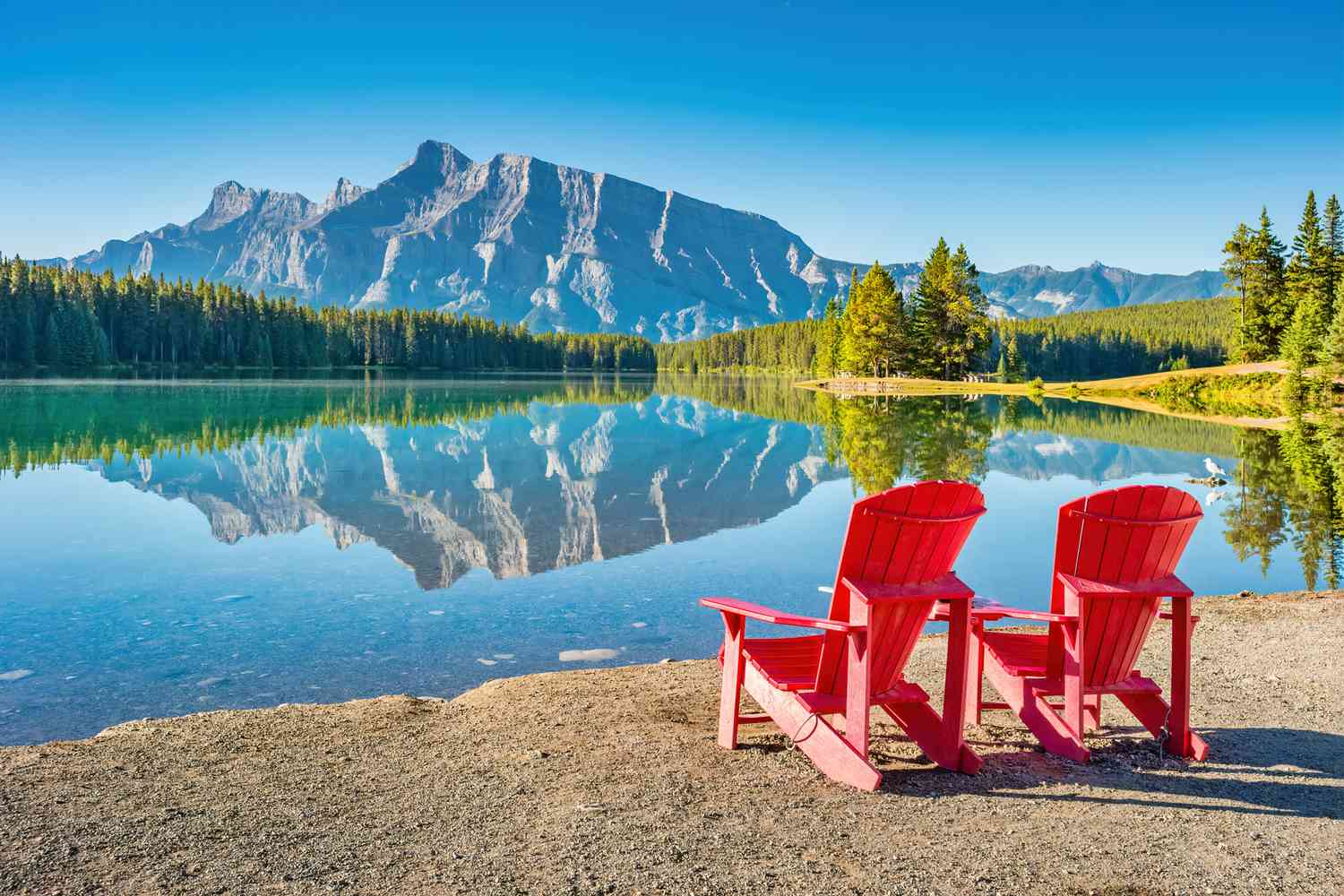
Choose Canada for an epic adventure across diverse landscapes and cultures, best for nature enthusiasts and long-term travelers. Explore the majestic Rockies in Banff, discover the historic charm of Old Quebec City, or experience coastal adventures in Nova Scotia. You'll find unparalleled natural beauty and regional experiences beyond Toronto, often with more varied budget options.
Choose Toronto
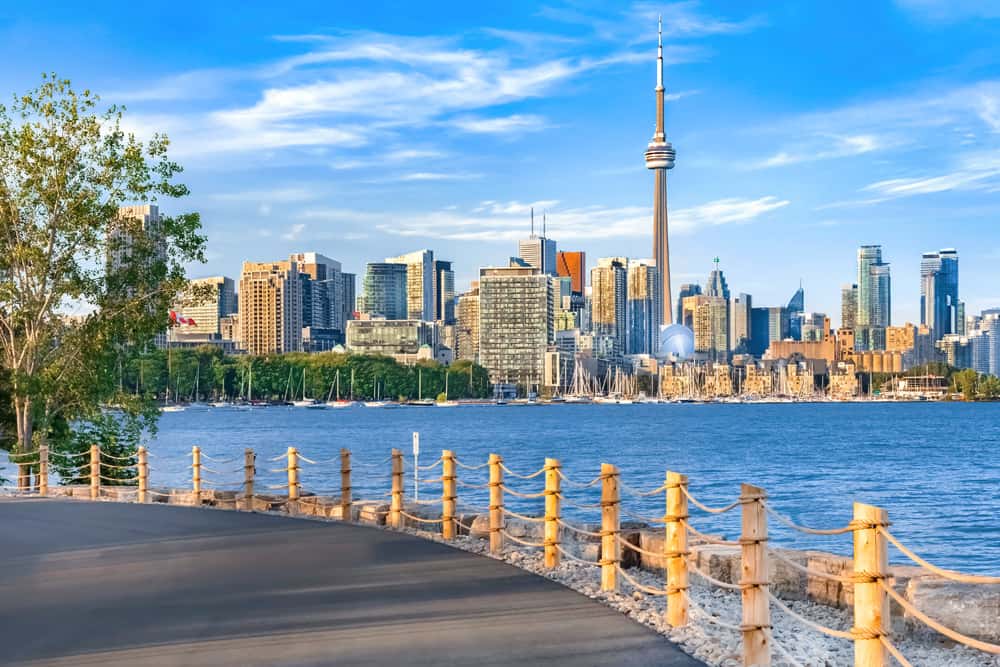
Opt for Toronto if you crave a vibrant, concentrated city experience, perfect for shorter trips or direct international arrivals. Best for urban explorers, foodies, and culture enthusiasts, you can spend days immersing yourself in diverse neighborhoods like Kensington Market, enjoying world-class dining, or catching a professional sports game. It's a high-energy hub offering top-tier arts and entertainment.
Quick Comparison
| Category | Canada | Toronto | Winner |
|---|---|---|---|
| Costs & Budget | Varies by region, generally more affordable outside major cities. Food and accommodation can be cheaper. | Higher cost of living, leading to pricier dining, transport, and lodging. Expect urban premiums. | Canada |
| Nature & Outdoors | Diverse landscapes from mountains to coasts, abundant national parks, wildlife viewing. | Urban parks and waterfront access, but limited expansive natural settings within the city. | Canada |
| Food Scene | Regional specialties, fresh seafood on coasts, Quebecois cuisine, diverse local ingredients. | International dining, extensive ethnic enclaves, farm-to-table, upscale restaurants. | Toronto |
| Nightlife & Entertainment | Varies significantly by city; Montreal and Vancouver offer robust scenes, smaller towns have pubs. | Diverse bars, clubs, live music venues, theatre district, major sports events. | Toronto |
| Culture & History | Indigenous heritage, French-Canadian culture, diverse regional histories, national museums. | Multiculturalism, art galleries, historical neighborhoods, specific Canadian history lens. | Canada |
| Getting Around | Car rental essential for exploring outside cities, intercity flights or long train/bus rides. | Extensive public transit (subway, streetcar, bus), walkable downtown, ride-shares. | Toronto |
| Accommodation | Varied options from rustic cabins to luxury resorts, more unique stays, can be cheaper. | Dominated by hotels, serviced apartments, hostels; higher prices, especially downtown. | Canada |
| Day Trips | Depends on base city; endless natural excursions, small towns, cultural sites. | Niagara Falls, wine regions, charming small towns, urban parks. | Toronto |
| Seasonal Experiences | Dramatic seasonal changes, specific activities for each season across regions. | Distinct seasons, but city activities primarily shift indoors in winter; milder compared to extreme north. | Canada |
| Accessibility (Getting There) | Major international airports across the country, but direct flights may be limited outside hubs. | Canada's busiest airport, direct flights from numerous international cities, well-connected. | Toronto |
💸 Costs & Budget
Traveling across Canada, especially outside of its largest cities, generally allows for more stretched budgets. For example, a budget traveler might find hostel beds in places…

Canada
Toronto
Traveling across Canada, especially outside of its largest cities, generally allows for more stretched budgets. For example, a budget traveler might find hostel beds in places like Banff or Montreal for around $40-60 CAD ($30-45 USD) per night, or a basic hotel room for $120-180 CAD ($90-135 USD). Meals in smaller towns or local diners can be found for $15-25 CAD ($11-19 USD), and activities like hiking are often free or low-cost (national park passes typically $20 CAD/day or $140 CAD/year per vehicle). Transportation between provinces can be costly, but within a specific region, local bus fares are reasonable, often around $3-4 CAD.
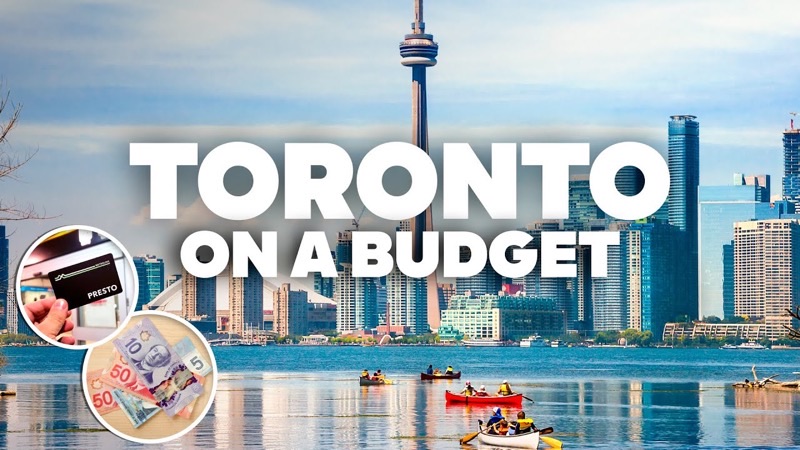
Toronto is a more expensive destination. A budget hostel bed can run $50-80 CAD ($37-60 USD), while decent hotel rooms average $200-350+ CAD ($150-260+ USD) per night, particularly downtown. A casual restaurant meal might be $25-40 CAD ($19-30 USD), and a cocktail around $15-20 CAD ($11-15 USD). A single TTC transit fare is $3.30 CAD. Attractions like the CN Tower cost $43-58 CAD ($32-43 USD), and museum entry is typically $20-30 CAD ($15-22 USD). Daily expenses for a mid-range traveler often start at $180 CAD ($135 USD) and can easily exceed $300 CAD ($220 USD). For budget travelers, Canada provides better overall value.
- Winner: Canada
- Why: Canada outside Toronto offers more opportunities for budget travel and finding lower prices on accommodation and food.
- Who this matters for: Budget-conscious travelers, backpackers, and families looking to save on expenses.
🌲 Nature & Outdoors
Canada's vastness provides unparalleled access to varied natural environments. The Rocky Mountains in Alberta and BC offer hiking, skiing, and wildlife sightings (bears, elk,…
Canada
Toronto
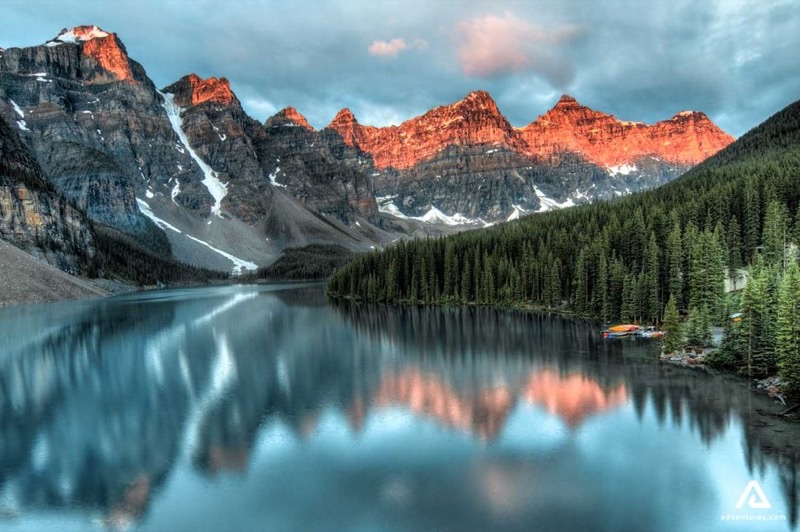
Canada's vastness provides unparalleled access to varied natural environments. The Rocky Mountains in Alberta and BC offer hiking, skiing, and wildlife sightings (bears, elk, bighorn sheep) in locations like Banff, Jasper, and Yoho National Parks. The Pacific Rim National Park Reserve on Vancouver Island presents rugged coastlines and temperate rainforests. Eastern Canada has the coastal beauty of Gros Morne National Park in Newfoundland and the Laurentian Mountains in Quebec, offering distinct experiences. Activities include multi-day treks, canoeing, kayaking, and observing aurora borealis in northern regions. Accessing these typically requires car rental, costing around $60-100 CAD ($45-75 USD) per day, plus park fees.
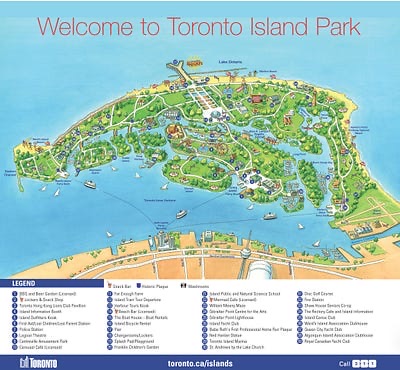
Toronto, while a city, has its own green spaces and waterfront. High Park provides walking trails, a zoo, and cherry blossoms in spring. The Toronto Islands offer beaches, picnic spots, and skyline views, accessible via a $9.11 CAD ($6.70 USD) ferry ride. The Don Valley trails provide urban hiking and cycling, and Rouge National Urban Park is Canada's only urban national park, offering some wilderness experiences within city limits. However, these are city parks, not the expansive, raw wilderness found in other parts of Canada. For truly grand natural settings, Canada as a whole is the clear choice.
- Winner: Canada
- Why: The sheer scale and diversity of natural landscapes, national parks, and wildlife experiences across Canada are unmatched by a single city.
- Who this matters for: Outdoor enthusiasts, hikers, wildlife observers, and those seeking remote or expansive natural beauty.
🍽️ Food Scene
Canada's food scene varies by region. The Atlantic provinces are known for fresh seafood like lobster rolls ($20-30 CAD/$15-22 USD) and mussels. Quebec offers hearty dishes like…

Canada

Toronto
Canada's food scene varies by region. The Atlantic provinces are known for fresh seafood like lobster rolls ($20-30 CAD/$15-22 USD) and mussels. Quebec offers hearty dishes like poutine ($10-18 CAD/$7-13 USD) and tourtière. Western Canada has excellent beef and farm-to-table movements in smaller communities. Indigenous culinary experiences are also emerging, offering insights into traditional foods. While you can find good meals across the country, the concentration of diverse, cutting-edge, and high-quality dining is not as dense as in Toronto. Travelers often seek out specific regional delights rather than a broad culinary exploration.
Toronto excels with its expansive and varied food scene. The city has distinct ethnic neighborhoods like Chinatown, Little India, Little Italy, and Koreatown, each offering authentic and affordable dishes (e.g., dim sum for $20-30 CAD/$15-22 USD, pho for $15-20 CAD/$11-15 USD). Upscale dining is plentiful, with restaurants like Alo and Canoe offering tasting menus upwards of $150 CAD ($110 USD) per person. Street food markets, like Kensington Market, provide diverse options. Toronto also has a strong brunch culture and a growing craft beer and cocktail scene. For depth, variety, and culinary innovation, Toronto offers a more comprehensive food experience.
- Winner: Toronto
- Why: Toronto provides a more concentrated, diverse, and internationally recognized food scene with a broader range of options at various price points.
- Who this matters for: Foodies, culinary explorers, those seeking international flavors, and urban fine dining experiences.
🌃 Nightlife & Entertainment
Outside of Toronto, Canadian nightlife is concentrated in specific cities. Montreal has a reputation for its European-style pubs, extensive club scene on Rue Crescent and St.…

Canada

Toronto
Outside of Toronto, Canadian nightlife is concentrated in specific cities. Montreal has a reputation for its European-style pubs, extensive club scene on Rue Crescent and St. Laurent Boulevard, and summer festivals, with cover charges for clubs typically $10-25 CAD ($7-19 USD). Vancouver offers relaxed lounges, craft breweries, and lively Gastown bars. Smaller towns and cities generally feature local pubs or a few casual bars. Options become limited in rural areas, where entertainment often revolves around local gatherings or quiet evenings. For a broad and consistent nightlife experience across different regions, you need to seek out specific urban centers.
Toronto offers a comprehensive and active nightlife. Areas like King West and Queen West are packed with bars, lounges, and clubs, with cover charges ranging from $10-30 CAD ($7-22 USD). The Entertainment District is home to major theaters like the Royal Alexandra Theatre and Mirvish Theatre, showing Broadway productions, with tickets from $70-200+ CAD ($50-150+ USD). Live music venues range from large arenas like Scotiabank Arena (concert tickets $80-300+ CAD) to smaller, intimate spots like The Horseshoe Tavern (tickets $20-50 CAD). Toronto also hosts major league sports teams (Maple Leafs, Raptors, Blue Jays), providing ample evening entertainment options. For varied, consistent, and high-energy evening activities, Toronto is the primary choice.
- Winner: Toronto
- Why: Toronto provides a greater concentration and variety of nightlife options, including clubs, live music, and major theatrical and sporting events.
- Who this matters for: Party-goers, live music enthusiasts, theater lovers, and sports fans seeking evening activities.
🏛️ Culture & History
Canada's cultural and historical landscape is expansive and diverse, reflecting its vast geography and founding peoples. Quebec offers a distinct French-Canadian culture with its…
Canada
Toronto
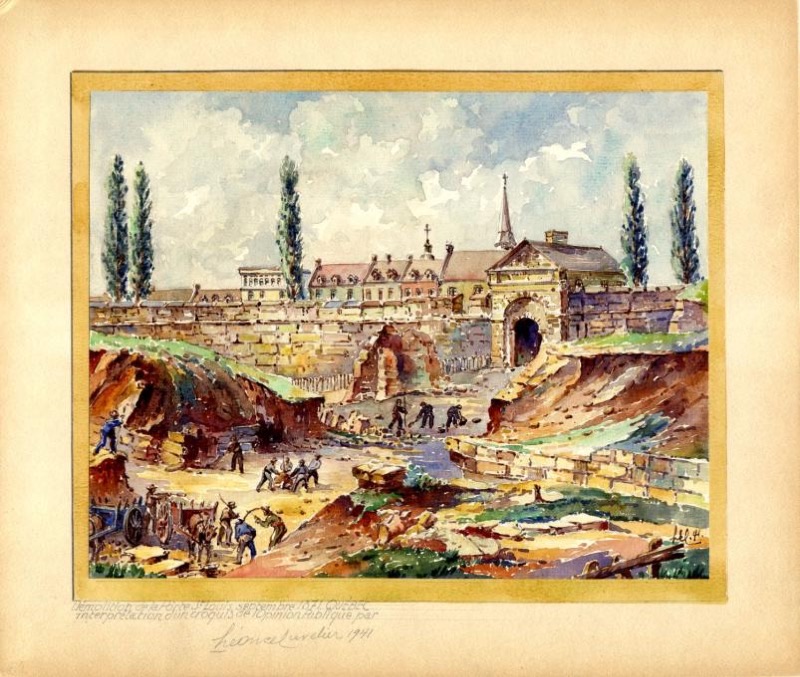
Canada's cultural and historical landscape is expansive and diverse, reflecting its vast geography and founding peoples. Quebec offers a distinct French-Canadian culture with its own language, cuisine, and architecture (e.g., Old Quebec City, a UNESCO site). The Maritimes possess a strong Celtic and fishing heritage. Across the country, Indigenous cultures are prevalent, with many opportunities to learn about First Nations, Inuit, and Métis histories and traditions, often through cultural centers and interpretive sites. Ottawa, the nation's capital, hosts national museums like the Canadian Museum of History and the National Gallery of Canada, with entry typically $15-20 CAD ($11-15 USD). The history is tied to the land and regional developments, offering a broader narrative.
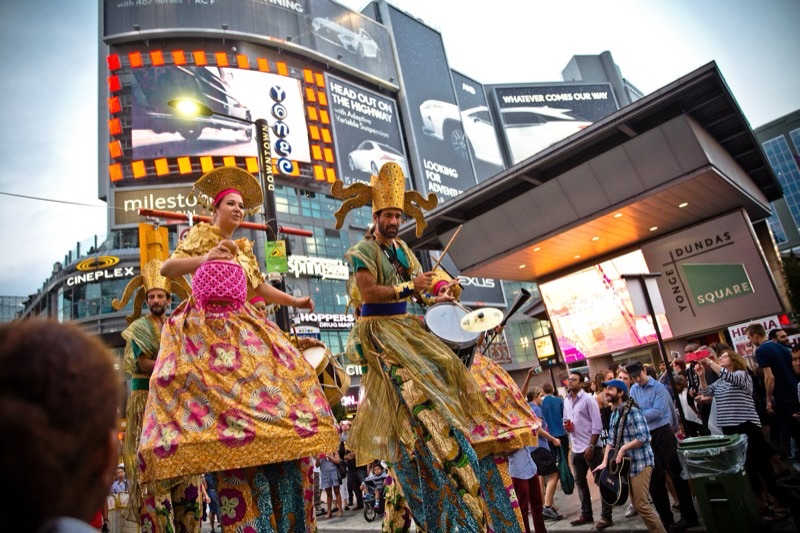
Toronto's culture and history are primarily urban and multicultural. The city celebrates its diversity through neighborhoods like Kensington Market, where various cultures converge, and through numerous festivals throughout the year. Historical sites include Casa Loma, a gothic revival mansion ($30 CAD/$22 USD entry), and the Distillery District, a preserved Victorian industrial complex. The Royal Ontario Museum (ROM) and Art Gallery of Ontario (AGO) are significant institutions ($20-30 CAD/$15-22 USD entry), showcasing art, natural history, and world cultures. While Toronto offers a compelling look at Canadian multiculturalism and urban development, it represents one facet of a broader national story. For a more comprehensive understanding of Canada's diverse cultural roots and historical narratives, exploring different regions is key.
- Winner: Canada
- Why: Canada as a country offers a wider spectrum of historical narratives, distinct regional cultures, and Indigenous heritage experiences.
- Who this matters for: History buffs, cultural anthropologists, and those interested in diverse national identities and Indigenous experiences.
🚗 Getting Around
Getting around Canada, especially beyond its major cities, often requires a car. To explore national parks like Banff or Jasper, a rental car is almost essential, costing $60-100…
Getting around Canada, especially beyond its major cities, often requires a car. To explore national parks like Banff or Jasper, a rental car is almost essential, costing $60-100 CAD ($45-75 USD) per day. Fuel prices are comparable to the US, around $1.60-1.80 CAD/liter ($4.50-5.00 USD/gallon). Intercity travel between distant provinces usually involves flying (e.g., Toronto to Vancouver flight can be $200-500+ CAD/$150-370+ USD round trip). VIA Rail offers scenic but slower and often more expensive train routes. Buses (e.g., Greyhound, Megabus in some regions) are more budget-friendly but time-consuming for long distances. Within individual smaller cities, public transit is available but less comprehensive than in Toronto.
Toronto's transportation infrastructure is robust. The Toronto Transit Commission (TTC) operates subways, streetcars, and buses, covering most of the city. A single fare is $3.30 CAD ($2.45 USD), with day passes available for $13.50 CAD ($10 USD). The downtown core is very walkable, and bike rentals are available. Ride-sharing services like Uber and Lyft are prevalent, with typical downtown rides costing $15-30 CAD ($11-22 USD). For exploring the city, the need for a personal vehicle is minimal, making it convenient and relatively affordable for urban exploration. For efficiency and ease of movement within the destination, Toronto is superior.
- Winner: Toronto
- Why: Toronto provides comprehensive and easy-to-navigate public transit, making exploration within the city convenient and affordable without a car.
- Who this matters for: Travelers without a car, those who prefer public transport, and visitors focused on urban exploration.
🏨 Accommodation
Across Canada, accommodation options are diverse and often reflect the regional character. In places like Banff, you can find everything from rustic cabins in national parks…
Across Canada, accommodation options are diverse and often reflect the regional character. In places like Banff, you can find everything from rustic cabins in national parks (starting $100 CAD/$75 USD) to luxury resorts ($300-600+ CAD/$220-440+ USD). B&Bs are common in smaller towns, offering a local touch for $100-200 CAD ($75-150 USD). Hostels are available in many cities and tourist areas, typically $40-60 CAD ($30-45 USD). Unique stays like glamping tents or lakeside cottages are more accessible outside of major urban centers. Prices generally offer more value for space and specific experiences compared to Toronto's urban hotels. Booking ahead, especially for popular national parks, is necessary.
Toronto's accommodation landscape is typical of a large city: many hotels, serviced apartments, and hostels. Downtown hotels, particularly around the Entertainment District or near major attractions, are expensive, with mid-range options often $250-400 CAD ($185-300 USD) per night. Budget hostels in central areas are available for $50-80 CAD ($37-60 USD) per night for a dorm bed. Airbnb options exist but are regulated and can be pricey. While there are plenty of places to stay, unique or spacious options at a reasonable price are harder to come by compared to broader Canadian offerings. For value, variety, and unique lodging experiences beyond standard city hotels, Canada offers more.
- Winner: Canada
- Why: Canada as a whole provides a greater range of accommodation types, including unique stays and better value for money outside of major city centers.
- Who this matters for: Travelers seeking unique lodging, value for money, or specific outdoor-oriented accommodation.
🛣️ Day Trips
Day trip opportunities across Canada are diverse and dependent on your base. From Calgary, you can easily reach Banff National Park for hiking and scenic drives (1.5-hour drive).…
Day trip opportunities across Canada are diverse and dependent on your base. From Calgary, you can easily reach Banff National Park for hiking and scenic drives (1.5-hour drive). From Vancouver, Whistler Blackcomb is a popular ski resort and summer adventure hub (2-hour drive). From Montreal, you can visit Quebec City for its historical charm (3-hour train or drive). These trips offer grand natural settings or distinct cultural experiences. However, they often require significant travel time, either driving or flying, to reach compelling destinations from a major city base. The convenience of short, varied day trips is not universally consistent across the country.
Toronto offers accessible and popular day trips. The most famous is Niagara Falls, reachable in about 1.5-2 hours by car or bus (bus tours start around $50-80 CAD/$37-60 USD). The Niagara-on-the-Lake wine region, with its numerous vineyards offering tastings, is also nearby. Charming small towns like Stratford (known for its Shakespeare Festival) or Elora (with its Gorge and quarry) are within a 1.5-2 hour drive. Even within the Greater Toronto Area, places like Rouge National Urban Park offer an escape. The concentration of easily reachable, distinct day trip destinations from Toronto is higher and more convenient for visitors based in the city. For readily available and varied excursions, Toronto is a stronger base.
- Winner: Toronto
- Why: Toronto provides a higher density of popular and easily accessible day trip destinations, including major attractions like Niagara Falls and wine regions.
- Who this matters for: Travelers who enjoy convenient excursions from a city base, sightseers, and those interested in wine tourism.
☀️ Seasonal Experiences
Canada experiences dramatic and distinct seasonal shifts across its regions, offering specific activities for each. Winter brings skiing and snowboarding in the Rockies, ice…
Canada experiences dramatic and distinct seasonal shifts across its regions, offering specific activities for each. Winter brings skiing and snowboarding in the Rockies, ice skating on Ottawa's Rideau Canal, and aurora borealis viewing in the Yukon. Spring offers maple syrup festivals in Quebec and Ontario. Summer is ideal for hiking, camping, and watersports across all provinces, from the Atlantic beaches to the Pacific coast. Autumn showcases exceptional fall foliage, particularly in Eastern Canada (e.g., Algonquin Park, Quebec's Eastern Townships). Each season presents different landscapes and opportunities, requiring travelers to choose based on their desired activities. The breadth of these seasonal shifts defines much of the Canadian experience.
Toronto also experiences four distinct seasons, though its activities are more urban-focused. Summers are warm, with activities like Toronto Islands visits, outdoor patios, and music festivals. Autumn brings pleasant weather for city walks and enjoying local parks. Winters are cold and snowy, with activities shifting to indoor attractions like museums, shopping, and hockey games at Scotiabank Arena. Spring offers a reawakening, with cherry blossoms in High Park. While Toronto's seasonal changes are noticeable, the city's approach to them is more about adapting urban life than embracing the raw elements. For a truly varied and activity-specific seasonal experience tied to nature, exploring different parts of Canada is more rewarding.
- Winner: Canada
- Why: Canada's vastness ensures a wider array of distinct, region-specific seasonal activities and natural phenomena that define each season.
- Who this matters for: Travelers seeking specific seasonal activities like skiing, fall foliage viewing, or summer wilderness adventures.
✈️ Accessibility (Getting There)
Getting to Canada from international destinations involves flying into one of several major airports: Vancouver (YVR), Calgary (YYC), Montreal (YUL), and Toronto (YYZ) being the…
Getting to Canada from international destinations involves flying into one of several major airports: Vancouver (YVR), Calgary (YYC), Montreal (YUL), and Toronto (YYZ) being the primary ones. While these airports handle international traffic, YYZ (Pearson International Airport) in Toronto is the largest and busiest, offering the most direct routes from Europe, Asia, and the Americas. For destinations like the Canadian Rockies, you would typically fly into Calgary. For Atlantic Canada, Halifax (YHZ) is the main hub. While options exist, direct international flights to these other hubs might be less frequent or slightly more expensive than to Toronto, often requiring a connecting flight through a larger hub, even within Canada.
Toronto's Pearson International Airport (YYZ) is a major global gateway, consistently ranking among the busiest airports in North America. It boasts direct flights from over 180 cities worldwide, making it the easiest point of entry for many international travelers. For instance, a direct flight from London Heathrow (LHR) to Toronto (YYZ) can take about 7.5 hours, and from New York (JFK) to Toronto (YYZ) around 1.5 hours. This extensive network means more options, potentially better flight deals, and fewer connections for those arriving from outside Canada. Its status as a primary hub streamlines the travel process for a significant number of international visitors. For directness and frequency of international connections, Toronto is the most accessible entry point.
- Winner: Toronto
- Why: Toronto's Pearson International Airport (YYZ) is Canada's busiest and best-connected airport, offering the most direct international flights.
- Who this matters for: International travelers prioritizing direct flights, ease of access, and efficient arrival into Canada.
🎯 The Decision Framework
Choose Canada If…
- You want to hike in grand mountain settings like Banff or Jasper.
- You are seeking diverse regional cultures beyond a single city.
- You prefer road trips through varied landscapes.
- You want to see specific wildlife in natural habitats.
- Your budget is tighter and you want more value outside a major city.
- You plan a ski or snowboard trip to world-renowned resorts.
- You are interested in Indigenous cultural experiences.
- You want to experience distinct seasonal activities like aurora viewing or fall foliage.
Choose Toronto If…
- You have a short trip (3-5 days) and want an urban experience.
- You desire a broad selection of international cuisines and dining.
- You want extensive public transit to get around.
- You plan to attend major league sports events or theater shows.
- You are seeking a concentrated, diverse nightlife.
- You value direct international flights and a streamlined arrival.
- You want easy day trips to Niagara Falls and wine regions.
- You appreciate walking through distinct ethnic neighborhoods.
❓ Frequently Asked Questions
Is Toronto representative of all of Canada?
No, Toronto is a modern, multicultural city and represents urban Ontario. Canada is vast, encompassing French-speaking Quebec, the Pacific coast in British Columbia, the Rocky Mountains, and the Atlantic provinces, each with distinct cultures and landscapes. Expect to see only a slice of Canada in Toronto.
What is a realistic budget for a week in Toronto vs. a week exploring another part of Canada?
A week in Toronto for a mid-range traveler typically runs $1050-1750 CAD ($775-1300 USD) for accommodation, food, and attractions. A week exploring somewhere like the Canadian Rockies (e.g., Banff and Jasper) might cost $700-1260 CAD ($520-930 USD) excluding flights, assuming a car rental and moderate lodging.
How long should I plan for Toronto vs. a broader Canada trip?
For Toronto alone, 3-5 days is a good duration to cover major sights. For a broader Canadian experience (e.g., combining a city with a national park), plan at least 7-10 days, or 2-3 weeks for a multi-region exploration to truly appreciate the distances.
Which destination is better for families?
It depends on the family. Toronto offers child-friendly museums (Ontario Science Centre, ROM), parks, and attractions. Broader Canada, especially national parks, is great for active families who enjoy hiking, camping, and wildlife viewing. For diverse options beyond city limits, Canada provides more.
What are the flight times like to Toronto compared to other major Canadian cities?
Toronto (YYZ) has the most direct international connections. From major European cities, flights are typically 6.5-8 hours. From major US cities, 1.5-3 hours. Flying to Vancouver (YVR) or Calgary (YYC) often adds 4-5 hours to a flight from the East Coast or requires a connection through Toronto or another hub.
Is public transport reliable across Canada, or just in Toronto?
Public transport is very reliable and extensive within Toronto. Other major Canadian cities like Montreal, Vancouver, and Calgary also have good transit systems. However, outside these urban centers, especially for exploring natural areas or smaller towns, a personal vehicle is generally necessary.
What is the best time of year to visit Toronto vs. the rest of Canada?
For Toronto, late spring (May-June) and early fall (September-October) offer pleasant weather for city exploration. For broader Canada, summer (July-August) is ideal for national parks and outdoor activities, while fall is spectacular for foliage in Eastern Canada. Winter is for snow sports.
Are there language differences to consider?
In Toronto, English is dominant, though many languages are spoken due to its multiculturalism. Across Canada, both English and French are official languages. French is primarily spoken in Quebec and parts of New Brunswick, where it is essential to be aware of language differences outside tourist areas.
Ready to plan your Canada trip?
Get a free custom itinerary for Canada, Toronto, or both — built from real traveler insights.
🎟️ Book Tours & Experiences
Hand-picked tours and activities for both destinations — book with free cancellation
Experiences via Viator — free cancellation on most tours