How we built this comparison
This page combines traveler discussion patterns, published price ranges, flight schedules, and seasonal data to help you decide between Canada and United States.
- Reviewed 50+ Reddit threads from r/travel, r/solotravel, r/CanadaTravel, r/USTravel, r/AskReddit.
- Verified costs and logistics against current booking platforms (Booking.com, Google Flights, Airbnb).
- Cross-referenced seasonal patterns and weather data from NOAA and Environment Canada.
⚡ Quick Answers
⚡ The TL;DR Verdict
For most travelers prioritizing outdoor experiences, safety, and a slightly more relaxed pace, Canada is the stronger choice. If you seek extreme regional diversity, iconic city energy, and a broader range of budget options within the same country, the United States takes the lead. Expect to spend $70-120 USD per day in Canada and $100-180 USD per day in the United States, excluding long-haul flights.
- Choose Canada: Travelers prioritizing accessible nature, lower crime rates, and European-influenced cities like Montreal, with a generally lower price point for activities and food.
- Choose United States: Travelers seeking a wide variety of climates and experiences without crossing borders, from desert landscapes to tropical beaches, alongside major metropolitan centers and theme parks.
- Choose Both: If you have 3+ weeks, combine coastal cities in the US (e.g., Seattle, Portland) with Western Canada (Vancouver, Banff) via a scenic road trip or short flights, experiencing both urban and mountain environments.
Choose Canada
Canada is ideal for nature lovers and those seeking a serene escape, offering stunning national parks like Banff for hiking and canoeing, alongside vibrant, safe cities such as Montreal with its charming European flair. Best for travelers desiring accessible outdoor adventures and a relaxed pace, often at a more predictable cost averaging $70-120 USD per day.
Choose United States
The United States is unmatched for those craving immense regional diversity and high-energy city breaks, from the bustling streets of New York City and the theme parks of Orlando to the majestic national parks like Zion and the vibrant culture of Miami Beach. It's perfect for adventurers who want a vast array of experiences and budget flexibility, typically ranging from $100-180 USD daily.
📊 Visual Scorecard
🌤 When to Visit
Average high temperatures (°C). Green = best months, orange = avoid.
Quick Comparison
| Category | Canada | United States | Winner |
|---|---|---|---|
| Costs | Generally lower overall daily expenses, especially outside major cities. Public transport and food can be more economical. | Higher daily expenses, particularly in popular cities like New York or San Francisco. Significant regional price differences. | Canada |
| Nature & Outdoors | Expansive, accessible wilderness with famous mountain ranges and pristine lakes. Focus on national parks and wildlife. | Diverse landscapes from deserts to tropical islands, large national parks but often more crowded than Canadian counterparts. | Canada |
| Cities & Culture | European influence in Eastern cities, diverse immigrant communities, strong arts scenes, generally clean and calm. | Mega-cities with global influence, regional cultural differences (e.g., NYC vs. New Orleans), a wide array of museums and entertainment. | United States |
| Food & Drink | Poutine, maple syrup, diverse ethnic food in cities, strong craft beer scene, local seafood. | Vast regional cuisines (BBQ, Tex-Mex, seafood), global influences, fast food and fine dining, extensive craft beer and cocktail culture. | United States |
| Getting Around | Driving is common for long distances, train travel is scenic but slow, major cities have public transport. | Extensive road network, affordable domestic flights, varying quality of public transport, trains are limited. | United States |
| Accommodation | Good range of hostels, mid-range hotels, and cabin rentals; slightly cheaper than US equivalents. | Wide spectrum from budget motels to luxury resorts; highly variable pricing depending on location and season. | Canada |
| Safety | Considered very safe, low violent crime rates, friendly locals, common sense precautions apply. | Generally safe in tourist areas, but crime rates vary significantly by region and city; awareness is important. | Canada |
| Nightlife | Good bar and club scenes in major cities; more relaxed and less intense than US counterparts. | Diverse nightlife options from mega-clubs to dive bars; specific cities are global entertainment hubs. | United States |
| Beaches & Water | Rugged Pacific coastlines, freshwater lakes, colder ocean temperatures, good for kayaking and scenic walks. | Tropical beaches in Florida/Hawaii, warm Atlantic and Pacific coasts, major surfing spots, vast lake systems. | United States |
| Solo Travel | Very safe, friendly locals, easy to navigate, good hostel networks, generally welcoming. | Easy to find fellow travelers, varied safety, great transport for long distances, can be expensive. | Canada |
💸 Costs
Canada usually offers a more forgiving budget for travelers. A daily budget of $70-120 USD (95-165 CAD) is achievable, covering hostel stays for $30-50 USD/night, meals from local…

Canada
United States
Canada usually offers a more forgiving budget for travelers. A daily budget of $70-120 USD (95-165 CAD) is achievable, covering hostel stays for $30-50 USD/night, meals from local eateries for $10-20 USD, and public transit. For example, a poutine in Montreal might cost 12-15 CAD ($9-11 USD), and a local craft beer around 8-10 CAD ($6-7.50 USD). National park entry fees, like for Banff National Park, are around 20 CAD ($15 USD) per person per day or 140 CAD ($105 USD) for an annual pass, which provides good value.
The United States presents a wider range of costs, but generally higher on average. Expect $100-180 USD per day. Hostel beds in cities like New York or Los Angeles can easily be $40-70 USD/night, while a casual restaurant meal can run $15-25 USD before tip. A single ride on the NYC subway is $2.90 USD. National park passes, like the America the Beautiful Pass, cost $80 USD for annual access to all federal parks, which is a good deal for extensive travel. Gas prices are typically lower in the US than in Canada, often by $0.20-0.40 USD per liter. Tabijis verdict: Canada offers more consistent value and lower baseline costs across its popular destinations.
- Winner: Canada
- Why: Canada provides better overall value for money, especially for accommodation and daily expenses outside of its largest cities.
- Who this matters for: Budget-conscious travelers and those on extended trips.
🌲 Nature & Outdoors
Canada excels in accessible, vast wilderness experiences. The Canadian Rockies, including Banff and Jasper National Parks, offer hiking, skiing, and wildlife viewing of bears and…
Canada
United States
Canada excels in accessible, vast wilderness experiences. The Canadian Rockies, including Banff and Jasper National Parks, offer hiking, skiing, and wildlife viewing of bears and elk. Lake Louise and Moraine Lake provide iconic views. On the west coast, Vancouver Islands Pacific Rim National Park Reserve has old-growth forests and rugged coastline. Entry to Banff is around 20 CAD ($15 USD) per day. Activities like whitewater rafting on the Kicking Horse River can cost 100-150 CAD ($75-115 USD). The overall sense of scale and remoteness is pronounced.
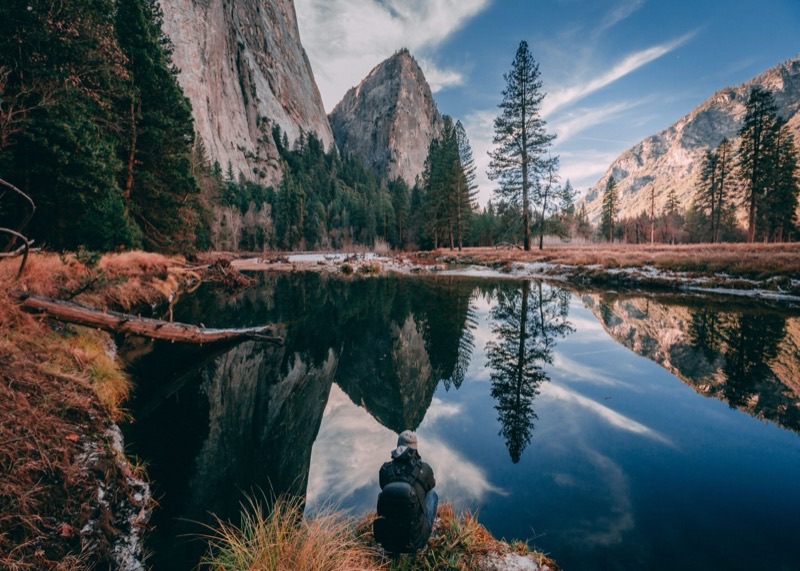
The United States has incredible natural environments, but they are often more spread out or see higher visitor numbers. Yellowstone and Yosemite National Parks are world-renowned, with geysers and massive granite cliffs, respectively. The Grand Canyon offers a unique geological experience. Hawaiis volcanoes and beaches provide a tropical contrast. Entry to most major US national parks is around $35 USD per vehicle, valid for seven days. A helicopter tour over the Grand Canyon can be $200-300 USD. While the US has more variety in biomes, Canadas mountain and lake systems feel more consistently present and less impacted by sheer volume. Tabijis verdict: Canada delivers a more consistent and impactful wilderness experience with less crowd density.
- Winner: Canada
- Why: Canadas national parks provide a greater sense of untouched wilderness and are generally less crowded, especially its mountain regions.
- Who this matters for: Hikers, wildlife enthusiasts, and those seeking remote outdoor experiences.
🏛️ Cities & Culture
Canadian cities offer distinct regional flavors. Montreal boasts a French heritage with its Old Port and Notre-Dame Basilica, where a typical museum entry is 20-25 CAD ($15-19…

Canada

United States
Canadian cities offer distinct regional flavors. Montreal boasts a French heritage with its Old Port and Notre-Dame Basilica, where a typical museum entry is 20-25 CAD ($15-19 USD). Toronto is a diverse metropolis with neighborhoods like Kensington Market and the Art Gallery of Ontario. Vancouver provides a laid-back West Coast atmosphere. Canadas urban centers are often praised for their cleanliness and polite residents. They are not as globally influential or as densely packed with iconic landmarks as their southern neighbors, but they offer a calmer, more accessible urban experience.
The United States has a greater concentration of globally recognized cities and cultural hubs. New York City, with its Broadway shows (tickets $80-200 USD), world-class museums like The Met (suggested donation $30 USD), and diverse neighborhoods, offers unparalleled urban energy. Washington D.C. provides a wealth of free museums (Smithsonian institutions) and historical sites. New Orleans has a distinct Creole and jazz culture. Los Angeles is a center for entertainment and film. The sheer scale and variety of urban experiences, from the historic charm of Boston to the futuristic feel of Miami, give the US an edge. Tabijis verdict: The United States offers a broader range of iconic urban experiences and a more globally influential cultural landscape.
- Winner: United States
- Why: The United States provides a wider array of iconic global cities with diverse cultural offerings and significant historical sites.
- Who this matters for: Urban explorers, history enthusiasts, and those seeking major cultural institutions.
🍔 Food & Drink
Canadian cuisine has its staples like poutine (fries, cheese curds, gravy, 12-18 CAD or $9-14 USD) and maple syrup products. Cities like Vancouver and Toronto have thriving East…

Canada

United States
Canadian cuisine has its staples like poutine (fries, cheese curds, gravy, 12-18 CAD or $9-14 USD) and maple syrup products. Cities like Vancouver and Toronto have thriving East Asian food scenes, with dim sum costing around 30-50 CAD ($23-38 USD) per person. Halifax is known for its donair, a Middle Eastern-influenced wrap for about 10-15 CAD ($7.50-11 USD). The craft beer movement is strong, particularly in British Columbia. While good, Canadas culinary identity often relies on specific comfort foods and high-quality local ingredients rather than a wide array of distinct regional styles.
The United States offers a depth and breadth of culinary experiences. From Texas BBQ (a plate can be $20-35 USD) to New Orleans Creole dishes (gumbo $15-25 USD), to California farm-to-table restaurants, the regional diversity is significant. Major cities like New York and Chicago are global culinary centers, offering everything from street food for $5-10 USD to Michelin-starred dining. The craft beer, cocktail, and wine scenes are expansive and highly developed across many states. The sheer volume of innovation, cultural fusion, and regional specialties provides more to explore. Tabijis verdict: The United States provides a more varied and influential culinary landscape with distinct regional cuisines.
- Winner: United States
- Why: The United States has a broader and more diverse range of distinct regional cuisines and global culinary influences.
- Who this matters for: Foodies, gastronomes, and those seeking specific regional dishes.
🚗 Getting Around
In Canada, driving is often the most practical way to explore outside major cities, especially for national parks. Gas prices are usually higher than in the US, around 1.60-2.00…

Canada

United States
In Canada, driving is often the most practical way to explore outside major cities, especially for national parks. Gas prices are usually higher than in the US, around 1.60-2.00 CAD/liter ($1.20-1.50 USD/liter). VIA Rail offers scenic but slow train journeys, for example, Vancouver to Jasper can take 18+ hours and cost 150-300 CAD ($115-230 USD). Major cities like Toronto, Montreal, and Vancouver have efficient subway and bus systems, with single fares around 3.50 CAD ($2.60 USD). Domestic flights are available but can be costly, with flights from Toronto to Vancouver often 300-500 CAD ($230-380 USD).
The United States has a more extensive and often more affordable domestic flight network, with budget airlines offering flights between major hubs for $50-150 USD. Its interstate highway system is massive, making road trips a practical option, often with lower gas prices (around $0.80-1.20 USD/liter). While Amtrak provides some long-distance routes, it is generally less efficient for practical travel compared to flights or driving. Public transport in cities like New York, San Francisco, and Chicago is good, but many other US cities are car-dependent. The sheer scale and competitive airline market give the US an advantage for covering distances. Tabijis verdict: The United States offers more convenient and often more affordable options for covering significant distances.
- Winner: United States
- Why: The United States has a more extensive and competitive domestic flight network and generally lower gas prices for road trips.
- Who this matters for: Travelers covering large distances, those on a road trip, and budget flyers.
🏨 Accommodation
Canada generally offers slightly better value for accommodation. Hostels in major cities or near national parks typically range from 30-50 CAD ($23-38 USD) per night. Mid-range…
Canada generally offers slightly better value for accommodation. Hostels in major cities or near national parks typically range from 30-50 CAD ($23-38 USD) per night. Mid-range hotels in cities like Toronto or Vancouver can be 150-250 CAD ($115-190 USD). Cabins and B&Bs are popular in rural and resort areas, often providing good amenities. Even in popular spots like Banff, finding a decent hotel for around 200 CAD ($150 USD) is feasible outside of peak season. Reservations are advisable during summer and ski season.
In the United States, accommodation prices are more volatile and often higher in popular destinations. Hostels in NYC or San Francisco can be $40-70 USD per night. Mid-range hotels in major cities often start at $200-350 USD per night. Budget motels are available in many areas for $70-120 USD, but quality varies. Luxury resorts are prevalent in places like Las Vegas or Florida. The overall cost for comparable quality lodging often skews higher, especially in sought-after urban or resort locations. Tabijis verdict: Canada provides slightly more consistent value and lower average prices for accommodation across its destinations.
- Winner: Canada
- Why: Canada generally offers lower average prices for comparable accommodation quality, from hostels to mid-range hotels.
- Who this matters for: Budget travelers and those seeking good value on lodging.
🚨 Safety
Canada consistently ranks as one of the safest countries globally. Violent crime rates are low, and most tourist areas are very secure. Travelers can generally feel comfortable…
Canada consistently ranks as one of the safest countries globally. Violent crime rates are low, and most tourist areas are very secure. Travelers can generally feel comfortable walking alone in major city centers at night. Petty crime, like pickpocketing, is present but not widespread. Common sense precautions, like securing belongings and avoiding isolated areas late at night, are sufficient. The overall atmosphere is relaxed and welcoming, contributing to a sense of personal security for travelers. This consistent level of safety across the country is a significant benefit.
The United States offers varying levels of safety. Major tourist destinations, national parks, and popular city districts are generally well-patrolled and safe during the day. However, crime rates, particularly violent crime, are significantly higher in certain urban areas and neighborhoods. Travelers should research specific city areas and avoid walking alone at night in unfamiliar or less populated parts of cities. Car break-ins are a concern in some areas, especially California. While most visitors will have problem-free trips, the need for increased situational awareness in some US locations makes it less consistently safe than Canada. Tabijis verdict: Canada provides a consistently higher level of personal safety and a more relaxed travel environment.
- Winner: Canada
- Why: Canada has consistently lower crime rates and a generally safer environment across all its regions for travelers.
- Who this matters for: Solo travelers, families, and those prioritizing personal security.
🍻 Nightlife
Canadian cities offer enjoyable nightlife, especially in Montreal, Toronto, and Vancouver. Montreal has a European-style club scene and lively pubs along Crescent Street, where a…
Canadian cities offer enjoyable nightlife, especially in Montreal, Toronto, and Vancouver. Montreal has a European-style club scene and lively pubs along Crescent Street, where a beer costs 8-10 CAD ($6-7.50 USD). Toronto has a variety of bars and music venues in areas like Queen West. Vancouver provides a more laid-back bar scene. The legal drinking age is 18 in Alberta, Manitoba, and Quebec, and 19 in other provinces. While there are options, Canadian nightlife tends to be less frenetic and concentrated than in major US cities.
The United States has a broader and more intense nightlife spectrum. Las Vegas is a global entertainment center with mega-clubs and casinos (entry often $30-70 USD). New York Citys diverse boroughs offer everything from rooftop bars to jazz clubs and underground music venues. Miami is known for its beach clubs and Latin influence. Nashville and Austin have thriving live music scenes. The legal drinking age is 21 across all states. For variety, scale, and sheer energy, the US offers a more comprehensive and globally recognized nightlife experience. Tabijis verdict: The United States offers a more extensive and globally recognized nightlife with greater variety and intensity.
- Winner: United States
- Why: The United States has a wider array of iconic nightlife destinations and a more diverse selection of venues and atmospheres.
- Who this matters for: Party-goers, music enthusiasts, and those seeking energetic evening entertainment.
🏖️ Beaches & Water
Canada offers striking coastal scenery, particularly on Vancouver Island, with places like Tofino known for surfing (wetsuits usually needed) and dramatic beaches. Its numerous…
Canada offers striking coastal scenery, particularly on Vancouver Island, with places like Tofino known for surfing (wetsuits usually needed) and dramatic beaches. Its numerous freshwater lakes, such as Lake Louise and the Great Lakes shared with the US, provide opportunities for kayaking, canoeing, and swimming in warmer months. The ocean waters, both Pacific and Atlantic, are generally cooler than in the US, making them less appealing for casual swimming. Opportunities for whale watching are popular on both coasts, with tours costing around 100-150 CAD ($75-115 USD).
The United States has a wider range of beaches and water activities. Florida offers warm Atlantic beaches (Miami Beach) and the Gulf Coast, ideal for swimming and sunbathing. Hawaii provides tropical beaches, surfing (lessons around $60-100 USD), and snorkeling. California has famous surfing spots like Malibu. The Great Lakes provide a massive freshwater playground, and states like Minnesota have thousands of smaller lakes. The variety of climates allows for warm water swimming across a greater portion of the country for more months of the year. Tabijis verdict: The United States provides superior options for warm-water beaches, diverse water sports, and longer swimming seasons.
- Winner: United States
- Why: The United States offers tropical and warm-water beaches, catering to a wider range of beach and water-based activities.
- Who this matters for: Beach lovers, swimmers, surfers, and those seeking warm-weather water activities.
🚶♀️ Solo Travel
Canada is an excellent choice for solo travelers due to its high safety ratings and generally friendly population. Navigating cities and national parks independently is…
Canada is an excellent choice for solo travelers due to its high safety ratings and generally friendly population. Navigating cities and national parks independently is straightforward, and locals are often helpful. The hostel network is well-established, making it easy to meet other travelers, with dorm beds costing around 30-50 CAD ($23-38 USD). Public transport in major cities is reliable. The calm atmosphere and focus on outdoor activities, which can be enjoyed solo, contribute to a comfortable experience. Meals can be found cheaply, for example, a Banh Mi in Montreal for 8-10 CAD ($6-7.50 USD).
The United States is also popular for solo travel, particularly among those seeking specific niche experiences or aiming for a road trip. However, safety varies more by location, requiring greater awareness. Hostels are available but can be more expensive in major cities ($40-70 USD). Meeting people in bars or through tours is common. Domestic flights are efficient for covering long distances alone. Dining alone is accepted, but food costs can add up quickly. While many solo travelers enjoy the US, the consistent safety and slightly lower costs in Canada provide a smoother, less stressful experience for a broader range of solo explorers. Tabijis verdict: Canada offers a more consistently safe and budget-friendly environment for solo travelers.
- Winner: Canada
- Why: Canada offers a more consistently safe environment, friendly locals, and a good hostel network, making solo travel straightforward and comfortable.
- Who this matters for: First-time solo travelers, women travelers, and those prioritizing security and ease.
🎯 The Decision Framework
Choose Canada If…
- You prioritize accessible, expansive wilderness and mountain ranges.
- You seek a generally lower-cost travel experience.
- You want to feel consistently safe and encounter friendly locals.
- You enjoy European-influenced cities with a relaxed pace, like Montreal.
- You are interested in winter sports like skiing and snowboarding.
- You appreciate diverse ethnic food scenes in major cities.
- You prefer less crowded national parks and outdoor attractions.
- You want to experience a strong craft beer culture on the West Coast.
Choose United States If…
- You desire a vast range of climates and landscapes within one country (desert, tropical, mountains).
- You want to experience iconic global cities with intense energy, like New York or Los Angeles.
- You are a foodie seeking diverse regional cuisines (BBQ, Creole, Tex-Mex).
- You prioritize cheap domestic flights for covering long distances.
- You are interested in theme parks or major entertainment hubs.
- You prefer warm-water beaches and tropical environments.
- You want to explore significant historical sites and world-class museums.
- You seek a globally recognized and high-energy nightlife experience.
📅 Sample Itineraries
Weekend in Toronto, Canada (3 Days)
💡 Purchase a PRESTO card for Toronto's public transit; it saves you about $0.20-0.50 per fare compared to single-use tickets, especially if you plan multiple rides daily.
Weekend in New York City, United States (3 Days)
💡 Purchase a 7-day unlimited MetroCard for $33 USD if you plan to use the subway frequently; it can save you significantly compared to single rides at $2.90 each.
One Week in Eastern Canada (7 Days)
💡 Book VIA Rail tickets between Montreal and Quebec City in advance, especially for 'Economy Plus' fares, to save 15-25% on last-minute prices and secure better seats.
One Week in California, United States (7 Days)
💡 For popular attractions like Alcatraz or Yosemite's timed entry, book tickets 2-3 months in advance to ensure availability and avoid disappointment, especially during peak season.
❓ Frequently Asked Questions
Which country is cheaper for a two-week trip?
Canada is generally cheaper. A two-week trip in Canada might cost $1000-1700 USD per person for mid-range budget travel, covering accommodation, food, and activities. The United States would likely be $1400-2500 USD for a similar style of travel, particularly if visiting major cities or popular regions.
What are typical flight times from Europe to these countries?
Flights from London to major East Coast cities like Toronto or New York are typically around 7-8 hours direct. Flights to West Coast cities like Vancouver or Los Angeles are longer, averaging 9-11 hours direct. Prices can range from $500-900 USD round trip during off-peak seasons.
Is public transport reliable in both countries?
Public transport is reliable in major Canadian cities (Toronto, Montreal, Vancouver) and in large US cities like New York, Chicago, and San Francisco. However, outside these major hubs, both countries are car-dependent. A single ride on the Toronto TTC costs 3.30 CAD ($2.45 USD), while a New York subway ride is $2.90 USD.
Which has better opportunities for wildlife viewing?
Both offer wildlife viewing, but Canada often provides more accessible and frequent opportunities for larger mammals like bears, elk, and moose in its national parks, especially in the Rockies. Whale watching is excellent on both coasts. The US offers unique desert wildlife and diverse bird species.
Are visas required for most international travelers?
Yes, most international travelers require an eTA (Electronic Travel Authorization) for Canada or an ESTA (Electronic System for Travel Authorization) for the United States if they are from visa-waiver countries. Otherwise, a traditional visa is needed. Both typically cost less than $25 USD and are applied for online.
Which is better for a family vacation with young children?
Canada, due to its consistent safety, focus on outdoor activities, and generally calmer atmosphere, often suits families with young children better. The US offers more theme parks (e.g., Disney World tickets $109-159 USD/day) and structured entertainment, which may appeal to some families but can be more expensive and crowded.
What is the best time of year to visit each country?
Summer (June-August) is ideal for Canadas outdoor activities and warm weather. For the US, Spring (April-May) and Fall (September-October) offer pleasant weather across many regions, avoiding the summer heat and winter cold. Winter is suitable for ski trips in both countries.
Can I easily cross the border between Canada and the US during my trip?
Yes, border crossings are common by car, bus, or short flights. You will need a valid passport and potentially a visa or eTA/ESTA for the country you are entering. Expect waits of 30 minutes to a few hours at land crossings, especially during peak times. Ensure your travel documents are in order.
Ready to plan your North America trip?
Get a free custom itinerary for Canada, United States, or both — built from real traveler insights.
👥 Travelers Also Compared
🎟️ Book Tours & Experiences
Hand-picked tours and activities for both destinations — book with free cancellation
Experiences via Viator — free cancellation on most tours