How we built this comparison
This page combines traveler discussion patterns, published price ranges, flight schedules, and seasonal data to help you decide between Canadian Rockies and Swiss Alps.
- Reviewed 50+ Reddit threads from r/travel, r/solotravel, r/Canada, r/Switzerland, r/Banff, r/SwissAlps for authentic traveler experiences and tips.
- Verified costs and logistics against current booking platforms (e.g., Booking.com, Kayak, official tourism sites) for realism.
- Cross-referenced seasonal patterns, weather data, and activity availability to ensure accurate recommendations.
⚡ The TL;DR Verdict
If you crave vast wilderness, epic drives, and a slightly more affordable (but still not 'cheap') adventure with a strong wildlife focus, the Canadian Rockies are your pick, budgeting around $150-250 USD per person per day. For those who prioritize quaint villages, ultra-efficient public transport, world-class hiking right from your hotel, and don't mind a premium price tag, the Swiss Alps deliver, expecting $250-400 USD daily.
- Choose Canadian Rockies: For the North American road-tripper seeking grand scale, turquoise lakes, grizzly bears, and a rugged, less 'manicured' natural experience.
- Choose Swiss Alps: Ideal for the European charm seeker who loves efficient public transport, cozy villages, iconic peaks, and doesn't mind spending more for convenience and postcard-perfect scenes.
- Choose Both: If you have ample time (3+ weeks) and budget, experience both for the ultimate mountain odyssey, perhaps a summer trip for hiking and a winter trip for skiing to see different facets.
Quick Comparison
| Category | Canadian Rockies | Swiss Alps | Winner |
|---|---|---|---|
| Costs & Budget | Generally more affordable than Switzerland, especially for food and accommodation outside peak season hotspots like Banff town. Expect to spend $150-250 CAD ($110-185 USD) daily. | Notoriously expensive across the board, from transport to food and lodging. A budget of $250-400 CHF ($280-450 USD) per day is realistic, even for budget-conscious travelers. | Canadian Rockies |
| Nature & Scenery | Vast, wild, rugged, and majestic with iconic turquoise lakes (Lake Louise, Moraine Lake), glaciers, and abundant wildlife (bears, elk, bighorn sheep). | Picturesque, dramatic, and iconic, featuring towering peaks (Matterhorn, Eiger), lush green valleys, waterfalls, and charming alpine meadows. | Tie |
| Getting Around | A rental car is highly recommended for flexibility and accessing trailheads. Shuttles are available for popular spots like Lake Louise, but public transport is limited. | World-class public transportation (trains, buses, cable cars, gondolas) makes getting around incredibly easy, efficient, and scenic. A Swiss Travel Pass is invaluable. | Swiss Alps |
| Accommodation | Offers a range from budget hostels to luxury Fairmont hotels. Finding availability can be tough in peak season, especially for popular areas like Banff and Lake Louise. | Features charming alpine chalets, boutique hotels, and some hostels. Expect higher prices, but often with exceptional service and scenic locations. | Tie |
| Food & Drink | Hearty North American fare, craft breweries, casual dining, and some high-end restaurants. Less distinct regional cuisine but good quality. | Distinct European alpine cuisine: fondue, raclette, rosti, Swiss chocolate, excellent local cheeses, and wines. High quality but pricey. | Swiss Alps |
| Culture & Towns | Lively, modern 'adventure towns' like Banff and Jasper with a North American vibe, focused on outdoor recreation. Less historical depth. | Charming, historic alpine villages (Zermatt, Lauterbrunnen, Wengen) with distinct European architecture and centuries of tradition, seamlessly blending nature and culture. | Swiss Alps |
| Summer Activities | World-class hiking, canoeing/kayaking on turquoise lakes, wildlife viewing, scenic drives (Icefields Parkway), glacier tours, mountain biking. | Unrivaled hiking (including hut-to-hut), via ferratas, paragliding, canyoning, mountain biking, cogwheel railways, and extensive lift access to peaks. | Swiss Alps |
| Winter Activities | World-class skiing/snowboarding at resorts like Lake Louise, Sunshine Village, Marmot Basin. Dog sledding, ice skating, ice climbing, snowshoeing. | Extensive, interconnected ski resorts (Zermatt, Verbier, Jungfrau region) with legendary runs, charming villages, and vibrant après-ski. Snowshoeing, ice skating, tobogganing. | Tie |
| Getting There | Fly into Calgary International Airport (YYC), typically 4-6 hours from major US cities, 8-10+ hours from Europe. Rental car or shuttle (~2hrs) to Banff. | Fly into Zurich (ZRH) or Geneva (GVA), typically 7-9 hours from major US cities, 1.5-3 hours from European hubs. Excellent train connections to the Alps. | Tie |
| Overall Vibe & Atmosphere | Rugged, wild, majestic, and adventurous with a focus on expansive wilderness and outdoor pursuits. Feels vast and untamed. | Picturesque, serene, charming, and refined, offering a blend of iconic natural beauty and quaint European alpine culture. Feels pristine and integrated. | Swiss Alps |
💰 Costs & Budget
When it comes to your wallet, the Canadian Rockies offer a significant reprieve compared to the Swiss Alps. While Banff and Lake Louise can be pricey, especially for hotels, you can find more budget-friendly options in Canmore or Jasper. A decent hostel bed in Banff might run you $50-80 CAD ($37-60 USD) per night, and a casual dinner with a beer around $30-45 CAD ($22-33 USD). Groceries are comparable to North American prices, allowing for picnic savings. For example, a week's car rental might be $500-800 CAD ($370-590 USD). In the Swiss Alps, however, even a budget hostel in Lauterbrunnen or Zermatt will easily cost $70-120 CHF ($78-135 USD) per night. A simple meal at a mountain restaurant can be $40-60 CHF ($45-67 USD) without drinks. The Swiss Travel Pass, while convenient, is a major upfront cost, starting around $232 CHF ($260 USD) for 3 days. 'Seriously, I nearly fainted when I saw the price of a simple sandwich at Jungfraujoch. It’s breathtaking, but so is the bill!' one Redditor lamented. Factor in higher lift pass prices and activity costs, and your daily spend quickly escalates.
Winner takeaway
- Winner: Canadian Rockies
- Why: Your dollar (or Euro) simply stretches further in the Canadian Rockies, making it more accessible for a wider range of budgets.
- Who this matters for: Budget-conscious travelers, backpackers, and families looking to maximize their stay without breaking the bank.
🏞️ Nature & Scenery
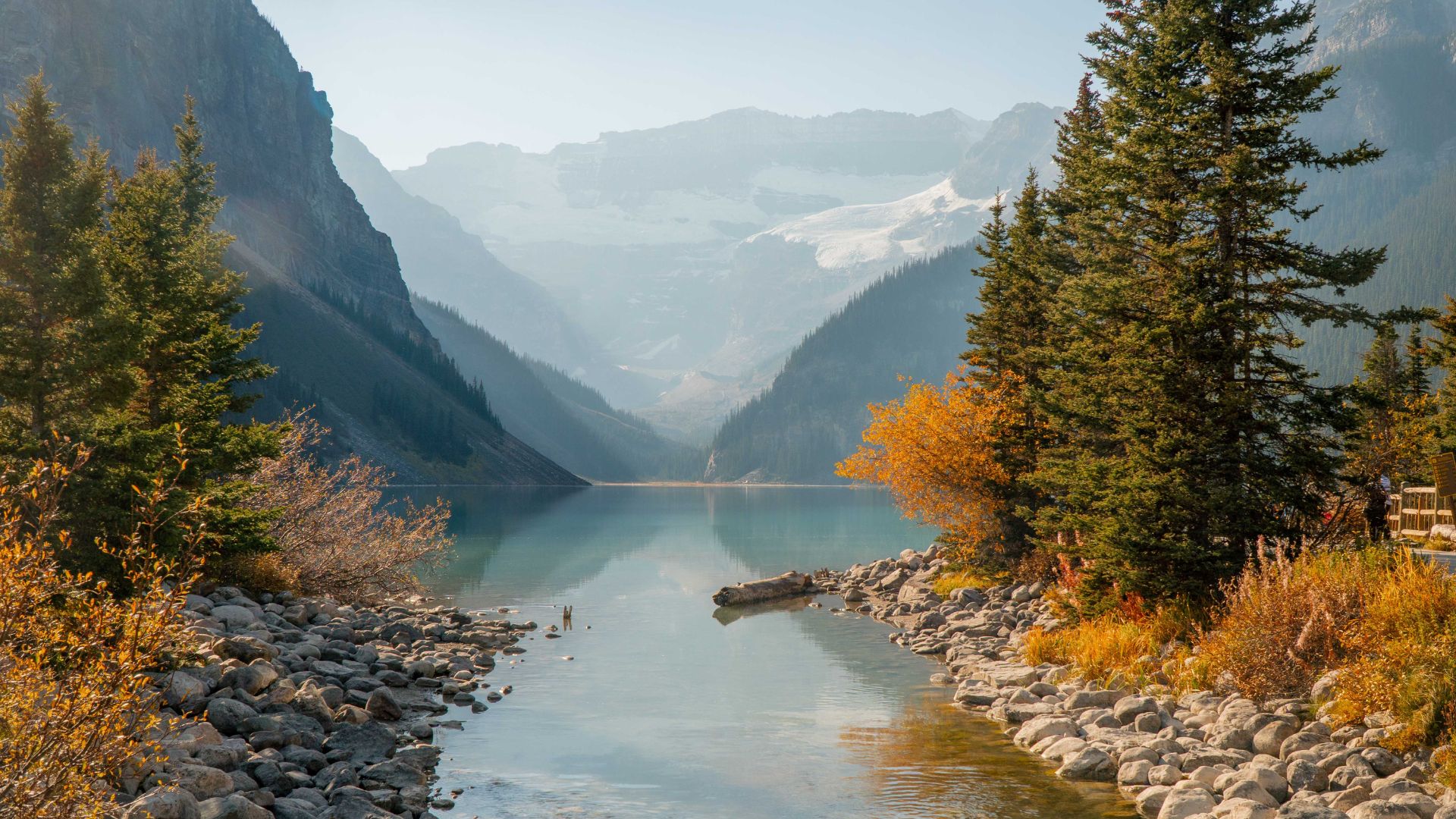
This category is a true battle of titans, and honestly, it's impossible to pick an outright winner as both offer unparalleled natural beauty, just different flavors. The Canadian Rockies are defined by their immense scale, the vibrant, almost surreal turquoise of glacial lakes like Lake Louise and Peyto Lake, and the sheer probability of encountering wildlife – from grizzly bears munching berries on the Icefields Parkway to elk grazing near Banff town. The landscape feels raw and untamed, with vast forests and distant peaks. The Swiss Alps, on the other hand, are the epitome of 'postcard perfect.' Think dramatic, impossibly steep valleys like Lauterbrunnen (with its 72 waterfalls), the iconic pyramid of the Matterhorn dominating Zermatt, and the sheer grandeur of the Jungfrau region. The scenery is often more 'human-integrated' with charming chalets and efficient infrastructure woven seamlessly into the landscape. 'Canadian Rockies for the raw, untamed wilderness. Swiss Alps for the fairytale villages and those perfectly chiseled peaks,' as one traveler perfectly summarized. Both will leave you speechless, just in slightly different ways.
Winner takeaway
- Winner: Tie
- Why: Both destinations offer truly world-class, distinct natural beauty, making a definitive 'winner' subjective to personal preference.
- Who this matters for: Everyone! Nature lovers, photographers, hikers, and anyone seeking awe-inspiring landscapes will be thrilled by either choice.
🚏 Getting Around
This is where the Swiss Alps truly shine and often win over travelers seeking ease and efficiency. Switzerland's public transport network (SBB) is legendary – trains run on time, connect nearly every village, and offer stunning views. A Swiss Travel Pass (e.g., ~$232 CHF for 3 days, or ~$450 CHF for 8 days) gives you unlimited travel on trains, buses, and boats, plus discounts on mountain railways and cable cars. You can easily reach remote trailheads and picturesque villages without ever touching a car. In contrast, while the Canadian Rockies offer some shuttle services, particularly for Banff to Lake Louise and Moraine Lake (often requiring advance booking for Moraine), a rental car is almost essential for a comprehensive trip. Driving the Icefields Parkway between Banff and Jasper is a highlight in itself, offering spontaneous stops for wildlife viewing or viewpoints. A compact car rental can cost $70-120 CAD ($50-90 USD) per day, plus gas and national park passes. 'The Swiss train system is like magic; you just show up, and it works. In Banff, I spent half my morning just trying to figure out parking for Lake Louise,' a user commented, encapsulating the difference. Parking can be a nightmare in peak season for popular spots in the Rockies.
Winner takeaway
- Winner: Swiss Alps
- Why: The unparalleled efficiency, punctuality, and comprehensiveness of Swiss public transport offer a stress-free and scenic way to explore.
- Who this matters for: Travelers who prefer not to drive, solo travelers, families, and those seeking an eco-friendly way to explore.
🏡 Accommodation
Both destinations offer fantastic accommodation options, but they cater to different vibes and budgets, making it a tie based on preference rather than superiority. In the Canadian Rockies, you can find everything from cozy HI Hostels in Banff or Jasper (beds from ~$50-80 CAD / $37-60 USD) to the iconic, grand Fairmont Chateau Lake Louise or Fairmont Banff Springs (often $500-1000+ CAD / $370-740+ USD per night). There are also plenty of mid-range hotels, motels, and Airbnb options in towns like Canmore or Invermere. However, booking well in advance is crucial, particularly for summer and ski season. The Swiss Alps offer a more consistent 'alpine charm' experience. Picture traditional wooden chalets, family-run hotels with incredible views, and modern, efficient establishments. While hostels exist (e.g., Youth Hostel Interlaken from ~$60-90 CHF / $67-100 USD), the average hotel room in a popular spot like Zermatt or Wengen will easily set you back $200-500+ CHF ($225-560+ USD) per night. The 'mountain hut' experience, offering basic lodging and meals high in the mountains, is a unique Swiss offering for hikers. 'I loved the vibe of staying in a traditional Swiss chalet in Grindelwald, even if it cost a fortune. It just felt so authentic,' a traveler mentioned. Both offer quality, but Switzerland's options often lean more towards quaint luxury, while Canada provides more diverse budget tiers.
Winner takeaway
- Winner: Tie
- Why: Both offer excellent, albeit different, accommodation experiences suitable for various traveler types, reflecting their distinct regional styles.
- Who this matters for: Varies by budget and preferred style: Canadian Rockies for range, Swiss Alps for consistent alpine charm.
🍽️ Food & Drink
For a distinct culinary experience, the Swiss Alps take the lead. Swiss food is comforting, hearty, and deeply intertwined with its alpine culture. Indulge in traditional cheese fondue or raclette at a cozy restaurant in Zermatt, sample delicious Rösti, or treat yourself to world-famous Swiss chocolate from places like Läderach or Sprüngli in Zurich. The local wines, particularly from the Valais region, are excellent, and the availability of fresh, high-quality cheeses from mountain dairies is unparalleled. Expect to pay around $40-60 CHF ($45-67 USD) for a main dish in a mid-range restaurant. The Canadian Rockies, while offering delicious food, don't have as strong a unique culinary identity. You'll find excellent North American comfort food, steak houses (like The Grizzly House in Banff), vibrant craft brewery scenes (e.g., Banff Ave Brewing Co. or Canmore Brewing Co.), and a variety of international cuisines. Prices for a decent sit-down dinner might range from $30-50 CAD ($22-37 USD). While you'll eat well in Canada, the Swiss Alps offer a more culturally immersive and distinct gastronomic journey. 'Nothing beats a steaming pot of fondue after a long hike in the Alps. It's an experience, not just a meal,' a Redditor shared, highlighting the cultural integration of Swiss food.
Winner takeaway
- Winner: Swiss Alps
- Why: The Swiss Alps offer a more distinct, culturally rich, and high-quality culinary experience with iconic dishes and local specialties.
- Who this matters for: Foodies, those seeking unique cultural dining experiences, and cheese/chocolate lovers.
🏘️ Culture & Towns
The Swiss Alps offer a richer, more authentic cultural and village experience. Towns like Zermatt, with its car-free policy and views of the Matterhorn, or the idyllic Lauterbrunnen Valley, dotted with traditional wooden chalets and surrounded by waterfalls, feel like stepping into a postcard. Villages like Wengen or Mürren, perched on mountain ledges, exude a timeless charm, offering a strong sense of local tradition, artisan shops, and stunning views woven into daily life. Even larger towns like Lucerne, a gateway to parts of the Alps, boast medieval architecture and deep history. In contrast, the Canadian Rockies' towns, primarily Banff and Jasper, are vibrant and bustling, but they are modern 'adventure hubs' built to service tourism. They have a distinctly North American feel, with chain stores mixed with local outfitters, focused more on gear and good eats than historical preservation. While charming in their own right, they lack the centuries-old cultural tapestry of their Swiss counterparts. 'Wandering through the streets of Appenzell felt like I was in a different century, whereas Banff felt like any other resort town, just with bigger mountains,' one traveler noted, perfectly capturing the essence.
Winner takeaway
- Winner: Swiss Alps
- Why: The Swiss Alps provide a deeper, more historic, and culturally integrated experience with their picturesque, traditional alpine villages.
- Who this matters for: Culture enthusiasts, photographers, and those who appreciate quaint, historic European charm alongside natural beauty.
🥾 Summer Activities
While both offer incredible summer activities, the Swiss Alps edge out the Canadian Rockies due to the sheer variety, accessibility, and unique offerings. Hiking is paramount in both, but Switzerland boasts an incredibly dense and well-marked network of trails, often accessible directly from charming villages via lifts or cogwheel trains. The range includes everything from easy strolls to challenging multi-day hut-to-hut treks (like the Bernese Oberland Traverse). Unique adrenaline activities like paragliding over Interlaken, canyoning in the 'Adventure Capital,' and numerous via ferratas are readily available. The Canadian Rockies are phenomenal for hiking, too, with iconic trails like Johnston Canyon, Plain of Six Glaciers, and the Cavell Meadows Trail. Canoeing or kayaking on the vibrant turquoise lakes (e.g., Lake Louise canoe rentals ~$130 CAD/hour) is an absolute must-do. Wildlife viewing is also a major draw, with bears, elk, and bighorn sheep frequently spotted along scenic drives like the Icefields Parkway. However, the overall infrastructure and diversity of activities, especially those easily accessible via public transport, give Switzerland the slight edge. 'The number of accessible hikes and the options for things like paragliding right from my hostel in Lauterbrunnen was just insane. It felt like an outdoor playground,' a traveler exclaimed.
Winner takeaway
- Winner: Swiss Alps
- Why: The Swiss Alps offer a wider, more accessible, and diverse range of summer activities, leveraging their superior transport infrastructure and adventure sports scene.
- Who this matters for: Adventure seekers, serious hikers, and those looking for a mix of active pursuits and accessible scenic wonders.
⛷️ Winter Activities
Another close call, as both are world-class winter destinations, offering distinct but equally compelling experiences. The Canadian Rockies are renowned for their 'Champagne powder' – light, dry snow perfect for skiing and snowboarding. Resorts like Lake Louise Ski Resort, Sunshine Village, and Marmot Basin offer vast terrain, incredible views, and a classic North American ski experience (e.g., Lake Louise lift tickets ~$130-150 CAD / $96-110 USD per day). Beyond skiing, activities like dog sledding, ice skating on frozen lakes, and ice climbing are popular. The vibe is rugged and focused on the sport. The Swiss Alps, on the other hand, offer expansive, often interconnected ski areas with legendary runs and high-altitude skiing, like Zermatt with its Matterhorn views (lift tickets ~$90-110 CHF / $100-125 USD per day). The experience is often complemented by charming, car-free villages, gourmet mountain restaurants, and a vibrant après-ski scene. While the snow might be heavier, the sheer scale and cultural integration of skiing are unique. 'I'd pick Banff for the pure powder and wide-open runs, but Zermatt for the whole village-to-mountain experience with incredible food stops,' a ski enthusiast commented. Both guarantee an unforgettable winter escape, catering to slightly different preferences within the snow sports world.
Winner takeaway
- Winner: Tie
- Why: Both destinations offer exceptional, world-class winter experiences, catering to different preferences for terrain, atmosphere, and après-ski culture.
- Who this matters for: Skiers and snowboarders of all levels, winter sports enthusiasts, and those seeking cozy winter escapes.
✈️ Getting There
The ease of getting to either destination largely depends on your starting point, making this a tie. For North American travelers, the Canadian Rockies are generally easier and quicker to reach. Flying into Calgary International Airport (YYC) is straightforward from most major US cities (e.g., LAX-YYC ~3.5 hours, NYC-YYC ~5 hours) with direct flights. From Calgary, it's a scenic 1.5-2 hour drive to Banff. From Europe, it's a longer journey, typically 8-10+ hours with connections. For European travelers, the Swiss Alps are incredibly accessible. Major airports like Zurich (ZRH) or Geneva (GVA) have excellent connections from across Europe (e.g., London-ZRH ~1.5 hours, Paris-GVA ~1 hour) and direct flights from many US cities (e.g., NYC-ZRH ~7.5 hours). From these airports, Switzerland's efficient train system whisks you directly into the heart of the Alps, often in just 2-3 hours. 'As an East Coaster, flying into Zurich feels almost as easy as flying across the US sometimes, especially with those direct trains,' a US traveler shared. The overall travel time and cost will vary significantly by origin, balancing out the 'winner' status.
Winner takeaway
- Winner: Tie
- Why: Accessibility is highly dependent on the traveler's origin, with both destinations being relatively easy to reach from their respective continents.
- Who this matters for: International travelers for flight convenience, domestic travelers for regional access.
✨ Overall Vibe & Atmosphere
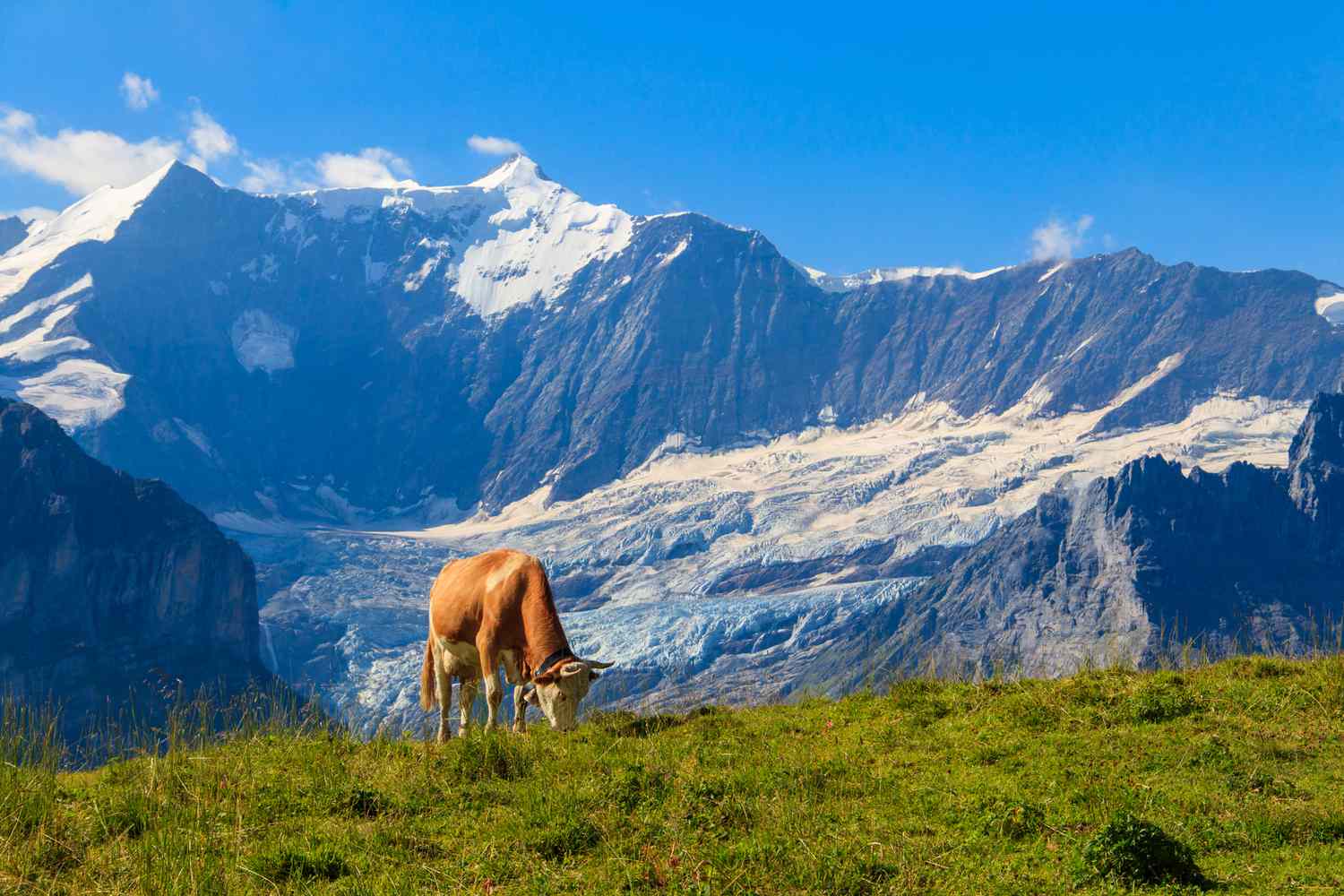
The overall vibe is a significant differentiator. The Swiss Alps exude a refined, almost fairytale-like charm. It's a place where pristine nature meets centuries of human habitation, resulting in perfectly manicured landscapes, quaint villages, and a sense of calm efficiency. The air is crisp, the views are dramatic yet harmoniously integrated with charming chalets and cowbells. There's a feeling of serene grandeur, where iconic peaks like the Matterhorn command respect, but the infrastructure makes it feel incredibly accessible and comfortable. The Canadian Rockies, conversely, offer a more rugged, wild, and untamed atmosphere. It's about vast, expansive wilderness, the thrill of spotting a grizzly bear, and a sense of raw, monumental natural power. While towns like Banff are lively, the overwhelming feeling is one of being a small speck in an immense, powerful landscape. 'The Swiss Alps feel like a carefully crafted masterpiece, whereas the Canadian Rockies feel like nature's raw, powerful, unfinished symphony,' was a poetic take from one seasoned traveler. While both inspire awe, Switzerland's atmosphere is one of picturesque perfection, making it a winner for overall 'vibe' for many.
Winner takeaway
- Winner: Swiss Alps
- Why: The Swiss Alps offer a unique blend of iconic, pristine nature and charming, culturally rich alpine villages, creating a more universally appealing and idyllic atmosphere.
- Who this matters for: Travelers seeking a blend of natural beauty and refined cultural charm, those who appreciate a 'storybook' setting.
❓ Frequently Asked Questions
Which destination is better for families with young children?
The Swiss Alps often win for families due to their exceptional public transport, making it easy to navigate with strollers, and numerous family-friendly attractions like scenic train rides and easy walks. The Canadian Rockies are also great, but a car is often needed, which can add complexity.
Can I visit both Canadian Rockies and Swiss Alps in one trip?
While possible, it's not ideal for most travelers due to the significant travel time and cost between continents. For a truly immersive experience, it's best to dedicate at least 7-10 days to each region separately. If you have 3+ weeks and a generous budget, then combining them for a grand mountain adventure is incredible.
Which destination has better hiking trails?
Both offer world-class hiking. The Swiss Alps boast an incredibly dense, well-marked network of trails often accessible via lifts, with the unique option of hut-to-hut trekking. The Canadian Rockies offer more wilderness-focused, expansive trails with incredible lake views and wildlife spotting opportunities. It depends on your preference for 'manicured' vs. 'wild' trails.
Is wildlife spotting easier in the Canadian Rockies or Swiss Alps?
The Canadian Rockies are significantly better for wildlife spotting. It's common to see elk, bighorn sheep, and deer right from the road, and bears (both black and grizzly) are frequently spotted, especially along the Icefields Parkway. While the Swiss Alps have ibex and chamois, they are much shyer and harder to spot.
Which destination is more budget-friendly for solo travelers?
The Canadian Rockies are generally more budget-friendly for solo travelers, particularly if you're open to hostels and cooking some of your meals. While the Swiss Alps have excellent hostels and public transport, the overall cost of living, food, and activities remains considerably higher.
What's the best time of year to visit each region?
For both, late June to early September is ideal for hiking and summer activities, with July and August being peak season. For winter sports, December to March offers the best conditions. Shoulder seasons (late May/early June, late Sept/early Oct) can offer fewer crowds and lower prices, but with unpredictable weather and some facilities potentially closed.
Do I need to speak the local language in either destination?
In both the Canadian Rockies (English) and Swiss Alps (German, French, Italian, but English is widely spoken in tourist areas), you can get by comfortably with English. Road signs and tourist information are typically multilingual in Switzerland, and Canada is officially bilingual, but English is dominant in the Rockies.
Which destination is better for photography?
Both are incredibly photogenic! The Canadian Rockies offer majestic, sweeping landscapes with dramatic turquoise lakes and abundant wildlife. The Swiss Alps provide iconic, postcard-perfect scenes with charming villages, dramatic peaks, and lush valleys. It boils down to whether you prefer raw wilderness or picturesque alpine charm for your shots.
Ready to plan your mountain escape?
Get a free custom itinerary for Canadian Rockies, Swiss Alps, or both — built from real traveler insights.
🎟️ Book Tours & Experiences
Hand-picked tours and activities for both destinations — book with free cancellation
Experiences via Viator — free cancellation on most tours