How we built this comparison
This page combines real traveler discussion patterns, published price ranges, and seasonal data to make the Cancun vs Tulum decision easier to resolve.
- Reviewed Reddit threads from r/cancun, r/tulum, r/MexicoTravel, and r/travel covering hundreds of traveler experiences.
- Cost data sourced from Reddit trip reports, Booking.com, and Hostelworld current listings.
- Weather data from Open-Meteo for the Quintana Roo region (2024 averages).
- Transit times and prices verified against ADO bus schedules and local reports.
⚡ The TL;DR Verdict
Cancun wins on value, logistics, and party scene. Tulum wins on cenotes, jungle vibes, and Instagram aesthetics — but at a significant price premium. Mid-range budget: Cancun ~$80–120/day vs Tulum ~$150–250/day (beachfront).
- Choose Cancun: Budget travelers, all-inclusive fans, first-timers to Mexico's Caribbean coast, party seekers.
- Choose Tulum: Cenote addicts, ruin explorers, yoga retreaters, and anyone who doesn't mind paying $20 for a margarita for the vibe.
- Do both? Absolutely — they're only 2 hours apart. Stay in Cancun, day-trip to Tulum ruins and cenotes.
Choose Cancun
Better value, all-inclusive resorts, world-class nightlife, easier logistics. The smart base for exploring the Yucatán Peninsula.
Choose Tulum
Gran Cenote at sunrise, Mayan ruins above the Caribbean, boutique eco-lodges, and jungle DJ parties. Worth the premium if this is your scene.
Quick Comparison
| Category | 🏖️ Cancun | 🌿 Tulum | Winner |
|---|---|---|---|
| Daily Budget (mid-range) | $80–120/day (non-all-inclusive) | $150–250/day (beachfront zone) | Cancun |
| All-Inclusive Options | Hundreds of resorts, all budgets | None — boutique hotels only | Cancun |
| Beach Quality | Wide, calm, turquoise water, fewer sargassum issues | Beautiful but narrow; sargassum varies by season | Cancun |
| Cenotes Access | Day trips (1–2h drive) | Several within 20–30 min | Tulum |
| Nightlife | Coco Bongo, Mandala, Señor Frog's — full party scene | Jungle clubs, DJ events, more boutique | Cancun |
| Mayan Ruins | Day trip to Chichén Itzá (3h) or Cobá (2.5h) | Tulum ruins on-site (15 min from town) | Tulum |
| Food Scene | Cheap tacos downtown, tourist restaurants in Hotel Zone | Trendy international; pricey beachfront; cheap in centro | Tie |
| Getting There | Major international airport (CUN), tons of flights | New Tulum airport (TQO), limited routes; most fly into CUN | Cancun |
| Getting Around | Hotel Zone bus (R1) for $0.80, taxis widely available | Need a car or taxis; beach and town are 5 km apart | Cancun |
| Safety | Tourist zones generally safe; watch for scams | Similar; police check-points can be an issue for drivers | Tie |
| Vibe | American-style resort city, package-tour energy | Bohemian jungle chic, yoga retreats, influencer central | — |
| Best For | First-timers, budget travelers, party-goers | Cenote lovers, adventurers, boutique travelers | — |
💰 Cost Comparison
This is where Cancun and Tulum diverge most sharply. Cancun operates at every budget level — from $30/night dorm beds downtown to $500+/night beachfront suites. Tulum, especially in the zona hotelera (beachfront strip), has undergone rapid luxury-ification. What was a budget backpacker destination 15 years ago is now one of Mexico's most expensive coastal destinations.
| Expense | 🏖️ Cancun | 🌿 Tulum |
|---|---|---|
| Hostel dorm | $15–25/night (downtown Cancun) | $18–35/night (town only) |
| Mid-range hotel | $60–120/night (Hotel Zone) | $150–350/night (beach zone) |
| All-inclusive resort | $120–300/night (everything included) | Not available |
| Street tacos | 25–40 MXN ($1.50–2.50) each | 25–50 MXN ($1.50–3) in centro |
| Beach restaurant meal | $15–30 USD (Hotel Zone) | $30–80 USD (beachfront clubs) |
| Cocktail / beer at beach | $6–12 USD | $15–25 USD |
| Cenote entry | $15–30 USD (day trip included) | $10–25 USD (5 min away) |
| Daily total (mid-range, non-all-inclusive) | ~$80–120/day | ~$150–250/day (beachfront) |
The Tulum paradox: downtown Tulum (the actual town, 5 km from the beach) is actually quite affordable — good tacos for $1–2, hostels for $20–30/night, and cheap local restaurants. The sticker shock comes when you cross into the zona hotelera. Staying in town and day-tripping the beach is the budget hacker's Tulum strategy.
Winner takeaway
- Winner: Cancun
- Why: Cancun wins decisively on value. An all-inclusive resort in Cancun's Hotel Zone can actually come out cheaper than a mid-range Tulum beach hotel — with food and drinks included. Budget travelers have far more options in Cancun.
- Who this matters for: Anyone watching their spending. Tulum's beach zone is genuinely expensive by Mexican standards.
🏖️ Beaches
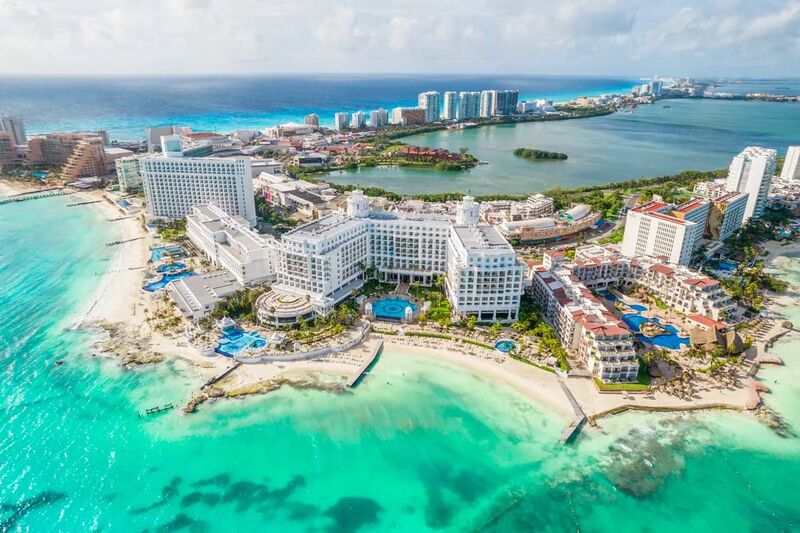
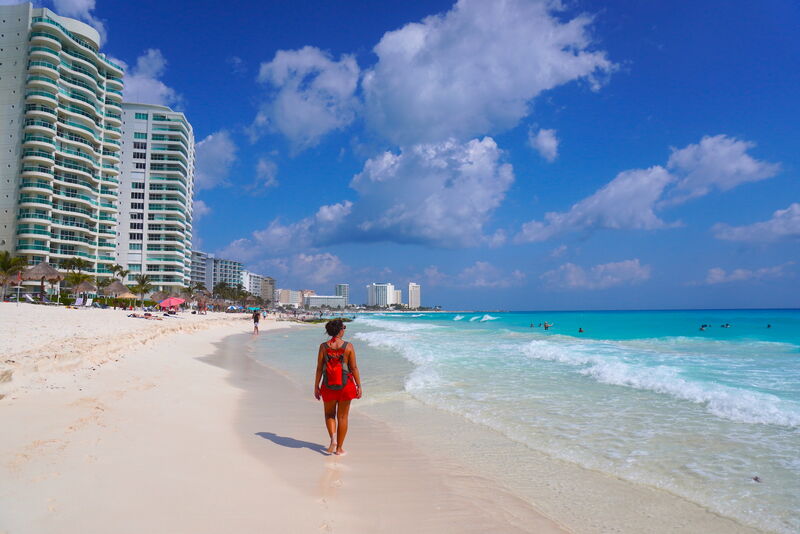
Here's the hotly contested debate: which city actually has better beaches? The honest answer is more nuanced than either side admits. Cancun's Hotel Zone beaches (Playa Delfines, Playa Norte de Tortugas) offer wide stretches of white sand with consistently calm, turquoise water. Being on a barrier island, the hotel zone has both a calm lagoon side and the open Caribbean side. Crucially, the sargassum (seaweed) problem that has plagued Quintana Roo affects Cancun less than areas further south.
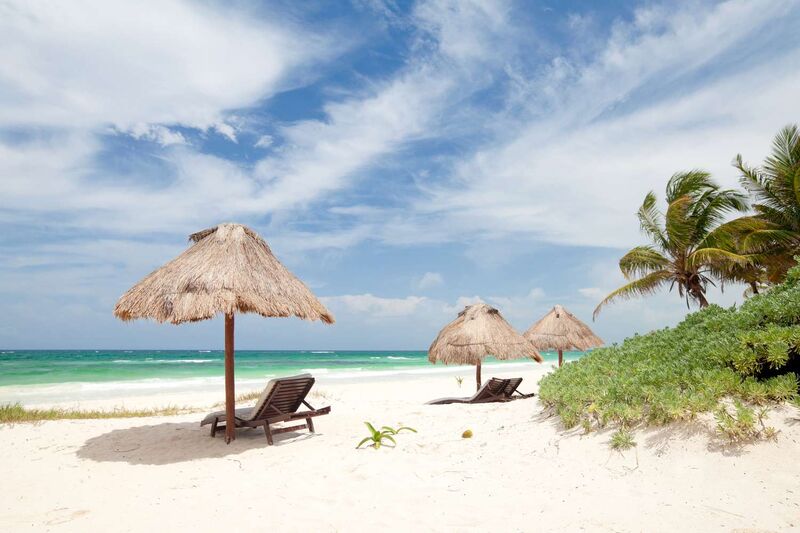
Tulum's beaches are genuinely stunning — narrow strips of white sand backed by jungle rather than high-rise hotels. The panoramic views toward the ocean, without resort towers looming behind you, are what Reddit users consistently point out as the real differentiator. The water is clear and beautiful when conditions are right.
The sargassum problem: Between May and October, floating seaweed can blanket Tulum's beaches, making swimming unpleasant. Cancun's Hotel Zone faces less exposure due to its orientation. Check sargassummonitoring.com before booking.
Winner takeaway
- Winner: Cancun (technically); Tulum (aesthetically)
- Why: Cancun has wider beaches, calmer water, and fewer sargassum issues. Tulum wins on scenery — jungle meets Caribbean without a resort skyline ruining the shot. If Instagram matters, Tulum. If you want to actually swim comfortably, Cancun.
- Who this matters for: Beach quality makes or breaks trips for sun-and-sand travelers. Check sargassum forecasts for Tulum if visiting May–October.
🌿 Cenotes & Nature
This is Tulum's killer advantage and the main reason serious travelers choose it over Cancun. The cenotes — natural sinkholes filled with crystal-clear freshwater — around Tulum are among the most spectacular natural experiences in the Americas. Gran Cenote, Dos Ojos, Cenote Calavera, and Cenote Aktun-Ha (Car Wash) are all within 15–30 minutes of Tulum town. The freshwater is perfectly clear (visibility often exceeds 50 meters), cool (around 24°C/75°F year-round), and surrounded by stalactites and cave formations.
From Cancun, cenotes are accessible but require a 1.5–2 hour drive each way, typically organized as day trips. The experience is the same — you just lose a couple hours. Tulum is the only destination where you can wake up, grab a bike, and be swimming in a cenote within 30 minutes.
Beyond cenotes, Tulum is the gateway to the Sian Ka'an Biosphere Reserve — a UNESCO World Heritage site covering 1.3 million acres of mangroves, lagoons, and Caribbean reef. Cancun is near the Isla Mujeres coral reef and has whale shark encounters (May–September in nearby waters), but nature is less integrated into the Cancun experience.
Winner takeaway
- Winner: Tulum (no contest)
- Why: Tulum's cenote access is unmatched. Gran Cenote alone is worth making Tulum a base. If cenotes and nature are the top priority, Tulum is clearly the right choice. From Cancun you can still visit, but it's a full-day commitment rather than a casual morning.
- Who this matters for: Anyone who came to Mexico for the cenotes. This is Tulum's single strongest argument.
🎉 Nightlife & Entertainment
Cancun is one of the world's most famous party cities, and it earns that reputation. The Hotel Zone's "Party Strip" is home to Coco Bongo (the infamous Vegas-style show-club), Mandala, Señor Frog's, Dady'O, and dozens of bars running two-for-one deals until 4 AM. Spring Break brings tens of thousands of college students. Nightlife here is loud, unapologetic, and designed for maximum fun — or maximum chaos depending on your perspective.
Tulum's nightlife is a completely different animal. The jungle clubs — Zamna, Papaya Playa Project, Vagalume — are globally famous for bringing in world-class DJs (booked alongside Ibiza residencies). The vibe is more Berlin techno rave in a cenote than Cancun spring break. Dress codes are real, entrance fees can run $40–100 USD, and table service is astronomical. It's exclusive by design.
Winner takeaway
- Winner: Cancun (for mainstream party); Tulum (for upscale DJ culture)
- Why: Cancun wins for volume, accessibility, and affordability of nightlife. Tulum wins if you want an exclusive jungle club experience — budget permitting. Most travelers 18–25 want Cancun. Most 28–35 want Tulum's DJ nights.
- Who this matters for: Nightlife travelers need to decide: spring break energy vs Ibiza-in-the-jungle atmosphere.
🌮 Food & Dining
Neither Cancun nor Tulum can match Mexico City for culinary depth, but both have their charms — and their drawbacks. In Cancun's Hotel Zone, restaurants are heavily tourist-oriented: Americanized Mexican, overpriced seafood, and chain restaurants. The real food is in downtown Cancun (La Ciudad), where locals eat $1.50 tacos al pastor, excellent poc chuc (Yucatecan grilled pork), and proper fish tacos at a fraction of Hotel Zone prices.
Tulum has developed an international food scene punching above its size. The town center has excellent cheap tacos and traditional Yucatecan food. The beachfront restaurant scene is international, creative, and eye-wateringly expensive — $20 grain bowls, $35 ceviche, $45 sea bass. The aesthetic is always gorgeous; the value is often poor.
Yucatecan specialties to try in both cities: cochinita pibil (slow-roasted pork in banana leaves), poc chuc (grilled pork with sour orange), sopa de lima (lime soup), panuchos and salbutes (topped tortillas), and fresh ceviches. Both cities are better than their tourist-facing restaurants suggest — go where locals eat.
Winner takeaway
- Winner: Tie (if you know where to eat)
- Why: Both cities have excellent cheap food downtown and overpriced tourist food in the resort zones. Tulum's beachfront dining is more creative but far more expensive. Cancun's Hotel Zone dining is more predictable but less interesting. In both cases, the smart move is eating where locals eat.
- Who this matters for: Food-focused travelers should go downtown in both cities and save the beachfront restaurants for special occasions.
🏛️ Culture & History
Cancun is a purpose-built resort city — it was essentially constructed from scratch in the 1970s by Mexican government planners who saw the potential for a Caribbean tourism hub. Before that, it was a small fishing village. There's no deep urban heritage here. The nearby Museo Maya de Cancún is genuinely excellent, housing an impressive collection of Maya artifacts, and day trips to Chichén Itzá (3 hours each way) or Cobá (2.5 hours) are the main cultural draw from Cancun.
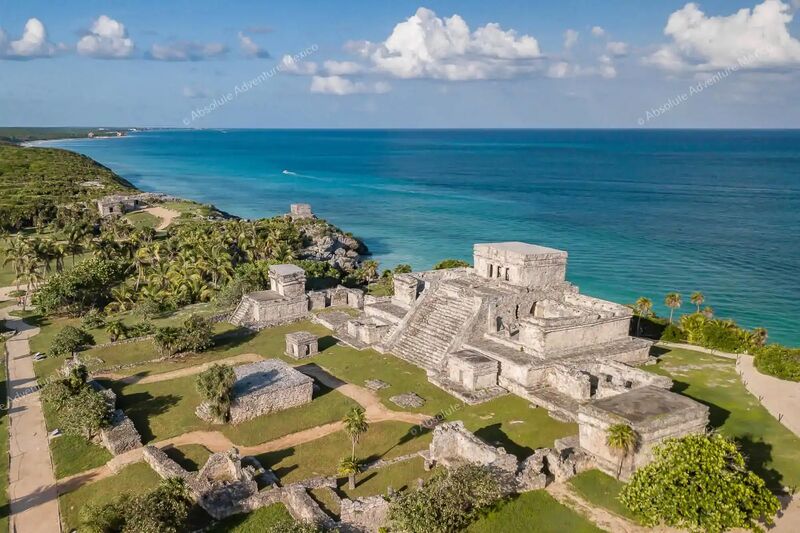
Tulum punches far above its weight culturally. The Tulum Archaeological Zone — Mayan ruins perched on a 12-meter cliff directly above the Caribbean Sea — is one of the most dramatically situated ancient sites in all of Mexico. The main pyramid, El Castillo, and the Temple of the Frescoes are remarkably well-preserved. It's touristy and gets crowded by midday, but arrive early (opening is 8 AM) and you'll have the ruins nearly to yourself with the turquoise Caribbean as your backdrop.
Beyond the ruins, Tulum town has developed into a wellness and spiritual center, with yoga retreats, temazcal ceremonies, and Mayan healing traditions. It's commercial, sure — but there's more cultural texture here than Cancun's Hotel Zone offers.
Winner takeaway
- Winner: Tulum
- Why: Tulum has the ruins, the Sian Ka'an, and more cultural texture. Cancun is a resort city with excellent day trips — but the culture you're accessing from Cancun (Chichén Itzá, Cobá) requires a full day of travel. Tulum's ruins are walkable from town.
- Who this matters for: Travelers who came to see Mayan civilization should use Tulum as a base. The ruins + cenotes combination is Tulum's defining experience.
🏨 Where to Stay
Cancun neighborhoods
Hotel Zone (Zona Hotelera) — The classic resort strip on a barrier island. Everything from budget all-inclusives to luxury resorts. Easy beach access, nightlife, and shopping. If you want the full "Cancun resort experience," stay here. Prices: $80–500+/night.
Downtown Cancun (El Centro) — Where locals actually live and eat. Budget hotels ($30–60/night), great street food, access to ADO buses for day trips. Less glamorous but far better value. Most tourists don't realize this exists.
Puerto Morelos — 30 minutes south of Cancun Airport. Small fishing village with excellent reef snorkeling, way fewer tourists, and a calmer pace. Great alternative if you want Caribbean without the Cancun chaos.
Tulum neighborhoods
Tulum Beach Zone (Zona Hotelera) — The Instagram-famous boutique hotel strip. Cabanas, eco-lodges, and luxury boutique hotels right on the beach. Prices: $150–600+/night. You'll need a car or taxi to reach town (5 km). This is the Tulum experience most people imagine.
Tulum Town (El Pueblo) — The actual town, 5 km inland from the beach. Budget-friendly ($30–80/night), excellent local restaurants, cenotes accessible by bike. A popular hack: stay in town, Uber or taxi to the beach. You save 60–70% on accommodation.
Winner takeaway
- Winner: Cancun (for variety and value); Tulum (for boutique experience)
- Why: Cancun wins on hotel variety — there's something for every budget. Tulum's accommodation is either expensive beach boutiques or budget town hotels (with an awkward gap in the middle). The "stay in town, taxi to beach" hack makes Tulum much more affordable.
- Who this matters for: Budget matters most here. All-inclusive travelers should pick Cancun; boutique experience seekers should budget $200+/night for Tulum beach.
🚗 Getting Around
Cancun is surprisingly easy to navigate. The Hotel Zone is served by the R1 and R2 bus routes running the entire length of the strip — costs about 14 MXN ($0.80 USD) per ride. Taxis are metered (though always confirm the price first) and widely available. No car rental needed if you're staying in the Hotel Zone and taking organized day trips.
Tulum is notably harder. The town and the beach zone are 5 km apart, which rules out casual walking. Options: rent a car ($35–60/day, but watch for police check-points on the Tulum highway — they can be aggressive), rent a moped ($25–40/day), or rely on taxis and Ubers. Cycling between town and the beach is possible but hot, sweaty, and trucks share the road.
Getting between Cancun and Tulum: ADO buses run frequently (roughly every 30–60 min) from Cancun bus terminal to Tulum. Cost: 250–300 MXN ($15–18 USD) one way, about 2 hours. Renting a car gives you more flexibility to stop at cenotes en route (Cobá, Dos Ojos). Airport transfers via shared shuttle can be arranged.
Winner takeaway
- Winner: Cancun
- Why: The Hotel Zone bus alone makes Cancun more navigable than Tulum for car-free travelers. Tulum's split between town and beach creates constant friction. If you don't want to rent a car, Cancun is significantly more convenient.
- Who this matters for: Travelers without a driving license, those who dislike renting cars, or anyone planning to drink freely and not drive.
🛡️ Safety
Both Cancun and Tulum are in Quintana Roo state, which maintains a separate security apparatus partly funded by the tourism industry. In practical terms, the tourist zones of both cities are generally safe for travelers exercising normal big-city awareness. The scary headlines you've seen are mostly connected to organized crime that rarely targets tourists directly.
The most commonly reported issues in both destinations:
Tourist scams: overpriced taxis, "free" tours with high-pressure upsells, and restaurants adding unauthorized gratuities. Standard travel awareness applies.
Police check-points (especially Tulum): Multiple Reddit users report being stopped by police while driving a rental car or scooter in Tulum and being shaken down for cash for invented violations. This is reported more frequently around Tulum than Cancun. Don't drive under the influence; if stopped, stay calm, ask for a ticket, and photograph everything.
Winner takeaway
- Winner: Tie
- Why: Both cities have similar overall safety levels for tourists. Tulum has slightly more reported issues with police stops for drivers. In both destinations: stay in lit, populated areas at night, use Uber over random taxis, and don't carry excess cash. Neither destination is as dangerous as Reddit panic posts suggest.
- Who this matters for: Solo female travelers and first-time Mexico visitors should stick to well-trafficked tourist areas, which are plentiful in both cities.
🎯 The Decision Framework
Choose Cancun If…
- You want an all-inclusive resort experience
- Budget is a primary consideration
- You're traveling in a large group or with family
- You want non-stop nightlife and party energy
- You prefer a walkable hotel zone without renting a car
- This is your first trip to Mexico's Caribbean coast
- You want whale shark tours (May–September)
- You're flying into the region with limited connection options
- You want to use it as a hub for day trips to Chichén Itzá or Cobá
Choose Tulum If…
- Cenotes are the main reason for the trip
- You want Mayan ruins you can walk to from your hotel
- Boutique eco-lodges and jungle vibes appeal to you
- You're into yoga retreats, wellness, or spiritual experiences
- World-class DJ clubs and underground parties excite you
- You don't mind paying premium prices for atmosphere
- Sian Ka'an biosphere and wild nature are on your list
- Instagram-worthy backdrops matter to your trip
- You're a repeat Mexico visitor looking for something beyond resorts
❓ Frequently Asked Questions
Is Cancun or Tulum better for first-time visitors?
Cancun is easier for first-timers — better infrastructure, more affordable options, and simpler logistics. The Hotel Zone is walkable, all-inclusives are abundant, and getting there from Cancun Airport takes 20 minutes. Tulum rewards travelers who do their research and don't mind a higher price tag for a boutique jungle vibe.
How far is Cancun from Tulum?
About 130 km (80 miles) south of Cancun. The drive takes roughly 2 hours by car. ADO buses run regularly between the two for about 250–300 MXN ($15–18 USD) one way, with departures roughly every 30–60 minutes from Cancun's bus terminal.
Can I visit Tulum as a day trip from Cancun?
Absolutely — and this is a popular strategy. Leave early, visit the Tulum ruins (best before 10 AM to beat crowds), swim in a nearby cenote (Gran Cenote is 4 km from the ruins), and return to Cancun in the evening. Round trip by ADO bus costs about $30–35 USD. The only downside is you don't get the Tulum beach club experience without spending extra time.
Which has better beaches — Cancun or Tulum?
Technically Cancun: wider beaches, calmer water, and fewer sargassum seaweed issues. Aesthetically Tulum: the Caribbean view without hotel towers in the background is more photogenic. Sargassum (floating seaweed) can make Tulum beaches unpleasant from May–October — check current conditions before booking.
Is Tulum safe for tourists?
Yes, for normal travel. The tourist zones in Tulum are generally safe. Common issues are overcharging at restaurants, tourist scams, and (more specific to Tulum) police check-points on the highway that can lead to shakedowns for drivers. Use Uber, stay in well-lit areas, and exercise the same caution you would in any international tourist city.
Why is Tulum so expensive?
Supply and demand. The Tulum beach zone (zona hotelera) is a narrow strip with limited boutique accommodation, all of which is right on the beach. There are no all-inclusive mega-resorts to provide budget competition. The clientele skews wealthy and Instagram-motivated, which drives pricing. The good news: Tulum town (5 km inland) is significantly cheaper for food and lodging.
What are the best cenotes near Tulum?
Gran Cenote (4 km from Tulum ruins, ~$18 USD entry) is the most accessible and stunning. Dos Ojos (17 km north) offers the best cave diving and snorkeling with two connected cavern systems. Cenote Calavera is smaller and wilder. Cenote Aktun-Ha (Car Wash) is a large open cenote popular with divers. All are within 30 minutes of Tulum town.
Does Cancun have cenotes?
Not directly — but Cancun is a good base for cenote day trips. Cenote Azul and Cenote Verde are about 45 minutes away near Puerto Morelos. The Ruta de los Cenotes (west of Puerto Morelos) has a cluster of cenotes 1–1.5 hours from Cancun. The famous ones near Tulum (Gran Cenote, Dos Ojos) are about 2 hours from Cancun.
Ready to plan your Mexico trip?
Get a free custom itinerary for Cancun, Tulum, or both — built from real traveler insights, not generic templates.
🎟️ Book Tours & Experiences
Hand-picked tours and activities for both destinations — book with free cancellation
Experiences via Viator — free cancellation on most tours