How we built this comparison
This page combines traveler discussion patterns, published price ranges, flight schedules, and seasonal data to help you decide between Canggu and Chiang Mai.
- Reviewed 50+ Reddit threads from r/travel, r/solotravel, r/Bali, r/Thailand, r/digitalnomad
- Verified costs and logistics against current booking platforms (Grab, Agoda, Skyscanner)
- Cross-referenced seasonal patterns and weather data from multiple meteorological sources

⚡ The TL;DR Verdict
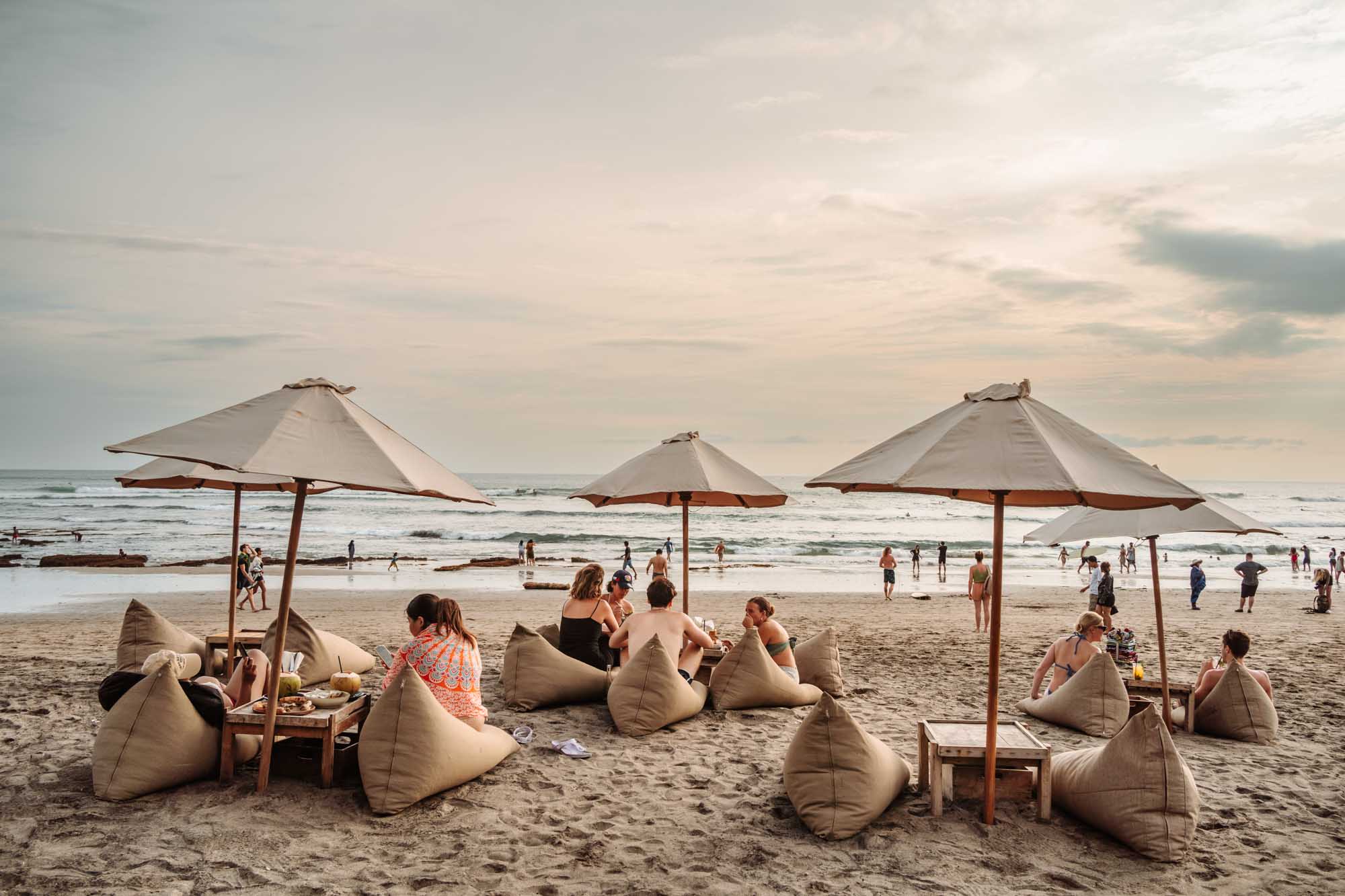
If you crave a vibrant, aesthetically pleasing beach lifestyle with strong Western influences, Canggu is your pick, budget around $60-100/day. For rich culture, incredible street food, and a more laid-back, authentically Asian experience on a tighter budget, Chiang Mai wins, easily done on $40-70/day.
- Choose Canggu: You're chasing the sun, surf, healthy cafes, beach clubs, and a buzzing social scene with a higher comfort level and don't mind a slightly higher price tag.
- Choose Chiang Mai: You're a culture enthusiast, a food lover, or someone seeking a relaxed pace, stunning temples, ethical elephant encounters, and an incredibly affordable, authentic experience away from the beaches.
- Choose Both: If you have 3+ weeks in Southeast Asia, starting in one and flying to the other via hubs like Singapore or Kuala Lumpur is totally feasible, offering a diverse taste of the region. Spend at least 5-7 days in each to truly soak it in.
Quick Comparison
| Category | Canggu | Chiang Mai | Winner |
|---|---|---|---|
| Food & Drink Scene | Trendy cafes, healthy eats, international cuisine, beach clubs. Higher prices for Western food. | Street food paradise, authentic Thai cuisine, night markets, budget-friendly options. | Chiang Mai |
| Nightlife & Social Scene | Lively beach clubs, bars, live music, strong party vibe, easy to meet people. | Relaxed bars, jazz clubs, night markets, less intense party scene, early closures. | Canggu |
| Culture & Spirituality | Hindu temples, rice paddies, surfing culture, wellness focus, more Westernized. | Buddhist temples, vibrant festivals, traditional crafts, spiritual retreats, deep history. | Chiang Mai |
| Cost of Living & Travel | Generally more expensive, especially for Western amenities and accommodation. Daily budget $60-100+. | Extremely affordable, great value for money on food, transport, and accommodation. Daily budget $40-70. | Chiang Mai |
| Getting There & Away | Fly into Denpasar (DPS). Direct flights from major Asian hubs. Can be long. | Fly into Chiang Mai (CNX). Direct flights from regional hubs, easy domestic connections. | Tie |
| Getting Around Locally | Scooter is king, Grab/Gojek rideshares available but sometimes restricted. Traffic can be bad. | Scooter popular, Grab widely available, songthaews (red trucks) for local transport, walkable old city. | Chiang Mai |
| Accommodation Options | Stylish villas, boutique hotels, hostels, strong focus on aesthetics. Mid-range to luxury can be pricey. | Guesthouses, hostels, budget hotels, boutique resorts, great value for money. | Chiang Mai |
| Day Trips & Adventures | Ubud, Tanah Lot, Nusa Islands, waterfalls, surfing lessons, rice terraces. | Elephant sanctuaries, Doi Suthep, Chiang Rai (White Temple), Pai, Doi Inthanon National Park. | Chiang Mai |
| Weather & Best Seasons | Dry season (May-Sept) is ideal; wet season (Oct-April) brings humidity and rain but fewer crowds. | Cool & Dry (Nov-Feb) is peak season; Hot (Mar-May) is 'burning season'; Wet (June-Oct). | Canggu |
| Digital Nomad & Community | Huge, active nomad scene; focus on wellness, fitness, surfing. Great coworking spaces, but can feel cliquey. | Established nomad hub; focus on affordability, productivity, good infrastructure. Strong community, less distraction. | Chiang Mai |
🍽️ Food & Drink Scene
Canggu boasts an incredible array of aesthetically pleasing cafes and restaurants, perfect for the health-conscious and Instagram-savvy. Think smoothie bowls at Nalu Bowls (IDR 70k / $4.50), avocado toast at Milk & Madu (IDR 90k / $6), and upscale international dining. While delicious, prices for Western food can add up. Local 'warungs' offer Indonesian staples like Nasi Goreng for IDR 20-30k ($1.30-$2). Chiang Mai, on the other hand, is a street food mecca. For the price of a single fancy coffee in Canggu, you can feast like royalty. Khao Soi (curry noodle soup) at Khao Soi Khun Yai (THB 40-50 / $1.10-$1.40), delicious Pad Thai at Warorot Market for THB 60 ($1.70), and endless skewers and fresh fruit juices at the Night Bazaar. The sheer variety, authenticity, and incredible affordability make Chiang Mai unparalleled for foodies. One Reddit user put it perfectly: "Chiang Mai's street food changed my life. Canggu's cafes are cute, but nothing beats a 50 baht meal that blows your mind."
Winner takeaway
- Winner: Chiang Mai
- Why: Chiang Mai offers an unparalleled variety of authentic, incredibly delicious, and budget-friendly street food and local eateries that truly immerse you in Thai culinary culture.
- Who this matters for: Foodies, budget travelers, and anyone seeking an authentic local culinary experience.
🍻 Nightlife & Social Scene
Canggu's nightlife is synonymous with vibrant beach clubs and bustling bars. From sunset drinks at The Lawn and Finns Beach Club, to dancing at Old Man's, and the late-night parties at Atlas Beach Fest, there's always something happening. Expect to pay IDR 50-100k ($3-$6) for a beer and IDR 120-180k ($8-$12) for cocktails. The vibe is young, energetic, and very social, making it easy to meet fellow travelers. Chiang Mai's nightlife is much more laid-back. You'll find charming bars around Zoe in Yellow (a concentrated area of clubs and bars) or enjoy live jazz at North Gate Jazz Co-op (where drinks are THB 100-150 / $2.80-$4.20). While there are places to dance, the focus is more on conversation, live music, and enjoying the relaxed atmosphere of the night markets. Most places close by midnight or 1 AM. As one traveler noted, "Canggu is for partying hard until sunrise. Chiang Mai is for a nice dinner, a couple of beers, and then bed by 11. Both are great, just different energy levels."
Winner takeaway
- Winner: Canggu
- Why: Canggu's lively beach clubs, diverse bars, and constant stream of events offer a more dynamic and accessible party scene, perfect for socializing and letting loose.
- Who this matters for: Party-goers, solo travelers looking to socialize, and those who enjoy a vibrant late-night atmosphere.
🙏 Culture & Spirituality
Bali, and by extension Canggu, is deeply rooted in Balinese Hindu culture, evident in the daily offerings ('Canang Sari') you'll see everywhere and the stunning Tanah Lot temple nearby. The spirituality here often intertwines with wellness, yoga, and a strong connection to nature. However, Canggu itself is heavily Westernized, and you'll need to venture to Ubud or other parts of Bali for a more 'authentic' cultural immersion. Chiang Mai, conversely, is an undisputed cultural powerhouse. As the former capital of the Lanna Kingdom, it's home to over 300 Buddhist temples, including the majestic Wat Phra Singh and the ancient Wat Chedi Luang, many within the old city walls. Monks blessing ceremonies, traditional Thai massage schools, and vibrant festivals like Loy Krathong and Songkran offer deep cultural experiences. Prices for temple entry are usually minimal (THB 20-50 / $0.50-$1.40) or free. "Canggu has a 'spiritual' vibe, but Chiang Mai *is* spiritual. The temples, the respect for tradition, it's palpable," shared a Reddit user.
Winner takeaway
- Winner: Chiang Mai
- Why: Chiang Mai offers a far richer, more pervasive, and easily accessible cultural and spiritual experience through its ancient temples, traditions, and festivals.
- Who this matters for: Culture enthusiasts, history buffs, spiritual seekers, and those looking for an authentic Asian experience.
💸 Cost of Living & Travel
When it comes to stretching your dollar, Chiang Mai is hands down the winner. A comfortable daily budget for a mid-range traveler in Chiang Mai might be THB 1,500-2,500 ($40-$70), covering good meals, a nice guesthouse, and activities. Street food is THB 40-80 ($1.10-$2.20), a local beer is THB 60-100 ($1.70-$2.80), and a 1-hour Thai massage is THB 200-300 ($5.50-$8.30). In Canggu, that same comfort level will likely cost IDR 900k-1.5 million ($60-$100) or more per day. While local food is cheap (IDR 20-40k / $1.30-$2.60), Western meals average IDR 80-150k ($5-$10), cocktails IDR 120-180k ($8-$12), and quality accommodation starts higher. Scooter rental is comparable, around IDR 60-80k ($4-$5) per day in Bali vs. THB 200-250 ($5.50-$7) in Chiang Mai. "I could live like a king in Chiang Mai for what I spent on basic necessities in Canggu," stated one budget-conscious traveler.
Winner takeaway
- Winner: Chiang Mai
- Why: Chiang Mai offers significantly better value for money across almost all categories, from food and accommodation to activities and transportation, making it ideal for budget-conscious travelers.
- Who this matters for: Budget travelers, long-term backpackers, and digital nomads seeking to maximize their savings.
✈️ Getting There & Away
Both destinations are well-connected by air, but the travel experience differs. To reach Canggu, you'll fly into Ngurah Rai International Airport (DPS) in Denpasar, Bali. Major hubs like Singapore (SIN), Kuala Lumpur (KUL), and Jakarta (CGK) offer frequent direct flights, typically 2.5-3 hours. From Europe or North America, expect 15-20+ hours of total travel time with at least one layover. Getting to Canggu from DPS takes about 45-90 minutes by taxi/Grab (IDR 250-350k / $16-$23). For Chiang Mai, you fly into Chiang Mai International Airport (CNX). It has direct connections to regional hubs like Bangkok (BKK/DMK - 1.5 hrs, ~THB 1000-2000 / $28-$55), Singapore, and Kuala Lumpur, as well as several Chinese cities. From Europe/North America, you'll likely connect via Bangkok. CNX is very close to the city center, a 15-20 minute taxi/Grab ride (THB 150-200 / $4-$5.50). "Both are easy enough to get to once you're in Asia, but I'd say CNX feels a bit more integrated and less of a trek from the airport to downtown than DPS to Canggu," noted a frequent traveler. Flight costs from regional hubs are comparable, often $50-$150 one-way.
Winner takeaway
- Winner: Tie
- Why: Both destinations offer convenient flight access from major regional hubs, making them equally accessible once you are in Southeast Asia.
- Who this matters for: All travelers, as both destinations require careful flight planning but are well-served by air networks.
🛵 Getting Around Locally
In Canggu, the scooter is king, with rentals widely available for IDR 60-80k ($4-$5) per day. Be prepared for chaotic traffic, narrow roads, and a general lack of sidewalks. While Grab and Gojek (local ride-sharing apps) are available, local taxi cartels sometimes restrict them in certain areas, particularly near popular spots. Short rides can be IDR 20-50k ($1.30-$3.30). Many travelers feel pressured to rent a scooter due to the spread-out nature of the area. Chiang Mai offers more diverse and less stressful transportation options. Scooters are also popular (THB 200-250 / $5.50-$7 per day), especially for day trips, but the city itself is quite walkable, particularly within the Old City. Grab is fully integrated and reliable, with rides averaging THB 70-150 ($2-$4). The iconic red songthaews (shared pick-up trucks) are a fun and cheap way to get around, often costing THB 30-50 ($0.80-$1.40) for a short trip. "Chiang Mai's transport options are just so much less stressful. You can actually walk places, and Grab works everywhere without hassle. Canggu traffic is insane," commented a digital nomad.
Winner takeaway
- Winner: Chiang Mai
- Why: Chiang Mai offers a wider, more reliable, and less stressful range of transportation options including walking, Grab, and songthaews, reducing the necessity of scooter rental.
- Who this matters for: Travelers who prefer not to ride scooters, families, and those who prioritize convenience and safety in local transport.
🏨 Accommodation Options
Canggu excels in trendy, Instagram-worthy accommodation. You'll find countless private villas with pools (starting around IDR 1 million / $65 per night), stylish boutique hotels, and modern hostels like The Farm Hostel (beds from IDR 150-250k / $10-$16). While there are budget options, 'value for money' for mid-range and luxury accommodation tends to be lower than in Thailand. Many places prioritize aesthetics and a 'Bali vibe.' Chiang Mai offers exceptional value across all accommodation types. You can find clean, comfortable private rooms in guesthouses for THB 400-800 ($11-$22), well-rated hostels like The Common Hostel for THB 150-250 ($4-$7), and charming boutique hotels for THB 1,000-2,000 ($28-$55). Even luxury resorts are considerably more affordable than their Bali counterparts. "I got a beautiful private room with A/C and a pool in Chiang Mai for less than a dorm bed in a decent Canggu hostel. The value is just insane," a traveler shared. The range of options, from rustic guesthouses to modern condos, is vast.
Winner takeaway
- Winner: Chiang Mai
- Why: Chiang Mai provides significantly better value for money and a wider range of high-quality accommodation options across all budget types.
- Who this matters for: Budget travelers, those seeking excellent value, and anyone looking for diverse accommodation choices without compromising quality.
🏞️ Day Trips & Adventures
From Canggu, popular day trips include the iconic Tanah Lot temple (30 min drive), the spiritual hub of Ubud (1-1.5 hr drive), with its rice terraces (Tegallalang) and monkey forest, and stunning waterfalls like Tegenungan. More adventurous trips involve boat rides to the Nusa Islands (Penida, Lembongan) for snorkeling, diving, and dramatic cliffs, typically a full-day commitment costing IDR 600k-1 million ($40-$65) including ferry and tour. Surfing lessons are also a major draw. Chiang Mai offers an equally impressive, if different, array of adventures. Ethical elephant sanctuaries (like Elephant Nature Park, ~THB 2,500-3,000 / $70-$85 for a full day), the magnificent Wat Phra That Doi Suthep temple overlooking the city (30 min drive, THB 30/~$0.80 entry), and treks in the surrounding mountains are highlights. Longer trips to Chiang Rai to see the White Temple (Wat Rong Khun) or a scenic bus ride to the bohemian town of Pai (3-4 hours) are also common. "Canggu has great day trips if you love beaches and culture, but Chiang Mai's elephant sanctuaries and mountain adventures felt more unique and impactful to me," a Redditor expressed.
Winner takeaway
- Winner: Chiang Mai
- Why: Chiang Mai offers a more diverse range of impactful and unique day trips, from ethical animal encounters and stunning mountain temples to adventurous treks and charming towns.
- Who this matters for: Nature lovers, ethical tourists, adventurers, and those seeking cultural excursions beyond the immediate city.
☀️ Weather & Best Seasons
Canggu, being near the equator, experiences a tropical climate with two main seasons. The dry season (May to September) is considered ideal, with sunny days, lower humidity, and average temperatures around 28-30°C (82-86°F). This is peak surf season. The wet season (October to April) brings higher humidity, occasional heavy downpours (often brief), and slightly warmer temperatures. Despite the rain, it's still very warm, and you get fewer crowds and lush green landscapes. Chiang Mai also has distinct seasons, but with more pronounced variations. The cool and dry season (November to February) is peak tourist time, with pleasant temperatures around 20-28°C (68-82°F) and clear skies – perfect for exploring. The hot season (March to May) sees temperatures soar above 35°C (95°F) and is infamously known as 'burning season' due to agricultural burning, leading to poor air quality and haze. The wet season (June to October) is similar to Bali, with frequent rain. "Bali's wet season is still perfectly enjoyable, just bring a poncho. Chiang Mai's burning season, though? Hard pass unless you love smog," advised a long-term traveler.
Winner takeaway
- Winner: Canggu
- Why: Canggu's tropical climate offers a more consistently pleasant experience throughout the year, with its wet season still being enjoyable, unlike Chiang Mai's challenging 'burning season'.
- Who this matters for: Travelers sensitive to extreme heat or air quality, and those who prefer a more consistent climate regardless of the season.
💻 Digital Nomad & Community
Both destinations are major digital nomad hubs, but with distinct flavors. Canggu's nomad scene is massive, trendy, and often revolves around fitness, surfing, and healthy eating. You'll find excellent coworking spaces like Dojo Bali (IDR 1.25 million / $80 for unlimited monthly access) and ZIN Cafe, offering fast internet and networking events. The community is very social, but some find it can feel a bit cliquey or focused on superficial appearances. Chiang Mai has been a nomad mecca for over a decade. It's known for its affordability, excellent internet infrastructure, and a more focused, productive environment. Coworking spaces like Punspace and Yellow Coworking offer monthly passes around THB 3,000-4,000 ($83-$110). The community here is well-established, welcoming, and less overtly 'scene-y.' "Canggu is fun, but sometimes it felt like everyone was just trying to be 'that Bali influencer.' Chiang Mai felt more about getting work done and genuine connections, probably because it's cheaper to stay longer," a long-term nomad shared. Both have robust online groups for meetups.
Winner takeaway
- Winner: Chiang Mai
- Why: Chiang Mai offers a more established, affordable, and productivity-focused digital nomad community with excellent infrastructure and less superficiality.
- Who this matters for: Digital nomads prioritizing affordability, strong infrastructure, a focused work environment, and a less 'scene-y' community.
❓ Frequently Asked Questions
Which destination is safer for solo female travelers?
Both Canggu and Chiang Mai are generally safe for solo female travelers, but with different considerations. Canggu has more traffic accidents, especially with scooters, and petty theft can occur at night. Chiang Mai is largely very safe, with low crime rates, though usual precautions against pickpocketing in crowded markets apply. In both, exercising common sense, avoiding walking alone late at night, and being aware of your surroundings are key.
Is it easy to combine Canggu and Chiang Mai in one trip?
Yes, absolutely! It's a popular combination for travelers with 2-3 weeks or more. You'd typically fly from Denpasar (DPS) to Chiang Mai (CNX) with a layover in a major hub like Singapore (SIN), Kuala Lumpur (KUL), or Bangkok (BKK). Flights usually take 5-8 hours including transit, costing around $100-$250 depending on how far in advance you book.
Which has better internet and co-working facilities?
Both are excellent digital nomad hubs with strong internet infrastructure and numerous co-working spaces. Canggu has trendy, visually appealing co-working spots like Dojo Bali, while Chiang Mai boasts long-standing, community-focused spaces like Punspace. You'll find reliable fiber optic internet in both, suitable for remote work and video calls.
What's the best time to visit both for good weather?
To experience the best weather in both, aim for late May to early June, or late September to early October. This avoids Chiang Mai's burning season and its peak rainy season, while still catching Canggu's pleasant dry season. November to February is ideal for Chiang Mai but is Canggu's wet season, though still enjoyable.
Which is better for learning to surf?
Canggu is unequivocally better for learning to surf. It has numerous surf schools, beginner-friendly waves, and a strong surf culture. Beaches like Echo Beach and Batu Bolong are perfect for beginners, with plenty of instructors and board rentals readily available. Chiang Mai, being landlocked, offers no surfing opportunities.
What about the traffic and pollution in each city?
Canggu's traffic can be notoriously bad, with congested, narrow roads, especially during peak hours. Scooter exhaust is a common complaint. Chiang Mai experiences traffic within the city, but it's generally less chaotic than Canggu. Its main air quality issue is the 'burning season' (March-May), when agricultural burning causes significant haze and pollution, making outdoor activities unpleasant.
Are there good options for vegetarian/vegan diets in both?
Yes, both destinations are fantastic for vegetarian and vegan diets. Canggu, with its health-conscious, Western-influenced cafe scene, offers an abundance of dedicated vegan restaurants and plant-based options. Chiang Mai also has a thriving vegan scene, particularly around the Old City and Nimmanhaemin, with many Thai dishes naturally being or easily adaptable to be plant-based. You'll eat well in either!
Which destination feels more 'authentic' Southeast Asia?
Chiang Mai generally feels more 'authentic' to many travelers. Its rich Lanna culture, ancient temples, bustling local markets, and traditional Thai way of life are deeply ingrained and less influenced by mass tourism's Westernization. While Bali has profound culture, Canggu itself has become a very international, trendy hub, requiring more effort to seek out traditional experiences.
Ready to plan your Southeast Asia trip?
Get a free custom itinerary for Canggu, Chiang Mai, or both — built from real traveler insights.
🎟️ Book Tours & Experiences
Hand-picked tours and activities for both destinations — book with free cancellation
Experiences via Viator — free cancellation on most tours