How we built this comparison
This page combines traveler discussion patterns, published price ranges, flight schedules, and seasonal data to help you decide between Cape Verde and Senegal.
- Reviewed 50+ Reddit threads from r/travel, r/solotravel, r/CapeVerde, r/Senegal, and r/africaTravel for authentic traveler experiences and advice.
- Verified costs and logistics against current booking platforms (e.g., Skyscanner, Booking.com, local tour operators) and recent traveler reports.
- Cross-referenced seasonal patterns, weather data, and official travel advisories to ensure up-to-date and relevant information.
⚡ The TL;DR Verdict
For those seeking pristine beaches, safe island hopping, and a relaxed pace, Cape Verde is your sweet escape with a daily budget of €50-€100 ($55-$110). If you crave vibrant culture, bustling cities, incredible food, and a more adventurous, budget-friendly experience, Senegal calls to you, typically costing XOF 25,000-50,000 ($40-$80) per day.
- Choose Cape Verde: Pick Cape Verde for stunning, safe beaches (think Sal, Boa Vista), excellent water sports, easy inter-island travel, and a laid-back, European-influenced vibe. Ideal for couples, beach lovers, and those new to African travel.
- Choose Senegal: Choose Senegal for an immersive cultural experience, incredible food, lively music, bustling markets, and a rich history. Perfect for adventurous solo travelers, budget backpackers, and culture enthusiasts who don't mind a bit of chaos.
- Choose Both: If you have 2-3 weeks, combining both offers an incredible contrast. Start with Senegal for an authentic West African dive, then unwind in Cape Verde for some island bliss. Flights between Dakar and Praia (Santiago) are frequent and relatively short, around 1.5-2 hours.
Quick Comparison
| Category | Cape Verde | Senegal | Winner |
|---|---|---|---|
| Beaches & Water Sports | World-class white sand beaches, clear waters, and ideal conditions for kite/windsurfing. | Golden/brown sand beaches, vibrant coastal towns, but fewer pristine swimming spots. | Cape Verde |
| Culture & History | Unique Creole culture, Morna music, Portuguese influence, and a relaxed 'No Stress' philosophy. | Rich West African heritage, Teranga hospitality, French colonial history, vibrant arts scene, and Sufi Islam influences. | Senegal |
| Food & Drink | Excellent fresh seafood, national dish Cachupa, and European-influenced cuisine. | Flavorful West African cuisine, national dish Thieboudienne, diverse street food, and strong French influences. | Senegal |
| Costs & Budget | Generally mid-range for Africa, comparable to Southern Europe, higher for resorts. | More budget-friendly, especially outside Dakar, offering great value for money. | Senegal |
| Getting There | Direct flights from several European cities; limited direct international connections otherwise. | Major international hub (Dakar) with direct flights from Europe, North America, and other African cities. | Senegal |
| Getting Around | Efficient inter-island flights, reliable ferries, and easy local taxi services. | Bustling, often chaotic, public transport, including shared taxis, bush taxis, and local buses. | Cape Verde |
| Safety & Solo Travel | Generally very safe, low crime rates, especially outside major cities. | Generally safe but requires more vigilance, especially in Dakar, with petty crime and scams. | Cape Verde |
| Nature & Landscape | Dramatic volcanic landscapes, lush green valleys, vast sand dunes, and diverse marine life. | Vast national parks, bird sanctuaries, mangrove deltas, pink lake, and coastal beauty. | Cape Verde |
| Nightlife & Vibe | Relaxed island vibe, live music (Morna, Coladeira), beach bars. | Vibrant, energetic nightlife, especially in Dakar, with live Mbalax music, clubs, and bars. | Senegal |
| Accommodation | Range from international resorts to charming guesthouses, especially strong in resort options. | Diverse options from budget hostels to boutique hotels and luxury resorts, often with a local touch. | Cape Verde |
🏖️ Beaches & Water Sports
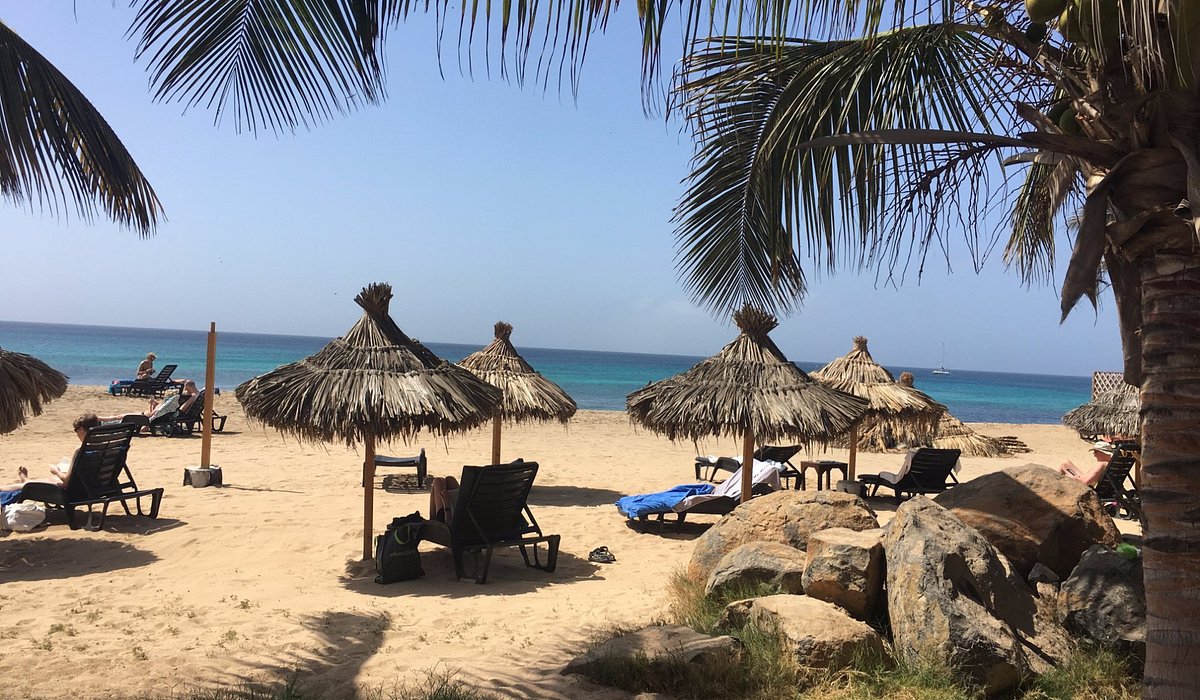
Cape Verde undeniably takes the crown here. Islands like Sal and Boa Vista boast endless stretches of pristine white sand, like Santa Maria Beach or Praia de Chaves, with crystal-clear turquoise waters perfect for swimming, snorkeling, and diving. It's a mecca for kite and windsurfers, with steady trade winds making it one of the best spots globally. Equipment rental in Santa Maria can run €25-€50 ($27-$55) for half a day. Senegal's beaches, while pleasant, tend to have more golden or brown sand and stronger currents. Saly offers resort beaches, and Toubab Dialaw has a more rustic, artsy vibe. You can certainly swim and relax, but it's not the same picture-postcard perfection. 'Cape Verde's beaches are just unreal, I've never seen such clear water outside of the Caribbean, and the kiteboarding was epic,' a traveler raved on Reddit. While Senegal offers some lovely coastal moments, they simply can't compare to the consistent quality and variety of Cape Verde's shorelines.
Winner takeaway
- Winner: Cape Verde
- Why: Cape Verde offers consistently stunning white sand beaches, clearer waters, and superior conditions for water sports.
- Who this matters for: Beach lovers, water sports enthusiasts, and those seeking postcard-perfect relaxation.
📜 Culture & History
Senegal is a deep dive into West African culture and history. From the poignant history of Gorée Island, a UNESCO World Heritage site and former slave trade hub, to the colonial architecture of Saint-Louis, Senegal's past is palpable. The 'Teranga' (hospitality) is legendary, making interactions with locals incredibly warm. Dakar buzzes with Mbalax music, art galleries, and bustling markets like Marché Kermel. A guided tour of Gorée, including the House of Slaves, costs around XOF 10,000-15,000 ($16-$25). Cape Verde, while having its own unique Creole identity forged from Portuguese and African roots, feels more laid-back and less overtly 'African' in its daily rhythm. You'll find live Morna music in Praia or Mindelo, and the historical center of Cidade Velha on Santiago offers a glimpse into its colonial past, but it lacks the sheer immersive intensity of Senegal. 'Senegal was just a sensory explosion, every corner had a story, and the people were so welcoming. Gorée Island really hit me,' mentioned a Reddit user. Senegal offers a more robust and multifaceted cultural and historical experience.
Winner takeaway
- Winner: Senegal
- Why: Senegal provides a richer, more immersive, and diverse cultural and historical experience with a palpable energy.
- Who this matters for: History buffs, cultural explorers, and travelers seeking deep local interaction.
🍽️ Food & Drink
Senegal's culinary scene is vibrant and incredibly flavorful. The national dish, Thieboudienne (fish, rice, and vegetables), is a must-try, available for around XOF 1,500-2,500 ($2.50-$4) at local eateries. Other staples include Yassa (chicken or fish with onion and lemon sauce) and Mafe (peanut stew). Street food is abundant and delicious, from grilled fish to accras (fritters). Restaurants like Chez Loutcha in Dakar offer a great introduction to local flavors. Cape Verde excels in fresh seafood, with grilled fish of the day being a staple, often costing €10-€20 ($11-$22) in tourist areas like Santa Maria. Cachupa, a hearty slow-cooked stew of corn, beans, and meat or fish, is the national dish. While tasty, the overall variety and bold flavors of Senegalese cuisine often leave a stronger impression. 'Honestly, I lived on Thieboudienne and fresh mangoes in Senegal. So much flavor for so little money,' a Reddit traveler shared. While Cape Verde offers quality, Senegal provides a more exciting and diverse culinary journey.
Winner takeaway
- Winner: Senegal
- Why: Senegal offers a wider variety of bold, flavorful West African dishes and a more exciting street food scene.
- Who this matters for: Foodies, adventurous eaters, and budget travelers seeking delicious local meals.
💸 Costs & Budget
Senegal is generally more budget-friendly than Cape Verde. A decent local meal can be found for XOF 1,500-3,000 ($2.50-$5), and local transport via shared taxis (sept-places) or Ndiaga Ndiaye vans is incredibly cheap, often a few hundred XOF for short distances. Accommodation ranges from XOF 15,000 ($25) for a basic guesthouse to XOF 40,000-60,000 ($65-$100) for a comfortable mid-range hotel. Cape Verde, especially on islands like Sal and Boa Vista, can feel more like Southern Europe in terms of pricing. A meal at a tourist restaurant in Santa Maria can easily be €15-€25 ($16-$28), and even local spots are rarely below €8-€10 ($9-$11). Inter-island flights are the biggest expense, often €50-€100 ($55-$110) per leg. 'My money stretched so much further in Senegal. I could eat like a king and still afford tours, whereas CV felt like I was constantly watching my euro,' noted a Redditor. While both offer options, Senegal is the clear winner for travelers watching their wallets closely.
Winner takeaway
- Winner: Senegal
- Why: Senegal offers a significantly more budget-friendly experience across accommodation, food, and transport.
- Who this matters for: Budget travelers, backpackers, and those looking to maximize their travel funds.
✈️ Getting There
Senegal's Blaise Diagne International Airport (DSS) near Dakar is a major West African hub, offering direct flights from numerous European cities (e.g., Paris with Air France, Brussels with Brussels Airlines) and increasingly from North America (e.g., New York with Air Senegal, often around $800-$1200 return). This makes it relatively accessible from a wider range of global origins. Flight time from Paris is about 5.5 hours. Cape Verde's main international airports (Sal/SID and Santiago/RAI) primarily serve direct flights from European cities, particularly Portugal (Lisbon, ~4 hours, ~€200-€400 return), France, and Germany, making it super convenient for European travelers. However, connecting from North America or Asia usually requires a European layover, adding travel time and complexity. 'Getting to Dakar was surprisingly easy from JFK, way more direct options than I expected for West Africa,' a traveler remarked on r/travel. While Cape Verde is easy for Europeans, Senegal's broader international connectivity gives it the edge for global travelers.
Winner takeaway
- Winner: Senegal
- Why: Senegal's capital, Dakar, serves as a larger international hub with more direct flight options from diverse global origins, including North America.
- Who this matters for: Travelers from North America, those seeking broader flight options, and travelers combining with other African destinations.
🗺️ Getting Around
Navigating Cape Verde is relatively straightforward. Inter-island flights with Binter CV are the quickest way to hop between islands, though they can add up (expect €50-€100/$55-$110 per flight). Ferries are a more budget-friendly but slower alternative, connecting many islands. On individual islands, shared taxis (aluguers) or private taxis are readily available and reasonably priced; a ride from Sal airport to Santa Maria might be €15-€20 ($16-$22). Senegal's transport is an adventure in itself. Dakar's traffic is legendary. Shared taxis (clandos), Ndiaga Ndiaye (minivans), and Sept-places (long-distance bush taxis) are cheap but often crowded, slow, and require negotiation. The new TER train in Dakar offers a modern alternative for commuting within the capital. 'Cape Verde's inter-island flights just made everything so easy, no stress at all. Senegal was... an experience with those bush taxis,' a traveler confessed. While Senegal offers an authentic, albeit sometimes frustrating, local transport experience, Cape Verde wins for ease, comfort, and efficiency, especially for island hopping.
Winner takeaway
- Winner: Cape Verde
- Why: Cape Verde offers more efficient and less chaotic inter-island travel and local transport options.
- Who this matters for: Travelers prioritizing convenience, those with limited time, and anyone averse to chaotic public transport.
🛡️ Safety & Solo Travel
Cape Verde is widely considered one of the safest destinations in West Africa. Violent crime is rare, and while petty theft can occur in busier areas like Santa Maria or Praia, it's generally low-risk. Solo female travelers often report feeling very comfortable and unharassed. The 'No Stress' motto reflects the relaxed atmosphere. Senegal, while generally safe, requires a higher degree of situational awareness, particularly in Dakar. Petty crime like pickpocketing is common in crowded markets (e.g., Marché Kermel, Sandaga), and scams targeting tourists can occur. Solo female travelers might experience more unwanted attention or persistent hawkers, requiring a firmer approach. 'I felt totally safe walking around Santa Maria alone at night, which is a huge plus for me as a solo female traveler. Dakar was beautiful but definitely needed more street smarts,' a Reddit user shared. Outside of major cities, both countries feel safer, but for overall peace of mind and ease of solo travel, Cape Verde is the clear winner.
Winner takeaway
- Winner: Cape Verde
- Why: Cape Verde offers a significantly lower crime rate and a more relaxed, safer environment, particularly for solo travelers.
- Who this matters for: Solo travelers (especially women), families, and those prioritizing safety and peace of mind.
🏞️ Nature & Landscape
Cape Verde boasts an astonishing diversity of landscapes for its size. You can hike active volcanoes on Fogo, explore the lush, green valleys and dramatic mountains of Santo Antão, or marvel at the expansive sand dunes of Boa Vista, which feel straight out of the Sahara. The marine life around the islands is also rich, offering great snorkeling and diving. A hike up Fogo's volcano might cost €20-€30 ($22-$33) with a guide. Senegal offers different, but equally impressive, natural wonders. The Djoudj National Bird Sanctuary is a UNESCO site and a major stop for migratory birds (entry ~XOF 5,000/$8), the Sine-Saloum Delta offers intricate mangrove ecosystems, and Lac Rose (Pink Lake) is a unique natural phenomenon. 'The hiking on Santo Antão was just breathtaking, I've never seen such varied landscapes in such a small area, from dry desert to lush green valleys,' a traveler enthused. While Senegal's wildlife and unique features are compelling, Cape Verde's dramatic and varied topography across its islands gives it the edge for sheer visual impact and diverse outdoor activities.
Winner takeaway
- Winner: Cape Verde
- Why: Cape Verde offers a more dramatic and diverse range of natural landscapes, from volcanoes to lush valleys and deserts, across its islands.
- Who this matters for: Hikers, photographers, nature enthusiasts, and those seeking varied outdoor adventures.
🕺 Nightlife & Vibe
Senegal's nightlife, especially in Dakar, is a vibrant, pulsating experience. You'll find lively clubs like Just 4 U or Five 40, where locals dance to Mbalax music until the early hours. Live music venues are plentiful, offering a true immersion into the local music scene. The energy is infectious, and you'll often find people dancing in the streets during festivals. A typical club entry might be XOF 5,000-10,000 ($8-$16), and drinks are reasonably priced. Cape Verde offers a more laid-back, 'no stress' vibe. In tourist hubs like Santa Maria (Sal) or Mindelo (São Vicente), you'll find charming beach bars and restaurants with live Morna or Coladeira music, perfect for a relaxed evening. While there are some discos, they don't compare to the intensity and variety of Dakar's scene. 'Dakar's nightlife was insane, I danced until sunrise to Mbalax, it was an unforgettable experience. Cape Verde was nice, but way chiller,' a party-goer confessed on Reddit. For those seeking an energetic, authentic party scene, Senegal is the undisputed champion.
Winner takeaway
- Winner: Senegal
- Why: Senegal, particularly Dakar, offers a significantly more vibrant, energetic, and authentic nightlife scene with live Mbalax music.
- Who this matters for: Party-goers, music lovers, and those seeking a lively, social atmosphere.
🏨 Accommodation
Cape Verde offers a strong array of accommodation, particularly in the resort sector on Sal and Boa Vista, with chains like Riu and Melia providing all-inclusive luxury for €100-€250+ ($110-$275+) per night. Beyond the resorts, you'll find charming guesthouses and boutique hotels, especially in Mindelo (São Vicente) or Santa Maria, often costing €40-€80 ($44-$88) per night. Standards are generally high and cater well to international tourists. Senegal has a wide range, from very budget-friendly hostels (XOF 10,000-15,000/$16-$25) to high-end hotels like Terrou-Bi Resort in Dakar (€150-€300+/$165-$330+). However, outside of Dakar and the Saly resort strip, mid-range options can be more basic, and consistency in quality might vary. 'I found some really beautiful, well-maintained guesthouses in Cape Verde that felt like a steal for the quality. Senegal had a ton of options, but you really had to do your research to find good value,' a seasoned traveler commented. For consistent quality, variety, and comfort, especially in the mid to high range, Cape Verde slightly edges out Senegal.
Winner takeaway
- Winner: Cape Verde
- Why: Cape Verde generally offers a higher standard of accommodation, especially in its well-developed resort and boutique hotel sector.
- Who this matters for: Travelers seeking comfort, luxury resort experiences, and consistent accommodation quality.
❓ Frequently Asked Questions
Do I need a visa for Cape Verde or Senegal?
For Cape Verde, many nationalities (EU, UK, US, Canada) can enter visa-free for short stays, often requiring pre-registration and payment of an airport security fee (TSA). For Senegal, many Western nationalities, including EU, UK, and US citizens, can enter visa-free for up to 90 days. Always check the latest requirements from your country's foreign office before traveling.
What's the best time of year to visit each country?
Cape Verde is a year-round destination with a warm, dry climate. The best time for sun and wind sports is generally November to June. Senegal is best visited during its dry season, from November to May, when temperatures are cooler and humidity is lower. The rainy season (June to October) can bring heavy downpours and higher humidity, though it also makes the landscapes greener.
Is it easy to travel between Cape Verde and Senegal?
Yes, it is relatively easy. Binter CV operates direct flights between Dakar (DSS) and Praia (RAI) on Santiago island several times a week. The flight time is approximately 1.5 to 2 hours, making it feasible to combine both destinations into a single trip if you have sufficient time.
What are the language differences travelers should know?
In Cape Verde, the official language is Portuguese, but the local Creole (Kriolu) is widely spoken. English and some French are often understood in tourist areas. In Senegal, the official language is French, and Wolof is the most widely spoken local language. English is less common, so knowing some basic French phrases will significantly enhance your experience.
Can I use USD or Euros in Cape Verde and Senegal?
In Cape Verde, the local currency is the Cape Verdean Escudo (CVE), which is pegged to the Euro (€1 = ~110 CVE). Euros are widely accepted in tourist areas on Sal and Boa Vista. In Senegal, the currency is the West African CFA franc (XOF), pegged to the Euro (€1 = ~655 XOF). Euros are sometimes accepted in major hotels or tourist shops, but it's always better to use XOF. USD is generally not widely accepted in either country, so it's best to exchange to the local currency or Euros.
Are these destinations suitable for families with children?
Cape Verde is very family-friendly, especially the resorts on Sal and Boa Vista, which offer kid's clubs, safe beaches, and a relaxed atmosphere. Senegal can be more challenging for families due to the bustling nature of cities and less developed infrastructure for young children, but resorts in Saly and eco-lodges in the Sine-Saloum Delta can be great options for an adventurous family.
What kind of local transportation should I expect?
In Cape Verde, you'll mainly rely on shared taxis (aluguers) for local travel on islands and inter-island flights or ferries. Transport is generally comfortable and reliable. In Senegal, expect a more chaotic but vibrant experience with shared taxis (clandos), 'sept-places' (bush taxis for longer distances), Ndiaga Ndiaye (minivans), and local buses. Dakar also has a new commuter train (TER).
What's the internet and connectivity like?
In Cape Verde, Wi-Fi is generally available in hotels and guesthouses, especially in tourist areas, though speeds can vary. Local SIM cards are affordable and offer decent 4G coverage in populated areas. In Senegal, 4G coverage is widespread in urban centers and decent in many rural areas. Local SIM cards (Orange, Free) are readily available and provide good value for mobile data, often offering better speeds than hotel Wi-Fi.
Ready to plan your West Africa trip?
Get a free custom itinerary for Cape Verde, Senegal, or both — built from real traveler insights.
🎟️ Book Tours & Experiences
Hand-picked tours and activities for both destinations — book with free cancellation
Experiences via Viator — free cancellation on most tours