⚡ The TL;DR Verdict
Cartagena wins on ease, food, and modern Caribbean charm. Havana wins on raw uniqueness, culture, and the feeling of stepping into a world that exists nowhere else. Choose based on your tolerance for adventure.
- Go to Cartagena if you want a seamless Caribbean experience — UNESCO colonial beauty, great food, beach day trips, and infrastructure that actually works.
- Go to Havana if you want one of the world's most singular cities — a living time capsule of 1950s architecture, extraordinary music, and a Cuban resilience that will genuinely move you.
- Go to both if you have 10–14 days — connect through Bogotá or Panama City for one of the Caribbean's great city pairings.
- Reddit is clear: Cartagena is more comfortable and photogenic; Havana is more profound and unforgettable for those who prepare well.
🇨🇴 Choose Cartagena if...
You want flawless colonial beauty, fresh Caribbean seafood, island day trips, and a city that works seamlessly without cash-only logistics.
🇨🇺 Choose Havana if...
You want the most unique city in the Western Hemisphere — 1950s cars, live son cubano, and a frozen-in-amber atmosphere found nowhere else on Earth.
Quick Comparison
| Category | 🇨🇴 Cartagena | 🇨🇺 Havana | Winner |
|---|---|---|---|
| Daily Budget (mid-range) | $60–100 per person | $70–120 per person | Cartagena |
| Colonial Architecture | Immaculate — restored & vibrant | Raw, crumbling, breathtaking | Tie |
| Food Scene | Excellent — fresh seafood, fine dining | Variable — paladares great, state restaurants weak | Cartagena |
| Music & Nightlife | Good — salsa clubs, rooftop bars | Legendary — live son cubano, jazz, salsa everywhere | Havana |
| Ease of Travel | Very easy — modern, English-friendly | Challenging — cash only, limited WiFi | Cartagena |
| Beaches | Excellent — Islas del Rosario day trips | Limited in city — Playas del Este nearby | Cartagena |
| Cultural Depth | Strong — colonial history, street art | Extraordinary — frozen in time, unlike anywhere | Havana |
| Safety (for tourists) | Safe in Old City; vigilance needed | Very safe — low violent crime | Havana |
| Getting There | Major hub — many direct flights | Restricted for US citizens; visa/tourist card required | Cartagena |
| Ideal Trip Length | 2–4 days | 3–5 days | Tie |
| Unique Factor | Best-preserved colonial city in the Americas | Most unique city in the Western Hemisphere | Havana |
🏙️ City Character & Vibe
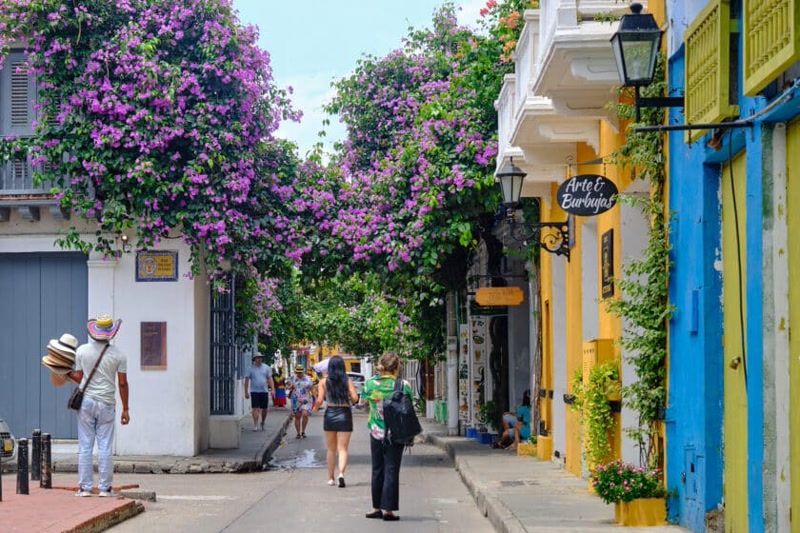
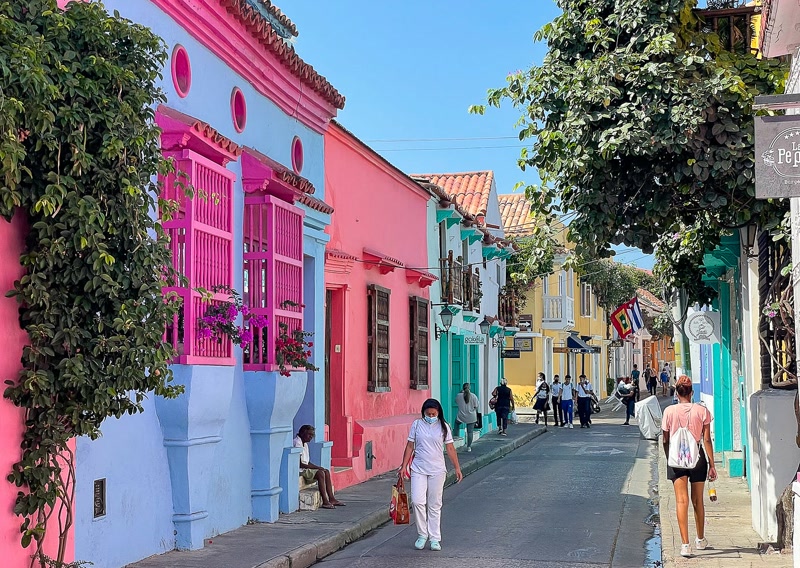
Cartagena is South America's most photogenic city — full stop. The UNESCO-listed walled city (El Centro) is a masterpiece of Spanish colonial architecture: white-and-gold plazas, pastel balconies draped in bougainvillea, and a fortified wall you can walk the entire perimeter of in under two hours. It's vibrant, polished, and modern — a city that has been thoughtfully restored and now attracts an international crowd of food lovers, honeymooners, and upscale travelers. Walk into the adjacent Getsemaní neighborhood and the vibe shifts: street art, local life, excellent cocktail bars, and a creative energy that feels genuinely Colombian rather than tourist-packaged.
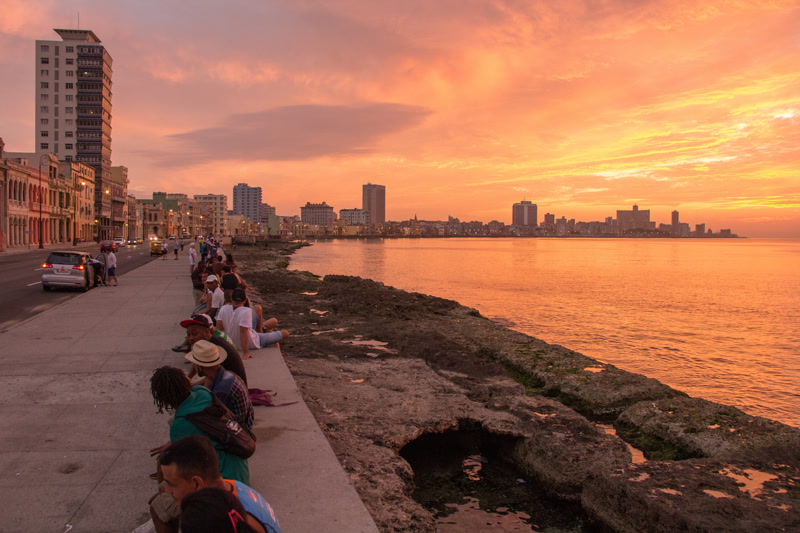
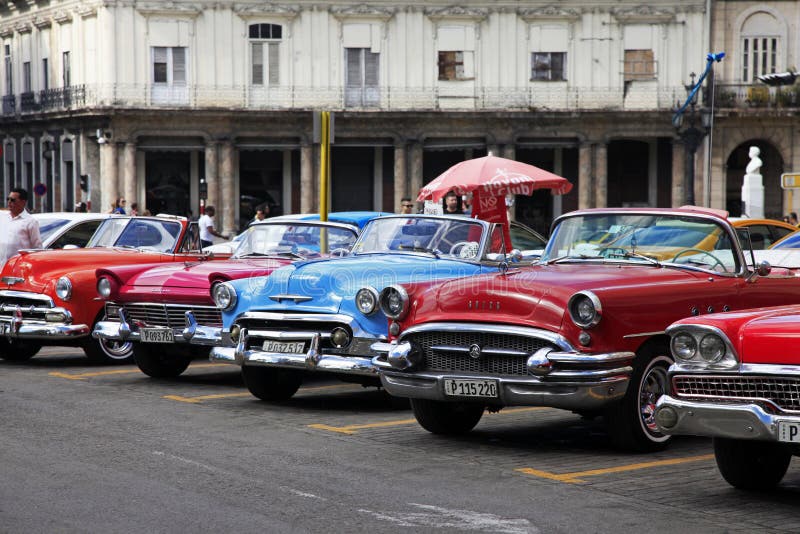
Havana exists outside time. The city's extraordinary colonial architecture — Art Deco towers, ornate baroque churches, pastel neoclassical mansions — has been decaying at a picturesque rate since 1959, creating a UNESCO cityscape that looks like a film set but is entirely, overwhelmingly real. The Malecón seafront boulevard, where Habaneros gather at sunset to drink rum, fish, and play music, is one of the world's great public spaces. Classic American cars from the 1950s — Chevrolets, Dodges, Oldsmobiles — cruise the streets because Cuba couldn't import replacements for 60 years. The result is a city that feels utterly unlike anywhere else on Earth.
"Cuba is very unique and I enjoyed my time there but the communist government's control over the economy and population really drags it down. But the culture, the music, the architecture — there's just nothing else like it. Havana rewired something in me." — r/travel
"Cartagena is one of the most beautiful cities I've ever seen. The Old City is stunningly preserved and Getsemaní has this incredible local vibe that surprised me. Go early morning before the cruise ships unload." — r/travel
🏛️ Architecture & History
Cartagena's fortified old city was founded in 1533 and served as the main port for Spanish treasure fleets departing for Europe. The Castillo de San Felipe de Barajas — the largest Spanish-built fortification in the Americas — looms over the city and is one of the most impressive colonial military structures in the world (entry ~$15 USD). The Cathedral de Santa Catalina de Alejandría, the walled city's gold facade churches, and the perfectly preserved grid of colonial streets make El Centro one of the best-preserved colonial urban environments in the Americas. Every building tells a story; the architecture has been immaculately restored with a color palette — mango yellow, Caribbean blue, rose pink — that makes even phone photos look professional.
Havana's architectural story is equally rich but told differently — through decay and survival. Old Havana (La Habana Vieja) is a UNESCO World Heritage Site: a dense grid of Spanish colonial buildings (16th–18th century) mixed with Art Nouveau and Art Deco towers from Havana's pre-revolution golden age as the gambling and entertainment capital of the Caribbean. The El Capitolio (modeled after the US Capitol, completed 1929) anchors the cityscape. The Plaza de la Catedral, Plaza de Armas, and Plaza Vieja are extraordinary colonial squares. What makes Havana's architecture singular is its state of beautiful disrepair — whole blocks are crumbling while neighbors are freshly painted, creating a visual texture you'll photograph obsessively.
"Old Havana's architecture is absolutely stunning — it's like walking through a city preserved in amber since the 1950s. The Capitolio, the old cars, the mix of grand colonial and Art Deco... I took more photos there than anywhere else I've ever been." — r/travel
🍽️ Food & Dining
Cartagena's food scene is one of the best surprises in the Caribbean. The city sits on Colombia's Caribbean coast, where fresh seafood defines the cuisine: ceviche (lime-marinated fish or shrimp, ~$8–12), whole fried red snapper (pargo rojo, $15–20 with coconut rice), arepas de huevo (egg-stuffed cornmeal fritters, $2–3 from street vendors), and fresh tropical fruit everywhere. The fine dining scene in El Centro rivals Panama City and Bogotá — restaurants like Carmen, El Bistró, and La Vitrola serve world-class Caribbean-Colombian fusion in gorgeous colonial settings. For cheap eats: the ceviche spots in Getsemaní deliver extraordinary value at $5–8 per bowl.
Havana's food story is more complicated. The good news: paladares (privately owned restaurants) have proliferated since regulations relaxed, and the best ones serve genuinely excellent Cuban food — ropa vieja (shredded beef, $12–18), langosta (lobster, $20–30), and fresh mojitos at outdoor tables. The bad news: Cuba's chronic supply shortages mean menus change daily based on what's available, prices at tourist-facing restaurants are high ($25–40/dinner at a paladar), and state-run restaurants are reliably terrible. Street food is cheap and good — a pizza (more like a flatbread with tomato sauce) costs $1–2 at a street window, strong Cuban coffee is $0.50 at a local café.
"I honestly love Cartagena, especially for fine dining. The fresh seafood is incredible. The ceviche at Getsemaní market is one of the best things I ate in all of South America." — r/travel
"Havana's food was better than I expected once I found the right paladares. Avoid anything near the main tourist plazas — walk 3 blocks and prices halve. The langosta was stunning for $25." — r/cuba
💰 Cost Comparison
| Expense | 🇨🇴 Cartagena | 🇨🇺 Havana |
|---|---|---|
| Hostel / budget room | $20–35/night (Getsemaní) | $25–45/night (casa particular) |
| Mid-range hotel | $80–160/night | $60–120/night (boutique) |
| Luxury hotel | $200–350+ (Sofitel Santa Clara) | $150–300 (Hotel Nacional) |
| Street food lunch | $4–8 | $1–5 (local peso prices) |
| Paladar/restaurant dinner | $15–30 | $20–40 |
| Beer at a bar | $3–5 | $2–4 (CUC-priced) |
| Taxi (5 km) | $4–8 (Uber/InDriver) | $5–12 (negotiated) |
| Museum entry | $5–15 | $8–15 |
| Day trip to islands | $40–80 (Islas del Rosario) | $20–40 (Playas del Este) |
| Mid-range daily total | $60–100 | $70–120 (must bring cash) |
The critical Havana caveat: you cannot access money after you arrive. Most foreign ATM cards do not work in Cuba (US-issued cards are blocked; many others fail). You must bring every dollar you'll spend in cash — USD, EUR, or CAD — plus a significant buffer. Travelers consistently recommend bringing $100/day more than you think you'll need. Running out of cash in Havana is a genuine crisis with few solutions.
"Cuba is much more expensive than most people think. And if you run out of cash, you're in serious trouble. I'd say bring at minimum $100/day and keep an emergency buffer of $300–400 separate." — r/solotravel
🚕 Getting Around
Cartagena's walled city is compact and walkable — you can walk from the Puerta del Reloj to the Castillo de San Felipe in 20 minutes. For longer trips, Uber and InDriver work reliably in Cartagena (a major advantage over much of Latin America). Taxis are plentiful and negotiable ($3–5 for most Old City journeys). The city is also well-served by mototaxis and minibuses for locals. Getting to the beaches (Bocagrande) is a $4–6 taxi ride; the islands require boat tours departing from the docks near the Old City.
Havana's transport is an adventure in itself. The iconic classic American cars are actually working taxis — you can hire a 1953 Chevrolet for a private tour ($30–50/hour) or share a almendrone (collective taxi) along fixed routes for $0.50–1. Classic taxi meters are often "broken" — negotiate the price before getting in. The city has a reliable bus network (guaguas) at Cuban peso prices, but navigating it as a visitor requires some local knowledge. WiFi is only available in designated hotspot zones (parks, hotel lobbies) using ETECSA scratch cards ($1–2/hour) — plan your navigation before you leave the hotel.
"The classic cars in Havana aren't just for tourists — they're how people actually get around. Sharing an almendrone for 25 cents felt like the most authentically Cuban thing I did." — r/cuba
🌤️ Best Time to Visit
Both cities share the same optimal window: December through April. For Cartagena, this is the dry Caribbean season — clear skies, calm seas for island day trips, and the best visibility for snorkeling. For Havana, December–April brings comfortable temperatures (22–27°C), blue skies, and low humidity. Avoid both cities during the Caribbean hurricane season (June–November), with peak risk August–October. Semana Santa (Easter week) and the Christmas/New Year period are peak season for both — expect higher prices and larger crowds.
🏘️ Where to Stay
Cartagena
El Centro (Walled City) — the most beautiful but priciest area; staying inside the walls puts you steps from the main sights. Best option for first-timers who want maximum atmosphere. Mid-range hotels $80–150/night, luxury from $200+. Getsemaní — the historically working-class neighborhood just outside the walls, now transformed by street art and boutique hostels. More affordable ($30–80/night), hipper vibe, and you'll feel more connected to Colombian city life. Best restaurants and cocktail bars are here. Avoid: Bocagrande (the modern beach strip) unless you specifically want a beach-resort vibe — it's convenient for the beach but charmless.
Havana
Casas particulares are the accommodation backbone of Havana — licensed Cuban families renting rooms in their homes, typically $25–60/night including breakfast. This is the authentic Havana experience and puts money directly into Cuban hands. Old Havana (La Habana Vieja) puts you in the middle of the UNESCO historic district — best for walking the main sights. Vedado is Havana's mid-20th-century residential and cultural heart — grand mansions, the Malecón, Cementerio Colón, and better restaurant options. State-run hotels are more expensive ($80–200+) but have more reliable hot water and WiFi in lobbies — useful if connectivity matters.
"Stay in a casa particular in Havana — the hosts become your best resource, give you real restaurant recommendations, and arrange taxis. It's the only way to actually experience the city rather than observe it." — r/cuba
🏖️ Beaches & Day Trips
Cartagena's beaches in the city itself are mediocre (Bocagrande beach is crowded and not particularly clean). But the day trips are the real story. The Islas del Rosario — an archipelago of 27 coral islands 45 minutes by boat from Cartagena — offer genuinely beautiful Caribbean beach time: white sand, turquoise water, snorkeling, and private beach clubs for $40–80/day including transport. Playa Blanca on Isla Barú is frequently cited on Reddit as one of Colombia's best beaches. You can also visit the mud volcano at El Totumo for a unique day trip ($25–35 with transport). See our guide to Colombia vs Peru for broader regional context.
Havana's beaches are a weakness. The city itself has no swimming beach — the Malecón is a sea wall, not a beach. The nearest proper beach is Playas del Este, 25 km east of the city (accessible by taxi or bus, $10–20 round trip). The beaches there are decent — wide, clean, and far less crowded than Caribbean resorts — but they don't compare to Cartagena's island options. For serious beach time from Havana, travelers typically day-trip or overnight to Varadero (2.5 hours, Cuba's main resort area) or Trinidad (5 hours, with access to Playa Ancón).
🛡️ Safety & Logistics
Cartagena is safe in the tourist areas — El Centro and Getsemaní are well-patrolled and generally fine day and night. The main risks are pickpocketing in crowded areas and scams (overpriced taxis, hustlers near the main gates). Reddit users consistently note: don't flash valuables, don't wander into neighborhoods beyond Getsemaní at night, and take licensed taxis after dark. The beaches can have vendors and hustlers — firm polite nos work. Overall: comfortable for solo travelers and couples alike.
Havana's safety record is remarkable. Cuba has among the lowest violent crime rates in Latin America — muggings and physical assaults are extremely rare by regional standards. The main annoyances are jineteros (tourist hustlers who try to steer you to their commission-based restaurants and cigar shops with friendly "help") and fake Cohiba cigars sold on the street. The bigger safety considerations are logistical: power outages (rolling blackouts are common), water supply interruptions in some areas, and limited access to medical care or medications. Travel insurance is non-negotiable; bring a comprehensive medicine kit.
"Cuba isn't dangerous in my opinion, but is severely lacking in access to essentials like personal hygiene, baby products, medications. It's an amazing place to explore but it is not a comfortable trip. Last time the water in our neighborhood was cut for several days with no warning." — r/travel
"Cartagena is nice but very hot and more tourist-filled than any other Colombian city. Be vigilant, especially outside the walled city. But inside the walls I felt very safe — it's a very polished tourist experience." — r/digitalnomad
🔀 The Decision Framework
After analyzing dozens of Reddit threads from travelers who've visited both cities, here's who each destination is really for:
🇨🇴 Choose Cartagena if...
- You want a seamless, beautiful Caribbean city break with modern convenience
- Amazing food and a vibrant restaurant scene matter to you
- You want Caribbean beach day trips as part of your trip
- You're traveling as a couple on a honeymoon or anniversary trip
- It's your first time in South America and you want an approachable entry
- You need Uber, ATMs, and reliable WiFi to function happily
- You have 2–3 days and want maximum beauty per hour
- You want to combine with broader Colombia travel (Medellín, Bogotá, the coffee region)
🇨🇺 Choose Havana if...
- You want the most unique city experience in the Western Hemisphere
- Live music, salsa, and son cubano are priorities (nowhere matches Havana)
- You're an architecture, photography, or history enthusiast
- You want to see Cuba before it changes — the classic-car era is finite
- You're comfortable with cash-only logistics and limited connectivity
- You want a destination that will genuinely challenge and move you
- Cultural immersion (casas particulares, local bars, non-tourist neighborhoods) is your travel style
- You're a US citizen who wants to travel legally before regulations tighten further
❓ Frequently Asked Questions
Is Cartagena or Havana better for first-time visitors to the Caribbean?
Cartagena is the easier first-timer choice by a significant margin. Everything works: ATMs are plentiful, credit cards are accepted widely, English is spoken in the Old City, and Colombia's tourist infrastructure is modern and reliable. Havana is one of the world's most unique destinations but requires significant preparation — you must bring all your cash in USD or EUR, there are no ATMs that accept foreign cards (for most travelers), WiFi is scarce, and basic supplies can be absent. Reddit consensus: visit Cartagena when you want convenience plus beauty; visit Havana when you want a genuinely singular, unfiltered experience and are prepared for its challenges.
Which is cheaper, Cartagena or Havana?
Both cost roughly $60–100/day for a mid-range traveler, but in very different ways. Cartagena is expensive by Colombian standards (budget $60–80/day; mid-range $100–150/day) — it's the most tourist-heavy city in Colombia and prices reflect that. Havana appears cheap on the surface ($5 street pizza, $10 casa particular rooms) but costs escalate quickly when you factor in taxis, museum entries ($10–15 each), and restaurant tourist-price inflation. Critically, you cannot access money in Havana after you arrive — every dollar must be brought in advance. Most travelers recommend $80–120/day for Havana with a generous buffer.
Do I need a visa to visit Cartagena or Havana?
Most Western nationalities (including EU citizens, Canadians, and Australians) can visit Colombia visa-free for up to 90 days — Cartagena requires no pre-travel paperwork beyond a valid passport. Cuba requires a tourist card (tarjeta del turista), available from airlines or Cuban consulates for $25–50. US citizens face additional restrictions — travel is legally permitted only under specific OFAC license categories (education, religious activities, etc.), though enforcement varies. Always check current State Department guidance before booking as a US passport holder.
Is Havana safe to visit?
Havana is remarkably safe by Caribbean standards — violent crime against tourists is rare and Cuba has one of the lowest crime rates in Latin America. The main risks are petty theft and tourist-targeted scams (inflated prices, fake cigars, jineteros steering you to commission-based restaurants). The bigger safety considerations are logistical: power outages are common, water supply can be intermittent, and medical care is limited for foreigners. Travel insurance is non-negotiable; bring a comprehensive medicine kit.
Is Cartagena worth visiting or is it too touristy?
Cartagena's Old City is genuinely one of the most beautiful colonial cities in the Americas — the UNESCO-listed walled city is legitimately stunning. The 'too touristy' criticism is valid for the main plazas during peak season, but walk 10 minutes into Getsemaní and you'll find an authentic, artistic neighborhood that feels nothing like a tourist trap. Most Reddit users say 2–3 days is the sweet spot: enough to enjoy it without feeling overwhelmed by tourist density.
What is the best time to visit Cartagena vs Havana?
Both cities share December through April as their optimal window. Cartagena's dry season brings clear skies and calm seas for island day trips. Havana's dry season (November–April) offers comfortable temperatures (22–27°C) and low humidity. Avoid both during the Caribbean hurricane season (June–November), with peak risk August–October. February is ideal for Havana; March–April works beautifully for Cartagena before the Easter crowds.
Can I combine Cartagena and Havana in one trip?
Yes, and it's a fantastic combination — two of the most distinctive colonial cities in the Caribbean, 1,800 km apart. There are no direct Cartagena–Havana flights; you'll connect through Bogotá or Panama City, adding a day of travel each way. Budget 4–5 days for each city minimum. Many travelers do Colombia first (easier logistics) then end in Havana as the grand finale — the contrast is striking. Allow 10–14 days total for a proper combined trip.
Which city has better food, Cartagena or Havana?
Cartagena wins clearly. Colombia's Caribbean coast cuisine is excellent — fresh ceviche, whole fried fish, arepas de huevo, and a vibrant fine-dining scene. Havana's food scene is improving (paladares have proliferated) but is hampered by chronic supply shortages. State-run restaurants are consistently mediocre; good paladares are excellent but expensive ($25–40 for dinner). In Cartagena you'll eat well every meal; in Havana you'll need to research carefully to consistently eat well.
Plan Your Caribbean Trip
Whether you choose Cartagena, Havana, or both — we have everything you need to plan it right.
🎟️ Book Tours & Experiences
Hand-picked tours and activities for both destinations — book with free cancellation
Experiences via Viator — free cancellation on most tours