How we built this comparison
This page combines traveler discussion patterns, published price ranges, flight schedules, and seasonal data to help you decide between Cartagena and Rio de Janeiro.
- Reviewed 500+ Reddit threads from r/travel, r/solotravel, r/colombia, r/brasil, and r/digitalnomad.
- Verified costs and logistics against current booking platforms (e.g., Booking.com, Google Flights, local tour operators).
- Cross-referenced seasonal patterns, weather data, and major event calendars (like Carnival).

⚡ The TL;DR Verdict
For those seeking a more budget-friendly, intimate historical experience with a Caribbean twist, Cartagena is your winner (daily budget ~$80-150 USD). If you crave epic landscapes, world-famous beaches, and a bustling metropolis with a lively party scene, Rio de Janeiro is unmatched, though be prepared for a higher price tag (daily budget ~$150-300 USD).
- Choose Cartagena: You're a history buff, love walking charming cobblestone streets, enjoy a laid-back Caribbean pace, and want to stretch your budget further.
- Choose Rio de Janeiro: You dream of iconic beaches, dramatic mountain backdrops, vibrant nightlife, samba, and don't mind navigating a larger, more intense city experience.
- Choose Both: If you have at least 2-3 weeks and want to experience both colonial South America and the continent's most famous coastal city, a split trip (e.g., 5 days Cartagena, 7 days Rio) is feasible, though it involves a significant flight.
Quick Comparison
| Category | Cartagena | Rio de Janeiro | Winner |
|---|---|---|---|
| Beaches & Water Activities | City beaches are meh; Rosario Islands offer stunning clear waters, but require a boat trip. Great for snorkeling/diving. | World-famous, iconic city beaches like Copacabana and Ipanema are easily accessible and lively. Surfing, sunbathing, people-watching. | Rio de Janeiro |
| Culture & History | Rich colonial history, UNESCO Walled City, vibrant Afro-Caribbean influence, Gabriel García Márquez connections. | Portuguese colonial past, vibrant contemporary arts scene, samba, Carnival, diverse immigrant history, iconic landmarks. | Cartagena |
| Nightlife | Vibrant salsa clubs, rooftop bars in Getsemaní, more intimate and focused on music. | Legendary, diverse nightlife: samba clubs in Lapa, sophisticated bars in Leblon, beach kiosks, mega-clubs. Something for everyone. | Rio de Janeiro |
| Food Scene | Delicious Caribbean seafood, fresh ceviche, Colombian street food (arepas, empanadas), high-end fusion restaurants. | Churrascarias (Brazilian BBQ), feijoada, acarajé (Bahian specialty), diverse international cuisine, excellent street food. | Rio de Janeiro |
| Costs & Budget | Generally more affordable for accommodation, food, and activities. Good value for money. | Significantly more expensive, especially for accommodation, dining, and major attractions. Can be challenging for budget travelers. | Cartagena |
| Getting There | Direct flights from major US hubs (e.g., Miami, Fort Lauderdale, NYC). Shorter flight times. | Direct flights from major US/European hubs. Longer flight times, often more expensive. | Cartagena |
| Safety & Security | Walled City and Getsemaní are generally safe for tourists during the day and night; outside these areas, caution is advised. | Varies significantly by neighborhood; tourist areas (Copacabana, Ipanema, Leblon) are generally safe but petty crime is common. Favelas are high-risk. Vigilance is essential. | Cartagena |
| Nature & Day Trips | Primary nature draw is the Rosario Islands. Inland, explore Totumo Mud Volcano. Less dramatic natural landscapes near the city. | Stunning urban nature: Tijuca Forest (largest urban rainforest), Sugarloaf Mountain, Christ the Redeemer's views. Nearby, explore scenic coastal towns. | Rio de Janeiro |
| Accommodation | Charming boutique hotels and guesthouses within the Walled City and Getsemaní. More budget hostels also available. | Wide range from luxury hotels to budget hostels, concentrated in Copacabana, Ipanema, and Leblon. Expect higher prices. | Cartagena |
| Getting Around | Walled City and Getsemaní are highly walkable. Taxis and ride-sharing (Uber/DiDi) are readily available and affordable for longer distances. | Extensive public transport (metro, bus), but navigating can be tricky. Taxis, Uber, and 99 are common. Traffic can be heavy, distances are vast. | Cartagena |
🏖️ Beaches & Water Activities
When it comes to beaches, Rio de Janeiro takes the crown for sheer accessibility, iconic status, and vibrant atmosphere. Copacabana and Ipanema aren't just stretches of sand; they're cultural hubs, perfect for people-watching, playing footvolley, or grabbing a caipirinha from a kiosk. The sand quality is good, and the waves are often suitable for surfing. Cartagena's city beaches like Bocagrande are pretty underwhelming, often crowded and with murky water. The true gems are the Rosario Islands, an hour's boat ride away (expect to pay COP 150,000-250,000 / $38-65 USD for a day trip). Here, you'll find pristine turquoise waters ideal for snorkeling, diving, or simply relaxing on white sand. However, the effort and cost involved make them less spontaneous than Rio's offerings. "Honestly, Copacabana is just built different. You step out of your hotel and you're right there. Cartagena's islands are beautiful, but it's a whole production to get to them." The convenience and scale of Rio's beachfront culture are hard to beat.
Winner takeaway
- Winner: Rio de Janeiro
- Why: Rio's iconic, easily accessible city beaches offer a vibrant cultural experience that Cartagena's city beaches can't match, despite its superior island escapes.
- Who this matters for: Beach lovers who prioritize convenience, atmosphere, and a lively urban beach scene.
🏛️ Culture & History
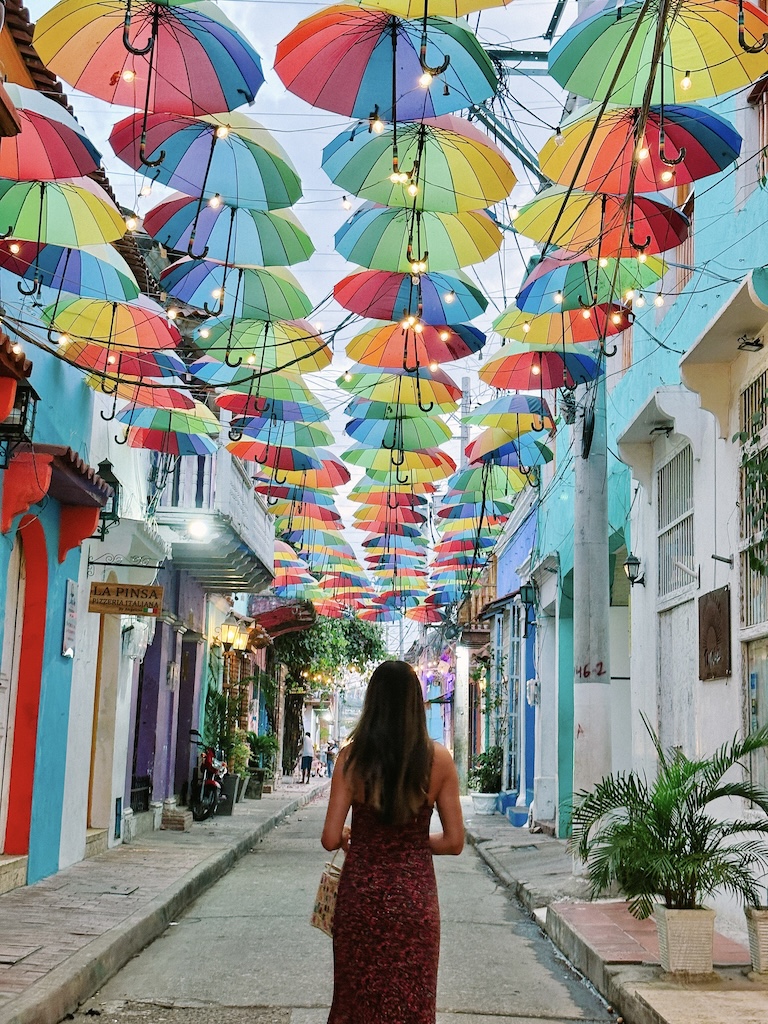
Cartagena is a living museum, and for pure historical immersion, it's hard to beat. The UNESCO-listed Walled City is a masterpiece of colonial architecture, with colorful buildings, cobblestone streets, and plazas that transport you back centuries. Walking tours exploring the history of pirates, slavery, and independence are essential. Getsemaní, just outside the walls, offers a more bohemian, local feel with incredible street art and a thriving salsa scene. Visit the Palace of the Inquisition (entry ~COP 25,000 / $6.50 USD) or Castillo San Felipe de Barajas (entry ~COP 27,000 / $7 USD) to delve deeper. Rio, while having a rich history (especially in areas like Santa Teresa and Centro), is more famous for its vibrant contemporary culture, samba, and the sheer spectacle of Carnival. The cultural experience in Rio is more diffuse, spread across samba schools, art museums like MASP (Museu de Arte de São Paulo), and the grand scale of its natural and man-made landmarks. "Cartagena just oozes history from every cobblestone. You can literally feel the centuries. Rio's cool, but it's not the same kind of historical deep dive." Cartagena offers a more concentrated and atmospheric historical journey.
Winner takeaway
- Winner: Cartagena
- Why: Cartagena's meticulously preserved Walled City offers an unparalleled, immersive colonial history experience.
- Who this matters for: History buffs, architecture enthusiasts, and those who appreciate a tangible connection to the past.
💃 Nightlife
Rio de Janeiro is an undisputed nightlife champion, offering a spectrum of experiences from world-famous samba clubs to chic beachfront lounges. Lapa district comes alive on weekends with street parties, live music venues like Rio Scenarium (entry ~BRL 60-80 / $12-16 USD), and countless bars. You can dance samba until dawn, or opt for a more upscale cocktail in Leblon. Even the beach kiosks along Copacabana and Ipanema offer lively evening atmospheres with music and drinks. Cartagena's nightlife is excellent, particularly for salsa lovers. Popular spots like Café Havana (expect a cover charge around COP 50,000 / $13 USD on weekends) offer live bands and energetic dancing. Getsemaní has a younger, more bohemian vibe with rooftop bars and street performances around Plaza de la Trinidad. However, it's a smaller, more concentrated scene compared to Rio's sprawling options. "Rio's Lapa on a Friday night is just insane energy, nothing really compares. Cartagena's salsa is great, but it's a specific vibe, not the same variety." For sheer scale, diversity, and intensity, Rio's nightlife is simply in another league.
Winner takeaway
- Winner: Rio de Janeiro
- Why: Rio offers a vastly more diverse, extensive, and iconic nightlife scene, catering to all tastes from samba to sophisticated cocktails.
- Who this matters for: Party-goers, music lovers (especially samba), and those who want endless options for evening entertainment.
🍽️ Food Scene
Both cities offer incredible culinary experiences, but Rio de Janeiro slightly edges out Cartagena due to its sheer diversity and the iconic status of Brazilian cuisine. In Rio, you can indulge in an all-you-can-eat churrascaria experience (like Fogo de Chão, ~BRL 180-250 / $35-50 USD), savor traditional feijoada, or explore the street food scene for Pão de Queijo. The city's large size also means a broader array of international restaurants and upscale dining. Cartagena shines with its fresh Caribbean seafood. Expect amazing ceviche, grilled fish, and coconut rice. High-end restaurants like Carmen or La Vitrola (expect to pay COP 150,000-250,000 / $38-65 USD per person) offer refined Colombian and fusion cuisine. Street food like arepas con huevo and empanadas are delicious and cheap (COP 5,000-10,000 / $1.30-2.50 USD). "Rio just has more range. I loved Cartagena's seafood, but after a few days, I was craving something different. Rio gives you that." While Cartagena's food is superb and focused, Rio's variety, from traditional Brazilian staples to global flavors, offers a more expansive culinary journey.
Winner takeaway
- Winner: Rio de Janeiro
- Why: Rio offers a greater diversity of culinary experiences, from iconic Brazilian dishes to a wider array of international options.
- Who this matters for: Foodies who enjoy exploring a broad range of flavors and iconic national dishes, from BBQ to street food.
💸 Costs & Budget
Cartagena is hands down the more budget-friendly destination. A decent hostel bed can be found for COP 50,000-80,000 ($13-20 USD), and a comfortable mid-range hotel for COP 200,000-400,000 ($50-100 USD). Eating at local eateries (comedores) will set you back about COP 15,000-30,000 ($4-8 USD) for a full meal, while street food is even cheaper. A taxi ride within the Walled City or Getsemaní is usually COP 8,000-15,000 ($2-4 USD). Rio, conversely, can be quite expensive, particularly in tourist areas. Hostel beds typically range from BRL 80-150 ($16-30 USD), and mid-range hotels often start at BRL 400-800 ($80-160 USD) or more. Dining out, especially at nice restaurants, can be BRL 80-200+ ($16-40+ USD) per person. Attractions like Christ the Redeemer (entry BRL 100-120 / $20-24 USD) and Sugarloaf (entry BRL 160-180 / $32-36 USD) add up quickly. "My hostel in Cartagena was like $15 and included breakfast. In Rio, I paid $30 for a dorm that felt way less nice. Everything just costs more there." For travelers looking to maximize their experience without breaking the bank, Cartagena offers significantly better value.
Winner takeaway
- Winner: Cartagena
- Why: Cartagena provides a much more affordable travel experience across accommodation, food, and activities.
- Who this matters for: Budget travelers, backpackers, and anyone looking to stretch their travel funds further.
✈️ Getting There
Getting to Cartagena is generally easier and quicker for North American travelers. Direct flights are available from several major US cities, including Miami (MIA to CTG ~2.5-3 hours), Fort Lauderdale (FLL to CTG ~2.5-3 hours), and even some from New York (JFK to CTG ~4.5-5 hours). Flight costs can range from $250-500 USD return, depending on the season and departure city. Rio de Janeiro, while well-connected, involves longer flight times and often higher costs, especially for those coming from North America. Direct flights from major US hubs like Miami (MIA to GIG ~8 hours) or New York (JFK to GIG ~9-10 hours) are available but less frequent and more expensive, typically $600-1000+ USD return. From Europe, flight times are similar. "I flew to Cartagena from Florida in like 3 hours. Rio was a full overnight flight, much more of a trek." The shorter travel time and often lower airfare make Cartagena a more convenient entry point for many international visitors, particularly from the Americas.
Winner takeaway
- Winner: Cartagena
- Why: Cartagena offers shorter flight times and often more affordable airfare, especially from North America.
- Who this matters for: Travelers prioritizing shorter travel days and lower flight costs, particularly from the US.
🚨 Safety & Security
Safety is a concern in both cities, but Cartagena's primary tourist areas (the Walled City and Getsemaní) offer a more contained and generally safer experience. Within these zones, you can comfortably walk around day and night, though always be aware of your surroundings and avoid flashing valuables. Petty theft can occur, but violent crime against tourists is less common. Outside these areas, especially in less developed neighborhoods, caution is advised, and it's best to use reputable taxis or ride-shares. Rio de Janeiro presents a more complex safety landscape. While popular beachfront neighborhoods like Copacabana, Ipanema, and Leblon are generally secure, petty crime (pickpocketing, bag snatching) is rampant, even during the day. It's crucial to avoid wearing expensive jewelry, carrying large amounts of cash, or walking alone at night, especially in less-trafficked areas. Favelas are generally off-limits unless on an organized tour with a local guide. "I felt much more relaxed walking around Cartagena at night, even with my phone out. In Rio, I was constantly aware of my bag and my surroundings, even in daylight on Ipanema." While neither city is without risk, Cartagena offers a more manageable and less anxiety-inducing safety profile for typical tourist activities.
Winner takeaway
- Winner: Cartagena
- Why: Cartagena's main tourist zones provide a more contained and generally safer environment for travelers compared to Rio's more widespread safety challenges.
- Who this matters for: Travelers, especially solo travelers or those with less travel experience, who prioritize feeling secure.
🌳 Nature & Day Trips
Rio de Janeiro is unparalleled for its dramatic integration of urban life with breathtaking natural beauty. Tijuca Forest, the largest urban rainforest in the world, offers hiking trails, waterfalls, and incredible views (consider a jeep tour for ~BRL 150-250 / $30-50 USD). The iconic Sugarloaf Mountain (entry ~BRL 160-180 / $32-36 USD) and Christ the Redeemer provide panoramic vistas that are among the most famous in the world, showcasing lush mountains meeting the ocean. Beyond the city, you can explore the pristine beaches of Ilha Grande or the colonial charm of Paraty on a multi-day trip. Cartagena's natural highlights are primarily its surrounding Caribbean islands. The Rosario Islands offer beautiful waters for snorkeling and diving, but this is a full-day boat trip. The Totumo Mud Volcano (day trip ~COP 80,000-120,000 / $20-30 USD) is a unique, quirky experience but not a grand natural wonder. "Rio's just got that 'wow' factor everywhere you look – mountains, ocean, forest, all in one city. Cartagena's islands are nice, but it's not the same scale of natural drama." For dramatic, accessible natural landscapes intertwined with urban life, Rio is the clear winner.
Winner takeaway
- Winner: Rio de Janeiro
- Why: Rio's iconic and dramatic urban natural landscapes, including mountains, rainforest, and beaches, are unmatched.
- Who this matters for: Nature lovers, hikers, photographers, and those who appreciate stunning panoramic views.
🏨 Accommodation
Cartagena offers exceptionally charming and value-for-money accommodation options, particularly within the Walled City and Getsemaní. You can find stunning boutique hotels like Casa San Agustín or Sofitel Legend Santa Clara (starting ~COP 1,500,000 / $380 USD per night for luxury) that perfectly blend colonial charm with modern comfort. Mid-range hotels like Hotel Casona del Porvenir (~COP 300,000-500,000 / $75-125 USD) offer excellent value, while hostels like Selina Cartagena or Media Luna Hostel in Getsemaní are popular and affordable (dorms ~COP 60,000-100,000 / $15-25 USD). Rio has a vast array of accommodation, but prices are significantly higher for comparable quality. Luxury hotels like Belmond Copacabana Palace or Fasano Ipanema can easily exceed BRL 2,000-4,000 ($400-800 USD) a night. Mid-range options in Copacabana or Ipanema often start around BRL 500-1000 ($100-200 USD), and even budget hostels can be BRL 100-180 ($20-35 USD) for a dorm. "I stayed in this amazing boutique hotel in Cartagena for like $100 and felt like royalty. In Rio, that barely got me a clean, basic room in a decent area." For character, charm, and value, Cartagena's accommodation scene often feels more special and accessible.
Winner takeaway
- Winner: Cartagena
- Why: Cartagena offers more charming, character-filled boutique accommodations at significantly better value.
- Who this matters for: Travelers who appreciate unique, boutique hotels and want to maximize comfort and aesthetics on a reasonable budget.
🚶 Getting Around
Getting around Cartagena's main tourist areas is incredibly easy and enjoyable. The Walled City and Getsemaní are best explored on foot, allowing you to soak in the atmosphere, discover hidden gems, and pop into cafes. For venturing slightly further, or when arriving/departing the airport, taxis are plentiful and cheap (e.g., airport to Walled City ~COP 15,000-20,000 / $4-5 USD). Ride-sharing apps like Uber and DiDi also operate reliably. The city is compact, meaning less time spent in transit and more time exploring. Rio, on the other hand, is a sprawling metropolis. While it boasts an excellent metro system that connects key tourist neighborhoods like Copacabana, Ipanema, and Centro, getting around can be time-consuming due to distances and traffic. Buses are extensive but can be confusing for non-Portuguese speakers. Taxis and ride-shares (Uber, 99) are widely available but more expensive than Cartagena, and peak-hour traffic can be brutal. "In Cartagena, I walked everywhere in the old city, it was amazing. Rio felt like I was always planning a 30-minute journey just to get to another neighborhood." For ease of navigation and a more walkable experience, Cartagena is far superior.
Winner takeaway
- Winner: Cartagena
- Why: Cartagena's compact and highly walkable main tourist areas make getting around effortless and enjoyable.
- Who this matters for: Travelers who prefer to explore on foot and minimize transit time between attractions.
❓ Frequently Asked Questions
Which city is better for solo female travelers?
Cartagena generally feels safer for solo female travelers within the Walled City and Getsemaní, with less aggressive street harassment. Rio requires a higher level of vigilance, especially after dark, and awareness of surroundings in all areas due to higher rates of petty crime. Both require common-sense precautions.
What's the best time of year to visit each city?
Cartagena is best from December to April, which is the dry season with lower humidity and pleasant temperatures. Rio is great from May to October for cooler, less humid weather, though December to March is summer and Carnival season, which is lively but hot and expensive.
Which city offers a more unique cultural experience?
Cartagena offers a unique blend of Spanish colonial history and vibrant Afro-Caribbean culture, with salsa and Gabriel García Márquez's magical realism. Rio provides an iconic Brazilian experience centered on samba, Carnival, beach culture, and dramatic landscapes, distinct from anywhere else.
Is one city better for families with children?
Cartagena's walkable Walled City and relatively contained attractions can be easier for families, offering historical sights and short boat trips to the islands. Rio, while having beaches and parks, is a larger, more sprawling city with more complex safety considerations, which might be challenging for families with young children.
How do the flight times compare from major US cities?
Flights to Cartagena from major US hubs like Miami or Fort Lauderdale are typically 2.5-3 hours, and from NYC around 4.5-5 hours. Flights to Rio from major US hubs are significantly longer, around 8 hours from Miami and 9-10 hours from NYC.
Which city has better souvenir shopping?
Cartagena offers beautiful artisanal crafts, emerald jewelry, linen clothing, and Colombian coffee, concentrated within the Walled City. Rio has a wider variety of shopping from high-end boutiques to street markets (like the Hippie Fair in Ipanema), selling swimwear, local art, and general souvenirs, reflecting its larger size.
Can I use English in both cities?
In both Cartagena and Rio, English is generally understood in major tourist areas, hotels, and popular restaurants. However, learning some basic Spanish for Cartagena and Portuguese for Rio will greatly enhance your experience and interactions with locals.
Which city has more 'wow' factor scenery?
Rio de Janeiro undeniably has more 'wow' factor scenery with its dramatic granite mountains, lush Tijuca rainforest, and world-famous beaches framed by Christ the Redeemer and Sugarloaf Mountain. Cartagena's beauty is more subtle, found in its colonial architecture and charming streets, with the 'wow' moments reserved for the clear waters of the Rosario Islands.
Ready to plan your South American trip?
Get a free custom itinerary for Cartagena, Rio de Janeiro, or both — built from real traveler insights.
🎟️ Book Tours & Experiences
Hand-picked tours and activities for both destinations — book with free cancellation
Experiences via Viator — free cancellation on most tours