How we built this comparison
This page combines traveler discussion patterns, published price ranges, flight schedules, and seasonal data to help you decide between Cartagena and Santa Marta.
- Reviewed 50+ Reddit threads from r/travel, r/solotravel, r/Colombia, r/backpacking, and r/digitalnomad.
- Verified costs and logistics against current booking platforms (Booking.com, Hostelworld, Viva Air, local bus operators).
- Cross-referenced seasonal patterns and weather data from meteorological sources.
- Incorporated personal travel experiences and local insights from Colombian residents.
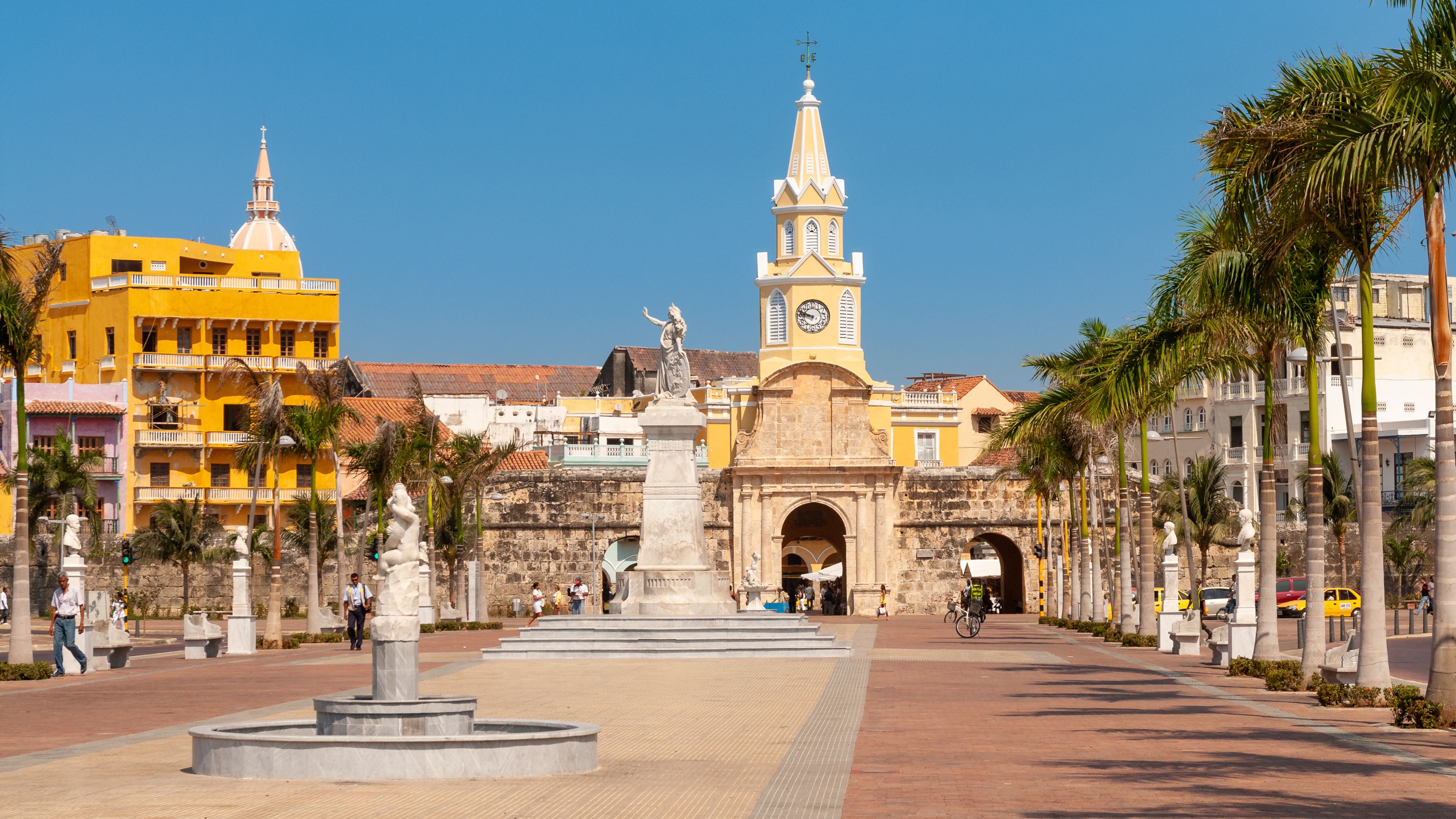
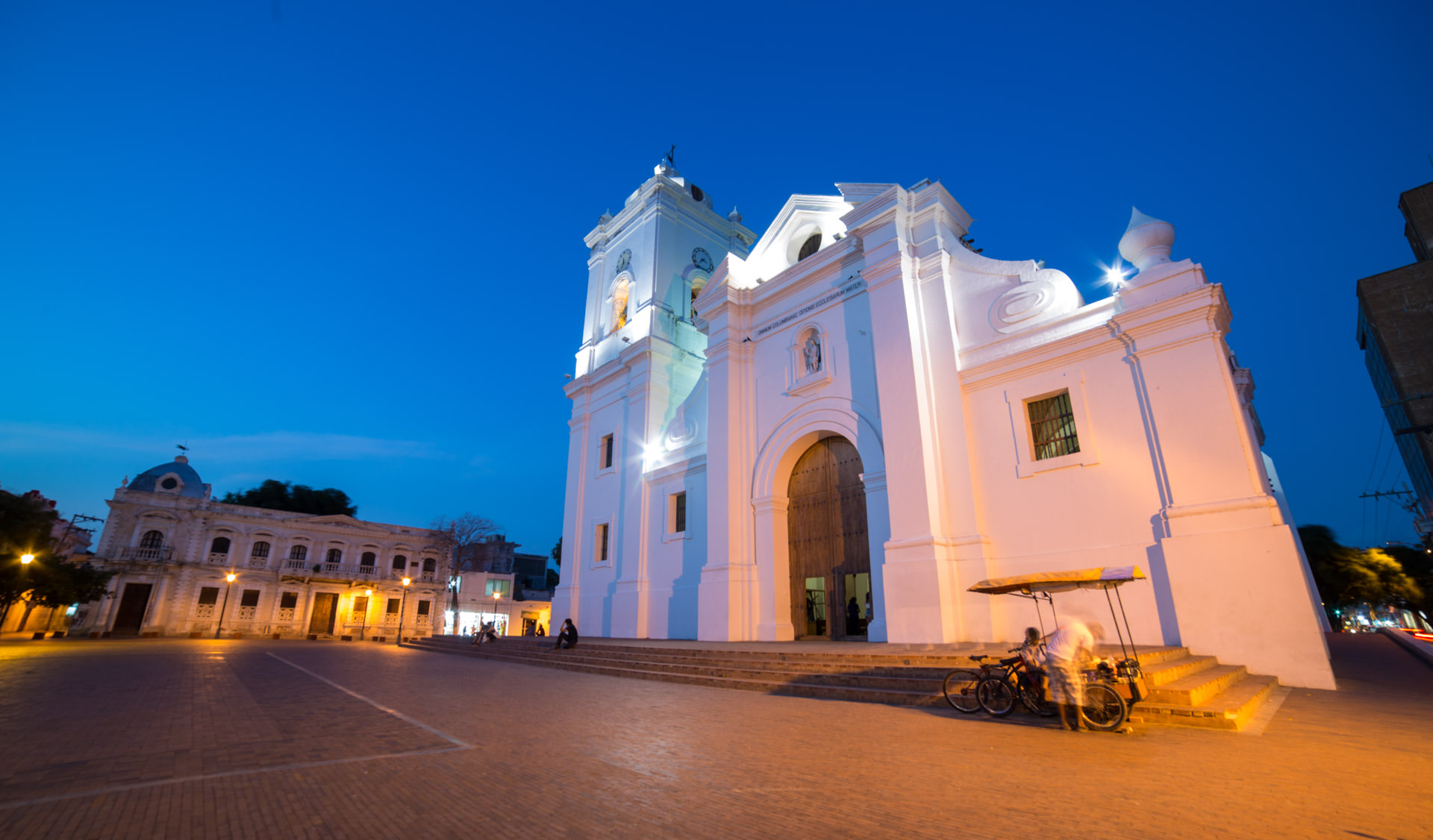
⚡ The TL;DR Verdict
Choose Cartagena for an opulent, historic, and vibrant city experience, ideal for couples or those seeking a touch of luxury with a daily budget of $70-150+. Opt for Santa Marta for a more rugged, nature-focused adventure, perfect for backpackers and outdoor enthusiasts on a $40-80+ daily budget.
- Choose Cartagena: If you crave stunning colonial architecture, world-class dining, bustling nightlife, and prefer a more polished, tourist-centric experience with excellent day trips to island beaches. Ideal for a romantic getaway or a friends' trip where comfort and aesthetics are priorities.
- Choose Santa Marta: If your heart beats for pristine national parks, trekking to waterfalls, exploring indigenous culture, and a more laid-back, budget-friendly atmosphere. It's the perfect base for Parque Tayrona, Minca, and diving in Taganga, appealing strongly to backpackers, nature lovers, and adventure seekers.
- Choose Both: For the ultimate Caribbean Colombia experience, definitely do both! Spend 3-4 days in Cartagena soaking up the city's magic, then fly or bus to Santa Marta for another 4-5 days exploring Tayrona, Minca, and the surrounding nature. It’s a fantastic combo for a 7-10 day trip.
Quick Comparison
| Category | Cartagena | Santa Marta | Winner |
|---|---|---|---|
| Beaches & Coastal Beauty | City beaches are mediocre; true beauty requires a day trip to the Rosario Islands or Playa Blanca. | Gateway to some of Colombia's best beaches in Parque Tayrona, and options like Taganga. | Santa Marta |
| Food & Dining Scene | High-end, gastronomic paradise with diverse international and modern Colombian cuisine. | More local, authentic, and budget-friendly seafood and traditional Colombian fare. | Cartagena |
| Nightlife & Entertainment | Bustling, chic, and diverse nightlife from rooftop bars to salsa clubs. | More casual, backpacker-friendly bars, and a relaxed, local atmosphere. | Cartagena |
| Culture & History | Rich colonial history, stunning architecture, and vibrant street art. | Historical center, but more known as a base for indigenous cultural experiences in the Sierra Nevada. | Cartagena |
| Costs & Budget | Generally more expensive, especially within the Walled City for accommodation and dining. | Significantly more budget-friendly for accommodation, food, and activities. | Santa Marta |
| Getting There & Around | Direct flights from major hubs; easy to walk the old city, taxis for longer distances. | Airport outside city, but serves as a hub for regional travel; public transport and taxis. | Tie |
| Accommodation Options | Wide range from luxury boutique hotels to charming hostels, many within historic settings. | More budget-friendly hostels and guesthouses, with fewer high-end luxury options. | Cartagena |
| Day Trips & Excursions | Island hopping to the Rosario Islands, mud volcano, and cultural tours. | Parque Tayrona, Minca (coffee farms, waterfalls), Taganga for diving, Lost City Trek. | Santa Marta |
| Nature & Adventure | Primarily coastal activities and island escapes; less direct access to lush nature. | Unrivaled access to mountains, jungle, and stunning beaches for hiking, diving, and wildlife. | Santa Marta |
| Safety & Vibe | Generally safe in tourist areas, but be aware of persistent street vendors and inflated prices. | Generally safe, more laid-back and authentic, but basic precautions still apply, especially at night. | Tie |
🏖️ Beaches & Coastal Beauty
Cartagena's city beaches, like Bocagrande, are often crowded, urban, and not particularly picturesque. For that postcard-perfect Caribbean experience with white sands and turquoise waters, you absolutely need to take a day trip. The Rosario Islands (Islas del Rosario) are the go-to, with boat tours costing around 150,000-250,000 COP ($35-60 USD) including lunch and snorkeling. Playa Blanca on Barú offers similar vibes but can get incredibly packed. Santa Marta, however, is your direct portal to the raw, stunning beaches of Parque Tayrona National Natural Park. Places like Cabo San Juan and La Piscina are legendary, requiring a roughly 1-hour bus ride from Santa Marta (10,000 COP / $2.50 USD) and then a 1-2 hour hike or horse ride through the jungle (park entry ~68,000 COP / $17 USD for foreigners). "Honestly, don't even bother with Cartagena's city beaches. Save your beach time for Tayrona, it's a completely different league." Santa Marta wins for direct access to truly exceptional, natural beaches.
Winner takeaway
- Winner: Santa Marta
- Why: Santa Marta is the direct gateway to the stunning, natural beaches of Parque Tayrona, which are superior to Cartagena's city beaches.
- Who this matters for: Beach lovers, nature enthusiasts, hikers, and those seeking truly pristine coastal landscapes.
🍴 Food & Dining Scene
Cartagena is a culinary hotspot, offering an impressive array of sophisticated restaurants that blend international flavors with fresh Colombian ingredients. You'll find everything from fine dining at places like Carmen (expect 150,000-300,000 COP / $38-75 USD per person) and Alma, to charming, mid-range eateries in Getsemaní like La Cocina de Pepina (around 40,000-70,000 COP / $10-18 USD). Street food is also vibrant, with arepas and empanadas readily available for 3,000-8,000 COP ($0.75-2 USD). Santa Marta offers a more authentic, less tourist-inflated food scene, focusing on fresh seafood and traditional Colombian dishes. You can get a hearty 'menu del día' for 15,000-25,000 COP ($4-6 USD) at local spots. El Pescador is popular for seafood. While Santa Marta is great for value and local flavor, it lacks the culinary breadth and innovation of Cartagena. "Cartagena's food scene blew my mind, especially the ceviche and fresh seafood. Santa Marta was good, but more rustic."
Winner takeaway
- Winner: Cartagena
- Why: Cartagena boasts a more diverse, high-quality, and internationally recognized dining scene with options for every palate and budget.
- Who this matters for: Foodies, gourmands, those looking for romantic dinners, and travelers who prioritize culinary experiences.
💃 Nightlife & Entertainment
Cartagena's nightlife is legendary and diverse, catering to a wide range of tastes. In the Walled City, you'll find elegant rooftop bars like Mirador Gastro Bar (cocktails 30,000-50,000 COP / $7-12 USD) offering stunning views, and upscale clubs. Getsemaní is the beating heart for salsa, live music, and a more bohemian vibe, with iconic spots like Café Havana (cover charge sometimes 30,000 COP / $7 USD) and Bazurto Social Club. The plazas, especially Plaza de la Trinidad, come alive with street performers and vendors. Santa Marta's nightlife is much more laid-back and centered around a younger, backpacker crowd. Parque de los Novios is the main hub with numerous bars and restaurants. Places like La Puerta and Crabs Bar offer good music and a casual atmosphere (beers 8,000-12,000 COP / $2-3 USD). While fun, it doesn't have the same energy, variety, or upscale options as Cartagena. "If you want to dance all night and hit up fancy cocktail bars, Cartagena is your place. Santa Marta is more for a few beers and chill vibes."
Winner takeaway
- Winner: Cartagena
- Why: Cartagena offers a more extensive, vibrant, and diverse nightlife scene, from upscale clubs to lively salsa bars, appealing to a broader audience.
- Who this matters for: Party-goers, social butterflies, couples seeking romantic evenings, and those who enjoy live music and dancing.
🏛️ Culture & History
Cartagena is a UNESCO World Heritage site and a living museum of colonial history. Its impeccably preserved Walled City is a feast for the senses, with colorful buildings, grand churches like the Cathedral of Cartagena, and impressive fortifications like Castillo San Felipe de Barajas (entry 27,000 COP / $7 USD). Every corner tells a story of pirates, conquerors, and a vibrant past. Walking tours (free or tip-based) are highly recommended. The Getsemaní neighborhood adds a layer of bohemian charm with incredible street art and a local pulse. Santa Marta has its own historical center, including the Cathedral Basilica of Santa Marta and the Quinta de San Pedro Alejandrino (entry 25,000 COP / $6 USD), where Simón Bolívar died. However, its historical significance doesn't quite match Cartagena's grand scale or preservation. Santa Marta's cultural appeal often lies more in its proximity to indigenous communities in the Sierra Nevada. "Cartagena is like stepping back in time, the history is palpable. Santa Marta felt more like a modern city with some old buildings thrown in."
Winner takeaway
- Winner: Cartagena
- Why: Cartagena's Walled City and extensive colonial heritage offer a more immersive and visually stunning historical and cultural experience.
- Who this matters for: History buffs, architecture enthusiasts, photographers, and those who appreciate rich cultural narratives.
💸 Costs & Budget
Cartagena, especially within the Walled City, is significantly pricier. A decent hostel bed can range from 60,000-120,000 COP ($15-30 USD), while a mid-range hotel starts at 200,000-400,000 COP ($50-100 USD). Meals at tourist restaurants are typically 50,000-100,000 COP ($12-25 USD). Taxis are also more expensive, with short rides around 8,000-15,000 COP ($2-4 USD). Santa Marta offers much better value for money. Hostel beds are often 35,000-70,000 COP ($9-18 USD), and a comfortable mid-range hotel can be found for 120,000-250,000 COP ($30-60 USD). You can easily eat a full, delicious local meal for 15,000-25,000 COP ($4-6 USD). Activities like bus rides to Tayrona are cheap (10,000 COP / $2.50 USD). "My daily budget in Santa Marta was almost half of what I spent in Cartagena, and I felt like I got more for my money, especially with food and hostels." If you're backpacking or on a tighter budget, Santa Marta is the clear winner.
Winner takeaway
- Winner: Santa Marta
- Why: Santa Marta is considerably more budget-friendly across accommodation, food, and local transportation, making it ideal for cost-conscious travelers.
- Who this matters for: Budget travelers, backpackers, long-term travelers, and anyone looking to maximize their savings.
✈️ Getting There & Around
Both cities have international airports. Rafael Núñez International Airport (CTG) in Cartagena is very close to the Walled City (10-15 min taxi, ~15,000-20,000 COP / $4-5 USD), offering direct flights from several major US and European cities, as well as frequent domestic connections. The Walled City and Getsemaní are highly walkable, making it easy to explore on foot. For longer distances, taxis are abundant. Simón Bolívar International Airport (SMR) in Santa Marta is about 30-40 minutes from the city center (taxi ~30,000-40,000 COP / $7-10 USD, or shared collectivo/bus for less), primarily handling domestic flights with connections via Bogota or Medellin for international travelers. Within Santa Marta, the center is walkable, and local buses or taxis are used for getting around, including to nearby Taganga or the Tayrona bus station. "Getting into Cartagena from the airport was a breeze, practically in the city. Santa Marta was a bit further but still very manageable with a taxi." Both are accessible, but Cartagena's airport proximity to its main attractions gives it a slight edge for initial arrival convenience, though Santa Marta is a better base for onward regional travel.
Winner takeaway
- Winner: Tie
- Why: Both cities are well-connected by air and have efficient local transportation options, making them equally accessible to travelers.
- Who this matters for: All travelers, as both cities offer convenient travel logistics.
🏨 Accommodation Options
Cartagena excels in accommodation variety and quality, especially for those seeking a unique stay. The Walled City is dotted with exquisite boutique hotels like Hotel Charleston Santa Teresa (starting $300+ USD) and Casa San Agustín (starting $400+ USD), often housed in beautifully restored colonial buildings with rooftop pools and courtyards. Upscale hostels such as El Viajero Hostel (beds from 80,000 COP / $20 USD) also offer great value. Getsemaní has a more bohemian selection of guesthouses and lively hostels. Santa Marta, while having some lovely options, leans more towards budget and mid-range accommodation. You'll find numerous popular hostels like Dreamer Hostel (beds from 45,000 COP / $11 USD) and Masaya Hostel (beds from 60,000 COP / $15 USD), perfect for backpackers and social travelers. There are fewer true luxury hotels, with most high-end options being closer to resorts outside the city. "Cartagena's hotels felt like they were part of the experience, just incredible architecture. Santa Marta had good hostels, but nothing as memorable." For sheer range, quality, and unique ambiance, Cartagena takes the lead.
Winner takeaway
- Winner: Cartagena
- Why: Cartagena offers a superior range of accommodation, particularly in its luxury boutique hotels and charming guesthouses within historic settings.
- Who this matters for: Couples, luxury travelers, those seeking unique boutique experiences, and travelers who prioritize comfort and ambiance.
⛵ Day Trips & Excursions
Cartagena offers fantastic day trips centered around its coastal location. The most popular is a boat trip to the Rosario Islands (Isla Barú, Cholón, Playa Blanca), offering snorkeling, beautiful beaches, and party vibes (tours 150,000-250,000 COP / $35-60 USD). El Totumo Mud Volcano (Volcán de Lodo El Totumo) provides a unique, if a bit quirky, mud bath experience (tour ~60,000 COP / $15 USD). Santa Marta truly shines with its diverse and adventurous day trip options. Parque Tayrona (entry 68,000 COP / $17 USD) is a must-visit for its stunning beaches and hiking. Minca, a cool mountain village, is perfect for coffee farm tours (e.g., La Victoria Coffee Plantation, 20,000 COP / $5 USD for tour), waterfall hikes (Cascada Marinka), and birdwatching (mototaxi from Santa Marta ~20,000-30,000 COP / $5-7 USD). Taganga offers diving and snorkeling. And for the ultimate adventure, the 4-5 day Lost City Trek (Ciudad Perdida) departs from Santa Marta (tours ~1,800,000 COP / $450 USD). "Minca and Tayrona from Santa Marta made my whole trip. Cartagena's island trips were cool, but Santa Marta's day trips were more adventurous and diverse." Santa Marta's proximity to such varied natural wonders gives it the edge.
Winner takeaway
- Winner: Santa Marta
- Why: Santa Marta offers a wider range of diverse and adventurous day trips, including stunning national parks, mountain escapes, and epic treks.
- Who this matters for: Nature lovers, adventure seekers, hikers, divers, and those interested in indigenous culture or multi-day treks.
🏞️ Nature & Adventure
While Cartagena offers beautiful Caribbean waters and the opportunity for snorkeling or diving in the Rosario Islands, its direct connection to raw, expansive nature is limited. It's more about coastal leisure and historical exploration. Santa Marta, however, is a nature lover's paradise, serving as the gateway to the Sierra Nevada de Santa Marta mountains and the Caribbean coast. You have immediate access to Parque Tayrona, where you can hike through tropical dry forests to breathtaking beaches and spot monkeys, birds, and other wildlife. Minca offers cloud forest adventures, coffee tours, waterfalls, and incredible birdwatching opportunities. Diving and snorkeling are popular in Taganga, just a short drive away. The climate in Minca is also a refreshing escape from the coastal heat. "If you're into hiking, wildlife, and getting off the beaten path into nature, Santa Marta is absolutely the better choice. Cartagena is beautiful but very much a city." For serious nature and adventure, Santa Marta is incomparable.
Winner takeaway
- Winner: Santa Marta
- Why: Santa Marta provides direct and unparalleled access to incredible natural parks, mountains, jungles, and diverse adventure activities.
- Who this matters for: Hikers, wildlife enthusiasts, birdwatchers, trekkers, divers, and anyone seeking an immersive outdoor experience.
🛡️ Safety & Vibe
Both cities are generally safe for tourists, particularly in their main tourist zones, but require common sense precautions. Cartagena's Walled City and Getsemaní are well-patrolled, and the biggest 'threat' is often the relentless street vendors and sometimes inflated prices for tourists. Pickpocketing can occur in crowded areas, and it's best to avoid walking alone late at night in less-trafficked areas outside the main tourist zones. Santa Marta has a more relaxed, authentic, and less 'touristy' vibe. The Parque de los Novios area is lively and safe at night. Like Cartagena, petty theft can occur, and it's always wise to take taxis after dark rather than walking long distances. "I felt safe in both, but Cartagena definitely had more people trying to sell me stuff every five minutes, which got a bit annoying. Santa Marta felt more chill." Neither city is inherently 'safer' than the other; both offer a good experience with standard traveler vigilance. Cartagena feels more polished, while Santa Marta feels more real and gritty.
Winner takeaway
- Winner: Tie
- Why: Both cities are generally safe in tourist areas with similar precautions needed, offering different but equally appealing vibes.
- Who this matters for: All travelers, as safety is a universal concern. The 'vibe' preference is personal.
❓ Frequently Asked Questions
How long should I spend in Cartagena vs Santa Marta?
For Cartagena, 3 full days is ideal to explore the Walled City, Getsemaní, and take one day trip to the Rosario Islands. For Santa Marta, plan 4-5 days to allow for a day trip to Tayrona National Park, another to Minca, and perhaps some relaxation or diving in Taganga. If combining both, a 7-10 day trip is perfect.
Is it easy to travel between Cartagena and Santa Marta?
Yes, it's very easy. You can take a direct bus (Marsol, Berlinas Turismo) which takes about 4-5 hours and costs around 60,000-80,000 COP ($15-20 USD). Alternatively, domestic flights are quick (around 1 hour) but can be more expensive and involve airport transfers, often making the bus a more practical option for this route.
Which city is better for families with children?
Cartagena generally offers more family-friendly infrastructure with its beautiful plazas, horse-drawn carriage rides, the Naval Museum, and a slightly more 'contained' and polished environment. Santa Marta offers more rugged nature experiences like Tayrona, which might be better for older, more adventurous children, but has fewer direct attractions for very young kids within the city itself.
What's the best time of year to visit either city?
The dry season, from December to April, is generally considered the best time to visit both cities, with less rain and pleasant temperatures. However, this is also peak tourist season, so expect larger crowds and higher prices. The shoulder seasons (May-June and October-November) can offer a good balance of weather and fewer tourists.
Are the street vendors in Cartagena really that bad?
They can be persistent, especially in high-traffic tourist areas of the Walled City. A polite but firm 'no, gracias' is usually sufficient. Avoid engaging in long conversations or accepting 'gifts' as these often lead to high-pressure sales. They are generally harmless but can detract from the relaxed atmosphere.
Can I visit the Lost City (Ciudad Perdida) from Cartagena?
No, the Lost City Trek exclusively departs from Santa Marta. You must base yourself in Santa Marta to arrange and begin this multi-day trek. If the Lost City is a priority, plan your itinerary to spend sufficient time in Santa Marta.
Which city has better souvenir shopping?
Cartagena offers a more diverse and higher-end shopping experience, with numerous boutiques selling artisan crafts, emerald jewelry, linen clothing, and high-quality leather goods within the Walled City. Santa Marta has more traditional markets and craft stalls, offering more budget-friendly and local souvenirs, but less in terms of curated boutiques.
Is English widely spoken in both Cartagena and Santa Marta?
In Cartagena, especially within the tourist-heavy Walled City and Getsemaní, you'll find English speakers in hotels, restaurants, and tour agencies. In Santa Marta, English is less common, particularly outside of hostels and major tourist areas, so knowing some basic Spanish phrases will be very helpful.
Ready to plan your Caribbean Colombia trip?
Get a free custom itinerary for Cartagena, Santa Marta, or both — built from real traveler insights.
🎟️ Book Tours & Experiences
Hand-picked tours and activities for both destinations — book with free cancellation
Experiences via Viator — free cancellation on most tours