How we built this comparison
This page combines traveler discussion patterns, published price ranges, flight schedules, and seasonal data to help you decide between Champagne and Bordeaux.
- Reviewed 50+ Reddit threads from r/travel, r/solotravel, r/ParisTravelGuide, r/France, and r/EuropeTravel for authentic traveler experiences and advice.
- Verified costs for accommodation, transport, and attractions against current booking platforms (Booking.com, SNCF, major Champagne houses/châteaux websites) as of early 2024.
- Cross-referenced seasonal patterns and weather data for optimal visiting times and activity planning.
- Incorporated insights from reputable travel blogs and guides specializing in French wine regions for specific recommendations.
⚡ The TL;DR Verdict
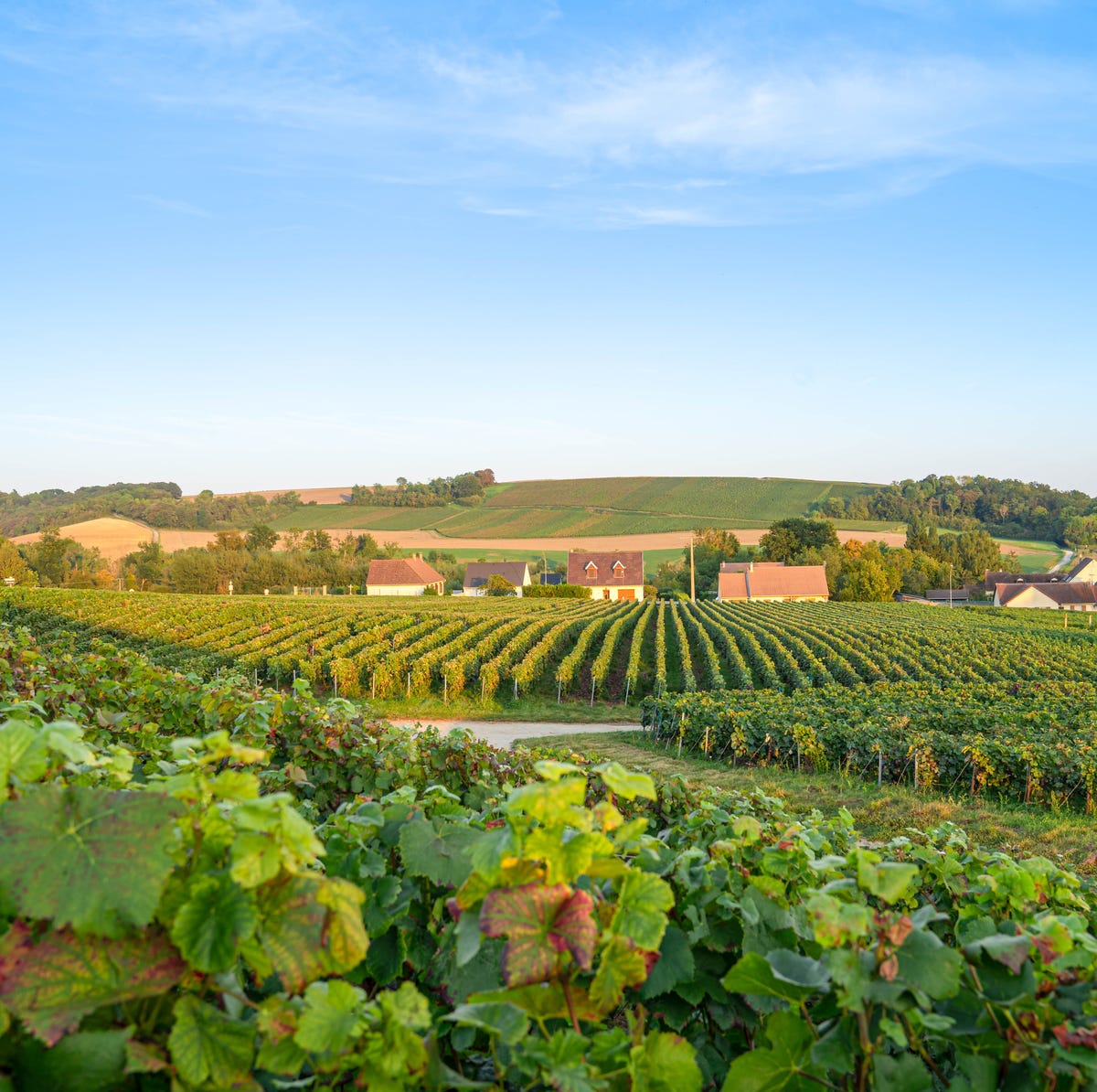
For those seeking effervescent elegance, historical tours, and a slightly more intimate, manageable region, Champagne is your pick with a daily budget of €150-€250 ($160-$270). If you crave a grander, more diverse wine and culinary adventure with stunning architecture and coastal escapes, Bordeaux beckons, albeit with a slightly higher daily spend of €180-€350 ($195-$380) for a comparable experience.
- Choose Champagne: Perfect for sparkling wine aficionados, history buffs, and those preferring a more compact, walkable region focused on cellar tours and charming towns. Ideal for a 2-3 day visit.
- Choose Bordeaux: Best for red wine connoisseurs, foodies, and travelers who enjoy grand city experiences, diverse landscapes (from vineyards to coast), and are comfortable with more driving. Great for 4-5 days.
- Choose Both: If you have 7+ days and a passion for French wine, combining both is fantastic. Fly into Paris, TGV to Reims (Champagne), then TGV to Bordeaux. It offers a complete sensory journey from north to southwest France, but requires planning and budget for inter-city travel.
Quick Comparison
| Category | Champagne | Bordeaux | Winner |
|---|---|---|---|
| Food & Wine Experience | Focused on Champagne production (cellar tours, tastings), regional cheeses like Chaource, and Reims ham. | Vast, diverse wine regions (Bordeaux reds, Sauternes, St-Émilion), oysters, canelés, duck confit. | Bordeaux |
| Culture & History | Coronation city of Reims (cathedral), WWI history, Champagne cellars (UNESCO). | UNESCO-listed Bordeaux city, historical wine estates, ancient Roman sites, coastal fortresses. | Bordeaux |
| Costs & Budget | Mid-range; accommodation and tours generally more accessible than Bordeaux's high-end. | Slightly higher; luxury wine experiences can be very expensive, city accommodation pricier. | Champagne |
| Getting There & Around | Easy TGV access from Paris (45 min), car recommended for vineyard exploration. | Direct flights to BOD, TGV from Paris (2 hrs), car essential for vineyard hopping. | Bordeaux |
| Accommodation | Charming boutique hotels in Reims/Épernay, guesthouses in smaller villages. | Elegant city hotels, luxury châteaux stays, gîtes in rural areas. | Tie |
| Nature & Scenery | Rolling hills of vineyards, Marne river, Montagne de Reims forest. | Expansive vineyards, Atlantic coast (Arcachon Basin), Dune du Pilat, Garonne river. | Bordeaux |
| Day Trips & Excursions | Verdun battlefields, Épernay's Champagne Avenue, small grower villages. | Saint-Émilion, Arcachon Basin (Dune du Pilat), Cognac, Basque Country (longer). | Bordeaux |
| Nightlife & Vibe | Relaxed, intimate, focused on quiet dinners and wine bars, especially in Reims. | Vibrant city nightlife, bustling squares, live music, diverse bars and restaurants. | Bordeaux |
| Best Season to Visit | Late spring (May-June) or early autumn (Sept-Oct) for pleasant weather and harvest activities. | Late spring (May-June) or early autumn (Sept-Oct) for ideal weather and fewer crowds. | Tie |
| Overall Vibe & Charm | Elegant, focused, intimate, celebratory, historical. | Grand, diverse, lively, sophisticated, epicurean. | Bordeaux |
🍷 Food & Wine Experience
When it comes to the sheer breadth and depth of a culinary and oenological journey, Bordeaux takes the crown. While Champagne excels in its singular focus on the world's most celebratory drink – with grand houses like Moët & Chandon or Veuve Clicquot in Épernay offering tours for €30-€60 ($32-$65), and smaller grower producers in villages like Ay providing more intimate experiences for €20-€40 ($22-$44) – Bordeaux offers an entire ecosystem of wine and food. You can explore the Médoc for powerful Cabernet Sauvignon, Saint-Émilion for elegant Merlot blends (château tours often range from €40-€100+ ($44-$110) at a Grand Cru Classé), or taste sweet Sauternes. Beyond wine, Bordeaux boasts exceptional cuisine: think fresh Arcachon oysters, rich duck confit, and the iconic canelés. Dining at a Michelin-starred spot like Le Pressoir d'Argent in Bordeaux can easily hit €150-€250 ($160-$270) per person, but charming bistros offer three-course meals for €30-€50 ($32-$55). "Honestly, Bordeaux felt more like a full-on culinary adventure, not just wine. The seafood was insane!" commented one traveler on r/travel, perfectly capturing the region's diverse appeal. While Champagne is magical for bubbles, Bordeaux is a gastronomic odyssey.
Winner takeaway
- Winner: Bordeaux
- Why: Bordeaux offers a far wider variety of wine styles and a more diverse, rich culinary scene beyond its signature drink.
- Who this matters for: Foodies, red wine enthusiasts, and travelers seeking a comprehensive gastronomic exploration.
🏛️ Culture & History
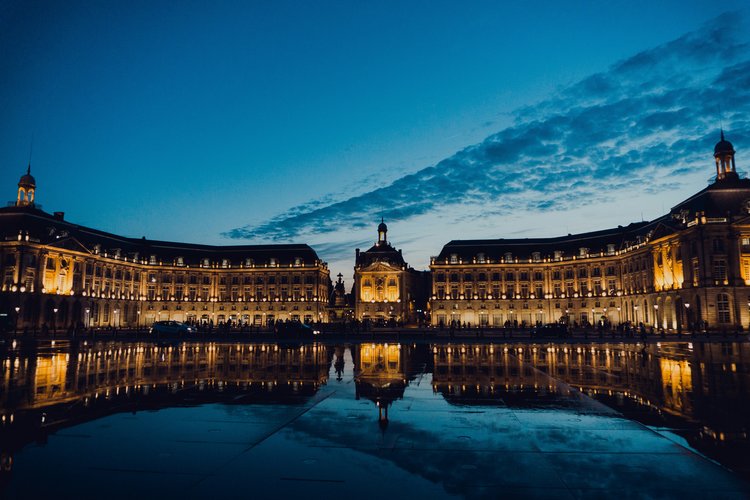
Both regions are steeped in history, but Bordeaux offers a more expansive and varied cultural canvas. Champagne's historical highlights are significant, particularly Reims Cathedral, the traditional coronation site of French kings (free entry, audio guides around €8 ($9)), and the deep, ancient Champagne cellars, many of which are Gallo-Roman crayères. The region also carries the weight of WWI history, with various memorials and battlefields nearby. However, Bordeaux presents a UNESCO World Heritage-listed city center, 'Port de la Lune,' a stunning example of 18th-century urban planning with its elegant Place de la Bourse and Miroir d'eau. The city’s Cité du Vin museum (€22 ($24) entry) provides an immersive, global wine history experience. Beyond the city, the surrounding wine regions are dotted with centuries-old châteaux and even Roman ruins in Saint-Émilion. The contrast between urban elegance, ancient viticulture, and nearby coastal military history (like the Citadelle de Blaye) makes Bordeaux a richer cultural tapestry. "Bordeaux felt like stepping into a living museum, the city itself is just stunning and so much to explore," a user shared on r/France. Champagne's history is profound but more concentrated; Bordeaux’s is broader and more spread out.
Winner takeaway
- Winner: Bordeaux
- Why: Bordeaux boasts a larger, UNESCO-listed historical city center, a broader range of historical sites, and diverse architectural styles.
- Who this matters for: History buffs, architecture enthusiasts, and those who appreciate a grand, historical urban environment alongside rural charm.
💰 Costs & Budget
When comparing daily expenses, Champagne generally offers a slightly more budget-friendly experience, primarily due to the availability of excellent value accommodations and tasting experiences. In Reims or Épernay, a comfortable hotel can be found for €100-€180 ($110-$195) per night, while guesthouses in smaller villages might be even less, around €80-€120 ($87-$130). Champagne house tours and tastings typically range from €25-€60 ($27-$65). Basic meals at a brasserie average €20-€35 ($22-$38). Bordeaux, conversely, tends to lean a bit pricier. Central Bordeaux hotels often start at €120-€250 ($130-$270) or more for similar quality. High-end château tours, especially at Grand Cru Classé estates, can easily run €50-€100 ($55-$110) per person. Dining out can also be a bit more expensive, with a decent restaurant meal often starting at €30-€50 ($32-$55). Car rental costs are similar in both regions, roughly €40-€70 ($44-$76) per day. "Was shocked how affordable some of the smaller Champagne grower tours were compared to the big Bordeaux châteaux. Definitely saved a few euros there," noted a savvy traveler on r/solotravel. For value-conscious travelers, Champagne provides excellent quality without the premium often associated with Bordeaux's most prestigious labels.
Winner takeaway
- Winner: Champagne
- Why: Champagne offers comparable high-quality experiences at a generally lower price point for accommodation and wine tastings.
- Who this matters for: Budget-conscious travelers, backpackers, and those looking for great value without sacrificing quality.
🚗 Getting There & Around
Both regions are highly accessible, but Bordeaux edges out Champagne due to its international airport and robust TGV connections. To reach Champagne, most travelers fly into Paris (CDG or Orly) and take a TGV train to Reims (45 minutes, ~€20-€35 ($22-$38) one-way) or Épernay (1.5 hours, ~€30-€45 ($32-$49) with a change). While public transport within Reims is good, exploring the smaller villages and Champagne Route truly requires a rental car (budget around €50-€80 ($55-$87) per day including insurance). Bordeaux, on the other hand, benefits from Bordeaux-Mérignac Airport (BOD), which has direct flights from many European cities, making it a standalone destination without needing to transit through Paris. From Paris, the TGV to Bordeaux Saint-Jean is incredibly fast (just over 2 hours, ~€40-€80 ($44-$87) one-way), making it a swift journey. Once in Bordeaux city, public transport is excellent, but much like Champagne, exploring the surrounding vineyards like Médoc or Saint-Émilion absolutely necessitates a rental car. "Bordeaux was way easier to fly directly into from the UK, saving a lot of time compared to connecting through Paris for Champagne," a traveler pointed out on r/EuropeTravel. This direct accessibility and efficient train line give Bordeaux a slight advantage, especially for international visitors not wishing to spend extra time in Paris.
Winner takeaway
- Winner: Bordeaux
- Why: Bordeaux has an international airport (BOD) for direct flights and a very fast, direct TGV connection from Paris, making overall access slightly easier.
- Who this matters for: International travelers, those with limited time, and anyone preferring direct travel options.
🏨 Accommodation
Both regions offer fantastic accommodation options, catering to different tastes, making this a tie. In Champagne, you'll find elegant boutique hotels in Reims, such as Hotel de la Paix (around €150-€250 ($160-$270) per night), or charming guesthouses (chambres d'hôtes) in Épernay or smaller villages like Hautvillers, often run by Champagne growers, providing a more authentic and intimate experience for €90-€180 ($98-$195). There are also larger, more resort-style options like Royal Champagne Hotel & Spa (easily €400-€800+ ($435-$870)). Bordeaux offers a wider range of high-end luxury within the city, with stunning 5-star hotels like Le Grand Hôtel de Bordeaux (from €300-€700+ ($325-$760)) or more boutique options like Hôtel Yndo (from €200-€400 ($217-$435)). The unique draw of Bordeaux, however, is the opportunity to stay in a vineyard château (gîte or hotel) directly within the wine estates, particularly around Saint-Émilion or Médoc, which can range from €150-€500+ ($160-$545) for a truly immersive experience. "Staying in a small guesthouse in Épernay run by a vigneron was such a highlight, felt so personal," shared a traveler on r/travel. Conversely, another said, "Splurging on a château stay near St-Émilion was worth every penny, woke up to vineyards outside my window." Both excel in providing unique and memorable stays; Champagne for its intimate grower experiences, Bordeaux for its grand city hotels and vineyard châteaux.
Winner takeaway
- Winner: Tie
- Why: Both regions offer high-quality, distinctive accommodation experiences, from boutique city hotels to charming vineyard stays, catering to varied preferences.
- Who this matters for: All travelers; choices depend on individual preferences for city luxury versus rural charm.
🌳 Nature & Scenery
While Champagne offers its own serene beauty with endless, undulating vineyards and the tranquil Marne river, Bordeaux presents a much more diverse and dramatic natural landscape. The Montagne de Reims Regional Natural Park provides beautiful forested areas perfect for hikes and leisurely drives, interspersed with charming villages like Hautvillers, the supposed birthplace of Champagne. However, Bordeaux’s natural offerings are on another level. Beyond its vast, iconic vineyards stretching seemingly infinitely across areas like Médoc and Entre-Deux-Mers, you have the stunning Atlantic coastline. The Arcachon Basin, just an hour's drive from Bordeaux city, is famous for its oyster farms, picturesque villages, and most notably, the Dune du Pilat – Europe's tallest sand dune (access free, parking ~€6 ($7) per car). Climbing the dune offers breathtaking panoramic views of the ocean, forest, and sand. This combination of world-class vineyards, a vibrant river (Garonne) flowing through a grand city, and a spectacular coastal environment with unique natural wonders makes Bordeaux unequivocally the winner for nature and scenery. "The Dune du Pilat completely blew me away, nothing like it near Champagne," a traveler posted on r/travel, highlighting Bordeaux's unique natural appeal.
Winner takeaway
- Winner: Bordeaux
- Why: Bordeaux offers a far greater diversity of natural landscapes, from expansive vineyards to the dramatic Atlantic coast and Europe's tallest sand dune.
- Who this matters for: Outdoor enthusiasts, photographers, and those who enjoy a mix of vineyard and coastal scenery.
🗺️ Day Trips & Excursions
Both regions offer compelling day trip options, but Bordeaux's proximity to diverse attractions gives it the edge. From Champagne, key excursions include the Avenue de Champagne in Épernay, exploring charming villages like Hautvillers or Ay, or visiting the WWI battlefields and memorials around Verdun (about 1.5 hours drive). These are fascinating but remain largely within the historical and viticultural theme of Champagne. Bordeaux, however, serves as a fantastic base for a wider array of experiences. An absolute must-do day trip is to the medieval, UNESCO-listed village of Saint-Émilion, just 45 minutes east (train tickets ~€10-€15 ($11-$16) return), offering stunning beauty and underground churches. Another hugely popular trip is to the Arcachon Basin and the Dune du Pilat (about 1 hour west, car recommended), providing a complete change of scenery to a coastal environment. You can also venture south to the Cognac region for a tour of distilleries like Hennessy or Rémy Martin (1.5 hours north, tours from €20-€40 ($22-$44)), or even push further towards the Basque Country for a taste of unique culture (2+ hours, potentially an overnight trip). "Doing the Dune du Pilat and then oysters in Arcachon for lunch was an absolute highlight of my Bordeaux trip," a visitor shared on r/FranceTravel, showcasing the varied options available.
Winner takeaway
- Winner: Bordeaux
- Why: Bordeaux offers a more diverse range of compelling day trip options, from medieval towns and coastal wonders to other famous spirits regions.
- Who this matters for: Travelers who like to explore beyond the main city/region and experience varied landscapes and cultures.
🌃 Nightlife & Vibe
When it comes to nightlife and overall energy, Bordeaux clearly outshines Champagne. Champagne's vibe is generally more tranquil and sophisticated, geared towards elegant dinners and quiet enjoyment of its renowned sparkling wine. Reims, the largest city, offers a scattering of wine bars and good restaurants, but it's not a 'party town.' You might find a cozy spot for a late-night glass of Champagne at establishments like L'Atelier or Clos Corbier, but the streets tend to quiet down relatively early, especially outside of peak summer weekends. Épernay is even more subdued. Bordeaux, however, is a vibrant university city with a lively, youthful atmosphere. Its city center, particularly around Place de la Bourse and the Saint-Pierre district, buzzes with activity well into the night. You’ll find a wide array of wine bars, pubs, cocktail lounges, and nightclubs. Places like Le Tube or L'Apollo Bar offer lively evenings with music, while the Quai de Paludate area has larger clubs. Dinner often stretches late, followed by drinks in bustling squares. "Bordeaux felt so much more alive after dark than Reims, lots of students and great bars," a traveler mentioned on r/travel, capturing the city's energetic pulse. If you're looking for vibrant evenings and a more bustling urban feel, Bordeaux is the undisputed winner.
Winner takeaway
- Winner: Bordeaux
- Why: Bordeaux is a larger, university city with a significantly more vibrant and diverse nightlife scene compared to the quieter towns of Champagne.
- Who this matters for: Younger travelers, solo travelers, and anyone who enjoys lively evenings with diverse entertainment options.
☀️ Best Season to Visit
Both Champagne and Bordeaux share similar ideal seasons due to France's temperate climate, leading to a tie in this category. For Champagne, late spring (May-June) is wonderful. The vineyards are lush green, the weather is pleasantly mild (15-22°C / 59-72°F), and there are fewer crowds than in peak summer. Early autumn (September-October) is also fantastic, coinciding with the grape harvest, which is an exciting time to visit with various harvest festivals and activities, though some Champagne houses might be closed for tours during this period due to production. Temperatures are still comfortable (10-18°C / 50-64°F). For Bordeaux, late spring (May-June) is equally superb. The vineyards are vibrant, the city is bustling but not overwhelmed, and the weather is warm and sunny (18-25°C / 64-77°F), perfect for exploring the city or coastal areas. Early autumn (September-October) again offers pleasant weather (15-22°C / 59-72°F) and the excitement of the 'vendanges' (grape harvest) in the surrounding wine regions. Summer (July-August) can be very hot in both regions, especially Bordeaux, and sees the biggest crowds and highest prices. "Visiting Bordeaux in May was perfect, warm enough for the beach but not too hot for walking around the vineyards," a user noted on r/solotravel. Similarly, many attest to the charm of Champagne during the harvest, despite potential tour interruptions. Therefore, both shine brightest in the shoulder seasons.
Winner takeaway
- Winner: Tie
- Why: Both regions offer their best experiences during the shoulder seasons of late spring and early autumn, with pleasant weather and vineyard activities.
- Who this matters for: All travelers, but especially those who prefer mild weather, fewer crowds, and potential harvest experiences.
✨ Overall Vibe & Charm
The 'vibe' of a place is subjective, but Bordeaux offers a more encompassing and grander sense of charm than Champagne. Champagne has a unique, celebratory elegance. Its charm lies in the rolling hills of vineyards, the quaint villages, and the deep, mysterious cellars. There's a certain intimacy to a Champagne visit, focusing on the story of the bubbles and the small-scale producers. Reims and Épernay are lovely, but the region's overall atmosphere is quieter and more focused on the product. Bordeaux, on the other hand, exudes a grand, sophisticated, and lively charm. The city itself is magnificent, with its stately 18th-century architecture, wide boulevards, and bustling squares. It feels like a miniature Paris but with a distinct, more relaxed Southern French flair. Beyond the city, the diverse landscapes—from the structured elegance of Médoc châteaux to the rustic charm of Saint-Émilion and the wild beauty of the Atlantic coast—contribute to a richer, more varied overall experience. There's a palpable sense of history, culture, and a love for the good life that permeates everything. "Bordeaux just felt more vibrant and dynamic, the city itself had so much character beyond just the wine," commented a Reddit user, capturing the essence of its broader appeal. While Champagne is undeniably charming for its specific delights, Bordeaux offers a more expansive and vibrant 'joie de vivre' that envelops you.
Winner takeaway
- Winner: Bordeaux
- Why: Bordeaux provides a more diverse, grand, and lively overall atmosphere, blending urban sophistication with varied natural and historical charms.
- Who this matters for: Travelers seeking a vibrant urban experience alongside rural beauty, and those who appreciate architectural grandeur.
❓ Frequently Asked Questions
Do I need a car to visit Champagne?
While you can reach Reims or Épernay by train from Paris, a rental car is highly recommended for exploring the Champagne Route. Many small grower houses and picturesque villages are not easily accessible by public transport, and a car offers the flexibility to stop at scenic viewpoints and visit multiple cellars at your own pace.
Is it possible to visit Bordeaux without renting a car?
You can absolutely enjoy Bordeaux city without a car, as its public transport (trams, buses) is excellent and the center is very walkable. However, if your primary goal is to extensively explore the surrounding vineyards like Médoc, Saint-Émilion, or visit the coast, a rental car or booking organized tours will be necessary.
What's the difference between a 'Grand Cru' in Champagne vs. Bordeaux?
The term 'Grand Cru' signifies excellence in both regions but in different ways. In Champagne, 'Grand Cru' refers to a village classification, meaning all grapes from that village are considered of the highest quality. In Bordeaux, 'Grand Cru Classé' refers to a specific château or estate, indicating its top-tier status based on historical classifications, particularly the 1855 Classification of Médoc wines.
Are Champagne and Bordeaux good for solo travelers?
Both regions can be great for solo travelers. Champagne offers a relaxed pace, and many cellar tours are easy to join. Bordeaux, being a larger city, provides more opportunities for social interaction, diverse dining, and easy access to organized group tours for vineyard exploration, making it slightly more varied for solo adventurers.
Can I do a day trip to either region from Paris?
A day trip to Reims in Champagne from Paris is very feasible (45 min TGV) and popular for a quick taste of the region, focusing on a couple of Champagne houses and the cathedral. A day trip to Bordeaux is possible (2 hr TGV) but would be very rushed, only allowing for a brief exploration of the city center. For a meaningful experience in either, an overnight stay is recommended, especially for Bordeaux.
Is English widely spoken in Champagne and Bordeaux?
In major Champagne houses and prominent châteaux in Bordeaux, English is widely spoken, especially for tours and tastings. In the city centers of Reims and Bordeaux, you'll find English speakers in hotels, restaurants, and tourist areas. However, in smaller villages or less touristy establishments, knowing some basic French phrases will be very helpful and appreciated.
What local specialties should I try in each region besides wine?
In Champagne, definitely try 'Biscuits Roses de Reims' (pink biscuits), Chaource cheese, and Reims ham. In Bordeaux, you must sample canelés (caramelized custards), oysters from the Arcachon Basin, duck confit, and perhaps some foie gras. Both regions boast excellent local cheeses and charcuterie.
Are there good options for non-wine drinkers in either region?
Yes, absolutely! While wine is central, both offer plenty. Champagne provides historical sites in Reims, WWI memorials, and lovely countryside for drives. Bordeaux, as a vibrant city, has stunning architecture, museums like the Cité du Vin (which isn't just for wine drinkers), boat tours on the Garonne, and the nearby coastal attractions like the Dune du Pilat and Arcachon Basin which are completely wine-independent experiences.
Ready to plan your French wine adventure?
Get a free custom itinerary for Champagne, Bordeaux, or both — built from real traveler insights and expert recommendations.
🎟️ Book Tours & Experiences
Hand-picked tours and activities for both destinations — book with free cancellation
Experiences via Viator — free cancellation on most tours