How we built this comparison
This page combines traveler discussion patterns, published price ranges, flight schedules, and seasonal data to help you decide between Champagne and Burgundy.
- Reviewed 50+ Reddit threads from r/travel, r/France, r/solotravel, and r/wine for authentic traveler experiences and tips.
- Verified costs for accommodation, transport, and wine experiences against current booking platforms (Booking.com, SNCF, winery websites) and recent forum discussions.
- Cross-referenced seasonal patterns, weather data, and major event calendars to determine optimal travel times for both regions.
⚡ The TL;DR Verdict
For a glamorous, history-rich experience focused on sparkling wine and grand houses, Champagne is your pick, budget €150-€300+ daily. If you crave rustic charm, world-class still wines, and a deep dive into French gastronomy, Burgundy beckons, often for €120-€250+ daily. Both are incredible, but cater to different travel styles.
- Choose Champagne: Opt for Champagne if you're chasing the prestige of famous houses, seamless logistics from Paris, and a more structured, city-centric wine experience. Ideal for first-time wine region visitors or those short on time.
- Choose Burgundy: Pick Burgundy for an authentic, slower-paced immersion into terroir-driven wines (Pinot Noir, Chardonnay), charming medieval towns like Beaune, and a focus on exquisite food pairings. Best for seasoned wine lovers and those with a car.
- Choose Both: If you have 7+ days and a passion for French wine, combining both is absolutely doable! Start with 2-3 days in Champagne, then take a train via Paris or a direct TGV from Reims to Dijon (approx. 3-4 hours total) for 3-4 days in Burgundy. It's a grand French wine tour.
Quick Comparison
| Category | Champagne | Burgundy | Winner |
|---|---|---|---|
| Food & Wine Experience | Grand Champagne houses, prestige tastings, refined cuisine, focus on bubbly pairings. | Terroir-driven still wines, Michelin-starred gastronomy, rustic French dishes, vibrant markets. | Burgundy |
| Costs & Budget | Generally higher due to prestige, grand house tastings, and proximity to Paris prices. | Can be more affordable, especially for tastings at smaller producers; good value for quality food. | Burgundy |
| Getting There & Around | Excellent train links from Paris; easy to navigate main towns, but car helps for smaller producers. | Good train to main cities, but a car is almost essential for exploring the wine routes. | Champagne |
| Accommodation Options | City hotels, grand chateaus, some boutique B&Bs. | Charming guesthouses, rural retreats, historic hotels, more intimate B&Bs. | Burgundy |
| Culture & History | Reims Cathedral, WWI history, grand Champagne houses and cellars. | Dukes of Burgundy, medieval towns, Hospices de Beaune, Romanesque abbeys. | Tie |
| Scenery & Vibe | Rolling vineyards, quaint villages, more 'grand' and formal towns, champagne lifestyle. | Picturesque medieval villages, extensive vineyard landscapes, rustic and laid-back charm, slower pace. | Burgundy |
| Activities & Tours | Champagne cellar tours, city sightseeing, cycling through vineyards. | Wine masterclasses, cooking classes, vineyard hikes, canal cruises, exploring medieval towns. | Burgundy |
| Best Season & Weather | Late spring to early autumn for pleasant weather; harvest in September. Cities are year-round. | Late spring to early autumn is ideal for vineyard exploration and events; harvest in September/October. | Tie |
| Solo Travel & Ease | Easier due to city hubs, public transport, and organized tours. | More challenging without a car; better with tours or self-drive, less spontaneous. | Champagne |
| Overall Accessibility | High-speed rail access, walkable cities, good tour infrastructure, generally accessible. | Good rail to main cities, but rural areas require more planning for mobility challenged. | Champagne |
🍷 Food & Wine Experience
Champagne offers the thrill of visiting iconic houses like Moët & Chandon or Veuve Clicquot in Épernay and Reims, with cellar tours often costing €30-€80 per person for a tasting. The food scene in cities like Reims is excellent, with several Michelin-starred restaurants like L'Assiette Champenoise, serving elegant cuisine designed to pair with champagne. However, Burgundy truly shines for its unparalleled diversity in still wines (Pinot Noir and Chardonnay) and its deeply rooted gastronomic traditions. From rustic Boeuf Bourguignon and Coq au Vin to the famed Dijon mustard, the food here is as serious as the wine. Beaune and Dijon are culinary hubs. You can visit smaller, family-run 'domaines' for more intimate tastings, often just €10-€30, and explore vibrant local markets. Burgundy’s dedication to food and wine pairing, often in quaint bistros or high-end establishments like Lameloise, feels more integrated and profound. "Burgundy felt more like a true culinary journey, not just a wine trip. Every meal was an event, even in a small village." - u/WineLover22.
Winner takeaway
- Winner: Burgundy
- Why: Burgundy offers a more diverse and deeply integrated food and wine experience, spanning rustic and refined, with its world-class still wines and rich culinary heritage.
- Who this matters for: Serious foodies, wine connoisseurs, and those seeking a comprehensive gastronomic immersion.
💰 Costs & Budget
Champagne, given its global prestige and proximity to Paris, tends to be a bit pricier. A standard tasting at a major house can range from €30-€80 ($32-$86) per person. Mid-range hotels in Reims or Épernay might run €120-€200 ($130-$215) per night, while a decent dinner for two with wine can easily hit €80-€150 ($86-$160). Transportation within the region often involves taxis or organized tours, adding up. Burgundy offers better value, particularly if you seek out smaller, independent producers for tastings, which might only be €10-€30 ($11-$32) or even free with a purchase. Accommodation in charming towns like Beaune or Dijon can be found for €90-€160 ($97-$172) for a good mid-range option. Dining, while still excellent, often provides more bang for your buck; a fantastic lunch or dinner for two could be €60-€100 ($65-$108). "We saved a lot in Burgundy by focusing on smaller wineries and local bistros. Champagne felt a bit more geared towards luxury tours." - u/BudgetBackpacker.
Winner takeaway
- Winner: Burgundy
- Why: Burgundy generally offers a more accessible price point for wine tastings, dining, and accommodation, providing excellent value for a world-class wine region.
- Who this matters for: Budget-conscious travelers, those looking for value without sacrificing quality, and independent explorers.
🚗 Getting There & Around
Champagne is incredibly accessible from Paris. A high-speed TGV train will get you to Reims in just 45 minutes or Épernay in 1 hour 15 minutes, often costing €20-€40 ($22-$43) one-way. Once there, the main towns are walkable, and many Champagne houses are centrally located or a short taxi ride away. Organized tours from Paris are also plentiful, simplifying logistics. For exploring the smaller 'grower' champagnes in villages like Ay or Hautvillers, renting a car for a day or two is highly recommended (approx. €50-€80/day, $54-$86). Burgundy, while reachable by TGV from Paris to Dijon in about 1 hour 35 minutes (€30-€60, $32-$65), truly requires a car to experience its heart – the Côte d'Or and its charming villages like Gevrey-Chambertin or Volnay. Public transport between these villages is sparse to non-existent, making a rental car almost essential for an independent trip. "Getting to Reims from Paris was a breeze on the TGV. We took a couple of taxis for specific winery visits but didn't need a car at all for our main itinerary." - u/ParisBound.
Winner takeaway
- Winner: Champagne
- Why: Champagne offers superior public transport links from Paris and easier navigation within its main hubs, making it more accessible for travelers without a car.
- Who this matters for: Travelers relying on public transport, first-time international visitors, and those prioritizing convenience.
🏨 Accommodation Options
In Champagne, you'll find a range of accommodations, from larger chain hotels in Reims (e.g., Hotel de la Paix, €130-€200/$140-$215) to boutique options and some grand chateaus like Château de Rilly near the vineyards. Épernay also has lovely smaller hotels and guesthouses, often with views over the Avenue de Champagne. While charming, the overall 'feel' can be a bit more urban or focused on larger, more formal establishments. Burgundy, on the other hand, excels in offering a more diverse and often more characterful selection of accommodations that truly immerse you in the region's charm. From historic hotels like the Hôtel Le Cep in Beaune (€180-€350/$195-$378) to picturesque gîtes (holiday homes) in vineyard villages and charming chambre d'hôtes (B&Bs) run by local families, there's a strong emphasis on authentic, rustic luxury. These often come with personal touches, local breakfasts, and stunning vineyard views. "We stayed in a small guesthouse in a village outside Beaune, and it felt so authentic. Like living in a postcard. Champagne was more hotel-y." - u/EuroTripper.
Winner takeaway
- Winner: Burgundy
- Why: Burgundy offers a wider array of charming, authentic, and character-filled accommodations, from rural guesthouses to historic hotels, enhancing the overall immersion experience.
- Who this matters for: Travelers seeking unique, authentic stays, romantic getaways, and those who appreciate local hospitality.
🏛️ Culture & History
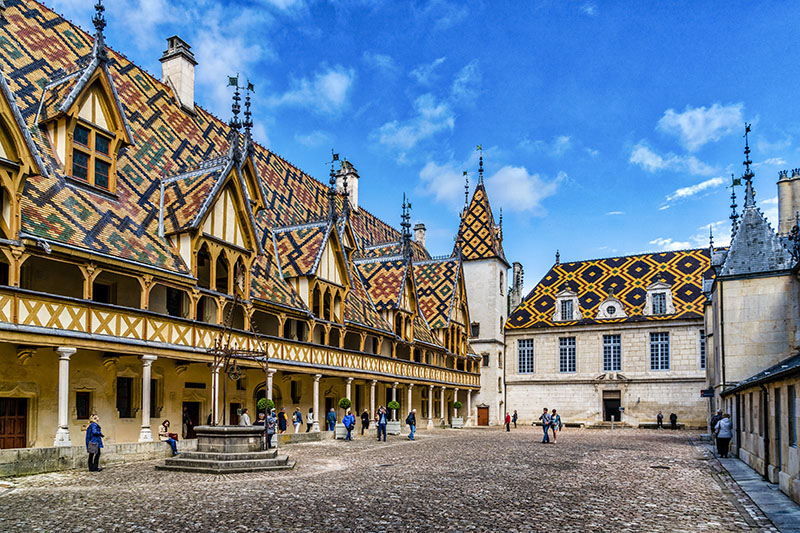
Both regions are steeped in history, offering distinct but equally compelling cultural experiences. Champagne boasts the magnificent Reims Cathedral, a UNESCO World Heritage site where French kings were crowned, and the historic sites of WWI. The grand Champagne houses themselves are monuments to industrial heritage and luxury, with their miles of underground cellars carved into chalk. Visitors can explore the Palace of Tau and the Saint-Remi Basilica in Reims. Burgundy, however, transports you to a different era. It was once a powerful Duchy, rivaling the King of France, and its legacy is evident in the charming medieval architecture of Dijon and Beaune. The iconic Hospices de Beaune, with its vibrant patterned roof, is a stunning example of 15th-century Flemish Gothic architecture and a must-see. The region is also dotted with beautiful Romanesque abbeys like Cluny and Fontenay. "Reims Cathedral gave me goosebumps, but the Hospices de Beaune was just visually stunning and so unique. Both are worth seeing." - u/HistoryBuff.
Winner takeaway
- Winner: Tie
- Why: Both regions offer rich and distinct historical and cultural narratives, from royal coronations and wartime history to medieval duchies and architectural marvels.
- Who this matters for: History enthusiasts, architecture lovers, and those interested in different facets of French heritage.
🏞️ Scenery & Vibe
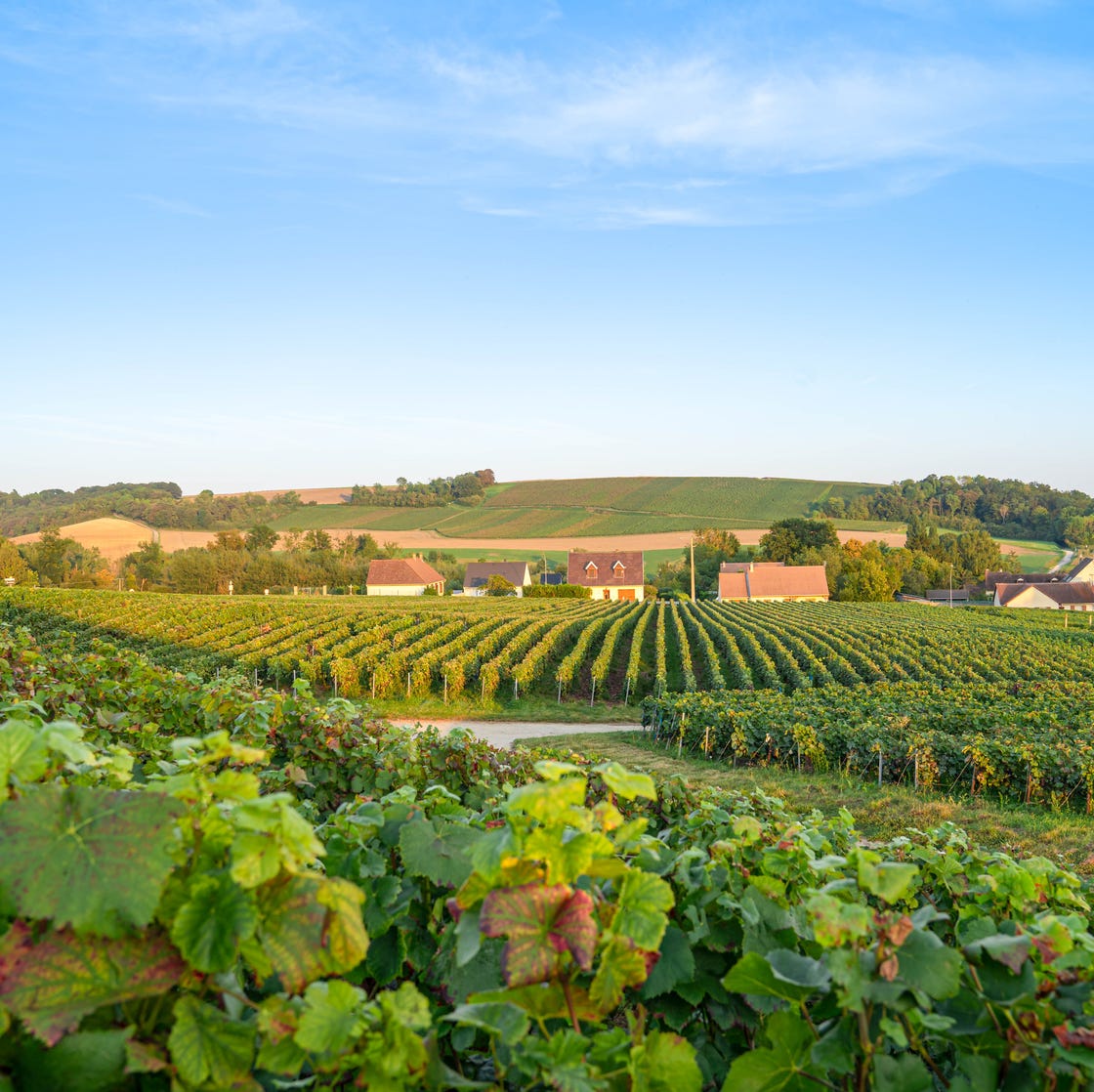
Champagne offers a landscape of gently rolling hills covered in meticulously manicured vineyards, interspersed with charming villages like Hautvillers. The main towns of Reims and Épernay have a grand, somewhat formal feel, especially along the Avenue de Champagne. The vibe is one of prestige and celebration, with an underlying sense of history. It's beautiful, but perhaps a bit more 'groomed.' Burgundy, by contrast, feels more rustic, authentic, and deeply rooted in its agricultural heritage. The Côte d'Or ('Golden Slope') is breathtaking, with its patchwork of vineyards stretching endlessly, dotted with picturesque medieval villages like Vosne-Romanée and Meursault. The towns of Beaune and Dijon are vibrant yet maintain a slower, more laid-back pace compared to Champagne's urban centers. There's a tangible sense of 'terroir' in the air, a deep connection to the land and tradition. "Burgundy just felt more... pastoral. Endless vineyards, tiny ancient villages. Champagne was beautiful but felt a bit more commercial." - u/RuralExplorer.
Winner takeaway
- Winner: Burgundy
- Why: Burgundy offers a more picturesque, rustic, and profoundly charming landscape of endless vineyards and medieval villages, creating a more immersive and tranquil vibe.
- Who this matters for: Nature lovers, photographers, those seeking a peaceful escape, and travelers who appreciate authentic rural charm.
🚲 Activities & Tours
In Champagne, the primary activity revolves around visiting the grand Champagne houses for tours and tastings. While these are fascinating, they can become repetitive. Beyond that, there's exploring the historic sites of Reims, cycling through the Montagne de Reims vineyards (rentals typically €25-€40/$27-$43 per day), and hot air balloon rides for panoramic views. Burgundy, however, provides a wider and more diverse range of activities beyond just tasting. You can take hands-on cooking classes focusing on regional specialties in Dijon or Beaune, delve into comprehensive wine masterclasses at schools like the École des Vins de Bourgogne, or embark on guided vineyard hikes or scenic bike rides along the 'Voie des Vignes' (Vineyard Way). Exploring the medieval streets of Beaune and Dijon, visiting the mustard factories, or even taking a leisurely canal boat trip are all popular options. "We did a cooking class and a blind tasting session in Beaune, and it was incredible. Felt like we were really learning, not just sipping." - u/FoodieTraveler.
Winner takeaway
- Winner: Burgundy
- Why: Burgundy offers a broader and more hands-on array of activities, including cooking classes, in-depth wine education, and diverse outdoor pursuits, enriching the travel experience.
- Who this matters for: Active travelers, experiential learners, food enthusiasts, and those looking for a diverse range of engagements beyond wine tasting.
☀️ Best Season & Weather
Both Champagne and Burgundy share similar optimal travel seasons, generally from late spring (May-June) through early autumn (September-October). During these months, temperatures are pleasant (average 18-25°C / 64-77°F), vineyards are lush, and the regions are abuzz with activity. September is particularly exciting in both regions for the 'vendange' or grape harvest, offering a unique insight into the winemaking process, though some smaller wineries might be less open due to busy schedules. Spring brings blooming flowers and fewer crowds, while autumn offers stunning fall foliage and comfortable temperatures for outdoor activities. Winter can be charming for a cozy, quiet trip, but many smaller wineries and tourist attractions might have reduced hours or be closed, especially in Burgundy's rural areas. "We went to Champagne in May and Burgundy in September. Both were perfect – lovely weather, vibrant atmosphere without being totally overrun." - u/SeasonalWanderer.
Winner takeaway
- Winner: Tie
- Why: Both regions offer their best experiences during the late spring to early autumn, with comparable weather and seasonal highlights like the grape harvest.
- Who this matters for: Travelers who prioritize comfortable weather and wish to experience the vineyards at their most vibrant, or witness the harvest.
🚶♀️ Solo Travel & Ease
For solo travelers, Champagne generally offers a smoother and more comfortable experience. Its main cities, Reims and Épernay, are well-connected by train from Paris, making arrival and departure straightforward. Many of the major Champagne houses are accessible by foot or short taxi rides, and there are numerous organized day tours from Paris or local hubs that cater to individuals, allowing for easy participation in tastings without needing to drive. Dining solo in Reims or Épernay feels natural in their bustling brasseries and restaurants. Burgundy, while incredibly rewarding, presents more logistical hurdles for a solo traveler without a car. Exploring the scattered vineyard villages and smaller domaines necessitates either a rental car (which can be pricey and isolating for one person) or joining multi-day organized tours, which might be less flexible. While Dijon and Beaune are lovely cities, spontaneous exploration of the wine route is harder. "I did Champagne solo and it was great – easy trains, tours picked me up. Burgundy would have been tough without a car, way too spread out for buses." - u/SoloWanderer.
Winner takeaway
- Winner: Champagne
- Why: Champagne's excellent public transport, concentrated attractions, and abundance of organized tours make it significantly easier and more convenient for solo travelers.
- Who this matters for: Solo travelers, first-time international travelers, and those who prefer not to rent a car.
♿ Overall Accessibility
When considering overall accessibility for a broader range of travelers, Champagne holds an advantage. Its excellent high-speed train connections directly to Reims and Épernay make arrival effortless. Within these cities, many attractions, including grand Champagne houses, are centrally located and relatively flat, making them manageable for those with limited mobility. Guided tours from Paris often include accessible transport options. The infrastructure in Champagne's main cities is generally modern and tourist-friendly. Burgundy, while charming, can be more challenging. While Dijon and Beaune are accessible by TGV, exploring the smaller, medieval vineyard villages often involves navigating uneven cobblestone streets, steps, and hilly terrain. Many of the smaller, family-run domaines might not have the same level of accessibility as the larger, more modern Champagne houses. Renting a car is often suggested, but this isn't always an option for everyone. "Champagne felt really easy to get around, even with my knee issue. Burgundy was beautiful but some of those village streets were tough." - u/MobilityTraveler.
Winner takeaway
- Winner: Champagne
- Why: Champagne offers superior accessibility due to its direct high-speed rail, walkable main cities, and more developed tourist infrastructure accommodating a wider range of mobility needs.
- Who this matters for: Families with strollers, travelers with mobility challenges, and those prioritizing ease of movement and modern infrastructure.
❓ Frequently Asked Questions
Which region is better for a first-time visitor to a French wine region?
For a first-time visitor, Champagne is often easier due to its proximity to Paris, excellent train connections, and concentrated attractions. You can enjoy grand house tours without needing a car, making logistics simpler.
Is it possible to do a day trip to either region from Paris?
Yes, Champagne is very doable as a day trip from Paris, with direct TGV trains to Reims in under an hour. Burgundy is technically possible to Dijon, but a day trip would only scratch the surface; it's much better to dedicate at least 2-3 days.
Do I need to make reservations for winery tours and tastings?
Absolutely! For major Champagne houses, reservations are essential, often weeks in advance, especially during peak season. In Burgundy, it's also highly recommended to book appointments, particularly with smaller domaines, as many are not set up for walk-ins.
Which region is more about the 'glamour' of wine?
Champagne undeniably holds the crown for glamour. Its association with celebration, luxury brands, and elegant grand houses like Moët & Chandon or Veuve Clicquot gives it an air of prestige and sophistication that Burgundy, with its more rustic charm, doesn't quite match.
Can I visit both regions on one trip?
Yes, you can! A popular itinerary is 2-3 days in Champagne (e.g., Reims/Épernay) followed by a train to Burgundy (via Paris or direct to Dijon) for 3-4 days. This allows you to experience both sparkling and still wine traditions. Total trip 5-7+ days.
Is English widely spoken in both Champagne and Burgundy?
In both regions, English is widely spoken at major Champagne houses, larger wineries, hotels, and tourist-oriented restaurants. In smaller, rural Burgundy villages or very small family domaines, basic French phrases will be extremely helpful and appreciated.
What's the main difference in the wine itself?
Champagne exclusively produces sparkling wine, primarily from Chardonnay, Pinot Noir, and Pinot Meunier grapes. Burgundy is renowned for its still wines, specifically world-class Pinot Noir (reds) and Chardonnay (whites), known for their intense focus on 'terroir' and specific vineyard plots.
Which region is better for cycling through vineyards?
While both offer cycling opportunities, Burgundy, particularly the 'Voie des Vignes' route along the Côte de Beaune and Côte de Nuits, is arguably better suited for scenic, extensive vineyard cycling, with more dedicated routes and picturesque villages along the way.
Ready to plan your French wine adventure?
Get a free custom itinerary for Champagne, Burgundy, or both — built from real traveler insights and expert recommendations.
🎟️ Book Tours & Experiences
Hand-picked tours and activities for both destinations — book with free cancellation
Experiences via Viator — free cancellation on most tours