How we built this comparison
This page combines traveler discussion patterns, published price ranges, flight schedules, and seasonal data to help you decide between Chengdu and Xi An.
- Reviewed 50+ Reddit threads from r/travel, r/solotravel, r/ChinaTravel, and r/chinatrip for authentic traveler sentiment and tips.
- Verified costs and logistics against current booking platforms (Trip.com, Ctrip, official train/flight sites) for 2023/2024 travel season.
- Cross-referenced seasonal patterns and weather data for average temperatures, rainfall, and historical climate observations.
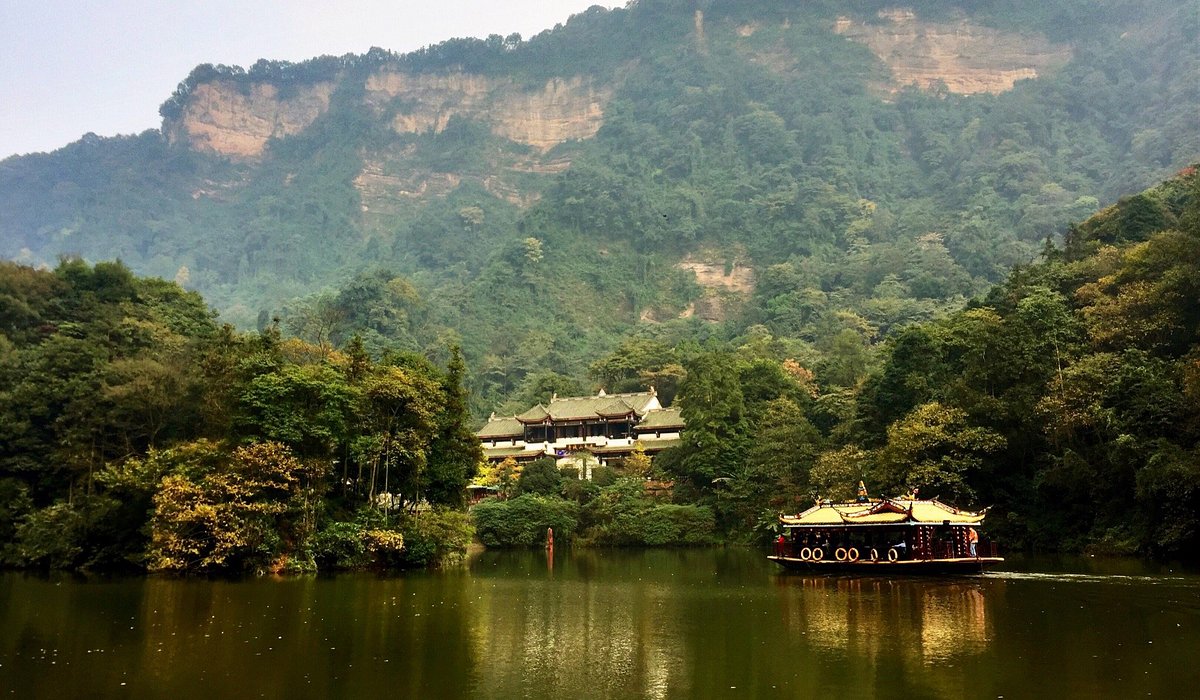
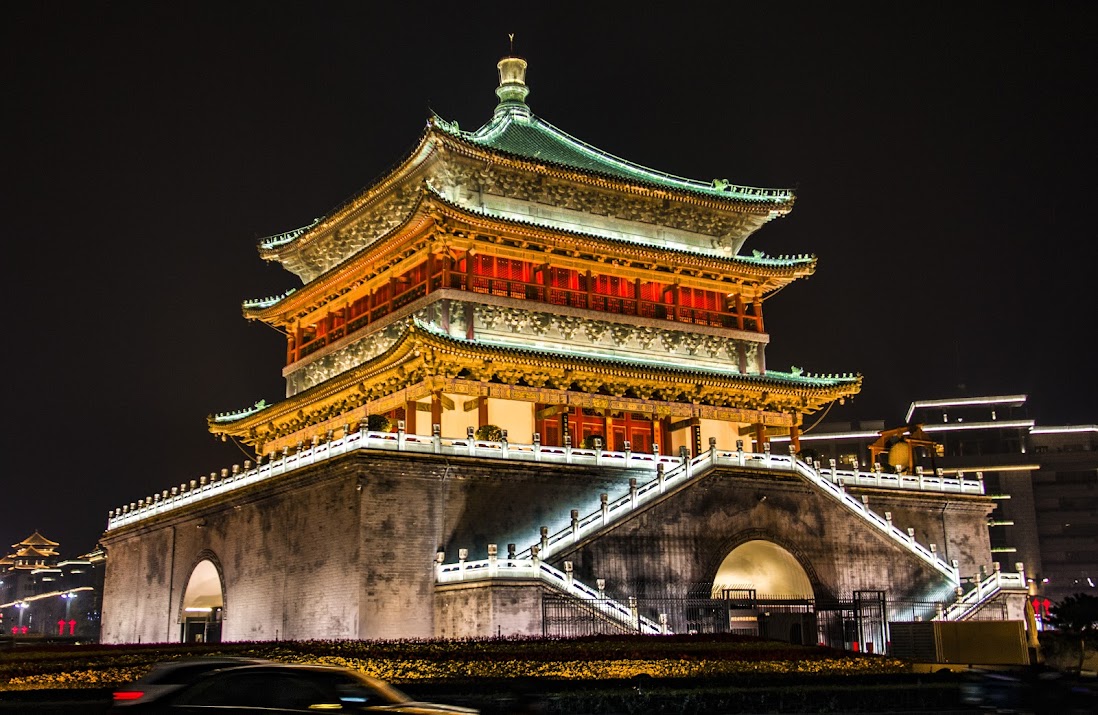
⚡ The TL;DR Verdict
If you're chasing authentic Sichuan spice, adorable pandas, and a laid-back, modern vibe, Chengdu is your city, budget around ¥300-600 ($45-90) a day. But if ancient history, epic city walls, and the iconic Terracotta Army are non-negotiable, Xi'an calls your name, with a similar daily budget of ¥300-550 ($45-80).
- Choose Chengdu: For foodies, panda lovers, and those seeking a relaxed city with great nightlife and easy access to nature. It's more modern and less historically intense.
- Choose Xi An: For history buffs, culture vultures, and anyone who wants to walk through millennia of Chinese heritage, especially the Terracotta Warriors and ancient city walls.
- Choose Both: If you have 7+ days and want a comprehensive Central China experience. High-speed rail connects them in about 3.5-4 hours, making a combined trip very feasible and rewarding.
Quick Comparison
| Category | Chengdu | Xi An | Winner |
|---|---|---|---|
| Food & Drink | Sichuan's spicy heart, famous for hotpot, street food, and unique local delicacies. A culinary paradise. | Home to Xi'an's Muslim Quarter, known for unique Northwestern Chinese and Halal cuisine, like roujiamo and biang biang mian. | Chengdu |
| Culture & History | A relaxed tea culture, Three Kingdoms history, and the modern charm of a creative city. Home to giant pandas. | An ancient capital with 13 dynasties, home of the Terracotta Army, city walls, and a rich Silk Road heritage. | Xi An |
| Cost of Travel | Generally affordable for food and transport, mid-range for accommodation. Daily budget around $45-90. | Similar to Chengdu, with budget-friendly food and hostels, but some attractions can add up. Daily budget around $45-80. | Tie |
| Getting There & Around | Major international hub (CTU, TFU) with excellent high-speed rail connections. Extensive metro system. | Well-connected via Xi'an Xianyang International Airport (XIY) and high-speed rail. Good metro network. | Chengdu |
| Nightlife & Entertainment | Lively bar streets, modern clubs, KTV, and a more relaxed 'tea house culture' by night. | More traditional evening activities, some modern bars around the Bell Tower, but less intense than Chengdu. | Chengdu |
| Nature & Day Trips | Gateway to stunning natural beauty including Leshan Giant Buddha, Emei Shan, and Dujiangyan Panda Valley. | Known for the breathtaking Mount Hua, and close proximity to Mount Lishan and the Terracotta Warriors. | Chengdu |
| Accommodation | Wide range from budget hostels to luxury hotels, including unique boutique options near cultural sites. | Good selection of modern hotels, international chains, and traditional guesthouses near the Bell Tower and Muslim Quarter. | Tie |
| Solo Travel | Very safe, easy to navigate, and social hostels make meeting people simple. Food is great for solo dining. | Safe and navigable, with historical sites making for contemplative solo exploration. Hostels are good for meeting others. | Chengdu |
| Shopping | Modern luxury malls, trendy fashion districts, and traditional artisan crafts. | Traditional markets in the Muslim Quarter, some modern malls, and Silk Road souvenirs. | Chengdu |
| Weather & Seasons | Humid and foggy year-round, mild winters, hot and rainy summers. Best in spring/autumn. | Four distinct seasons; hot summers, cold winters, and dry. Best in spring/autumn for pleasant temperatures. | Xi An |
🍜 Food & Drink
Hands down, Chengdu is a foodie's pilgrimage. It's the undisputed capital of Sichuan cuisine, a UNESCO City of Gastronomy. Forget what you think you know about 'spicy' until you've had authentic Chengdu hotpot, where the numbing mala (麻辣) sensation becomes an addiction. Must-tries include mapo tofu, dan dan noodles (¥10-20), and dragon抄手 (chǎoshǒu - wontons). The street food scene around Jinli Ancient Street or Kuanzhai Alley is buzzing, offering everything from rabbit head (¥25-40) to skewered delights. Even casual local eateries will blow your mind. Xi'an's food scene, centered around the vibrant Muslim Quarter, offers a completely different, equally delicious experience with its unique Halal and Northwestern Chinese flavors. Roujiamo (Chinese hamburger, ¥15-25), biang biang mian (thick, hand-pulled noodles, ¥20-35), and paomo (bread soaked in lamb soup) are essential. It's fantastic, but Chengdu's sheer variety and global reputation for its fiery cuisine give it the edge. "Chengdu food changed my life, seriously. I still dream about that hotpot, nothing else compares." – u/SichuanSpiceLover
Winner takeaway
- Winner: Chengdu
- Why: Chengdu's depth, variety, and global renown for its spicy, flavorful Sichuan cuisine make it a clear winner for food enthusiasts.
- Who this matters for: Foodies, adventurers willing to try new flavors, and anyone who loves spicy food.
🏛️ Culture & History
This is where Xi'an truly shines. As one of China's Four Great Ancient Capitals, its historical significance is unparalleled. The star attraction, the Terracotta Army (秦始皇兵马俑), is a breathtaking UNESCO World Heritage site and an absolute must-see, located about an hour outside the city. Entry is ¥120 ($17). Within the city, you can cycle atop the impeccably preserved Ancient City Wall (西安城墙, ¥54, bike rental ¥45 for 2 hours), visit the Big Wild Goose Pagoda (大雁塔) and its musical fountain, and explore the Drum Tower and Bell Tower. Xi'an was also the starting point of the Silk Road, which you can feel in its architecture and the vibrant Muslim Quarter. Chengdu, while having its own rich history (especially from the Three Kingdoms period) and a charming traditional tea house culture, simply cannot compete with the sheer volume and grandeur of Xi'an's historical treasures. Chengdu offers a more contemporary cultural experience, focused on relaxation and modern art, with the iconic Giant Panda Breeding Research Base (¥58) being its biggest draw. "Xi'an felt like stepping back in time, the city wall at sunset was just surreal. Pandas are cool, but Terracotta Warriors are next level history." – u/AncientExplorer99
Winner takeaway
- Winner: Xi An
- Why: Xi'an's profound historical significance, epitomized by the Terracotta Army and its ancient city walls, offers an unmatched journey into China's imperial past.
- Who this matters for: History buffs, archeology enthusiasts, and anyone seeking a deep dive into ancient Chinese civilization.
💰 Cost of Travel
Both Chengdu and Xi'an offer excellent value for money compared to mega-cities like Shanghai or Beijing. For a budget traveler, you can easily find hostel dorms for ¥50-100 ($7-14) in both cities. Mid-range hotels are typically ¥200-400 ($28-55). Street food and local restaurants are incredibly cheap; a filling meal can be had for ¥20-50 ($3-7). Transportation via metro or buses is also very economical, usually ¥2-5 per ride. The main difference in cost might come from attractions. Chengdu's main draws like the Panda Base (¥58) and Leshan Giant Buddha (¥80-90) are moderately priced. Xi'an's Terracotta Army (¥120) is a bit pricier, but undeniably worth it. Day trips to Mount Hua in Xi'an can also add up with cable car fees. Overall, a daily budget of ¥300-600 ($45-90) for a comfortable trip is realistic for both. Neither city significantly outprices the other. "Honestly, both cities are super budget-friendly if you eat local. I spent less in Xi'an but that's because I ate roujiamo for every meal." – u/BudgetBackpacker
Winner takeaway
- Winner: Tie
- Why: Both cities offer remarkable value for money, with similar pricing for accommodation, food, and local transportation.
- Who this matters for: Budget travelers, backpackers, and anyone conscious of travel expenditures.
✈️ Getting There & Around
Chengdu benefits from having two major international airports: Chengdu Shuangliu International Airport (CTU) and the newer, massive Chengdu Tianfu International Airport (TFU), making it a major gateway into Southwest China. Flights from Beijing or Shanghai typically cost ¥500-1000 ($70-140) and take around 2.5 hours. High-speed rail connections are extensive, linking to Xi'an in about 3.5-4 hours (¥260-320), and to Chongqing in just 1.5 hours. Within Chengdu, the metro system is modern, efficient, and covers most major attractions, with fares typically ¥2-7. Xi'an Xianyang International Airport (XIY) is also a significant hub, especially for domestic flights, with similar flight times and costs from major Chinese cities. Its metro system is equally efficient for navigating the city. The slight edge goes to Chengdu due to its slightly more developed dual-airport infrastructure which offers more international routes, and its central location making it a great jumping-off point for other Sichuan provinces. "Getting around Chengdu was a breeze, the metro goes everywhere you need, and the new airport is seriously impressive." – u/ChinaTravelerExpert
Winner takeaway
- Winner: Chengdu
- Why: Chengdu's dual international airport system and robust, expanding metro network slightly simplify arrivals and intra-city travel.
- Who this matters for: International travelers, those prioritizing convenience, and anyone planning to visit other parts of Sichuan.
🌃 Nightlife & Entertainment
Chengdu is well-known for its vibrant and diverse nightlife. Lan Kwai Fong (兰桂坊) and Jiuyanqiao (九眼桥) are bustling areas packed with clubs, bars, and KTV (karaoke) lounges that stay open late. You'll find everything from trendy cocktail bars to lively dance clubs, catering to both locals and expats. Prices for a beer can range from ¥25-50 ($3.50-7) depending on the venue. Beyond the typical party scene, Chengdu also offers more laid-back entertainment, such as traditional Sichuan opera performances (¥180-300) that often include face-changing acts, and countless tea houses where locals gather for mahjong and conversation until late. Xi'an, while having some modern bars and pubs, particularly around the Bell Tower area and Gaoxin District, generally has a more subdued evening atmosphere. The Muslim Quarter remains active with food stalls into the night, and you can enjoy cultural shows like the Tang Dynasty Show (¥200-500), but it lacks the dynamic, varied club and bar scene of Chengdu. "Chengdu's nightlife surprised me! So many cool bars and clubs, way more lively than I expected. Xi'an was quieter after dinner." – u/PartyAnimalAbroad
Winner takeaway
- Winner: Chengdu
- Why: Chengdu boasts a more diverse and energetic nightlife, with abundant modern clubs, bars, and KTV options alongside traditional evening entertainment.
- Who this matters for: Younger travelers, social butterflies, and those who enjoy a lively evening scene.
🏞️ Nature & Day Trips
Chengdu offers an incredible array of accessible and diverse day trips focusing on both natural beauty and cultural heritage. The majestic Leshan Giant Buddha (乐山大佛), a UNESCO World Heritage site carved into a cliff face, is a must-see and easily reachable by high-speed train in about an hour (¥54). From Leshan, you can continue to the sacred Buddhist mountain Emei Shan (峨眉山), offering stunning scenery, temples, and monkeys, though it's often a two-day trip. Closer to Chengdu, the Dujiangyan Panda Valley (都江堰熊猫谷) provides a more intimate panda experience than the city base, and the ancient Dujiangyan Irrigation System (都江堰) is an engineering marvel. Xi'an's primary natural draw is the spectacular Mount Hua (华山), famous for its challenging hikes and incredible views, about 2 hours by high-speed rail. It's a full-day, often strenuous, adventure (entrance ¥160, cable car ¥80-140 each way). While Mount Hua is undeniably epic, Chengdu's surrounding region offers a broader range of natural and cultural day trip options that feel more integral to a general travel itinerary. "Chengdu's day trip game is strong. Leshan and Emei Shan were incredible, totally different vibes but both amazing, and so easy to get to." – u/MountainExplorer
Winner takeaway
- Winner: Chengdu
- Why: Chengdu provides a more diverse and easily accessible range of natural and cultural day trips, including iconic UNESCO sites.
- Who this matters for: Nature lovers, hikers, and those seeking iconic cultural sites beyond the city.
🏨 Accommodation
Both Chengdu and Xi'an offer excellent accommodation options to suit every budget and style. For backpackers, both cities have a thriving hostel scene, with dorm beds typically ranging from ¥50-100 ($7-14) in well-located areas like Chengdu's Wuhou District or Xi'an's near the Bell Tower. Mid-range hotels (¥200-400/$28-55) are plentiful and often include modern amenities and good service. Luxury travelers will find international chains like the Grand Hyatt or Ritz-Carlton in both cities, with rooms typically starting from ¥800-1500 ($110-210). Chengdu might have a slight edge in terms of trendy boutique hotels and guesthouses tucked away in areas like Kuanzhai Alley, offering a more 'local' chic experience. Xi'an offers more traditional guesthouses, especially around the Muslim Quarter, providing a historical ambiance. Ultimately, you'll find comfortable and well-located lodging in either city without much difficulty. "I stayed in a super cute guesthouse near Kuanzhai Alley in Chengdu, really felt local. Xi'an also had plenty of good, affordable options near the Drum Tower." – u/HotelHopper
Winner takeaway
- Winner: Tie
- Why: Both destinations provide a comprehensive and quality selection of accommodation types, from budget hostels to luxury hotels, catering to all travelers.
- Who this matters for: All travelers, as both cities offer great choices regardless of budget or preference.
🚶♀️ Solo Travel
Chengdu is a fantastic city for solo travelers. It's incredibly safe, and locals are generally friendly and accustomed to tourists. The metro system is easy to use, and ride-sharing apps (Didi) are readily available. The food scene is perfect for solo exploration – you can pop into a noodle shop or try street food without feeling awkward. Hostels like 'Lazy Bones Hostel' or 'Mix Hostel' are known for their social atmosphere, making it easy to meet fellow travelers for day trips or evening outings. The relaxed pace of life and tea house culture also lends itself well to solo contemplation. Xi'an is equally safe and navigable, and its historical sites like the City Wall and Terracotta Army are excellent for self-guided exploration. Hostels around the Bell Tower also provide ample opportunities to connect with other travelers. However, Chengdu's generally more modern, laid-back, and slightly more international vibe, coupled with its easier access to diverse social activities (from tea houses to lively bars), gives it a slight edge for those looking for a blend of exploration and social interaction. "As a solo female traveler, Chengdu felt super welcoming and easy. Met so many cool people at my hostel and never felt unsafe, even at night." – u/SoloExplorerGirl
Winner takeaway
- Winner: Chengdu
- Why: Chengdu's relaxed atmosphere, social hostel scene, and ease of navigation make it slightly more conducive to solo interaction and comfort.
- Who this matters for: Solo travelers looking for ease, safety, and opportunities to connect with other travelers.
🛍️ Shopping
Chengdu offers a more diverse and dynamic shopping experience. For high-end luxury and international brands, areas like Taikoo Li (太古里) and IFS (International Finance Square) are world-class, featuring stunning architecture and a wide array of fashion, electronics, and lifestyle stores. These areas are not just for shopping but also for people-watching and enjoying trendy cafes. For more traditional souvenirs and artisan crafts, Jinli Ancient Street (锦里古街) offers local handicrafts, Sichuan embroidery, and tea sets (¥50-300). Xi'an also has modern shopping malls like Kaiyuan Mall and Luomashi Pedestrian Street, especially around the Bell Tower, offering mainstream brands. However, its most unique shopping experience lies within the bustling Muslim Quarter, where you can haggle for traditional handicrafts, calligraphy, spices, and unique snacks. While the Muslim Quarter offers a unique cultural shopping experience, Chengdu's blend of ultra-modern luxury, trendy boutiques, and traditional crafts provides a broader appeal. "Chengdu's Taikoo Li is insane, felt like a futuristic outdoor mall with all the cool brands. Xi'an's markets were fun for souvenirs but not as much for general shopping." – u/ShopaholicTraveler
Winner takeaway
- Winner: Chengdu
- Why: Chengdu offers a superior blend of high-end luxury shopping, trendy fashion districts, and traditional craft markets.
- Who this matters for: Fashion enthusiasts, luxury shoppers, and those seeking a modern retail experience.
☀️ Weather & Seasons
Xi'an generally offers a more varied and often more pleasant climate, experiencing four distinct seasons. Spring (April-May) and Autumn (September-October) are ideal, with comfortable temperatures ranging from 15°C to 25°C (59°F-77°F), clear skies, and less humidity, perfect for exploring outdoor sites like the Terracotta Army and the City Wall. Summers (June-August) can be hot, often exceeding 30°C (86°F), but less humid than Chengdu. Winters (December-February) are cold, with temperatures often below freezing, and occasional snow, but the air is generally dry and crisp. Chengdu, on the other hand, is notorious for its persistent humidity and often cloudy, foggy skies, especially in winter. It has milder winters (rarely freezing) but hot, very humid, and rainy summers, with temperatures frequently above 30°C (86°F). Spring and autumn are still the best times to visit Chengdu, but you'll likely encounter more overcast days. The famous 'Sichuan fog' can obscure views, particularly on day trips to places like Leshan. "Visiting Xi'an in October was perfect, crisp air and sunny days for the wall. Chengdu in summer was a bit of a sweaty mess with the humidity, even for pandas." – u/WeatherWiseWanderer
Winner takeaway
- Winner: Xi An
- Why: Xi'an's clearer skies and distinct, drier seasons, particularly pleasant springs and autumns, offer a more comfortable travel experience for most.
- Who this matters for: Travelers sensitive to humidity, those preferring clear skies for photography, and anyone planning outdoor activities.
❓ Frequently Asked Questions
Which city is better for a first-time visitor to China?
For a first-time visitor, Xi'an often feels more 'quintessentially Chinese' due to its immense historical significance and iconic landmarks like the Terracotta Army. Chengdu offers a unique, relaxed, and modern Chinese experience, but Xi'an provides a stronger connection to the country's ancient past, which many first-timers seek.
Can I see pandas in Xi'an?
No, you cannot see giant pandas in Xi'an. Chengdu is the heart of panda conservation. The Giant Panda Breeding Research Base and the Dujiangyan Panda Valley are located near Chengdu and are the best places in the world to see these incredible animals.
What's the best way to travel between Chengdu and Xi'an?
The high-speed rail (G-train) is by far the best option. It's efficient, comfortable, and takes approximately 3.5 to 4 hours between Chengdu East Station and Xi'an North Station. Tickets typically cost around ¥260-320 ($36-45) for a second-class seat. Flights are also an option but often take longer door-to-door once airport transit is factored in.
Is English widely spoken in either city?
In major tourist areas, hotels, and international restaurants in both cities, you'll find some English speakers. However, outside these areas, English proficiency is limited. It's highly recommended to have a translation app (like Google Translate or Baidu Translate) and a VPN for Google services, or learn some basic Mandarin phrases.
Which city is more authentic?
Both cities offer authentic experiences but in different ways. Xi'an provides an authentic look at ancient China and its Silk Road heritage, especially in the Muslim Quarter. Chengdu offers an authentic dive into laid-back Sichuanese culture, its spicy culinary traditions, and a distinct modern Chinese urban lifestyle. Neither is more 'authentic' overall, just different facets of China.
What should I pack for a trip to Chengdu vs Xi'an?
For both, comfortable walking shoes are essential. In Chengdu, anticipate humidity year-round and bring layers, especially for the cooler (but not freezing) winters and rainy summers. In Xi'an, pack for four distinct seasons: light clothing for hot summers, warm layers and a coat for cold winters, and moderate clothing for pleasant spring/autumn. Always have an umbrella or raincoat.
Are these cities safe for tourists?
Yes, both Chengdu and Xi'an are incredibly safe for tourists, even for solo travelers. Violent crime is rare. Standard precautions against pickpocketing in crowded areas, especially markets, are advisable, but generally, you can explore freely and feel secure.
What local dishes are absolute must-tries in each city?
In Chengdu, you absolutely must try Hotpot (火锅), Mapo Tofu (麻婆豆腐), Dan Dan Noodles (担担面), and perhaps some Rabbit Head (兔头) if you're adventurous. In Xi'an, essential dishes include Roujiamo (肉夹馍 - Chinese hamburger), Biang Biang Mian (油泼面 - hand-pulled noodles), and Yangrou Paomo (羊肉泡馍 - lamb bread soup).
Ready to plan your China trip?
Get a free custom itinerary for Chengdu, Xi An, or both — built from real traveler insights.
🎟️ Book Tours & Experiences
Hand-picked tours and activities for both destinations — book with free cancellation
Experiences via Viator — free cancellation on most tours