How we built this comparison
This page combines traveler discussion patterns, published price ranges, flight schedules, and seasonal data to help you decide between Chennai and Mumbai.
- Reviewed 50+ Reddit threads from r/travel, r/solotravel, r/India, r/Chennai, r/Mumbai, r/IndianFood for traveler sentiment and specific advice.
- Verified costs and logistics against current booking platforms (e.g., MakeMyTrip, Booking.com, Skyscanner) and local price estimates.
- Cross-referenced seasonal patterns and weather data from meteorological sources to provide accurate climate advice.

⚡ The TL;DR Verdict
For those seeking deep cultural immersion, incredible South Indian food, and a more relaxed pace with a tighter budget, Chennai is your winner (expect INR 2000-4000 / $25-50 daily). If you crave vibrant nightlife, diverse global cuisine, cinematic glamour, and don't mind a higher price tag and relentless energy, Mumbai is your destination (budget INR 3500-7000 / $40-85+ daily).
- Choose Chennai: Pick Chennai if you prioritize ancient Dravidian culture, serene temple visits, authentic South Indian cuisine, and a calmer, more budget-friendly experience. It's ideal for cultural explorers and those looking to unwind.
- Choose Mumbai: Opt for Mumbai if you're drawn to India's financial and entertainment capital. It offers unparalleled nightlife, diverse culinary scenes, iconic colonial architecture, and a fast-paced, cosmopolitan vibe for urban adventurers.
- Choose Both: Consider doing both if you have at least 10-14 days in India and want to experience the stark contrast between South and West India. A direct flight takes about 1.5-2 hours and costs INR 3000-6000 ($35-70), making it an easy hop.
Quick Comparison
| Category | Chennai | Mumbai | Winner |
|---|---|---|---|
| Food & Drink | Authentic, rich South Indian flavors; idli, dosa, filter coffee. Less alcohol-centric. | Diverse street food, global cuisine, Parsi food. Vibrant bar and cafe scene. | Tie |
| Nightlife | More subdued, pub-focused, earlier closing times. Fewer options. | Vibrant, late-night clubs, rooftop bars, live music. India's party capital. | Mumbai |
| Culture & History | Ancient Dravidian temples, colonial architecture, traditional arts. Deep South Indian heritage. | Colonial grandeur, Art Deco, Bollywood, vibrant arts scene. More recent history. | Chennai |
| Costs | Generally more affordable for food, transport, and accommodation. Better value. | Significantly higher costs, especially for accommodation and upscale dining/entertainment. | Chennai |
| Getting Around | Autos, buses, growing metro. Less congested than Mumbai but traffic can be challenging. | Local trains (lifeline), taxis, autos. Efficient but extremely crowded public transport. | Mumbai |
| Accommodation | Good value hotels, guesthouses. More spacious options for the price point. | Higher prices, limited space. Budget options are often basic; mid-range is pricey. | Chennai |
| Day Trips | Mahabalipuram, Pondicherry. Rich cultural and historical sites within easy reach. | Elephanta Caves, Lonavala/Khandala, Alibaug. Mix of history, nature, and beaches. | Chennai |
| Weather & Seasons | Hot and humid year-round; monsoon Oct-Dec. Best Oct-Mar. | Hot and humid year-round; monsoon June-Sept. Best Nov-Feb. | Tie |
| Safety | Generally safe, but women should exercise caution at night. Fewer late-night options. | Generally very safe, especially for women, even at night. Crowds provide a sense of security. | Mumbai |
| Beaches | Marina Beach, Besant Nagar Beach. Expansive, local life, but not for swimming. | Juhu Beach, Chowpatty Beach. Bustling, street food, more for atmosphere than relaxation. | Chennai |
🍽️ Food & Drink
When it comes to food, both cities are powerhouses but offer vastly different experiences. Chennai is the undisputed champion of authentic South Indian cuisine. You'll find incredible dosas, idlis, vadas, and traditional thalis at places like Saravana Bhavan or Murugan Idli Shop for as little as INR 100-300 ($1.20-3.60). Filter coffee here is an art form. Mumbai, on the other hand, is a melting pot. Its street food culture (vada pav, pav bhaji, bhel puri) is legendary and affordable (INR 50-200 / $0.60-2.40). Beyond that, Mumbai offers a vast array of international cuisines, high-end dining, and unique Parsi cafes like Britannia & Co. for Berry Pulao. While Chennai offers depth in one specific culinary tradition, Mumbai offers incredible breadth. It truly depends on what you're craving. "Seriously, nothing beats a proper South Indian breakfast in Chennai, but Mumbai's street food game is just next level, especially late night."
Winner takeaway
- Winner: Tie
- Why: It's a tie because Chennai excels in traditional South Indian fare, while Mumbai offers unparalleled diversity and street food culture.
- Who this matters for: This matters to all travelers, but particularly foodies who either want deep regional immersion or broad culinary exploration.
🌃 Nightlife
Mumbai absolutely crushes Chennai in the nightlife department. Mumbai is often called India's 'city that never sleeps' for a reason. You'll find everything from high-energy clubs in Bandra and Lower Parel like Tryst and Koko, to chic rooftop bars overlooking the city skyline such as AER Bar & Lounge at Four Seasons. Drinks can be pricey, with cocktails averaging INR 600-1000 ($7-12) and cover charges for clubs often INR 1000-2000 ($12-24) on weekends. Chennai's nightlife is significantly more low-key. It has a growing pub scene, with places like Watson's and Pitcher's Club, mostly concentrated in hotels or specific areas, but they generally close earlier (around 11 PM-12 AM). It's more about relaxed drinks than dancing the night away. "Mumbai's nightlife is just different, man. You can literally find a party any night of the week. Chennai's more of a chill beer kind of vibe."
Winner takeaway
- Winner: Mumbai
- Why: Mumbai offers a far more dynamic, diverse, and late-night nightlife scene compared to Chennai's relatively subdued options.
- Who this matters for: This is crucial for young travelers, party-goers, and anyone looking for evening entertainment beyond dining.
🏛️ Culture & History
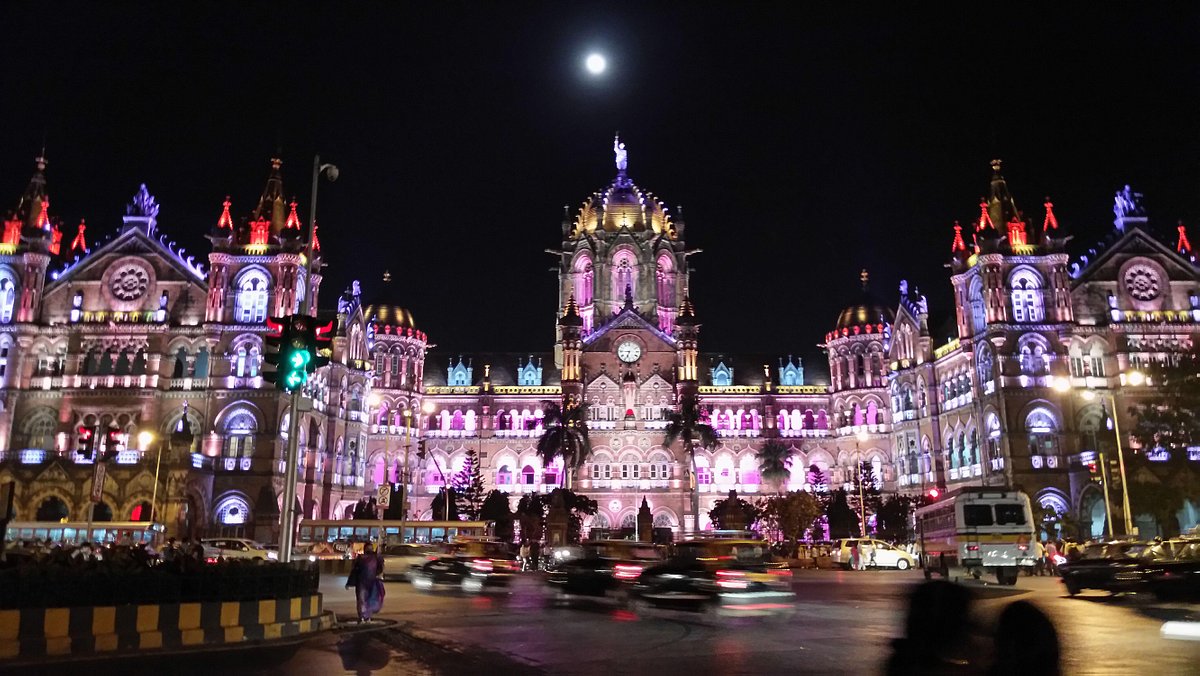
Chennai, the 'Gateway to South India,' offers a deep dive into ancient Dravidian culture and heritage. You can explore stunning architectural marvels like the Kapaleeshwarar Temple (entry free, donations welcome) in Mylapore, dating back to the 7th century, or the San Thome Basilica built over the tomb of St. Thomas. The nearby UNESCO World Heritage site of Mahabalipuram, with its Shore Temple and Five Rathas (entry INR 600 / $7.20), is an essential day trip. Mumbai's historical narrative is largely colonial, with iconic structures like the Gateway of India, Chhatrapati Shivaji Maharaj Terminus (CSTM), and the expansive Art Deco buildings along Marine Drive. It also offers a vibrant contemporary art scene and the undeniable allure of Bollywood. While Mumbai's history is grand, Chennai's connection to millennia-old traditions feels more profound and immersive. "Chennai just feels more connected to ancient India, especially with all the temples and classical music. Mumbai's history is impressive, but it's a different kind of vibe."
Winner takeaway
- Winner: Chennai
- Why: Chennai offers a richer and more accessible immersion into ancient South Indian Dravidian culture and spiritual heritage.
- Who this matters for: This is vital for history buffs, spiritual seekers, and travelers interested in ancient civilizations and traditional arts.
💰 Costs
If budget is a primary concern, Chennai is significantly friendlier on the wallet. A good local meal in Chennai can be had for INR 100-300 ($1.20-3.60), and mid-range accommodation starts around INR 1500-3000 ($18-36) per night. Auto-rickshaw rides are metered and relatively cheap. Daily expenses for a comfortable traveler might range from INR 2000-4000 ($25-50). Mumbai, being India's financial capital, is noticeably more expensive across the board. Street food is cheap, but dining out in restaurants can easily cost INR 800-1500 ($10-18) per person. Mid-range hotels typically start from INR 3000-6000 ($36-72+), and budget options are often cramped. Transport, especially taxis, adds up. Expect a daily budget of INR 3500-7000 ($40-85+). "My Chennai trip felt so much cheaper than Mumbai, especially for hotels. I could get a decent AC room for what a dorm bed cost in Bandra."
Winner takeaway
- Winner: Chennai
- Why: Chennai offers a consistently lower cost of living and travel, providing better value for money across most categories.
- Who this matters for: This is paramount for budget travelers, backpackers, and anyone looking to extend their trip without breaking the bank.
🚎 Getting Around
Getting around in both cities has its quirks. Chennai relies heavily on auto-rickshaws (insist on meters or use ride-hailing apps like Ola/Uber for transparency) and an expanding metro system that is clean and efficient for connecting key areas. Buses are extensive but can be confusing for tourists. While traffic can be dense, it's generally less chaotic than Mumbai. Mumbai's local train network is its lifeline – incredibly cheap (a few rupees per ride) and efficient for covering long distances, but it is notoriously, incredibly crowded, especially during peak hours. Tourists might find it overwhelming. Taxis (iconic black and yellow) and auto-rickshaws are plentiful but can be caught in traffic. Ride-hailing apps are popular here too. Mumbai wins because its public transport network, despite the crowds, offers unparalleled reach and efficiency for navigating such a vast city. "Mumbai locals are insane, but once you get the hang of it, you can get anywhere for like 10 rupees. Chennai traffic just feels like a standstill sometimes."
Winner takeaway
- Winner: Mumbai
- Why: Mumbai's extensive and incredibly cheap local train network, despite its crowds, provides superior connectivity and reach across the vast city.
- Who this matters for: This is important for independent travelers who want to explore widely and economically, and those comfortable with crowded public transport.
🏨 Accommodation
Accommodation in Chennai generally offers better value for money. You can find well-maintained, comfortable mid-range hotels like The Raintree or Residency Towers for INR 2500-4000 ($30-48) per night, often with good amenities. Budget guesthouses and clean hostels are also readily available, starting from INR 800-1500 ($10-18). Chennai also has a good selection of boutique hotels and serviced apartments. Mumbai, due to its status as a major economic hub and land constraints, has significantly higher accommodation costs. Even basic guesthouses or hostels in areas like Colaba or Bandra can start from INR 1500-2500 ($18-30) for a dorm bed or very small room. Mid-range hotels often start from INR 4000-7000 ($48-85+), and space is usually at a premium. "I was shocked how much more I got for my money in Chennai compared to Mumbai. A decent room in Chennai was like half the price of a shoebox in Mumbai."
Winner takeaway
- Winner: Chennai
- Why: Chennai provides more affordable and spacious accommodation options across all price points, offering better overall value.
- Who this matters for: This is crucial for budget-conscious travelers, families, and anyone who values comfort and space without overspending.
🗺️ Day Trips
Chennai boasts superior day trip options, especially for those interested in history and culture. The standout is Mahabalipuram, a UNESCO World Heritage site just 60 km south (1.5-2 hours by car/bus), famous for its ancient rock-cut temples and Shore Temple. A taxi for the day might cost INR 2000-3000 ($24-36). Another excellent option is Pondicherry (formerly Pondichéry), a charming former French colonial settlement about 150 km away (3 hours by car), offering unique architecture, cafes, and a relaxed vibe. Mumbai's most popular day trip is the Elephanta Caves (entry INR 600 / $7.20), a UNESCO site accessible by ferry from Gateway of India (INR 250-300 / $3-3.60 return). Other options like the hill stations of Lonavala/Khandala or the beaches of Alibaug are popular but involve longer travel times or aren't as culturally significant. Chennai's day trips offer a deeper historical and cultural punch. "Mahabalipuram and Pondicherry from Chennai were easily the highlights of my whole South India trip. So much history and beauty packed close together."
Winner takeaway
- Winner: Chennai
- Why: Chennai offers more compelling and culturally rich day trip destinations that are easily accessible and historically significant.
- Who this matters for: This is ideal for travelers who enjoy exploring historical sites, cultural centers, and picturesque towns outside the main city.
☀️ Weather & Seasons
Both Chennai and Mumbai are coastal cities, meaning they share a generally hot and humid climate. Chennai experiences its primary monsoon from October to December, while Mumbai's monsoon runs from June to September. Outside of these rainy periods, both cities are typically hot. Chennai's peak pleasant season is from October to March, with average temperatures around 25-30°C (77-86°F), although humidity can still be high. Mumbai's best time to visit is from November to February, when temperatures are slightly cooler, around 20-30°C (68-86°F), and humidity is lower. If you're sensitive to heat, both can be challenging during summer (April-May). Neither city offers a truly 'cool' climate, so it's more about avoiding the heaviest rains and extreme humidity. "Honestly, both cities are humid as hell most of the year. Just avoid monsoon season for whatever city you pick, unless you like getting soaked."
Winner takeaway
- Winner: Tie
- Why: Both cities share similar hot, humid, and monsoon-affected climates, with specific 'best' seasons that are equally pleasant.
- Who this matters for: This matters to all travelers, especially those sensitive to heat, humidity, or who prefer avoiding heavy rainfall for sightseeing.
🛡️ Safety
Both Chennai and Mumbai are considered relatively safe for tourists in India, but Mumbai often gets the edge, particularly for solo female travelers. Mumbai has a reputation for being a city where women can feel safe even late at night, thanks to its bustling 24/7 nature and the sheer number of people always out and about. Public transport is generally safe, though crowded. Chennai is also safe during the day, with no major tourist-specific threats. However, once it gets dark, the streets can become quieter, and there are fewer people out, which might make some individuals feel less comfortable, especially in less-trafficked areas. As with any major city, common sense prevails: be aware of your surroundings, avoid isolated areas late at night, and use reputable transport. "As a solo female traveler, I felt way more comfortable walking around Mumbai at 10 pm than I ever did in Chennai after dark. Just a different vibe."
Winner takeaway
- Winner: Mumbai
- Why: Mumbai has a stronger reputation for general safety, especially for women at night, due to its vibrant, continuously active urban environment.
- Who this matters for: This is a key consideration for solo travelers, female travelers, and those who prioritize feeling secure exploring after dark.
🏖️ Beaches
Neither Chennai nor Mumbai are renowned for pristine, postcard-perfect beaches suitable for swimming and sunbathing like Goa or the Andaman Islands. However, if forced to choose, Chennai offers a slightly better beach experience. Chennai's Marina Beach is one of the longest urban beaches in the world, stretching for miles. While not ideal for swimming due to strong currents and pollution, it's fantastic for experiencing local life, taking long walks, and enjoying street food vendors in the evenings. Besant Nagar Beach (Bessie Beach) is cleaner and more popular with locals for a relaxed evening. Mumbai's Juhu Beach and Chowpatty Beach are iconic but are essentially bustling public spaces, famous for their street food stalls (like pav bhaji and kulfi for INR 50-200 / $0.60-2.40) and sunset views. They are incredibly crowded and not suitable for swimming. Chennai's beaches, while not perfect, offer more space and a slightly less chaotic experience. "Chennai's Marina Beach is huge, great for people-watching and just chilling, even if you can't really swim. Mumbai's beaches are more like giant food courts."
Winner takeaway
- Winner: Chennai
- Why: Chennai's beaches offer more expansive space and a slightly less crowded atmosphere, better suited for leisurely strolls and local experiences.
- Who this matters for: This matters for travelers who enjoy seaside strolls, people-watching, and local beach culture, rather than swimming or sunbathing.
❓ Frequently Asked Questions
Which city is better for shopping?
Mumbai generally offers a more diverse and high-end shopping experience, from designer boutiques in Bandra to sprawling malls and vibrant street markets like Colaba Causeway for fashion and souvenirs. Chennai excels in traditional silks, gold jewelry, and handicrafts, with specific areas like T. Nagar being famous for these specialties.
Is English widely spoken in both cities?
Yes, English is widely understood and spoken in both Chennai and Mumbai, especially in tourist areas, hotels, and among educated professionals. In Chennai, you'll also hear a lot of Tamil, and in Mumbai, Marathi and Hindi are dominant, but you'll have no trouble communicating in English.
Which city is better for art and architecture?
Chennai is exceptional for ancient Dravidian temple architecture and classical arts like Bharatanatyam. Mumbai shines with its grand colonial architecture (Victorian Gothic, Indo-Saracenic) and stunning Art Deco buildings, offering a different historical and aesthetic appeal, alongside a thriving contemporary art gallery scene.
What's the best way to travel between Chennai and Mumbai?
The most efficient way to travel between Chennai and Mumbai is by flight. It's a direct journey taking approximately 1.5 to 2 hours, with numerous daily flights available from airlines like IndiGo, Vistara, and SpiceJet, usually costing INR 3000-6000 ($35-70).
Are there any specific cultural etiquettes to be aware of?
In both cities, dress modestly, especially when visiting religious sites, covering shoulders and knees. Remove your shoes before entering temples or homes. Use your right hand for eating and giving/receiving items. Public displays of affection are generally frowned upon.
Which city is more family-friendly?
Both cities have family-friendly attractions. Chennai, with its calmer pace, beaches for strolling, and cultural sites like DakshinaChitra, might feel slightly more relaxed for families. Mumbai offers amusement parks, museums, and a wider variety of entertainment, but its crowds and fast pace can be overwhelming for some.
What are the local transportation options like for tourists?
In Chennai, auto-rickshaws (use apps like Ola/Uber for metered fares) and the metro are good. In Mumbai, local trains are the backbone (though very crowded), along with taxis and auto-rickshaws. Ride-hailing apps are available in both cities and recommended for convenience and fair pricing.
Which city is better for experiencing Bollywood?
Mumbai is the undisputed heart of Bollywood. You can visit film city (Film City Tours usually INR 800-1800 / $10-22), explore areas where stars live (like Bandra), and potentially catch a live shoot or spot celebrities. Chennai has its own Tamil film industry (Kollywood), but it's less accessible to tourists.
Ready to plan your India trip?
Get a free custom itinerary for Chennai, Mumbai, or both — built from real traveler insights.
🎟️ Book Tours & Experiences
Hand-picked tours and activities for both destinations — book with free cancellation
Experiences via Viator — free cancellation on most tours