How we built this comparison
This page combines traveler discussion patterns, published price ranges, flight schedules, and seasonal data to help you decide between Chiang Mai and Hoi An.
- Reviewed 100+ Reddit threads from r/travel, r/solotravel, r/thailandtourism, r/vietnamtravel, r/chiangmai, r/hoi_an.
- Verified costs and logistics against current booking platforms (e.g., Agoda, Grab, Google Flights).
- Cross-referenced seasonal patterns and weather data from meteorological sources.
⚡ The TL;DR Verdict
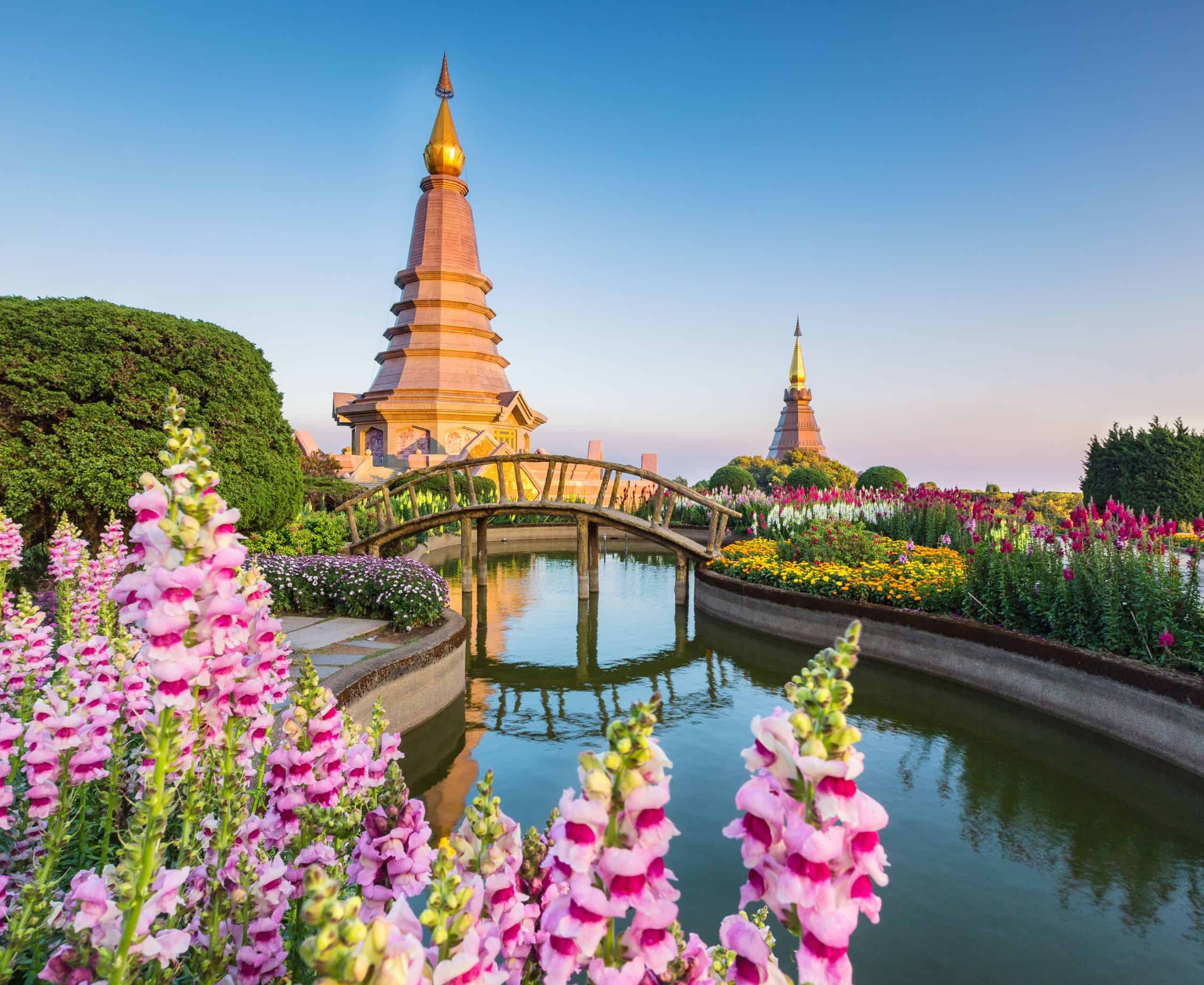
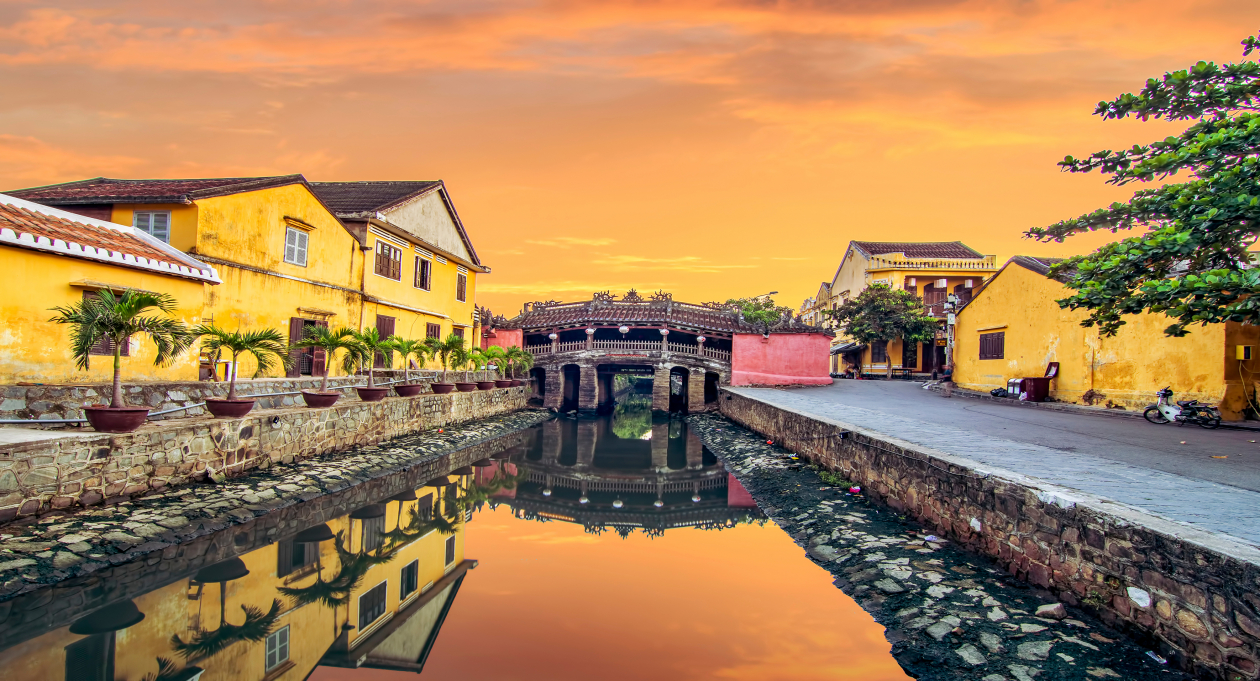
Chiang Mai is your go-to for spiritual serenity, lush mountains, incredible food, and a vibrant digital nomad scene, ideal for those on a daily budget of $30-60 USD. Hoi An offers picturesque lantern-lit streets, stunning beaches, bespoke tailoring, and a more intimate cultural experience, perfect for budgets ranging from $25-50 USD per day.
- Choose Chiang Mai: If you crave ancient temples, mountain treks, an established expat community, and arguably the best street food in Southeast Asia, with easy access to nature and animal sanctuaries.
- Choose Hoi An: If you dream of romantic riverside towns, custom clothes, sandy beaches just a bike ride away, unique Vietnamese culture, and a slightly slower pace of life.
- Choose Both: If you have 3+ weeks in Southeast Asia, starting in Chiang Mai (3-5 days) then flying to Vietnam (Danang or Hue for Hoi An, 3-4 days) offers a fantastic contrast between vibrant city, mountain, and coastal charm.
Quick Comparison
| Category | Chiang Mai | Hoi An | Winner |
|---|---|---|---|
| Food Scene | Northern Thai cuisine; legendary street food, cooking classes, abundant vegetarian/vegan options. | Central Vietnamese specialties; banh mi, cau lau, fresh seafood, riverside dining. | Chiang Mai |
| Culture & History | Ancient Lanna Kingdom heritage; hundreds of temples, traditional crafts, elephant sanctuaries. | UNESCO World Heritage site; ancient port town, lantern festivals, blend of cultures. | Tie |
| Nature & Scenery | Lush mountains, waterfalls, national parks, ethical elephant encounters, rice paddies. | Riverside beauty, nearby beaches (An Bang, Cua Dai), rice fields, Marble Mountains a short drive. | Chiang Mai |
| Nightlife & Socializing | Lively night bazaars, rooftop bars, live music, relaxed pubs, digital nomad meetups. | Charming riverside bars, quiet pubs, Old Town ambiance, less intense party scene. | Chiang Mai |
| Costs & Budget | Generally very affordable; street food, hostels, local transport are cheap. | Affordable, but can add up with tailoring and riverside dining; slightly cheaper local food. | Tie |
| Getting There & Around | Major airport (CNX) with regional connections. Easy to navigate by scooter, Grab, or red songthaews. | Near Da Nang airport (DAD). Best explored by foot or bicycle. Taxis/Grab for longer distances. | Chiang Mai |
| Accommodation | Wide range of options; budget hostels, boutique guesthouses, luxury resorts, digital nomad friendly. | Charming boutique hotels, homestays, resorts near the beach; smaller selection overall. | Chiang Mai |
| Day Trips & Excursions | Doi Inthanon, Sticky Waterfalls, Pai, elephant sanctuaries, cooking classes, hill tribe villages. | My Son Sanctuary, Marble Mountains, Da Nang city, Hue imperial city, Cham Islands. | Chiang Mai |
| Digital Nomad Vibe | Established hub, countless cafes, co-working spaces, strong community, affordable living. | Emerging scene, fewer dedicated spaces, growing community, pleasant work environment. | Chiang Mai |
| Weather & Best Season | Dry season (Nov-Feb) is ideal; hot season (Mar-May) intense; rainy season (Jun-Oct) lush but humid. | Dry season (Feb-May) is ideal; rainy season (Oct-Jan) can bring floods; hot/humid (Jun-Sep). | Hoi An |
| Shopping | Night Bazaar, Saturday/Sunday Walking Streets, artisan crafts, local markets, modern malls. | Tailoring, leather goods, lanterns, unique souvenirs, art galleries, local markets. | Chiang Mai |
🍜 Food Scene
Chiang Mai is a culinary paradise, especially for street food and Northern Thai specialties. Dishes like Khao Soi (creamy coconut curry noodles) are legendary, with local spots like Khao Soi Khun Yai serving bowls for 50-70 THB ($1.40-2 USD). You'll find incredible markets like Warorot Market and Saturday/Sunday Walking Streets brimming with affordable eats. Vegan and vegetarian options are plentiful, particularly around the Old City. Cooking classes are also a huge draw, often including market visits, costing around 800-1200 THB ($22-33 USD). Hoi An's food scene is delightful, focusing on Central Vietnamese dishes like Cau Lau (pork and noodle dish), White Rose dumplings, and the iconic Banh Mi, with Madam Khanh – The Banh Mi Queen offering a perfect sandwich for 20,000-30,000 VND ($0.80-1.20 USD). Riverside dining is charming, but prices can be slightly higher. While delicious, Hoi An's culinary range feels a bit more specialized compared to Chiang Mai's sprawling diversity. "Honestly, that Khao Soi in Chiang Mai changed my life, I still dream about it."
Winner takeaway
- Winner: Chiang Mai
- Why: Chiang Mai offers a wider, more diverse, and arguably more impactful street food experience, coupled with excellent cooking classes and dietary options.
- Who this matters for: Foodies, budget travelers, and anyone looking for an authentic culinary adventure.
🏛️ Culture & History
Both destinations are rich in culture and history, offering distinct but equally captivating experiences. Chiang Mai boasts over 300 temples, some dating back to the 13th century, like Wat Phra That Doi Suthep, Wat Chedi Luang, and Wat Phra Singh. The Lanna Kingdom history is palpable everywhere, and you can participate in monk chat sessions or visit traditional artisan villages. Hoi An, a UNESCO World Heritage site, is a beautifully preserved ancient trading port. Its Japanese Covered Bridge, Chinese Assembly Halls, and French colonial architecture showcase a unique blend of influences. Walking through the lantern-lit Old Town at night is like stepping back in time, especially during the monthly Lantern Festival. While Chiang Mai offers a deeper dive into ancient Buddhist traditions and jungle spirituality, Hoi An's living museum feel, with its accessible history and artisan shops, provides a different but equally profound cultural immersion. "Hoi An's Old Town at night feels magical, totally different vibe than the temples in CM but both blew me away."
Winner takeaway
- Winner: Tie
- Why: Both offer incredibly rich and distinct cultural and historical experiences, appealing to different facets of historical exploration.
- Who this matters for: History buffs, photographers, and those seeking spiritual or architectural beauty.
🌳 Nature & Scenery
Chiang Mai is undeniably superior for nature lovers, nestled in the mountainous region of Northern Thailand. Doi Suthep-Pui National Park is practically in its backyard, offering stunning viewpoints, the iconic Wat Phra That Doi Suthep, and various waterfalls like Huay Kaew. Further afield, Doi Inthanon National Park, Thailand's highest peak, provides breathtaking landscapes, royal pagodas, and lush trails. Ethical elephant sanctuaries such as Elephant Nature Park offer incredible, respectful interactions (expect to pay 2,500-6,000 THB / $70-165 USD for a full-day experience). The surrounding countryside is dotted with rice paddies, hot springs, and zip-lining adventures. Hoi An offers beautiful river views and tranquil rice paddies around its perimeter. Its proximity to An Bang Beach and Cua Dai Beach (a 15-20 minute bike ride, 30,000 VND / $1.20 USD for bike rental) is a huge plus for beach lovers, and the Marble Mountains are a popular day trip. However, it simply can't compete with the sheer scale and diversity of Chiang Mai's mountainous, jungle-rich environment. "If you're into hiking and proper nature, Chiang Mai wins hands down. The mountains are epic."
Winner takeaway
- Winner: Chiang Mai
- Why: Chiang Mai's location in the mountainous north provides a vast and diverse natural landscape with more opportunities for outdoor adventures.
- Who this matters for: Hikers, adventure seekers, nature photographers, and those interested in ethical animal encounters.
🍻 Nightlife & Socializing
Chiang Mai offers a more diverse and vibrant nightlife scene, catering to various tastes. The Night Bazaar is a bustling hub where you can shop, eat, and enjoy live music until late. Areas like Nimmanhaemin Road are popular with locals and expats, featuring trendy bars, cafes, and occasional club nights. Rooftop bars like Rise Bar at Akyra Manor offer great views, while numerous pubs and reggae bars around the Old City provide a more laid-back vibe. It's also easy to find social events and meetups for digital nomads and travelers. Hoi An's nightlife is charming but significantly more subdued. The Old Town comes alive with lanterns at night, and many cafes and riverside bars offer a relaxed atmosphere for drinks. Spots like Before & Now or The Deck House (at An Bang Beach) provide good cocktails and a chill vibe. However, it's not a party destination; most establishments close relatively early (around 10-11 PM). If you're looking for late-night clubs or an energetic party scene, Hoi An will disappoint. "Chiang Mai has way more options for a fun night out, whether you want to chill with a beer or find some live music. Hoi An is nice for a quiet drink by the river, but that's about it."
Winner takeaway
- Winner: Chiang Mai
- Why: Chiang Mai provides a broader range of nightlife options, from bustling markets to live music and trendy bars, appealing to a wider audience seeking social interaction.
- Who this matters for: Solo travelers, backpackers, social butterflies, and digital nomads.
💰 Costs & Budget
Both destinations are fantastic value for money, making it a tie. In Chiang Mai, you can easily get by on 1,000-1,500 THB ($28-42 USD) per day, staying in a decent hostel (200-400 THB / $5.50-11 USD), eating street food (50-80 THB / $1.40-2.20 USD per meal), and renting a scooter (200-250 THB / $5.50-7 USD per day). Activities like temple hopping are often free or very cheap (30-50 THB / ~$1 USD entry). Hoi An is also incredibly affordable. A budget traveler can manage on 700,000-1,200,000 VND ($28-48 USD) per day. Hostels average 150,000-300,000 VND ($6-12 USD), and local food like Banh Mi or a bowl of Pho costs 20,000-50,000 VND ($0.80-2 USD). Bicycle rentals are dirt cheap (30,000 VND / $1.20 USD per day). The main budget consideration in Hoi An is the temptation of tailoring – custom suits can range from 2,000,000-5,000,000 VND ($80-200 USD), and dresses 800,000-2,500,000 VND ($32-100 USD), which can quickly inflate your spending. Without tailoring, Hoi An might be marginally cheaper, but Chiang Mai offers more free activities. "Honestly, both are super cheap. I spent about the same in each, though I definitely blew more cash on clothes in Hoi An!"
Winner takeaway
- Winner: Tie
- Why: Both offer exceptional value for money, allowing travelers to enjoy a rich experience without breaking the bank, with slight cost variations depending on specific activities.
- Who this matters for: Budget travelers, long-term backpackers, and anyone seeking great value.
✈️ Getting There & Around
Chiang Mai is generally easier to get to and navigate within. Chiang Mai International Airport (CNX) has direct flights from major regional hubs like Bangkok (1h 15m, 1,000-2,500 THB / $28-70 USD), Singapore, Kuala Lumpur, and Hong Kong. Once there, the city is well-served by Grab (ride-hailing app, similar to Uber), ubiquitous red songthaews (shared taxis, 30-50 THB / $0.80-1.40 USD for short rides), and scooter rentals (200-250 THB / $5.50-7 USD per day). The Old City is walkable, but a scooter opens up so many nearby attractions. Hoi An doesn't have its own airport; you fly into Da Nang International Airport (DAD), which is about 30 km away. A taxi or Grab from Da Nang to Hoi An costs around 300,000-450,000 VND ($12-18 USD) and takes about 45 minutes. Within Hoi An's Old Town, you're best off walking or cycling, as much of it is pedestrian-only. Bicycles are widely available for rent (30,000 VND / $1.20 USD per day). While Hoi An's Old Town is charmingly walkable, the need to fly into a separate city and rely on transfers makes the initial journey a bit more complex. "Chiang Mai's just so easy. Land, Grab to your hostel, rent a scooter, and you're set. Hoi An takes a bit more coordination from Da Nang."
Winner takeaway
- Winner: Chiang Mai
- Why: Chiang Mai's direct airport access and established local transport infrastructure make it slightly more convenient for arrivals and getting around.
- Who this matters for: Independent travelers, those on tighter schedules, and scooter enthusiasts.
🛌 Accommodation
Chiang Mai offers a significantly broader and more diverse range of accommodation options to suit every budget and style. From lively hostels like Bodhi Tree Cafe & Hostel (200-400 THB / $5.50-11 USD) in the Old City to trendy boutique hotels in Nimmanhaemin like Akyra Manor Chiang Mai (3,500-7,000 THB / $95-190 USD), you'll find something. There are also countless guesthouses and Airbnb rentals, many with pools or dedicated co-working spaces, making it a haven for digital nomads. Hoi An's accommodation scene is equally charming but with a slightly smaller variety, focusing more on boutique hotels, homestays, and riverside villas within or close to the Old Town. Hotels like La Siesta Hoi An Resort & Spa (2,000,000-4,000,000 VND / $80-160 USD) offer luxury, while budget homestays (250,000-500,000 VND / $10-20 USD) provide local charm. Beach resorts near An Bang offer a different vibe. While Hoi An's options are beautiful and well-curated, Chiang Mai simply has more of everything, especially for budget travelers and those seeking long-term stays or specific amenities. "I found it easier to find a really good, cheap hostel with a pool in Chiang Mai. Hoi An had nice places but felt a bit pricier for the same quality."
Winner takeaway
- Winner: Chiang Mai
- Why: Chiang Mai provides a greater variety of accommodation types and price points, catering more effectively to diverse traveler needs, including long-term stays.
- Who this matters for: Budget travelers, digital nomads, and those seeking extensive options.
🗺️ Day Trips & Excursions
Chiang Mai is a clear winner for day trips, offering an incredible array of natural, cultural, and adventure excursions within easy reach. Doi Inthanon National Park, with its stunning waterfalls and the highest peak in Thailand, is a full-day adventure (tours 1,000-2,000 THB / $28-55 USD). The Bua Tong 'Sticky' Waterfalls (Namtok Bua Tong) provide a unique climbing experience. Many ethical elephant sanctuaries are just an hour or two away. For a multi-day trip, the bohemian town of Pai is a popular choice. Other options include zip-lining, white-water rafting, and visiting remote hill tribe villages. Hoi An also has compelling day trips, notably My Son Sanctuary, a UNESCO-listed complex of ancient Cham temples (entry 150,000 VND / $6 USD, tours ~400,000 VND / $16 USD). The Marble Mountains near Da Nang are a fascinating stop. Da Nang city itself offers beaches and modern attractions, and the imperial city of Hue is a popular, albeit longer, day trip (2-3 hours drive). The Cham Islands offer snorkeling and diving. While Hoi An's excursions are excellent, Chiang Mai's blend of nature, adventure, and culture provides a more extensive and diverse selection for day-trippers. "The sheer variety of day trips from Chiang Mai is wild. You can do mountains, waterfalls, elephants, or even Pai. Hoi An's trips are good but felt a bit limited in comparison."
Winner takeaway
- Winner: Chiang Mai
- Why: Chiang Mai offers a wider and more diverse range of day trip options, encompassing nature, adventure, and cultural experiences.
- Who this matters for: Adventurous travelers, nature enthusiasts, and those who enjoy exploring beyond the city limits.
💻 Digital Nomad Vibe
Chiang Mai has long been considered one of the original and best digital nomad hubs in the world. It boasts an incredibly mature infrastructure tailored for remote workers: countless cafes with reliable Wi-Fi (e.g., Rise Cafe, Graph Coffee), dedicated co-working spaces like Punspace and Hub53 (monthly memberships 3,000-5,000 THB / $80-140 USD), and an active, well-established expat and nomad community. Networking events are frequent, and the cost of living is very appealing for long-term stays. Hoi An, while beautiful and inspiring, is more of an emerging destination for digital nomads. You'll find a growing number of cafes with good Wi-Fi, and some guesthouses are starting to cater to remote workers, but dedicated co-working spaces are far less common. The slower pace of life and beautiful scenery are attractive, but the established community and infrastructure aren't yet on par with Chiang Mai. It's a great spot for a shorter, focused work retreat, but for a long-term base, Chiang Mai offers far more support and community. "If you're a serious digital nomad, Chiang Mai is still king. The community, the cafes, the co-working – it's all there and thriving. Hoi An is nice for a change of pace, but it's not the same infrastructure-wise."
Winner takeaway
- Winner: Chiang Mai
- Why: Chiang Mai has a long-established and highly developed infrastructure, community, and support system specifically for digital nomads.
- Who this matters for: Digital nomads, remote workers, and long-term travelers.
☀️ Weather & Best Season
Choosing the 'best' season depends on your priorities, but Hoi An generally offers a longer, more consistently pleasant 'dry season' for typical tourist activities. Chiang Mai's best time is the cool and dry season from November to February, with pleasant temperatures (20-30°C / 68-86°F) and low humidity. However, March to May is the intensely hot season, often accompanied by 'burning season' haze from agricultural fires, making outdoor activities uncomfortable and air quality poor. The rainy season (June to October) is lush but very humid, with heavy downpours. Hoi An's dry season runs from February to May, with beautiful sunny days (25-35°C / 77-95°F) perfect for beach and town exploration. June to September is hot and humid but still good for travel. The rainy season is from October to January, which can bring heavy rain and potential flooding to the Old Town, but these are often short bursts, and the town retains its charm. Crucially, Hoi An avoids the 'burning season' haze that affects Northern Thailand. "I went to Chiang Mai in March once and the air quality was just brutal. Hoi An in spring was perfect, lovely and sunny without the haze."
Winner takeaway
- Winner: Hoi An
- Why: Hoi An generally offers a longer and more consistently pleasant dry season for tourists, avoiding the significant 'burning season' air quality issues that affect Chiang Mai.
- Who this matters for: Travelers sensitive to air quality, those seeking consistent sunshine, and beach lovers.
🛍️ Shopping
Chiang Mai offers a more expansive and diverse shopping experience, blending traditional markets with modern retail. The legendary Night Bazaar (every evening) and the sprawling Saturday and Sunday Walking Street markets are incredible for souvenirs, local handicrafts, clothing, and art, often at very negotiable prices. You'll find everything from intricate wood carvings and hill tribe textiles to contemporary art and cheap electronics. For a more modern experience, CentralFestival Chiang Mai and Maya Lifestyle Shopping Center offer international brands, cinemas, and food courts. Hoi An's shopping is more specialized and famous for its bespoke tailoring. You can get custom-made suits, dresses, and shoes within 24-48 hours at shops like Bebe Tailor or Yaly Couture, with prices varying widely but generally excellent value (suits from 2,000,000 VND / $80 USD). Beyond tailoring, Hoi An is known for its beautiful silk lanterns, leather goods, and unique art galleries. While the quality and customizability in Hoi An are exceptional, Chiang Mai simply offers a wider variety of goods, from budget-friendly trinkets to high-end crafts, across more diverse shopping environments. "Hoi An for tailoring, absolutely. But for general souvenir hunting and just seeing cool stuff, Chiang Mai's markets are unbeatable and so much bigger."
Winner takeaway
- Winner: Chiang Mai
- Why: Chiang Mai offers a much broader variety of shopping experiences, from vast night markets with diverse goods to modern malls, catering to more varied tastes.
- Who this matters for: Bargain hunters, souvenir collectors, art enthusiasts, and those who enjoy large, bustling markets.
❓ Frequently Asked Questions
Is Chiang Mai or Hoi An better for solo female travelers?
Both destinations are generally very safe for solo female travelers. Chiang Mai has a larger expat and digital nomad community, making it easy to meet people. Hoi An feels very safe within the Old Town, though it's quieter at night. Basic precautions like not walking alone late at night and being aware of your surroundings apply to both.
Which city is better for families with young children?
Chiang Mai often edges out Hoi An for families. It has more dedicated family-friendly attractions like elephant sanctuaries, larger parks, and a greater variety of kid-friendly restaurants. Hoi An is charming for strolls and bike rides, but might have fewer activities to keep younger children engaged for longer periods.
How many days should I spend in each place?
For Chiang Mai, 4-5 full days is ideal to explore the temples, take a cooking class, visit an elephant sanctuary, and enjoy the markets. For Hoi An, 3-4 days allows you to soak in the Old Town, get some tailoring done, and enjoy a beach day or a trip to My Son Sanctuary.
What's the best way to get from Chiang Mai to Hoi An (or Da Nang)?
The most efficient way is to fly. You'd typically fly from Chiang Mai (CNX) to Bangkok (BKK/DMK), then connect to Da Nang (DAD) in Vietnam. Total travel time, including layovers, can be 6-10 hours, and costs typically range from $100-250 USD depending on booking in advance and airline choice.
Are there good beaches near Chiang Mai or Hoi An?
Hoi An has excellent beaches easily accessible by bicycle or short taxi ride, like An Bang Beach and Cua Dai Beach, offering sandy shores and beachside restaurants. Chiang Mai is landlocked in the mountains, so there are no beaches nearby. For beaches in Thailand, you'd need to fly south to islands like Phuket, Krabi, or Koh Samui.
Which city has better Wi-Fi and amenities for remote work?
Chiang Mai is significantly better for remote work. It has a highly developed infrastructure with countless cafes, dedicated co-working spaces, and a large, active digital nomad community. While Hoi An has good Wi-Fi in most cafes and accommodations, it lacks the specialized co-working facilities and extensive nomad network of Chiang Mai.
Is it worth visiting both on the same trip?
Absolutely, if you have enough time (at least 2.5-3 weeks in Southeast Asia). Visiting both offers a fantastic contrast between the mountainous, spiritual North of Thailand and the coastal, historic charm of Central Vietnam, providing a well-rounded experience of the region's diversity.
What's the main difference in atmosphere between the two?
Chiang Mai feels like a bustling yet laid-back cultural hub, with a mix of ancient temples and modern cafes, surrounded by lush mountains. Hoi An is a more intimate, romantic, and historically preserved ancient town, slower-paced and famous for its lantern-lit evenings and river views, with the beach close by.
Ready to plan your Southeast Asia trip?
Get a free custom itinerary for Chiang Mai, Hoi An, or both — built from real traveler insights.
🎟️ Book Tours & Experiences
Hand-picked tours and activities for both destinations — book with free cancellation
Experiences via Viator — free cancellation on most tours