How we built this comparison
This page combines traveler discussion patterns, published price ranges, flight schedules, and seasonal data to help you decide between Chicago and New England.
- Reviewed 500+ Reddit threads from r/travel, r/solotravel, r/Chicago, r/Boston, r/newengland
- Verified costs and logistics against current booking platforms (e.g., Google Flights, Booking.com, TripAdvisor)
- Cross-referenced seasonal patterns and weather data from NOAA and local tourism boards


⚡ Quick Answers
⚡ The TL;DR Verdict
For most travelers seeking a standalone city experience with a focus on food, architecture, and nightlife, Chicago takes the lead. Its daily budget often comes in lower, around $120-200. New England is better for those who want diverse landscapes, quaint towns, and coastal drives over several days, budgeting closer to $150-250 per day.
- Choose Chicago: If you want a concentrated urban adventure, deep dish pizza, world-class museums, and a defined downtown area that is easy to navigate without a car, pick Chicago.
- Choose New England: If you prioritize scenic drives, charming small towns, lobster shacks, fall foliage, and a slower pace spread across multiple states, New England is your destination.
- Choose Both: Consider combining both if you have 10+ days and want a comprehensive US experience, flying between them (about 2-hour flight from Boston to Chicago) to minimize travel time.
Choose Chicago
Chicago is ideal for urban explorers and foodies seeking a vibrant, concentrated city experience with a manageable budget. Dive into world-class museums, marvel at architectural boat tours, or indulge in deep-dish pizza and diverse nightlife in neighborhoods like River North. This destination is best for those who want a car-free adventure focused on culture and cuisine, often costing less per day.
Choose New England
New England beckons road trippers and nature lovers desiring charming coastal towns, historic sites, and breathtaking fall foliage over several days. Explore lighthouses along the Maine coast, savor fresh lobster rolls in a quaint village, or hike scenic trails in Vermont's Green Mountains. This region is best for those prioritizing diverse landscapes and a slower, multi-state journey, accepting a slightly higher daily budget.
📊 Visual Scorecard
🌤 When to Visit
Average high temperatures (°C). Green = best months, orange = avoid.
Quick Comparison
| Category | Chicago | New England | Winner |
|---|---|---|---|
| Food Scene | Known for deep-dish pizza, Chicago-style hot dogs, and a wide array of fine dining and ethnic cuisines. | Celebrated for fresh seafood, lobster rolls, clam chowder, and farm-to-table dining, especially in coastal areas. | Chicago |
| Nightlife & Entertainment | Offers extensive options from jazz clubs and speakeasies to rooftop bars and sports bars, with late hours. | Features historic pubs, lively college town bars, craft breweries, and some upscale lounges, closing earlier. | Chicago |
| Culture & History | Known for architectural innovation, world-class museums, jazz/blues history, and public art. | Deeply rooted in American colonial history, maritime heritage, and strong academic traditions. | New England |
| Costs & Budget | Generally more affordable than major East Coast cities, with good public transport and food options. | Can be expensive, especially in Boston and coastal tourist towns; requires a car for exploration, adding costs. | Chicago |
| Nature & Outdoors | Offers urban parks, lakefront trails, and views of Lake Michigan; limited natural wilderness close by. | Features diverse landscapes including mountains, forests, coastline, and islands; many opportunities for outdoor activities. | New England |
| Getting Around | Excellent public transportation (L train, buses) for city exploration, largely walkable downtown. | Requires a car for most regional exploration; Boston has decent public transport, but other areas do not. | Chicago |
| Accommodation | Offers a broad range from budget hostels to luxury hotels, often with good value, especially off-peak. | Includes historic inns, boutique hotels, seasonal rentals, with higher prices in peak seasons and desirable locations. | Chicago |
| Day Trips | Limited number of popular day trips; most attractions are within the city or require longer travel. | Many excellent day trip options, allowing exploration of diverse towns, coastlines, and mountains. | New England |
| Weather & Seasons | Experiences hot, humid summers and very cold, snowy winters; spring and fall offer mild conditions. | Known for distinct seasons, including pleasant summers, famous fall foliage, and cold, snowy winters. | Tie |
| Traveler Experience | Great for solo travelers, groups, and families seeking concentrated urban attractions and diverse entertainment. | Suits road trippers, couples, families seeking scenic drives, outdoor activities, and quaint town exploration. | Tie |
🍕 Food Scene
Chicago's food scene is generally more diverse and accessible for various budgets. You can get a classic deep-dish pizza at Lou Malnati's for around $25-30 for a medium, a…

Chicago

New England
Chicago's food scene is generally more diverse and accessible for various budgets. You can get a classic deep-dish pizza at Lou Malnati's for around $25-30 for a medium, a Chicago-style hot dog at Portillo's for under $5, or explore high-end tasting menus at places like Alinea (expect $250+ per person). The range of international cuisines, from Mexican in Pilsen to Polish in Avondale, offers extensive choices. A casual meal averages $15-25, while a nicer sit-down dinner is $40-70 per person.
New England excels in its regional specialties, particularly fresh seafood. Lobster rolls (hot with butter or cold with mayo) are staples, costing $20-35 depending on the season and location. Clam chowder is readily available, often $8-15 a bowl. Boston's North End has many Italian restaurants, with pasta dishes often $20-35. Portland, Maine, offers a strong farm-to-table movement and craft breweries. While there are upscale options, the overall culinary diversity isn't as broad as Chicago's, and seafood can drive up costs. The tabiji.ai verdict: Chicago offers a broader, more consistently exciting food journey for a wider range of palates and wallets.
- Winner: Chicago
- Why: Chicago offers greater culinary diversity and more budget-friendly options alongside its renowned specialties.
- Who this matters for: Food enthusiasts, budget travelers, and those who want varied dining experiences.
🌃 Nightlife & Entertainment
Chicago is a city that keeps going. Areas like River North and Wrigleyville have sports bars, nightclubs, and pubs. For live music, check out Green Mill Cocktail Lounge for jazz…

Chicago
New England
Chicago is a city that keeps going. Areas like River North and Wrigleyville have sports bars, nightclubs, and pubs. For live music, check out Green Mill Cocktail Lounge for jazz or Buddy Guy's Legends for blues. Craft cocktail bars like The Violet Hour offer a different atmosphere. Most bars stay open until 2 AM on weekdays and 3 AM or 4 AM on weekends. Cover charges for clubs can be $10-30, and cocktails typically cost $12-18. The theater scene, especially improv comedy at Second City, is also a major draw, with tickets starting around $30-50.
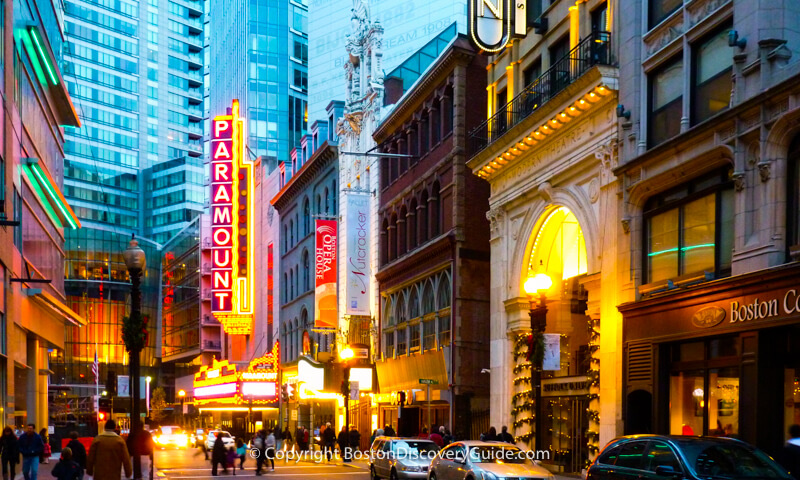
New England's nightlife is generally more subdued outside of major cities like Boston. Boston's Fenway area has sports bars, and the Seaport District offers trendy lounges. College towns like Cambridge (MA) and Burlington (VT) have student-focused bars and breweries. Historic pubs are common, and a beer often costs $7-10. Most establishments close by 1 AM or 2 AM, even on weekends. While there are scattered live music venues, the scene is not as concentrated or as late-night as Chicago's. The tabiji.ai verdict: Chicago provides a more comprehensive and energetic nightlife experience for those seeking late-night activity and diverse entertainment.
- Winner: Chicago
- Why: Chicago has a larger, more diverse, and later-operating nightlife scene across multiple districts.
- Who this matters for: Night owls, party-goers, music lovers, and those looking for late-night entertainment.
🏛️ Culture & History
Chicago's cultural appeal centers on its architecture, with boat tours of the Chicago River detailing structures like the Willis Tower (Skydeck access: $30-40) and Cloud Gate…

Chicago

New England
Chicago's cultural appeal centers on its architecture, with boat tours of the Chicago River detailing structures like the Willis Tower (Skydeck access: $30-40) and Cloud Gate ('The Bean'). Its museums, like the Art Institute of Chicago (admission: $25-30) and the Field Museum (admission: $27-30), house extensive collections. The city also has a significant legacy in jazz and blues, with venues still operating. The cultural experience is largely urban, modern, and focused on visual arts, design, and music.
New England's history dates back to the early American colonial period. Boston's Freedom Trail takes you past 16 historical sites, including Paul Revere's House (admission: $6) and the USS Constitution Museum (free, donations welcome). Salem, MA, offers a window into the 17th-century witch trials (Witch Museum admission: $17.50). Plymouth, MA, has Plimoth Patuxet Museums depicting early colonial life (admission: $30-35). Universities like Harvard and Yale add an academic depth. The region's history is tangible and spread across many towns. The tabiji.ai verdict: New England offers a more direct and immersive encounter with foundational American history and historical landscapes.
- Winner: New England
- Why: New England provides a richer, more extensive, and tangible journey through early American history.
- Who this matters for: History buffs, those interested in American origins, and academic visitors.
💸 Costs & Budget
Chicago generally offers a more budget-friendly experience for a city of its size. A daily budget of $120-200 is realistic, covering mid-range accommodation ($100-180/night for a…

Chicago

New England
Chicago generally offers a more budget-friendly experience for a city of its size. A daily budget of $120-200 is realistic, covering mid-range accommodation ($100-180/night for a decent hotel), public transport ($2.50 for a single L-train ride, $20 for a 3-day pass), and a mix of casual and sit-down meals ($15-60/day). Many attractions like Lincoln Park Zoo and Millennium Park are free. Museum admissions are typically $25-30. Taxis and ride-shares are available but can add up. Walking is often feasible in central areas.
New England's costs vary widely by location and season. Boston can be as expensive as any major US city, with hotels often $180-300+/night. Smaller towns and off-season travel can be cheaper. A daily budget of $150-250 is more common, especially if factoring in car rental (approx. $50-100/day plus gas, about $3.50-4.00/gallon) and parking fees. Seafood, a highlight, can be pricey. Many outdoor activities are free, but historic site admissions can add up. The tabiji.ai verdict: Chicago offers a better value proposition for a comprehensive urban trip, with more control over daily expenses.
- Winner: Chicago
- Why: Chicago offers a better overall value for a major city experience, with more affordable public transport and varied dining.
- Who this matters for: Budget-conscious travelers, those who prefer not to rent a car, and city explorers.
🌳 Nature & Outdoors
Chicago's connection to nature is primarily through Lake Michigan and its extensive lakefront path, ideal for walking, running, or cycling. Grant Park and Lincoln Park provide…

Chicago

New England
Chicago's connection to nature is primarily through Lake Michigan and its extensive lakefront path, ideal for walking, running, or cycling. Grant Park and Lincoln Park provide large green spaces within the city. You can also visit the Indiana Dunes National Park, about an hour's drive away, for sandy beaches and hiking. However, true wilderness or mountain experiences require significant travel outside the immediate metropolitan area. The focus is on urban green spaces and water activities on the lake.
New England is a haven for outdoor enthusiasts. The region includes the Appalachian Mountains (White Mountains in New Hampshire, Green Mountains in Vermont) for hiking, skiing, and scenic drives (e.g., Kancamagus Highway). The coastline in Maine, Massachusetts, and Rhode Island offers rocky shores, sandy beaches, and opportunities for kayaking, whale watching ($50-70 per person), and exploring islands like Martha's Vineyard or Block Island. Fall foliage drives are a major draw in September/October. The range of ecosystems from mountains to ocean is substantial. The tabiji.ai verdict: New England is the clear choice for travelers prioritizing diverse natural landscapes and extensive outdoor activities.
- Winner: New England
- Why: New England provides a much wider array of natural environments and outdoor activities, from mountains to ocean.
- Who this matters for: Outdoor adventurers, hikers, nature photographers, and those seeking scenic drives.
🚇 Getting Around
Chicago boasts an extensive and efficient public transportation system. The 'L' train connects major neighborhoods and O'Hare International Airport (ORD) directly to downtown for…
Chicago boasts an extensive and efficient public transportation system. The 'L' train connects major neighborhoods and O'Hare International Airport (ORD) directly to downtown for about $5, taking around 45 minutes. Buses fill in the gaps. A single ride is $2.50, and multi-day passes are available (e.g., $20 for 3 days). Downtown Chicago is very walkable, making it easy to see many attractions on foot. Ride-sharing services are also widely available, but traffic can be heavy. A rental car is largely unnecessary unless planning specific day trips far outside the urban core.
Getting around New England typically requires a car, especially if you plan to explore beyond Boston. While Boston has a subway system ('The T') for city travel ($2.40 per ride), it doesn't extend far into the region. Intercity bus services like Greyhound connect major cities, but for scenic drives, coastal towns, and mountain areas, a rental car is essential. Car rentals can cost $50-100 per day, plus gas and potentially significant parking fees in cities. The region's charm often lies in its dispersed towns and natural areas, which are inaccessible via public transit. The tabiji.ai verdict: Chicago offers superior ease of movement within its primary destination without the need for a personal vehicle.
- Winner: Chicago
- Why: Chicago's public transport system is comprehensive, affordable, and makes exploring the city effortless without a car.
- Who this matters for: Travelers without a car, budget travelers, and those who prefer city exploration over rural drives.
🏨 Accommodation
Chicago has a substantial selection of accommodations catering to all budgets. Hostels in central locations can be found for $40-70 per night. Mid-range hotels in areas like River…
Chicago has a substantial selection of accommodations catering to all budgets. Hostels in central locations can be found for $40-70 per night. Mid-range hotels in areas like River North or Magnificent Mile often cost $100-180 per night for a decent room. Luxury options like The Peninsula Chicago or Langham Chicago are available for $300-600+. During shoulder seasons (spring/fall), deals are common. There's a good supply of major chain hotels, as well as independent boutiques. Booking in advance, especially for summer weekends, is advisable.
New England's accommodation landscape is varied. Boston hotels are often $180-300+ per night for a standard room. Along the coast (e.g., Cape Cod, Maine), historic inns and boutique hotels are common, but prices can surge to $250-500+ during peak summer or fall foliage seasons. Motels in more rural areas might be $100-150. Vacation rentals (Airbnbs) are popular for longer stays or family trips, particularly outside major cities. The supply in charming small towns can be limited and expensive. The tabiji.ai verdict: Chicago generally provides better value and a wider range of consistently available accommodation options across price points.
- Winner: Chicago
- Why: Chicago offers more consistent pricing and a broader range of available accommodations, especially for mid-range budgets.
- Who this matters for: Travelers seeking good value, those who prefer major hotel chains, and budget-conscious groups.
🚗 Day Trips
From Chicago, common day trips include the Indiana Dunes National Park (about 1 hour drive) for hiking and beaches, or Milwaukee, Wisconsin (1.5-2 hour drive) for breweries and…
From Chicago, common day trips include the Indiana Dunes National Park (about 1 hour drive) for hiking and beaches, or Milwaukee, Wisconsin (1.5-2 hour drive) for breweries and Lake Michigan views. Starved Rock State Park (1.5-2 hour drive) offers waterfalls and canyons for hiking. These require a rental car, as public transport is not practical for them. The focus of a Chicago trip is predominantly the city itself, with day trips being an optional addition rather than a core component of the experience. Options are somewhat limited in comparison to regions with more dispersed attractions.
New England is built for day trips and multi-stop itineraries. From Boston, you can easily visit historic towns like Salem (30 min drive), Lexington and Concord (30 min drive), or coastal areas like Cape Ann (1 hour drive) or Plymouth (1 hour drive). Further afield, scenic drives through the White Mountains in New Hampshire (2-3 hours) or along the Maine coast to Portland (2 hours) offer different experiences. Vermont's Green Mountains and picturesque villages are also accessible for day or overnight trips. The density of distinct towns and natural attractions makes day tripping a core part of a New England journey. The tabiji.ai verdict: New England offers significantly more and more varied compelling day trip opportunities, making it ideal for multi-destination exploration.
- Winner: New England
- Why: New England's geography and concentration of varied attractions make it superior for extensive day-trip exploration.
- Who this matters for: Travelers who enjoy exploring multiple towns and landscapes, and those with access to a car.
☀️ Weather & Seasons
Chicago experiences pronounced seasons. Summers (June-August) are typically hot and humid, with average highs around 80-85°F (27-29°C), sometimes reaching 90°F (32°C). Winters…
Chicago experiences pronounced seasons. Summers (June-August) are typically hot and humid, with average highs around 80-85°F (27-29°C), sometimes reaching 90°F (32°C). Winters (December-February) are very cold, windy, and snowy, with average highs in the 20s-30s°F (-5 to 0°C) and frequent sub-zero wind chills. Spring and fall (April-May, September-October) offer pleasant, mild weather, with temperatures ranging from 50-70°F (10-21°C), making them ideal for walking and outdoor activities. Lake Michigan influences temperatures, moderating extremes slightly but also bringing lake effect snow in winter.
New England also has distinct seasons. Summers (June-August) are generally warm and less humid than Chicago, with highs around 75-80°F (24-27°C) along the coast, slightly warmer inland. Fall (late September-October) is famous for stunning foliage, with crisp air and temperatures from 45-65°F (7-18°C) – this is peak tourist season. Winters are cold and snowy, especially inland, with average highs in the 20s-30s°F (-5 to 0°C). Coastal areas can see milder conditions. Spring (April-May) is variable, with thawing and occasional rain. The tabiji.ai verdict: Both regions offer distinct seasonal experiences; the 'best' depends entirely on what kind of weather a traveler is seeking.
- Winner: Tie
- Why: Both regions offer unique and pronounced seasonal experiences, making the choice dependent on individual preference.
- Who this matters for: Travelers with specific weather preferences (e.g., fall foliage seekers vs. summer city explorers).
🚶♀️ Traveler Experience
Chicago is a solid option for various traveler types. Solo travelers will find it easy to navigate via public transport, with many safe neighborhoods and diverse social…
Chicago is a solid option for various traveler types. Solo travelers will find it easy to navigate via public transport, with many safe neighborhoods and diverse social opportunities. Groups can enjoy shared meals, shows, and sporting events. Families have attractions like the Shedd Aquarium ($30-40 admission), Museum of Science and Industry ($25-30), and Lincoln Park Zoo (free). The city's concentrated nature means less time in transit and more time doing. First-time urban explorers find it approachable, and the grid system simplifies navigation. It offers a self-contained, high-energy experience.
New England caters well to those who enjoy a slower pace and multi-stop trips. Road trippers will appreciate the scenic byways and diverse towns. Couples can find romantic inns and coastal walks. Families can enjoy beaches, apple picking in the fall, and historical sites. However, without a car, exploring the region effectively is challenging. Solo travelers might find some rural areas less engaging for extended periods compared to a bustling city. It's more about exploration and discovery across a region rather than deep dives into a single city. The tabiji.ai verdict: Each region excels for different travel styles; Chicago for concentrated urban adventures, New England for dispersed regional exploration.
- Winner: Tie
- Why: Both destinations cater to different types of travelers, making the 'better' choice dependent on individual travel style.
- Who this matters for: Solo travelers, families, road trippers, urban explorers, and those seeking varied landscapes.
🎯 The Decision Framework
Choose Chicago If…
- You want to explore a major city without needing a car.
- Your primary interest is modern architecture and design.
- You want to try world-famous deep-dish pizza and Chicago-style hot dogs.
- You're looking for vibrant nightlife with late-night options.
- You appreciate extensive public parks and a beautiful lakefront.
- You want access to top-tier museums with large collections.
- You are traveling on a moderate city budget, aiming for $120-200 per day.
- You enjoy live jazz and blues music in historic venues.
Choose New England If…
- You want to delve into early American colonial history firsthand.
- You are planning a scenic road trip with charming small towns.
- Your main goal is fresh seafood, especially lobster rolls and clam chowder.
- You want to experience stunning fall foliage (late September-October).
- You enjoy diverse outdoor activities like hiking, coastal walks, and whale watching.
- You prefer a slower pace and a mix of rural and coastal landscapes.
- You are comfortable renting a car and budgeting $150-250 per day.
- You appreciate historic inns and boutique accommodations over large city hotels.
📅 Sample Itineraries
Weekend in Chicago (3 Days)
💡 Purchase a CityPASS for Chicago to save about 40% on admission to 5 major attractions, costing around $114 and saving you time in lines.
Weekend in New England (3 Days)
💡 Utilize Boston's MBTA 'T' subway system; purchasing a CharlieTicket for $2.40 per ride or a 1-day pass for $12 saves on individual fares and parking costs.
One Week in Chicago (7 Days)
💡 For budget-friendly meals, explore ethnic eateries in neighborhoods outside the immediate downtown area, where you can find delicious dishes for under $15.
One Week in New England (7 Days)
💡 Autumn is peak foliage season in New England. Plan accommodation and activities well in advance, as prices can increase by 20-30% and popular spots book out quickly.
❓ Frequently Asked Questions
What is the best time of year to visit Chicago vs. New England?
For Chicago, late spring (May-early June) and early fall (September-early October) offer pleasant temperatures, often 50-70°F (10-21°C), making it ideal for walking and outdoor activities without extreme heat or cold. For New England, late spring to early summer (June) is great for coastal towns and moderate weather, while late September to mid-October is peak for fall foliage, though prices are higher.
Which destination is more affordable for a week-long trip?
Chicago is generally more affordable for a week-long trip focused on city exploration. With a daily budget of $120-200, you can have a great experience using public transport and enjoying free attractions. New England requires a car for true exploration, adding $50-100/day for rental, plus higher accommodation costs in peak season, making a $150-250 daily budget more realistic.
Is it easy to get around Chicago and New England without a car?
Chicago is very easy to navigate without a car, thanks to its comprehensive 'L' train and bus system, and a walkable downtown. A 3-day public transport pass costs around $20. New England, however, largely requires a car to fully explore its charming towns, coastlines, and mountains. While Boston has a subway, most regional attractions are inaccessible by public transport.
Which destination has better food, Chicago or New England?
Chicago offers a broader, more diverse culinary landscape, with world-famous deep-dish pizza, Chicago-style hot dogs, and extensive fine dining and ethnic food options, often with good value. New England excels in specific regional specialties like fresh seafood (lobster rolls averaging $20-35) and clam chowder, particularly along its coasts. It depends on whether you seek variety or regional specificities.
What are the main attractions in Chicago vs. New England?
Chicago's main attractions include the Art Institute of Chicago (admission $25-30), Millennium Park (Cloud Gate), architectural boat tours ($40-50), and the Willis Tower Skydeck ($30-40). New England's highlights involve Boston's Freedom Trail (many free sites), coastal drives in Maine, historic sites in Salem ($17.50 for Witch Museum), and the scenic White Mountains in New Hampshire.
Can I combine a trip to Chicago and New England?
Yes, you can combine them, but it's best if you have at least 10-14 days. The flight between Boston (a major New England hub) and Chicago is relatively short, around 2 hours, with many daily flights. This allows you to experience two distinct regions without excessive travel time, though it will increase your overall budget.
Which is better for families, Chicago or New England?
Both are good, but for different reasons. Chicago offers concentrated family attractions like the Shedd Aquarium ($30-40/person), Field Museum ($27-30/person), and Lincoln Park Zoo (free), all accessible by public transport. New England is better for families who enjoy road trips, outdoor activities like beach days or apple picking, and exploring historical sites at a slower pace. A car is key for New England family trips.
Is Chicago or New England better for solo travelers?
Chicago is often preferred by solo travelers due to its excellent public transportation, walkable downtown, and diverse nightlife, making it easy to meet people or simply enjoy the city independently. New England can be great for solo road trippers seeking nature and quiet towns, but might feel less engaging for those who prefer constant urban stimulation or rely on public transit.
Ready to plan your next US trip?
Get a free custom itinerary for Chicago, New England, or both — built from real traveler insights.
👥 Travelers Also Compared
🎟️ Book Tours & Experiences
Hand-picked tours and activities for both destinations — book with free cancellation
Experiences via Viator — free cancellation on most tours