How we built this comparison
This page combines traveler discussion patterns, published price ranges, flight schedules, and seasonal data to help you decide between Chicago and Vancouver.
- Reviewed 50+ Reddit threads from r/travel, r/solotravel, r/chicago, r/vancouver, and r/NorthAmericaTravel for real traveler perspectives and advice.
- Verified costs and logistics against current booking platforms (e.g., Google Flights, Booking.com, local transit sites) for 2024/2025 estimates.
- Cross-referenced seasonal patterns and weather data from NOAA and Environment Canada to provide accurate climate expectations.
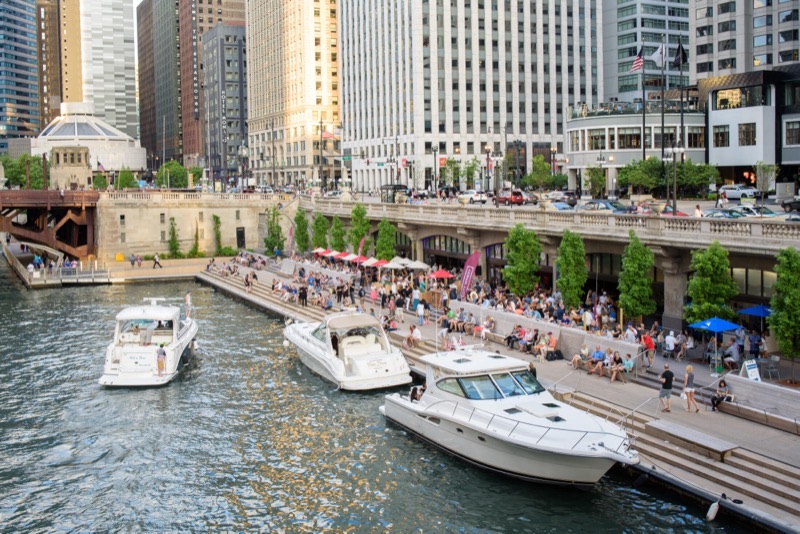
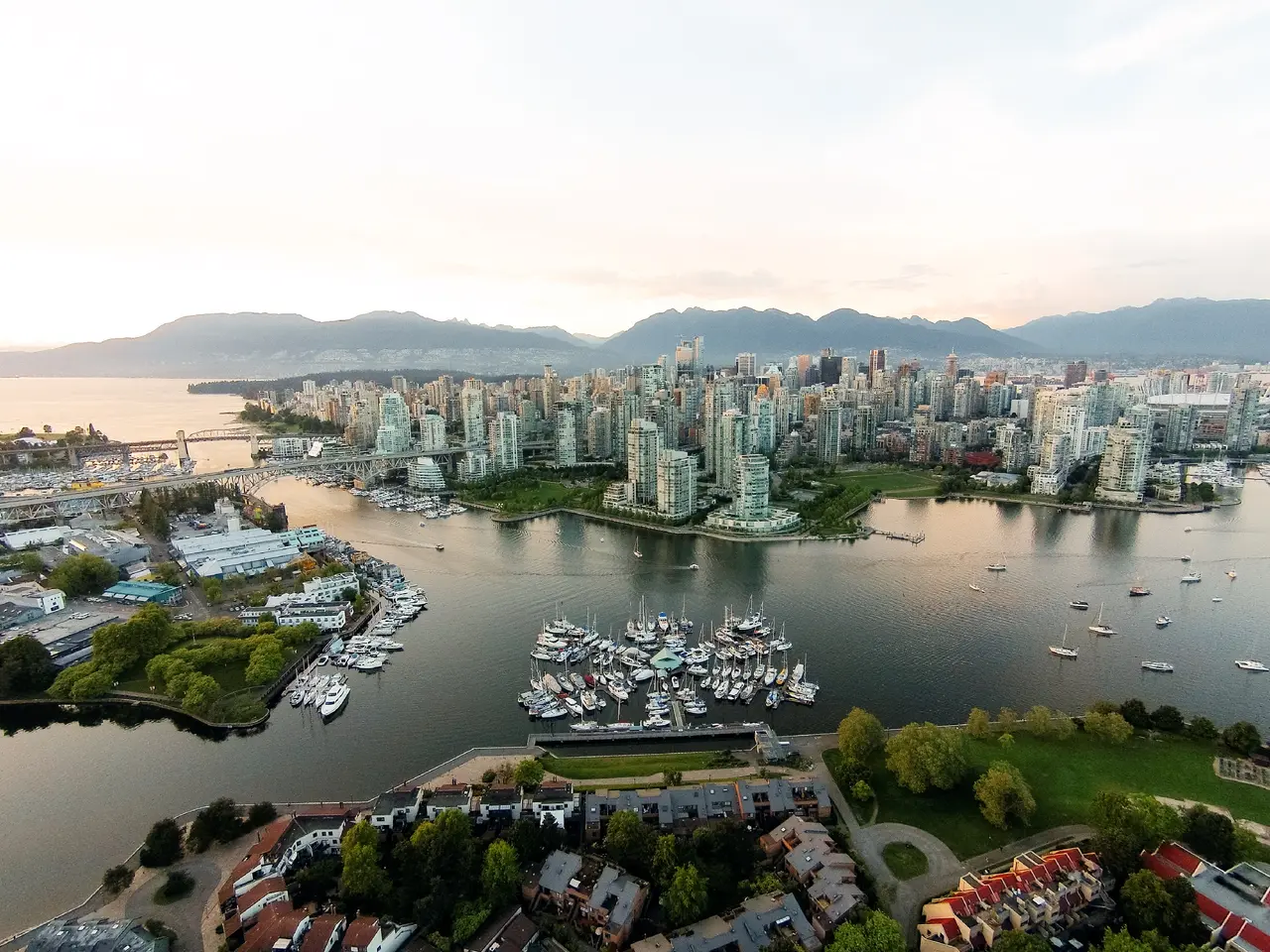
⚡ Quick Answers
⚡ The TL;DR Verdict
For most North American travelers seeking a classic, affordable big-city experience with a focus on food, architecture, and nightlife, Chicago is the stronger choice, averaging $100-200 USD/day. Those prioritizing access to extensive nature, milder weather, and a distinct West Coast-meets-Asia culture should head to Vancouver, expecting $130-250 USD/day (or CAD 175-340).
- Choose Chicago: Travelers who prioritize budget-friendly city exploration, world-class museums, dense urban environments, and a robust culinary scene beyond just outdoors activities.
- Choose Vancouver: Travelers looking for a city integrated with mountains and ocean, offering quick access to hiking, skiing, and water sports, paired with a significant Asian food influence.
- Choose Both: If you have 10-14 days and want to experience both an iconic Midwest metropolis and a Pacific Northwest coastal hub, combine them with a direct flight that typically takes 4-5 hours.
Choose Chicago
Choose Chicago if you're an urban explorer craving world-class architecture, vibrant nightlife, and a deep-dish pizza scene that satisfies any foodie. It's best for budget-conscious travelers who want to immerse themselves in iconic museums like the Art Institute and stroll along the Riverwalk, experiencing a truly classic American metropolis.
Choose Vancouver
Opt for Vancouver if you prioritize stunning natural beauty intertwined with urban life, offering immediate access to hiking trails, ski slopes, and ocean activities. This city is best for active travelers and foodies keen to explore a rich West Coast-meets-Asia culinary scene, from Granville Island markets to authentic dim sum, all against a majestic mountain backdrop.
📊 Visual Scorecard
🌤 When to Visit
Average high temperatures (°C). Green = best months, orange = avoid.
Quick Comparison
| Category | Chicago | Vancouver | Winner |
|---|---|---|---|
| Costs & Budget | Generally more affordable for food, transport, and attractions, especially outside peak summer. | Higher average costs for accommodation and dining, with a stronger currency conversion for US travelers. | Chicago |
| Food Scene | Known for deep-dish pizza, hot dogs, and a diverse range of upscale and casual dining experiences. | Significant Asian influence, particularly Chinese and Japanese, along with fresh seafood and farm-to-table options. | Chicago |
| Nightlife | Extensive options from comedy clubs and jazz venues to rooftop bars and sports pubs. | Smaller but growing scene, with craft breweries, cocktail bars, and some live music, particularly around Gastown. | Chicago |
| Culture & Museums | Home to world-renowned art, science, and history museums, plus iconic architecture and theater. | Strong focus on indigenous art, maritime history, and a modern art scene, with less classical depth. | Chicago |
| Nature & Outdoors | Urban parks like Millennium Park, lakefront access for walking and cycling, but limited wilderness close by. | Immediate access to mountains, ocean, forests, and extensive parks offering hiking, biking, skiing, and water sports. | Vancouver |
| Getting Around | Extensive CTA train (L-train) and bus system covering most tourist areas and neighborhoods. | Efficient Skytrain, SeaBus, and bus network, with a compact downtown easily walkable. | Tie |
| Accommodation | Wide range of hotels from luxury to budget, with competitive pricing outside major event dates. | Generally higher prices, fewer budget options in central areas, but good quality. Currency conversion helps US travelers. | Chicago |
| Getting There | Major hub (ORD, MDW) with extensive domestic and international connections; generally shorter flight times for US travelers. | Significant international airport (YVR), strong connections to Asia and Pacific Northwest, but longer flights for most US cities. | Chicago |
| Day Trips | Limited options for natural escapes; focuses on smaller towns, historical sites, or amusement parks. | Abundant natural day trips including mountains, islands, and scenic drives, plus cross-border options. | Vancouver |
| Weather & Seasons | Four distinct seasons with hot, humid summers and very cold, snowy winters. Pleasant springs/autumns. | Mild, wet winters with limited snow in the city; warm, dry summers. Generally temperate year-round. | Vancouver |
💰 Costs & Budget
Chicago consistently offers a better value for travelers. A mid-range hotel like Hotel EMC2 might run $150-250 USD/night, while a casual meal at Portillo's for an Italian beef…
Chicago

Vancouver
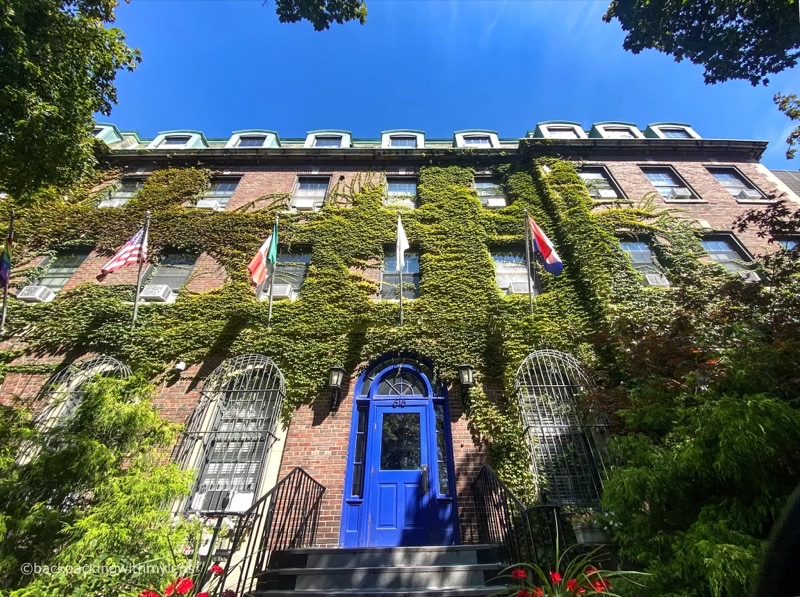
Chicago consistently offers a better value for travelers. A mid-range hotel like Hotel EMC2 might run $150-250 USD/night, while a casual meal at Portillo's for an Italian beef sandwich is under $10 USD. Museum entry, like the Art Institute of Chicago, is around $25-35 USD. Public transport on the CTA is $2.50 USD per ride. Expect an average daily spend of $100-200 USD for a comfortable trip, including some activities and good meals, but excluding major splurges.
Vancouver presents a higher price tag. A comparable mid-range hotel, such as the Civic Hotel, Autograph Collection, could cost CAD 250-400 ($185-295 USD)/night. A meal at a casual spot like Japadog is around CAD 8-12 ($6-9 USD), but sit-down restaurants are easily CAD 25-40 ($18-30 USD) per person. Attractions like the Capilano Suspension Bridge are CAD 67 ($49 USD). Public transit (TransLink) is zone-based, starting at CAD 3.10 ($2.30 USD) for one zone. A reasonable daily budget is $130-250 USD (CAD 175-340) for a similar experience. Chicago's overall cost of travel delivers more for your dollar.
- Winner: Chicago
- Why: Chicago offers lower prices across most categories, from food to accommodation and activities, allowing for a longer or more amenity-rich trip for the same budget.
- Who this matters for: Budget-conscious travelers and those seeking maximum value for their travel funds.
🍕 Food Scene
Chicago's food scene is defined by its iconic dishes and a deep history of culinary innovation. You can experience the famous deep-dish pizza at Lou Malnati's for around $25-30…

Chicago

Vancouver
Chicago's food scene is defined by its iconic dishes and a deep history of culinary innovation. You can experience the famous deep-dish pizza at Lou Malnati's for around $25-30 USD for a medium, or grab a classic Chicago-style hot dog at Superdawg for under $5 USD. Beyond the staples, neighborhoods like West Loop offer high-end dining at places like Girl & The Goat, with entrees around $30-50 USD, or explore Mexican food in Pilsen where a taco will cost $3-4 USD. The city's culinary landscape is broad, catering to all tastes and budgets, from Michelin-starred restaurants to neighborhood diners.
Vancouver excels with its Pacific Rim and Asian culinary contributions. Richmond, a suburb, is renowned for its authentic Chinese restaurants, where dim sum at a spot like Sun Sui Wah Seafood Restaurant might run CAD 40-60 ($29-44 USD) per person. Fresh seafood is a staple, with salmon dishes common. Granville Island Public Market offers fresh catches and local produce. While it has fine dining, Vancouver’s strength lies in its diverse, often health-conscious, and globally influenced everyday eateries. However, Chicago's iconic dishes and broader range of accessible, established culinary traditions give it the edge for a quintessential food trip.
- Winner: Chicago
- Why: Chicago offers more universally recognized and distinctly American culinary experiences, from deep-dish pizza to Michelin-starred dining, accessible across many price points.
- Who this matters for: Foodies interested in iconic American dishes, architectural dining experiences, and a wide array of ethnic cuisines.
🍻 Nightlife
Chicago's nightlife is expansive and diverse, offering something for nearly every preference. You can catch a show at The Second City comedy club for around $30-50 USD, enjoy live…
Chicago
Vancouver
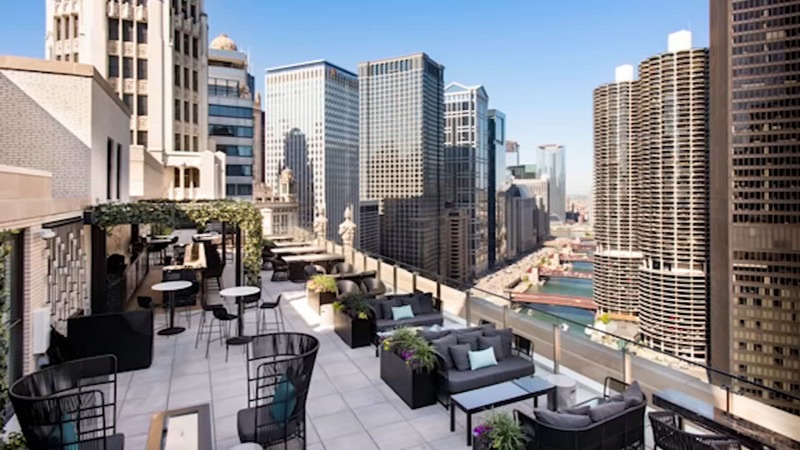
Chicago's nightlife is expansive and diverse, offering something for nearly every preference. You can catch a show at The Second City comedy club for around $30-50 USD, enjoy live jazz at The Green Mill (cover charge $10-15 USD) where legends once played, or hit a dance floor in River North. Wrigleyville comes alive on Cubs game nights with numerous sports bars, while areas like Logan Square host craft cocktail bars such as The Whistler. Rooftop bars provide views, and the city's late-night food scene, with places like Weiner's Circle open late, ensures you can fuel up after hours. Bars typically close around 2-4 AM.
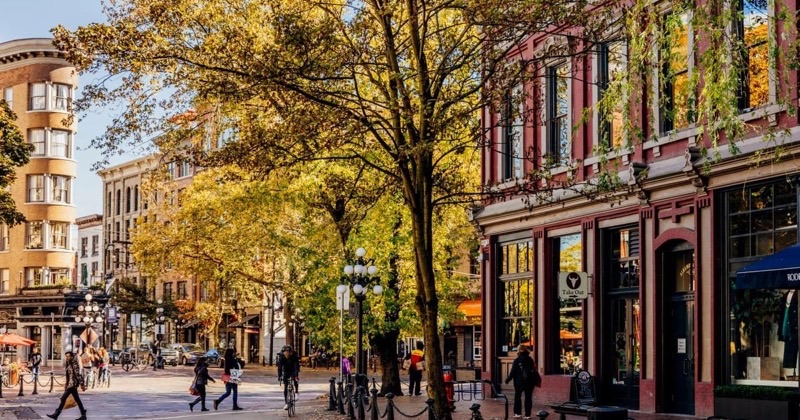
Vancouver's nightlife is more subdued but has pockets of activity. Gastown offers historic pubs and cocktail lounges like The Alibi Room, known for its extensive craft beer selection (pints CAD 8-10 / $6-7.50 USD). Yaletown has more upscale clubs, but the overall club scene is smaller than Chicago's. Live music venues are present but less numerous and less historically significant compared to Chicago's jazz and blues legacy. The city has a growing craft brewery scene, especially in East Vancouver. Bars generally close around 1-3 AM. Chicago's sheer volume, variety, and historical significance in music and comedy give it a clear win.
- Winner: Chicago
- Why: Chicago offers a significantly larger, more diverse, and historically rich nightlife scene, spanning comedy, live music, dance clubs, and sports bars.
- Who this matters for: Travelers who prioritize late-night entertainment, live music, comedy, and a wide selection of bars and clubs.
🏛️ Culture & Museums
Chicago stands as a cultural powerhouse. The Art Institute of Chicago, consistently ranked among the world's best, houses an immense collection (admission $35 USD). The Field…
Chicago
Vancouver
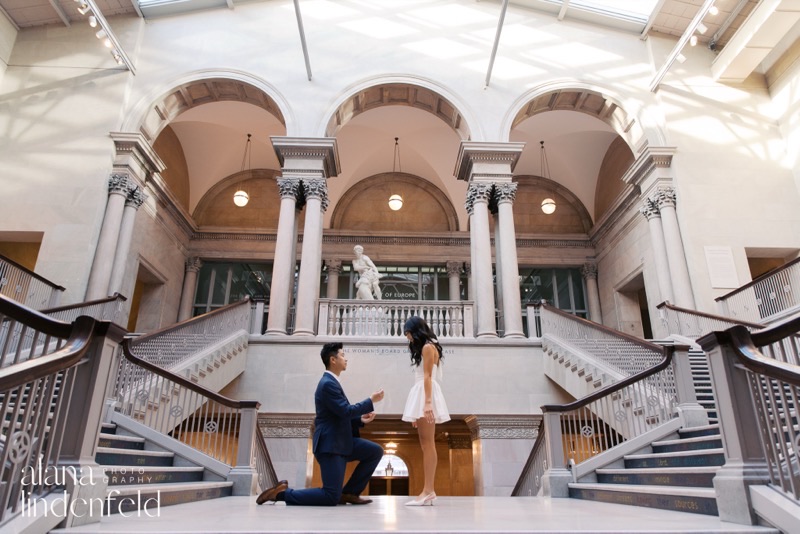
Chicago stands as a cultural powerhouse. The Art Institute of Chicago, consistently ranked among the world's best, houses an immense collection (admission $35 USD). The Field Museum (natural history) and Museum of Science and Industry are also major institutions, with entry around $27-30 USD. The city's architectural boat tours, explaining the skyline's history, are a highlight (around $40-50 USD). Chicago also has a deep theater tradition, from Broadway in Chicago productions to storefront theaters, and is the birthplace of improvisational comedy. Its cultural offerings are dense, concentrated, and internationally recognized.
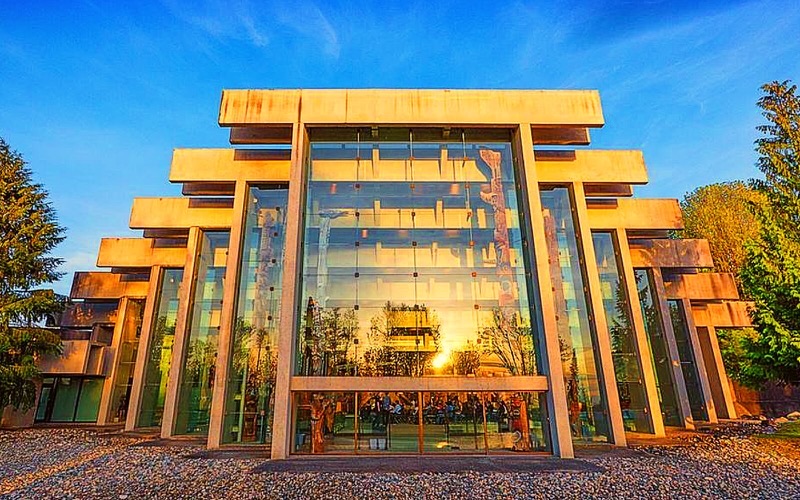
Vancouver's cultural landscape has a different emphasis. The Vancouver Art Gallery ($29 CAD / $21 USD) showcases contemporary and historical art, often with a focus on Canadian and indigenous artists. The Museum of Anthropology at UBC ($18 CAD / $13 USD) provides deep insight into First Nations cultures. The city has a performing arts scene, but it does not rival Chicago's scale or historical impact. Vancouver's culture leans more towards its Pacific Northwest identity and natural surroundings. For traditional museum depth and architectural exploration, Chicago is simply a stronger contender.
- Winner: Chicago
- Why: Chicago boasts a greater number of top-tier museums, a more prominent architectural legacy, and a larger, more varied performing arts and comedy scene.
- Who this matters for: Travelers seeking classic museum experiences, significant architectural tours, and a robust live theater and comedy scene.
⛰️ Nature & Outdoors
Chicago offers green spaces like Lincoln Park and Millennium Park, where you can see Cloud Gate or stroll along the lakefront. The Lakefront Trail provides miles of cycling and…
Chicago

Vancouver
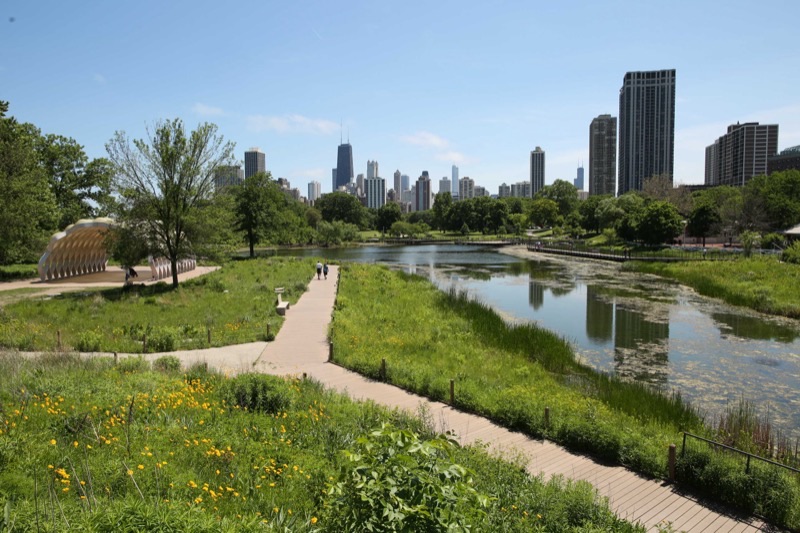
Chicago offers green spaces like Lincoln Park and Millennium Park, where you can see Cloud Gate or stroll along the lakefront. The Lakefront Trail provides miles of cycling and running paths. Beaches along Lake Michigan are popular in summer. However, true wilderness or mountain access requires a multi-hour drive outside the city. While the city's parks are well-maintained and extensive for an urban environment, the natural landscape is predominantly flat and urban-dominated. Water activities are limited to Lake Michigan, primarily boating and swimming in designated areas.
Vancouver's core identity is intertwined with its natural setting. Stanley Park, one of North America's largest urban parks, offers kilometers of seawall for cycling (bike rentals CAD 20-30 / $15-22 USD for a few hours) and walking, dense forests, and beaches, all within minutes of downtown. Just a short drive or gondola ride away are Grouse Mountain (gondola CAD 75 / $55 USD) and Cypress Mountain for hiking, skiing, and snowboarding. The Pacific Ocean provides kayaking, paddleboarding, and whale watching opportunities (tours around CAD 150 / $110 USD). The proximity and scale of accessible outdoor activities are a major draw. Vancouver wins decisively for its immediate access to a wide range of natural experiences.
- Winner: Vancouver
- Why: Vancouver's immediate proximity to mountains, ocean, and extensive temperate rainforests offers unparalleled outdoor recreation options within minutes of the city center.
- Who this matters for: Adventure seekers, hikers, skiers, nature photographers, and anyone who wants to combine urban exploration with significant outdoor activities.
🚇 Getting Around
Chicago's public transportation, managed by the CTA, is efficient for navigating the city. The iconic 'L' train system provides quick access to downtown, North Side neighborhoods…
Chicago's public transportation, managed by the CTA, is efficient for navigating the city. The iconic 'L' train system provides quick access to downtown, North Side neighborhoods like Wrigleyville, and O'Hare and Midway airports. A single ride is $2.50 USD, and a 3-day pass is $20 USD. Buses fill in the gaps, covering areas the L-train doesn't directly serve. Walking is also feasible in many dense areas, especially downtown and along the lakefront. Taxis and rideshares are readily available, but public transit is often the fastest and most economical.
Vancouver's TransLink system is equally effective. The Skytrain, an automated light rapid transit system, connects downtown to suburbs like Richmond (home to the airport) and Burnaby. A single adult fare starts at CAD 3.10 ($2.30 USD) for one zone, increasing for multiple zones; a DayPass is CAD 11.25 ($8.30 USD). The SeaBus connects downtown to North Vancouver. Downtown Vancouver is very walkable, particularly areas like Gastown, Yaletown, and Robson Street. Both cities offer excellent public transport that makes car rental unnecessary for urban exploration, making this category a tie.
- Winner: Tie
- Why: Both cities offer robust, efficient, and user-friendly public transportation systems that make exploring without a car simple and cost-effective.
- Who this matters for: Travelers who rely on public transit or walking for city exploration, prioritizing ease of movement and affordability.
🏨 Accommodation
Chicago offers a broad spectrum of accommodation options that generally provide better value than Vancouver. You can find luxury hotels along Magnificent Mile like The Langham…
Chicago offers a broad spectrum of accommodation options that generally provide better value than Vancouver. You can find luxury hotels along Magnificent Mile like The Langham Chicago (starting $400-600 USD/night), boutique options in River North or West Loop (e.g., The Hoxton, from $250-400 USD/night), and reliable mid-range chains downtown (e.g., Hampton Inn, $150-250 USD/night). Budget-friendly hostels like HI Chicago Hostel offer dorm beds from $40-60 USD/night. Prices fluctuate with conventions and sports events, but finding a good deal is often possible, especially if booking in advance or outside peak season.
Vancouver’s accommodation is notably pricier, especially in the downtown core. Luxury options like the Fairmont Pacific Rim start around CAD 500-800 ($370-590 USD)/night. Mid-range hotels such as The Sutton Place Hotel Vancouver might be CAD 300-500 ($220-370 USD)/night. Budget options are scarcer; hostels like Samesun Vancouver offer dorms from CAD 50-80 ($37-59 USD)/night. While the quality is generally good, the price-to-value ratio is lower than in Chicago. Even with the USD to CAD exchange rate benefiting American visitors, Vancouver remains a more expensive city for lodging. Chicago offers more competitive pricing for comparable quality.
- Winner: Chicago
- Why: Chicago provides a wider selection of accommodation across all price points, generally offering better value per night for comparable quality and location.
- Who this matters for: Travelers looking to maximize their comfort or stay duration within a fixed accommodation budget.
✈️ Getting There
Chicago is a central travel hub for North America, served by two major airports: O'Hare International (ORD) and Midway International (MDW). O'Hare is one of the busiest airports…
Chicago is a central travel hub for North America, served by two major airports: O'Hare International (ORD) and Midway International (MDW). O'Hare is one of the busiest airports globally, offering direct flights from nearly every major US city and numerous international destinations. Flight times from New York are around 2.5 hours, from Los Angeles about 4 hours, and from Dallas about 2.5 hours. Flights are frequent, and competition often keeps prices reasonable. You can often find round-trip flights from major US cities for $150-300 USD. The CTA Blue Line connects O'Hare directly to downtown, and the Orange Line connects Midway.
Vancouver International Airport (YVR) is a highly-rated airport with significant connections to Asia and other Pacific Rim countries, as well as a hub for flights within Canada. For US travelers, flight times are generally longer unless you are coming from the West Coast. A flight from New York to Vancouver is approximately 5.5-6 hours, from Los Angeles 2.5-3 hours, and from Seattle is a short 30-minute hop. Round-trip flights from major US cities typically cost $300-550 USD. The Canada Line Skytrain connects YVR directly to downtown Vancouver. While YVR is efficient, Chicago's more central location and extensive domestic flight network make it more accessible for a wider range of US travelers.
- Winner: Chicago
- Why: Chicago's central location and two major airports offer more direct, frequent, and often cheaper flight options for a larger portion of North American travelers.
- Who this matters for: Travelers prioritizing shorter flight times, more direct routes, and potentially lower airfare from various US origins.
🚗 Day Trips
Chicago's day trip options tend to be more focused on other towns or specific attractions. You could visit Starved Rock State Park (a 1.5-hour drive) for hiking and waterfalls,…
Chicago's day trip options tend to be more focused on other towns or specific attractions. You could visit Starved Rock State Park (a 1.5-hour drive) for hiking and waterfalls, but it doesn't offer mountain grandeur. Milwaukee, Wisconsin, is about a 1.5-hour drive for breweries and lakefront views. Six Flags Great America, an amusement park, is another option, about an hour north. These trips are typically car-dependent. The immediate surroundings of Chicago are largely flat agricultural land or expanding suburbs, offering less in terms of drastic scenic change or natural exploration.
Vancouver excels in offering diverse and easily accessible day trips that leverage its natural setting. Whistler Blackcomb, a world-class ski resort (2-hour drive), is a popular winter and summer destination. Victoria, on Vancouver Island, is reachable by a 1.5-hour ferry ride ($18 CAD / $13 USD for walk-on passenger) and offers gardens and historic architecture. The Sea to Sky Highway towards Whistler is an attraction in itself, with stops like Shannon Falls. Bowen Island, a short ferry ride from Horseshoe Bay, offers hiking and a laid-back island vibe. Even a quick trip across the US border to Seattle (3-hour drive, plus border wait) is possible. Vancouver's proximity to varied natural and scenic destinations makes it the clear winner.
- Winner: Vancouver
- Why: Vancouver provides a significantly wider array of easily accessible and diverse natural day trip options, from mountain resorts to island escapes.
- Who this matters for: Travelers who want to explore beyond the city limits and experience different natural landscapes or charming towns within a short distance.
☀️ Weather & Seasons
Chicago experiences dramatic seasonal changes. Summers (June-August) are hot and often humid, with average highs around 80-85°F (27-29°C), but can reach into the 90s°F (30s°C).…
Chicago experiences dramatic seasonal changes. Summers (June-August) are hot and often humid, with average highs around 80-85°F (27-29°C), but can reach into the 90s°F (30s°C). Winters (December-February) are famously cold and snowy, with average highs around 30°F (-1°C) and lows below 20°F (-7°C), accompanied by significant wind chill. Spring and autumn are generally pleasant with mild temperatures, but weather can be unpredictable. Planning around the extremes is essential; summer requires air conditioning, winter requires heavy layering. Shoulder seasons (April-May, September-October) are often the most comfortable for city exploration.
Vancouver's climate is considerably more temperate, influenced by its coastal location and mountains. Summers (July-August) are warm and relatively dry, with average highs around 70-75°F (21-24°C), making it ideal for outdoor activities. Winters (November-March) are mild and wet, with considerable rainfall but little snow in the city itself, though it is abundant in the nearby mountains. Average winter highs are around 40-45°F (4-7°C). Spring and autumn are cool and often rainy. The lack of extreme cold or heat, combined with clear, comfortable summers, makes Vancouver generally more pleasant for year-round travel, particularly for those sensitive to harsh weather. The climate is more conducive to continuous outdoor activity.
- Winner: Vancouver
- Why: Vancouver offers a more temperate climate with milder winters and warm, dry summers, making it generally more comfortable for outdoor activities year-round compared to Chicago's extreme seasonal variations.
- Who this matters for: Travelers who prefer temperate weather, dislike extreme heat or cold, and want reliable conditions for outdoor activities, especially in summer.
🎯 The Decision Framework
Choose Chicago If…
- You prioritize budget-friendly city travel and want to stretch your dollar.
- You are excited by world-class museums and a rich architectural history.
- You want to experience iconic American food like deep-dish pizza and hot dogs.
- You enjoy a robust nightlife scene with comedy, jazz, and diverse bars.
- You appreciate a dense, walkable urban environment with a clear grid system.
- You plan to travel in spring or fall for pleasant weather without extremes.
- You are looking for a classic big-city vacation without extensive nature excursions.
- You value direct and frequent flights from most US cities.
Choose Vancouver If…
- You seek immediate access to mountains, ocean, and extensive green spaces.
- You prefer a temperate climate with mild winters and warm, dry summers.
- You are eager to explore a city with a significant Asian culinary influence, especially seafood.
- You want plentiful options for hiking, skiing, kayaking, or other outdoor sports.
- You are looking for day trips that involve dramatic natural landscapes.
- You appreciate a city with a focus on indigenous culture and modern art.
- You don't mind a higher cost of living for a unique West Coast experience.
- You are traveling from the US West Coast or flying from Asia.
📅 Sample Itineraries
Weekend in Chicago (3 Days)
💡 Consider purchasing a Chicago CityPASS ($139) if you plan to visit multiple major attractions like the Shedd Aquarium, Skydeck, and Field Museum, as it can offer significant savings over individual ticket purchases.
Weekend in Vancouver (3 Days)
💡 Utilize Vancouver's efficient public transport system; a Compass Card day pass costs around $11 and covers buses, SkyTrain, and SeaBus, making it ideal for exploring without a car.
One Week in Chicago (7 Days)
💡 To save on food, seek out restaurant deals during 'Restaurant Week' (usually late January/early February) or explore ethnic neighborhoods like Pilsen or Argyle Street for delicious, affordable meals ($15-25 per person).
One Week in Vancouver (7 Days)
💡 Many of Vancouver's outdoor attractions, like Stanley Park and the free trails in Lynn Canyon, offer excellent value. Pack layers for variable weather, especially if venturing into the mountains.
❓ Frequently Asked Questions
Which city is better for a family trip, Chicago or Vancouver?
Chicago offers numerous family-friendly museums like the Museum of Science and Industry and Shedd Aquarium, plus Lincoln Park Zoo with free entry. Kid-friendly food is plentiful. Vancouver excels with Stanley Park, Science World (CAD 31 / $23 USD), and easily accessible mountains for older children. Chicago's density and varied indoor attractions often make it a slightly easier pick for families with younger children, especially if weather is a concern.
What is the average flight time from New York City to each city?
A direct flight from New York City (JFK/LGA/EWR) to Chicago (ORD/MDW) typically takes around 2.5 hours. A direct flight from New York City to Vancouver (YVR) is considerably longer, usually about 5.5 to 6 hours.
Is public transportation effective in both Chicago and Vancouver?
Yes, both cities have excellent public transportation. Chicago's CTA system (L-train and buses) covers the city well, with a single ride at $2.50 USD. Vancouver's TransLink (Skytrain, SeaBus, buses) is also very efficient, with single zone fares starting at CAD 3.10 ($2.30 USD). You won't need a car for city exploration in either location.
Which city has better food for a specific dietary preference like vegetarian or gluten-free?
Both cities have a growing number of options for various dietary needs. Vancouver, with its health-conscious reputation and strong Asian culinary scene, often has a slight edge in plant-based and gluten-free choices, especially in areas like Kitsilano. Chicago, however, also offers numerous specialty restaurants and adapts well to requests, particularly in its diverse ethnic neighborhoods.
How safe are Chicago and Vancouver for solo travelers?
Both cities are generally safe for solo travelers, especially in tourist areas. Chicago requires typical big-city awareness, particularly at night or in less populated neighborhoods. Vancouver consistently ranks as one of the safest large cities in North America. Walking alone at night in well-lit, populated areas is generally fine in both, but always exercise caution.
What are the best months to visit each city for good weather?
For Chicago, the best months are typically May, early June, September, and early October, when temperatures are mild (60-75°F / 15-24°C) and humidity is low. For Vancouver, July and August offer the warmest (70-75°F / 21-24°C) and driest weather, ideal for outdoor activities, though June and September are also pleasant.
Which city is better for shopping?
Chicago's Magnificent Mile on North Michigan Avenue is a major shopping destination, featuring high-end department stores like Nordstrom and Saks Fifth Avenue, plus flagship stores for many brands. Vancouver offers Robson Street for fashion and boutique shops on Gastown. For sheer scale and variety of major retailers and luxury brands, Chicago takes the lead.
Are there good opportunities for outdoor activities directly within Chicago?
Chicago offers extensive lakefront parks and beaches along Lake Michigan, popular for walking, cycling, and summer recreation. Lincoln Park and Millennium Park provide green spaces and urban respite. While it lacks mountains or dense forests immediately surrounding the city, its urban parks are well-maintained and offer ample space for recreation within the city limits.
Ready to plan your North America trip?
Get a free custom itinerary for Chicago, Vancouver, or both — built from real traveler insights.
👥 Travelers Also Compared
🎟️ Book Tours & Experiences
Hand-picked tours and activities for both destinations — book with free cancellation
Experiences via Viator — free cancellation on most tours