How we built this comparison
This page combines traveler discussion patterns, published price ranges, flight schedules, and seasonal data to help you decide between Chile and Argentina.
- Reviewed 100+ Reddit threads from r/travel, r/solotravel, r/chile, r/argentina, and r/SouthAmerica for authentic traveler experiences and advice.
- Verified costs and logistics against current booking platforms (e.g., Booking.com, Google Flights, bus company websites) and recent traveler reports (early 2024).
- Cross-referenced seasonal patterns, weather data, and major festivals to ensure accurate 'best time to visit' recommendations.
⚡ The TL;DR Verdict
For those seeking raw, untamed natural beauty and a slightly more organized, if pricier, experience, Chile is your pick. Budget-conscious adventurers craving epic natural wonders, world-class food, and a passionate culture should head to Argentina. A daily budget of $60-100 USD in Argentina goes much further than in Chile, where you'll need $80-150 USD.
- Choose Chile: Choose Chile if you prioritize dramatic and diverse landscapes (desert to glaciers), a stable infrastructure, excellent wine, and a slightly more 'developed' feel, even if it comes with a higher price tag. Perfect for outdoor enthusiasts who appreciate efficiency.
- Choose Argentina: Opt for Argentina if you're on a tighter budget but still want mind-blowing natural spectacles, an incredible food and wine scene, vibrant cities like Buenos Aires, and a rich, passionate culture. Ideal for those who enjoy a bit of beautiful chaos and want their money to stretch further.
- Choose Both: Doing both is highly recommended for a full South American experience! Allocate at least 3-4 weeks to properly explore key regions in both countries, focusing on Patagonia (crossing the border is easy), and then perhaps the Atacama in Chile and Buenos Aires/Iguazu in Argentina.
Quick Comparison
| Category | Chile | Argentina | Winner |
|---|---|---|---|
| Nature & Scenery | Unparalleled diversity: arid deserts, active volcanoes, alpine lakes, fjords, and glaciers. | Iconic wonders: vast Patagonia, thundering Iguazu Falls, dramatic Andes, red rock canyons. | Tie |
| Costs & Value | Generally more expensive, especially for accommodation and activities. Stable but higher prices. | Significantly better value, especially for foreign currency. Inflation works in your favor. | Argentina |
| Food & Drink | Excellent seafood, diverse wines, pisco sours, and comforting 'completos'. | World-renowned beef, Malbec wine, empanadas, and dulce de leche. | Argentina |
| Culture & History | Rich indigenous Mapuche heritage, vibrant street art, and a more reserved Andean culture. | European-influenced cities, passionate tango, football fervor, and a lively artistic scene. | Argentina |
| Getting Around | Excellent bus network, efficient domestic flights, good road conditions. | Extensive, comfortable bus system, growing low-cost flight options, vast distances. | Chile |
| Safety & Stability | Generally very safe and politically stable, but petty crime in cities. | Safe for tourists, but economic instability can lead to protests; petty crime in cities. | Chile |
| Accommodation | Good quality, but generally higher prices across all categories. | Excellent value, diverse options from hostels to boutique hotels. | Argentina |
| Beaches | Long Pacific coastline, cold water, some surf spots, and unique northern beaches. | Limited Atlantic coastline, more traditional beach towns, warmer waters. | Chile |
| Nightlife | Santiago and Valparaíso offer vibrant scenes, but generally more subdued than Argentina. | Buenos Aires is legendary, with late-night tango, bars, and clubs until dawn. | Argentina |
| Solo Travel | Very safe, organized, easy to meet people in hostels, great infrastructure. | Economical, vibrant, easy to meet people, but can be overwhelming in big cities. | Chile |
⛰️ Nature & Scenery
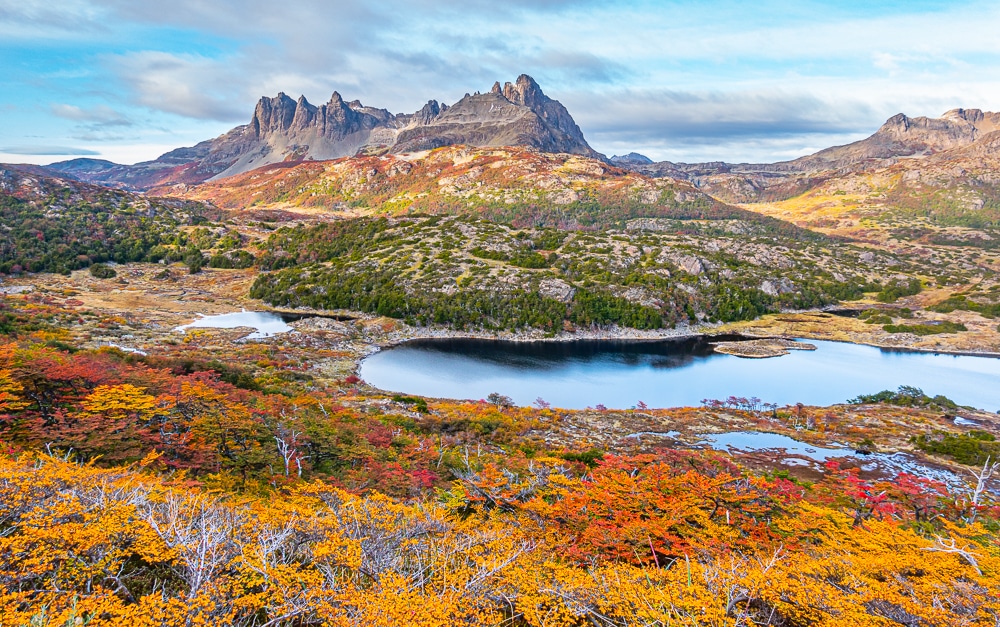
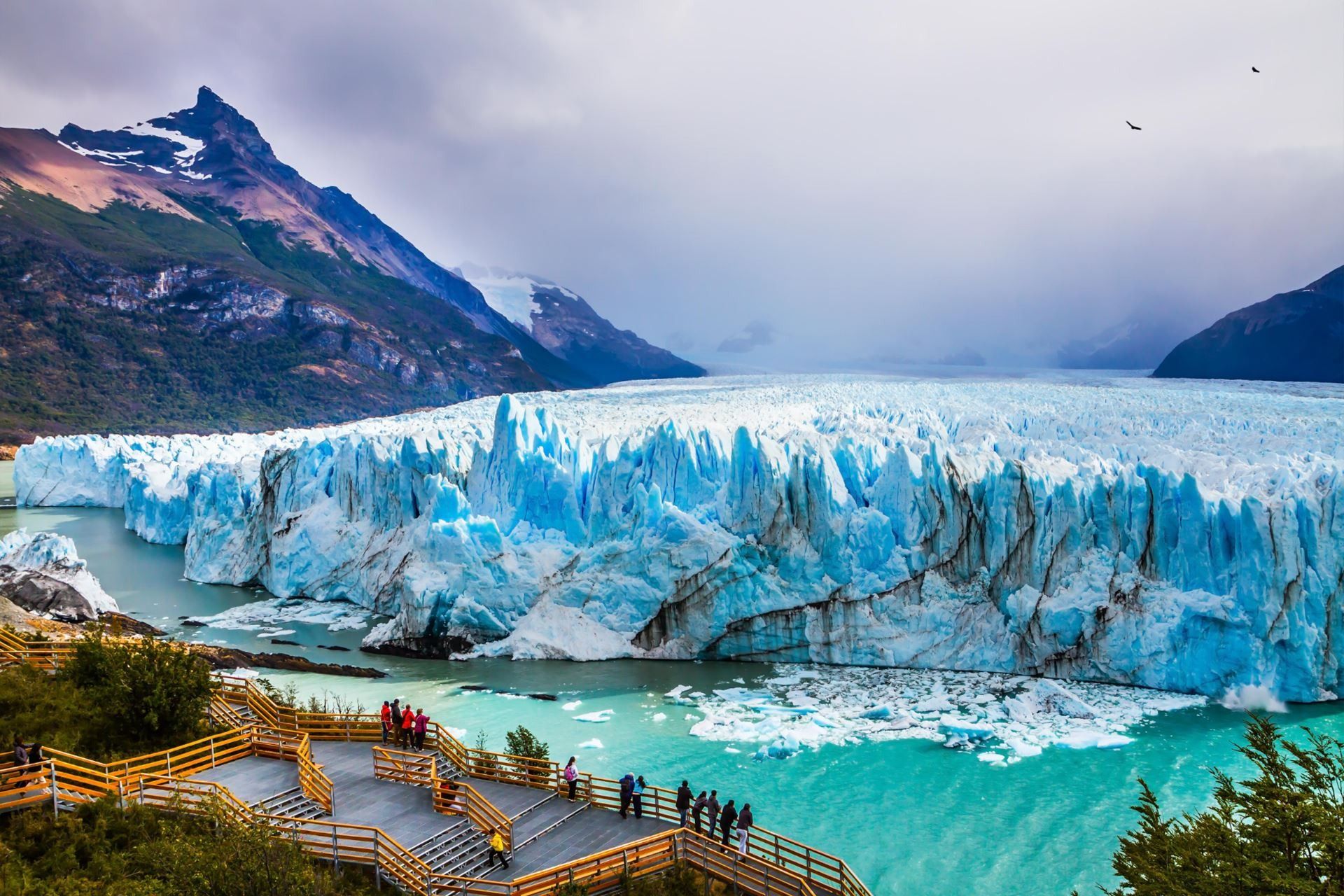
This is the toughest call, and honestly, a tie feels right because both offer such distinct, world-class natural beauty. Chile boasts the otherworldly Atacama Desert in the north (Valle de la Luna tours from San Pedro around CLP 25,000-35,000/~ $25-35 USD), the stunning Lake District, and its slice of Patagonian wilderness, epitomized by Torres del Paine National Park (entrance around CLP 35,000/~ $35 USD). The landscapes feel more varied across the country's length. Argentina counters with the sheer scale of its Patagonia, home to the immense Perito Moreno Glacier (entrance ARS 10,000-15,000/~ $10-15 USD, boat trips an extra ARS 20,000/~ $20 USD) and the hiking paradise of El Chaltén. Then there's the incomparable Iguazu Falls in the northeast (entrance ARS 8,000-12,000/~ $8-12 USD), and the high-altitude deserts and colorful mountains of Salta and Jujuy. It's like comparing two masterpieces – one offers incredible variety, the other breathtaking iconic wonders. "Seriously, Torres del Paine blew my mind with its jagged peaks, but then seeing Iguazu up close just felt like a different kind of magic. You just have to see both if you can swing it."
Winner takeaway
- Winner: Tie
- Why: Both countries offer such spectacular and distinct natural wonders that it's impossible to pick a definitive winner; it depends on what kind of scenery you prefer.
- Who this matters for: Anyone whose primary travel motivation is seeing iconic natural landscapes and engaging in outdoor activities like hiking and photography.
💰 Costs & Value
Argentina wins this hands down, largely due to its fluctuating economy and the favorable 'blue dollar' exchange rate (or using Western Union for much better rates than official banks). A budget traveler can comfortably get by on $40-70 USD/day, while mid-range might be $70-150 USD. For example, a delicious steak dinner with wine in Buenos Aires might cost ARS 15,000-30,000 (~$15-30 USD) at a good restaurant like Don Julio, while a similar meal in Santiago would easily be CLP 30,000-60,000 (~$30-60 USD). Hostel beds in Argentina can be found for ARS 8,000-20,000 (~$8-20 USD), whereas in Chile, they're typically CLP 15,000-25,000 (~$15-25 USD). Transport is also cheaper in Argentina. While Chile is stable, its prices are more aligned with Western Europe or North America, requiring $80-150 USD/day for budget to mid-range. "Seriously, my dollar just went so much further in Argentina. Eating out, wine, even nice hostels were a fraction of the cost compared to Chile. Just make sure you figure out the blue dollar thing."
Winner takeaway
- Winner: Argentina
- Why: Argentina offers significantly better value for money due to its advantageous unofficial exchange rates, allowing travelers to stretch their budget much further.
- Who this matters for: Budget travelers, long-term backpackers, and anyone looking for premium experiences without the premium price tag.
🍷 Food & Drink
Argentina's culinary scene, spearheaded by its legendary beef and Malbec wine, takes the crown. A 'parrillada' (mixed grill) experience is mandatory, with top-tier cuts at places like El Pobre Luis in Mendoza or Parrilla Peña in Buenos Aires offering incredible value. Empanadas, choripán, and the ubiquitous dulce de leche round out a truly indulgent food scene. Mendoza's wine country offers tours and tastings from ARS 10,000-30,000 (~$10-30 USD) or more depending on the winery. Chile shines with its fresh seafood, particularly in coastal cities like Valparaíso or Santiago, where you can find delicious ceviche or 'pastel de jaiba' (crab pie). Their wine regions, like Colchagua Valley, produce excellent Cabernet Sauvignon and Carmenere. Both countries boast their version of Pisco Sour. However, Argentina's food feels more universally celebrated and accessible across price points. "The steak in Argentina is no joke, it’s life-changing. And the Malbec? Forget about it. Chile has good seafood, but Argentina’s food scene just feels more iconic and satisfying to me."
Winner takeaway
- Winner: Argentina
- Why: Argentina's world-famous beef, iconic Malbec wine, and rich culinary traditions offer a more universally acclaimed and indulgent gastronomic experience.
- Who this matters for: Foodies, carnivores, wine lovers, and anyone who considers eating and drinking a central part of their travel experience.
🎭 Culture & History
Argentina's culture is a vibrant, passionate tapestry, largely influenced by European immigration. Buenos Aires, often called the 'Paris of South America,' is a cultural hub with its tango halls (tango shows can range from ARS 20,000-50,000+/~ $20-50+ USD), grand architecture, opera house (Teatro Colón tours ARS 5,000/~ $5 USD), and bohemian neighborhoods like San Telmo. The country's history is deeply intertwined with its political struggles, reflected in its memorials and museums. Chilean culture, while rich, tends to be more reserved and spread across its diverse geography. Valparaíso offers incredible street art and bohemian charm, while Santiago has impressive museums like the Museo de la Memoria y los Derechos Humanos (free entry). The indigenous Mapuche culture is a significant, if often marginalized, aspect of Chilean identity. Argentina's culture feels more outwardly expressive and immediately engaging for tourists. "Buenos Aires alone has enough culture to keep you busy for weeks – tango, incredible architecture, street art, the passion for football... Chile felt a bit more understated in comparison, though Valpo's street art is amazing."
Winner takeaway
- Winner: Argentina
- Why: Argentina's strong European influence, iconic tango, and passionate, expressive national identity create a more vibrant and engaging cultural experience.
- Who this matters for: Art and history buffs, dancers, urban explorers, and travelers seeking immersive cultural experiences.
🚌 Getting Around
Chile slightly edges out Argentina in terms of efficiency and ease of transport, particularly for covering its long, narrow geography. The bus system (companies like TurBus, Pullman Bus) is incredibly comfortable and reliable, with overnight 'cama' (bed) seats making long journeys pleasant. Domestic flights with LATAM and Sky Airline are frequent and generally efficient, connecting major cities like Santiago to Punta Arenas (3.5 hrs, ~$80-150 USD). Roads are generally well-maintained, making self-driving an option, though car rentals are pricey (CLP 30,000-60,000/~ $30-60 USD per day). Argentina also boasts an extensive and very comfortable bus network (e.g., Andesmar, Flechabus), especially for long distances with 'cama suite' options, but vast distances mean journeys can be extremely long (e.g., Buenos Aires to El Calafate is over 30 hours by bus). Domestic flights via Aerolíneas Argentinas or low-cost carriers like Flybondi are improving and becoming more affordable (e.g., Buenos Aires to El Calafate is 3 hrs, ~$50-120 USD), but can still be less predictable. "I found getting around Chile, especially from Santiago down south, super smooth. Buses were always on time and comfy. Argentina's buses were also great, but the sheer distances made everything feel like a bigger undertaking."
Winner takeaway
- Winner: Chile
- Why: Chile's more compact and efficient transport infrastructure, particularly its reliable bus system and domestic flights, makes getting around slightly easier and more predictable.
- Who this matters for: Travelers prioritizing smooth logistics, less travel time between destinations, and efficient national coverage.
SAFE Safety & Stability
Chile is generally considered one of the safest and most politically stable countries in South America, making it a slightly less stressful destination for first-time solo travelers or families. While petty crime like pickpocketing is a concern in major cities like Santiago and Valparaíso, especially in crowded tourist areas, violent crime against tourists is rare. It's always wise to be aware of your surroundings, especially at night, and safeguard valuables. Argentina is also largely safe for tourists, but its ongoing economic instability can sometimes lead to public protests or demonstrations in major cities, which are generally peaceful but can disrupt transport or daily life. Petty crime, such as bag snatching or 'motochorros' (thieves on motorcycles), is more prevalent in Buenos Aires than in Santiago. Both countries have generally reliable emergency services. "I felt really safe walking around most places in Chile, even solo at night in smaller towns. Buenos Aires was fine too, but I definitely kept a tighter grip on my bag and was more aware of my surroundings, especially after hearing about some snatchings."
Winner takeaway
- Winner: Chile
- Why: Chile offers a slightly higher degree of political and economic stability, contributing to a generally safer and more predictable travel environment.
- Who this matters for: Solo travelers, families with young children, and those who prioritize peace of mind and minimal travel disruptions.
🏨 Accommodation
Argentina offers significantly better value for accommodation across all budgets. Due to the favorable exchange rates, you can often find fantastic boutique hotels or well-appointed apartments for the price of a mid-range hotel in Chile. For example, a charming private room in a hostel or a budget hotel in Buenos Aires might cost ARS 15,000-30,000 (~$15-30 USD), while a comfortable mid-range hotel could be ARS 40,000-70,000 (~$40-70 USD). In Chile, similar quality would typically be CLP 25,000-40,000 (~$25-40 USD) for a budget private room and CLP 50,000-90,000 (~$50-90 USD) for mid-range. Both countries have a wide range of hostels, guesthouses, and luxury options. Places like EcoCamp Patagonia in Chile or Estancias in Argentina offer unique experiences, but Argentina's general affordability makes upgrading your stay much more feasible. "I got a really swanky hotel in Palermo for less than a basic Airbnb in Santiago. The value for money on accommodation in Argentina is just insane right now, especially if you're using the blue dollar."
Winner takeaway
- Winner: Argentina
- Why: Argentina provides exceptional value for accommodation, allowing travelers to enjoy higher quality stays or stretch their budget further across all categories.
- Who this matters for: All travelers, especially budget-conscious individuals and those looking to get more luxury for their money.
🏖️ Beaches
Chile's extensive Pacific coastline, despite its cold Humboldt Current waters, offers more diverse and dramatic beach experiences. Central Chile has popular surf spots like Pichilemu and Matanzas, or lively beach towns like Viña del Mar and Reñaca (bus from Santiago CLP 3,000-7,000/~ $3-7 USD). Further north, the Atacama region has unique desert-meets-ocean landscapes and quieter, often rugged beaches. The water is generally too cold for prolonged swimming without a wetsuit, making it more about the scenery and surf. Argentina's Atlantic coast, centered around Mar del Plata (train from Buenos Aires ARS 3,000-5,000/~ $3-5 USD), offers more traditional, warmer-water beach resort experiences, popular with Argentine families in summer. However, these beaches can get extremely crowded, and the scenery is less dramatic than Chile's rugged Pacific coast. For sheer variety and a more 'wild' beach experience, Chile wins. "If you're looking for warm water Caribbean vibes, neither is your best bet. But for epic coastal drives and dramatic cliffs, Chile's Pacific coast absolutely crushes it. Argentina's beaches felt more like a local family holiday spot."
Winner takeaway
- Winner: Chile
- Why: Chile's vast Pacific coastline offers more diverse and dramatic beach landscapes, despite the colder water, appealing more to surfers and scenery lovers.
- Who this matters for: Surfers, photographers, and those who appreciate wild, scenic coastlines over warm-water swimming.
🌃 Nightlife
Argentina, particularly Buenos Aires, is famous for its passionate and late-night nightlife. 'Porteños' (residents of Buenos Aires) eat dinner late, go out even later, and often don't hit clubs until 2 AM, staying until sunrise. Neighborhoods like Palermo Soho and San Telmo are brimming with 'bares' (bars), 'boliches' (clubs), and tango milongas where you can dance or watch locals. A beer might cost ARS 3,000-6,000 (~$3-6 USD), cocktails ARS 5,000-10,000 (~$5-10 USD). Santiago also has a lively nightlife, especially in neighborhoods like Barrio Bellavista and Barrio Lastarria, with plenty of bars, pubs, and clubs. Valparaíso offers a more bohemian and gritty scene. However, Chile's nightlife tends to be less extended and intense than Argentina's. While both offer good options, Argentina's dedication to late-night revelry and its iconic tango scene give it the edge. "I thought I knew late nights until I went out in Buenos Aires. Dinner at 10 PM, then bars, then clubs until 6 AM? My European friends couldn't keep up. Santiago was fun, but it definitely wraps up earlier."
Winner takeaway
- Winner: Argentina
- Why: Argentina's legendary late-night culture, especially in Buenos Aires with its iconic tango and vibrant club scene, offers a more intense and prolonged nightlife experience.
- Who this matters for: Party-goers, social butterflies, and anyone who loves to experience the local scene deep into the night.
🚶♀️ Solo Travel
Chile is arguably slightly better for solo travelers, particularly first-timers, due to its perceived higher safety and greater sense of order. The hostel scene across the country is well-developed, making it easy to meet fellow travelers for tours or activities. Transport is reliable, and English is more commonly spoken in tourist areas than in Argentina, which can ease communication. Navigating things like booking tours for the Atacama Desert or Torres del Paine is straightforward. Argentina is also excellent for solo travel, offering incredible value, especially in its hostels, and Buenos Aires is a fantastic city to explore independently with endless activities. However, the economic volatility can add a layer of complexity (e.g., understanding the 'blue dollar'), and the sheer size and passionate energy of cities like Buenos Aires can be a bit more overwhelming for some. Both have a strong backpacker trail, but Chile feels marginally less daunting. "As a solo female traveler, I felt super comfortable everywhere in Chile, from the Atacama to Patagonia. Argentina was great too, but there was a bit more 'hustle' to navigate in Buenos Aires, which could be tiring solo."
Winner takeaway
- Winner: Chile
- Why: Chile's slightly higher safety perception, stable infrastructure, and easier navigation make it a marginally less daunting and more organized experience for solo adventurers.
- Who this matters for: First-time solo travelers, those prioritizing ease and safety, and independent explorers.
❓ Frequently Asked Questions
Which country is better for hiking and trekking?
Both offer world-class hiking. Chile boasts the famous 'W' and 'O' treks in Torres del Paine, demanding multi-day expeditions. Argentina counters with the accessible, stunning day hikes around El Chaltén (Fitz Roy, Cerro Torre) and the immense scale of Perito Moreno. It truly depends on whether you prefer organized, multi-day treks or self-guided day hikes within epic scenery.
Is it easy to cross the border between Chile and Argentina?
Yes, border crossings are generally straightforward, especially in Patagonia. Major routes include Paso Los Libertadores between Santiago and Mendoza, and various passes in Patagonia like Paso O'Higgins or the Puerto Natales to El Calafate bus route. Be prepared for potentially long waits during peak season and ensure you have all necessary documentation for yourself and any rental vehicles.
Which country has better wine?
This is a matter of personal taste! Argentina is globally renowned for its Malbec, particularly from Mendoza, offering bold, fruity reds. Chile is famous for its Carmenere, Cabernet Sauvignon, and Sauvignon Blanc from regions like Colchagua Valley and Casablanca Valley. Chile tends to produce more diverse varietals, while Argentina excels in its signature Malbec. Try both and decide for yourself!
What's the best time of year to visit both countries?
For Patagonia (the major draw for both), the best time is typically the Southern Hemisphere summer (December to March) for hiking and warmer weather. However, this is also peak season. If you're focusing on the Atacama Desert or Santiago in Chile, or Mendoza/Buenos Aires in Argentina, shoulder seasons (spring: Sept-Nov; autumn: Apr-May) offer pleasant weather and fewer crowds.
Which country is more family-friendly?
Both countries can be very family-friendly. Chile's stability and efficient infrastructure might make it slightly easier for families with younger children, with good options for nature activities and safe cities. Argentina's incredible value means families can enjoy more experiences and better accommodation for their budget, and places like Buenos Aires and Iguazu Falls are huge hits with kids.
Do I need to speak Spanish to travel in Chile or Argentina?
While not strictly necessary in major tourist hubs where English is increasingly common, knowing some basic Spanish phrases will significantly enhance your experience. Locals deeply appreciate the effort, and it will help with ordering food, navigating local transport, and interacting outside of purely tourist-oriented businesses. Carry a translation app for tougher situations.
How do the cities compare?
Santiago, Chile's capital, is a modern, bustling metropolis set against the stunning backdrop of the Andes, with a thriving food scene and good museums. Valparaíso offers colorful, bohemian charm. Buenos Aires, Argentina's capital, is a grand, European-feeling city bursting with tango, art, history, and passionate energy. It feels much larger and more culturally dense than Santiago. Mendoza is a relaxed wine capital, while Salta offers a gateway to Andean culture.
Are there good options for adventure sports in both countries?
Absolutely! Chile is fantastic for adventure sports, with skiing in the Andes (Valle Nevado), whitewater rafting in the Lake District (Pucón), sandboarding in the Atacama, and mountaineering in Patagonia. Argentina offers similar opportunities, including skiing in Bariloche, trekking in El Chaltén, and various water sports. Both are adventure playgrounds, just choose your preferred terrain!
Ready to plan your South America trip?
Get a free custom itinerary for Chile, Argentina, or both — built from real traveler insights.
🎟️ Book Tours & Experiences
Hand-picked tours and activities for both destinations — book with free cancellation
Experiences via Viator — free cancellation on most tours