How we built this comparison
This page combines traveler discussion patterns, published price ranges, flight schedules, and seasonal data to help you decide between Chile and Colombia.
- Reviewed 100+ Reddit threads from r/travel, r/solotravel, r/chile, r/colombia, and r/southamerica for common inquiries and shared experiences.
- Verified costs and logistics against current booking platforms for flights, accommodation, and major tour operators in late 2023 and early 2024.
- Cross-referenced seasonal patterns, weather data, and safety reports from government advisories and traveler forums.
⚡ Quick Answers
⚡ The TL;DR Verdict
For most first-time South America travelers seeking adventure, warmth, and a lower budget, Colombia is the stronger pick. Chile offers a more polished, nature-focused experience at a higher price point, better suited for those prioritizing landscapes and efficient infrastructure. Plan for roughly $35-70/day in Colombia versus $50-100/day in Chile for a comfortable backpacker experience.
- Choose Chile: You prioritize dramatic natural scenery, efficient infrastructure, good wine, and dont mind a higher daily spend.
- Choose Colombia: You seek vibrant culture, warmer climates, a more social travel scene, and a budget-friendly adventure.
- Choose Both: If you have at least 4-6 weeks and a generous budget, combining both offers a complete South American experience, starting with the Andes and ending on the Caribbean.
Choose Chile
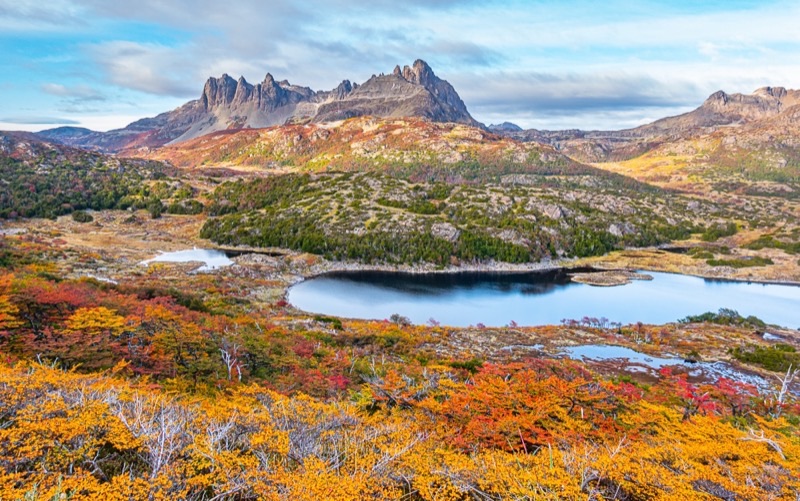
Choose Chile if you dream of stark Patagonian landscapes, world-class trekking in Torres del Paine, or exploring the Atacama Desert's surreal beauty. This destination is best for nature enthusiasts and those who appreciate efficient infrastructure, fine wines from the Central Valley, and don't mind a higher daily budget for a polished adventure.
Choose Colombia
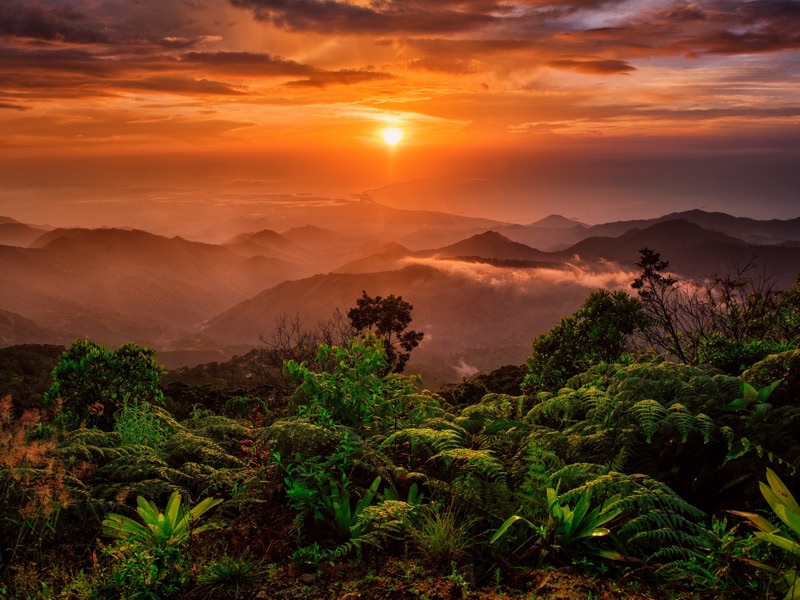
Opt for Colombia to immerse yourself in vibrant culture, from the colorful streets of Cartagena's Old City to Medellín's innovative spirit and the lush coffee region. Best for social travelers seeking a warm, budget-friendly adventure, this destination offers a lively atmosphere, incredible food, and endless opportunities to dance salsa or explore Caribbean beaches.
📊 Visual Scorecard
🌤 When to Visit
Average high temperatures (°C). Green = best months, orange = avoid.
Quick Comparison
| Category | Chile | Colombia | Winner |
|---|---|---|---|
| Costs & Budget | Generally more expensive, especially for accommodation and imported goods. Expect higher prices for activities. | More budget-friendly, offering better value for food, transport, and hostels. Local activities are affordable. | Colombia |
| Natural Landscapes | From arid deserts to glaciers and alpine lakes, Chile presents extreme geographical diversity along its length. | Colombia boasts Caribbean coasts, Amazon rainforest, Andean mountains, and coffee plantations, with lush, tropical feel. | Chile |
| Food & Drink | Known for seafood, hearty stews, empanadas, and world-class wine. Food can be expensive outside of markets. | Diverse regional cuisine featuring ajiaco, bandeja paisa, arepas, and tropical fruits. Often very affordable and flavorful. | Colombia |
| Culture & History | Colonial architecture in cities like Valparaíso, strong Mapuche indigenous influence, and a modern, developed feel. | Rich colonial heritage, strong indigenous and African influences, lively music and dance scenes (salsa). | Colombia |
| Safety & Security | Generally considered safe for travelers, though petty crime is present in large cities. Political protests can occur. | Historically higher crime rates, but significant improvements. Petty crime and scams are common in tourist areas. | Tie |
| Nightlife | Santiago and Valparaíso offer bars, clubs, and live music, with a generally relaxed atmosphere. | Medellín, Bogotá, and Cartagena have a vibrant, high-energy nightlife with salsa, electronic music, and extensive bar scenes. | Colombia |
| Getting Around | Efficient long-distance buses, good domestic flight network, and easy car rental for self-driving. | Extensive bus network, frequent and affordable domestic flights, but roads can be challenging in rural areas. | Chile |
| Accommodation | Good range of hostels, guesthouses, and hotels. Generally higher prices, especially in popular tourist zones. | Wide selection of budget-friendly hostels, boutique hotels, and guesthouses. Excellent value for money. | Colombia |
| Beaches & Coastlines | Long Pacific coastline, but most beaches are for surfing or cool-water activities. Fewer warm swimming beaches. | Caribbean coast with warm water, white sand beaches, and tropical islands. Pacific coast is less developed for tourism. | Colombia |
| Weather & Seasons | Highly diverse due to length; desert north, Mediterranean central, alpine south. Requires planning for specific regions. | Tropical climate with variations based on altitude; generally warm year-round on coasts, cooler in mountains. Two rainy seasons. | Tie |
💸 Costs & Budget
Chile consistently ranks as one of South Americas pricier destinations. Daily budgets for a solo traveler staying in hostels, eating local, and using public transport typically…
Chile
Colombia
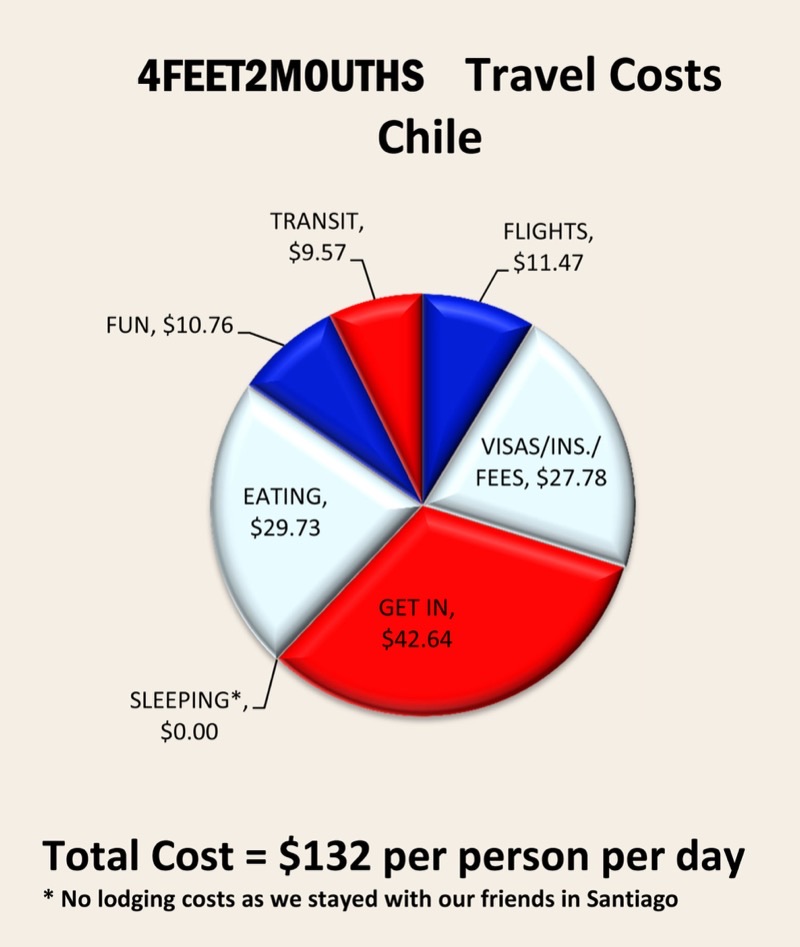
Chile consistently ranks as one of South Americas pricier destinations. Daily budgets for a solo traveler staying in hostels, eating local, and using public transport typically range from 45,000 CLP to 85,000 CLP (around $50-$90 USD). Accommodation in Santiago or Patagonia can be a significant expense, with a decent hostel bed in San Pedro de Atacama costing 15,000 CLP-25,000 CLP ($16-$27 USD). A basic meal in a restaurant might run 8,000 CLP-15,000 CLP ($9-$16 USD). Long-distance buses are efficient but not cheap; a Santiago to Puerto Varas ticket can be 25,000 CLP-40,000 CLP ($27-$43 USD).
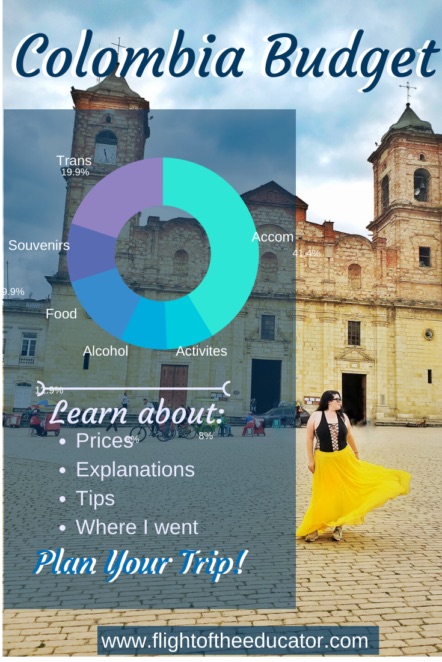
Colombia offers significantly better value. A comfortable backpacker budget can be 140,000 COP to 270,000 COP (around $35-$70 USD) per day. Hostel beds in cities like Medellín or Bogotá are often 40,000 COP-70,000 COP ($10-$18 USD). A typical 'menu del dia' (lunch special) is 15,000 COP-25,000 COP ($4-$7 USD), providing a filling meal. Domestic flights are frequently inexpensive, sometimes comparable to or cheaper than long bus rides. For example, a flight from Medellín to Cartagena can be found for 150,000 COP-300,000 COP ($38-$77 USD). Local transport via TransMilenio or Medellín Metro is very affordable, typically under 3,000 COP ($0.80 USD) per ride. Colombia is the clear winner for budget-conscious explorers.
- Winner: Colombia
- Why: Colombia offers a lower cost of living and travel, making budgets stretch further for accommodation, food, and activities.
- Who this matters for: Budget travelers, long-term backpackers, and anyone seeking value for money.
🏞️ Natural Landscapes
Chile is a thin, long country, meaning its geography shifts dramatically. The Atacama Desert in the north offers otherworldly moonscapes, geysers like El Tatio, and clear night…
Chile
Colombia
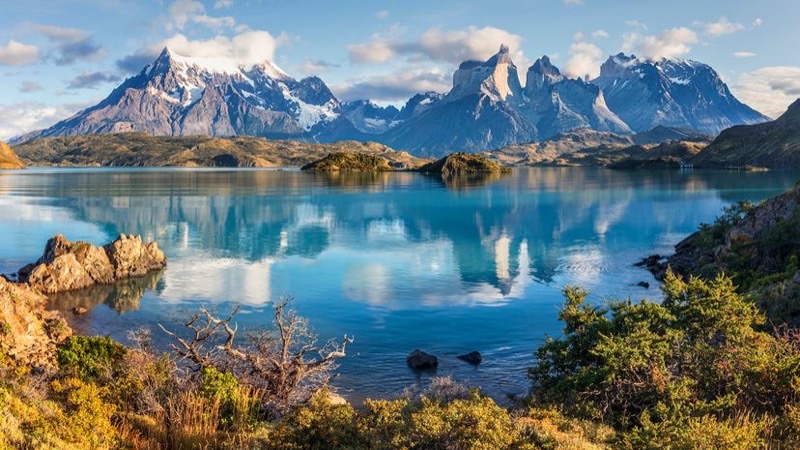
Chile is a thin, long country, meaning its geography shifts dramatically. The Atacama Desert in the north offers otherworldly moonscapes, geysers like El Tatio, and clear night skies for stargazing. Central Chile has a Mediterranean climate with vineyards. Further south, Patagonia delivers jagged peaks like Torres del Paine, massive glaciers such as Grey Glacier, and pristine lakes. The variety is unmatched; you can go from sand dunes to ice fields within a single trip, often requiring domestic flights. Destinations like Valle de la Luna in San Pedro de Atacama, the Marble Caves near Puerto Rio Tranquilo, and the Osorno Volcano in the Lakes District showcase this geological power.
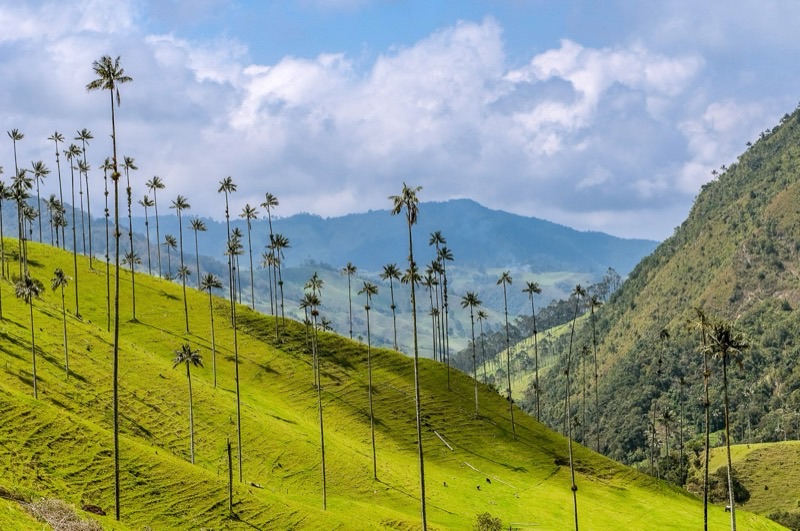
Colombia offers its own impressive natural settings but with a different feel. The Caribbean coast includes Tayrona National Natural Park with its jungle-backed beaches and the arid La Guajira desert. The Andean region features the Cocora Valley with its wax palms and numerous coffee farms. The Amazon basin in the south provides dense rainforest experiences. While the landscapes are beautiful and biodiverse, they tend to be more uniformly tropical or mountainous. Parque Nacional Natural Tayrona is a highlight for coastal beauty, and the Nevado del Ruiz provides a high-altitude Andean experience. Chile wins for sheer geological drama and extreme contrasts in a single country.
- Winner: Chile
- Why: Chile provides a wider range of extreme, awe-inspiring natural environments, from arid deserts to immense glaciers and mountain ranges.
- Who this matters for: Adventure seekers, photographers, hikers, and those prioritizing dramatic geological features.
🍽️ Food & Drink
Chilean food leans towards seafood, given its long coastline. Caldillo de congrio (conger eel soup) is a local specialty, as are fresh ceviches and various grilled fish. Empanadas…

Chile
Colombia
Chilean food leans towards seafood, given its long coastline. Caldillo de congrio (conger eel soup) is a local specialty, as are fresh ceviches and various grilled fish. Empanadas are ubiquitous and come in many fillings, particularly 'pino' (beef and onion). Chorrillana, a plate of fries topped with meat, onion, and egg, is a hearty, casual meal. Chile is a major wine producer; its Cabernet Sauvignon and Carmenere are globally recognized and affordable to drink locally. However, outside of market stalls, dining out can be a significant budget item, with a good dinner often starting at 12,000 CLP ($13 USD) per person, excluding drinks. Mercado Central in Santiago offers a range of fresh seafood restaurants, though prices cater to tourists.
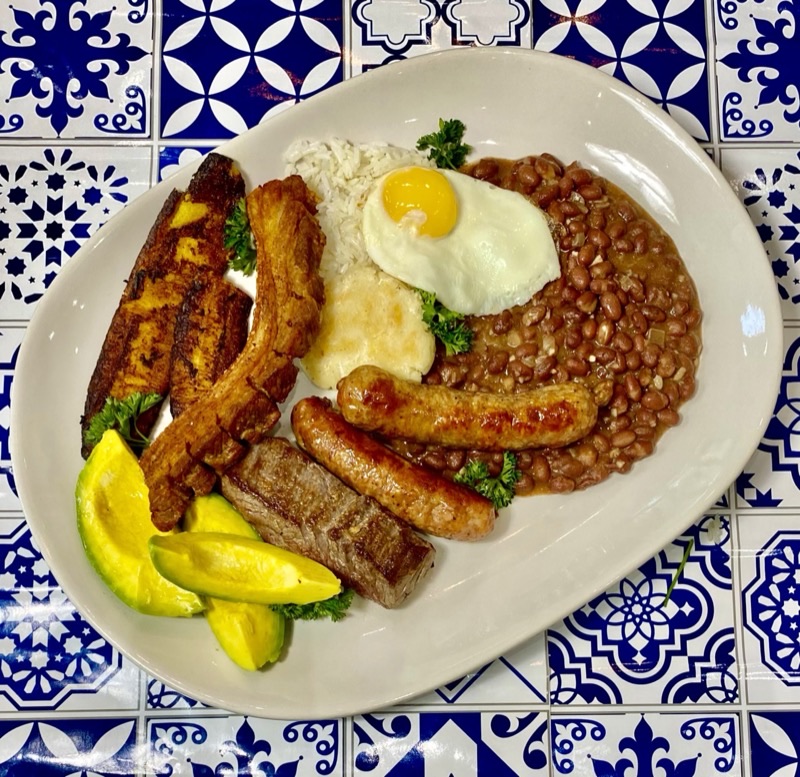
Colombian food is comforting, varied by region, and generally more flavorful and budget-friendly. Arepas are a staple, served with almost everything, from breakfast to dinner. Ajiaco, a chicken and potato soup, is a Bogotá classic. Bandeja paisa, a massive platter of meat, rice, beans, egg, and plantain, is the signature dish of the Medellín region. Tropical fruits are abundant and incredibly fresh, often sold as juices. Street food is excellent and cheap, with empanadas, buñuelos, and obleas costing 2,000 COP-5,000 COP ($0.50-$1.30 USD). A 'menu del dia' (lunch special) is a fantastic value at 15,000 COP-25,000 COP ($4-$7 USD). Coffee from the Zona Cafetera is exceptional. Colombia provides a more diverse, consistently flavorful, and affordable culinary experience.
- Winner: Colombia
- Why: Colombia offers a broader range of flavorful, regional dishes and better value for money, with excellent street food and diverse tropical fruits.
- Who this matters for: Foodies, budget travelers, and those who enjoy trying a variety of local specialties.
🗿 Culture & History
Chilean culture often feels more European, especially in Santiago. Valparaíso is a UNESCO site known for its colorful hillside houses, street art, and bohemian atmosphere,…
Chile
Colombia
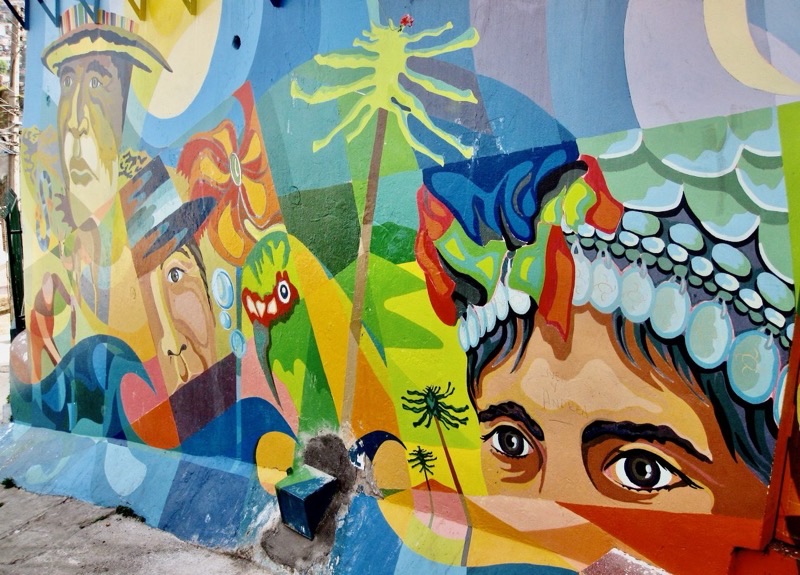
Chilean culture often feels more European, especially in Santiago. Valparaíso is a UNESCO site known for its colorful hillside houses, street art, and bohemian atmosphere, providing a counterpoint to Santiagos urban sprawl. The Mapuche indigenous culture is present, particularly in the south, with distinct language and traditions, though its visibility for tourists is less overt than in some other Andean countries. Easter Island (Rapa Nui) offers a unique Polynesian cultural experience, but it is an expensive and time-consuming side trip. Museums in Santiago, such as the Museo Chileno de Arte Precolombino, provide historical context. The culture is robust but perhaps less immediately immersive for a short-term visitor.
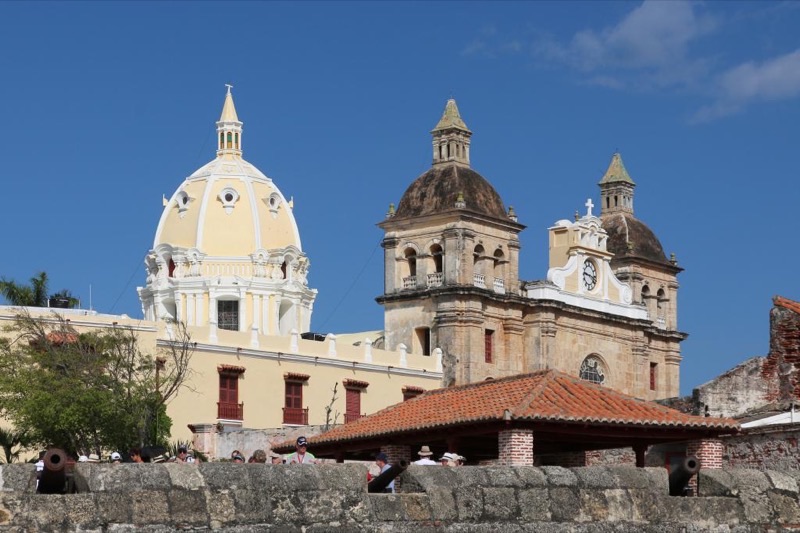
Colombia has a deeply layered history and culture that is immediately accessible. Cartagena is a colonial masterpiece, with its walled city, cobblestone streets, and plazas. Bogotá offers historical sites like La Candelaria and world-class museums such as the Gold Museum (Museo del Oro) and Botero Museum. Medellín, once infamous, is now celebrated for its transformation and innovative urban projects. The countrys African heritage is palpable in places like Palenque and throughout the Caribbean coast, influencing music and dance. Salsa music and dancing are integral to daily life, especially in Cali. The indigenous cultures of the Sierra Nevada de Santa Marta (Kogi, Arhuaco) also offer unique perspectives. Colombias cultural fabric is more visibly diverse, dynamic, and engaging for travelers.
- Winner: Colombia
- Why: Colombia presents a more overtly rich and diverse cultural experience, with well-preserved colonial cities, vibrant music, and readily visible indigenous and African influences.
- Who this matters for: History buffs, art lovers, music and dance enthusiasts, and those seeking immediate cultural immersion.
🛡️ Safety & Security
Chile is often perceived as one of the safer countries in South America. Major cities like Santiago and Valparaíso have petty crime, including pickpocketing and bag snatching,…

Chile
Colombia
Chile is often perceived as one of the safer countries in South America. Major cities like Santiago and Valparaíso have petty crime, including pickpocketing and bag snatching, especially in crowded tourist areas or on public transport. Violent crime targeting tourists is less common but not unheard of. It is important to be aware of surroundings, especially at night. Political protests can occasionally disrupt city centers; checking local news is advisable. Remote areas, particularly in Patagonia, are very safe for outdoor activities. Overall, exercising common sense travel precautions makes a trip to Chile largely uneventful.
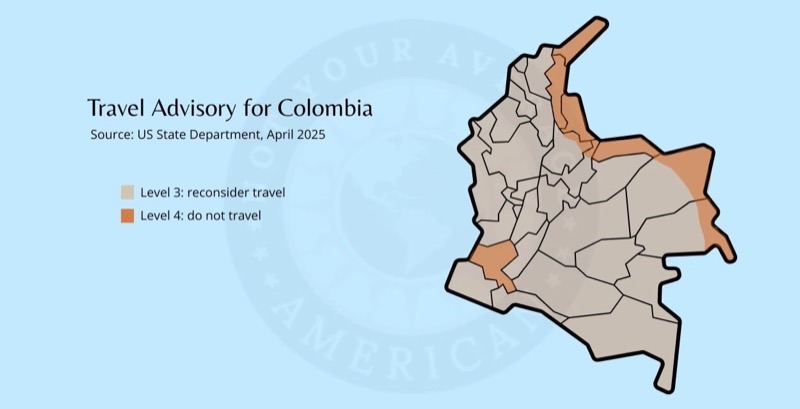
Colombia has made tremendous strides in safety over the past decades. Major tourist cities like Medellín, Cartagena, and Bogotá are generally safe for visitors during the day. However, petty crime (pickpocketing, phone snatching) is prevalent, particularly in crowded areas or when distracted. Express kidnappings (secuestro express) using taxis have occurred in Bogotá, so using ride-sharing apps or official hotel taxis is advised. Certain neighborhoods, especially on the outskirts of cities, should be avoided. Rural areas, particularly near borders or where illegal activities persist, can be risky. While much improved, Colombia still requires a higher degree of vigilance than Chile. Both countries require standard urban precautions.
- Winner: Tie
- Why: Both countries require travelers to exercise common sense and situational awareness, particularly in urban areas, with similar levels of petty crime concerns.
- Who this matters for: All travelers, as safety is a fundamental concern for every trip.
🎉 Nightlife
Chiles nightlife is concentrated in Santiago and Valparaíso. Santiago has districts like Barrio Bellavista and Barrio Lastarria, which are full of bars, pubs, and restaurants.…
Chiles nightlife is concentrated in Santiago and Valparaíso. Santiago has districts like Barrio Bellavista and Barrio Lastarria, which are full of bars, pubs, and restaurants. Bellavista can get lively on weekends with a mix of locals and tourists. Valparaíso offers a more bohemian and gritty scene, with smaller bars and live music venues tucked into its hills. The atmosphere is generally relaxed, focused on socializing over drinks and conversation, often stretching late into the night. Expect to pay around 4,000 CLP-6,000 CLP ($4-$6.50 USD) for a beer or a glass of wine in a typical bar. Clubs usually start picking up after midnight.
Colombia truly comes alive at night. Medellín, particularly in El Poblado and Laureles, is renowned for its electronic music clubs, salsa bars, and trendy cocktail spots. Bogotá has a diverse nightlife scene, from the Zona T and Parque 93 with upscale bars to the more traditional salsa clubs in Chapinero. Cartagena offers a mix of rooftop bars overlooking the old city and energetic clubs playing reggaeton and champeta. Colombians love to dance, and the energy is infectious. A local beer might cost 8,000 COP-15,000 COP ($2-$4 USD), while a cocktail could be 25,000 COP-40,000 COP ($6.50-$10 USD). The sheer variety, energy, and commitment to dancing make Colombia a clear winner for nightlife.
- Winner: Colombia
- Why: Colombia provides a more dynamic, energetic, and diverse nightlife scene, particularly with its strong salsa and electronic music culture.
- Who this matters for: Party-goers, social travelers, and those who enjoy dancing and live music.
🚗 Getting Around
Chiles infrastructure is generally well-maintained, making travel efficient. Long-distance buses are a primary mode of transport, offering comfortable 'cama' (bed) or 'semi-cama'…
Chiles infrastructure is generally well-maintained, making travel efficient. Long-distance buses are a primary mode of transport, offering comfortable 'cama' (bed) or 'semi-cama' seats for overnight journeys. Companies like TurBus or Pullman Bus are reliable. For example, a 12-hour overnight bus from Santiago to Pucón costs around 30,000 CLP-50,000 CLP ($32-$54 USD) depending on the seat class. Domestic flights with LATAM, Sky Airline, or JetSMART connect major cities and regions, cutting down travel time significantly, especially for the long distances between the Atacama and Patagonia. Renting a car is straightforward for exploring areas like the Lakes District or Carretera Austral, though road conditions can vary in remote Patagonia. Santiago has an efficient metro system. Getting around Chile is generally smooth and predictable.
Colombia also relies heavily on long-distance buses, with numerous companies serving routes between cities. Travel times can be longer due to mountainous terrain and road conditions in some areas. A bus from Medellín to Bogotá (8-10 hours) can cost 70,000 COP-100,000 COP ($18-$25 USD). Domestic flights are frequent and often affordable, especially with low-cost carriers like Avianca, Wingo, and LATAM, making it viable to fly between major hubs like Bogotá, Medellín, and Cartagena for relatively low prices (e.g., $40-$80 USD for a one-way trip). City transport includes Bogotá's TransMilenio and Medellín's Metro, both efficient. While comprehensive, Colombias roads can be less predictable, especially in rural or mountainous areas, and self-driving is less common for tourists. Chile wins for overall ease and quality of infrastructure.
- Winner: Chile
- Why: Chile offers a more polished and efficient transport infrastructure, particularly for long-distance travel and self-driving.
- Who this matters for: Travelers prioritizing comfort, efficiency, and those considering renting a car for exploration.
🏨 Accommodation
Accommodation in Chile can be a significant part of the budget. Hostels are readily available in cities and tourist towns, with a dorm bed typically costing 12,000 CLP-20,000 CLP…
Accommodation in Chile can be a significant part of the budget. Hostels are readily available in cities and tourist towns, with a dorm bed typically costing 12,000 CLP-20,000 CLP ($13-$22 USD). Private rooms in hostels or basic guesthouses start around 30,000 CLP-50,000 CLP ($32-$54 USD). In popular areas like San Pedro de Atacama or Puerto Natales, prices can be higher, with a basic dorm bed nearing 25,000 CLP ($27 USD) and private rooms easily exceeding 60,000 CLP ($65 USD). Higher-end hotels are available but come with international pricing. Availability in peak season, especially in Patagonia, requires advance booking. Standards are generally good, but you pay more for quality.
Colombia offers fantastic value for accommodation across all price points. Hostel dorm beds in major cities like Medellín, Bogotá, or Cartagena typically range from 35,000 COP-60,000 COP ($9-$15 USD). Private rooms in comfortable hostels or charming boutique guesthouses often cost 80,000 COP-150,000 COP ($20-$38 USD). Even in popular areas like Salento or Tayrona, prices remain competitive. Airbnb options are abundant and often more affordable than traditional hotels. The quality-to-price ratio in Colombia is consistently high, meaning you can often afford a much nicer private room or even a boutique hotel for the same price as a basic hostel in Chile. Colombia is the clear winner for accommodation value.
- Winner: Colombia
- Why: Colombia offers significantly better value for accommodation, with a wider selection of affordable and high-quality hostels and guesthouses.
- Who this matters for: Budget travelers, those seeking comfort without high costs, and anyone looking for good value.
🏖️ Beaches & Coastlines
Chiles coastline is extensive, stretching thousands of kilometers along the Pacific. However, the Humboldt Current keeps the water cold, even in summer. Beaches near Valparaíso…
Chiles coastline is extensive, stretching thousands of kilometers along the Pacific. However, the Humboldt Current keeps the water cold, even in summer. Beaches near Valparaíso and Viña del Mar are popular for walking and sunbathing, but less so for swimming without a wetsuit. Surfing is popular in spots like Pichilemu. The northern desert coast around Arica offers warmer temperatures but is not a classic beach destination. While the coastal scenery can be dramatic, with cliffs and strong waves, it generally lacks the warm, inviting waters and white sands associated with tropical beach holidays. Bahia Inglesa in the north is one of the few places with genuinely pleasant, warmer waters and calm bays.
Colombia, on the other hand, boasts a stunning Caribbean coastline with warm, clear waters and palm-fringed, white-sand beaches. Cartagena is a gateway to the Rosario Islands, which offer snorkeling, diving, and relaxation. Tayrona National Natural Park provides a unique experience of jungle meeting the sea, though currents can be strong. San Andrés and Providencia are farther-flung islands offering Caribbean paradise. The Pacific coast of Colombia is less developed for tourism but offers unique experiences like whale watching (seasonal) and Afro-Colombian culture. For traditional warm-water beach experiences, Colombia is unequivocally the superior choice. The ease of access to warm, swimmable ocean makes Colombia the winner.
- Winner: Colombia
- Why: Colombia offers a tropical Caribbean coastline with warm, clear waters and sandy beaches ideal for swimming and relaxation, unlike Chile's cooler Pacific shores.
- Who this matters for: Beach lovers, sun worshippers, snorkelers, and those seeking warm-water activities.
☀️ Weather & Seasons
Chile's length means its weather varies drastically. The Atacama Desert in the north is arid and sunny year-round, with cold nights. Central Chile (Santiago, Valparaíso) has a…
Chile's length means its weather varies drastically. The Atacama Desert in the north is arid and sunny year-round, with cold nights. Central Chile (Santiago, Valparaíso) has a Mediterranean climate – hot, dry summers (Dec-Feb) and mild, rainy winters (June-Aug). Southern Chile and Patagonia experience a more temperate, often unpredictable climate, with cool summers, high winds, and frequent rain, even in peak season (Dec-Feb). Traveling the length of Chile means encountering multiple seasons. For example, July is winter in Santiago but can still be explored, while Patagonia is cold and many trekking routes are closed. Peak season (December to February) offers the best weather for Patagonia but also means higher prices and crowds everywhere.
Colombia has a tropical climate, but altitude plays a significant role. The Caribbean coast (Cartagena, Tayrona) is hot and humid year-round (28-32°C / 82-90°F). Cities in the Andes like Bogotá (2640m / 8660ft) have a spring-like climate that is cool and pleasant (14-22°C / 57-72°F) throughout the year, with less temperature variation. Medellín (1500m / 4900ft) enjoys a pleasant eternal spring climate (22-28°C / 72-82°F). Colombia experiences two rainy seasons (roughly April-May and October-November), but rain often comes in short, heavy bursts rather than all-day downpours. Travel is possible year-round, with specific activities perhaps better suited to drier months. Both countries have distinct climate patterns that require specific planning, leading to a tie in this category.
- Winner: Tie
- Why: Both countries present diverse weather patterns, requiring specific planning based on region and time of year, with no clear 'best' overall climate.
- Who this matters for: All travelers, as weather conditions significantly impact travel experience and activity choices.
🎯 The Decision Framework
Choose Chile If…
- You crave extreme deserts, towering mountains, and massive glaciers.
- You appreciate world-class wine regions and a developed culinary scene.
- You prefer efficient infrastructure and smooth long-distance travel.
- You are willing to spend more for a comfortable, less chaotic travel experience.
- You want to hike iconic trails in Patagonia like Torres del Paine.
- You value stargazing in one of the worlds clearest observatories.
- You enjoy cooler climates and dramatic, rugged coastlines.
- You are interested in exploring volcanic landscapes and pristine lakes.
- You seek a travel experience that feels more orderly and predictable.
Choose Colombia If…
- You want warm Caribbean beaches and tropical island escapes.
- You seek a truly budget-friendly travel experience across all categories.
- You are drawn to vibrant colonial cities and lively salsa culture.
- You enjoy flavorful, diverse, and affordable street food and local dishes.
- You want to explore lush coffee regions and cloud forests.
- You thrive in social environments with abundant nightlife and dancing.
- You are interested in ancient gold artifacts and diverse indigenous histories.
- You prefer a tropical climate with consistent warmth or pleasant mountain temperatures.
- You are ready for a more spontaneous and energetic travel journey.
📅 Sample Itineraries
Weekend in Chile (3 Days)
💡 Purchase a Bip! card for Santiago's public transport at any metro station for around $2.50, then load it with credit to save time and money on bus and metro rides.
Weekend in Colombia (3 Days)
💡 In Medellín, use the Metro system extensively. A single fare is less than $1, making it a very economical and efficient way to explore the city.
One Week in Chile (7 Days)
💡 Book Atacama tours locally in San Pedro de Atacama for better prices and more flexibility; prices can be $5-10 cheaper than online bookings.
One Week in Colombia (7 Days)
💡 For boat trips to the Rosario Islands from Cartagena, negotiate prices directly at Muelle de la Bodeguita or book a shared tour to save money, often starting from $30-40 per person.
❓ Frequently Asked Questions
What is the average flight time from the US to Chile versus Colombia?
A direct flight from major US cities like Miami or Houston to Santiago, Chile (SCL) typically takes 8-10 hours. Flights to Bogotá, Colombia (BOG) from the same US hubs are significantly shorter, usually around 4-5 hours directly, making Colombia more accessible for shorter trips.
Which country is better for solo female travelers?
Both countries require vigilance for solo female travelers. Chile is often perceived as marginally safer in terms of violent crime, but petty theft is common. Colombia has made significant safety improvements, but exercising caution, especially at night or in unfamiliar areas, is paramount. Many solo female travelers successfully visit both, using common sense like avoiding walking alone at night and securing belongings.
Is it easy to travel between major cities in both countries?
Yes, both countries have extensive bus networks and frequent domestic flights connecting major cities. Chile's buses tend to be more comfortable and roads better maintained for long distances. Colombia's domestic flights are often very affordable, making air travel a common choice between distant hubs like Bogotá, Medellín, and Cartagena.
Which country has better internet and digital nomad infrastructure?
Colombia, particularly Medellín and Bogotá, offers excellent internet speeds, a thriving coworking scene, and a large digital nomad community, along with more affordable living costs. Chile has good internet in cities, but costs are higher, and the digital nomad community is smaller and less centralized. For nomads, Colombia generally provides a better setup.
What are the visa requirements for US citizens for Chile and Colombia?
US citizens do not require a visa for tourist stays up to 90 days in both Chile and Colombia. You will generally receive a tourist card upon arrival. Always check the latest entry requirements before travel, as regulations can change.
Which country offers more unique adventure activities?
Chile excels in high-altitude desert adventures (Atacama stargazing, geysers), glacier trekking (Patagonia), and volcano climbing. Colombia offers unique activities like paragliding over Medellín, exploring the Cocora Valley with its wax palms, diving off the Caribbean islands, and jungle treks in Tayrona. Chiles adventures are often more extreme and landscape-focused, while Colombias are diverse and often warmer.
Can I drink the tap water in Chile or Colombia?
In Chile, tap water is generally safe to drink in major cities like Santiago and Valparaíso. In Colombia, it is generally not recommended to drink tap water outside of Bogotá and Medellín, where it is often potable. In other areas, and as a general precaution, bottled water is preferred to avoid stomach issues.
Which country is better for learning Spanish?
Colombia is often cited as an excellent place to learn Spanish, especially in Medellín or Bogotá, due to the clear and relatively neutral accent. Chileans have a reputation for speaking very fast and using much local slang, which can be challenging for beginners. For language learning, Colombia often provides a more accessible environment.
Ready to plan your South America trip?
Get a free custom itinerary for Chile, Colombia, or both — built from real traveler insights.
👥 Travelers Also Compared
🎟️ Book Tours & Experiences
Hand-picked tours and activities for both destinations — book with free cancellation
Experiences via Viator — free cancellation on most tours