How we built this comparison
This page combines traveler discussion patterns, published price ranges, flight schedules, and seasonal data to help you decide between Chile and Ecuador.
- Reviewed 50+ Reddit threads from r/travel, r/solotravel, r/chile, r/ecuador, r/southamerica for authentic insights.
- Verified costs and logistics against current booking platforms (e.g., Booking.com, Busbud, Google Flights) and recent traveler reports.
- Cross-referenced seasonal patterns and weather data from meteorological sources for optimal travel timing.
⚡ Quick Answers
⚡ The TL;DR Verdict
For travelers prioritizing budget-friendly adventures and diverse ecosystems within a smaller footprint, Ecuador takes the lead. Chile caters more to those with a larger budget seeking vast, dramatic landscapes and a more developed infrastructure. Most travelers should lean towards Ecuador for its accessible range of experiences without breaking the bank.
- Choose Chile: You have a larger budget, want to explore extreme deserts, world-class wine regions, or trek iconic Patagonia trails like the W Circuit.
- Choose Ecuador: You are a budget-conscious traveler seeking quick access to Andes peaks, Amazon jungle, Pacific beaches, and colonial cities like Quito or Cuenca.
- Choose Both: If you have 4+ weeks and a flexible budget, combine Ecuador's diversity with Chile's southern Patagonia or Atacama wonders for a comprehensive South American journey.
Choose Chile
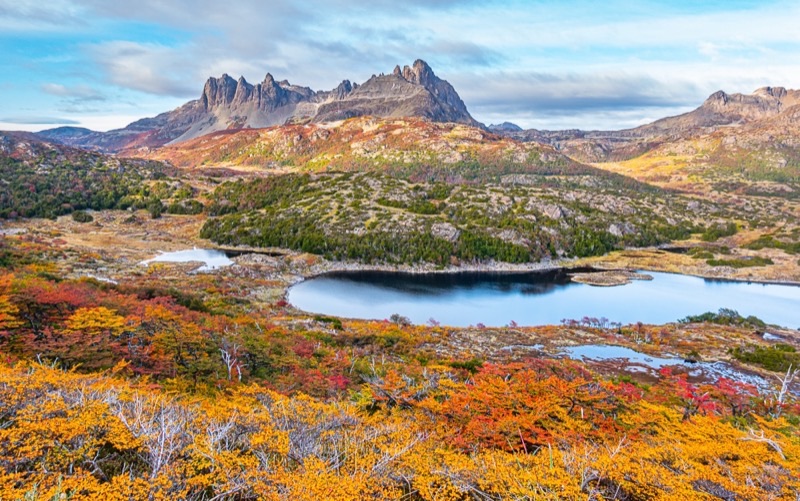
Choose Chile if you envision a grand adventure across vast, dramatic landscapes and have a more generous budget. It's best for those eager to explore the otherworldly Atacama Desert, indulge in world-class wine tastings in its central valleys, or embark on challenging treks through the majestic peaks of Torres del Paine in Patagonia. Chile provides a developed infrastructure for an epic, high-end South American journey.
Choose Ecuador
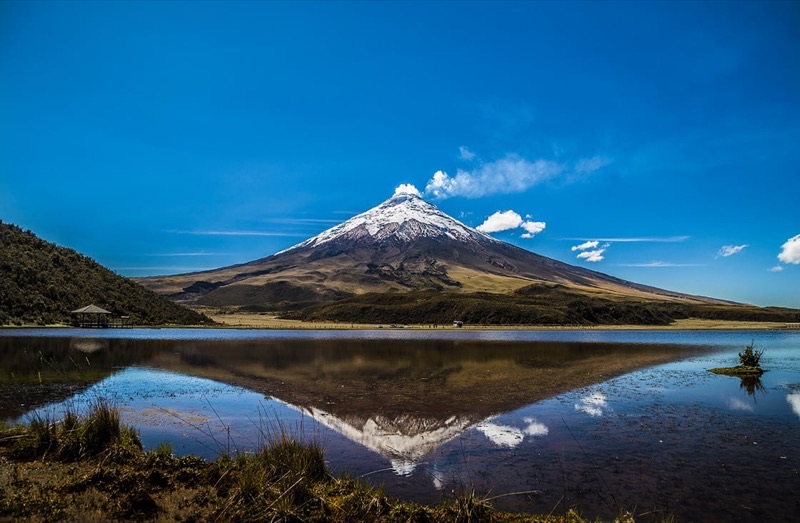
Ecuador is your ideal pick if you're a budget-savvy explorer yearning for incredible natural diversity and rich culture without extensive travel times. It's best for those wanting to hike accessible Andes volcanoes, discover the Amazon rainforest, relax on Pacific beaches near Mompiche, or immerse themselves in the colonial charm of cities like Quito or Cuenca. Experience a wealth of South American adventures on a more modest budget.
📊 Visual Scorecard
🌤 When to Visit
Average high temperatures (°C). Green = best months, orange = avoid.
Quick Comparison
| Category | Chile | Ecuador | Winner |
|---|---|---|---|
| Costs & Budget | Higher daily costs, especially in Patagonia and Santiago. Expect to pay more for food, transport, and lodging. | Generally more affordable. Daily expenses for food and lodging are significantly lower, except for the Galapagos. | Ecuador |
| Nature & Outdoors | Extreme diversity: Atacama Desert, Andes mountains, Patagonia glaciers, Pacific coast. | Compact diversity: Andes, Amazon, Pacific coast, and the unparalleled Galapagos Islands. | Ecuador |
| Culture & History | European-influenced culture, strong wine tradition, colonial architecture in Valparaíso, indigenous Mapuche presence. | Strong indigenous heritage, well-preserved colonial cities, Inca ruins, and vibrant traditional markets. | Ecuador |
| Food & Drink | Seafood, grilled meats, empanadas, and world-renowned wines. More international options in Santiago. | Hearty Andean cuisine, diverse tropical fruits, fresh seafood on the coast, and cheaper local options. | Ecuador |
| Getting There & Around | Long international flights, extensive but costly domestic travel, good bus network, challenging to navigate remote areas. | Shorter international flights, compact internal travel, cheap and efficient bus system, easy access to diverse regions. | Ecuador |
| Accommodation | Wider range of upscale options, but budget accommodation is pricier. Hostels, boutique hotels, and some luxury stays. | Budget-friendly hostels and guesthouses are abundant. Good value for mid-range hotels. Galapagos lodging is separate. | Ecuador |
| Safety & Health | Generally safe, but petty crime is a concern in cities. Good healthcare, but travel insurance is essential. | Generally safe with common sense. Petty crime in cities, some areas require caution. Good, affordable healthcare. | Tie |
| Nightlife & Entertainment | Santiago has a lively bar and club scene. Valparaíso offers bohemian bars. Wine region tours. | Quito and Guayaquil have options. Baños offers backpacker-friendly bars. More focused on local gatherings and cultural events. | Chile |
| Beaches & Coastlines | Long Pacific coastline, but cold water. Some surf spots, resort towns like Viña del Mar. | Warm Pacific waters, diverse beaches from party towns to tranquil spots, excellent surfing and wildlife. | Ecuador |
| Solo Travel Suitability | Good infrastructure, easy to meet people in hostels, but can be pricier. Some remote areas are more challenging. | Very popular for solo travelers, strong backpacker trail, easy to meet people, affordable, compact for navigation. | Ecuador |
💰 Costs & Budget
Chile is one of South Americas more expensive destinations. A mid-range traveler can expect to spend $90-180 USD per day for accommodation, food, and basic activities. A simple…
Chile
Ecuador
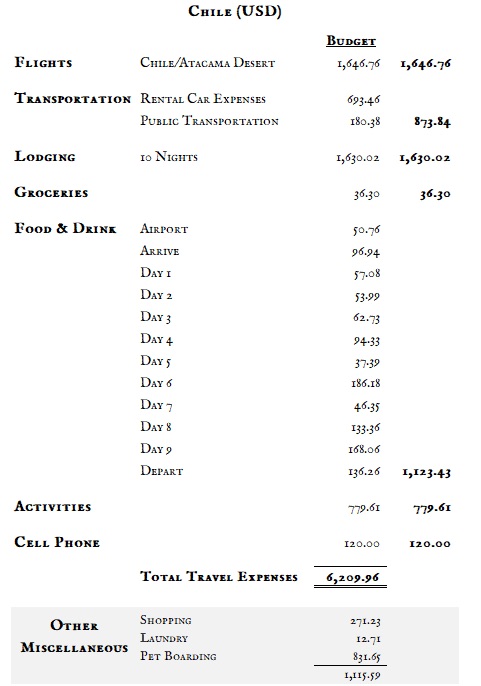
Chile is one of South Americas more expensive destinations. A mid-range traveler can expect to spend $90-180 USD per day for accommodation, food, and basic activities. A simple meal in Santiago might cost CLP 10,000 (~$11 USD), and a decent hostel bed in Valparaíso goes for CLP 15,000-25,000 (~$16-27 USD). Transport, especially long-distance buses, also adds up; a Santiago to Puerto Varas bus ticket can be CLP 30,000-50,000 (~$33-55 USD). Entry to Torres del Paine National Park is around $35-50 USD, and camping or refugio stays there significantly increase the daily budget to $100+ USD.
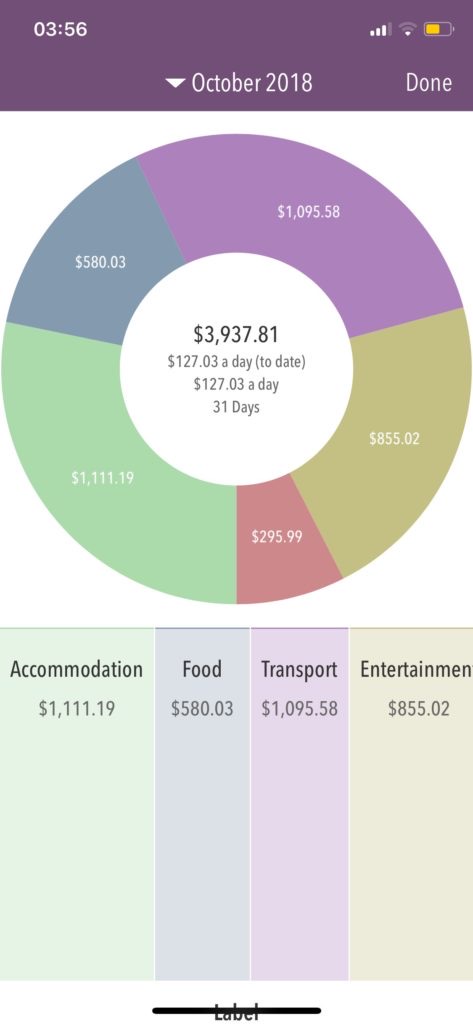
Ecuador offers much better value. A mid-range daily budget often falls between $60-120 USD, excluding Galapagos. You can find a good set lunch, an 'almuerzo,' for $3-5 USD outside tourist zones, and hostel beds in Quito or Cuenca often range from $15-25 USD. Intercity buses are very cheap, for example, Quito to Baños costs around $5-8 USD. Even guided tours, like a day trip to Cotopaxi, might be $50-80 USD. The major exception is the Galapagos Islands, which require a separate budget of $200-500+ USD per day depending on the type of trip. For general backpacking and exploring, Ecuador is the clear winner for budget-conscious travelers.
- Winner: Ecuador
- Why: Ecuador provides a more budget-friendly experience across most categories, allowing dollars to stretch further.
- Who this matters for: Budget travelers, long-term backpackers, and those wanting more value for their money.
🏞️ Nature & Outdoors
Chile delivers dramatic, expansive landscapes. The Atacama Desert in the north offers otherworldly moonscapes, geysers, and clear night skies. The central region features wine…
Chile
Ecuador
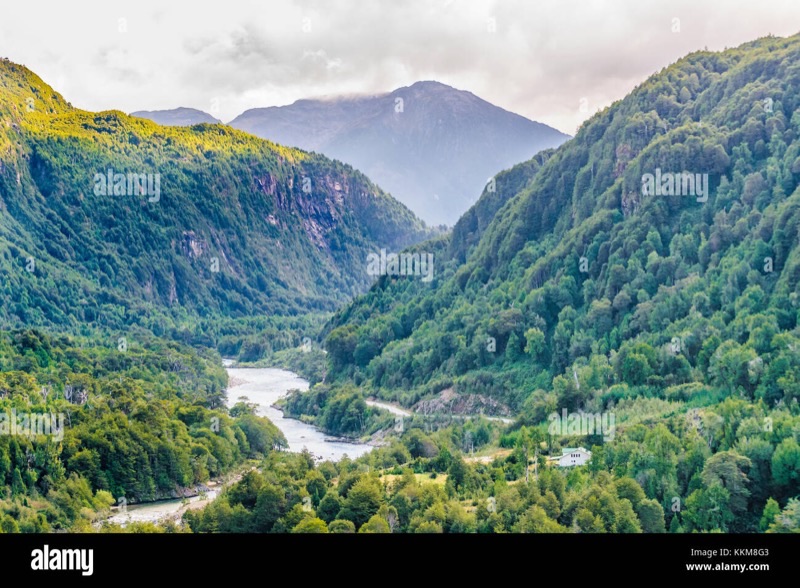
Chile delivers dramatic, expansive landscapes. The Atacama Desert in the north offers otherworldly moonscapes, geysers, and clear night skies. The central region features wine valleys and the Pacific coast. Further south, the Chilean Patagonia includes iconic Torres del Paine National Park, with its granite peaks and glaciers, and the Carretera Austral, a remote road for adventure seekers. Getting between these regions requires significant travel time and often expensive internal flights due to the countrys length. For example, a flight from Santiago to Calama (Atacama) or Punta Arenas (Patagonia) can cost $100-300 USD one way.
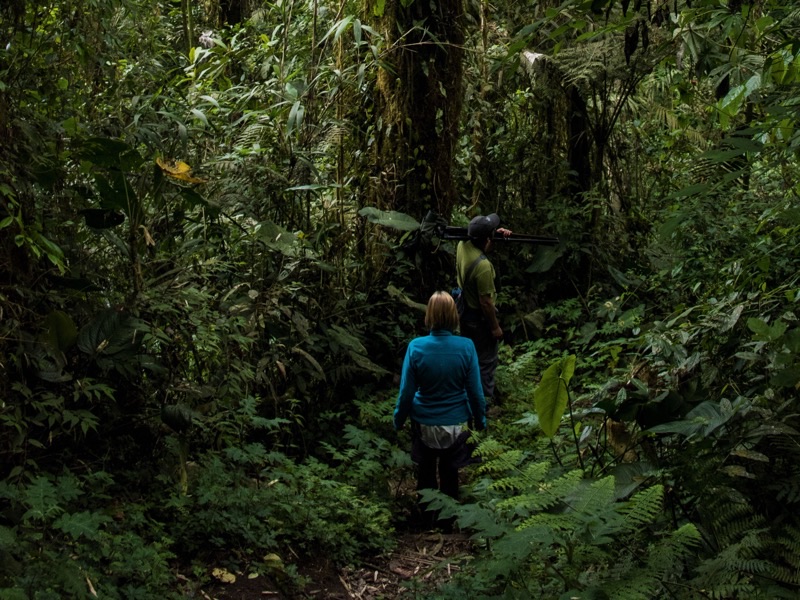
Ecuador packs incredible biodiversity into a smaller area. Within a few hours drive from Quito, you can be in the cloud forests of Mindo, trekking around Cotopaxi volcano, or exploring the Amazon rainforest. The Pacific coast offers beaches like Montañita. The Galapagos Islands are a unique natural laboratory, home to endemic species found nowhere else. While accessing the Galapagos is expensive (flights $300-500 RT from Quito/Guayaquil, park fee $100 USD), the experience is unmatched. For sheer accessibility to a wide range of distinct ecosystems – from high-altitude Andes to tropical rainforest and unique island wildlife – Ecuador offers a more concentrated and impactful natural experience for most travelers.
- Winner: Ecuador
- Why: Ecuador offers unparalleled biodiversity and unique ecosystems like the Galapagos within a more accessible geographic area.
- Who this matters for: Wildlife enthusiasts, those with limited travel time, and travelers wanting diverse landscapes without long transit.
🏛️ Culture & History
Chilean culture has a significant European influence, especially in its central region. Santiago offers museums like the Museo de la Memoria y los Derechos Humanos, reflecting…
Chile

Ecuador
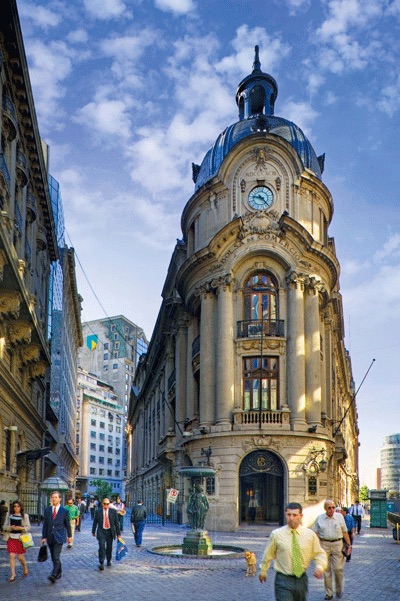
Chilean culture has a significant European influence, especially in its central region. Santiago offers museums like the Museo de la Memoria y los Derechos Humanos, reflecting recent history. Valparaíso is a UNESCO World Heritage site known for its colorful hillside houses and street art. The indigenous Mapuche culture is present, particularly in the south-central regions, but often less visible to casual tourists than in other Andean nations. Wine culture is prominent in areas like the Colchagua Valley, offering tours and tastings that are often a central part of a cultural visit. Historical sites are present but not as densely packed or as ancient as in other Andean countries.
Ecuador boasts a rich cultural heritage, deeply rooted in its indigenous past and colonial legacy. Quito's Old Town, a UNESCO site, is one of the best-preserved colonial centers in Latin America, full of grand churches like La Compañía de Jesús with its gold interior. Cuenca also offers a charming colonial experience. Ingapirca, the largest Inca ruins in Ecuador, provides a glimpse into pre-Columbian civilizations. Indigenous markets, such as Otavalo, are central to local life and offer a deep dive into traditional crafts and customs. The presence of indigenous communities and their traditions feels more integrated and accessible to the average traveler. For a palpable sense of layered history and living cultural traditions, Ecuador provides a more direct and impactful experience.
- Winner: Ecuador
- Why: Ecuador offers more accessible and visible indigenous heritage alongside exceptionally preserved colonial cities and ancient ruins.
- Who this matters for: History buffs, anthropologists, and travelers seeking authentic indigenous experiences.
🍽️ Food & Drink
Chilean cuisine often features fresh seafood, especially along its extensive coastline. Dishes like 'ceviche' or 'curanto' (a Patagonian seafood stew) are common. Grilled meats,…

Chile
Ecuador
Chilean cuisine often features fresh seafood, especially along its extensive coastline. Dishes like 'ceviche' or 'curanto' (a Patagonian seafood stew) are common. Grilled meats, or 'asado,' are also popular. Empanadas, particularly 'empanadas de pino' (beef and onion), are a staple. Santiago has a growing fine-dining scene and more international food options. Chile is globally recognized for its wine, particularly Cabernet Sauvignon and Carmenere, with numerous vineyards offering tours and tastings. While the quality can be high, food costs generally align with its higher overall price point. A good restaurant meal could easily be CLP 15,000-25,000 (~$16-27 USD) per person.
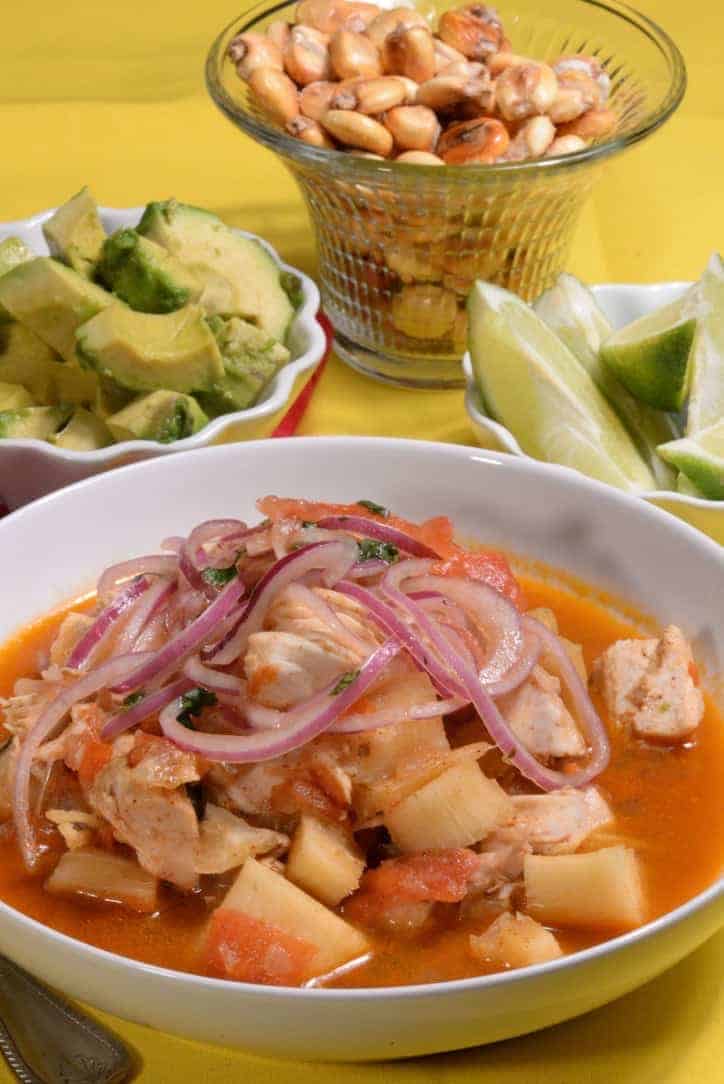
Ecuadorian food is generally more comfort-oriented and budget-friendly. Andean staples include soups like 'locro de papa' (potato soup with cheese and avocado), 'fritada' (fried pork), and 'cuy' (guinea pig, a traditional delicacy). The coastal regions offer excellent seafood, like 'encebollado' (fish stew) and 'ceviche,' often prepared differently than in Peru or Chile. The country boasts an incredible variety of tropical fruits. Street food and 'almuerzos' (set lunches) are abundant and very affordable, often costing $3-5 USD for a multi-course meal. While not as famous for wine, Ecuador has good local beer and unique fruit juices. For sheer variety, accessibility, and excellent value for money, Ecuador wins. You can eat well and cheaply across the country, making it a better food destination for the average traveler.
- Winner: Ecuador
- Why: Ecuador provides a wider range of affordable, hearty, and authentic local dishes, with exceptional value for money.
- Who this matters for: Foodies on a budget, travelers who enjoy street food, and those seeking authentic local flavors without breaking the bank.
✈️ Getting There & Around
Getting to Chile usually involves longer international flights, especially from North America or Europe, typically landing in Santiago (SCL). Direct flights can be 9-12 hours from…
Chile

Ecuador
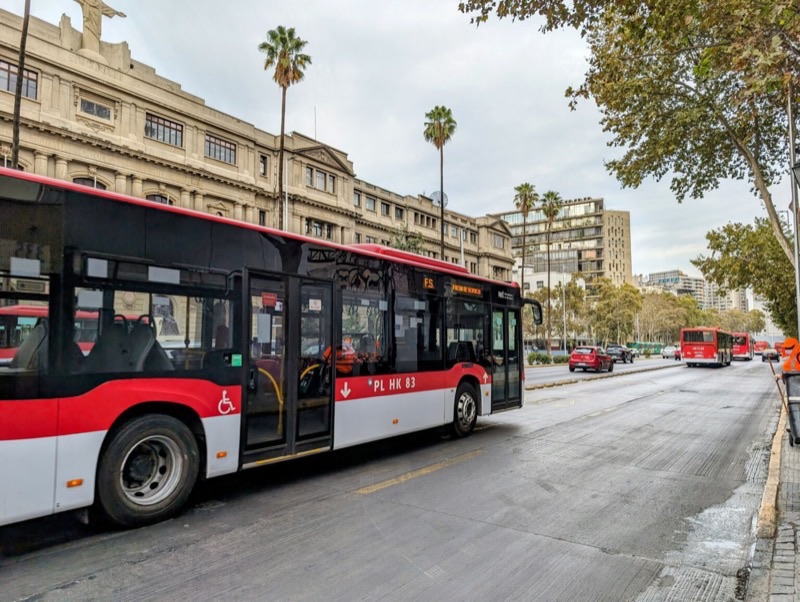
Getting to Chile usually involves longer international flights, especially from North America or Europe, typically landing in Santiago (SCL). Direct flights can be 9-12 hours from major US cities. Domestic travel within Chile is extensive but can be time-consuming and expensive. The countrys sheer length means that traveling from the Atacama Desert in the north to Patagonia in the south often requires internal flights, which can cost $100-300 USD one-way. Long-distance buses are comfortable but journeys can take 20+ hours. Renting a car for independent exploration, especially in Patagonia or the Carretera Austral, is an option but comes with high costs for rental and fuel.
Ecuador benefits from its smaller size and central location. International flights to Quito (UIO) or Guayaquil (GYE) are generally shorter and sometimes cheaper than to Santiago, often 5-7 hours from Miami or 9-11 hours from Europe. Internal travel is efficient and very affordable. A comprehensive and inexpensive bus network connects almost every town and city; a 4-hour bus ride typically costs $5-8 USD. Travel times between major destinations are usually a few hours. For example, Quito to Baños is about 3-4 hours by bus. Internal flights, like to the Galapagos, are more specialized but regional mainland flights are less common due to good bus infrastructure. For ease of access and affordable, efficient internal travel, Ecuador is a more straightforward destination.
- Winner: Ecuador
- Why: Ecuador offers shorter international flight times and a more compact, affordable, and efficient internal transportation network.
- Who this matters for: Travelers with limited time, those on a strict budget for transport, and people who prefer less time in transit.
🏨 Accommodation
Chile offers a good range of accommodation, from basic hostels to high-end boutique hotels, especially in cities like Santiago and Valparaíso. However, prices are generally…
Chile offers a good range of accommodation, from basic hostels to high-end boutique hotels, especially in cities like Santiago and Valparaíso. However, prices are generally higher. A decent hostel bed in Santiago can cost $20-35 USD, while a private room in a mid-range hotel might be $70-120 USD. In popular tourist areas like San Pedro de Atacama or Patagonia (Puerto Natales, Torres del Paine), accommodation costs skyrocket, with basic hostels starting at $30-50 USD and hotels going for $150-300+ USD. Camping is a popular and cheaper option in national parks but still requires equipment. Finding budget-friendly options that are also well-maintained can sometimes be a challenge outside of major cities.
Ecuador provides excellent value for accommodation across the board. Hostel beds in major cities like Quito, Cuenca, or Baños typically range from $12-25 USD, often including breakfast. Mid-range hotels offer comfortable private rooms for $40-80 USD. Even charming haciendas in the Andean highlands can be found for reasonable prices. The quality-to-price ratio is generally better in Ecuador. The significant exception is the Galapagos Islands, where even basic lodging starts around $80-150 USD per night, and cruises can cost thousands. However, for mainland travel, Ecuador consistently offers more affordable and comfortable lodging options for the average traveler.
- Winner: Ecuador
- Why: Ecuador consistently provides better value and more affordable accommodation options across its mainland destinations.
- Who this matters for: Budget travelers, those looking for good value, and backpackers who prioritize affordable and comfortable stays.
🚨 Safety & Health
Chile is considered one of the safer countries in South America, though petty crime, like pickpocketing and bag snatching, is prevalent in crowded areas of Santiago and…
Chile is considered one of the safer countries in South America, though petty crime, like pickpocketing and bag snatching, is prevalent in crowded areas of Santiago and Valparaíso. It is always advised to be aware of surroundings, especially at night, and to secure belongings. Public healthcare facilities can be strained, but private clinics offer good quality care, albeit at a cost. Travel insurance is highly recommended for any medical emergencies or unexpected incidents. Water quality in cities is generally good, but bottled water is safer in rural areas. Natural disasters, primarily earthquakes, are a risk.
Ecuador also requires common sense precautions. Petty crime, particularly muggings and pickpocketing, can occur in Quito and Guayaquil, especially at night or in less touristy zones. It is wise to avoid displaying valuables. Healthcare in major cities is good and more affordable than in Chile; a doctor visit might cost $20-50 USD. Travel insurance is still crucial for serious issues. Altitude sickness is a concern in cities like Quito (2,850m/9,350ft), and travelers should acclimatize slowly. Tap water is generally not safe to drink outside of major hotels. Both countries present similar safety considerations, with vigilance being key in urban areas, making them a tie in this category as neither stands out significantly above the other in general safety for tourists.
- Winner: Tie
- Why: Both countries require similar levels of caution regarding petty crime and have comparable healthcare access for travelers, making them a tie.
- Who this matters for: All travelers; those prioritizing safety should always exercise common sense and situational awareness in both destinations.
🎉 Nightlife & Entertainment
Chile offers a more developed and varied nightlife, particularly in its larger cities. Santiago has several districts known for bars, clubs, and live music, such as Barrio…
Chile offers a more developed and varied nightlife, particularly in its larger cities. Santiago has several districts known for bars, clubs, and live music, such as Barrio Bellavista and Barrio Lastarria. You can find everything from sophisticated cocktail bars to energetic dance clubs that stay open late. Valparaíso provides a more bohemian and artsy night scene, with many small bars and pubs scattered among its hills, often featuring live music. Wine tours in the central valleys offer a different kind of evening entertainment, focusing on tastings and gourmet dining. While not as wild as some other Latin American capitals, Chile generally has more options for going out and experiencing a structured nightlife.
Ecuadorian nightlife is generally more focused on local gatherings, salsa dancing, and backpacker bars. Quito's La Mariscal district has a concentration of bars and clubs, though it can feel touristy. Guayaquil also has some options, particularly along the Malecón 2000. Baños, a popular adventure town, offers a backpacker-friendly bar scene. Outside these areas, entertainment often involves communal gatherings, local festivals, and slower-paced evenings. While you can certainly find a good time, the breadth and sophistication of nightlife options are not as extensive as in Chile. For travelers prioritizing diverse and accessible evening entertainment, Chile holds an edge with its more established bar and club culture.
- Winner: Chile
- Why: Chile offers a more established and diverse nightlife scene, particularly in its major cities like Santiago and Valparaíso.
- Who this matters for: Party-goers, social travelers, and those who enjoy a variety of bars, clubs, and live music options.
🏖️ Beaches & Coastlines
Chile boasts an incredibly long coastline along the Pacific Ocean, but its waters are notoriously cold due to the Humboldt Current, making it less ideal for swimming and more for…
Chile boasts an incredibly long coastline along the Pacific Ocean, but its waters are notoriously cold due to the Humboldt Current, making it less ideal for swimming and more for admiring. Popular beach towns include Viña del Mar, known for its resorts and urban beaches, and La Serena further north. Surfing is possible in certain spots like Pichilemu, but generally, the Chilean coast is more rugged and dramatic than tropical. The beaches are often wide and expansive, offering views but not the warm, swim-friendly conditions many associate with a beach destination. Expect cooler temperatures even in summer.
Ecuador has a shorter but more inviting Pacific coastline with warmer waters. Beaches range from the lively party town of Montañita, famous for surfing and backpacker vibe, to tranquil, biodiverse spots like Ayampe or the Machalilla National Park near Puerto Lopez, where you can see humpback whales (June-September). Salinas is a popular local resort town. The water temperatures are pleasant for swimming, and there are ample opportunities for water sports like surfing, snorkeling, and diving. For travelers seeking classic warm-water beach experiences, active water sports, and beachside relaxation, Ecuador is the superior choice. The accessibility of its coast from major cities is also a plus.
- Winner: Ecuador
- Why: Ecuador offers warmer Pacific waters, better swimming conditions, and a wider variety of beach experiences for relaxation and water sports.
- Who this matters for: Beach lovers, surfers, sunbathers, and travelers seeking warm water activities.
🚶♀️ Solo Travel Suitability
Chile is a solid choice for solo travelers, particularly in well-trodden areas. Hostels in Santiago, Valparaíso, and Patagonia are common and make it easy to meet other travelers.…
Chile is a solid choice for solo travelers, particularly in well-trodden areas. Hostels in Santiago, Valparaíso, and Patagonia are common and make it easy to meet other travelers. The bus system is comfortable for solo journeys, and Spanish is widely spoken, facilitating communication. However, the higher costs can be a factor, especially when activities or accommodation prices are per person. Navigating extremely remote areas like parts of the Carretera Austral or very isolated treks might require more planning or joining a tour. Overall, solo travel is safe and manageable, but the budget aspect can be a constraint for longer trips.
Ecuador is exceptionally suitable for solo travelers, often considered one of the best countries in South America for this. Its compact size means less travel time between destinations, reducing logistical hurdles. The well-established backpacker trail (Quito-Baños-Cuenca-Montañita) ensures a constant flow of other solo adventurers, making it easy to find travel companions or simply connect in hostels. The affordability of transport, food, and accommodation makes a solo budget stretch further. Spanish is essential, but many in tourist areas speak some English. Safety is similar to Chile, requiring awareness. For its ease of navigation, strong social scene, and excellent value, Ecuador provides a more accessible and rewarding experience for most solo adventurers.
- Winner: Ecuador
- Why: Ecuador offers a more established backpacker trail, greater affordability, and easier navigation for solo travelers to connect and explore.
- Who this matters for: Solo travelers, backpackers, and those looking to meet other travelers easily while on a budget.
🎯 The Decision Framework
Choose Chile If…
- You want to trek in iconic Patagonia (Torres del Paine).
- You desire to explore the extreme landscapes of the Atacama Desert.
- You appreciate world-class wine regions and vineyard tours.
- You prefer a more European-influenced South American experience.
- You plan to visit remote Easter Island (though expensive).
- You seek sophisticated city life in Santiago.
- You are comfortable with a higher daily travel budget.
Choose Ecuador If…
- You are a budget-conscious traveler aiming to maximize your funds.
- You dream of seeing the unique wildlife of the Galapagos Islands.
- You want quick access to Andean mountains, Amazon jungle, and Pacific beaches.
- You are interested in ancient Inca ruins and vibrant indigenous cultures.
- You enjoy hearty, affordable local cuisine and tropical fruits.
- You prefer shorter travel times between diverse regions.
- You are a solo traveler looking for a well-trodden, social route.
📅 Sample Itineraries
Weekend in Chile (3 Days)
💡 Purchase a Bip! card for Santiago's public transport ($2.50 for the card, then load credit) to save time and money on bus and metro fares.
Weekend in Ecuador (3 Days)
💡 For local food, seek out 'Almuerzo' or 'Merienda' specials at small restaurants, offering a multi-course meal for $3-5.
One Week in Chile (7 Days)
💡 When planning multi-region trips in Chile, book domestic flights well in advance for better prices, often saving $30-50 per segment.
One Week in Ecuador (7 Days)
💡 For bus travel between cities, aim for early morning departures to avoid traffic and arrive at your destination with plenty of daylight, often costing $5-10 for intercity routes.
❓ Frequently Asked Questions
Which country is better for adventure sports?
Both offer adventure. Chile excels in high-altitude trekking, glacier hiking in Patagonia, and desert activities like sandboarding in the Atacama. Ecuador provides easier access to white-water rafting, canyoning, volcano climbing (Cotopaxi, Chimborazo), and surfing, often with lower prices. For variety and accessibility of different adventure types, Ecuador generally wins.
What are the typical flight times from the US to each country?
Flights from major US hubs (e.g., Miami, Houston) to Quito (UIO) are typically 5-7 hours direct. Flights to Santiago (SCL) are significantly longer, usually 9-11 hours direct from places like Dallas or Atlanta, and often involve layovers from other cities.
Is it easy to get around if I only speak English?
While Spanish is the official language in both, you can manage with English in major tourist areas, hotels, and tour agencies. However, learning basic Spanish phrases will significantly enhance your experience in both countries, especially in more rural areas or when using local transport and restaurants.
Which country has better hiking opportunities?
Chile offers iconic, multi-day treks in Patagonia (e.g., Torres del Paine W or O Circuit) which are physically demanding and generally more expensive. Ecuador provides numerous accessible day hikes around volcanoes like Cotopaxi or in cloud forests, alongside multi-day treks. Ecuador has more diverse and often shorter, cheaper hiking options.
What is the best time to visit each country?
For Chile, the summer months (December-February) are ideal for Patagonia, while the shoulder seasons (September-November, March-May) are better for the Atacama and central regions. Ecuador is a year-round destination due to its equatorial climate, but May-December is generally drier in the Andes and Amazon, while coastal areas are best December-May. Galapagos is good any time.
How much should I budget for a week of travel in each country?
Excluding international flights, a budget traveler might spend $400-800 USD for a week in mainland Ecuador. For Chile, expect $650-1200 USD for a week, with Patagonia or Easter Island significantly increasing these figures. These ranges include basic accommodation, food, and local transport.
Are there good opportunities for volunteering?
Both countries offer volunteering opportunities. Chile has options in conservation, social projects, and English teaching. Ecuador, particularly due to its biodiversity and strong community focus, has many projects in Amazon conservation, animal rescue centers (Mindo), social work in cities, and teaching English, often at more affordable rates for room and board.
Which country has better internet access for digital nomads?
Santiago, Chile, generally has better and more reliable internet infrastructure, including co-working spaces and cafes with strong Wi-Fi. Major cities in Ecuador like Quito and Cuenca also have good internet, but coverage can be spottier in smaller towns or remote areas. Chile is slightly more advanced in digital infrastructure.
Ready to plan your South America trip?
Get a free custom itinerary for Chile, Ecuador, or both — built from real traveler insights.
👥 Travelers Also Compared
🎟️ Book Tours & Experiences
Hand-picked tours and activities for both destinations — book with free cancellation
Experiences via Viator — free cancellation on most tours