How we built this comparison
This page combines traveler discussion patterns, published price ranges, flight schedules, and seasonal data to help you decide between Chile and Mexico.
- Reviewed 100+ Reddit threads from r/travel, r/solotravel, r/chile, r/mexico, r/mexicocity, r/visitingchile
- Verified costs and logistics against current booking platforms like Google Flights, Booking.com, and local bus/tour operator websites.
- Cross-referenced seasonal patterns and weather data from meteorological sources for optimal travel timing.
⚡ Quick Answers
⚡ The TL;DR Verdict
For those seeking diverse landscapes, adventure, and excellent wine without breaking the bank, Chile offers a robust experience around $80-150/day. Travelers prioritizing rich historical sites, street food, and shorter flights will find Mexico a compelling choice, often at $60-120/day. If you have limited time and budget, Mexico is the easier pick for North American travelers.
- Choose Chile: Go for expansive desert landscapes, challenging mountain treks, world-class wines, and a generally calmer travel pace. Ideal for active travelers, wine enthusiasts, and those wanting to explore Patagonia or the Atacama.
- Choose Mexico: Pick Mexico for ancient ruins, energetic cities, diverse regional cuisine, and warm water beaches. Excellent for history buffs, food explorers, beach lovers, and travelers on a tighter budget looking for shorter flight times from North America.
- Choose Both: To experience both, plan at least three weeks. Start with Mexico for a week of culture and food, then fly south for two weeks in Chile to tackle the Andes and deserts. Flights between the two can add $400-800 and take 8-12 hours with layovers.
Choose Chile
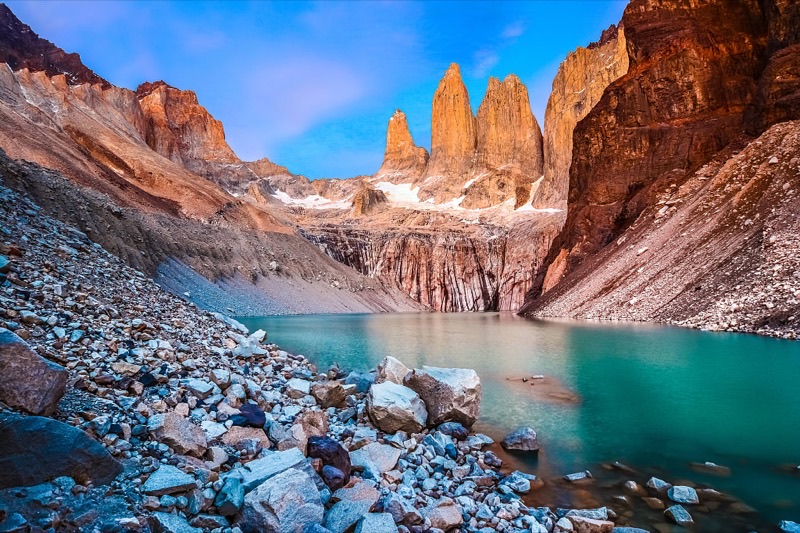
Opt for Chile if you crave breathtaking natural wonders and unparalleled adventure. Trek through the dramatic landscapes of Torres del Paine, stargaze in the otherworldly Atacama Desert, or savor world-class wines in the Colchagua Valley. It's best for active explorers, nature photographers, and wine enthusiasts seeking an expansive, high-value experience.
Choose Mexico
Pick Mexico to dive into ancient history, vibrant culture, and an explosion of flavors. Explore the majestic pyramids of Teotihuacan, feast on authentic street tacos in Mexico City, or relax on the stunning beaches of the Riviera Maya. It's perfect for history buffs, food adventurers, and budget-conscious travelers looking for an energetic, accessible getaway.
📊 Visual Scorecard
🌤 When to Visit
Average high temperatures (°C). Green = best months, orange = avoid.
Quick Comparison
| Category | Chile | Mexico | Winner |
|---|---|---|---|
| Costs & Budget | Generally more expensive, especially in Santiago and Patagonia. Daily budget $80-150. | More budget-friendly, particularly for food and local transport. Daily budget $60-120. | Mexico |
| Food & Drink | Known for seafood, empanadas, and world-class wine. Less spicy, hearty dishes. | Incredibly diverse, regional, and famous street food. Tequila, mezcal, and fresh ingredients. | Mexico |
| Nature & Landscapes | Extreme diversity: Atacama Desert, Andes Mountains, Patagonia's glaciers, temperate rainforests. | Jungles, deserts, cenotes, volcanos, Caribbean coast, Pacific coast. | Chile |
| Culture & History | European-influenced, strong literary tradition, indigenous Mapuche culture, colonial architecture. | Ancient Maya and Aztec civilizations, vibrant colonial cities, deep indigenous roots, rich traditions. | Mexico |
| Beaches | Pacific coastline, often rocky or with cold water. Good for surfing, less for swimming. | Caribbean white sand beaches with warm, clear water; Pacific coast for surfing and laid-back vibes. | Mexico |
| Getting Around | Excellent long-distance bus network, good domestic flights, rental cars for specific regions. | Extensive bus network (ADO), collectivos, domestic flights. Driving can be less predictable. | Tie |
| Safety | Generally considered one of the safest countries in South America, lower crime rates. | Varies by region; some areas have high crime rates, others are safe for tourists. | Chile |
| Nightlife | Santiago has a lively, late-night scene; Valparaiso offers bohemian bars. Less widespread. | Mexico City is world-class; Cancun and Playa del Carmen have resort clubs; smaller cities offer local cantinas. | Mexico |
| Adventure Activities | World-class trekking, mountaineering, skiing, rafting, stargazing, sandboarding. | Diving, snorkeling, cenote exploration, zip-lining, hiking, volcano climbing. | Chile |
| Accommodation | Good range from hostels to boutique hotels in cities, refugios in national parks. | Abundant options from budget hostels to luxury resorts, many Airbnbs. | Mexico |
💸 Costs & Budget
Chile, while offering exceptional value for its natural wonders, operates on a slightly higher price point than Mexico. Expect to pay around CLP 8,000-15,000 (about $8-15 USD) for…
Chile
Mexico
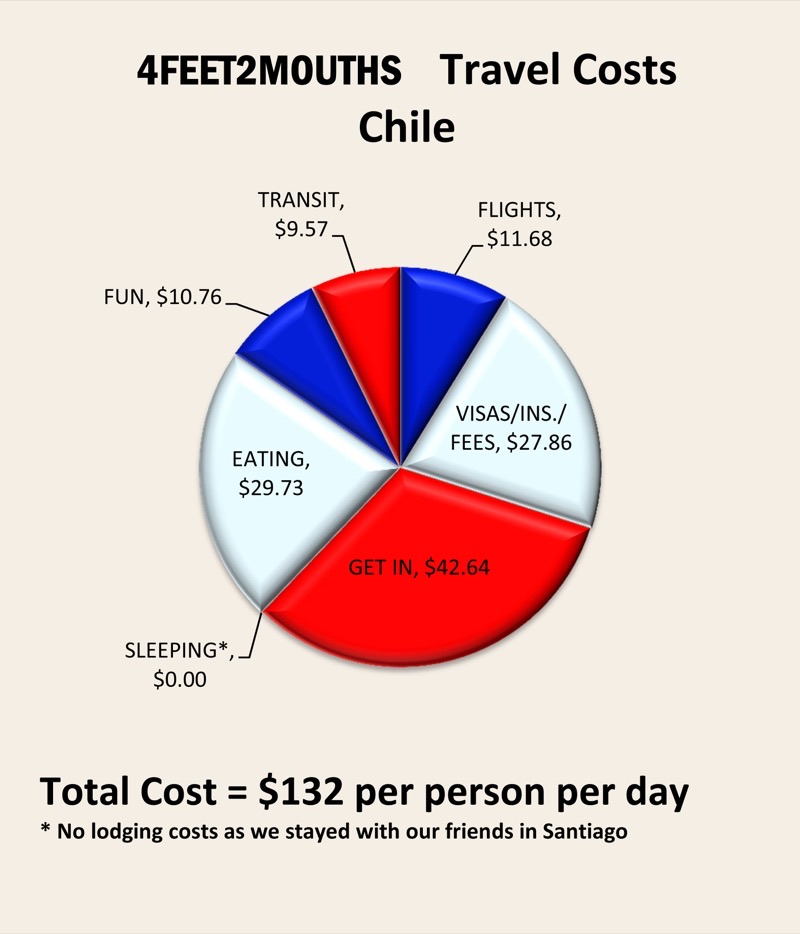
Chile, while offering exceptional value for its natural wonders, operates on a slightly higher price point than Mexico. Expect to pay around CLP 8,000-15,000 (about $8-15 USD) for a casual meal in Santiago, and hostel dorms can run CLP 18,000-30,000 (about $18-30 USD) per night. Patagonia's national parks, like Torres del Paine, have entrance fees of around $35 USD for foreigners, and multi-day treks often require booking refugios or campsites costing $40-100+ USD per night. Intercity buses, while comfortable, can also add up, with a 10-hour trip from Santiago to Puerto Varas costing about CLP 30,000-45,000 ($30-45 USD).
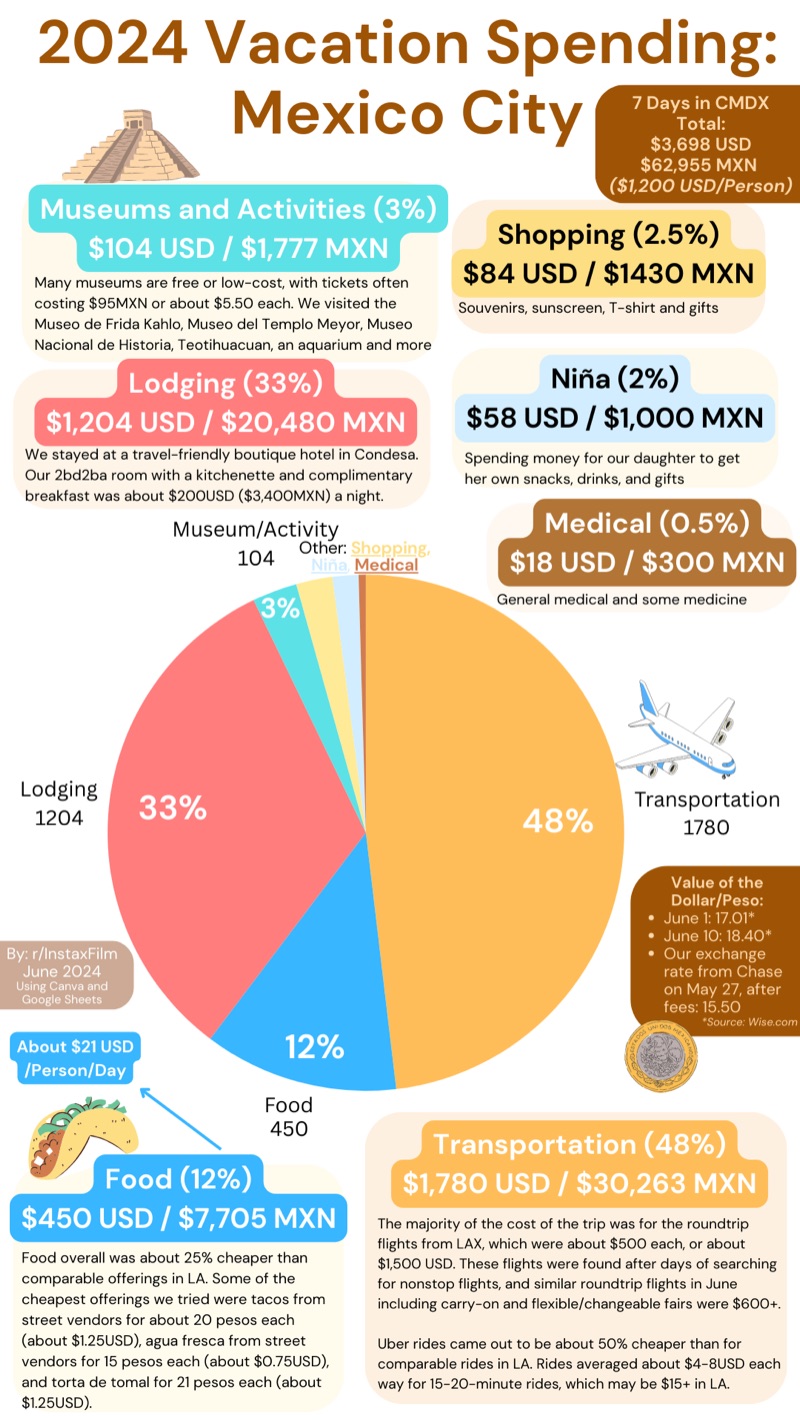
Mexico offers more bang for your buck, especially if you embrace local food and transport. A street taco can be as little as MXN 15-30 ($0.80-1.60 USD), and a sit-down meal at a fonda often costs MXN 100-200 ($5-10 USD). Hostel beds in Mexico City or Oaxaca average MXN 200-400 ($10-20 USD). Entry to major archeological sites like Chichen Itza is around MXN 600 ($33 USD), but many smaller, equally engaging sites are MXN 70-100 ($4-5 USD). Long-distance ADO buses are modern and reliable, with a 4-hour trip from Mexico City to Puebla costing about MXN 250-350 ($14-19 USD). Mexico provides a better overall travel value for the average tourist.
Tabiji verdict: Mexico is the clear winner for budget-conscious travelers.
- Winner: Mexico
- Why: Mexico consistently offers lower prices for accommodation, food, and local transportation.
- Who this matters for: Budget travelers, those planning extended trips, and anyone prioritizing saving money.
🌮 Food & Drink
Chilean cuisine centers on fresh ingredients, especially seafood from its long coastline and produce from its fertile valleys. Expect plates like curanto (a seafood and meat stew…
Chile
Mexico
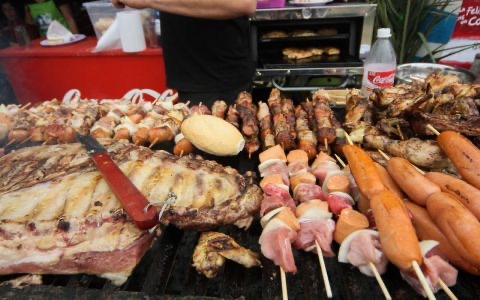
Chilean cuisine centers on fresh ingredients, especially seafood from its long coastline and produce from its fertile valleys. Expect plates like curanto (a seafood and meat stew from Chiloe), pastel de choclo (a savory corn pie), and various preparations of reineta or congrio. Empanadas, particularly those with pino (meat and onion filling), are a staple. The country is a major wine producer, with excellent vineyards in the Central Valley (e.g., Maipo, Colchagua) offering tours and tastings that rival any wine region globally. Chilean pisco sours are a national drink. While satisfying, the food generally lacks the complex spice profiles found elsewhere.
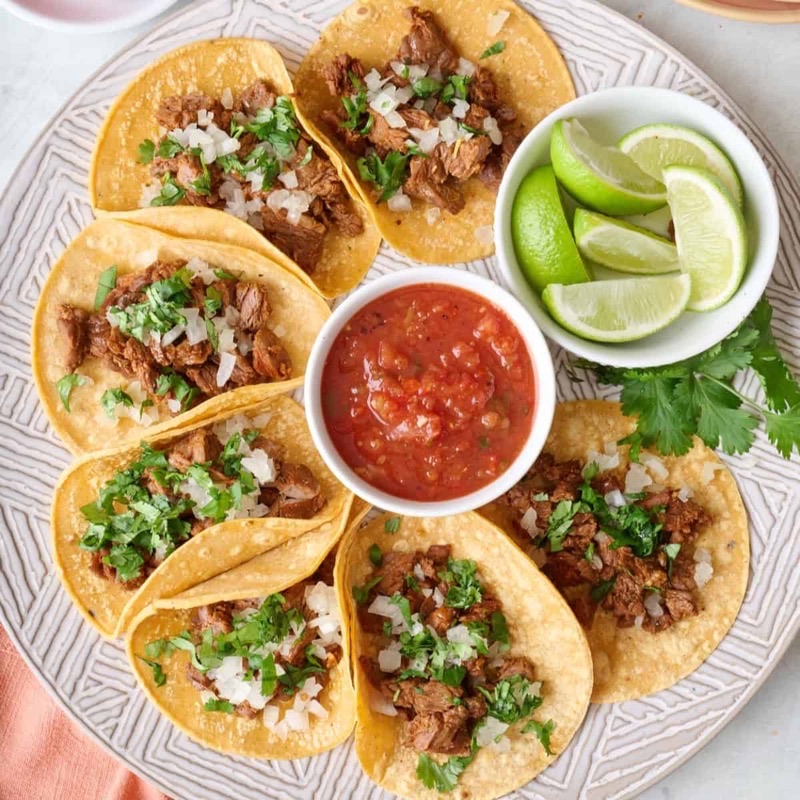
Mexico's food scene is in a different league, recognized by UNESCO for its cultural significance. From the complex moles of Oaxaca to the cochinita pibil of the Yucatán and the street tacos of Mexico City, the variety is immense. Eating well on a budget is simple: find a bustling taqueria like El Califa in Mexico City, a local fonda, or a market. Tequila and mezcal are integral to the culture, with countless varieties to sample. Fresh fruit, vibrant salsas, and corn-based dishes form the backbone. The regional diversity means you can explore new flavors constantly.
Tabiji verdict: Mexico offers a more diverse, complex, and globally celebrated food experience.
- Winner: Mexico
- Why: Mexico's culinary depth, regional diversity, and accessible street food are unparalleled.
- Who this matters for: Foodies, adventurous eaters, and those seeking vibrant gastronomic experiences.
⛰️ Nature & Landscapes
Chile's geography is arguably one of the most varied on the planet for its size. In the north, the Atacama Desert offers otherworldly moonscapes, geysers like El Tatio, and some…
Chile
Mexico
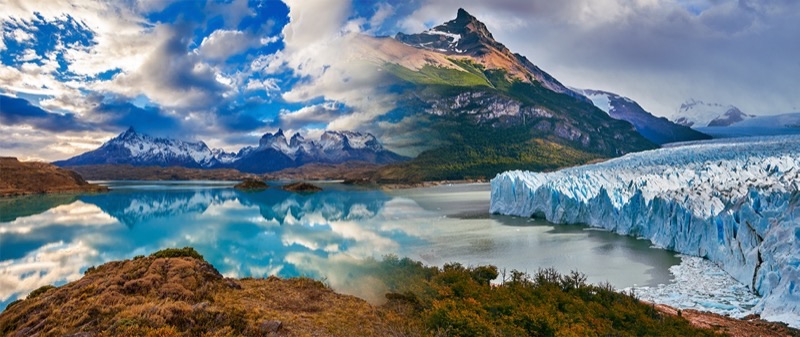
Chile's geography is arguably one of the most varied on the planet for its size. In the north, the Atacama Desert offers otherworldly moonscapes, geysers like El Tatio, and some of the clearest skies for stargazing. The central region is dominated by the Andes Mountains, providing skiing in winter and trekking in summer. Further south, the Lake District features volcanoes, lakes, and temperate rainforests. The ultimate draw is Patagonia, with its dramatic granite peaks of Torres del Paine, massive glaciers, and vast wilderness. It's a country designed for grand outdoor exploration and photographers. Hiking, mountaineering, and observing geological phenomena are primary activities.
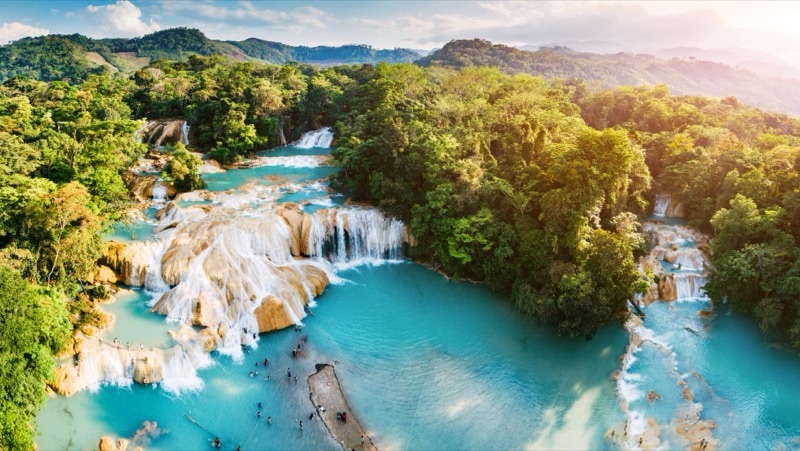
Mexico also holds a significant range of natural features. The Yucatán Peninsula is known for its extensive network of cenotes (natural sinkholes), providing unique swimming and snorkeling opportunities. The Sierra Madre mountains traverse the country, home to pine forests and deep canyons like Copper Canyon. The coasts offer tropical beaches, coral reefs for diving (e.g., Cozumel), and wildlife observation (e.g., whale sharks in Holbox). Active volcanoes, such as Popocatépetl, loom over central valleys. While impressive, Mexico's landscapes, outside of its extensive coastline and unique cenotes, don't quite match the sheer scale and extreme contrasts offered by Chile's north-south stretch.
Tabiji verdict: Chile wins for its exceptional range of extreme and grand natural landscapes.
- Winner: Chile
- Why: Chile's geographical extremes, from the driest desert to Patagonian glaciers, offer more dramatic and varied natural environments.
- Who this matters for: Outdoor enthusiasts, hikers, landscape photographers, and those seeking remote wilderness.
🏛️ Culture & History
Chile's cultural narrative is a blend of indigenous Mapuche heritage, Spanish colonial history, and significant European immigration. Santiago's barrios like Lastarria and…
Chile
Mexico
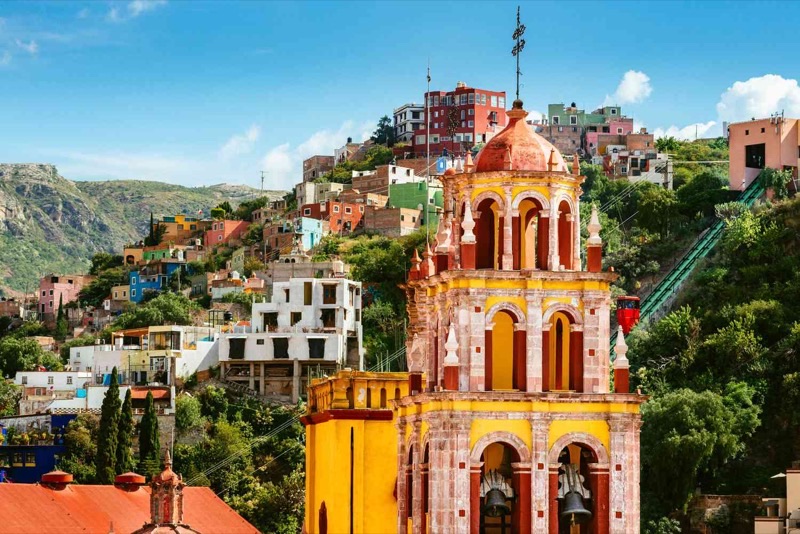
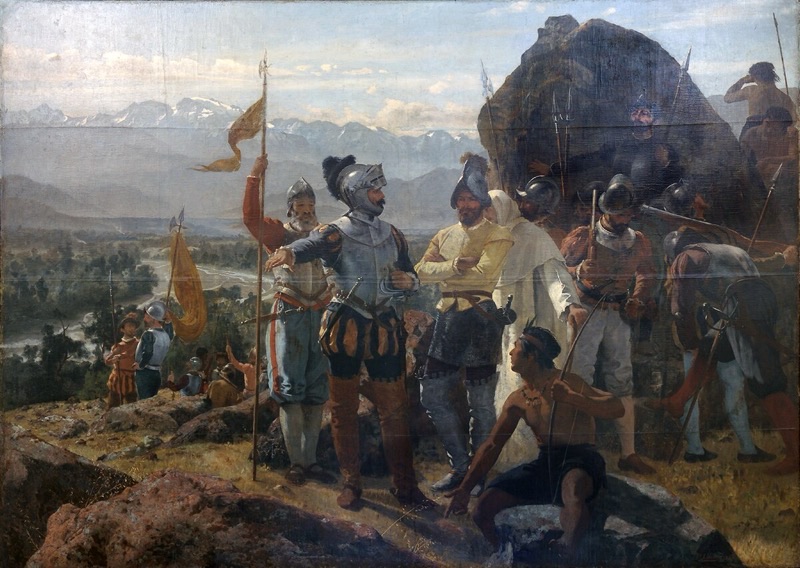
Chile's cultural narrative is a blend of indigenous Mapuche heritage, Spanish colonial history, and significant European immigration. Santiago's barrios like Lastarria and Bellavista showcase colonial architecture and a strong bohemian arts scene. Valparaiso, a UNESCO site, is famous for its colorful hillside houses, street art, and historic funiculars. Pablo Neruda's houses (La Chascona in Santiago, Isla Negra near Valparaiso) are pilgrimage sites for literature lovers. While Chile has its own ancient rock art in places like the Atacama (e.g., Valle de la Luna), it lacks the monumental scale of pre-Columbian civilizations seen elsewhere in Latin America. Its history is more recent, focusing on independence, political struggles, and a modern, often European-feeling identity.
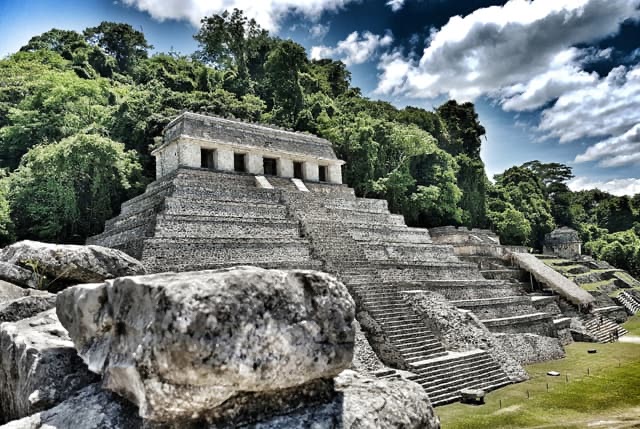
Mexico is a historical and cultural powerhouse. It is home to the remnants of major ancient civilizations like the Maya (Chichen Itza, Palenque, Uxmal) and the Aztecs (Teotihuacan, Templo Mayor in Mexico City). The country is dotted with hundreds of archeological sites, many accessible and well-preserved. Its colonial cities, such as Oaxaca, San Miguel de Allende, and Puebla, are UNESCO World Heritage sites, showcasing grand cathedrals, ornate plazas, and colorful architecture. Indigenous cultures remain a strong, visible force, influencing art, textiles, food, and daily life. Mexico's festivals, like Day of the Dead, are globally recognized for their vibrancy and historical depth.
Tabiji verdict: Mexico offers a more profound and widespread immersion into ancient and colonial history and contemporary indigenous cultures.
- Winner: Mexico
- Why: Mexico's ancient civilizations, extensive colonial heritage, and living indigenous cultures provide a deeper historical and cultural experience.
- Who this matters for: History buffs, archeology enthusiasts, and travelers interested in ancient civilizations and traditional customs.
🏖️ Beaches
Chile has a very long Pacific coastline, but its beaches are often characterized by strong currents, colder water, and rocky shores. While there are some pleasant sandy stretches…
Chile
Mexico
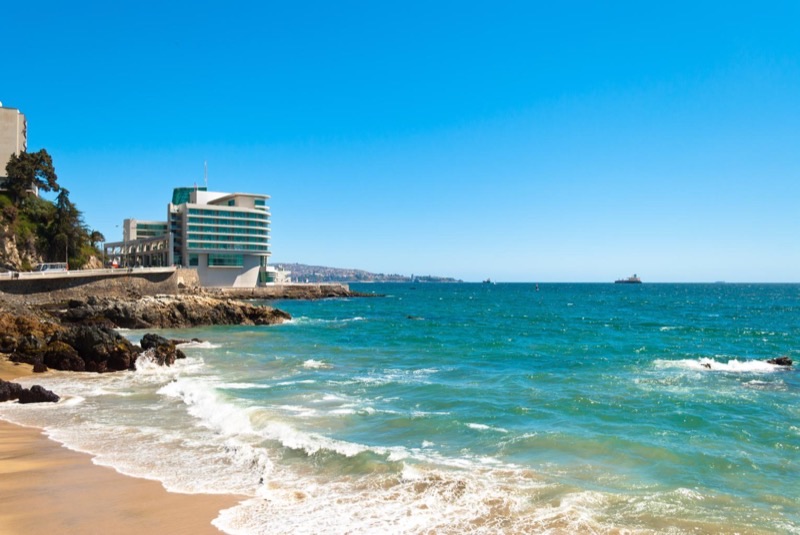
Chile has a very long Pacific coastline, but its beaches are often characterized by strong currents, colder water, and rocky shores. While there are some pleasant sandy stretches near cities like Viña del Mar and La Serena, they are primarily for sunbathing, walking, or surfing, rather than warm-water swimming. Pichilemu is a renowned surf spot. Further north, the Atacama region has some isolated, dramatic coastal areas like Bahía Inglesa, but these are not the typical 'tropical paradise' beaches. Most Chileans head to their beach towns during the summer (December-February) for a cooler seaside escape, not for turquoise waters.
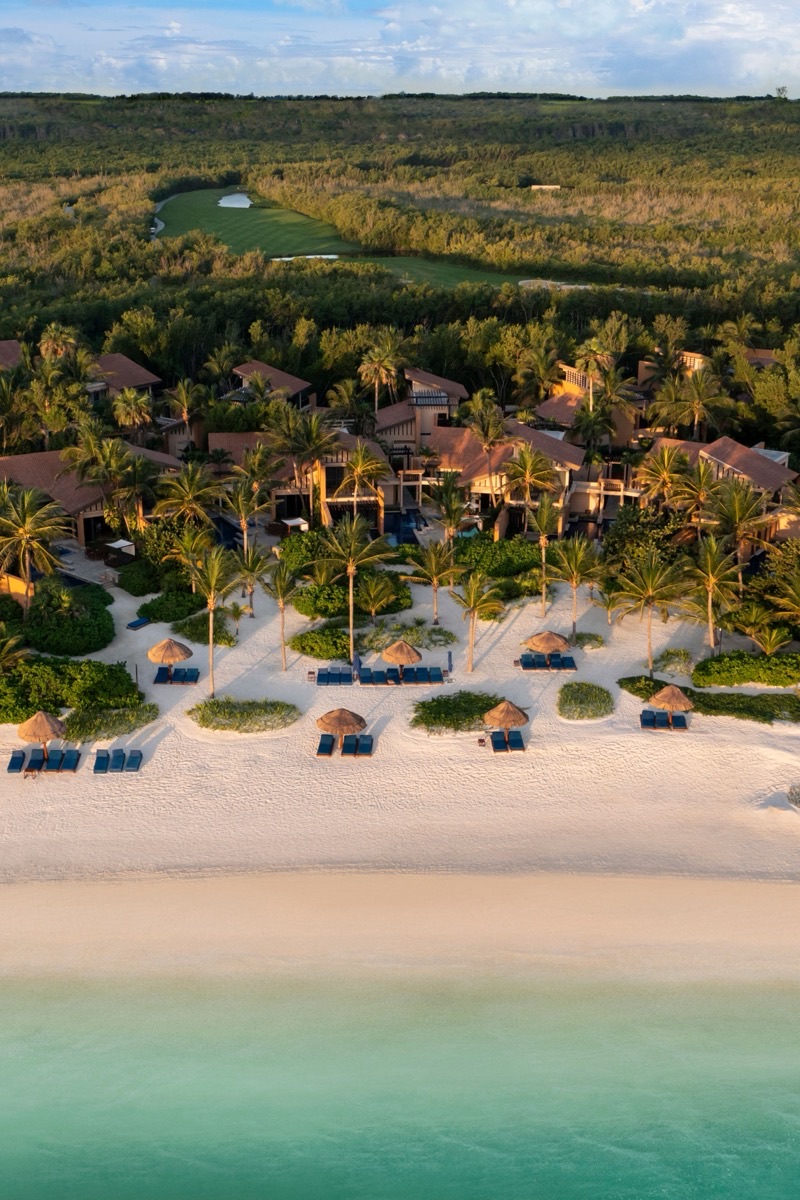
Mexico offers a significant contrast with its diverse coastal options. The Caribbean coast, particularly the Riviera Maya (Cancun, Playa del Carmen, Tulum), is famous for its powdery white sand, warm turquoise waters, and extensive coral reefs, ideal for swimming, snorkeling, and diving. Isla Holbox provides a more relaxed, car-free experience. On the Pacific side, destinations like Puerto Escondido and Sayulita are known for surfing, a laid-back atmosphere, and vibrant beach towns. Mazatlán and Puerto Vallarta offer larger resort experiences. The sheer variety and quality of warm-water swimming beaches give Mexico a strong advantage.
Tabiji verdict: Mexico is the undeniable winner for beach quality and variety, especially for swimming and tropical relaxation.
- Winner: Mexico
- Why: Mexico's Caribbean coast provides superior warm water, white sand beaches ideal for swimming and snorkeling.
- Who this matters for: Beach lovers, families with children, divers, and those seeking warm ocean recreation.
🚌 Getting Around
Chile's long, narrow geography means that long-distance buses are the backbone of intercity travel. Companies like Tur Bus and Pullman Bus offer comfortable, often luxurious,…
Chile's long, narrow geography means that long-distance buses are the backbone of intercity travel. Companies like Tur Bus and Pullman Bus offer comfortable, often luxurious, services with 'salón cama' (full-recline seats) for overnight journeys between Santiago, the Lake District, or even Patagonia. Domestic flights are efficient for covering vast distances, especially to Calama (Atacama) or Punta Arenas (Patagonia), with LATAM and Sky Airline being main carriers. Renting a car is popular for exploring specific regions like Patagonia or the Atacama, offering flexibility, but road conditions can vary. Within cities like Santiago, the metro is modern and efficient, while ride-sharing apps (Uber, Cabify) are readily available.
Mexico boasts an equally impressive bus system, with ADO being the premier company, offering reliable and comfortable travel across most of the country. For shorter distances, 'collectivos' (shared vans) are a common and inexpensive option. Domestic flights are plentiful and affordable, connecting major hubs like Mexico City, Cancun, and Guadalajara. While renting a car is possible, it's often advised with caution due to varying road conditions, local driving styles, and potential security concerns in some areas. Public transportation within major cities (e.g., Mexico City Metro) is extensive, though often crowded. Ride-sharing apps are widely used. Both countries offer robust public transport options, making it easy to travel without a personal vehicle.
Tabiji verdict: Both countries provide highly effective and accessible transportation networks, making this category a tie.
- Winner: Tie
- Why: Both countries offer comprehensive and reliable public transportation networks, including modern buses and domestic flights.
- Who this matters for: All travelers, as efficient transport simplifies any trip.
🚨 Safety
Chile is consistently ranked as one of the safest countries in South America, particularly for tourists. While petty crime like pickpocketing can occur in busy areas of Santiago…
Chile is consistently ranked as one of the safest countries in South America, particularly for tourists. While petty crime like pickpocketing can occur in busy areas of Santiago or Valparaiso, violent crime against tourists is uncommon. It's safe to walk alone at night in most central neighborhoods of major cities, though standard precautions apply. Political protests, when they occur, are usually localized and avoidable. The infrastructure is generally stable, and emergency services are reliable. Solo female travelers often report feeling comfortable and secure throughout the country, even in more remote regions. However, common sense like not displaying valuables is always advised.
Mexico presents a more complex safety landscape. Many tourist destinations like Cancun, Playa del Carmen, Puerto Vallarta, and Oaxaca are generally safe for visitors, with visible tourist police presence. However, certain regions, particularly those near drug cartel activity or border areas, carry higher risks. Petty crime is more prevalent than in Chile, and instances of express kidnappings or armed robberies, while not common for average tourists, are not unheard of in larger cities or less policed areas. It is crucial to research specific areas before traveling and adhere to local advice. Public transportation can be less secure in some cities compared to private options like Uber.
Tabiji verdict: Chile offers a more consistently safe and low-stress environment for travelers compared to Mexico.
- Winner: Chile
- Why: Chile has lower overall crime rates and a more stable safety profile across its regions.
- Who this matters for: Solo travelers, families, first-time international travelers, and those prioritizing peace of mind.
🌃 Nightlife
Chile's nightlife primarily centers around Santiago, particularly in neighborhoods like Bellavista, Ñuñoa, and Lastarria. Here, you'll find a range of bars, pubs, and discotecas…
Chile's nightlife primarily centers around Santiago, particularly in neighborhoods like Bellavista, Ñuñoa, and Lastarria. Here, you'll find a range of bars, pubs, and discotecas that often stay open until the early morning hours, especially on weekends. Pisco sours are a popular drink, and live music venues featuring cumbia or rock are common. Valparaiso offers a more bohemian, artistic vibe with smaller, independent bars tucked into its hillside alleys. Outside these major hubs, the nightlife becomes much quieter and more focused on local pubs or restaurants. It's a fun scene, but not as globally recognized or as diverse as Mexico's.
Mexico's nightlife is extensive and varied. Mexico City alone boasts a world-class party scene, with everything from upscale rooftop bars in Roma Norte and Condesa to energetic clubs in Polanco and traditional cantinas throughout the city. Live music, from mariachi to electronic, is readily available. On the Caribbean coast, Cancun and Playa del Carmen are famous for their large resort clubs (like Coco Bongo) catering to a lively tourist crowd. Smaller colonial cities like Oaxaca and San Miguel de Allende offer a different pace, with charming mezcalerías, salsa clubs, and cultural performances. The sheer breadth of options, catering to all tastes and budgets, gives Mexico an edge.
Tabiji verdict: Mexico provides a more diverse, energetic, and globally recognized nightlife experience across multiple destinations.
- Winner: Mexico
- Why: Mexico offers a broader and more diverse range of nightlife experiences, from major clubs to local cantinas.
- Who this matters for: Party-goers, social travelers, and anyone looking for evening entertainment.
🏞️ Adventure Activities
Chile is a playground for adventure seekers. The crown jewel is Patagonia, with multi-day treks like the W Trek or O Circuit in Torres del Paine National Park, offering ice…
Chile is a playground for adventure seekers. The crown jewel is Patagonia, with multi-day treks like the W Trek or O Circuit in Torres del Paine National Park, offering ice trekking on glaciers and kayaking among icebergs. The Atacama Desert is perfect for sandboarding down huge dunes, exploring geysers, mountain biking, and high-altitude trekking. The Andes provide incredible opportunities for mountaineering, skiing (e.g., Valle Nevado, Portillo) in winter, and white-water rafting on rivers like the Futaleufu. Horse riding through valleys, volcano climbing (e.g., Villarrica), and road-tripping the Carretera Austral round out an incredible list of activities. Its terrain naturally encourages physical challenges and exploration.
Mexico also has its share of adventure. The Yucatán Peninsula offers exceptional diving and snorkeling in cenotes and coral reefs (e.g., Cozumel, Isla Mujeres). Zip-lining and ATV tours are popular in adventure parks. Hiking is available in various national parks, and some volcanos like Iztaccíhuatl can be climbed. Surfing is a big draw on the Pacific coast (e.g., Puerto Escondido). While these activities are engaging, they tend to be less extreme or on a smaller scale compared to the grand, multi-day expeditions available in Chile's vast wilderness areas. Mexico leans more towards water-based adventures and organized excursions.
Tabiji verdict: Chile is the superior destination for raw, large-scale, and diverse adventure activities.
- Winner: Chile
- Why: Chile's diverse and extreme geography supports more challenging and extensive adventure activities like high-altitude trekking and glacier exploration.
- Who this matters for: Thrill-seekers, serious hikers, mountaineers, and those wanting a challenging outdoor experience.
🛌 Accommodation
Chile offers a good selection of accommodation types, though sometimes at a slightly higher price point. In Santiago, you can find modern hotels, boutique guesthouses in…
Chile offers a good selection of accommodation types, though sometimes at a slightly higher price point. In Santiago, you can find modern hotels, boutique guesthouses in neighborhoods like Barrio Italia, and numerous hostels. When venturing into places like Patagonia, 'refugios' (mountain lodges) in national parks are common, offering dormitory-style or private rooms, often with meals included, which are essential for multi-day treks. These can be pricey due to their remote locations. Smaller towns will have 'hospedajes' (guesthouses) or cabañas. While quality is generally high, the sheer volume and variety, especially at the budget end, can feel limited outside major centers.
Mexico excels in its breadth and availability of accommodation. From countless budget hostels in every major city (e.g., Hostal Regina in Mexico City) to sprawling all-inclusive resorts in Cancun and Playa del Carmen, there is something for every traveler. Colonial cities boast charming boutique hotels in historic buildings. Airbnb is extremely popular and widely available, often offering excellent value for apartments. Even in smaller towns, you will find clean, affordable guesthouses and hotels. The competition among providers helps keep prices competitive across the board, providing better options for both budget travelers and those seeking luxury.
Tabiji verdict: Mexico wins for its wider selection, greater affordability, and superior options across all price points.
- Winner: Mexico
- Why: Mexico provides a significantly larger and more diverse range of accommodation options, generally at better price points.
- Who this matters for: All travelers, especially those seeking specific types of lodging or strict budget adherence.
🎯 The Decision Framework
Choose Chile If…
- You want to trek among Patagonian glaciers and granite peaks.
- Stargazing in the Atacama Desert is on your bucket list.
- You prefer world-class wine tasting in the Maipo Valley.
- You value a generally safer and calmer travel environment.
- Your ideal trip involves challenging hikes and mountain activities.
- You appreciate European-influenced cities with a strong literary culture.
- You want to explore dramatic, extreme natural landscapes.
- You enjoy delicious, fresh seafood and hearty, less spicy dishes.
Choose Mexico If…
- You want to explore ancient Maya temples like Chichen Itza and Palenque.
- Street tacos, mole, and diverse regional cuisine are your top priorities.
- You crave warm, white-sand Caribbean beaches for swimming and snorkeling.
- You prefer shorter flights and easier access from North America.
- You want a deeper immersion into vibrant indigenous cultures and colonial history.
- You're traveling on a tighter budget and want more for your money.
- Exploring unique cenotes and underground rivers appeals to you.
- You're looking for an energetic nightlife scene in cities like Mexico City or Cancun.
📅 Sample Itineraries
Weekend in Chile (3 Days)
💡 Purchase a Bip! card in Santiago for seamless public transport use, saving time and offering cheaper fares than single tickets.
Weekend in Mexico (3 Days)
💡 For local transport, use the Metro in Mexico City; a single ride costs around $0.25, making it extremely cost-effective for covering long distances.
One Week in Chile (7 Days)
💡 Book Atacama tours locally in San Pedro to compare prices and ensure availability, often saving 10-20% compared to online pre-bookings.
One Week in Mexico (7 Days)
💡 Utilize ADO buses for inter-city travel in Mexico; they are comfortable, reliable, and significantly cheaper than flying, especially for popular routes like Mexico City to Oaxaca.
❓ Frequently Asked Questions
Which country is better for solo female travelers?
Chile is generally considered safer for solo female travelers due to its lower crime rates and more consistent safety across regions. Many women report feeling comfortable walking alone in cities and taking public transport. Mexico has safe tourist zones, but precautions are more consistently advised, especially outside major resorts or busy city centers, making Chile a calmer choice for this demographic.
What's the typical flight time and cost from the US to each country?
Flights from major US hubs (e.g., LAX, MIA) to Mexico City typically range from 3-5 hours direct, costing $250-500 USD round trip. Flights to Santiago, Chile, are significantly longer, usually 10-12 hours direct (or 14+ with layovers), with round trip costs often $600-1000+ USD, making Chile a bigger time and budget commitment.
Which country has better public transportation?
Both countries have excellent long-distance bus networks. Chile's buses (Tur Bus, Pullman Bus) are very comfortable for its long distances. Mexico's ADO buses are also high-quality and extensive. For intra-city, Mexico City has a vast metro, while Santiago's metro is modern and efficient. It's a tie, as both offer robust options.
Can I drink the tap water in either country?
In Chile, tap water is generally safe to drink in most major cities and towns, though taste can vary. Many travelers still opt for bottled water to be cautious. In Mexico, it is strongly advised NOT to drink tap water anywhere in the country. Always use bottled water for drinking, brushing teeth, and washing produce, even in high-end hotels.
Which country is better for adventure sports?
Chile offers a wider range of extreme adventure sports due to its diverse geography. Think multi-day trekking in Patagonia, sandboarding in the Atacama, and white-water rafting on major rivers. Mexico has good options for water sports like diving, snorkeling, and zip-lining, but Chile's offerings are generally on a grander, more physically demanding scale.
What's the best time of year to visit each?
For Chile, December to February (summer) is ideal for Patagonia and the Lake District, while September to November or March to May are great for the Atacama and wine regions. Mexico is best from November to April, avoiding the hot, humid, and rainy hurricane season (June-October), especially in the Yucatán.
Which country has better internet and digital nomad infrastructure?
Mexico has a strong advantage for digital nomads. Major cities like Mexico City, Oaxaca, and Puerto Vallarta have developed coworking spaces, reliable high-speed internet, and a large expat community. Chile's internet is good in cities like Santiago, but the digital nomad scene is smaller and less established, making Mexico an easier setup.
Is it easy to get around if I only speak English?
In major tourist areas and higher-end establishments in both countries, English is commonly understood. However, knowing basic Spanish phrases will significantly improve your experience in both. Mexico, with its higher tourist volume, might have slightly more English speakers in general, but away from tourist hubs, Spanish is essential in both nations.
Ready to plan your Latin America trip?
Get a free custom itinerary for Chile, Mexico, or both — built from real traveler insights.
👥 Travelers Also Compared
🎟️ Book Tours & Experiences
Hand-picked tours and activities for both destinations — book with free cancellation
Experiences via Viator — free cancellation on most tours