How we built this comparison
This page combines traveler discussion patterns, published price ranges, flight schedules, and seasonal data to help you decide between Chile and Panama.
- Reviewed 50+ Reddit threads from r/travel, r/solotravel, r/chile, and r/panama for traveler experiences.
- Verified costs and logistics against current booking platforms (e.g., Skyscanner, Booking.com, local bus sites).
- Cross-referenced seasonal patterns and weather data from reputable meteorological sources for accurate travel timing advice.
⚡ The TL;DR Verdict
For most travelers seeking a quicker, budget-friendly tropical escape with significant city life and easy access, Panama is the better pick. If you have more time and budget, prioritizing dramatic, diverse natural environments, Chile delivers an unparalleled experience. Panama offers immediate gratification, while Chile rewards deeper exploration.
- Choose Chile: Travelers prioritizing diverse, dramatic landscapes from deserts to glaciers, who are comfortable with longer travel times and a higher budget for extended trips focused on nature and trekking.
- Choose Panama: Travelers seeking a mix of tropical beaches, a bustling modern city, and convenient access to Central American hubs, on a more moderate budget, with shorter trips in mind.
- Choose Both: If you have a minimum of 4-5 weeks and a substantial budget, start with Panama for its ease of entry and tropical appeal, then fly south to Chile for its extensive natural offerings.
Choose Chile
Chile is best for adventurous travelers with more time and a flexible budget, eager to immerse themselves in unparalleled natural diversity. Trek through the dramatic landscapes of Patagonia, stargaze in the Atacama Desert, or explore the fertile wine regions, making it ideal for those seeking transformative outdoor experiences.
Choose Panama
Panama is the perfect choice for travelers seeking a vibrant, budget-friendly tropical escape with a mix of modern city life and natural beauty. Explore the historic Casco Viejo, marvel at the Panama Canal, or unwind on the pristine beaches of the San Blas Islands, offering immediate gratification for shorter trips.
Quick Comparison
| Category | Chile | Panama | Winner |
|---|---|---|---|
| Costs & Budget | Generally higher costs, especially for tours in Patagonia or flights to remote areas like Easter Island. Daily budget $70-150 USD. | More budget-friendly for food and transportation. Panama City accommodation can be mid-range. Daily budget $50-100 USD. | Panama |
| Nature & Scenery | From the hyper-arid Atacama Desert to the glaciers and granite peaks of Patagonia, Chile offers extreme geological diversity. | Tropical rainforests, Caribbean islands with coral reefs, and volcanic landscapes characterize Panama's natural offerings. | Chile |
| Beaches | Pacific coast beaches, often with strong currents and cooler waters. Some good surfing spots, but not typical tropical swimming beaches. | Caribbean and Pacific coastlines with warm waters, coral reefs, and palm-lined shores. San Blas and Bocas del Toro are standouts. | Panama |
| Culture & History | Indigenous Mapuche culture, colonial architecture in Valparaíso and Santiago, recent political history. | The Panama Canal's global impact, Casco Viejo's colonial architecture, indigenous Guna culture, Afro-Caribbean influences. | Panama |
| Food & Drink | Excellent seafood, diverse regional dishes, world-renowned wines, pisco sours, and empanadas. | Caribbean and Latin American flavors, seafood, plantains, sancocho. Panama City offers international dining. | Chile |
| Getting Around | Extensive bus network for long distances, good metro in Santiago. Flights necessary for distant regions like Patagonia or Atacama. | Compact country with good bus connections from Panama City. Domestic flights for islands. Panama City metro is efficient. | Panama |
| Safety | Generally safe, but petty crime like pickpocketing is a concern in major cities. Political protests can occur. | Generally safe in tourist areas, but Panama City has areas to avoid. Petty theft is common. Border regions require caution. | Chile |
| Digital Nomad & Infrastructure | Good internet in cities, coworking spaces available. Higher cost of living. Fewer short-term visas tailored for nomads. | Excellent internet in Panama City, many coworking options. Dollarized economy simplifies finances. Digital Nomad visa available. | Panama |
| Nightlife | Santiago's Bellavista neighborhood, Valparaíso's student bars. Generally starts late, more focused on local music and dancing. | Panama City offers diverse options from rooftop bars to nightclubs. Bocas del Toro has a backpacker party scene. | Panama |
| Adventure Activities | World-class trekking in Patagonia, sandboarding in Atacama, skiing in the Andes, rafting, mountaineering. | Zip-lining, surfing, white-water rafting, snorkeling/diving, jungle trekking. | Chile |
💰 Costs & Budget
Chile's costs can accumulate quickly. A basic hostel bed in Santiago can run CLP 15,000-25,000 ($16-27 USD), while a mid-range restaurant meal often costs CLP 10,000-20,000…
Chile
Panama
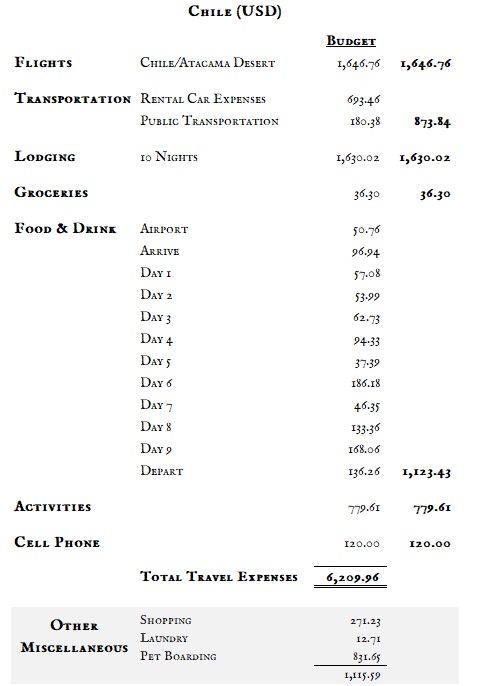
Chile's costs can accumulate quickly. A basic hostel bed in Santiago can run CLP 15,000-25,000 ($16-27 USD), while a mid-range restaurant meal often costs CLP 10,000-20,000 ($11-22 USD). Transportation within cities like Santiago via metro is economical at around CLP 800 ($0.90 USD) per ride, but long-distance buses and particularly flights to places like Puerto Natales (for Patagonia) or San Pedro de Atacama add significant expense. Entry to national parks like Torres del Paine is CLP 27,000 ($30 USD), and multi-day treks require gear rental or guided tours, pushing daily averages upwards of $150 USD if adventure activities are included.
Panama offers more bang for your buck on a daily basis. Hostel beds in Panama City or Bocas del Toro average PAB 15-25 ($15-25 USD). Local meals, like 'comida corriente' (daily plate), can be found for PAB 5-10 ($5-10 USD). Public transport in Panama City, including the metro, is very inexpensive at PAB 0.35 ($0.35 USD) per ride. While tourist attractions like the Panama Canal Miraflores Locks are PAB 20 ($20 USD), and trips to the San Blas Islands or Bocas del Toro involve boat fees, the overall daily spend typically stays lower. A week in Panama can often be cheaper than five days in Chile, especially if you avoid high-end resorts. Panama provides better value for most travelers' budgets.
- Winner: Panama
- Why: Panama's overall daily expenses for accommodation, food, and local transportation are consistently lower.
- Who this matters for: Budget-conscious travelers and those planning longer trips on a fixed amount of money.
⛰️ Nature & Scenery
Chile's natural environments are globally recognized for their scale and variety. The Atacama Desert in the north presents landscapes like Valle de la Luna with Martian geology,…
Chile
Panama
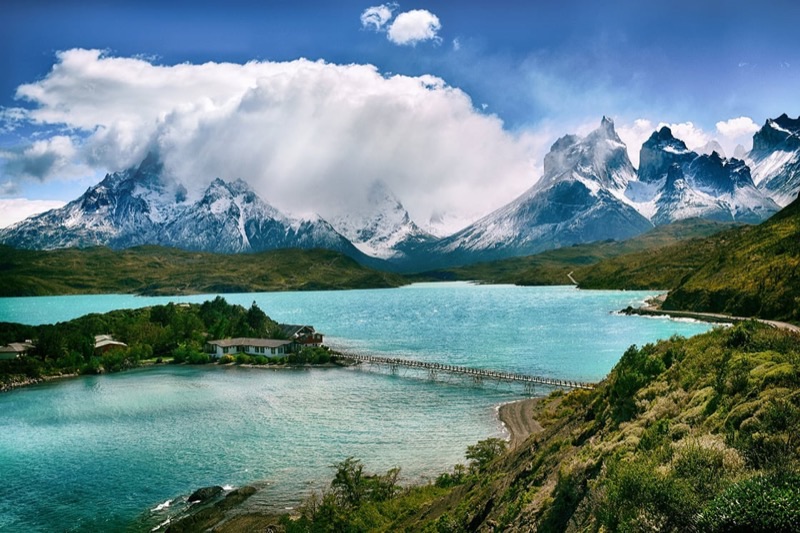
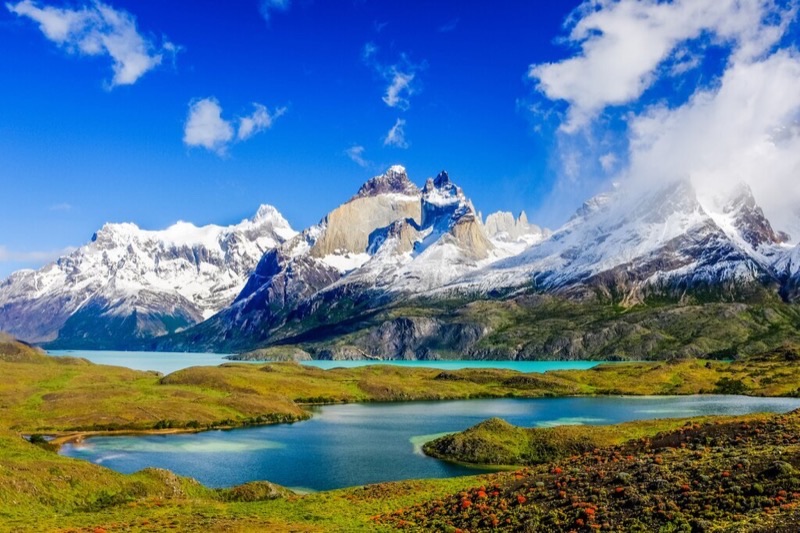
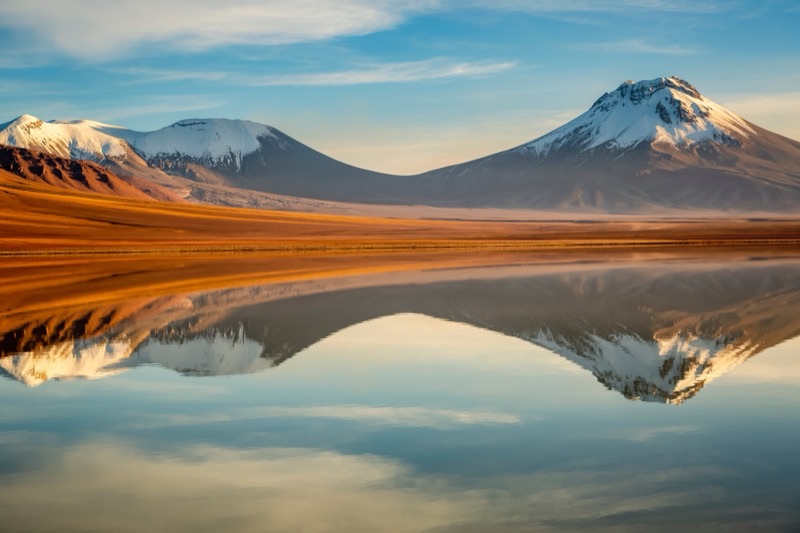
Chile's natural environments are globally recognized for their scale and variety. The Atacama Desert in the north presents landscapes like Valle de la Luna with Martian geology, geysers at El Tatio, and astronomical observatories under exceptionally clear skies. Moving south, the Central Valley offers vineyards and fertile plains, leading to the Andes Mountains with volcanoes and clear lakes. Further south still, Patagonia provides glaciers (e.g., Grey Glacier in Torres del Paine), vast fjords, and granite spires. The sheer scale of geological change across the country's length is unmatched, offering experiences from desert stargazing to ice trekking.
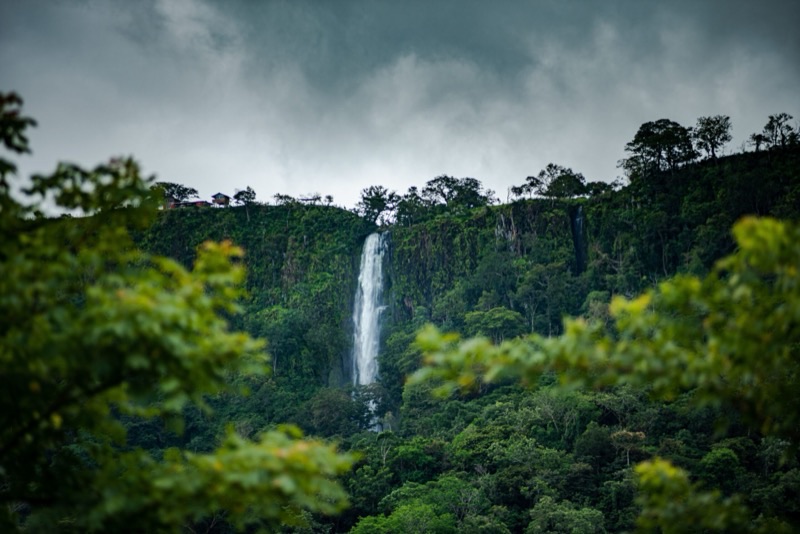
Panama's nature is distinctly tropical. Its rainforests, such as Soberanía National Park, are dense with biodiversity, home to monkeys, sloths, and hundreds of bird species. The Caribbean coast, particularly the San Blas Islands (Guna Yala) and Bocas del Toro archipelago, features palm-ringed islands, clear waters, and coral reefs suitable for snorkeling. Volcán Barú in the highlands offers cooler climates and cloud forest hiking. While Panama has impressive natural beauty, especially its marine environments and rainforests, it doesn't possess the dramatic, large-scale geological contrasts found throughout Chile. Chile's expansive, contrasting natural environments deliver a more impactful visual experience.
- Winner: Chile
- Why: Chile's geological diversity, from extreme desert to Patagonian glaciers, offers a broader range of dramatic, large-scale natural environments.
- Who this matters for: Adventure seekers, photographers, and travelers prioritizing diverse, large-scale natural landscapes.
🏖️ Beaches
Chile's coastline spans thousands of kilometers along the Pacific, but its beaches are often characterized by strong currents, rocky shores, and cooler water temperatures due to…
Chile
Panama
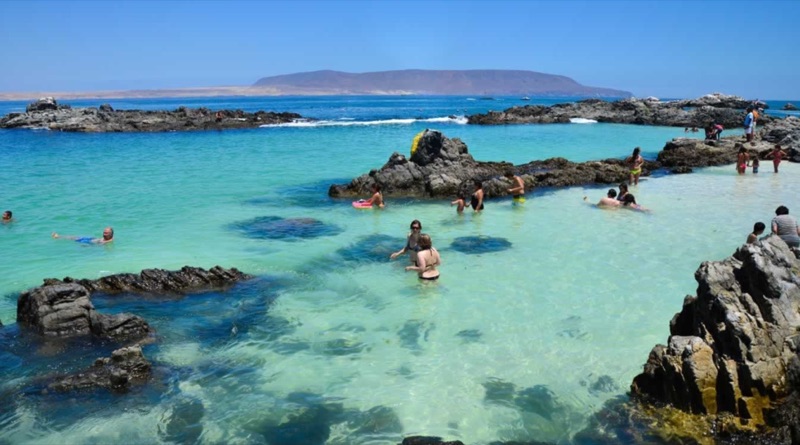
Chile's coastline spans thousands of kilometers along the Pacific, but its beaches are often characterized by strong currents, rocky shores, and cooler water temperatures due to the Humboldt Current. Popular beach towns like Viña del Mar and La Serena offer broad sandy expanses, but they are more for strolling and enjoying the ocean views than for warm-water swimming or snorkeling. Surfing is possible in spots like Pichilemu, known for its consistent waves. While some northern beaches near Arica can be warmer, they generally lack the tropical feel or vibrant marine life associated with quintessential beach destinations.
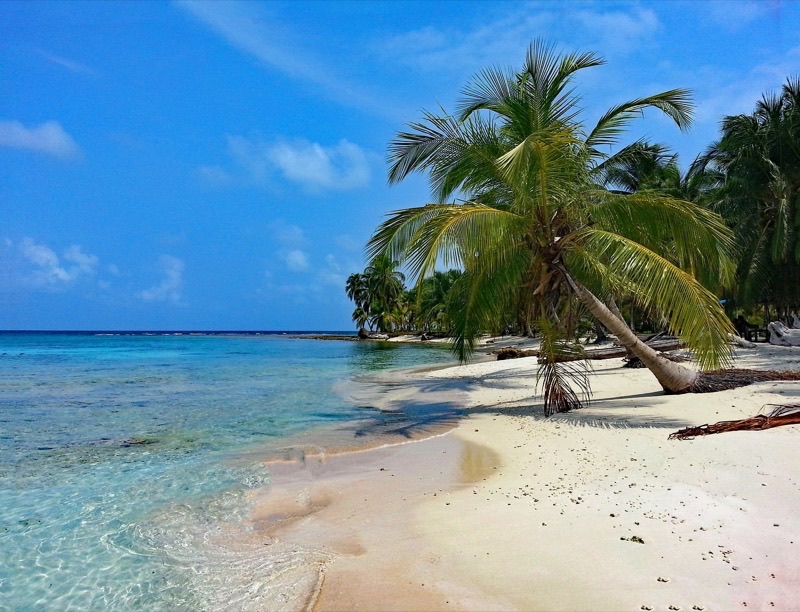
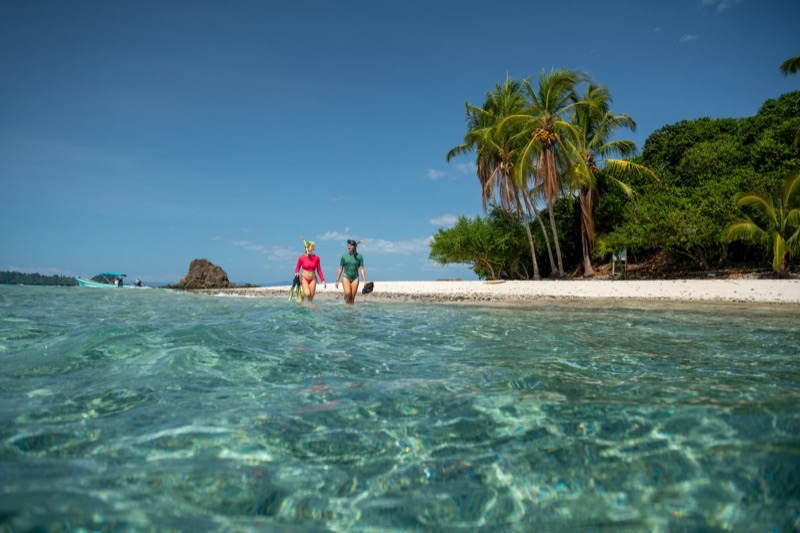
Panama, with both a Caribbean and a Pacific coast, delivers on tropical beach expectations. The San Blas Islands (Guna Yala), an autonomous territory run by the Guna people, offer hundreds of small, pristine, palm-fringed islets with calm, warm, clear Caribbean waters perfect for swimming and snorkeling among coral reefs. Bocas del Toro, another archipelago, provides a more developed beach scene with lively towns, surf breaks, and numerous coves. Even near Panama City, spots like Taboga Island offer accessible day trips to sandy shores. Panama's beaches are consistently warmer, more inviting for swimming, and offer better access to marine life, making them superior for beach-focused travel.
- Winner: Panama
- Why: Panama's Caribbean beaches, particularly in San Blas and Bocas del Toro, provide warmer waters, clearer conditions, and a classic tropical island experience.
- Who this matters for: Beach enthusiasts, snorkelers, and those seeking warm-water swimming and relaxation.
📜 Culture & History
Chile's cultural landscape is shaped by its diverse geography and history. Santiago offers colonial buildings and modern architecture, with museums detailing its recent political…
Chile

Panama
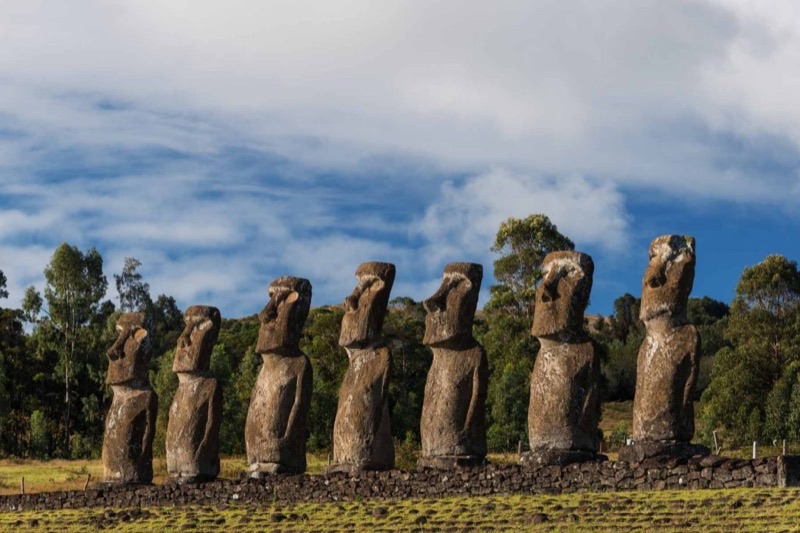
Chile's cultural landscape is shaped by its diverse geography and history. Santiago offers colonial buildings and modern architecture, with museums detailing its recent political past. Valparaíso, a UNESCO site, is a maze of colorful hillside houses, street art, and historic funiculars, reflecting its past as a major port. The indigenous Mapuche people in the south maintain their traditions, though their presence for tourists is less overt than some other indigenous groups in Latin America. Easter Island (Rapa Nui) is a profound historical site with its moai statues, though it's a separate, costly trip. Chile's culture leans towards a European-influenced South American style with strong folk traditions.
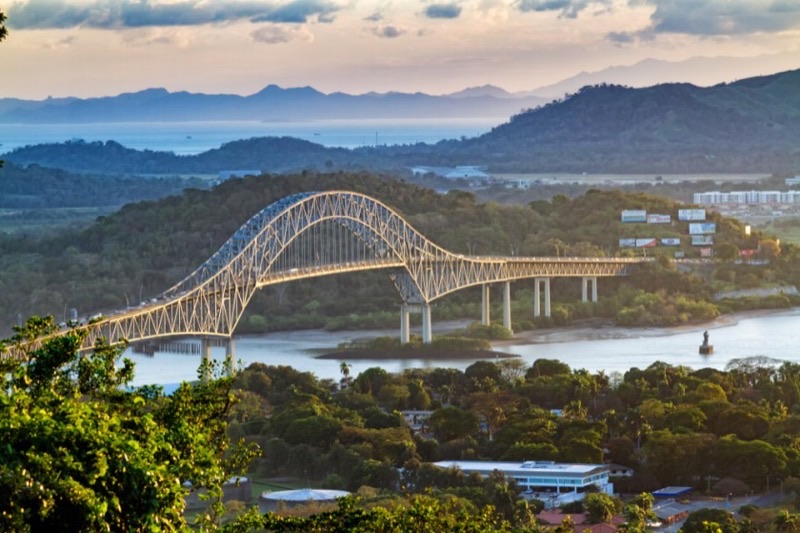
Panama's culture and history are dominated by the Panama Canal, an engineering marvel that reshaped global shipping. Casco Viejo, Panama City's historic quarter, is a well-preserved collection of colonial, neoclassical, and Art Deco buildings, offering a sense of the city's past as a strategic hub. The Guna people of the San Blas Islands maintain a distinct and accessible indigenous culture, known for their 'mola' textiles. The country also has a significant Afro-Caribbean influence, particularly evident in music, food, and festivals. The Canal's impact gives Panama a unique global historical significance, which is palpable and easily experienced, alongside its diverse ethnic makeup. Panama's cultural story feels more globally significant and immediately accessible.
- Winner: Panama
- Why: Panama's unique global historical significance through the Canal and well-preserved Casco Viejo, combined with accessible indigenous and Afro-Caribbean cultures, offers a more distinct cultural narrative.
- Who this matters for: History buffs, those interested in global engineering feats, and travelers seeking visible indigenous cultures.
🍷 Food & Drink
Chilean cuisine is robust and varied, reflecting its long coastline and diverse geography. Seafood is a highlight, with dishes like 'curanto' (a shellfish and meat stew cooked in…
Chile
Panama
Chilean cuisine is robust and varied, reflecting its long coastline and diverse geography. Seafood is a highlight, with dishes like 'curanto' (a shellfish and meat stew cooked in a pit) in the south or fresh ceviche and 'machas a la parmesana' (razor clams with Parmesan) along the coast. Empanadas, particularly those filled with 'pino' (meat and onion), are a staple. Chile is a major wine producer, with vineyards in the Central Valley offering tours and tastings of Carmenère, Cabernet Sauvignon, and Sauvignon Blanc. The Pisco Sour is a popular national drink. Santiago's barrio Bellavista or Lastarria offer extensive dining options, from street food to fine dining. The quality and diversity of wine, coupled with excellent seafood and regional specialties, gives Chile a culinary edge.
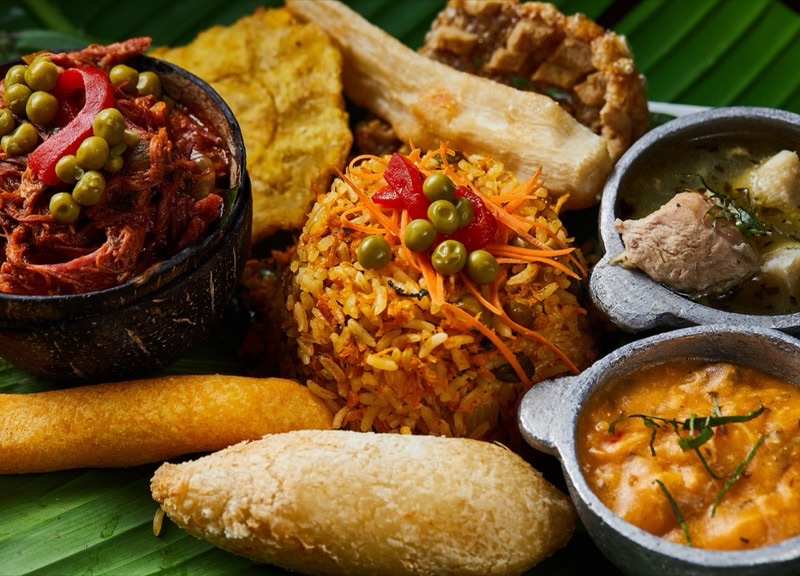
Panamanian food blends indigenous, African, and Spanish influences. Staples include rice and beans, plantains (fried or mashed), and various seafood dishes, especially along the coasts. 'Sancocho de gallina' (chicken soup) is considered a national dish. Panama City has a growing international food scene, with options ranging from Peruvian to Asian fusion. Markets offer fresh tropical fruits. While satisfying, Panamanian cuisine is generally less celebrated on a global scale than Chilean, which benefits from its wine industry and distinct Patagonian flavors. The food experience in Chile feels more diverse and sophisticated, particularly for those interested in wine pairings and high-quality seafood. Chile's depth in wine and regional specialties makes it a stronger food destination.
- Winner: Chile
- Why: Chile offers a more diverse and celebrated culinary landscape, particularly with its world-renowned wines and high-quality seafood.
- Who this matters for: Foodies, wine enthusiasts, and travelers who prioritize diverse dining experiences.
🚌 Getting Around
Traveling Chile requires planning due to its immense length. While an excellent long-distance bus network connects most cities, journeys between regions like Santiago and San…
Traveling Chile requires planning due to its immense length. While an excellent long-distance bus network connects most cities, journeys between regions like Santiago and San Pedro de Atacama (north) or Puerto Varas (south) can take 12-24 hours. Domestic flights are often necessary for quick access to Patagonia or the Atacama, adding significant cost. Santiago's metro system is efficient and modern, costing around CLP 800 ($0.90 USD) per ride. Car rentals are an option, especially for exploring Patagonia, but distances are vast and fuel is not cheap. The time and expense involved in traversing Chile's length can be a barrier for shorter trips.
Panama is a much more compact country, making internal travel relatively straightforward. Panama City's metro is clean, modern, and cheap at PAB 0.35 ($0.35 USD) per ride, covering major parts of the city. An extensive bus network connects Panama City to most major towns and coastal areas, with frequent departures and reasonable fares. For example, a bus from Panama City to David (near Volcán Barú) costs around PAB 15-20 ($15-20 USD). Domestic flights are available to destinations like Bocas del Toro but aren't strictly necessary for accessing many areas. The smaller geographical footprint and efficient public transport infrastructure make getting around Panama significantly easier and less time-consuming. Panama's ease of internal movement makes it a clearer winner.
- Winner: Panama
- Why: Panama's smaller size and well-connected public transport system make internal travel faster, easier, and less expensive.
- Who this matters for: Travelers with limited time, those on a tighter budget, and those who dislike long-haul bus journeys.
🛡️ Safety
Chile is generally considered one of the safer countries in South America. Major cities like Santiago and Valparaíso do have issues with petty crime, such as pickpocketing and bag…
Chile is generally considered one of the safer countries in South America. Major cities like Santiago and Valparaíso do have issues with petty crime, such as pickpocketing and bag snatching, especially in crowded tourist areas or on public transport. Using common sense, avoiding displaying valuables, and being aware of surroundings largely mitigates these risks. Violent crime against tourists is not widespread. Occasional political protests can disrupt public transport or lead to confrontations, particularly in Santiago's central areas, but these are usually avoidable by staying informed of local news. Rural areas, including Patagonia and the Atacama Desert, are very safe.
Panama is also generally safe for tourists, particularly in well-trafficked areas like Casco Viejo, El Cangrejo, and the islands. However, Panama City has specific neighborhoods (e.g., El Chorrillo, San Miguelito) where crime rates are higher, and these should be avoided. Petty theft, including phone snatching, is a common issue, especially in crowded markets or on buses. Some border regions, particularly near Colombia, have higher risks. While both countries require vigilance, Chile's overall crime rate is slightly lower, and it generally feels more stable, especially outside major urban centers. Chile feels marginally safer overall, particularly outside major cities.
- Winner: Chile
- Why: Chile generally experiences lower levels of violent crime and has fewer areas where tourists need to exercise extreme caution compared to Panama.
- Who this matters for: Solo travelers, families, and those prioritizing a generally low-crime environment.
💻 Digital Nomad & Infrastructure
Chile offers decent infrastructure for digital nomads in its major cities. Santiago has reliable internet speeds, numerous cafes with Wi-Fi, and a growing number of coworking…
Chile offers decent infrastructure for digital nomads in its major cities. Santiago has reliable internet speeds, numerous cafes with Wi-Fi, and a growing number of coworking spaces. Valparaíso also provides a creative atmosphere, though internet can be spottier. The cost of living, while lower than North America or Western Europe, is higher than many other Latin American countries, particularly for accommodation. Chile doesn't have a specific digital nomad visa, requiring nomads to navigate standard tourist visa extensions or other long-stay options. While viable, it's not as purpose-built for the nomad lifestyle as some other destinations.
Panama excels as a digital nomad hub, primarily centered in Panama City. The city boasts excellent internet connectivity, often rivaling first-world speeds, and a wide array of coworking spaces like Workings or Spaces. The dollarized economy simplifies financial transactions and budgeting. Panama introduced a specific 'Remote Worker' or 'Digital Nomad' visa in 2021, making it easier for long-term stays. The cost of living, while higher than some Central American neighbors, is still generally more affordable than Santiago, especially for rent outside prime areas. The combination of strong infrastructure, an easy currency, and a dedicated visa program makes Panama a more attractive and straightforward choice for digital nomads. Panama's dedicated visa and dollarized economy make it a clear favorite for digital nomads.
- Winner: Panama
- Why: Panama offers a dedicated digital nomad visa, a dollarized economy, and robust internet/coworking infrastructure, especially in Panama City.
- Who this matters for: Remote workers, freelancers, and those seeking a long-term base with strong amenities.
🥳 Nightlife
Chilean nightlife is concentrated in cities like Santiago and Valparaíso. Santiago's Barrio Bellavista is the epicenter, packed with bars, pubs, and discotecas, often with live…
Chilean nightlife is concentrated in cities like Santiago and Valparaíso. Santiago's Barrio Bellavista is the epicenter, packed with bars, pubs, and discotecas, often with live music or DJ sets. 'Fonditas' (small, local eateries that turn into lively social spots) are also popular. Chilean parties often start late, around midnight, and continue into the early morning hours. Valparaíso, with its large student population, has a more bohemian and gritty bar scene. While Santiago offers options, the overall scene is less diverse and internationally recognized than Panama City's offerings. The vibe is generally more focused on local music and social dancing.
Panama City's nightlife is arguably the most developed in Central America. Areas like Casco Viejo, El Cangrejo, and Obarrio feature a wide array of options, from trendy rooftop bars with city views to upscale nightclubs playing international music, and more relaxed pubs. The city attracts a mix of locals, expats, and tourists, leading to a varied scene. Beyond the capital, Bocas del Toro in the Caribbean offers a lively backpacker party atmosphere, with island bars and frequent events. The dollarized economy also means prices for drinks are straightforward. Panama's urban centers and island destinations offer a broader and more accessible range of nightlife experiences, catering to different tastes. Panama's nightlife, especially in Panama City, provides more variety and energy.
- Winner: Panama
- Why: Panama City offers a more diverse and active nightlife scene with a wider range of venues, from rooftop bars to nightclubs, catering to different preferences.
- Who this matters for: Party-goers, social travelers, and those seeking a lively evening scene.
🧗 Adventure Activities
Chile is an adventure sports paradise, especially for those who enjoy challenging terrain. Patagonia is world-renowned for multi-day treks like the W Trek or O Circuit in Torres…
Chile is an adventure sports paradise, especially for those who enjoy challenging terrain. Patagonia is world-renowned for multi-day treks like the W Trek or O Circuit in Torres del Paine National Park, offering access to glaciers, granite peaks, and vast wilderness. The Atacama Desert provides unique opportunities for sandboarding on massive dunes, stargazing tours, and high-altitude cycling. In winter, the Andes Mountains near Santiago offer skiing and snowboarding at resorts like Valle Nevado. Whitewater rafting is popular in the south, and mountaineering on volcanoes is possible. The sheer scale and variety of extreme outdoor activities are a major draw.
Panama also offers numerous adventure activities, though on a generally smaller scale. Surfing is popular on both coasts, with Bocas del Toro and Santa Catalina being key spots. Zip-lining through rainforest canopies is available in areas like Boquete. White-water rafting can be done on rivers such as the Chiriquí. Snorkeling and diving are excellent in the clear waters of San Blas, Bocas del Toro, and Coiba National Park (a UNESCO World Heritage site known for marine biodiversity). Jungle trekking to find waterfalls or wildlife is common. While Panama offers a good range of tropical and water-based adventures, Chile's offerings in trekking, mountaineering, and desert sports are more iconic and diverse for extreme outdoor enthusiasts. Chile's extreme landscapes facilitate more globally recognized adventure pursuits.
- Winner: Chile
- Why: Chile's extreme and diverse landscapes, from Patagonian mountains to the Atacama Desert, offer a broader range of world-class, large-scale adventure activities.
- Who this matters for: Serious trekkers, mountaineers, skiers, and those seeking challenging, high-adrenaline outdoor pursuits.
🎯 The Decision Framework
Choose Chile If…
- You want to trek among granite spires and glaciers in Patagonia.
- You are fascinated by extreme desert landscapes and stargazing in the Atacama.
- You enjoy fine wine and varied regional cuisine.
- You prefer cooler climates and distinct seasonal changes.
- You are planning a long trip (3+ weeks) to fully explore a diverse country.
- You prioritize a generally lower crime rate and feel comfortable in stable environments.
- You are interested in skiing or snowboarding in the Andes.
- You seek dramatic, large-scale natural formations and geological contrasts.
Choose Panama If…
- You want warm, clear Caribbean beaches and island hopping.
- You are on a more moderate budget ($50-100/day).
- You want to experience a major global engineering marvel like the Panama Canal.
- You prefer tropical rainforests and abundant wildlife viewing.
- You are a digital nomad seeking strong infrastructure and a specific visa.
- You want a lively urban nightlife scene in a modern city.
- You have less time (1-2 weeks) and want easier internal travel.
- You appreciate a mix of indigenous and Afro-Caribbean cultural influences.
❓ Frequently Asked Questions
What is the typical flight time from North America to Chile versus Panama?
A direct flight from major North American cities (e.g., NYC) to Panama City (PTY) typically takes around 5-6 hours. In contrast, a direct flight to Santiago, Chile (SCL) from the same departure points will generally take 10-11 hours, nearly double the travel time, due to the greater distance.
Which country is better for budget backpackers?
Panama is generally more budget-friendly for backpackers. Hostel beds often start around $15-20 USD, and street food or local meals can be found for $5-10 USD. Chile's prices for accommodation and food are consistently higher, with hostels starting around $20-27 USD and meals often $10-20 USD, especially in popular tourist areas or Patagonia.
Can I easily see indigenous culture in both countries?
In Panama, indigenous Guna culture is readily accessible and visible on the San Blas Islands, where visitors can stay with Guna families. In Chile, while the Mapuche people are a significant indigenous group, their cultural interactions are generally less structured for tourists. For a more direct and observable indigenous experience, Panama has a slight edge.
What is the best time to visit each country for good weather?
For Chile, the austral summer (December to March) is ideal for Patagonia and the south, offering warmer temperatures and longer daylight. The Atacama Desert is good year-round. For Panama, the dry season (December to April) provides sunny days and less humidity, making it optimal for beaches and outdoor activities. The wet season (May to November) sees afternoon showers but lush landscapes.
Which destination is better for solo female travelers?
Both countries require standard travel precautions. Chile generally has a slightly lower violent crime rate and feels more stable outside of specific urban neighborhoods, potentially offering a marginal comfort advantage for solo female travelers. Panama is also generally safe in tourist areas, but vigilance against petty theft is important, particularly in Panama City.
Is English widely spoken in Chile or Panama?
In both Chile and Panama, Spanish is the primary language. In major tourist areas, hotels, and tour operators, you will find English speakers. However, outside these specific contexts, knowing basic Spanish phrases is highly recommended for navigating local interactions, especially in Panama's more rural areas or Chile's smaller towns.
Which country offers better infrastructure for travelers?
Panama City has a modern infrastructure, including an efficient metro system, high-speed internet, and a dollarized economy which simplifies transactions. Chile's infrastructure is also good in major cities like Santiago, but its vast distances mean travel to remote regions often requires more planning and can be more costly. For overall ease and connectivity, Panama often feels more streamlined.
What are the visa requirements for US citizens for each country?
For US citizens, both Chile and Panama typically offer visa-free entry for tourism for up to 90 days. Always check the latest requirements before travel, as policies can change. Panama also has a specific 'Remote Worker' visa for longer stays, which Chile does not currently offer.
Ready to plan your Latin America trip?
Get a free custom itinerary for Chile, Panama, or both — built from real traveler insights.
🎟️ Book Tours & Experiences
Hand-picked tours and activities for both destinations — book with free cancellation
Experiences via Viator — free cancellation on most tours