How we built this comparison
This page combines traveler discussion patterns, published price ranges, flight schedules, and seasonal data to help you decide between Chile and Peru.
- Reviewed 50+ Reddit threads from r/travel, r/solotravel, r/Chile, r/Peru, and r/backpacking for authentic traveler perspectives.
- Verified costs and logistics against current booking platforms (e.g., Booking.com, Skyscanner, bus company websites) and recent travel blogs.
- Cross-referenced seasonal patterns and weather data with major tourist activities and local insights for optimal timing.
⚡ The TL;DR Verdict
For those seeking grand landscapes, fine wines, and modern infrastructure with a higher budget, Chile offers a refined, adventurous experience starting around $70-100 USD/day. If ancient history, vibrant indigenous culture, world-class cuisine, and a more budget-friendly adventure are your priority, Peru delivers an unforgettable journey, often manageable on $40-60 USD/day.
- Choose Chile: You prioritize dramatic, diverse natural beauty (Patagonia, Atacama), excellent wine regions, a more developed infrastructure, and don't mind a higher cost of travel.
- Choose Peru: You're captivated by ancient civilizations (Machu Picchu), vibrant indigenous cultures, world-renowned food, and are looking for a more budget-conscious, immersive experience.
- Choose Both: If you have 3-4 weeks and a decent budget, combine them! Start in Peru for culture and food, then fly to Santiago for wine and head south to Patagonia for epic nature. It's a comprehensive South American journey.
Quick Comparison
| Category | Chile | Peru | Winner |
|---|---|---|---|
| Nature & Outdoors | Unparalleled diversity from Atacama desert to Patagonian glaciers. Epic hiking, stargazing, and adventure sports. | Andean mountains, Amazon rainforest, Sacred Valley. Iconic Inca trails, diverse wildlife, and stunning high-altitude scenery. | Chile |
| Food & Drink | Excellent seafood, world-class wines, and a developing fine-dining scene. Influenced by European cuisine. | Global culinary hotspot, Michelin-starred restaurants, diverse regional dishes, vibrant street food, and Pisco Sours. | Peru |
| Cost of Travel | Generally one of the most expensive South American countries. Higher costs for accommodation, transport, and activities. | More budget-friendly, especially for food and local transport. Accommodation and tours can vary but generally cheaper. | Peru |
| Culture & History | Rich colonial history, strong European influence, vibrant arts scene, and unique Mapuche indigenous culture in the south. | Incredible Inca and pre-Inca heritage, vibrant indigenous traditions, well-preserved colonial architecture, and deep spiritual roots. | Peru |
| Getting Around | Excellent, comfortable long-distance buses and a decent domestic flight network. Santiago has a modern metro. | Extensive bus network (vary widely in quality), domestic flights common for long distances, local colectivos and mototaxis. | Chile |
| Safety | Generally safer than Peru, with lower rates of petty crime. Still requires vigilance, especially in major cities. | Higher risk of petty crime (pickpocketing, bag snatching), especially in tourist areas and big cities. Requires heightened awareness. | Chile |
| Accommodation | Wider range of modern hotels, boutique stays, and well-equipped hostels. Can be pricier, especially in tourist hotspots. | Abundant hostels and budget hotels. Mid-range options are plentiful. Some luxury eco-lodges, especially in the Amazon/Sacred Valley. | Tie |
| Nightlife & Social Scene | Vibrant bar and club scene in Santiago and Valparaíso, particularly for Pisco Sours and local wines. More European feel. | Lively Pisco-fueled nightlife in Lima and Cusco, especially in backpacker areas. Plenty of salsa and social hostels. | Tie |
| Beaches & Coastlines | Varied coastline from surfing beaches to dramatic rocky shores. Central Chile beaches are popular for holidays. | Desert coastlines, some surfing spots, but generally not known for picturesque swimming beaches. Paracas National Reserve is a highlight. | Chile |
| Solo Travel Friendliness | Generally safe, good infrastructure, but can be less overtly social than Peru. Easier for independent exploration. | Very popular for solo travelers, easy to meet people in hostels and on tours. Budget-friendly. Higher petty crime risk. | Peru |
🏞️ Nature & Outdoors
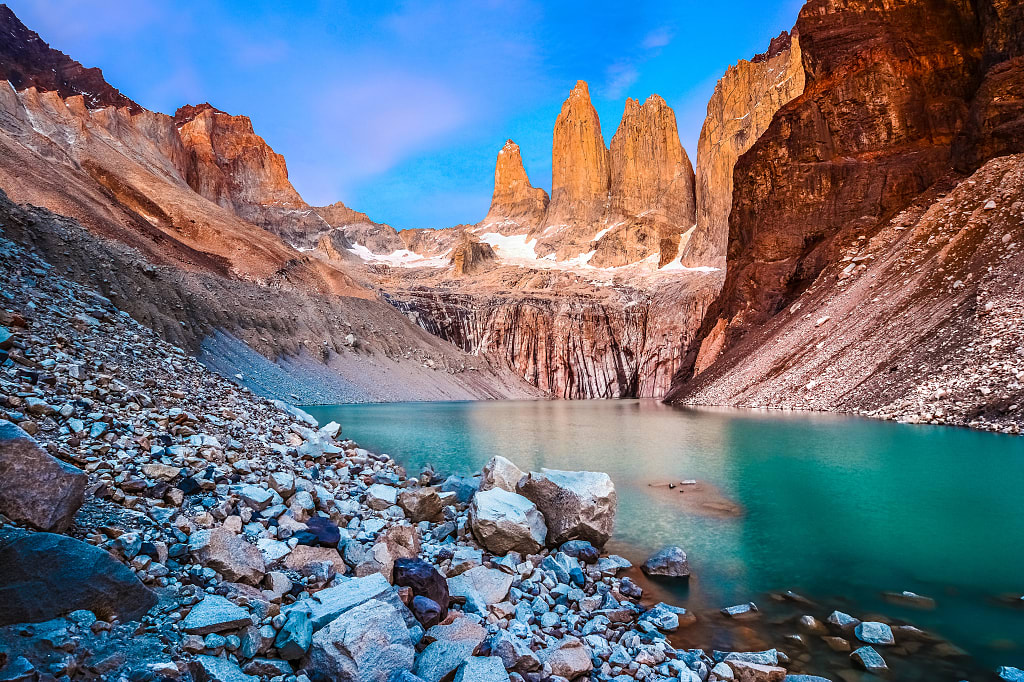
Chile's natural landscape is incredibly diverse, stretching from the driest desert on Earth, Atacama, to the glacial fjords of Patagonia. Think Torres del Paine National Park with its iconic granite spires (entry ~$35-50 USD/person for foreigners, requiring advance booking for refugios or camping like Paine Grande or Grey), or the otherworldly Valle de la Luna in San Pedro de Atacama (entry ~$10 USD). The sheer scale and variety, from active volcanoes to ancient forests, just tip the scales. Peru, while stunning with the Andes and the Amazon, often focuses on high-altitude treks like the Inca Trail to Machu Picchu (permits ~$500-700 USD including guides/porters/food) or the Salkantay Trek. Chile offers a broader spectrum of accessible, 'wow' landscapes. One traveler put it well: "Honestly, Torres del Paine blew my mind more than any mountain range I've seen. The scale is just insane." Chile offers more distinct 'zones' for different types of nature lovers.
Winner takeaway
- Winner: Chile
- Why: Chile's extreme geographical diversity, from desert to glaciers, offers a broader and more dramatic range of natural experiences.
- Who this matters for: Adventure travelers, hikers, landscape photographers, and those seeking unique, extreme environments.
🍽️ Food & Drink
Peru is undeniably a global culinary powerhouse, especially Lima, which boasts multiple restaurants on 'The World's 50 Best' list like Central and Maido (tasting menus start at ~$200-300+ USD). The diversity of Peruvian cuisine—from fresh ceviche (a good restaurant dish for S/30-50 ~$8-14 USD) to lomo saltado and Aji de Gallina—is incredible, reflecting its indigenous, African, Asian, and European influences. Street food is vibrant and cheap, with a full meal costing S/10-20 (~$3-6 USD). Chile, while having fantastic fresh seafood (try a 'curanto' in Chiloé or 'pastel de jaiba' in Santiago for CLP 12,000-18,000 ~$12-18 USD), and globally renowned wines (tours in Maipo Valley start ~$50-80 USD), doesn't quite match Peru's consistent innovation and widespread culinary excellence. "The food in Lima is just on another level, every meal was an experience, even the cheap stuff," a Redditor shared. While Santiago has good options, Peru’s culinary scene is a destination in itself.
Winner takeaway
- Winner: Peru
- Why: Peru's vibrant, diverse, and globally recognized culinary scene, from street food to fine dining, is unmatched.
- Who this matters for: Foodies, culinary adventurers, budget travelers seeking delicious cheap eats, and those interested in gastronomic innovation.
💰 Cost of Travel
Peru offers significantly better value for money, making it a dream for backpackers and mid-range travelers. A decent hostel bed in Cusco or Lima costs S/40-70 (~$11-19 USD), while a budget hotel might be S/100-200 (~$27-54 USD). Local meals can be as low as S/10-20 (~$3-6 USD). Long-distance buses, while not always luxurious, are very affordable (e.g., Lima to Cusco S/70-150 ~$19-40 USD). In contrast, Chile is notably more expensive. A hostel bed in Santiago or San Pedro de Atacama can easily be CLP 15,000-25,000 (~$15-25 USD), and budget hotel rooms start around CLP 40,000-60,000 (~$40-60 USD). A basic lunch often costs CLP 8,000-12,000 (~$8-12 USD). Transport, especially flights to Patagonia, adds up quickly (e.g., Santiago to Punta Arenas ~$100-250 USD one-way). "Peru saved my budget after backpacking through Chile, I could stretch my money so much further without feeling like I was missing out." This cost difference impacts everything from daily expenses to major excursions.
Winner takeaway
- Winner: Peru
- Why: Peru consistently offers a more budget-friendly travel experience across accommodation, food, and transport.
- Who this matters for: Budget travelers, backpackers, and those looking to maximize their travel duration without breaking the bank.
🗿 Culture & History
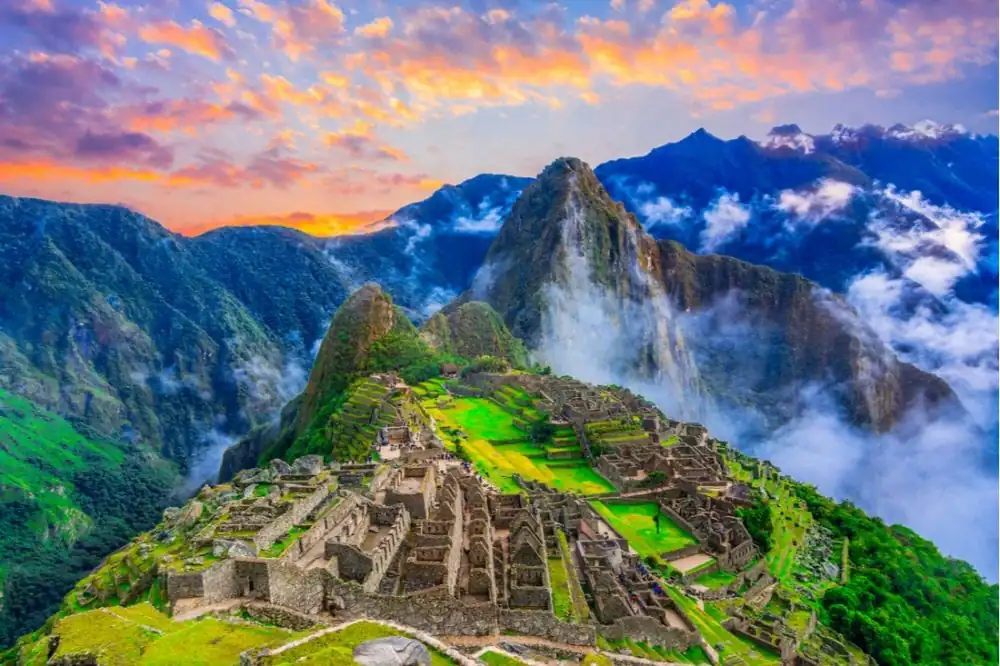
Peru is a living museum, largely due to the awe-inspiring legacy of the Inca Empire and earlier civilizations like the Moche and Nazca. Machu Picchu (entry S/152 ~$41 USD), the Sacred Valley, and the Nazca Lines are iconic testaments to ancient ingenuity. Cusco itself is a stunning blend of Inca foundations and Spanish colonial architecture. Indigenous Quechua culture is very much alive, visible in textiles, languages, and daily life, particularly in the Andean regions. You can visit numerous pre-Columbian sites and delve deep into spiritual traditions. Chile, while having a significant colonial past reflected in cities like Santiago and Valparaíso, and the resilient Mapuche indigenous culture in the south, doesn't offer the same overwhelming historical depth and widespread preservation of ancient civilizations. "Nothing compares to walking through Cusco and seeing Inca walls holding up colonial buildings. It's truly a unique feeling," a traveler noted. Peru's historical narrative is much more prominent and accessible to visitors.
Winner takeaway
- Winner: Peru
- Why: Peru's profound Inca and pre-Inca history, combined with its vibrant living indigenous cultures, offers a deeper and more visible cultural immersion.
- Who this matters for: History buffs, cultural explorers, anthropology enthusiasts, and those seeking spiritual and ancient site experiences.
🚌 Getting Around
Chile generally boasts a more efficient and comfortable transportation network. Long-distance buses, particularly companies like Turbus or Pullman Bus, are modern, safe, and often feature 'cama' (bed) or 'semi-cama' seats for overnight journeys (e.g., Santiago to Valparaíso ~$8-15 USD, Santiago to Pucon ~$30-50 USD). Domestic flights connect major hubs, making travel to Patagonia or the Atacama Desert relatively quick (e.g., Santiago to Calama ~$50-150 USD). Santiago's metro system is clean and efficient. Peru's bus system is extensive but quality varies significantly; while 'Cruz del Sur' or 'Oltursa' offer comfortable services, many budget options can be less reliable (Lima to Cusco takes 20-24 hours and can be rough). Internal flights are often essential for covering vast distances quickly (e.g., Lima to Cusco ~$50-100 USD), but can be prone to delays. "Chilean buses are like flying business class compared to some of the Peruvian ones I took. Smooth roads, on time, just easier." While Peru's system gets you everywhere, Chile's generally provides a more pleasant and predictable experience.
Winner takeaway
- Winner: Chile
- Why: Chile's superior infrastructure, particularly its comfortable and reliable long-distance bus network and modern urban transit, makes getting around smoother.
- Who this matters for: Travelers prioritizing comfort, efficiency, and those with limited time for long, potentially arduous journeys.
👮 Safety
While both countries require travelers to exercise common sense and vigilance, Chile generally feels safer with lower rates of petty crime and violent crime. Santiago, like any large city, has areas to avoid (e.g., certain parts of downtown after dark), but walking around most tourist areas feels relatively secure. Petty theft, like pickpocketing, is still a concern, especially on public transport or crowded markets (e.g., 'La Vega' market). Peru, unfortunately, has a higher incidence of petty crime, particularly in Lima (Miraflores, Barranco are safer, but watch out for Surco, La Victoria) and Cusco's main plazas. Bag snatching, fake taxi scams, and distraction thefts are more common. "I felt much more relaxed walking around at night in Valparaíso than I ever did in Lima. Just a different vibe." It's crucial to be extra cautious with belongings, avoid flashy displays of wealth, and use reputable transport in Peru. Neither is 'unsafe' if you're smart, but Chile edges it out for a slightly lower background level of concern.
Winner takeaway
- Winner: Chile
- Why: Chile generally has lower crime rates and a more developed sense of public safety, making travelers feel slightly more secure.
- Who this matters for: Solo travelers (especially women), families, and those who prioritize a low-stress travel environment regarding personal safety.
🏨 Accommodation
Both countries offer a vast array of accommodation, but the 'winner' depends on your budget and style. Peru excels in providing abundant, good-value budget and mid-range options. Hostels in Cusco like Pariwana Hostel or Wild Rover are social hubs and often cost S/40-70 (~$11-19 USD) for a dorm. Boutique hotels in Miraflores or Barranco in Lima can be found for S/200-400 (~$54-108 USD). Chile, on the other hand, often has more modern, design-conscious hotels and guesthouses, particularly in Santiago, Valparaíso, or Patagonia, though at a higher price point (e.g., a nice boutique hotel in Santiago like Hotel Cumbres Lastarria could be $150-250 USD). Hostels exist but are pricier (e.g., Hostel Forestal in Santiago for CLP 20,000 ~$20 USD for a dorm). For luxury and unique experiences, Peru has fantastic eco-lodges in the Amazon (e.g., Inkaterra Reserva Amazónica, ~$300-500 USD/night all-inclusive) and high-end stays in the Sacred Valley, while Chile offers stunning, remote lodges in Patagonia. "You can find incredibly charming places in Peru for a steal, but Chile often has better amenities if you're willing to pay for it." It's a tie because both excel in different segments.
Winner takeaway
- Winner: Tie
- Why: Both countries offer excellent, distinct accommodation options catering to different budgets and preferences, making it hard to declare a single winner.
- Who this matters for: Budget travelers will lean towards Peru, while those seeking modern comforts and boutique experiences might prefer Chile.
🍻 Nightlife & Social Scene
Both Chile and Peru offer lively nightlife, each with its distinct flavor, making this a tie. Santiago's Bellavista neighborhood is the heart of its club and bar scene, with options ranging from upscale cocktail bars to lively dance clubs, often going until the early hours (a Pisco Sour in a decent bar costs CLP 5,000-8,000 ~$5-8 USD). Valparaíso also boasts a bohemian, gritty charm with many small bars and live music venues. Chile's social scene can feel more European and less overtly 'backpackery'. Peru, especially Lima (Miraflores, Barranco) and Cusco, offers a very social and accessible nightlife, often centered around hostels which host pub crawls and events. Pisco Sours are ubiquitous and cheap (S/15-25 ~$4-7 USD), and there's a strong salsa culture. "Cusco's nightlife surprised me, every night there was something going on, and it was easy to meet people." While Chile's scene might be more refined, Peru's is often more spontaneous and geared towards meeting fellow travelers. Both offer ample opportunities to let loose and mingle.
Winner takeaway
- Winner: Tie
- Why: Both destinations provide vibrant and distinct nightlife experiences that cater to different preferences, from sophisticated clubs to social backpacker bars.
- Who this matters for: Party-goers, social travelers, and those looking to experience local music and dance scenes.
🏖️ Beaches & Coastlines
Chile's coastline, while the Pacific is cold, offers more traditional 'beach' experiences and dramatically beautiful stretches. Popular spots like Viña del Mar and Reñaca near Valparaíso are bustling with families and sunbathers in summer, offering long sandy beaches (though the water is chilly for swimming). Further north, places like Pichilemu are renowned for world-class surfing. The rugged, dramatic coastlines, especially south of Santiago, are stunning for scenic drives and exploring. Peru's coastline is largely desert, and while it has some decent surfing spots (like Máncora in the north, or Punta Hermosa near Lima) and beautiful protected areas like Paracas National Reserve with its red sand beaches and abundant wildlife (boat tour to Ballestas Islands S/60-80 ~$16-22 USD), it's not generally a 'beach holiday' destination in the same vein. "If you want proper beach vibes, Chile has better options, even if the water is freezing. Peru's coast is mostly desert and fishing towns, cool in its own way but not for swimming." For classic sandy beaches and coastal relaxation, Chile has the edge.
Winner takeaway
- Winner: Chile
- Why: Chile offers more diverse and accessible beaches suitable for traditional relaxation, surfing, and scenic coastal drives.
- Who this matters for: Beach lovers, surfers, and those looking for coastal relaxation or dramatic seaside scenery.
🚶♀️ Solo Travel Friendliness
Peru is a fantastic choice for solo travelers, particularly backpackers, and takes the win here. The sheer volume of solo travelers means it’s incredibly easy to meet like-minded people in hostels (e.g., Wild Rover in Cusco), on organized tours (like the Inca Trail or Amazon excursions), and even just grabbing a meal. The backpacker trail is well-worn and social. While solo women travelers should still be cautious, the overall vibe is very welcoming and community-oriented. Chile, while safe and with excellent infrastructure, can feel a bit more independent and less immediately 'social' for solo travelers, especially outside of major cities or specific backpacker hubs like Pucón. Its higher costs can also make solo travel more expensive. "As a solo traveler, Peru was a dream for meeting people. Every hostel felt like a community, and tours were packed with other solos. Chile was great, but I had to try harder to connect." While Chile is perfectly manageable solo, Peru just makes it effortless to make friends and share experiences.
Winner takeaway
- Winner: Peru
- Why: Peru's well-established backpacker trail, abundance of social hostels, and high volume of solo travelers make it exceptionally easy to meet people and share experiences.
- Who this matters for: Solo travelers (especially budget backpackers), those looking to easily meet other travelers, and individuals seeking a vibrant social atmosphere.
❓ Frequently Asked Questions
Which country is better for adventure sports?
Both offer incredible adventure sports. Chile excels with trekking in Patagonia (Torres del Paine), sandboarding in Atacama, and rafting/kayaking in the Lake District. Peru offers world-class trekking to Machu Picchu, white-water rafting on the Urubamba River, and mountain biking in the Andes. It's a tie for sheer variety, depending on your preferred type of adventure.
How long should I plan for each country?
For a good introduction to Peru, allow 2-3 weeks to cover Lima, Cusco/Sacred Valley/Machu Picchu, and perhaps Arequipa or Paracas. For Chile, 2-3 weeks is also ideal to experience Santiago, Valparaíso, and one major region like Patagonia or the Atacama Desert. If you plan to do both, dedicate at least 3-4 weeks, flying between major hubs.
Is it safe to drink tap water?
In Chile, tap water is generally considered safe to drink in most major cities and towns, though many travelers still prefer bottled water. In Peru, it is NOT safe to drink tap water. Always use bottled water for drinking and brushing teeth to avoid stomach issues. Many accommodations provide filtered water.
What's the best time to visit each country?
For Chile, the summer months (Dec-Feb) are best for Patagonia, but the shoulder seasons (Oct-Nov, Mar-Apr) are great for central Chile. For Peru, the dry season (May-Oct) is ideal for trekking the Andes and visiting Machu Picchu, though the Amazon is best visited during the low-water season (May-Oct) for easier wildlife spotting.
Do I need to speak Spanish?
While not strictly necessary, knowing some basic Spanish will significantly enhance your experience in both countries. In major tourist areas, many people speak English, but outside of these, it can be challenging. Chileans are often appreciated when you try to speak Spanish, while Peruvians are generally more patient with non-Spanish speakers.
Which country is better for wine lovers?
Chile, hands down. It's a world-renowned wine producer, especially for Cabernet Sauvignon and Carmenere. The Maipo, Casablanca, and Colchagua Valleys offer fantastic vineyard tours and tastings, often easily accessible from Santiago. Peru produces some wine, but it's not a primary focus, though Pisco is their national spirit.
What about high altitude sickness?
High altitude sickness is a significant concern in Peru, especially around Cusco and the Sacred Valley (up to 3,400m / 11,200ft). It's crucial to acclimatize slowly, stay hydrated, and consider medication like Diamox. Chile has some high-altitude areas in the Atacama region, but the major tourist hubs are generally at lower elevations, making it less of a widespread issue for travelers.
Are domestic flights expensive?
Domestic flights can be a significant cost in both countries, but often a necessary time-saver. In Chile, flights to Patagonia (e.g., Punta Arenas, Puerto Natales) or the Atacama (Calama) can range from $100-250 USD one-way. In Peru, flights between Lima and Cusco are generally $50-100 USD one-way. Booking in advance usually yields better prices.
Ready to plan your South America trip?
Get a free custom itinerary for Chile, Peru, or both — built from real traveler insights.
🎟️ Book Tours & Experiences
Hand-picked tours and activities for both destinations — book with free cancellation
Experiences via Viator — free cancellation on most tours