How we built this comparison
This page combines traveler discussion patterns, published price ranges, flight schedules, and seasonal data to help you decide between Chile and Uruguay.
- Reviewed 100+ Reddit threads from r/travel, r/solotravel, r/chile, r/uruguay, r/SouthAmerica
- Verified costs and logistics against current booking platforms (e.g., Google Flights, Booking.com, Busbud)
- Cross-referenced seasonal patterns and weather data for optimal travel timing
⚡ Quick Answers
⚡ The TL;DR Verdict
For most travelers seeking varied adventure, Chile wins with its diverse landscapes and lower costs. If you want a more laid-back trip with good food and easy movement, Uruguay offers a comfortable, albeit pricier, experience. A daily budget of $60-150 for Chile is realistic, while Uruguay usually requires $80-200.
- Choose Chile: Pick Chile if you prioritize dramatic natural scenery, outdoor activities like hiking and stargazing, and are comfortable with longer travel distances and a slightly more rugged experience.
- Choose Uruguay: Go for Uruguay if you seek a relaxed pace, excellent meat and wine, manageable distances between destinations, and a generally calmer, more European-feeling atmosphere.
- Choose Both: Combine them if you have at least three weeks and desire both extremes: the Andes and desert of Chile, plus the beaches and colonial towns of Uruguay. Fly between Santiago and Montevideo for efficiency.
Choose Chile
Opt for Chile if you're an adventurous traveler eager to explore dramatically diverse landscapes, from the bone-dry Atacama Desert for unparalleled stargazing to the rugged peaks of Patagonia for world-class hiking. It's best for those seeking epic outdoor experiences and cultural exploration in cities like Santiago, all while maintaining a more budget-conscious daily spend.
Choose Uruguay
Pick Uruguay for a sophisticated, laid-back escape, ideal for foodies and those seeking European charm without the long flight. Best for travelers who prioritize savoring excellent parrilla and local wines, exploring the historic streets of Colonia del Sacramento, or relaxing on Punta del Este's beaches. Expect a comfortable, easily navigable, albeit pricier, journey.
📊 Visual Scorecard
🌤 When to Visit
Average high temperatures (°C). Green = best months, orange = avoid.
Quick Comparison
| Category | Chile | Uruguay | Winner |
|---|---|---|---|
| Costs & Budget | Generally more affordable for food and transport outside Santiago; accommodation varies widely. | Higher prices across the board for dining, accommodation, and transport compared to neighbors. | Chile |
| Nature & Scenery | Extremely varied, from arid desert to massive glaciers and Andes peaks. | Gentle rolling hills, Atlantic coastline, and river deltas define its calmer landscape. | Chile |
| Food & Drink | Strong on seafood, diverse fruits, and wine; less emphasis on red meat. | Renowned for its grilled meats (parrilla), chivitos, and mate culture. | Uruguay |
| City Experiences | Santiago is a large, modern capital; Valparaíso offers artistic hillsides and street art. | Montevideo is a relaxed capital; Colonia del Sacramento provides colonial charm. | Chile |
| Beaches & Coastline | Long, often rugged Pacific coastline; colder waters unsuitable for swimming in many areas. | Warmer Atlantic beaches and riverfronts suitable for swimming and relaxation. | Uruguay |
| Safety & Security | Generally safe but requires awareness in Santiago and Valparaíso; petty crime is common. | One of South Americas safest countries; relaxed atmosphere, but common sense applies. | Uruguay |
| Getting Around | Extensive bus network, domestic flights essential for long distances, car rental for flexibility. | Compact and easy to navigate with efficient buses; car rental is simple. | Uruguay |
| Accommodation | Wide range from hostels to luxury hotels, including unique stays in remote areas. | Good quality options, but fewer budget hostels and more mid-range to upscale choices. | Chile |
| Culture & History | Indigenous heritage, colonial past, and modern political history; strong artistic scene. | Strong European influence, tranquil colonial towns, and a proud independent identity. | Tie |
| Travel Pace | Often requires longer travel days, extensive planning for multi-region trips, active and adventurous. | More relaxed, easy to move between destinations, suitable for slow travel. | Uruguay |
💰 Costs & Budget
Chile offers a good value, especially when focusing on local eats and less tourist-heavy areas. A basic meal can be CLP 6,000-8,000 (approx. $6-8 USD) at a casual 'picada', while…
Chile
Uruguay
Chile offers a good value, especially when focusing on local eats and less tourist-heavy areas. A basic meal can be CLP 6,000-8,000 (approx. $6-8 USD) at a casual 'picada', while a sit-down restaurant meal in Santiago might run CLP 15,000-25,000 ($15-25 USD). Hostel dorms average $20-30 USD, while budget hotels are $60-100 USD. Intercity buses are efficient and relatively cheap, for example, Santiago to Valparaíso costs around CLP 5,000-8,000 ($5-8 USD). Daily budgets can range from $60-100 USD for budget travelers, climbing to $100-180 USD for mid-range comfort, particularly when factoring in Patagonia tours.
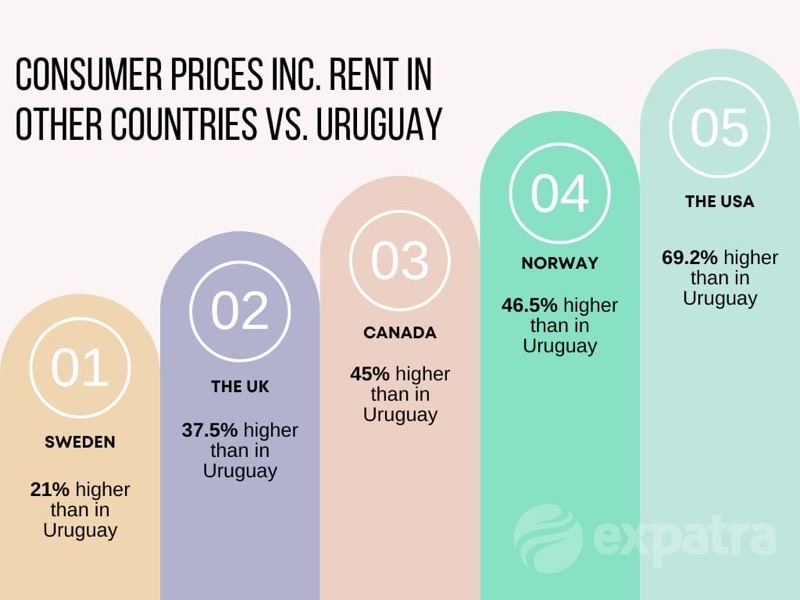
Uruguay is consistently one of South Americas more expensive destinations. A basic meal, like a chivito, can cost UYU 450-700 (approx. $11-17 USD), and a restaurant dinner in Montevideo or Punta del Este often exceeds UYU 1,000-1,800 ($25-45 USD) per person. Hostel dorms average $25-40 USD, with budget hotels typically $80-150 USD. Bus travel between cities like Montevideo and Colonia del Sacramento is UYU 400-600 ($10-15 USD). Expect a budget of $80-130 USD for basic travel, and $130-220 USD for mid-range comfort. The general consensus from travelers is that Uruguay requires a larger daily spend for similar amenities compared to its neighbors. tabiji verdict: Chile provides a better value for your travel dollar, offering more for less.
- Winner: Chile
- Why: Chile generally provides more diverse experiences for a lower overall travel budget.
- Who this matters for: Budget-conscious travelers and those planning longer trips.
⛰️ Nature & Scenery
Chile offers a geographical spectrum from the driest desert on Earth, the Atacama, with its otherworldly moon valleys and geysers (e.g., El Tatio geysers), to the colossal…
Chile
Uruguay
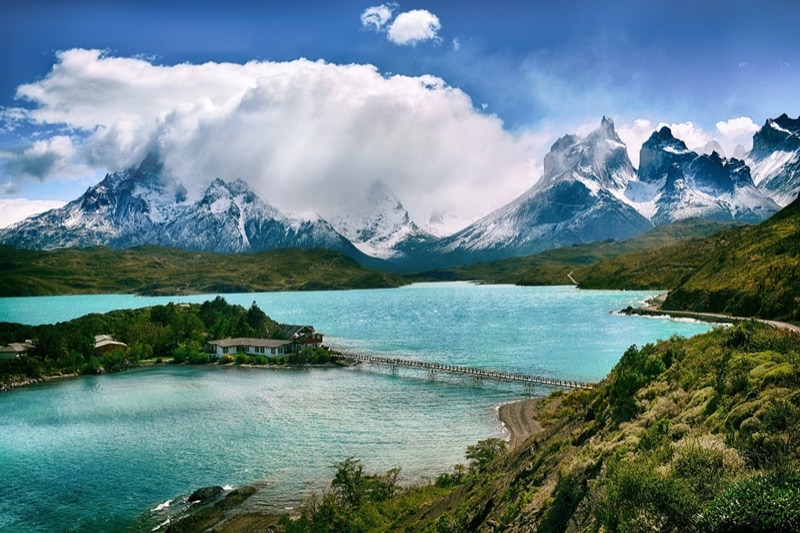
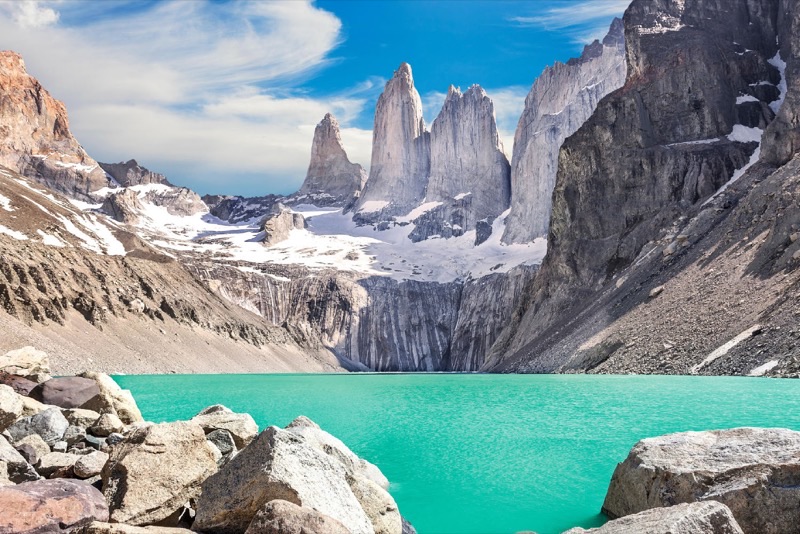
Chile offers a geographical spectrum from the driest desert on Earth, the Atacama, with its otherworldly moon valleys and geysers (e.g., El Tatio geysers), to the colossal glaciers and granite spires of Patagonia in the south (e.g., Torres del Paine National Park). The central valley contains fertile vineyards, while the Andes mountains form a constant, dramatic backdrop. Travelers come for multi-day treks, stargazing tours, and exploring diverse ecosystems. The scale and raw power of Chiles natural features are immense and require significant travel to experience different zones.
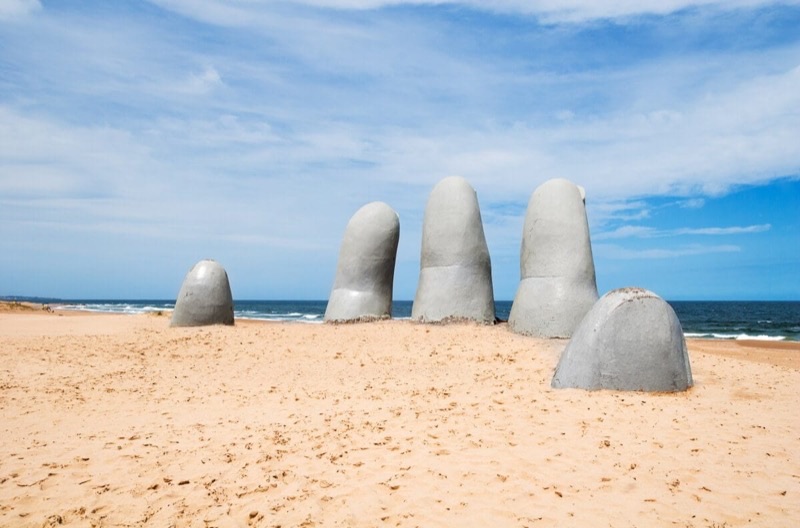
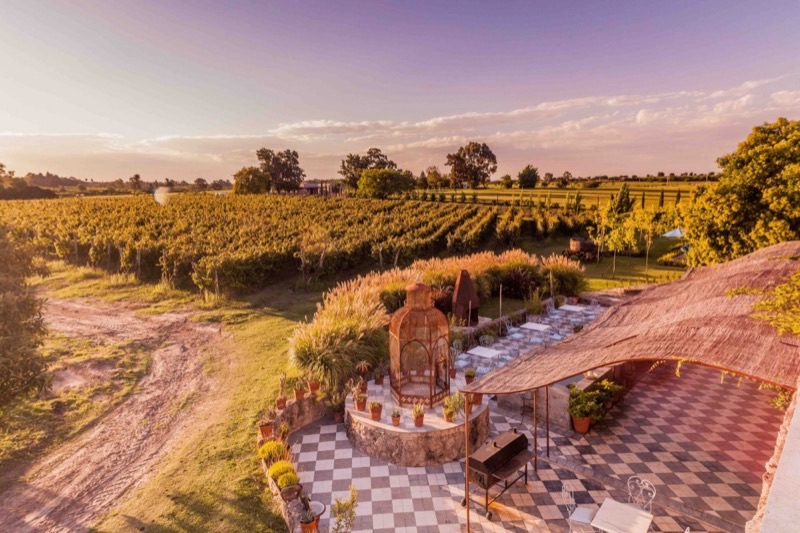
Uruguays natural settings are characterized by a softer, more pastoral feel. It features a long Atlantic coastline with sandy beaches like those near Cabo Polonio and La Paloma. Inland, there are rolling hills, grasslands (pampas), and major rivers like the Rio de la Plata. While pleasant and scenic for walks and relaxation, Uruguay lacks the dramatic mountain ranges or desert extremes found in Chile. The focus is more on coastal recreation, birdwatching in wetlands, and enjoying the tranquil countryside. Its nature is accessible and easy to navigate but does not offer the same scale of adventure. tabiji verdict: For sheer geographical diversity and dramatic landscapes, Chile is the undisputed choice.
- Winner: Chile
- Why: Chile boasts an unparalleled range of natural environments, from extreme deserts to glaciers.
- Who this matters for: Outdoor enthusiasts, photographers, and adventure seekers.
🍽️ Food & Drink
Chilean cuisine often centers around its extensive coastline, offering fresh seafood like 'curanto' (a seafood stew from Chiloe), 'ceviche', and 'reineta' fish. Empanadas,…
Chile
Uruguay
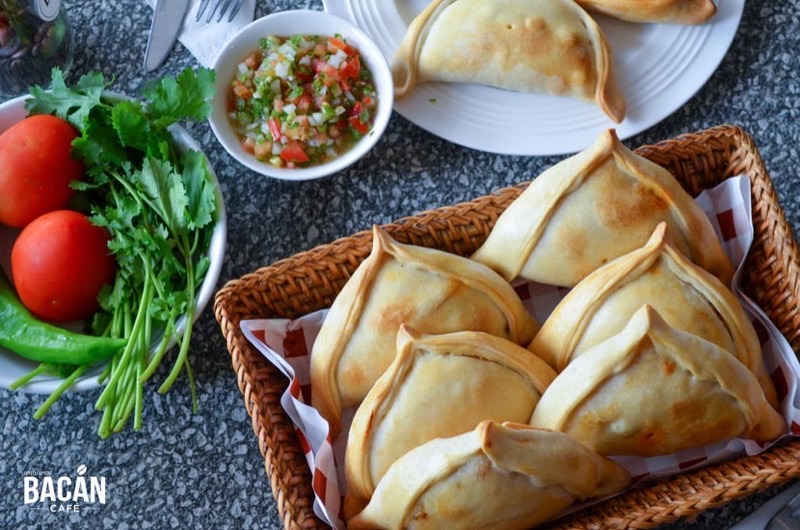
Chilean cuisine often centers around its extensive coastline, offering fresh seafood like 'curanto' (a seafood stew from Chiloe), 'ceviche', and 'reineta' fish. Empanadas, particularly 'empanadas de pino' (beef and onion), are common. Chilean wine is high quality and affordable, with Valle de Colchagua and Maipo Valley being key regions. Pisco Sour is the national drink, a popular cocktail. While flavorful, Chilean food can sometimes be described as hearty rather than complex, with fewer spices compared to other South American countries. Portions are generous, and fresh ingredients are a given.
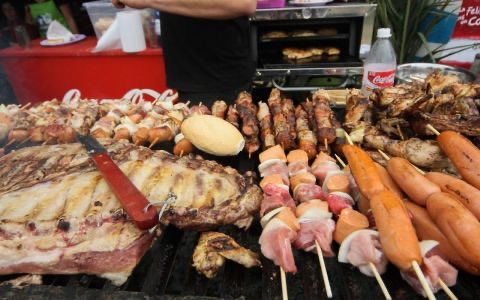
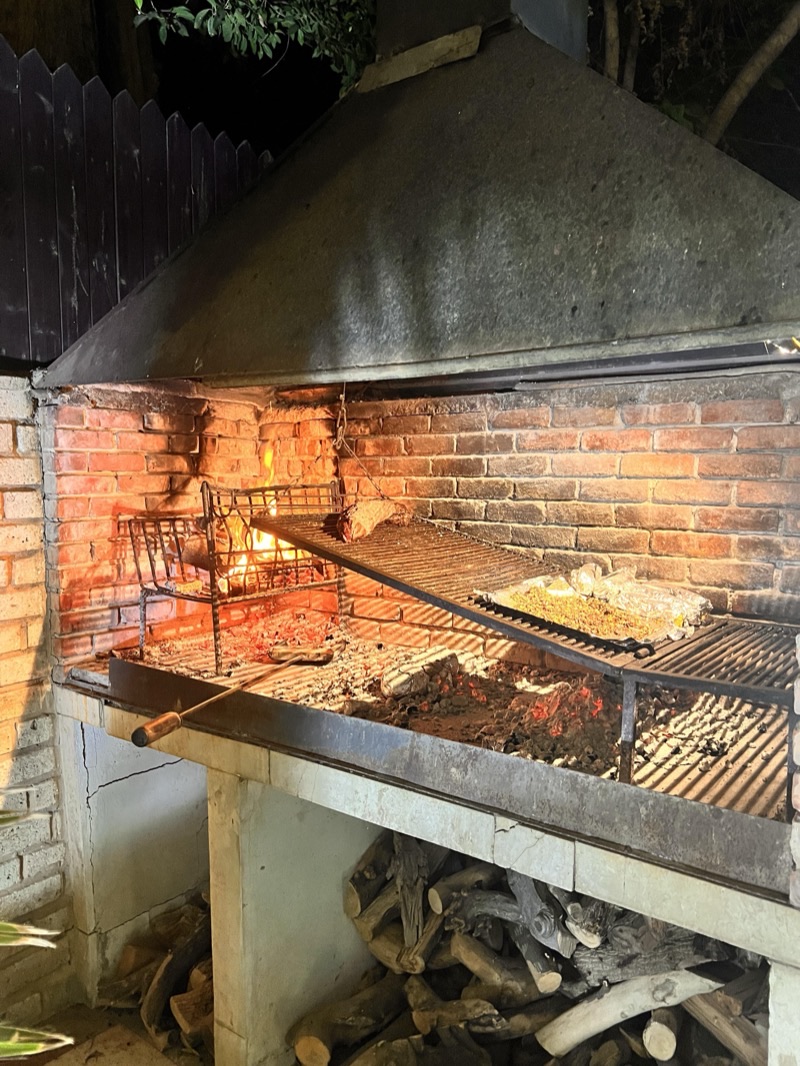
Uruguay takes its food seriously, especially grilled beef. 'Parrilladas' (barbecue restaurants) are ubiquitous, offering cuts like 'asado de tira' (short ribs) and 'entraña' (skirt steak), often served with a simple green salad. The 'chivito' sandwich, a steak sandwich with many toppings, is a national staple and a substantial meal. Mate, a traditional herbal infusion, is consumed everywhere, carried by individuals in thermos flasks. Uruguayan wines, particularly Tannat, are gaining international recognition. Desserts like 'dulce de leche' are common. The quality of meat and the deep-rooted food culture give Uruguay a slight edge for food-focused travelers. tabiji verdict: Uruguay offers a more defined and consistently excellent culinary experience, especially for meat lovers.
- Winner: Uruguay
- Why: Uruguays focus on high-quality grilled meats and a strong food culture creates a more consistent dining experience.
- Who this matters for: Foodies, particularly those who enjoy red meat and traditional comfort foods.
🏙️ City Experiences
Chilean cities offer diverse urban experiences. Santiago, the capital, is a large, modern metropolis with excellent museums (e.g., Museo Nacional de Bellas Artes), diverse…
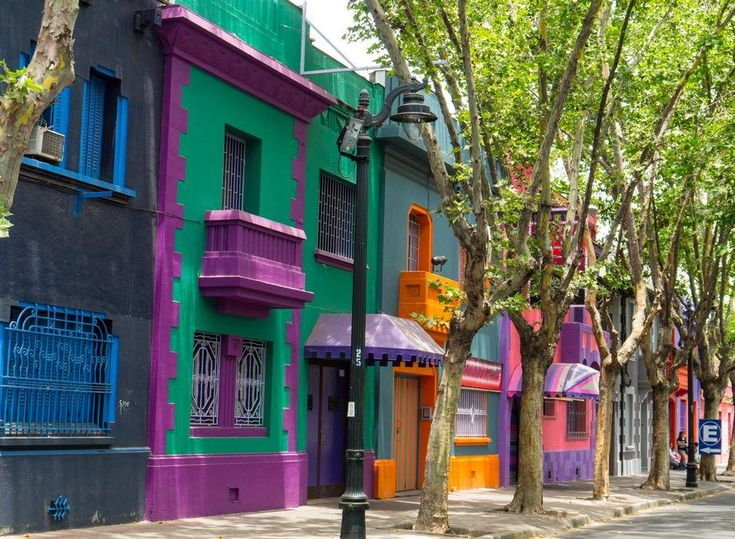
Chile
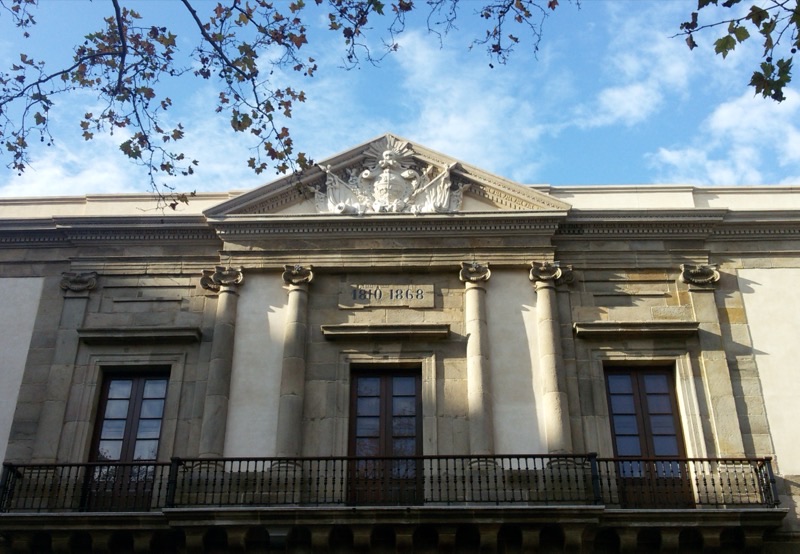
Uruguay
Chilean cities offer diverse urban experiences. Santiago, the capital, is a large, modern metropolis with excellent museums (e.g., Museo Nacional de Bellas Artes), diverse neighborhoods like Bellavista for nightlife, and easy access to the Andes for day trips. It is a city that requires exploration to appreciate its layers. Valparaíso, a UNESCO World Heritage site, is entirely different, characterized by its colorful hillside houses, historic funiculars, and extensive street art. Exploring its labyrinthine alleys and discovering new murals is a key activity. Other cities like La Serena offer a blend of colonial architecture and coastal access. Chile’s urban centers cater to different preferences, from metropolitan scale to bohemian charm.
Uruguay offers a more laid-back urban experience. Montevideo, the capital, feels more like a large town than a bustling city. Its Ciudad Vieja (Old Town) has historic buildings and pedestrian streets, while the Rambla, a long promenade along the coast, is central to local life. While it has museums and theaters, it lacks the same energetic pulse as Santiago. Colonia del Sacramento, a UNESCO site, is its most atmospheric city, with cobblestone streets, antique cars, and a tranquil riverfront setting. It is ideal for a relaxed day trip or overnight stay. Punta del Este, a resort city, is active in summer but quieter off-season. While pleasant, Uruguayan cities generally offer fewer high-energy attractions or significant cultural institutions compared to Chile. tabiji verdict: Chile provides more varied and dynamic city experiences, from modern capitals to artistic coastal towns.
- Winner: Chile
- Why: Chile provides a greater variety of city experiences, from a large modern capital to a unique artistic port city.
- Who this matters for: Travelers who enjoy exploring urban environments and contrasting city atmospheres.
🏖️ Beaches & Coastline
Chiles coastline, stretching over 4,000 kilometers along the Pacific, is mostly rugged and dramatic. While it has many beaches, the water is generally cold due to the Humboldt…
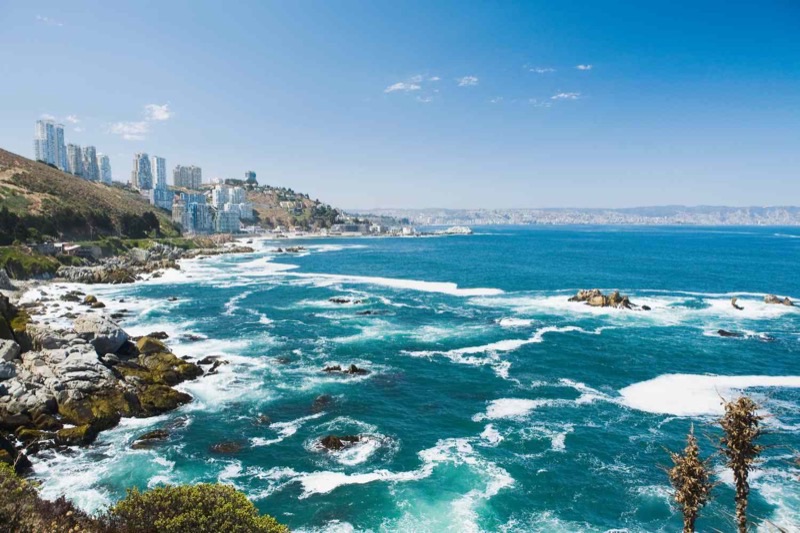
Chile
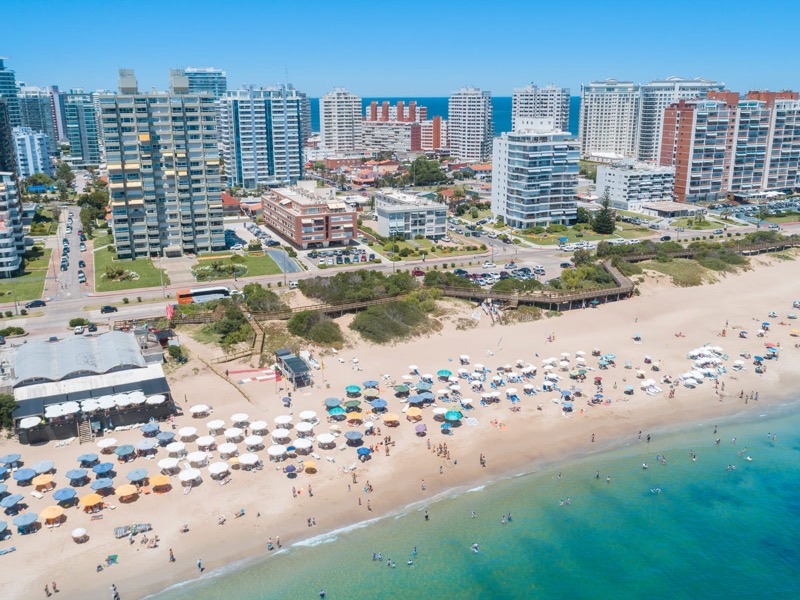
Uruguay
Chiles coastline, stretching over 4,000 kilometers along the Pacific, is mostly rugged and dramatic. While it has many beaches, the water is generally cold due to the Humboldt Current, making it less ideal for swimming, except for a few sheltered bays. Popular coastal towns like Viña del Mar and La Serena offer sandy stretches, but they are more for sunbathing and strolling than for warm water dips. The northern coast has warmer waters but fewer tourist services. Chiles coast is impressive for its scale and raw power, with cliffs and strong waves often seen, rather than for typical beach lounging. Patagonia’s coast is wild and remote.
Uruguay, by contrast, offers a more classic beach destination experience. Its Atlantic coast, particularly around Punta del Este, La Paloma, and Cabo Polonio, features wide sandy beaches with warmer waters suitable for swimming and water sports during the summer months (December to March). Punta del Este is famous for its resort atmosphere and social scene, while Cabo Polonio offers a remote, rustic beach experience accessible only by 4x4 vehicles. Montevideo also has its own beaches along the Rio de la Plata. Uruguay’s beaches are well-suited for relaxation, sunbathing, and enjoying the ocean. tabiji verdict: Uruguay is the clear winner for traditional beach holidays and comfortable swimming.
- Winner: Uruguay
- Why: Uruguay offers warmer, more swimmable Atlantic beaches and a developed beach culture.
- Who this matters for: Beachgoers, sun worshippers, and those seeking coastal relaxation.
🛡️ Safety & Security
Chile is generally considered safe for tourists, but like any large country, it has areas requiring caution. Santiago and Valparaíso, in particular, experience petty crime such as…
Chile is generally considered safe for tourists, but like any large country, it has areas requiring caution. Santiago and Valparaíso, in particular, experience petty crime such as pickpocketing and bag snatching, especially in crowded tourist areas and on public transport. Demonstrations in Santiago can sometimes lead to localized unrest, so monitoring local news is advisable. Remote areas, especially Patagonia, are very safe but require preparedness for outdoor conditions. Taxis should be official, and night walking alone in certain areas should be avoided. Overall, a sensible level of awareness will keep most travelers out of trouble.
Uruguay consistently ranks as one of the safest countries in South America, offering a very relaxed and secure environment for travelers. While petty crime can occur in larger cities like Montevideo, particularly in tourist spots or on buses, it is less frequent and generally less aggressive than in many other regional capitals. Walking at night feels safer, and incidents of serious crime against tourists are uncommon. The smaller towns and coastal areas, like Colonia del Sacramento or Cabo Polonio, are particularly tranquil and have a very low crime rate. The sense of ease contributes significantly to the overall travel experience. tabiji verdict: Uruguay provides a notably safer and more relaxed environment for travelers.
- Winner: Uruguay
- Why: Uruguay consistently ranks as one of the safest countries in South America, offering a calmer experience.
- Who this matters for: Solo travelers, families, and those prioritizing a low-stress, secure environment.
🚗 Getting Around
Chile, due to its extreme length, requires a combination of transport methods. An extensive and comfortable bus network connects most cities, with long-haul journeys taking 10-20…
Chile, due to its extreme length, requires a combination of transport methods. An extensive and comfortable bus network connects most cities, with long-haul journeys taking 10-20 hours for north-south travel (e.g., Santiago to Puerto Montt is around CLP 25,000-40,000 or $25-40 USD). Domestic flights are essential for covering vast distances, for example, Santiago to Punta Arenas (Patagonia) can cost $80-200+ USD one way. Car rental is popular for exploring specific regions like the Atacama or Patagonia, offering freedom but also requiring careful planning due to distances and terrain. Public transport within cities like Santiago is modern and efficient.
Uruguay is much more compact and easier to navigate. A reliable and comfortable bus network connects all major towns and cities, with journeys rarely exceeding 4-5 hours (e.g., Montevideo to Punta del Este is UYU 300-500 or $7-12 USD). Distances are short, meaning less time spent in transit. Renting a car is straightforward and a good option for exploring the countryside or more remote beaches, with good road conditions. Taxis and ride-sharing apps are available in urban areas. The ease of getting from one point to another without extensive planning or long travel days makes Uruguay a convenient destination. tabiji verdict: Uruguays smaller size and efficient transport network make getting around notably simpler and faster.
- Winner: Uruguay
- Why: Uruguays compact size and efficient public transport make intercity travel significantly easier and faster.
- Who this matters for: Travelers who prefer short travel times and easy logistics between destinations.
🛌 Accommodation
Chile offers a broad spectrum of accommodation. In Santiago, you can find everything from hostels (dorm beds $20-30 USD) to mid-range hotels ($70-120 USD) and high-end chains. In…
Chile offers a broad spectrum of accommodation. In Santiago, you can find everything from hostels (dorm beds $20-30 USD) to mid-range hotels ($70-120 USD) and high-end chains. In Patagonia, there are campsites, refugios (mountain huts, $40-60 USD/night without food), and eco-lodges, alongside traditional hotels. Valparaíso has numerous boutique guesthouses on its hills. The diversity caters to different budgets and travel styles, and even in remote areas, there are options for sleeping. Booking in advance, especially for popular Patagonia treks, is essential to secure preferred lodging. The range of experiences, from glamping in the Atacama to staying in a historic hacienda, is extensive.
Uruguay generally offers fewer true budget options compared to Chile, especially outside of Montevideo. Hostels exist, with dorm beds averaging $25-40 USD, but the quantity is lower. Mid-range hotels in Montevideo or Colonia del Sacramento typically cost $80-150 USD, while coastal resorts like Punta del Este can easily exceed $200-300+ USD during peak season. Guesthouses and apartments are common. The quality of accommodation is generally high, but the price point is consistently higher. For travelers on a tighter budget, finding affordable private rooms can be more challenging. While good quality, the selection feels less diverse at the lower end. tabiji verdict: Chile provides a wider range of accommodation options across all price points, including more unique stays.
- Winner: Chile
- Why: Chile offers greater variety in accommodation, from budget hostels to unique remote lodges, catering to more travel styles.
- Who this matters for: Travelers with specific accommodation preferences or those needing very low-cost options.
📜 Culture & History
Chile's culture is shaped by its Mapuche indigenous heritage, a Spanish colonial past, and a significant 20th-century political history, particularly the Pinochet era. Santiago…
Chile's culture is shaped by its Mapuche indigenous heritage, a Spanish colonial past, and a significant 20th-century political history, particularly the Pinochet era. Santiago offers museums like the Museum of Memory and Human Rights, which provides insight into its recent past. Valparaíso stands out with its bohemian culture, street art, and literary connections (Pablo Nerudas houses). The island of Chiloe has a unique mythology and wooden churches. The blend of indigenous roots, European influences, and modern artistic expression makes for a layered cultural experience. Festivals and local traditions are present throughout the year, especially in smaller towns.
Uruguay presents a culture heavily influenced by its European, particularly Italian and Spanish, immigration. This is evident in its architecture, cuisine, and social customs. Colonia del Sacramento, a UNESCO site, is a prime example of its colonial history, with preserved stone streets and historic buildings. Montevideo has a refined cultural scene with theaters like Teatro Solis and numerous art galleries. The tradition of mate drinking and the relaxed pace of life are central to Uruguayan identity. It feels more consistently European in its cultural expression, without the same overt indigenous presence as in Chile. Both nations offer depth, but in different flavors. tabiji verdict: Both countries offer rich, distinct cultural and historical experiences, making this category a tie.
- Winner: Tie
- Why: Both countries offer distinct and deep cultural and historical experiences that appeal to different interests.
- Who this matters for: Travelers with an interest in history and culture, depending on specific historical periods or cultural expressions they seek.
🐢 Travel Pace
Traveling Chile means embracing distances. To experience its varied regions—the Atacama Desert, Central Valley, and Patagonia—requires significant transit time, often involving…
Traveling Chile means embracing distances. To experience its varied regions—the Atacama Desert, Central Valley, and Patagonia—requires significant transit time, often involving long bus rides or domestic flights. A typical day might involve an early start for a desert tour, a full day of hiking in a national park, or a long bus journey between cities. The infrastructure supports this, but it is not a destination for rapid sightseeing across its entire length. Planning and booking activities, especially during peak season in popular areas like Torres del Paine, are crucial. It is a destination that rewards active exploration and a willingness for adventure, often with less spontaneity.
Uruguay offers a notably more relaxed and unhurried travel pace. Its smaller size means short bus rides between major destinations like Montevideo, Colonia del Sacramento, and Punta del Este, often just 1-3 hours. This allows for more time to linger in cafes, explore towns on foot, and enjoy the local rhythm without feeling rushed. It is well-suited for travelers who prefer slow travel, spending several days in one location, or those who want a less demanding itinerary. Spontaneity is easier, and the overall atmosphere encourages relaxation rather than constant movement. This makes it a stress-free option. tabiji verdict: Uruguay is the choice for travelers seeking a slower, more relaxed, and less logistically complex journey.
- Winner: Uruguay
- Why: Uruguay's smaller size and slower pace make for a more relaxed and less rushed travel experience.
- Who this matters for: Travelers who prefer a slower, more relaxed journey and less time in transit.
🎯 The Decision Framework
Choose Chile If…
- You crave dramatic natural landscapes, from arid deserts to immense glaciers.
- You want to hike in Patagonia and see the Andes mountains up close.
- Stargazing in a dark sky reserve (like Elqui Valley) is on your list.
- You appreciate good quality, affordable wine.
- Exploring a large, modern capital city (Santiago) alongside a bohemian port city (Valparaíso) appeals to you.
- You enjoy outdoor activities and are prepared for physical challenges.
- You are comfortable with long travel distances and domestic flights.
- You want to experience varied climates within one country.
Choose Uruguay If…
- You desire a very relaxed, easygoing travel experience with short transit times.
- High-quality grilled meats and a strong food culture are a priority.
- You prefer warm, sandy Atlantic beaches for swimming and relaxation.
- Safety and a low-crime environment are top concerns for your trip.
- You appreciate charming colonial towns with cobblestone streets, like Colonia del Sacramento.
- You enjoy European-influenced culture and architecture.
- Your budget allows for slightly higher daily spending for comfort.
- You want to experience the local mate drinking culture.
📅 Sample Itineraries
Weekend in Chile (3 Days)
💡 Purchase a Bip! card for Santiago's public transport system (metro and buses) upon arrival. The card costs about $2-3 and offers cheaper fares than single tickets.
Weekend in Uruguay (3 Days)
💡 Consider renting a bicycle in Colonia del Sacramento for about $10-15 per day. This allows you to easily explore the historic quarter and surrounding areas at your own pace.
One Week in Chile (7 Days)
💡 When planning multi-region trips, book domestic flights in advance, especially for popular routes like Santiago to Calama (Atacama) or Temuco (Pucón), to secure better prices, often saving 20-30%.
One Week in Uruguay (7 Days)
💡 Consider renting a car for a few days to explore the coastal route from Montevideo to Punta del Este at your leisure. Daily rentals typically cost $40-60, offering flexibility for scenic stops.
❓ Frequently Asked Questions
What are typical flight times from North America to Chile versus Uruguay?
From major East Coast cities like New York, a direct flight to Santiago, Chile, typically takes around 10-11 hours. Flights to Montevideo, Uruguay, are similar, often 10-12 hours, sometimes involving a brief stop in Panama City or Sao Paulo. West Coast flights to Chile are longer, usually 12-14 hours with a stop.
Which country is better for solo female travelers?
Uruguay is often cited as a more comfortable and safer option for solo female travelers due to its generally lower crime rates and relaxed atmosphere. Chile is also safe, but awareness of surroundings, especially in Santiago and Valparaíso, is more important. Both have good hostel networks for meeting others.
When is the best time to visit each country?
For Chile, the best time depends on the region: Patagonia is best in summer (Dec-Feb), Atacama is year-round, and Santiago/Central Valley are good in spring/autumn (Oct-Nov, Mar-Apr). Uruguay is primarily a summer destination (Dec-Mar) for its beaches, though spring and autumn offer pleasant city weather and fewer crowds.
Can I visit both countries on a two-week trip?
While possible, it would be rushed. Two weeks allows for a good deep dive into one country. If you insist on both, fly between Santiago and Montevideo (approx. 2.5-3 hours direct flight, costing $150-300 USD return) and focus on just 1-2 key areas in each, like Santiago/Valparaíso in Chile and Montevideo/Colonia in Uruguay. It is not ideal.
What is the primary language spoken in Chile and Uruguay?
Spanish is the official language in both Chile and Uruguay. While English is spoken in major tourist areas and by younger generations, learning some basic Spanish phrases will significantly improve your travel experience and interactions with locals.
Are credit cards widely accepted, or should I carry cash?
Credit cards are widely accepted in cities and larger establishments in both countries. However, carrying some local currency (Chilean Pesos (CLP) or Uruguayan Pesos (UYU)) is recommended for smaller vendors, street food, rural areas, and tipping. ATMs are common in urban centers.
What are the visa requirements for US citizens traveling to Chile and Uruguay?
US citizens typically do not require a visa for tourist stays of up to 90 days in both Chile and Uruguay. A valid passport with at least six months of validity remaining is usually sufficient. Always check the latest requirements before your trip, as regulations can change.
Which country has better internet and digital nomad infrastructure?
Both countries offer good internet connectivity in major cities. Santiago, Chile, has a well-developed infrastructure with numerous co-working spaces and cafes. Montevideo, Uruguay, also provides reliable internet and a calm environment, appealing to digital nomads seeking a slower pace. Chile may offer more options due to its larger size.
Ready to plan your South America trip?
Get a free custom itinerary for Chile, Uruguay, or both — built from real traveler insights.
👥 Travelers Also Compared
🎟️ Book Tours & Experiences
Hand-picked tours and activities for both destinations — book with free cancellation
Experiences via Viator — free cancellation on most tours