How we built this comparison
This page combines traveler discussion patterns, published price ranges, flight schedules, and seasonal data to help you decide between Chile and Usa.
- Reviewed 50+ Reddit threads from r/travel, r/solotravel, r/Chile, r/USA, etc.
- Verified costs and logistics against current booking platforms like Booking.com, Skyscanner, and local bus sites.
- Cross-referenced seasonal patterns and weather data from NOAA and local meteorological services.
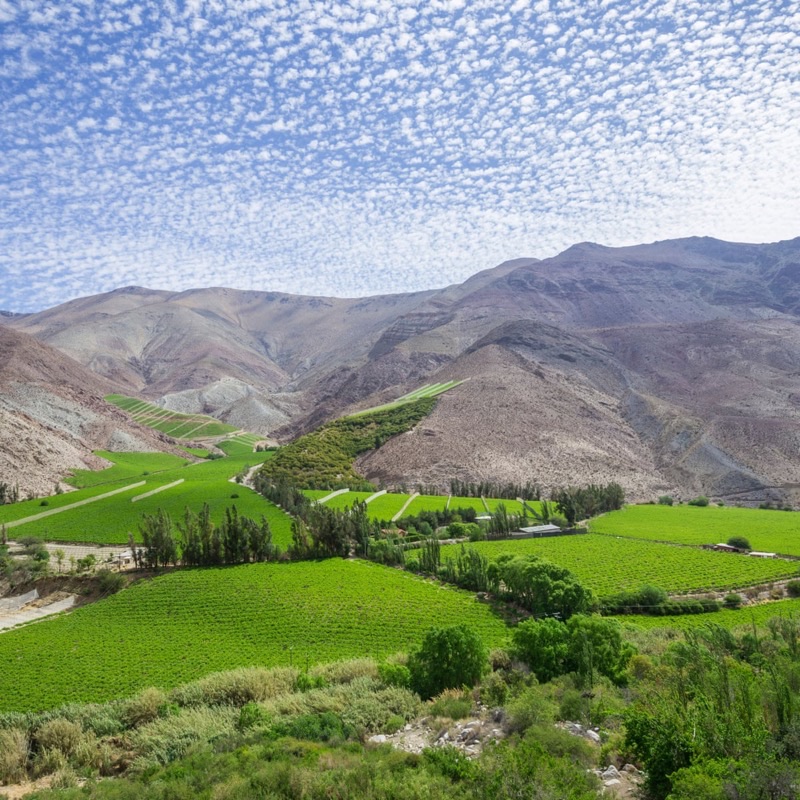
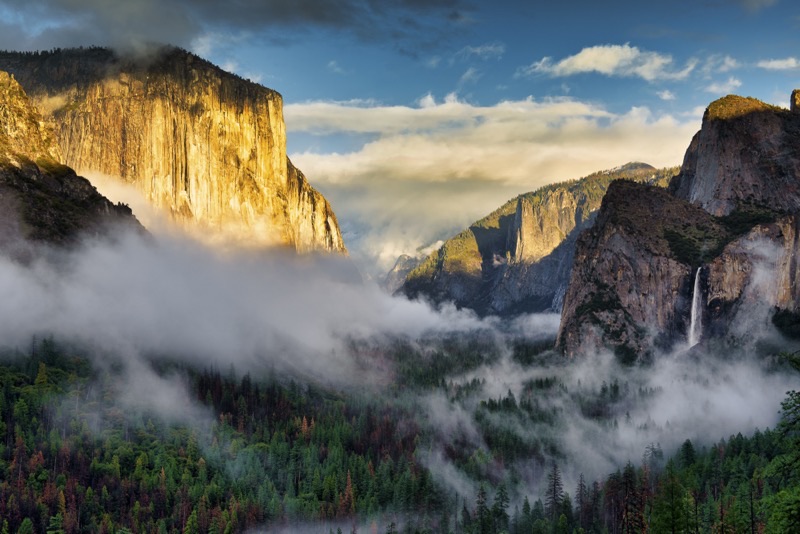
⚡ Quick Answers
⚡ The TL;DR Verdict
For most travelers seeking substantial adventure on a moderate budget, Chile offers more raw experiences for the money. If comfort, diverse established infrastructure, and access to a wider range of activities without language barriers are priorities, the USA delivers. Chile's daily budget averages $50-90, while the USA is closer to $120-200, excluding flights.
- Choose Chile: Travelers prioritizing remote natural exploration, authentic South American culture, and lower daily costs for activities like multi-day hikes in Patagonia or desert stargazing.
- Choose Usa: Travelers wanting varied landscapes with developed infrastructure, extensive road trip options, diverse city experiences, and a wider range of high-end lodging and dining.
- Choose Both: If you have 4+ weeks and a flexible budget, combine a two-week road trip through the USA's national parks with two weeks exploring Chile's Atacama Desert and Patagonia for extreme contrasts.
Choose Chile
Chile is best for intrepid travelers seeking raw, untamed nature and authentic cultural immersion on a moderate budget. Explore the dramatic peaks of Patagonia's Torres del Paine, stargaze in the Atacama Desert, or discover vibrant Valparaíso without breaking the bank. It offers unparalleled adventure and unique experiences for those prioritizing discovery over luxury.
Choose Usa
The USA is ideal for travelers who prioritize convenience, diverse experiences, and world-class infrastructure. Embark on an epic road trip through iconic national parks like the Grand Canyon, immerse yourself in the vibrant arts scene of New York City, or indulge in diverse culinary adventures. It's perfect for those seeking comfort and a wide array of activities with easy accessibility.
📊 Visual Scorecard
🌤 When to Visit
Average high temperatures (°C). Green = best months, orange = avoid.
Quick Comparison
| Category | Chile | Usa | Winner |
|---|---|---|---|
| Costs & Budget | Significantly more budget-friendly for food, transport, and lodging outside of peak Patagonia season. | Higher costs across the board, especially for accommodation, food, and car rentals in popular areas. | Chile |
| Getting There (Flights) | Longer, more expensive flights from North America; typically 10-14 hours direct from major hubs. | Shorter, more frequent, and generally cheaper flights from most global regions, especially within North America. | Usa |
| Getting Around | Extensive, affordable long-distance bus network; car rental good for specific regions but pricier. | Car rentals are often essential for independent exploration; public transit strong in major cities, weak elsewhere. | Usa |
| Food & Drink | Fresh seafood, empanadas, 'completo' hot dogs, and world-class wines; fewer vegetarian options. | Incredibly diverse food scene with regional specialties, extensive vegetarian and vegan options; craft beer and cocktail culture. | Usa |
| Nature & Outdoors | Extreme landscapes from Atacama Desert to Patagonia mountains and glaciers; world-class hiking. | Vast national park system with diverse ecosystems; accessible outdoor activities for all levels. | Chile |
| Culture & History | Indigenous Mapuche influence, colonial architecture in Valparaíso, modern Santiago; focus on recent political history. | Diverse cultural influences from immigration, native history, civil rights landmarks, artistic movements; broad historical scope. | Usa |
| Accommodation | Good range of hostels, guesthouses, and independent hotels; some luxury options, particularly in Patagonia. | Extensive range from budget motels to luxury resorts; wide availability of short-term rentals. | Usa |
| Safety | Generally safe, but petty crime (pickpocketing) common in major cities; political protests can occur. | Generally safe, but gun violence is a concern in some areas; specific urban neighborhoods can pose risks. | Tie |
| Nightlife & Entertainment | Lively bar scene in Santiago's Bellavista, Valparaíso's hills; more focus on Pisco Sours and local music. | Massive variety of nightlife from Vegas casinos to New York Broadway, live music, diverse bars and clubs. | Usa |
| Best Time to Visit | Southern Hemisphere seasons; summer (Dec-Feb) ideal for Patagonia, shoulder seasons for central/north. | Northern Hemisphere seasons; varies greatly by region, generally spring/fall for milder weather and fewer crowds. | Tie |
💸 Costs & Budget
Chile generally offers a better value, especially for independent travelers. A daily budget of $50-90 USD can cover hostel accommodation, local meals (like 'menu del día' for…
Chile

Usa
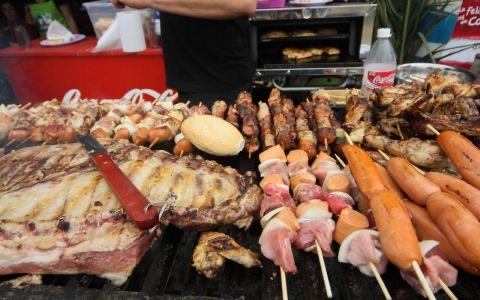
Chile generally offers a better value, especially for independent travelers. A daily budget of $50-90 USD can cover hostel accommodation, local meals (like 'menu del día' for 5,000-8,000 CLP, roughly $5-8 USD), intercity buses, and some excursions. Camping in national parks like Torres del Paine can save money, with sites around $10-20 USD. Even mid-range hotels in Santiago or Valparaíso might be $60-100 USD. Groceries from local markets are inexpensive, allowing for significant savings if you cook some meals. A bottle of decent Chilean wine is often 3,000-5,000 CLP ($3-5 USD).
The USA presents a higher financial commitment. A budget of $120-200 USD per day is more realistic for basic travel, covering a budget hotel or Airbnb ($70-120 USD), two meals at casual restaurants ($40-60 USD), and local transport or gas. National park entrance fees are typically $30-35 per vehicle for a 7-day pass. A simple sandwich might cost $10-15 USD, and a sit-down dinner easily $25-40 USD per person without drinks. Car rentals, often essential, can add $40-70 USD per day before gas and insurance. Public transport exists in major cities but is less comprehensive across regions. For budget-focused travelers, Chile delivers more bang for your buck on everyday expenses.
- Winner: Chile
- Why: Chile's cost of living and tourism infrastructure generally allow for a more extended trip on a tighter budget.
- Who this matters for: Budget travelers, long-term backpackers, and those seeking value for their dollar.
✈️ Getting There (Flights)
Flying to Chile from North America typically involves a direct flight of 10-11 hours from cities like Dallas (DFW), Miami (MIA), or Houston (IAH) to Santiago (SCL). From the East…
Chile
Usa
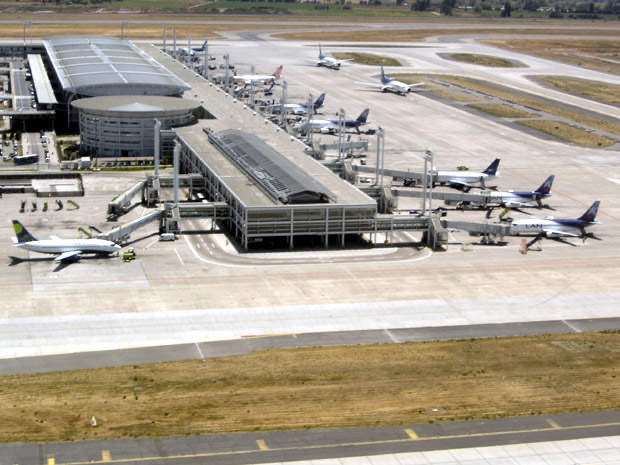
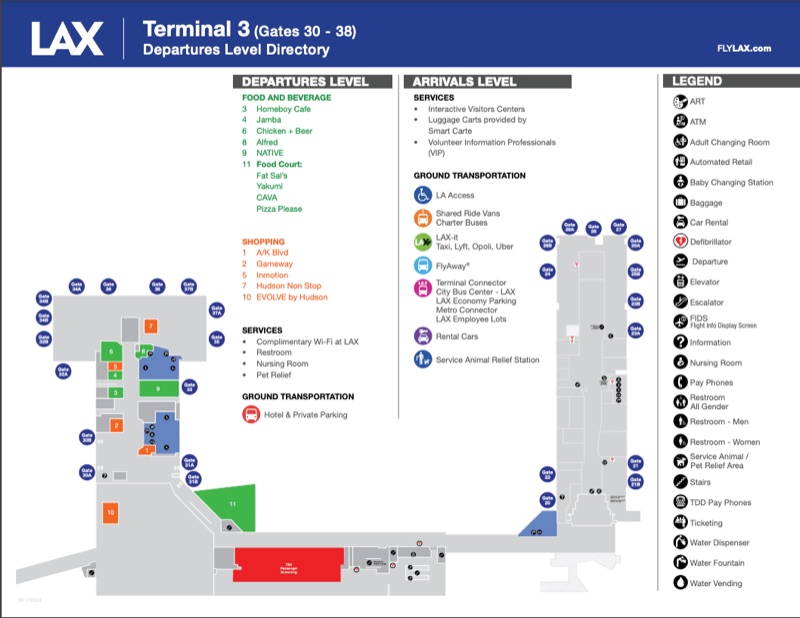
Flying to Chile from North America typically involves a direct flight of 10-11 hours from cities like Dallas (DFW), Miami (MIA), or Houston (IAH) to Santiago (SCL). From the East or West Coast, it's often 12-14 hours with a stop. Prices for a round trip can range from $700-1,200 USD, fluctuating seasonally, with peak summer (December-February) being pricier. Airlines like LATAM and American operate these routes. From Europe, flights are longer, around 14-18 hours with a stop, and similarly priced. Santiago's Arturo Merino Benítez International Airport (SCL) is the main international gateway.
The USA is often easier and more affordable to reach for a larger portion of global travelers. From Europe, direct flights to East Coast cities like New York (JFK) or Miami (MIA) are 7-9 hours and can be found for $400-800 USD round trip off-peak. From Asia, flights to West Coast cities like Los Angeles (LAX) or San Francisco (SFO) are 10-14 hours, with prices varying widely from $600-1,200 USD. Within North America, domestic flights are frequent and relatively inexpensive, with many budget carriers. The sheer volume of flights and competition generally make the USA more accessible. The USA wins for its greater flight frequency and often lower cost of entry from major global regions.
- Winner: Usa
- Why: The USA has more numerous and often cheaper flight options from a wider range of international origins.
- Who this matters for: Travelers with limited time off, those sensitive to flight costs, and visitors from Europe or Asia.
🚗 Getting Around
In Chile, the long-distance bus system is excellent, connecting cities like Santiago, Valparaíso, and Puerto Varas, and extending south into Patagonia. Companies like TurBus and…
Chile
Usa
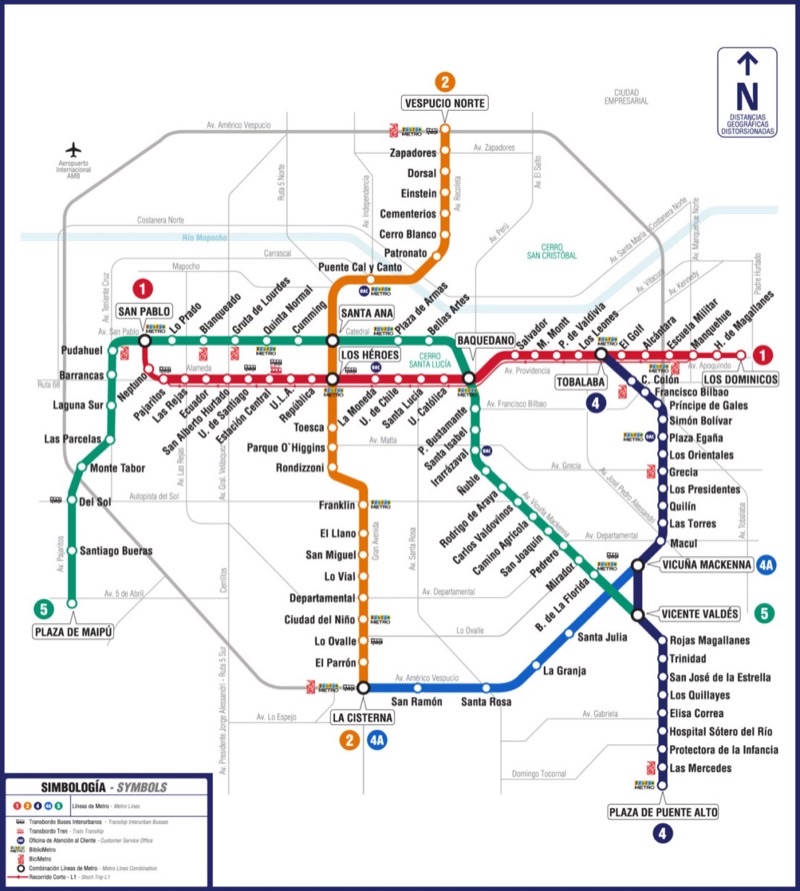
In Chile, the long-distance bus system is excellent, connecting cities like Santiago, Valparaíso, and Puerto Varas, and extending south into Patagonia. Companies like TurBus and Pullman Bus offer comfortable, affordable journeys; a 12-hour overnight trip from Santiago to Puerto Varas might cost 25,000-40,000 CLP ($25-40 USD). Within cities, public transport like Santiago's Metro is efficient. Renting a car is possible, especially for exploring the Carretera Austral or Atacama Desert, but can be costly ($50-80 USD/day) and roads in remote areas require a 4x4. Domestic flights are available but add significant cost if you're trying to save money.
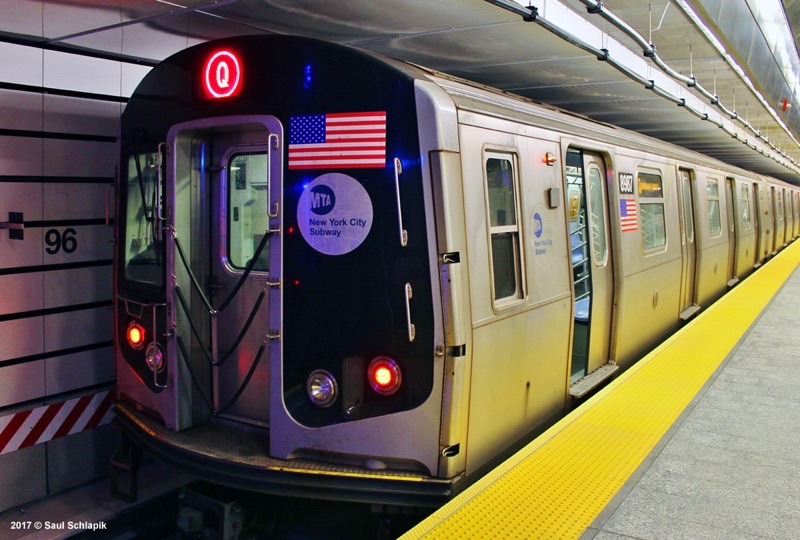
The USA offers a mixed bag. In major cities like New York, Chicago, or Washington D.C., public transportation (subways, buses) is extensive and efficient. However, outside these urban centers, personal vehicle ownership is the norm, and public transit is minimal or nonexistent. For exploring national parks, road tripping, or reaching smaller towns, a rental car is almost always a necessity, adding to the overall trip cost ($40-70 USD/day plus fuel). This offers immense flexibility but requires driving long distances. Domestic flights are frequent and relatively affordable for covering vast distances quickly. The USA wins due to the sheer necessity and flexibility of its car-centric travel, allowing access to its diverse landscapes efficiently.
- Winner: Usa
- Why: The USA's reliance on car travel provides unparalleled freedom to explore its diverse and vast geographic areas.
- Who this matters for: Road-trippers, those who prefer self-guided exploration, and families with luggage.
🍽️ Food & Drink
Chilean cuisine is generally hearty and relies on fresh ingredients. Empanadas (baked or fried pastries with various fillings like cheese or 'pino' - ground beef and onion) are a…
Chile
Usa
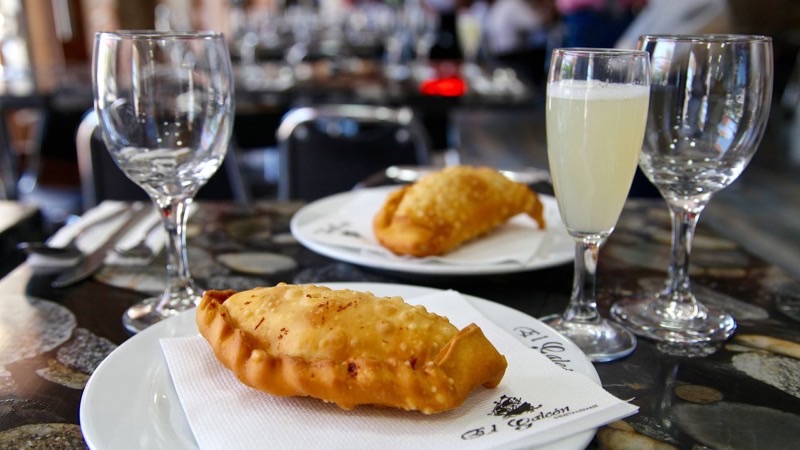
Chilean cuisine is generally hearty and relies on fresh ingredients. Empanadas (baked or fried pastries with various fillings like cheese or 'pino' - ground beef and onion) are a staple, costing around 1,500-2,500 CLP ($1.50-2.50 USD). 'Completo' hot dogs, piled high with mayonnaise, avocado, and tomatoes, are everywhere. Fresh seafood, especially in coastal cities like Valparaíso or markets in Santiago, is excellent. Don't miss ceviche or 'pastel de jaiba' (crab pie). Chilean wine is inexpensive and high quality, with a bottle of good Cabernet Sauvignon or Carmenere costing as little as $5 USD. Vegetarian options exist but require more searching outside of Santiago.
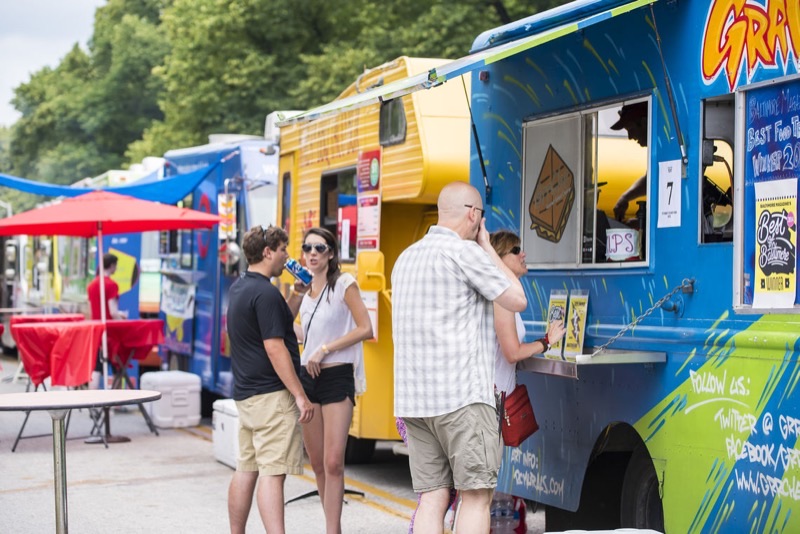
The USA's food landscape is incredibly diverse. From regional BBQ (Kansas City, Texas, Carolina) to New Orleans Creole and Cajun, Pacific Northwest seafood, California farm-to-table, and a vast array of international cuisines in major cities. You can find Michelin-starred restaurants, food trucks, and everything in between. A casual meal might be $15-25 USD, while fine dining can easily exceed $100 USD per person. The craft beer scene is huge, with breweries in nearly every state. Cocktail bars in cities like New York or Portland are innovative. Vegetarian, vegan, gluten-free, and other dietary options are widely available and well-understood. The USA's sheer variety and quality across all price points make it a food destination with endless options.
- Winner: Usa
- Why: The USA offers an unmatched diversity of cuisines, dietary options, and a broad spectrum of dining experiences.
- Who this matters for: Foodies, travelers with dietary restrictions, and those seeking culinary innovation.
⛰️ Nature & Outdoors
Chile's geography is extreme. In the north, the Atacama Desert provides arid, Martian landscapes, geysers (El Tatio, 15,000 CLP/$15 USD entrance), and some of the clearest night…
Chile
Usa
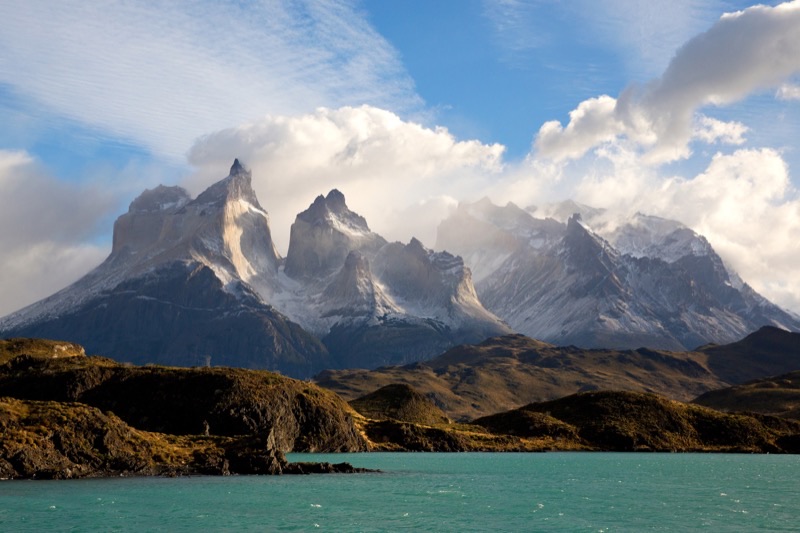
Chile's geography is extreme. In the north, the Atacama Desert provides arid, Martian landscapes, geysers (El Tatio, 15,000 CLP/$15 USD entrance), and some of the clearest night skies for stargazing. The central region has Mediterranean climates and coastal areas. Further south, Patagonia offers granite peaks of Torres del Paine (W Trek permit ~$250-350 USD), massive glaciers like Grey Glacier, and temperate rainforests. Hiking, trekking, mountaineering, white-water rafting, and stargazing are primary activities. Much of the land is preserved in national parks, requiring careful planning and permits for popular routes. Its natural environments feel raw and less developed, often requiring more effort to access.
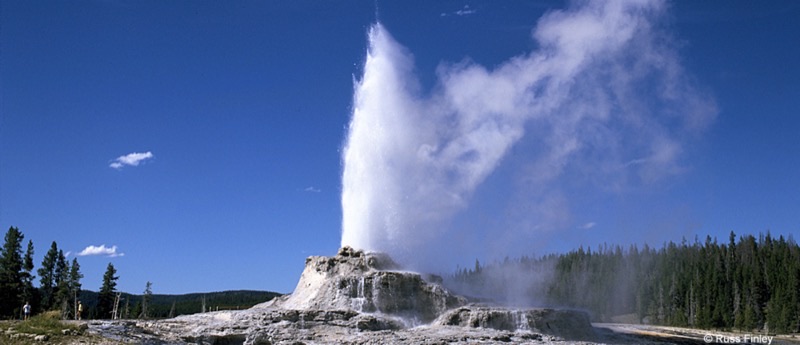
The USA boasts an extensive national park system, including iconic locations like the Grand Canyon (entrance $35/vehicle), Yellowstone, Yosemite, Zion, and Acadia. These parks protect diverse ecosystems, from deserts and canyons to mountains, forests, and coastlines. Activities range from easy scenic drives and short boardwalk trails to multi-day backpacking trips. Infrastructure is generally well-developed, with visitor centers, paved roads, and designated campsites. Skiing in Colorado, surfing in California, hiking the Appalachian Trail, or kayaking in Alaska are all possibilities. While incredible, the parks can be crowded during peak season. Chile wins for its unparalleled, raw, and dramatic extremes of nature, often with fewer crowds outside of very specific Patagonia areas.
- Winner: Chile
- Why: Chile's extreme and varied geography, from the driest desert to massive glaciers, offers more dramatic and remote natural experiences.
- Who this matters for: Adventure seekers, serious hikers, astrophotographers, and those seeking remote wilderness.
🗿 Culture & History
Chile's cultural narrative is a blend of Indigenous Mapuche heritage, Spanish colonial influence, and its more recent political history, particularly the Pinochet era. Santiago…
Chile's cultural narrative is a blend of Indigenous Mapuche heritage, Spanish colonial influence, and its more recent political history, particularly the Pinochet era. Santiago offers museums like the Museo de la Memoria y los Derechos Humanos (free entry), providing insight into recent history. Valparaíso is a UNESCO site known for its colorful hillside houses, street art, and funiculars. Easter Island (Rapa Nui), though geographically remote, is politically Chilean and a significant ancient Polynesian site. Festivals like Fiestas Patrias in September are lively. Spanish is essential for deeper engagement.
The USA's culture is a complex mosaic formed by centuries of immigration, native populations, and distinct regional identities. From the historical sites of Boston and Philadelphia (Independence Hall, free entry) to the jazz clubs of New Orleans, the cowboy culture of Texas, the Hollywood film industry of Los Angeles, and the tech innovation of Silicon Valley, the cultural landscape is incredibly broad. Museums like the Smithsonian in Washington D.C. (free entry) cover everything from American history to space exploration. African American history is documented in sites across the South. The USA offers an immense diversity of cultural experiences and historical narratives, many of which are easily accessible and well-documented in English, catering to a wide range of interests.
- Winner: Usa
- Why: The USA's broad historical scope, diverse cultural influences, and accessibility in English provide a richer and more varied cultural learning experience.
- Who this matters for: History buffs, those interested in diverse cultural narratives, and English-speaking travelers.
🏨 Accommodation
Chile offers a solid variety of accommodation. Hostels are common in cities and popular tourist spots, with a dorm bed typically costing 10,000-20,000 CLP ($10-20 USD) and private…
Chile offers a solid variety of accommodation. Hostels are common in cities and popular tourist spots, with a dorm bed typically costing 10,000-20,000 CLP ($10-20 USD) and private rooms 30,000-50,000 CLP ($30-50 USD). Mid-range hotels in Santiago or Valparaíso might be $60-100 USD. Airbnb is also active. In Patagonia, accommodation can be significantly more expensive, with lodges like Hotel Las Torres in Torres del Paine charging hundreds per night. Camping is a popular and affordable option in national parks. Booking ahead for popular areas, especially during peak season, is wise.
The USA has an enormous and diverse accommodation sector. From budget motel chains like Motel 6 or Super 8 ($50-80 USD/night) to mid-range hotels like Holiday Inn Express ($100-180 USD/night) and luxury resorts in major cities or national parks ($200+ USD/night). Airbnb and other vacation rentals are extremely popular and widely available across the country, offering options from spare rooms to entire houses. National park lodges and campsites are often booked months in advance. The sheer volume and variety mean travelers can almost always find something to fit their budget and preference, often with reliable standards. The USA wins for its sheer volume, variety, and consistent standards across its accommodation options.
- Winner: Usa
- Why: The USA offers a greater abundance of accommodation types and price points, from budget motels to luxury resorts, with reliable availability.
- Who this matters for: Travelers seeking specific hotel chains, families needing space, and those prioritizing convenience and availability.
👮 Safety
Chile is generally considered safe for travelers, but like any country, it has its issues. Petty crime, especially pickpocketing and bag snatching, is common in crowded areas of…
Chile is generally considered safe for travelers, but like any country, it has its issues. Petty crime, especially pickpocketing and bag snatching, is common in crowded areas of Santiago, Valparaíso, and tourist zones. Avoiding walking alone at night in poorly lit areas is advisable. Political protests, particularly in Santiago, can sometimes escalate and block transportation, so monitoring local news is a good idea. Rural areas and national parks are typically very safe.
The USA is also generally safe for travelers, particularly in tourist areas. However, its high rate of gun violence is a concern for some international visitors, although incidents are typically localized and not randomly targeting tourists. Petty crime, like car break-ins, occurs in urban areas, especially in cities like San Francisco or Los Angeles. Certain urban neighborhoods, particularly late at night, can be risky. National parks and smaller towns are generally very safe. Both countries require common sense precautions; neither is inherently 'safer' than the other across all scenarios, but rather presents different primary concerns. It is a tie, as both destinations require travelers to exercise standard precautions and awareness of local conditions.
- Winner: Tie
- Why: Both destinations require travelers to be aware of specific local risks, offering similar overall safety profiles for a cautious traveler.
- Who this matters for: Travelers prioritizing personal security, solo travelers, and those concerned about specific types of crime.
🌃 Nightlife & Entertainment
Chilean nightlife is concentrated in major cities. Santiago's Bellavista neighborhood is known for its bars, clubs, and live music venues, with many places staying open until 3 or…
Chilean nightlife is concentrated in major cities. Santiago's Bellavista neighborhood is known for its bars, clubs, and live music venues, with many places staying open until 3 or 4 AM. Valparaíso's hills also house many smaller, quirky bars and pubs. Pisco Sours are the national drink, and local cumbia and cueca music can be heard. Outside of these main hubs, nightlife is more subdued, often revolving around local pubs or restaurants. Expect a more local, less international party scene, though still energetic. Cover charges for clubs might be 5,000-10,000 CLP ($5-10 USD).
The USA offers an enormous spectrum of nightlife. Las Vegas provides casinos, large-scale shows, and nightclubs with international DJs. New York City has Broadway shows, countless bars (from dive bars to upscale lounges), jazz clubs, and electronic music venues that cater to every taste. Los Angeles has Hollywood parties and a sprawling live music scene. Smaller cities and towns will have local bars and pubs. Live music is a significant part of the USA's entertainment landscape, from country in Nashville to blues in Chicago. Alcohol prices vary widely, with a beer in a bar costing $6-10 USD, and cocktails $12-20 USD. The sheer scale, variety, and international appeal of the USA's entertainment options are unparalleled.
- Winner: Usa
- Why: The USA provides an unparalleled variety and scale of nightlife and entertainment options, from iconic shows to diverse music scenes and major clubbing destinations.
- Who this matters for: Party-goers, theater enthusiasts, music lovers, and those seeking high-energy entertainment.
☀️ Best Time to Visit
Chile's extreme north-south length means different 'best times.' For Patagonia (Torres del Paine, Carretera Austral), December to February (summer) is ideal for warmer weather and…
Chile's extreme north-south length means different 'best times.' For Patagonia (Torres del Paine, Carretera Austral), December to February (summer) is ideal for warmer weather and longer daylight, though also peak crowds and higher prices. Shoulder seasons (November, March-April) offer good weather with fewer people. For the Atacama Desert, year-round is generally fine, but April-November avoids the peak heat. Central Chile (Santiago, Valparaíso) is pleasant in spring (September-November) and autumn (March-May). Winter (June-August) brings rain to central Chile and snow to the Andes for skiing.
The USA also has vast climatic diversity. For national parks like the Grand Canyon or Yosemite, spring (April-May) and fall (September-October) offer mild temperatures and fewer crowds. Summer (June-August) is popular but can be very hot in the south and crowded everywhere. East Coast cities are best in spring and fall to avoid summer humidity and winter cold. Florida and Southern California are pleasant year-round, though hurricane season (June-November) affects the southeast. Skiing in the Rockies is best from December to March. It's a tie because both countries offer distinct seasonal advantages depending on the region and desired activity, with neither having a single 'best' time universally applicable across their entire geography.
- Winner: Tie
- Why: Both countries have such vast geographic and climatic diversity that the 'best time' is entirely dependent on the specific region and activities planned.
- Who this matters for: Travelers with specific activity goals (e.g., skiing, beach, hiking) and those sensitive to extreme weather or crowds.
🎯 The Decision Framework
Choose Chile If…
- You want raw, grand natural landscapes like Patagonia or the Atacama Desert.
- You prioritize multi-day trekking and adventure sports in a remote setting.
- You want to experience authentic South American culture without extensive tourist polish.
- You are on a tighter budget, aiming for $50-90 USD per day for travel.
- You enjoy long-distance bus travel as an efficient way to cover ground.
- You are comfortable with Spanish as the primary language for deeper interaction.
- You want to taste excellent, inexpensive wines directly from the source.
- You are seeking fewer crowds in most natural areas outside of peak Patagonia.
Choose Usa If…
- You want extensive infrastructure and well-developed tourist amenities.
- You plan a diverse road trip across various landscapes and states.
- You prioritize convenience, comfort, and a wide array of lodging options.
- You are traveling with family and prefer established, accessible attractions.
- You want a vast choice of cuisines and cater to specific dietary needs.
- You prefer English as the primary language for all interactions and signs.
- You are interested in diverse urban experiences, from NYC to Los Angeles.
- You are looking for a wide variety of entertainment, from Broadway to national park programs.
📅 Sample Itineraries
Weekend in Chile (3 Days)
💡 Purchase a Bip! card for Santiago's public transport system for about $2, then load it with funds for cheaper and easier travel on buses and metro.
Weekend in Usa (3 Days)
💡 For NYC, consider a 7-day unlimited MetroCard for $34 if you plan to use public transport frequently, saving money on individual fares.
One Week in Chile (7 Days)
💡 Book domestic flights in Chile in advance, especially for Patagonia, to secure better prices, often saving $50-100 on a round trip ticket.
One Week in Usa (7 Days)
💡 For extensive travel within the USA, consider purchasing an Amtrak rail pass for cost savings if visiting multiple cities by train, potentially saving hundreds of dollars.
❓ Frequently Asked Questions
What are the typical flight times and costs from Europe to Chile vs USA?
Flights from major European cities to Santiago (SCL) usually take 14-18 hours with one stop, costing $800-1,300 USD round trip. To major USA East Coast cities like New York (JFK), direct flights are 7-9 hours and can be found for $400-800 USD, making the USA significantly closer and cheaper from Europe.
How do daily food costs compare in Chile and the USA?
In Chile, a budget for food is around $20-35 USD per day, covering a mix of local eateries and groceries. In the USA, expect to spend $40-60 USD per day for casual dining, with even simple restaurant meals often costing $15-25 USD each. Groceries in the USA are generally more expensive than in Chile.
Is it possible to explore Chile without speaking Spanish?
While Spanish is the official language, you can get by with English in major tourist hubs like Santiago, San Pedro de Atacama, and Puerto Natales. However, venturing into smaller towns or seeking deeper local interaction will be easier with basic Spanish phrases. Google Translate is a helpful tool.
Which destination is better for solo female travelers?
Both destinations are generally safe for solo female travelers with common sense precautions. Chile offers a strong hostel culture, making it easy to meet other travelers. The USA provides vast infrastructure and readily available information, but solo road-tripping requires careful planning and awareness of remote areas. It ultimately depends on your comfort level with different travel styles.
What are the visa requirements for US citizens visiting Chile and vice-versa?
As of April 2024, US citizens do not require a visa for tourist stays up to 90 days in Chile, only a valid passport. Chilean citizens generally require a visa to visit the USA, unless they qualify for the Visa Waiver Program (ESTA) for stays of 90 days or less.
How does public transportation compare for intercity travel?
Chile has an excellent and affordable intercity bus network covering most of the country. The USA relies more on domestic flights and personal vehicles for intercity travel; Amtrak trains exist but are often slower and more expensive than buses in Chile, and a comprehensive bus network is lacking outside of Greyhound.
Which country offers better opportunities for budget hiking and camping?
Chile offers incredible budget hiking and camping, especially in Patagonia. While national park entrance fees exist (e.g., Torres del Paine W Trek permit around $250-350 USD), food and transport costs are lower. USA national parks also have camping, but gear rental, food, and transport (car rental often necessary) are generally more expensive.
What's the internet and mobile data situation like in both countries?
In Chile, local SIM cards (e.g., Entel, Movistar, Claro) are affordable, with good coverage in populated areas and 5-10GB for around $10-15 USD. Wi-Fi is common in hostels and cafes. The USA also has wide coverage (e.g., T-Mobile, AT&T, Verizon), but local SIMs or eSIMs can be pricier, with 10-20GB packages often $30-50 USD. Wi-Fi is ubiquitous.
Ready to plan your Americas trip?
Get a free custom itinerary for Chile, Usa, or both — built from real traveler insights.
👥 Travelers Also Compared
🎟️ Book Tours & Experiences
Hand-picked tours and activities for both destinations — book with free cancellation
Experiences via Viator — free cancellation on most tours