How we built this comparison
This page combines traveler discussion patterns, published price ranges, flight schedules, and seasonal data to help you decide between Chongqing and Chengdu.
- Reviewed 100+ Reddit threads from r/travel, r/solotravel, r/Chinatravel, and r/China for real traveler experiences and opinions.
- Verified costs and logistics against current booking platforms (e.g., Trip.com, Ctrip) and official attraction websites.
- Cross-referenced seasonal patterns and weather data for optimal travel times and local insights from Chinese travel blogs.
⚡ The TL;DR Verdict
For those seeking raw, electrifying urban spectacle and a true sense of adventure, Chongqing is your winner with a daily budget of ¥300-600 ($40-85). If you crave a more relaxed pace, culinary diversity beyond extreme spice, and iconic panda encounters, Chengdu offers a smoother, equally enriching experience for ¥350-700 ($50-100) per day.
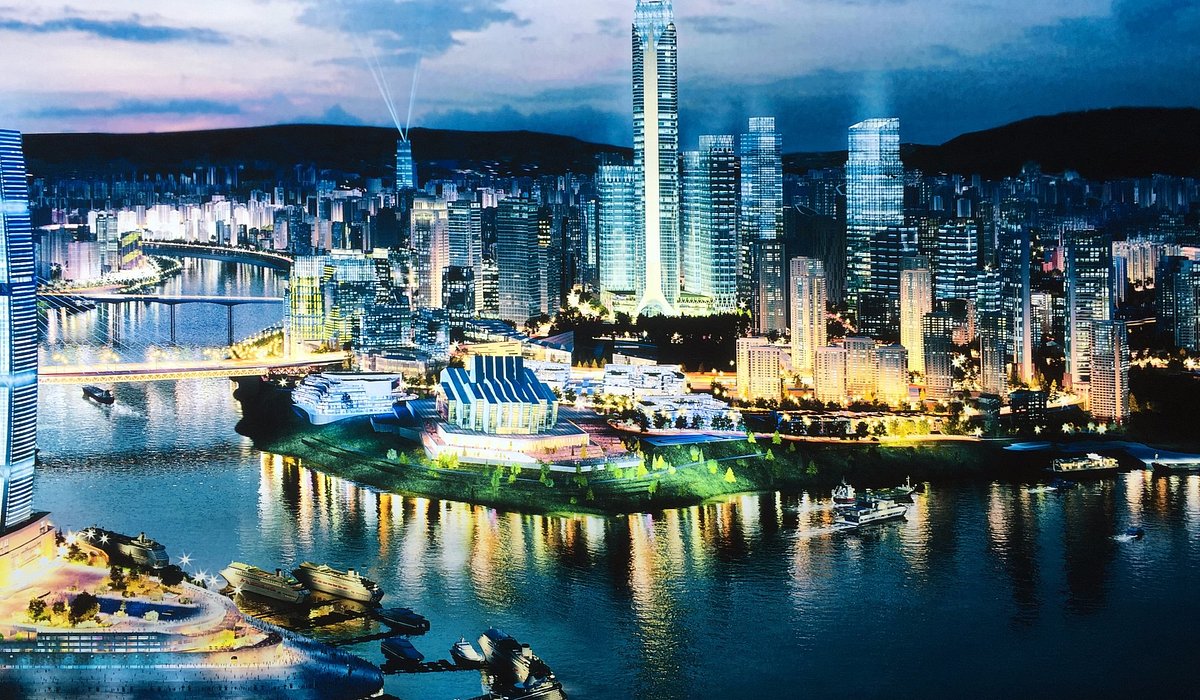
- Choose Chongqing: Pick Chongqing for its futuristic, layered architecture, unparalleled hot pot scene, dramatic river views, and a slightly grittier, more 'real' Chinese urban experience. Ideal for adventurous eaters and photographers.
- Choose Chengdu: Go for Chengdu if you want a more relaxed vibe, broader (yet still spicy) Sichuan cuisine, world-famous panda encounters, serene tea houses, and easier navigation. Perfect for families and those seeking a gentler introduction to China.
- Choose Both: You absolutely can do both! They're well-connected by high-speed rail (around 1.5-2 hours, ¥150-250 / $20-35). Dedicate 2-3 full days to each city, making it a fantastic 5-7 day regional trip.
Quick Comparison
| Category | Chongqing | Chengdu | Winner |
|---|---|---|---|
| Food & Drink | The undisputed capital of numbing-spicy Hot Pot (Mala Huoguo); fiery, intense, and an experience in itself. | A culinary paradise offering the full spectrum of Sichuan cuisine, from classic Mapo Tofu to delicate snacks and refined banquets. | Chengdu |
| Culture & History | Rich WWII history, dramatic urban development, and ancient river port heritage. | Ancient Shu Kingdom history, relaxed tea house culture, and a strong traditional arts scene. | Tie |
| Getting There & Around | Chongqing Jiangbei International Airport (CKG) is well-connected; unique elevated monorail and metro system. | Chengdu Shuangliu International Airport (CTU) and Tianfu International Airport (TFU) offer vast connectivity; efficient metro system. | Chengdu |
| Accommodation | Good value hotels, often with dramatic river or city views; unique boutique options in historic areas. | Wider range of international chains, boutique hotels, and guesthouses; generally good quality and service. | Chengdu |
| Cost of Travel | Generally slightly cheaper across the board for food, transport, and mid-range accommodation. | Still very affordable, but slightly higher prices for popular tourist attractions, fine dining, and international brands. | Chongqing |
| Nightlife & Entertainment | Spectacular illuminated cityscape, lively bar streets, and unique river cruises. | Relaxed pubs, live music venues, KTV (karaoke), and tea house performances. | Chongqing |
| Nature & Day Trips | Gateway to the Three Gorges, stunning Wulong Karst geological park, and riverside parks. | Home to the Giant Panda, serene Mount Qingcheng, and the historic Dujiangyan Irrigation System. | Chongqing |
| Vibe & Atmosphere | Gritty, futuristic, bustling, a 'mountain city' with a unique 3D urban sprawl. | Laid-back, relaxed, traditional, a 'city of leisure' with a strong tea house culture. | Tie |
| Unique Experiences | Riding the Liziba MRT through an apartment building, exploring Hongyadong's stilt houses, Yangtze River cable car. | Visiting the Giant Panda Breeding Research Base, participating in a traditional tea ceremony, watching Sichuan Opera. | Chongqing |
| Shopping | Modern malls around Jiefangbei, traditional markets, and local snacks. | High-end luxury brands, vast modern shopping complexes, and charming local craft alleys. | Chengdu |
🌶️ Food & Drink
Chongqing is synonymous with hot pot – the kind that makes your lips tingle and your brow sweat. Places like Jiefangbei Bayi Road Haochi Jie (八一路好吃街) offer endless options, but for an authentic experience, head to a local spot like Qiaotou Hotpot (桥头火锅) where a meal can cost ¥80-150 ($11-21) per person. Beyond hot pot, you'll find plenty of local street food like Xiaomian (重庆小面) for ¥15-30 ($2-4). Chengdu, however, offers a wider and more nuanced culinary journey. While it has great hot pot, its strength lies in the incredible variety: iconic dishes like Mapo Tofu at Chen Mapo Tofu (陈麻婆豆腐) for ¥50-80 ($7-11), delicate dumplings (e.g., Long Chaoshou 龙抄手) for ¥30-60 ($4-8), and even Michelin-starred fine dining (e.g., Yu Zhi Lan 玉芝兰, ¥800+ / $110+). Chengdu's tea house culture, like at Renmin Park, also adds a unique dimension, offering tea for ¥20-50 ($3-7). "Honestly, Chengdu food is more balanced and refined, Chongqing is just trying to set your mouth on fire. Both are amazing, but Chengdu has more variety beyond 'spicy AF'." Chengdu's gastronomic range is simply superior for most palates.
Winner takeaway
- Winner: Chengdu
- Why: Chengdu offers a more diverse and accessible range of Sichuan cuisine beyond just extreme spice, catering to a broader audience.
- Who this matters for: Foodies, those seeking culinary variety, and anyone who appreciates nuanced flavors.
🏛️ Culture & History
Chongqing's history is deeply intertwined with its dramatic geography and its role as China's wartime capital during WWII. Visit the General Joseph W. Stilwell Museum or the People's Liberation Monument (Jiefangbei) to understand its modern significance. The city also has unique architectural culture, best exemplified by Hongyadong (洪崖洞), a 'real-life Spirited Away' complex that blends traditional stilt houses with modern commerce, free to enter. Chengdu, on the other hand, boasts a more ancient and leisurely cultural narrative. Explore Jinli Ancient Street (锦里古街) or Kuanzhai Alley (宽窄巷子) for preserved architecture, local snacks, and a glimpse into traditional life. Sichuan Opera, often performed at Shufeng Yayun Teahouse (蜀风雅韵), offers a captivating evening for ¥150-300 ($21-42). The city’s pervasive tea house culture, like the one in People's Park, is a quintessential Chengdu experience. "Chongqing feels like looking into China's future with a nod to its past, while Chengdu is all about its ancient, laid-back roots. Both are fascinating but in completely different ways." Both cities offer deep cultural dives, just with different focuses.
Winner takeaway
- Winner: Tie
- Why: Both cities offer distinct and compelling cultural experiences, making it impossible to pick a single winner without personal preference.
- Who this matters for: History buffs, architecture enthusiasts, and those interested in traditional arts or wartime history.
✈️ Getting There & Around
Getting to Chongqing usually means flying into Chongqing Jiangbei International Airport (CKG), which has decent domestic and some international connections. A flight from Shanghai (PVG) to CKG takes about 2.5-3 hours and costs ¥500-1200 ($70-165). Once there, the monorail and metro system are a marvel, especially the Liziba Station where the train literally goes through an apartment building. A metro ride typically costs ¥3-8 ($0.40-1.10). Taxis and Didi (China's Uber) are readily available. Chengdu's connectivity is simply superior, boasting two major international airports: Shuangliu International Airport (CTU) and the newer, massive Tianfu International Airport (TFU). This means more direct international flights and often more competitive pricing. A flight from Shanghai to CTU/TFU is also around 2.5-3 hours, but prices can be similar or slightly better at ¥450-1100 ($60-150). Chengdu's metro network is extensive, clean, and very user-friendly, making it incredibly easy to navigate the city. "Chengdu's public transport just feels more straightforward, especially with two airports and a metro that goes everywhere. Chongqing's monorail is cool but sometimes feels like a puzzle." While Chongqing's transit is unique, Chengdu's is more efficient and comprehensive.
Winner takeaway
- Winner: Chengdu
- Why: Chengdu benefits from superior international air connectivity with two major airports and a slightly more extensive, user-friendly metro system.
- Who this matters for: International travelers, those prioritizing convenience and ease of navigation.
🏨 Accommodation
Chongqing offers fantastic value for money, especially when it comes to hotels with a view. You can find excellent 4-star hotels like The Regent Chongqing or Niccolo Chongqing (often ¥800-1500 / $110-210 per night) with stunning Yangtze River panoramas. Mid-range options like Hyatt Regency Chongqing (¥400-700 / $55-95) are plentiful, and budget-friendly guesthouses around Jiefangbei start from ¥150-300 ($21-42). However, the general level of service and polish can be a bit inconsistent compared to Chengdu. Chengdu excels in providing a diverse and high-quality array of accommodation. It hosts a greater number of major international hotel brands, from luxury (St. Regis, Waldorf Astoria, often ¥1000-2000+ / $140-275+) to reliable mid-range options (Hilton, Marriott, often ¥500-900 / $70-125). There's also a vibrant scene of charming boutique hotels and guesthouses, particularly around Kuanzhai Alley or near the Panda Base, catering to different budgets from ¥200-400 ($28-55). "Chengdu just has more polished options, especially if you're looking for that international standard. Chongqing has some cool unique places but the overall quality feels higher in Chengdu." The sheer breadth of choice and consistent quality push Chengdu ahead.
Winner takeaway
- Winner: Chengdu
- Why: Chengdu provides a wider selection of high-quality accommodation across all price points, including more international hotel brands and polished boutique options.
- Who this matters for: Travelers seeking comfort, luxury, or a wide range of reliable hotel choices.
💰 Cost of Travel
Chongqing often nudges ahead when it comes to overall travel costs. A typical hot pot meal can be ¥80-150 ($11-21), while street food is even cheaper at ¥10-30 ($1.40-4). Public transport is incredibly affordable, with metro rides rarely exceeding ¥8 ($1.10). Mid-range hotel rooms can be found for ¥300-500 ($42-70) per night, and even some 4-star options are available for ¥500-800 ($70-110). Attractions like Hongyadong are free, and scenic river cruises can be ¥100-200 ($14-28). Chengdu remains very budget-friendly, but its popularity and more developed tourist infrastructure mean some prices are a touch higher. Meals can range from ¥50-100 ($7-14) for local fare, up to hundreds for finer dining. Entrance to the Giant Panda Breeding Research Base is ¥55 ($7.50), and Sichuan Opera shows can be ¥150-300 ($21-42). Accommodation, while varied, averages slightly higher than Chongqing for comparable quality. "If you're really pinching pennies, Chongqing just feels like you get more bang for your buck on everything from food to hotels. Chengdu is still cheap but not *as* cheap." For the budget-conscious, Chongqing offers better value.
Winner takeaway
- Winner: Chongqing
- Why: Chongqing generally provides a slightly lower cost of living and travel, making it more budget-friendly across food, transport, and accommodation.
- Who this matters for: Budget travelers, backpackers, and those looking to maximize their yuan.
🌃 Nightlife & Entertainment
Chongqing's nightlife is an absolute showstopper, largely due to its incredible geography and lighting. The highlight is undoubtedly Hongyadong at night, glowing like a scene from a Miyazaki film – best viewed from across the river or from a Yangtze River cruise (¥100-200 / $14-28). The Jiefangbei (解放碑) area is buzzing with bars and clubs, offering everything from trendy cocktail spots to lively KTVs. For a more local experience, explore the alleys around Shapingba. The city's 3D landscape means unexpected viewpoints and rooftop bars are plentiful. Chengdu's nightlife is more laid-back and diverse. Kuanzhai Alley (宽窄巷子) and Jinli Ancient Street (锦里古街) offer traditional performances and themed bars. Lan Kwai Fong Chengdu (成都兰桂坊) is a popular area for modern clubs and bars, with drinks typically costing ¥40-80 ($5.50-11). Live music venues and craft beer bars are also growing. "Chongqing's nightlife is just more visually dramatic and unique. Chengdu is fun for KTV and a few drinks, but Chongqing's entire city becomes an attraction after dark." The sheer visual spectacle of Chongqing at night gives it the edge.
Winner takeaway
- Winner: Chongqing
- Why: Chongqing's dramatic, illuminated cityscape provides a truly unique and visually stunning nightlife experience that's hard to beat.
- Who this matters for: Photographers, spectacle seekers, and those who appreciate dramatic urban views at night.
🌳 Nature & Day Trips
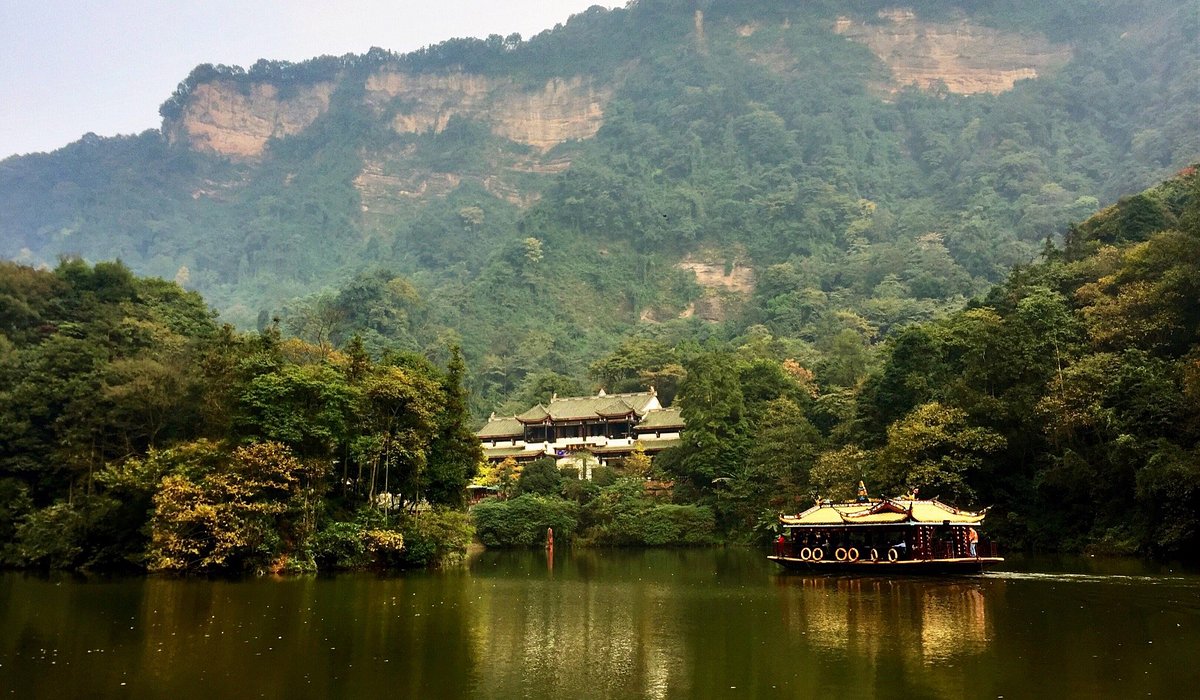
Chongqing is the gateway to some of China's most dramatic natural landscapes. A multi-day Yangtze River cruise through the Three Gorges is an iconic experience, with cruises ranging from ¥1500-5000+ ($210-700+) depending on duration and luxury. For a day trip, the Wulong Karst National Geology Park (武隆喀斯特国家地质公园) is a must-see, famous for its natural bridges and caves, often accessible by bus tours (total cost including entrance and transport ~¥300-500 / $42-70). The city itself also has numerous green spaces and riverside parks. Chengdu's most famous natural draw is, of course, the Giant Panda. The Chengdu Research Base of Giant Panda Breeding (成都大熊猫繁育研究基地) is easily accessible and a heartwarming experience (entrance ¥55 / $7.50). For spiritual solace, Mount Qingcheng (青城山), a UNESCO World Heritage site and a birthplace of Taoism, offers beautiful hiking and temples (entrance ~¥90 / $12, plus cable car costs). The nearby Dujiangyan Irrigation System is an ancient engineering marvel. "Wulong Karst blew my mind, it felt like another planet. Pandas are cute, but Chongqing's nature trips felt grander and more epic." While pandas are iconic, Chongqing's natural excursions offer more dramatic and varied scenery.
Winner takeaway
- Winner: Chongqing
- Why: Chongqing provides access to more dramatic and diverse natural wonders, including the epic Three Gorges and the stunning Wulong Karst landscape.
- Who this matters for: Nature lovers, hikers, geology enthusiasts, and those seeking grand natural spectacles.
🧘 Vibe & Atmosphere
Chongqing feels like a city living in the future, built on verticality and drama. Its nickname 'Mountain City' is well-earned, with buildings clinging to hillsides and a constant sense of upward and downward movement. It's bustling, often loud, and has a raw, energetic pulse that can be exhilarating. The 3D cityscape, with monorails running through apartment buildings and bridges spanning vast distances, creates a unique, almost sci-fi atmosphere. It's less polished, more 'real' China. Chengdu, by contrast, is known as the 'city of leisure' and lives up to the moniker. It possesses a distinctly relaxed, almost languid pace, epitomized by its pervasive tea house culture where locals spend hours playing mahjong and sipping tea. The streets are generally wider, flatter, and greener. While it has modern areas, the overall vibe is one of gentle tradition and a comfortable, unhurried lifestyle. "Chongqing is like a shot of espresso, constantly exciting. Chengdu is more like a calming cup of tea, chill and slow. Totally depends on what you're looking for." These two cities offer fundamentally different but equally appealing vibes.
Winner takeaway
- Winner: Tie
- Why: Both cities offer distinctly different, yet equally appealing, atmospheres that cater to different traveler preferences, making a definitive 'winner' impossible.
- Who this matters for: Travelers prioritizing either high energy and urban exploration or relaxation and cultural immersion.
✨ Unique Experiences
Chongqing absolutely excels in providing truly one-of-a-kind urban experiences. The Liziba MRT station (李子坝轻轨站), where the monorail passes directly through a residential building, is a jaw-dropping marvel of urban engineering – totally free to observe and ride (standard metro fare applies). Hongyadong (洪崖洞), especially at night, transforms into a 'Spirited Away' wonderland of illuminated stilt houses (free entry). Don't miss the Yangtze River Cableway (长江索道) for aerial views of the city, costing around ¥20 ($2.80) for a single trip. These are experiences you simply won't find anywhere else in the world. Chengdu's unique experiences are more culturally and naturally focused. The Giant Panda Breeding Research Base (成都大熊猫繁育研究基地) is a definite highlight, offering a chance to see pandas up close (entrance ¥55 / $7.50). Participating in a traditional tea ceremony at a local teahouse (e.g., in People's Park, ¥20-50 / $3-7) or watching a dramatic Sichuan Opera performance (¥150-300 / $21-42) are also quintessential Chengdu activities. "Chongqing's urban oddities are just next level. Pandas are cute, but the metro through a building? That's insane and unforgettable." Chongqing's unique urban marvels are truly unparalleled.
Winner takeaway
- Winner: Chongqing
- Why: Chongqing offers urban wonders and engineering marvels (like Liziba MRT and Hongyadong) that are truly unique globally and provide an unforgettable experience.
- Who this matters for: Curiosity-driven travelers, urban explorers, photographers, and those seeking truly novel sights.
🛍️ Shopping
Chongqing offers a decent shopping scene centered around Jiefangbei (解放碑), with multiple large malls like Chongqing World Trade Center and Metropolitan Plaza offering international and domestic brands. Prices are generally reasonable. You can also find numerous local markets and street vendors selling unique Chongqing snacks and souvenirs. Guanyinqiao (观音桥) is another bustling commercial district with good options. However, the selection and overall shopping experience can feel a bit less refined compared to Chengdu. Chengdu is a premier shopping destination in Southwest China. Chunxi Road (春熙路) is its most famous shopping street, home to luxury brands (Hermes, Louis Vuitton), enormous department stores, and the iconic IFS (International Finance Square) with its giant panda sculpture. Tai Koo Li (太古里), adjacent to IFS, offers a more open-air, stylish shopping village experience. You'll find a broader range of high-end fashion, international brands, and a more curated selection of local crafts in areas like Kuanzhai Alley (宽窄巷子). "If you want serious retail therapy or luxury brands, Chengdu is hands down the winner. Chongqing has malls, but Chengdu has the full package." Chengdu's modern and diverse shopping landscape, from luxury to boutique, makes it the stronger contender.
Winner takeaway
- Winner: Chengdu
- Why: Chengdu boasts a more extensive and diverse shopping landscape, including more luxury brands and modern shopping complexes, catering to a wider range of preferences.
- Who this matters for: Fashionistas, luxury shoppers, souvenir hunters, and those who enjoy modern retail environments.
❓ Frequently Asked Questions
What's the best time of year to visit Chongqing and Chengdu?
Spring (March-May) and Autumn (September-November) are ideal for both cities, offering pleasant temperatures and less rain. Summers (June-August) are notoriously hot and humid, especially in Chongqing, known as one of China's 'furnace cities'. Winters (December-February) are cold and often foggy or overcast.
Is English widely spoken in either city?
English proficiency is generally low outside of major international hotels and some tourist-focused establishments. Learning a few basic Mandarin phrases or using a translation app like Baidu Translate will be incredibly helpful for navigating, ordering food, and interacting with locals.
Which city is better for families with children?
Chengdu generally edges out Chongqing for families. Its relaxed pace, flatter terrain, and of course, the Giant Panda Breeding Research Base make it more child-friendly. Chongqing's steep hills and intense crowds might be more challenging for younger children, though older kids might love the dramatic cityscapes and monorails.
Are both cities safe for solo female travelers?
Yes, both Chongqing and Chengdu are generally very safe cities for solo female travelers, even at night. Violent crime is rare. As with any large city, exercise general caution, be aware of your surroundings, and protect your valuables, especially in crowded tourist areas or on public transport.
Can I see pandas in Chongqing?
While Chengdu is the primary 'Panda Capital,' Chongqing does have its own Zoo (重庆动物园) which houses giant pandas. However, the experience at the Chengdu Research Base of Giant Panda Breeding is generally considered more immersive and focused on conservation, with larger enclosures and more pandas.
How long should I spend in each city?
For a good overview, plan at least 2 full days for each city. If you want to include day trips (like Wulong Karst from Chongqing or Mount Qingcheng from Chengdu) or a more relaxed pace, extend your stay to 3-4 days per city. A combined 5-7 day trip is perfect for experiencing both.
What's the best way to travel between Chongqing and Chengdu?
The most efficient and popular way is by high-speed rail (G-train or D-train). The journey takes approximately 1.5-2 hours and costs around ¥150-250 ($21-35) for a second-class ticket. Trains run frequently throughout the day, offering comfortable and scenic travel.
Do I need a visa to visit China?
Most foreign nationals require a visa to enter China. Requirements vary by nationality, so it's crucial to check with the Chinese embassy or consulate in your home country well in advance of your travel dates. Some countries may qualify for transit without visa (TWOV) programs.
Ready to plan your Sichuan Basin trip?
Get a free custom itinerary for Chongqing, Chengdu, or both — built from real traveler insights.
🎟️ Book Tours & Experiences
Hand-picked tours and activities for both destinations — book with free cancellation
Experiences via Viator — free cancellation on most tours