How we built this comparison
This page combines traveler discussion patterns, published price ranges, flight schedules, and seasonal data to help you decide between Colombia and Ecuador.
- Reviewed 100+ Reddit threads from r/travel, r/solotravel, r/Colombia, r/Ecuador, r/SouthAmerica for genuine traveler experiences and insights.
- Verified average costs, flight routes, and logistics against current booking platforms (e.g., Booking.com, Google Flights, Busbud) for accuracy.
- Cross-referenced seasonal patterns, weather data, and major festival dates to ensure practical and relevant advice.
⚡ The TL;DR Verdict
If you crave high-energy cities, diverse landscapes, and a lively social scene on a mid-range budget, Colombia is your pick (budget around $40-60 USD/day). For unparalleled nature, unique wildlife, and a more laid-back, authentic Andean experience, Ecuador shines brightest (budget around $35-55 USD/day, excluding Galapagos).
- Choose Colombia: If you're into vibrant nightlife, incredible food scenes, diverse cultural experiences from Caribbean beaches to Andean cities, and don't mind a bustling atmosphere, Colombia is your spot.
- Choose Ecuador: For nature lovers, wildlife enthusiasts (especially Galapagos), hikers, and those seeking an authentic, less-traveled Andean or Amazonian experience with stunning biodiversity, Ecuador is unmatched.
- Choose Both: If you have at least 4-6 weeks and want to experience both the high-energy culture and stunning natural wonders of the region, combining them offers an epic journey, often traveling overland between the two.
Quick Comparison
| Category | Colombia | Ecuador | Winner |
|---|---|---|---|
| Safety & Security | Improved significantly, but big cities (Bogotá, Medellín) require street smarts; focus on tourist zones. | Generally very safe, especially outside Quito/Guayaquil; petty crime exists in major cities, but less prevalent. | Ecuador |
| Nature & Adventure | Diverse from Amazon to Caribbean, Andes to deserts. Offers hiking, paragliding, coffee tours. | Unparalleled biodiversity with Galapagos, Amazon, Andes, cloud forests. Ideal for wildlife and high-altitude trekking. | Ecuador |
| Culture & History | Rich indigenous, colonial, and Afro-Colombian heritage. Vibrant arts and music scene (salsa). | Strong indigenous presence, well-preserved colonial centers, unique Andean traditions. | Colombia |
| Food & Drink | Evolving culinary scene with diverse regional specialties, from street food to fine dining. Coffee is king. | Hearty Andean cuisine, ceviche on the coast, unique fruits. Less fine dining, more traditional fare. | Colombia |
| Nightlife & Parties | Legendary nightlife in Medellín, Bogotá, and Cartagena. Salsa clubs, reggaeton, and electronic music. | More subdued, but Quito has decent clubs; Baños is a backpacker party town. Less widespread scene. | Colombia |
| Costs & Budget | Generally affordable for lodging, food, and transport, but can vary; tourist hotspots can be pricier. | Very budget-friendly, especially for daily expenses; Galapagos is a significant exception. | Ecuador |
| Getting Around | Extensive, affordable bus network; internal flights are efficient for long distances. Ride-sharing available. | Reliable and cheap bus system; smaller country makes overland travel easier. Internal flights for Galapagos. | Ecuador |
| Accommodation | Wide range from budget hostels to luxury boutique hotels, especially in popular cities and coastal areas. | Good variety of hostels and mid-range hotels, fewer high-end luxury options outside Galapagos or Quito. | Colombia |
| Beaches & Coastlines | Caribbean coast boasts iconic beaches (Cartagena, Tayrona) and islands (Rosario, San Andrés). Pacific coast is wilder. | Pacific coast offers pleasant surfing towns (Montañita, Olón), but generally less 'postcard' perfect than Caribbean. | Colombia |
| Solo Travel | Very popular, especially Medellín and Bogotá. Easy to meet people in hostels and tour groups. Safety requires vigilance. | Excellent for solo travel, feels slightly safer. Easy to meet people, especially in backpacker hubs. Less intense cities. | Ecuador |
🚨 Safety & Security
Both countries have come a long way regarding safety, but Ecuador generally feels a bit more laid-back and less intense, particularly in smaller towns and rural areas. In Colombia, cities like Bogotá and Medellín, while fantastic, still require vigilance. You'll hear more stories of phone snatching or express kidnappings (paseo millonario) in Colombia's bigger cities. Neighborhoods like La Candelaria in Bogotá or El Poblado in Medellín are generally safe, but wandering alone at night in less-known areas is ill-advised. Ecuador, especially outside Quito and Guayaquil, feels very secure. Cuenca, Baños, or Mindo are places where you can walk around with less worry. "I felt way more relaxed walking around Cuenca at night than I ever did in Bogotá. Just common sense stuff applies, don't flash your phone." While petty crime exists in both, Ecuador's overall vibe is less on-edge for the average traveler, making it slightly more approachable for those new to South America.
Winner takeaway
- Winner: Ecuador
- Why: Ecuador's smaller size and generally calmer urban environments contribute to a slightly higher perceived and actual safety for travelers.
- Who this matters for: First-time solo travelers, those new to South America, or travelers with anxiety about urban safety.
🏞️ Nature & Adventure
Ecuador is a biodiversity hotspot, largely thanks to the Galapagos Islands, which are in a league of their own for wildlife viewing (think blue-footed boobies, giant tortoises, marine iguanas). Even on the mainland, places like Mindo offer incredible cloud forest birdwatching, Baños is an adventure sports hub (rafting, canyoning, swing at the 'End of the World'), and the Avenue of Volcanoes provides stunning high-altitude trekking opportunities around Cotopaxi. Colombia, while incredibly diverse, offers a different flavor. Tayrona National Park combines Caribbean beaches with jungle hikes, the Cocora Valley boasts iconic wax palms, and the Amazon basin is accessible from Leticia. But for sheer concentration of unique ecosystems and wildlife experiences, especially with the Galapagos, Ecuador takes the crown. For instance, a 5-day Galapagos cruise can start from around $1,500-$2,500 USD, while a multi-day hike around Cotopaxi can be $150-300 USD. "Galapagos is literally a once-in-a-lifetime trip. Nothing else compares, not even close." Colombia has fantastic natural beauty, but Ecuador's unique offerings give it an edge for pure nature immersion.
Winner takeaway
- Winner: Ecuador
- Why: Ecuador's unmatched biodiversity, particularly the Galapagos Islands, makes it a global leader for unique nature and wildlife experiences.
- Who this matters for: Wildlife photographers, avid hikers, nature enthusiasts, and those with a bucket list item for unique ecosystems.
🗿 Culture & History
Colombia offers a more expansive and varied cultural tapestry. Cartagena's old city is a UNESCO World Heritage site, a vibrant testament to colonial history with a strong Afro-Caribbean influence, salsa dancing, and stunning architecture. Bogotá boasts world-class museums like the Gold Museum and Botero Museum, and a thriving street art scene in La Candelaria. Medellín, once infamous, is now a hub of innovation and a showcase of urban transformation, with a rich coffee culture. While Ecuador has impressive colonial architecture in Quito (the first UNESCO World Heritage City) and Cuenca, and a very strong indigenous heritage visible in markets like Otavalo, its overall cultural output and diversity don't quite match Colombia's dynamic mix. Colombia's cultural scene feels more expansive and outward-looking, with its music (cumbia, vallenato, salsa), literature (Gabriel García Márquez), and visual arts leaving a stronger global footprint. "Cartagena at night is pure magic, dancing salsa in the plazas, the history just oozes out of every building." Quito's Old Town is beautiful, but the sheer variety of cultural experiences across Colombia's regions gives it the win.
Winner takeaway
- Winner: Colombia
- Why: Colombia's greater regional diversity, vibrant music/arts scene, and globally recognized cultural contributions offer a broader and more dynamic cultural experience.
- Who this matters for: History buffs, art lovers, dance enthusiasts, and those looking for a diverse array of cultural expressions.
🍲 Food & Drink
Colombia's food scene has undergone a massive transformation, especially in cities like Bogotá and Medellín. You can find everything from incredible street food like arepas and empanadas (around 2,000-5,000 COP / $0.50-$1.30 USD) to high-end, innovative restaurants like El Chato in Bogotá (dinner around 150,000-250,000 COP / $40-$65 USD per person). Regional dishes vary wildly, from bandeja paisa in Medellín to fresh seafood in Cartagena, and the coffee, of course, is world-renowned. Ecuador offers delicious, hearty Andean fare like locro de papa (potato soup) and hornado (roasted pork), and fantastic ceviche on the coast. The fruit selection is incredible, and you'll find unique variations of corn and potato dishes. However, outside of Quito and Guayaquil, the fine dining scene is less developed, and the overall culinary innovation isn't as prevalent as in Colombia. "Colombia's food scene blew my mind, especially the variety. Every city had its own thing, plus the coffee is next level." While Ecuador provides comforting and authentic meals, Colombia offers a more diverse, exciting, and evolving culinary journey.
Winner takeaway
- Winner: Colombia
- Why: Colombia's rapidly developing culinary scene, diverse regional dishes, and world-class coffee offer a more exciting and varied gastronomic experience.
- Who this matters for: Foodies, coffee aficionados, and travelers who enjoy exploring a wide range of culinary experiences, from street food to upscale dining.
🎉 Nightlife & Parties
Colombia takes the crown for nightlife, no contest. Medellín is famous for its 'rumba,' with countless reggaeton clubs and bars in El Poblado and Envigado, where you can dance until dawn. Bogotá's Zona T and Chapinero boast everything from high-energy electronic music venues to intimate salsa bars. Cartagena offers open-air plazas with live music and bustling nightclubs inside its historic walls. A typical drink might cost 15,000-30,000 COP ($4-$8 USD). Ecuador's nightlife is generally more subdued. Quito has some good areas like La Mariscal or Plaza Foch for bars and clubs, but it doesn't have the same scale or intensity as Colombia's major cities. Baños is a notable exception, being a popular backpacker hub with a lively bar scene. "Medellín's nightlife is something else entirely. Never seen so many people dancing and having a good time, felt super safe too in the right areas." If you're looking to dance, socialize, and experience vibrant Latin American party culture, Colombia is the undisputed champion.
Winner takeaway
- Winner: Colombia
- Why: Colombia offers a more extensive, diverse, and energetic nightlife scene, particularly in its major cities, with options from salsa to reggaeton.
- Who this matters for: Party-goers, social travelers, and those looking for vibrant local and international clubbing experiences.
💰 Costs & Budget
Excluding the Galapagos Islands, Ecuador is generally more budget-friendly than Colombia. A comfortable daily budget for a backpacker in Ecuador might be around $35-55 USD, covering hostels (from $10-20), local meals ($3-7), and transport. In Colombia, while still affordable, costs are slightly higher, especially in popular spots like Cartagena or Medellín. Hostels might be $15-25 USD, and meals $5-10 USD, pushing a backpacker budget to $40-60 USD/day. For example, a bus from Quito to Baños costs about $5-7, while a similar distance in Colombia (e.g., Medellín to Guatapé) might be 15,000-25,000 COP ($4-7). The major wildcard is the Galapagos, where a short 4-day trip can easily cost $1,500-$3,000+ USD, significantly skewing Ecuador's average. "Ecuador was surprisingly cheap once you get outside Quito. My $4 USD almuerzo in Cuenca was bigger and better than anything I got for $7 in Bogotá." Without the Galapagos, Ecuador offers better value, but even with it, mainland Ecuador still keeps overall trip costs down.
Winner takeaway
- Winner: Ecuador
- Why: Ecuador (excluding Galapagos) offers slightly lower daily expenses for accommodation, food, and transportation, providing better value for budget travelers.
- Who this matters for: Budget-conscious travelers, backpackers, and those looking to stretch their travel funds further.
🚌 Getting Around
Ecuador's smaller geographical size makes getting around overland incredibly efficient and affordable. Its bus network is comprehensive, connecting all major towns and cities. You can typically travel long distances (e.g., Quito to Cuenca, 8-10 hours) for $10-20 USD. The roads are generally in good condition, and the bus terminals are well-organized. Colombia also has an excellent bus network, but due to its larger size and more challenging Andean topography, journeys can be very long (e.g., Bogotá to Medellín can be 8-10 hours, costing 60,000-90,000 COP / $15-23 USD). For greater distances in Colombia, internal flights are often preferred, with budget airlines like Viva Air (now defunct, replaced by Avianca Express/Wingo) offering flights between major cities from $40-80 USD. "Ecuador's buses are surprisingly comfortable and punctual. I could get almost anywhere without flying, which saved a ton." While Colombia's air travel is great, Ecuador's compact nature and efficient ground transport make it slightly easier and cheaper for getting around without flights.
Winner takeaway
- Winner: Ecuador
- Why: Ecuador's smaller size and well-connected, affordable bus network make overland travel exceptionally efficient and convenient.
- Who this matters for: Travelers who prefer overland journeys, those on a strict budget for transportation, and those with limited time who want to see multiple regions.
🏨 Accommodation
Colombia offers a more diverse and often more stylish range of accommodation options. In Medellín, you can find chic hostels like Los Patios Hostel (beds from 70,000 COP / $18 USD) or boutique hotels like The Click Clack Hotel (rooms from 300,000 COP / $75 USD). Cartagena boasts stunning colonial mansions converted into luxury hotels. Even budget hostels across Colombia often have a more modern and social vibe. Ecuador has plenty of good, clean hostels (from $10-20 USD) and mid-range hotels, particularly in cities like Quito, Cuenca, and tourist hubs like Baños. However, truly high-end, design-forward luxury options are less common outside of Quito's historic center or Galapagos cruise vessels/eco-lodges. "I was really impressed with the hostels in Colombia, so many had pools or rooftop bars. Ecuador's were fine, but less 'boutique' overall." If you appreciate a wider choice, from swanky hostels to upscale boutique stays, Colombia generally delivers a more appealing selection.
Winner takeaway
- Winner: Colombia
- Why: Colombia offers a broader and often more stylish range of accommodation, from vibrant hostels to luxurious boutique hotels, catering to diverse tastes.
- Who this matters for: Travelers seeking unique and high-quality accommodation, from social hostels to upscale hotels.
🏖️ Beaches & Coastlines
Colombia's Caribbean coastline is legendary, offering stunning white-sand beaches, crystal-clear waters, and vibrant coastal culture. Cartagena's nearby Rosario Islands are a popular day trip for snorkeling and relaxing, while Tayrona National Natural Park near Santa Marta offers a unique blend of jungle and pristine beaches like Cabo San Juan, accessible via a scenic hike (entrance 68,000 COP / ~$17 USD). The island of San Andrés also offers resort-style Caribbean beauty. Ecuador's Pacific coast is pleasant, offering good surfing spots like Montañita and Olón, and quieter towns like Puerto Lopez (great for whale watching in season, June-Sept). However, the beaches generally lack the iconic, postcard-perfect allure and turquoise waters of Colombia's Caribbean. "Nothing beats the Caribbean vibe in Colombia. Tayrona was incredible, even with the hike in. Ecuador's coast felt more local and chill, but not as stunning." If your dream trip involves classic tropical beaches and turquoise seas, Colombia is the clear winner.
Winner takeaway
- Winner: Colombia
- Why: Colombia's Caribbean coast offers a wider array of iconic, picturesque beaches and islands with vibrant coastal culture, surpassing Ecuador's Pacific offerings.
- Who this matters for: Beach lovers, snorkelers, sun-seekers, and those prioritizing stunning tropical coastal landscapes.
🚶♀️ Solo Travel
Both countries are fantastic for solo travelers, but Ecuador inches ahead due to its slightly lower intensity and perceived safety, especially outside of major cities. In Ecuador, it's very easy to navigate the bus system alone, and towns like Baños, Mindo, and Montañita are natural hubs for meeting other travelers. Quito and Cuenca also have well-established hostel scenes. Colombia is also incredibly popular for solo travelers, with cities like Medellín and Bogotá having bustling hostel scenes and endless opportunities to meet people through free walking tours, salsa classes, or co-working spaces. However, as mentioned in safety, exercising a higher degree of caution, especially at night or with valuables, is more emphasized in Colombia's bigger cities. "As a solo female traveler, Ecuador felt a bit less intimidating overall than Colombia, especially in the smaller towns. Still loved Colombia though!" While you'll have an amazing solo trip in either, Ecuador provides a slightly gentler introduction for those who might be a bit nervous about solo travel in South America, with the added benefit of being more compact.
Winner takeaway
- Winner: Ecuador
- Why: Ecuador offers a slightly more relaxed and less intimidating environment for solo travelers, with a compact size making it easier to navigate independently.
- Who this matters for: First-time solo travelers, those looking for a slightly more relaxed pace, and individuals prioritizing ease of navigation.
❓ Frequently Asked Questions
Is it safe to travel between Colombia and Ecuador overland?
Yes, overland travel between Colombia and Ecuador is common and generally safe. The most popular crossing is at Ipiales (Colombia) and Tulcán (Ecuador). Take a bus to Ipiales, complete border formalities, and then take a short taxi or bus to Tulcán to continue your journey into Ecuador. Always do this during daylight hours and be aware of your surroundings, like any border crossing.
What's the best time of year to visit each country?
Both countries have diverse climates, so it depends on your focus. For Colombia, the dry seasons (Dec-March and July-Aug) are ideal for most regions, especially the Caribbean coast. For Ecuador, the dry season (June-Sept) is best for the Andes and Amazon, and generally good for the coast, though the Galapagos are great year-round (warm/wet Dec-May, cool/dry June-Nov).
Which country has better hiking opportunities?
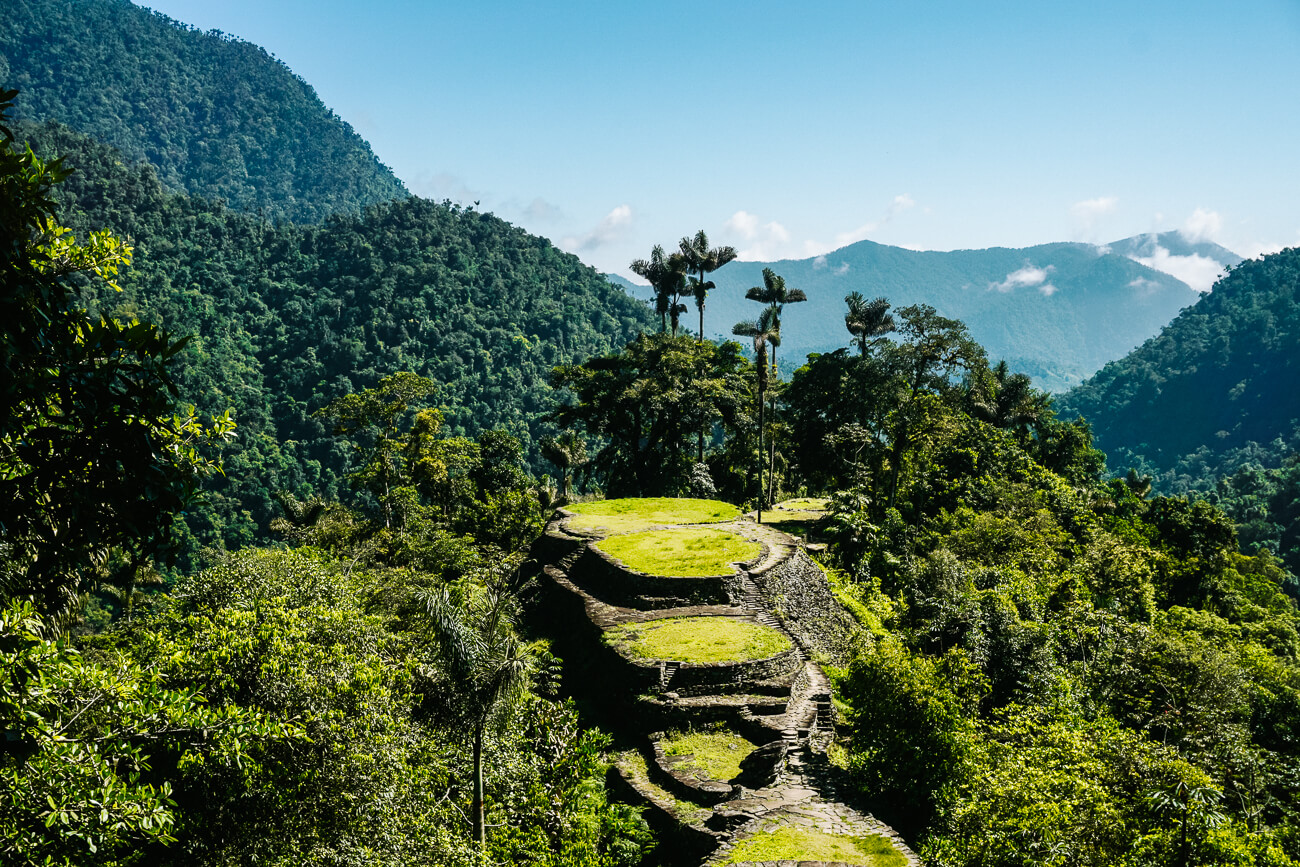
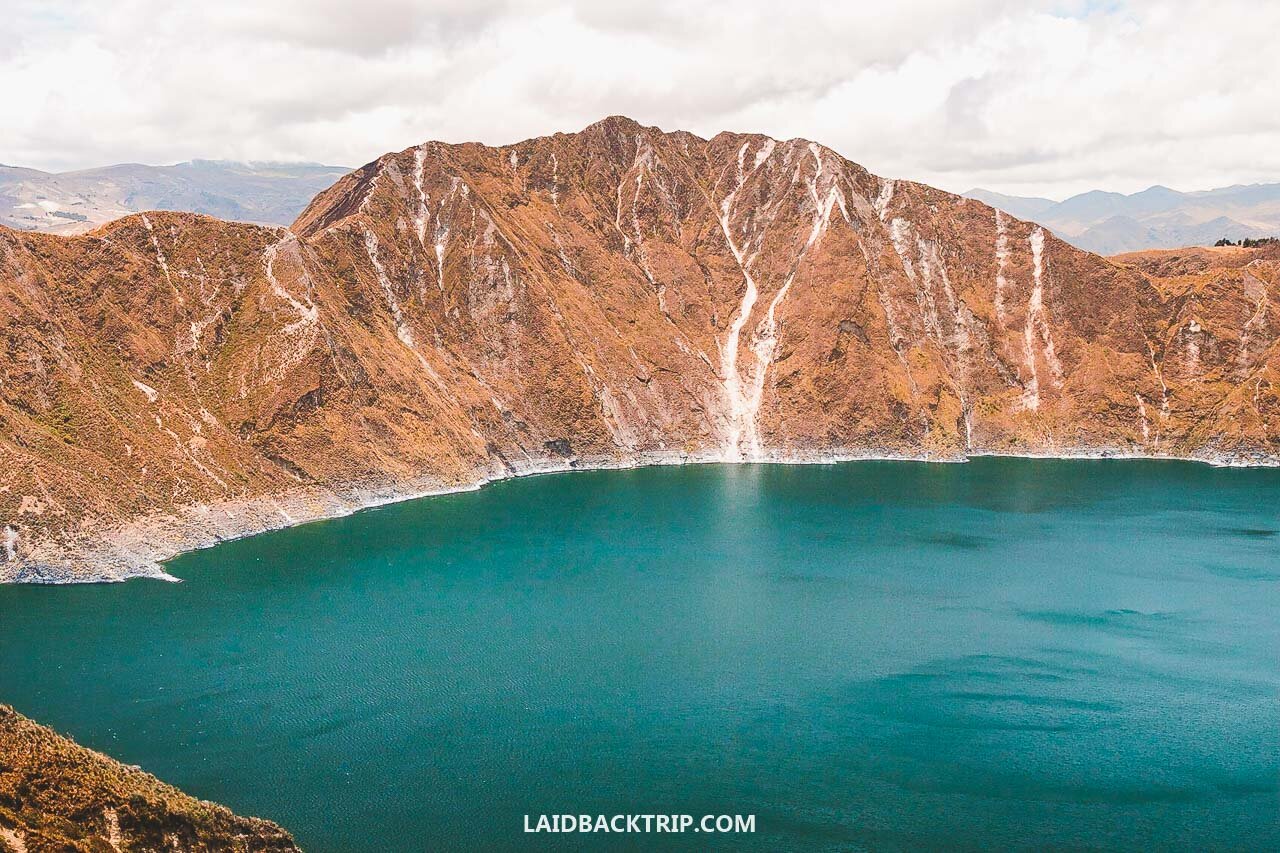
Both offer incredible hiking. Ecuador's Avenue of Volcanoes provides stunning high-altitude treks around Cotopaxi and Chimborazo, and the Quilotoa Loop is world-famous. Colombia offers diverse treks from the lost city (Ciudad Perdida) to the Cocora Valley. Ecuador wins for high-altitude volcanic landscapes, while Colombia offers more varied terrains including Caribbean coastal treks and jungle expeditions.
How do the capital cities, Bogotá and Quito, compare?
Bogotá is a sprawling, high-energy metropolis with a fantastic art scene, world-class museums, and diverse neighborhoods, but can feel overwhelming. Quito is smaller, nestled dramatically in the Andes, with a stunningly preserved colonial Old Town (a UNESCO site) and a more relaxed pace. Bogotá is for urban explorers, Quito for history and mountain views.
What about the Amazon rainforest in each country?
Both countries offer access to the Amazon. Colombia's main entry point is Leticia, offering a more remote and less-developed experience. Ecuador's Amazon (Yasuni National Park, Cuyabeno Wildlife Reserve via Lago Agrio) is often easier to access and known for fantastic biodiversity and well-organized eco-lodges, offering a more robust wildlife viewing experience for travelers.
Can I use my credit card everywhere, or do I need cash?
While major cities, hotels, and larger restaurants in both countries accept credit cards, cash is king, especially for smaller purchases, street food, local markets, and in rural areas. Always carry small denominations (Colombian Pesos in Colombia, US Dollars in Ecuador). ATMs are widely available in cities, but inform your bank before travel.
Which country is better for families with children?
Both can be great, but Ecuador might have a slight edge. Its smaller size means less travel time between destinations, and the Galapagos offers an unparalleled, educational wildlife experience for all ages. Colombia's diverse offerings are also great, but longer travel distances and the intensity of its cities might be more challenging for younger children, though coastal areas are very family-friendly.
What are the visa requirements for US/European citizens?
For most US, Canadian, and European citizens, neither Colombia nor Ecuador requires a visa for tourist stays typically up to 90 days. You will need a valid passport with at least six months' validity. Always check the latest entry requirements with your respective embassy or consulate before travel, as rules can change.
Ready to plan your South American trip?
Get a free custom itinerary for Colombia, Ecuador, or both — built from real traveler insights.
🎟️ Book Tours & Experiences
Hand-picked tours and activities for both destinations — book with free cancellation
Experiences via Viator — free cancellation on most tours