How we built this comparison
This page combines traveler discussion patterns, published price ranges, flight schedules, and seasonal data to help you decide between Colombia and Mexico.
- Reviewed 50+ Reddit threads from r/travel, r/solotravel, r/Colombia, r/Mexico, and r/digitalnomad.
- Verified costs and logistics against current booking platforms like Google Flights, Booking.com, and local transport websites.
- Cross-referenced seasonal patterns and weather data from NOAA and local meteorological services.
⚡ The TL;DR Verdict
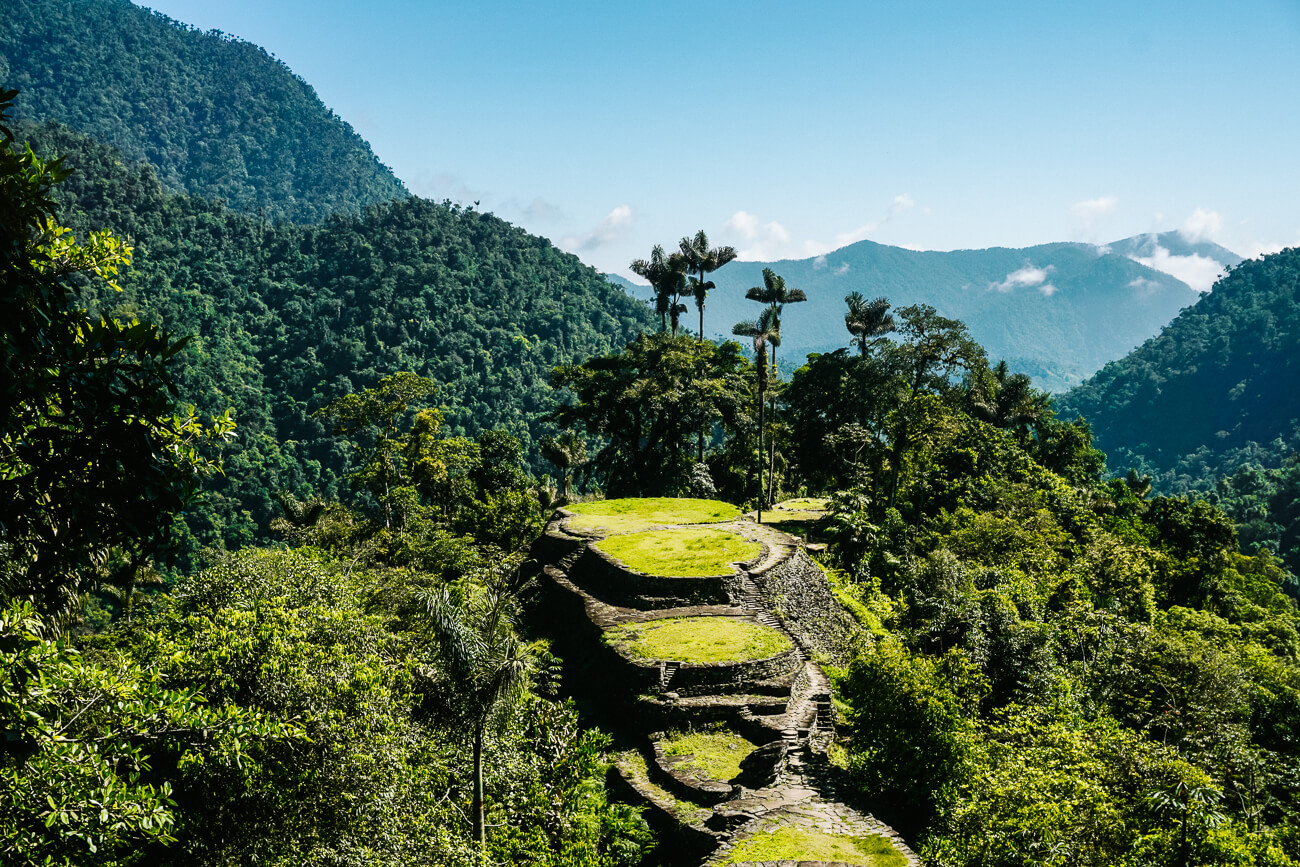
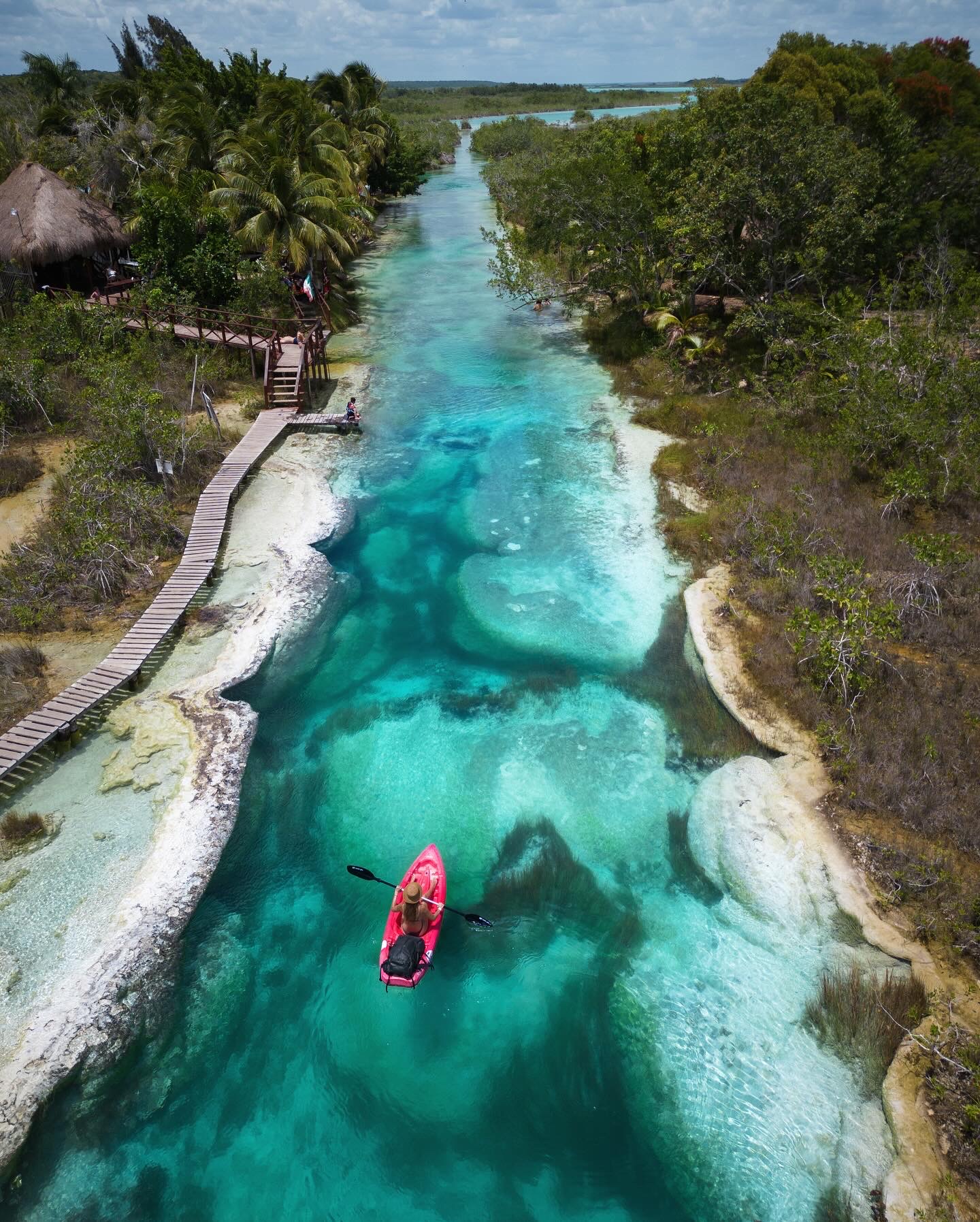
For budget-conscious adventurers seeking raw natural beauty, incredible warmth, and a slightly more 'off-the-beaten-path' feel, Colombia is your pick (daily budget ~$40-70 USD). If you prioritize world-renowned cuisine, ancient history, diverse beach options, and a robust tourism infrastructure, Mexico reigns supreme (daily budget ~$60-100 USD).
- Choose Colombia: Go for incredible value, breathtaking Andean landscapes, lush coffee regions, passionate salsa nights in Medellín, and the charm of Cartagena. Ideal for backpackers, nature lovers, and those seeking authentic connections without breaking the bank.
- Choose Mexico: Choose Mexico for unparalleled culinary experiences, iconic ancient ruins like Teotihuacan, stunning Caribbean beaches, vibrant colonial cities, and a well-established tourist infrastructure. Perfect for foodies, history buffs, beach loungers, and families.
- Choose Both: If you have 4+ weeks, you could combine a focused trip to Mexico City and Oaxaca with a deep dive into Colombia's Medellín and Cartagena. Start in Mexico for culture and food, then hop a flight south for adventure and Afro-Caribbean vibes. Direct flights are available from Cancun or Mexico City to Bogota or Medellin, taking around 4-6 hours and costing $200-400 USD.
Quick Comparison
| Category | Colombia | Mexico | Winner |
|---|---|---|---|
| Costs & Budget | Significantly more affordable across the board; excellent value for money. | Generally more expensive, especially in popular tourist zones; high-end options proliferate. | Colombia |
| Safety & Security | Vastly improved, but still requires street smarts; petty crime is the main concern. | Varied by region; tourist zones generally safe, but cartel activity in some areas is a concern. | Colombia |
| Food & Drink | Hearty, comforting, and fruit-forward; traditional dishes like bandeja paisa are staples. | World-renowned, incredibly diverse, and bursting with flavor; a true culinary pilgrimage. | Mexico |
| Beaches & Coastlines | Caribbean charm with historic city access, plus raw Pacific beauty. | Incredible variety from Caribbean resorts to rugged Pacific surf breaks. | Mexico |
| Culture & History | Rich colonial architecture, vibrant local traditions, and a story of resilience. | Deep ancient roots (Mayan, Aztec), stunning colonial cities, and a vibrant artistic scene. | Mexico |
| Nature & Adventure | Diverse ecosystems from Andes to Amazon, perfect for hiking, coffee tours, and wildlife. | Stunning cenotes, majestic volcanoes, deserts, and vibrant marine life. | Colombia |
| Nightlife & Parties | Passionate salsa, reggaeton, and electronic scenes; vibrant and social. | From mega-clubs to sophisticated lounges and traditional cantinas; diverse and high-energy. | Mexico |
| Getting Around | Buses are extensive but can be slow; domestic flights are affordable and common. | Excellent bus network (ADO), plentiful domestic flights, and ride-sharing. | Mexico |
| Accommodation | Great value hostels, charming boutique hotels, and unique haciendas. | Immense range from budget hostels to luxury all-inclusive resorts, catering to every budget and style. | Mexico |
| Solo Travel | Very friendly locals, established backpacker trail, easy to meet fellow travelers. | Well-trodden paths, robust hostel scene, but some areas require more vigilance. | Colombia |
💰 Costs & Budget
Colombia consistently offers more bang for your buck. A decent hostel bed in Medellín or Bogotá runs about 40,000-80,000 COP ($10-20 USD), while a comfortable private room in a mid-range hotel is 200,000-400,000 COP ($50-100 USD). Meals at local 'menu del día' spots are a steal at 15,000-25,000 COP ($4-7 USD), and a nice dinner out might be 60,000-100,000 COP ($15-25 USD). Public transport in cities like Bogotá is just 2,950 COP (under $1 USD). In Mexico, a hostel in Tulum or Mexico City can be 300-600 MXN ($18-35 USD), and mid-range hotels range from 1,200-2,500 MXN ($70-150 USD). Street tacos are cheap, but a sit-down meal often costs 250-500 MXN ($15-30 USD) in tourist areas. Long-distance buses are excellent but pricier than Colombian equivalents. "If you're pinching pennies, Colombia is the clear winner, no contest. My dollar stretched so much further there."
Winner takeaway
- Winner: Colombia
- Why: Colombia offers significantly better value for accommodation, food, and activities, making a longer or more luxurious trip more accessible on a tighter budget.
- Who this matters for: Budget travelers, backpackers, long-term nomads.
🚨 Safety & Security
Both countries have their safety nuances, but Colombia has made incredible strides. In major tourist cities like Medellín, Cartagena, and Bogotá, exercising common sense (not flashing valuables, avoiding walking alone at night in unknown areas, using reputable taxis/ride-shares) is usually enough. Petty theft, like phone snatching, is the most common issue. Mexico's safety landscape is more complex; while resort areas like Cancún and Playa del Carmen are heavily policed for tourists, and cities like Oaxaca or San Miguel de Allende are generally safe, headlines about cartel violence in other regions (especially border states and some parts of Jalisco or Michoacán) can be unsettling. For the average tourist sticking to popular routes, both are largely safe, but Colombia feels a bit more universally welcoming with less underlying tension in its popular areas. "I felt safer walking around Medellín at night than I did in some parts of Mexico City, honestly. The vibe just felt more chill in Colombia."
Winner takeaway
- Winner: Colombia
- Why: While both require vigilance, Colombia's main tourist areas generally present fewer large-scale safety concerns than Mexico, where regional cartel issues can be more prominent.
- Who this matters for: Solo female travelers, first-time international travelers, families with young children.
🍽️ Food & Drink
Mexico is a culinary superpower, a UNESCO Intangible Cultural Heritage. From the street-side taco stands of Mexico City offering al pastor for 15 MXN ($0.90 USD) to the complex moles of Oaxaca, the ceviches of the coast, and the regional specialties of Puebla, the variety is staggering and the flavors are bold and sophisticated. Mezcal and tequila tastings are an experience in themselves. Colombia's cuisine, while delicious, is generally more understated. Staples include the hearty bandeja paisa, ajiaco soup, and countless variations of arepas (corn cakes) which are a must-try at 5,000-10,000 COP ($1.25-2.50 USD). Fresh tropical fruits and juices are phenomenal and plentiful. However, it lacks the same culinary complexity and global recognition as Mexican food. "Mexico's food scene is just on another level. I thought I knew tacos, but CDMX blew my mind. Colombia was good, but nothing compared to a proper Oaxacan tlayuda."
Winner takeaway
- Winner: Mexico
- Why: Mexico's culinary tradition is globally recognized, offering incredible diversity, depth of flavor, and iconic dishes that are a draw in themselves.
- Who this matters for: Foodies, gourmands, travelers who prioritize gastronomic experiences.
🏖️ Beaches & Coastlines
Mexico offers a more extensive and diverse range of beaches. The Yucatán Peninsula boasts the iconic white sands and turquoise waters of the Riviera Maya (Cancún, Playa del Carmen, Tulum) with endless resorts, cenotes, and ancient ruins nearby. On the Pacific side, you have the vibrant energy of Puerto Vallarta, the bohemian vibe of Sayulita, and the excellent surf breaks around Oaxaca (Puerto Escondido, Mazunte). Colombia has stunning Caribbean coastlines, most famously around Cartagena (though the city beaches aren't great, nearby Rosario Islands are spectacular via boat trips for 100,000-200,000 COP, $25-50 USD). Tayrona National Park offers pristine, wild beaches with hiking, but requires a fee (70,000 COP, $17 USD) and advance booking. San Andrés and Providencia are gorgeous island getaways, but require domestic flights. While Colombia's Caribbean is beautiful, Mexico simply has more options, better infrastructure, and a broader appeal for different beach styles. "Mexico's beaches just hit different. From the party vibe in Cancun to the chill surf spots in Oaxaca, there's literally a beach for every mood. Colombia's good, but less variety."
Winner takeaway
- Winner: Mexico
- Why: Mexico boasts a greater quantity, variety, and accessibility of world-class beaches, catering to every preference from luxury resorts to bohemian surf towns.
- Who this matters for: Beach lovers, resort-goers, surfers, families seeking well-developed beach infrastructure.
🗿 Culture & History
Mexico's historical and cultural tapestry is incredibly deep and tangible. You can stand atop the pyramids of Teotihuacán near Mexico City (entrance ~85 MXN / $5 USD), explore the Mayan wonders of Chichén Itzá, or wander through the breathtaking colonial streets of San Miguel de Allende and Oaxaca, both UNESCO World Heritage sites. Mexico City itself is a historical marvel, with Aztec ruins beneath modern buildings and world-class museums like the National Museum of Anthropology. Colombia offers a rich colonial heritage, particularly evident in the walled city of Cartagena (a UNESCO site) and the historic La Candelaria district of Bogotá. The Gold Museum in Bogotá (4,000 COP / $1 USD) is exceptional, showcasing pre-Hispanic artifacts. The coffee region (Eje Cafetero) provides insight into modern Colombian culture. However, Mexico's ancient civilizations offer a more profound and visually stunning historical experience that's more globally recognized. "For sheer historical wow-factor, Mexico wins. Seeing Teotihuacán and then walking through CDMX felt like peeling back layers of history. Colombia's history is great, but it's more colonial than ancient marvels."
Winner takeaway
- Winner: Mexico
- Why: Mexico offers a more extensive and globally renowned array of ancient civilizations (Mayan, Aztec) alongside its rich colonial history, making it a powerful draw for history buffs.
- Who this matters for: History enthusiasts, archaeologists, culture vultures, those interested in ancient civilizations.
⛰️ Nature & Adventure
Colombia boasts an incredible biodiversity, second only to Brazil. The Andean region offers spectacular hiking in places like the Cocora Valley (home to the wax palms), paragliding in San Gil, and immersive coffee farm tours in the Eje Cafetero (e.g., Hacienda Venecia, tours from 60,000 COP / $15 USD). You can explore parts of the Amazon rainforest from Leticia or witness whale migration on the Pacific coast. Tayrona National Park combines jungle trekking with stunning beaches. Mexico's nature is equally impressive, with unique cenotes (underwater caves, e.g., Gran Cenote near Tulum, ~300 MXN / $18 USD), majestic volcanoes like Popocatépetl (though climbing is restricted), the Copper Canyon (larger than Grand Canyon), and excellent diving/snorkeling in Baja California and the Caribbean. Both offer incredible experiences, but Colombia feels a bit more rugged, raw, and accessible for diverse, less-developed adventure tourism, especially with its unique Andean and Amazonian offerings. "Colombia felt like pure adventure. Hiking through Cocora Valley with those insane palm trees, then white-water rafting in San Gil – it was non-stop epic nature. Mexico's great, but Colombia felt wilder."
Winner takeaway
- Winner: Colombia
- Why: Colombia's unparalleled biodiversity across multiple ecosystems (Andes, Amazon, Caribbean, Pacific) offers a more diverse and often more rugged adventure experience.
- Who this matters for: Hikers, wildlife enthusiasts, thrill-seekers, eco-tourists.
💃 Nightlife & Parties
Both countries know how to party, but Mexico offers a broader spectrum and larger scale. Mexico City's nightlife is world-class, with everything from swanky bars in Roma Norte to pulsating clubs in Condesa and traditional cantinas. The Riviera Maya (Cancún, Playa del Carmen) is famous for its superclubs like Coco Bongo and numerous beach parties. Guadalajara also has a thriving scene. Colombia's nightlife is incredibly passionate and immersive. Medellín's El Poblado district (Parque Lleras) is legendary for its reggaeton clubs and rooftop bars. Bogotá's Zona T and Chapinero offer a mix of upscale clubs and underground electronic music venues. Cartagena's old city comes alive with salsa bars and street performers. While Colombia's salsa and reggaeton scene is infectious and highly authentic, Mexico's sheer variety, from international DJ appearances to vast resort-style parties, gives it the edge for overall options. "If you want to dance salsa all night with locals, Colombia's your spot. But for sheer variety and scale of nightlife options, from underground techno to massive clubbing, Mexico City blows everywhere else out of the water."
Winner takeaway
- Winner: Mexico
- Why: Mexico offers a more extensive and diverse nightlife, from world-famous mega-clubs and sophisticated lounges to traditional cantinas, catering to a wider range of tastes.
- Who this matters for: Party-goers, clubbers, those seeking a broad range of evening entertainment options.
🚌 Getting Around
Mexico's transportation infrastructure, particularly its long-distance bus system, is superior. Companies like ADO offer comfortable, reliable, and frequent services between most major cities and tourist destinations, often with luxury options. Fares, for example, from Mexico City to Oaxaca can be around 700-1000 MXN ($40-60 USD) for an 8-hour journey. Domestic flights are also plentiful and reasonably priced (e.g., Viva Aerobus, Volaris). Ride-sharing (Uber, Didi) is widely available and affordable in major cities. Colombia's bus network is also extensive, connecting most regions, but journeys can be longer and roads less developed in some areas. A bus from Medellín to Cartagena might take 12-16 hours and cost 100,000-150,000 COP ($25-37 USD). Domestic flights (Avianca, Latam, Wingo) are often the preferred option for longer distances due to speed and affordability (e.g., Medellín to Cartagena ~$50-100 USD). Both have ride-sharing in cities, but Mexico's overall efficiency and quality of intercity travel give it the edge. "Mexico's ADO buses are a dream compared to some of the chicken buses I took in Colombia. So much more comfortable and reliable for long hauls. Worth the extra cost."
Winner takeaway
- Winner: Mexico
- Why: Mexico's extensive and high-quality intercity bus network (ADO) combined with good domestic flight options and ride-sharing makes internal travel generally more efficient and comfortable.
- Who this matters for: Travelers covering long distances, those who prefer comfort in transit, solo travelers.
🏨 Accommodation
Mexico simply has more established and diverse accommodation options, from sprawling all-inclusive resorts in Cancún and Playa del Carmen (starting around $150-200 USD/night) to boutique hotels in colonial gems like San Miguel de Allende, and countless hostels and Airbnbs in cities like Mexico City. The sheer volume and variety mean you can always find something to fit your budget and preference, often with higher standards of luxury at the top end. Colombia offers excellent value, with fantastic hostels in Medellín (e.g., Los Patios Hostel) for $15-25 USD, charming boutique hotels in Cartagena's Old City starting at $70-150 USD, and unique coffee haciendas in the Eje Cafetero. While Colombia provides exceptional quality for its price point, Mexico's tourism industry is more mature, offering a greater breadth of choices, especially for high-end luxury or specific resort experiences. "Mexico's accommodation game is just stronger. You can go from a rustic eco-cabana to a 5-star resort in an hour. Colombia has great value, but less choice at the extremes."
Winner takeaway
- Winner: Mexico
- Why: Mexico's mature tourism industry offers a wider range and greater volume of accommodation options, from budget hostels to world-class luxury resorts, catering to every traveler's need.
- Who this matters for: Families, luxury travelers, resort-seekers, those with specific accommodation preferences.
🚶♀️ Solo Travel
Both countries are excellent for solo travelers, but Colombia edges out Mexico due to the incredibly warm and welcoming nature of its people, often described as some of the friendliest in the world. The established backpacker route from Medellín to Guatapé, Salento, and Cartagena makes it very easy to meet other solo travelers in hostels and shared tours. Hostels like Viajero in Cartagena or The Wanderlust in Salento are hubs for social activity. While Spanish is helpful, Colombians are generally patient with non-speakers. Mexico also has a strong solo travel scene, especially in places like Mexico City, Oaxaca, and the Yucatán Peninsula. The hostel networks are robust, and English is more widely spoken in major tourist areas. However, the larger scale and sometimes more intense atmosphere in Mexico, coupled with more publicized safety concerns in certain regions, can make some solo travelers feel a bit more on guard. "As a solo female traveler, I felt incredibly safe and welcomed in Colombia. Everyone was so friendly and genuinely curious. Mexico was great too, but I felt a stronger sense of community with other travelers in Colombia."
Winner takeaway
- Winner: Colombia
- Why: Colombia's exceptionally friendly locals and vibrant, easily navigable backpacker trail foster a strong sense of community and make meeting people effortless, enhancing the solo travel experience.
- Who this matters for: Solo travelers, first-time backpackers, those seeking social interaction on the road.
❓ Frequently Asked Questions
Which country is better for a honeymoon?
For a luxurious, romantic beach honeymoon with all-inclusive resorts and pampering, Mexico's Riviera Maya (Cancún, Tulum) is generally more established. For a more adventurous, culturally rich honeymoon with charming boutique hotels and unique experiences, Colombia (Cartagena, coffee region) offers an unforgettable, intimate escape at a better value.
Is the language barrier a big issue in Colombia or Mexico?
Spanish is the primary language in both. In major tourist hubs and resort areas of Mexico, English is widely spoken. In Colombia, English proficiency is less common outside of high-end hotels and specific tourist businesses, so knowing some basic Spanish phrases will significantly enhance your experience in Colombia, whereas you can get by with less in Mexico's popular spots.
Which country has better public transportation?
Mexico generally boasts superior public transportation for intercity travel, particularly with its excellent ADO bus network which offers comfortable and reliable services. Colombia's buses are extensive but can be slower, making domestic flights a more popular choice for longer distances. Both have good ride-sharing options in major cities.
What's the best time of year to visit each?
Colombia's weather varies by region but generally has two dry seasons (Dec-March, July-Aug). Mexico's dry season (Oct-May) is ideal, with pleasant temperatures. Avoid hurricane season (June-Nov) on both Caribbean coasts, though Mexico's Pacific coast is good then.
Are day trips easily accessible from major cities in both countries?
Absolutely! From Medellín, Colombia, you can easily visit Guatapé for its colorful town and El Peñol rock. From Cartagena, the Rosario Islands are a must. In Mexico, Mexico City offers countless options like Teotihuacán, Puebla, and San Miguel de Allende. From Cancún, you have Chichén Itzá, cenotes, and Isla Mujeres – both countries excel at accessible day trips.
Which country is better for adventure sports?
Colombia is a fantastic choice for adventure sports, especially in San Gil (rafting, paragliding), and offers world-class hiking in the Andes. Mexico has incredible diving in cenotes, surfing on the Pacific coast, and excellent opportunities for exploring volcanoes and canyons. It's a close call, but Colombia's raw natural diversity often provides a slightly more 'rugged' adventure feel.
Can I drink the tap water in either country?
Generally, it is NOT recommended to drink tap water in most parts of either Mexico or Colombia. Stick to bottled water, especially outside of major hotels or high-end restaurants. Many hotels provide filtered water, and refill stations are becoming more common, especially in eco-conscious areas.
Which country is better for digital nomads?
Both are excellent, but Medellín, Colombia, has a thriving and affordable digital nomad scene with great co-working spaces and a social atmosphere. Mexico City and Oaxaca are also hugely popular for their culture, food, and good internet. Colombia typically offers a lower cost of living, while Mexico has more varied social scenes and better infrastructure in some areas, making it a tie depending on priorities.
Ready to plan your Latin American adventure?
Get a free custom itinerary for Colombia, Mexico, or both — built from real traveler insights.
🎟️ Book Tours & Experiences
Hand-picked tours and activities for both destinations — book with free cancellation
Experiences via Viator — free cancellation on most tours