How we built this comparison
This page combines traveler discussion patterns, published price ranges, flight schedules, and seasonal data to help you decide between Colombia and New Zealand.
- Reviewed 50+ Reddit threads from r/travel, r/solotravel, r/colombia, r/newzealand, r/SouthAmerica, r/Oceania
- Verified costs and logistics against current booking platforms like Hostelworld, Booking.com, and Google Flights
- Cross-referenced seasonal patterns and weather data from meteorological sources
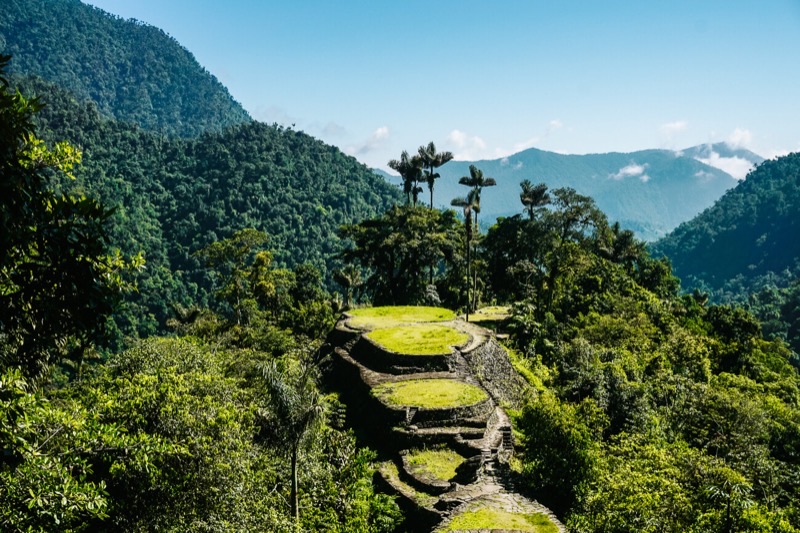
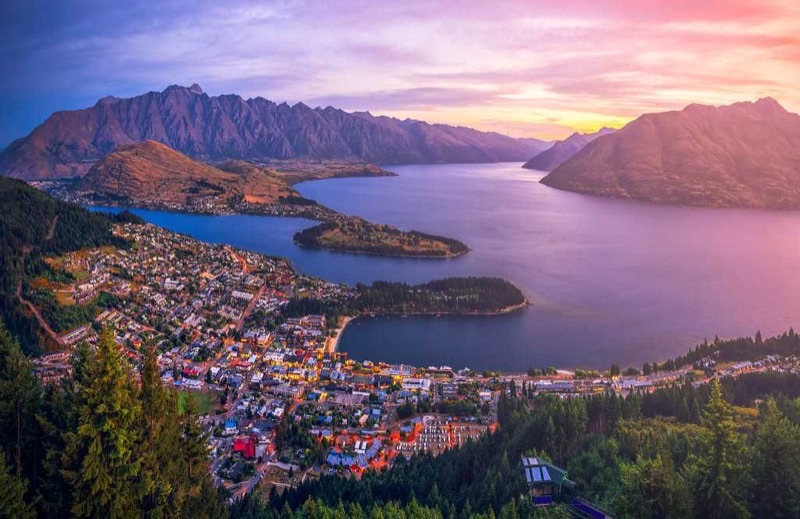
⚡ Quick Answers
⚡ The TL;DR Verdict
For most travelers prioritizing immersive culture and a lower daily spend, Colombia is the clear pick. It offers a diverse experience without draining your wallet, though it demands more street smarts. New Zealand serves travelers who want pristine, easily navigable natural environments and are ready to pay a premium for that access and peace of mind.
- Choose Colombia: You want your money to go far, you seek spontaneous encounters, enjoy dancing, and appreciate a loud, energetic environment.
- Choose New Zealand: You prioritize safety, desire grand outdoor experiences with clear infrastructure, and are comfortable with a higher travel budget.
- Choose Both: If you have 4-6 weeks and a substantial budget, start with Colombia for cultural immersion, then head to New Zealand for a few weeks of outdoor exploration.
Choose Colombia
Choose Colombia if you're a budget-conscious adventurer yearning for rich cultural immersion and spontaneous energy. Best for those who want to dance salsa in Cali, explore Medellín's vibrant communes, or wander the historic streets of Cartagena, embracing the lively chaos and discovering incredible value for every dollar spent.
Choose New Zealand
Opt for New Zealand if your ideal trip involves breathtaking natural landscapes, unparalleled safety, and a seamless travel experience, even with a higher price tag. This destination is best for outdoor enthusiasts eager to hike Fiordland's epic trails, seek adrenaline in Queenstown, or explore the geothermal wonders near Rotorua, all within a pristine, well-organized environment.
📊 Visual Scorecard
🌤 When to Visit
Average high temperatures (°C). Green = best months, orange = avoid.
Quick Comparison
| Category | Colombia | New Zealand | Winner |
|---|---|---|---|
| Costs & Budget | Significantly cheaper for almost everything: food, transport, accommodation, activities. | Higher prices across the board for all aspects of travel, requires careful budgeting. | Colombia |
| Nature & Landscapes | Exceptional biodiversity across diverse ecosystems: Andes, Amazon, Caribbean, Pacific, coffee regions. | Dramatic, concentrated mountain, fjord, and geothermal scenery, highly accessible. | New Zealand |
| Food & Drink | Diverse regional cuisine, focus on fresh ingredients, abundant street food, tropical fruits, coffee. | Emphasis on fresh, local produce, seafood, lamb, strong cafe culture, good wine. | Colombia |
| Safety & Security | Requires awareness, particular caution in certain areas and at night, petty crime is present. | Generally very safe with low crime rates, minimal major concerns for travelers. | New Zealand |
| Getting Around | Extensive bus network, affordable domestic flights, shared taxis, challenging driving conditions. | Excellent road network ideal for self-driving, good intercity buses, limited domestic flights. | New Zealand |
| Culture & History | Deep colonial history, diverse indigenous and Afro-Caribbean influences, salsa, coffee culture. | Rich Maori heritage, European colonial history, focus on outdoor and adventure culture. | Colombia |
| Beaches & Coastlines | Warm Caribbean waters, white sand, lush national parks, Pacific surfing. | Diverse coastlines, black sand beaches, dramatic cliffs, colder waters, surfing. | Colombia |
| Nightlife & Social Scene | Energetic, late-night dancing, salsa clubs, live music, street parties. | Relaxed pub and bar scene, live music in cities, less intense. | Colombia |
| Accommodation Value | Abundant affordable hostels, guesthouses, and boutique hotels, good quality for price. | Higher prices for all accommodation types, fewer budget options, good quality for price. | Colombia |
| Adventure Sports | Paragliding, rafting, trekking, diving, caving, often at lower prices. | Bungee jumping, skydiving, canyoning, multi-day hikes, skiing, well-organized and diverse. | New Zealand |
💰 Costs & Budget
Colombia presents a compelling case for budget-conscious travelers. Daily expenses can hover around $40-70 USD for a comfortable backpacker experience, including hostel stays…
Colombia
New Zealand
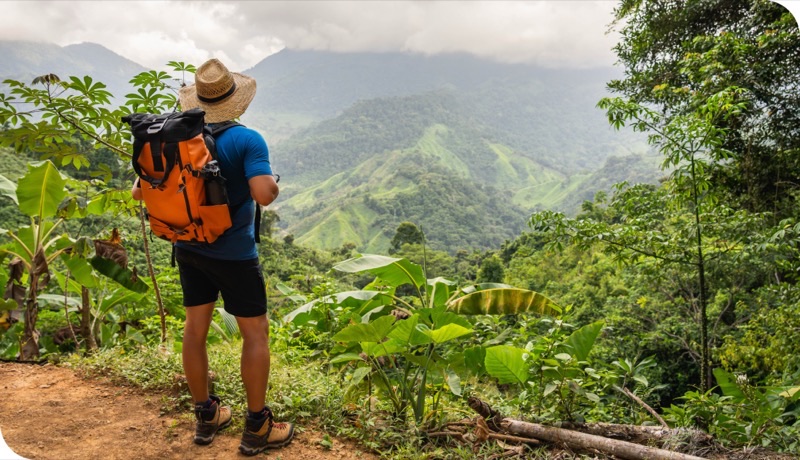
Colombia presents a compelling case for budget-conscious travelers. Daily expenses can hover around $40-70 USD for a comfortable backpacker experience, including hostel stays (e.g., a dorm bed for 50,000-80,000 COP or $12-20 USD), local meals (e.g., a 'menu del dia' for 15,000-25,000 COP or $3.50-6 USD), and intercity bus travel. Beers cost around 5,000-8,000 COP ($1.20-2 USD). Activities like paragliding in San Gil might be $30-40 USD, which is a fraction of similar activities elsewhere. This allows for longer stays or more frequent experiences within the same budget.
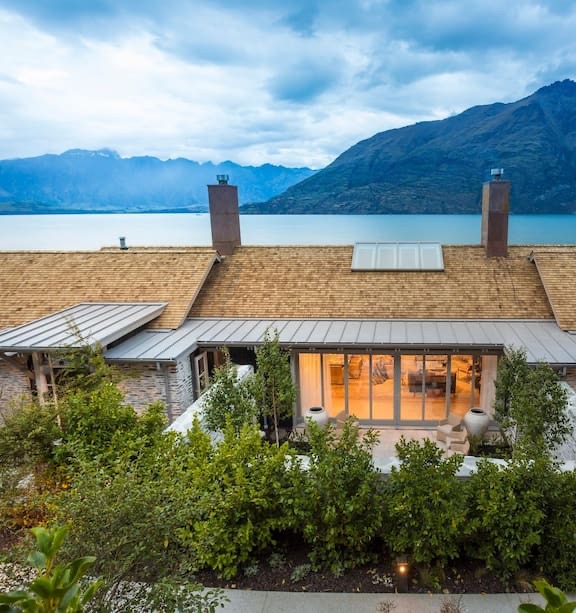
New Zealand demands a substantially larger budget. Expect daily costs to range from $90-180 USD, even for a budget-focused trip. Hostel dorms typically run $25-45 NZD ($15-28 USD), while a simple restaurant meal can easily be $25-40 NZD ($15-25 USD). Groceries are expensive, and transport, especially rental cars, adds up quickly. Activities like bungee jumping or a Milford Sound cruise cost upwards of $150-250 NZD ($95-155 USD) each. Planning a trip to New Zealand requires acceptance of these higher price points. Tabiji verdict: Colombia is the undeniable winner for travelers who want their money to stretch as far as possible.
- Winner: Colombia
- Why: Colombia offers a lower cost of living and travel expenses across all categories, making it accessible for extended trips on a tight budget.
- Who this matters for: Budget travelers, long-term backpackers, digital nomads
🏞️ Nature & Landscapes
Colombia offers incredible ecological diversity, encompassing Amazon rainforest in areas like Leticia, Andean peaks and valleys in places like Salento and Cocora Valley, dry…
Colombia
New Zealand
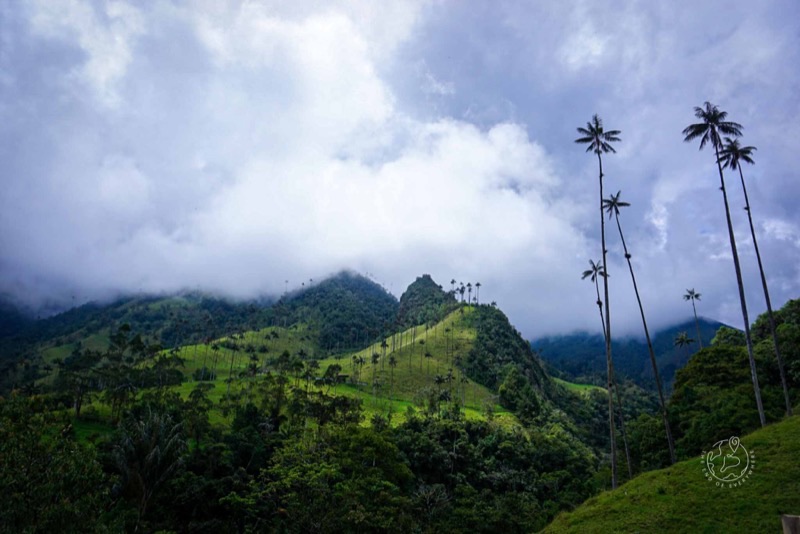
Colombia offers incredible ecological diversity, encompassing Amazon rainforest in areas like Leticia, Andean peaks and valleys in places like Salento and Cocora Valley, dry deserts in La Guajira, and two distinct coastlines. You can explore the Sierra Nevada de Santa Marta, a coastal mountain range, or trek through coffee plantations. The variety means you move between distinct microclimates and see completely different flora and fauna within a few hours of travel. The scale is vast, requiring more time and effort to experience its breadth, but the reward is seeing multiple biomes.
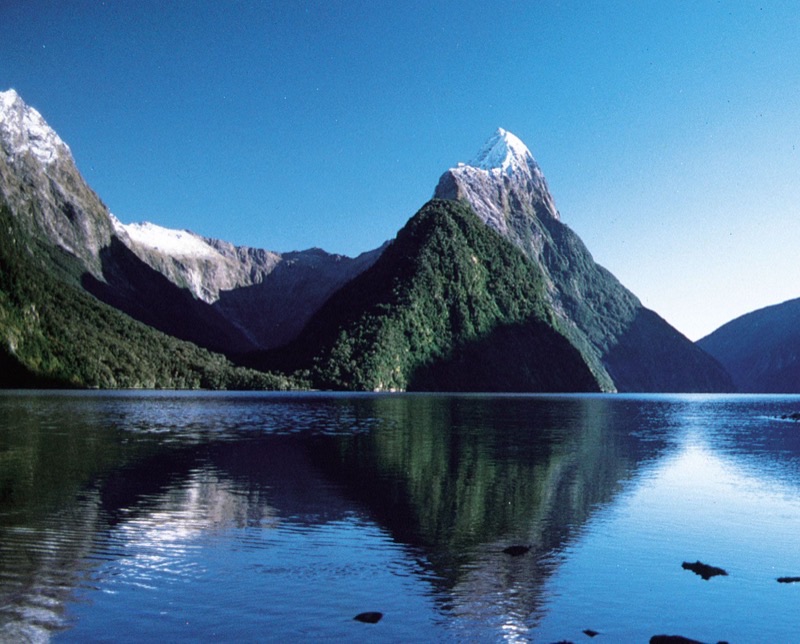
New Zealand features concentrated, grand landscapes that are highly organized for tourism. The Southern Alps dominate the South Island, offering fjords like Milford Sound and Doubtful Sound, glaciers such as Fox and Franz Josef, and mountain ranges suitable for multi-day treks. The North Island provides geothermal areas like Rotorua and the Tongariro Alpine Crossing. The infrastructure makes accessing these locations straightforward, often with clear walking tracks and well-maintained roads. While less biodiverse than Colombia, the sheer impact of the concentrated scenery, coupled with ease of access, makes it compelling. Tabiji verdict: New Zealand wins for its concentrated, accessible, jaw-dropping natural drama.
- Winner: New Zealand
- Why: New Zealand provides a more consistent delivery of grand, easily accessible natural environments and iconic scenery within a manageable travel footprint.
- Who this matters for: Outdoor enthusiasts, road trip planners, photographers
🍲 Food & Drink
Colombian food offers a range of regional specialties. In the Andes, you find ajiaco soup, bandeja paisa in Medellín, and arepas. The Caribbean coast offers fresh seafood, fried…
Colombia

New Zealand
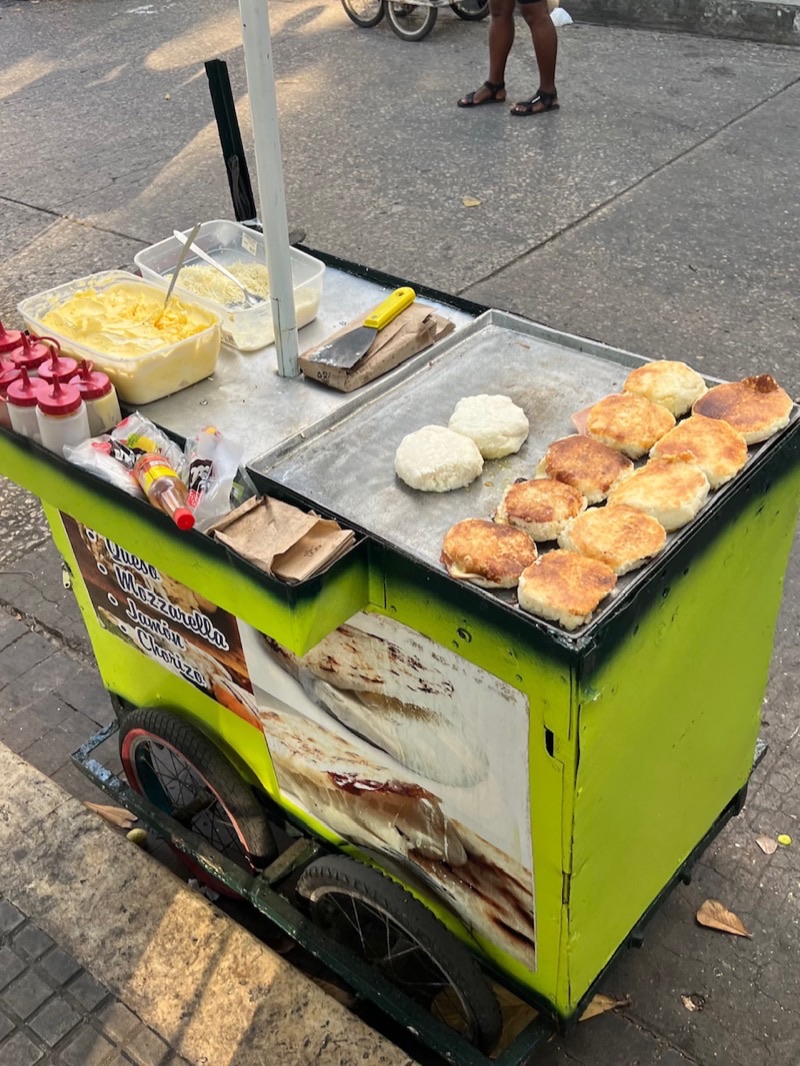
Colombian food offers a range of regional specialties. In the Andes, you find ajiaco soup, bandeja paisa in Medellín, and arepas. The Caribbean coast offers fresh seafood, fried plantains, and coconut rice. Street food is a cornerstone of daily eating, with empanadas, buñuelos, and obleas available for under $2 USD. The country is a haven for tropical fruits like lulo, maracuya, and guanabana, often served as fresh juices. Coffee, of course, is a staple, with high-quality brews available everywhere. It is a cuisine for those who appreciate comforting, savory dishes and fresh produce, often at very low prices. Look for local spots like Donde Dolly in Medellín for an authentic bandeja paisa.
New Zealand's food scene relies heavily on quality ingredients. Lamb is a highlight, as is fresh seafood, particularly green-lipped mussels and snapper. The country has a robust cafe culture, especially in cities like Wellington and Auckland, where artisan coffee and brunch are popular. Indigenous Maori hāngi (earth oven cooking) offers a unique experience, though it is less common to find daily. Wine regions like Marlborough and Hawke's Bay produce good Sauvignon Blanc and Pinot Noir. While the quality of ingredients is high, dining out is generally expensive. Expect to pay $15-25 NZD for a casual lunch. Tabiji verdict: Colombia takes the win for its everyday flavor, affordability, and sheer variety of accessible dishes.
- Winner: Colombia
- Why: Colombia offers a more diverse, affordable, and readily available food experience with strong regional identities and abundant street food.
- Who this matters for: Foodies on a budget, travelers who enjoy local markets and street food
🚨 Safety & Security
Colombia has made significant strides in improving safety over the last two decades, but it is not without its risks. Petty theft (pickpocketing, bag snatching) is common in…

Colombia
New Zealand
Colombia has made significant strides in improving safety over the last two decades, but it is not without its risks. Petty theft (pickpocketing, bag snatching) is common in crowded areas and on public transport, particularly in major cities like Bogotá and Medellín. Certain neighborhoods in larger cities should be avoided, especially after dark. 'Paseo millonario' (express kidnapping) is a risk, particularly when using unofficial taxis or accepting drinks from strangers. Travelers need to be vigilant, avoid displaying valuables, and exercise caution when out at night. Researching safe areas and knowing local emergency numbers is important. For example, in Medellín, El Poblado is generally safer than downtown at night.
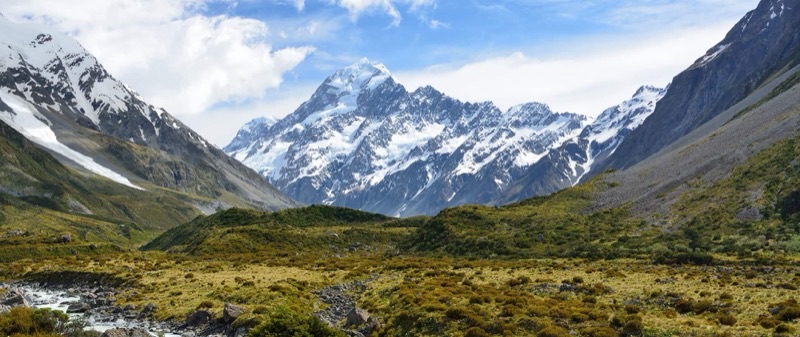
New Zealand consistently ranks among the safest countries in the world. Violent crime is rare, and petty theft is low, though still possible in tourist areas. Travelers can generally feel comfortable exploring independently, hiking solo, and leaving belongings in rental cars (though it is always wise to secure valuables). The main safety concerns are related to natural hazards, such as rapidly changing weather conditions in the mountains or strong ocean currents, rather than human threats. The country has well-marked trails and clear safety warnings for outdoor activities. Tabiji verdict: New Zealand is the undeniable choice for travelers prioritizing a worry-free and secure environment.
- Winner: New Zealand
- Why: New Zealand offers a consistently low crime rate and a secure environment, allowing travelers to relax and explore without constant vigilance.
- Who this matters for: Solo travelers, families with young children, those prioritizing peace of mind
🚗 Getting Around
In Colombia, the primary mode of intercity transport is the bus, with companies like Bolivariano and Expreso Brasilia offering routes to almost every town. Journeys can be long…

Colombia
New Zealand
In Colombia, the primary mode of intercity transport is the bus, with companies like Bolivariano and Expreso Brasilia offering routes to almost every town. Journeys can be long due to winding mountain roads, but tickets are affordable (e.g., Bogotá to Medellín for 70,000-120,000 COP or $17-30 USD). Domestic flights with airlines like Avianca and LATAM are reasonably priced and efficient for covering long distances quickly (e.g., Bogotá to Cartagena for $50-100 USD). Taxis and ride-sharing apps like Uber (though technically operating in a grey area) are common in cities. Self-driving is generally not recommended due to road conditions, aggressive driving, and security concerns outside major routes.
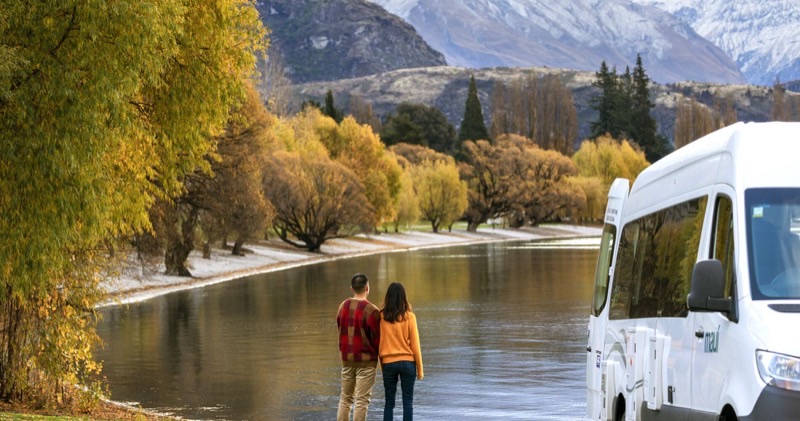
New Zealand is built for road trips. Its well-maintained, scenic road network makes renting a car or campervan the preferred way to explore. Companies like Jucy and Britz offer various vehicle types. Fuel costs can be high, but the freedom and access to remote areas are worth it. Intercity buses, operated by companies like InterCity, connect major towns and tourist hubs, offering a reliable alternative for those not driving. Domestic flights are efficient but often more expensive than driving or buses, and mainly connect the largest cities. Public transport within cities is good but not as extensive as in larger global cities. Tabiji verdict: New Zealand wins for its ease of independent exploration via an exceptional road network.
- Winner: New Zealand
- Why: New Zealand offers a superior and safer self-driving experience, making independent exploration of its landscapes straightforward and enjoyable.
- Who this matters for: Road trippers, independent explorers, those preferring self-guided travel
🏛️ Culture & History
Colombia offers a layered cultural experience. Its colonial history is visible in cities like Cartagena, with its walled city and plazas, and in Bogotá's La Candelaria district.…
Colombia offers a layered cultural experience. Its colonial history is visible in cities like Cartagena, with its walled city and plazas, and in Bogotá's La Candelaria district. Indigenous cultures persist in regions like La Guajira with the Wayuu people, or in the Amazon. Afro-Colombian influences are strong along the Caribbean coast, particularly through music and dance like salsa, cumbia, and champeta. Learning to dance salsa in Medellín or Cali is a common activity. The country celebrates its coffee culture, with hacienda tours common in the 'Eje Cafetero' region. Festivals, music, and art are central to daily life, offering frequent opportunities for cultural engagement.
New Zealand's cultural landscape is shaped significantly by its Maori heritage and European colonial history. The Treaty of Waitangi is a foundational document, and Maori culture is present through marae (meeting grounds), haka performances, and art. Rotorua is a center for experiencing Maori traditions. European influence is seen in architecture and daily customs. The national identity also revolves heavily around outdoor pursuits, rugby, and a relaxed, egalitarian spirit. While deep and significant, Maori cultural experiences can sometimes feel more curated for tourists compared to the spontaneous daily cultural immersion in Colombia. Tabiji verdict: Colombia delivers a more pervasive, accessible, and energetic cultural immersion.
- Winner: Colombia
- Why: Colombia provides a more immediate, diverse, and deeply integrated cultural and historical experience across its regions, from dance to colonial architecture.
- Who this matters for: Culture seekers, history buffs, those interested in music and dance
🏖️ Beaches & Coastlines
Colombia boasts two distinct coastlines. The Caribbean coast is known for its warm, clear waters and white sandy beaches, particularly around Cartagena and Tayrona National Park.…
Colombia boasts two distinct coastlines. The Caribbean coast is known for its warm, clear waters and white sandy beaches, particularly around Cartagena and Tayrona National Park. The Rosario Islands offer snorkeling and diving opportunities, while Palomino provides a laid-back backpacker beach vibe with tubing down the river to the sea. Beaches like Playa Blanca near Cartagena are popular, though they can get crowded. The Pacific coast, while less developed for tourism, offers different black sand beaches and is a prime spot for whale watching from July to October, especially around Nuquí and Bahía Solano. The water temperatures are consistently warm, making swimming pleasant year-round.
New Zealand's coastlines are diverse and dramatic. The North Island features black sand beaches on the west coast, like Piha and Muriwai, suitable for surfing. The Coromandel Peninsula offers white sand beaches like Cathedral Cove. The South Island has rugged, windswept coastlines with seals and penguins, particularly around the Otago Peninsula and the West Coast. Abel Tasman National Park on the South Island has golden sand beaches and calm, clear waters, ideal for kayaking. However, the water temperatures are generally colder than Colombia's Caribbean, making swimming a brisk affair for many. Tabiji verdict: Colombia wins for classic warm-water, white-sand beach appeal and consistent swimming comfort.
- Winner: Colombia
- Why: Colombia offers more consistently warm water, classic white-sand Caribbean beaches, and a more developed beach culture for relaxation and swimming.
- Who this matters for: Beach lovers, sun seekers, those seeking warm ocean swimming
🕺 Nightlife & Social Scene
Colombian nightlife is legendary for its energy and passion for dancing. Cities like Medellín, Cali, and Bogotá come alive at night with salsa clubs, reggaeton discos, and live…
Colombian nightlife is legendary for its energy and passion for dancing. Cities like Medellín, Cali, and Bogotá come alive at night with salsa clubs, reggaeton discos, and live music venues. In Medellín, El Poblado and Envigado districts offer a range of bars and clubs, with places like Dulce Jesús Mío providing a kitschy, themed experience. Cali is considered the salsa capital of the world, with numerous 'salsotecas' where locals dance until dawn. Cartagena offers a mix of rooftop bars and clubs within the walled city. The social scene is very interactive, with locals often eager to teach visitors to dance. Expect drinks to be affordable, around 10,000-20,000 COP ($2.50-5 USD) for a cocktail.
New Zealand's nightlife is more subdued but still offers good options, especially in cities like Auckland, Wellington, and Queenstown. Wellington is known for its craft beer scene and numerous pubs along Courtenay Place. Auckland has rooftop bars and clubs in the Britomart and Ponsonby areas. Queenstown, being an adventure capital, has a lively bar scene, particularly during peak seasons, with places like Fergburger becoming a late-night institution. While there are clubs, the emphasis is often on relaxed pub gatherings, live bands, and enjoying good food and drinks with friends. Drinks are more expensive, typically $12-18 NZD ($7-11 USD) for a beer or glass of wine. Tabiji verdict: Colombia is the obvious pick for travelers seeking a lively, dance-focused, and spontaneous social scene.
- Winner: Colombia
- Why: Colombia offers a significantly more energetic, dance-centric, and pervasive nightlife driven by salsa and reggaeton, often at lower prices.
- Who this matters for: Party-goers, social travelers, those who love to dance
🛌 Accommodation Value
Colombia provides excellent value for accommodation. Hostels are plentiful and often offer private rooms with en suites for the price of a dorm in many Western countries. A dorm…
Colombia provides excellent value for accommodation. Hostels are plentiful and often offer private rooms with en suites for the price of a dorm in many Western countries. A dorm bed in a well-regarded hostel in Medellín or Bogotá might cost 50,000-80,000 COP ($12-20 USD), while a private room in a boutique hotel could be 150,000-250,000 COP ($35-60 USD). You can find charming guesthouses (fincas) in the coffee region for similar prices. The quality for the price is generally high, with many places offering good amenities like pools, co-working spaces, and free breakfast. Booking platforms like Booking.com and Hostelworld have a wide selection.
New Zealand's accommodation prices are considerably higher. A dorm bed in a standard hostel typically costs $25-45 NZD ($15-28 USD), and private rooms are often $80-150 NZD ($50-95 USD). Hotels, even mid-range ones, can start from $150-250 NZD ($95-155 USD). Campervan parks are a popular option, but sites for campervans also have daily fees, usually $20-40 NZD ($12-25 USD) for a powered site. While the quality is generally good and standards are high, getting value for money means either staying in dorms or camping. For example, a quality hostel like Haka Lodge in Auckland will be at the higher end of dorm prices. Tabiji verdict: Colombia is the clear winner for travelers seeking excellent accommodation without breaking the bank.
- Winner: Colombia
- Why: Colombia offers significantly more affordable and high-quality accommodation options across all categories, providing better value for money.
- Who this matters for: Budget travelers, digital nomads, those seeking luxury for less
⛰️ Adventure Sports
Colombia offers a range of adventure sports, particularly concentrated around San Gil, known as the adventure capital. Here you can find white-water rafting on the Río Fonce or…
Colombia offers a range of adventure sports, particularly concentrated around San Gil, known as the adventure capital. Here you can find white-water rafting on the Río Fonce or Río Suárez, caving, rappelling down waterfalls, and paragliding with views over the Chicamocha Canyon (around $30-40 USD). Trekking is popular in areas like Tayrona National Park and the Cocora Valley. Scuba diving is possible on both coasts, particularly around the Rosario Islands or Gorgona Island. While organized, these activities often retain a more rustic or local feel and come at a lower price point compared to global standards, making them very accessible to budget travelers.
New Zealand is renowned globally for its adventure sports, often pioneering many of them. Queenstown is the self-proclaimed 'Adventure Capital of the World,' offering bungee jumping (Kawarau Bridge Bungee, $255 NZD or $158 USD), skydiving, jet boating, and canyoning. Multi-day treks like the Milford Track or Routeburn Track are world-famous. Skiing and snowboarding are popular in the winter months. The infrastructure for these activities is highly developed, with professional operators, emphasis on safety, and a wide variety of choices. While expensive, the quality and organization are top-tier. Tabiji verdict: New Zealand wins for its organized, high-octane, and globally recognized adventure sports scene.
- Winner: New Zealand
- Why: New Zealand has a more developed, diverse, and iconic adventure sports industry, with a greater emphasis on high-adrenaline activities and professional organization.
- Who this matters for: Adrenaline junkies, extreme sports enthusiasts, serious hikers
🎯 The Decision Framework
Choose Colombia If…
- You want your daily budget to be under $70 USD.
- You want to practice your Spanish and interact frequently with locals.
- You enjoy salsa dancing and late-night social scenes.
- You appreciate diverse landscapes from Caribbean beaches to Andean peaks.
- You crave affordable and varied street food.
- You want an immersive, less polished cultural experience.
- You are comfortable with higher levels of street awareness.
- You prefer budget-friendly domestic flights and bus travel.
Choose New Zealand If…
- You prioritize safety and a generally crime-free environment.
- You want to road trip through dramatic, easily accessible landscapes.
- You enjoy organized outdoor activities like bungee jumping and multi-day hikes.
- You appreciate a strong cafe culture and quality local produce.
- You are comfortable with a daily budget exceeding $90 USD.
- You seek pristine natural environments with excellent infrastructure.
- You are interested in Maori culture within a modern context.
- You prefer independent exploration via a rental car or campervan.
📅 Sample Itineraries
Weekend in Medellín (3 Days)
💡 To save money on transport in Medellín, purchase a Civica card for the metro for approximately $2, then load it for rides costing about $0.80-$1.00 per trip.
Weekend in Queenstown (3 Days)
💡 Book popular activities like the Milford Sound cruise or bungy jumping several days in advance, especially during peak season, to secure your spot and sometimes get early bird discounts.
One Week in Colombia (7 Days)
💡 Utilize domestic flights within Colombia for longer distances. Airlines like Avianca, LATAM, and Wingo offer competitive prices, often comparable to long bus rides but saving significant travel time.
One Week in New Zealand (7 Days)
💡 Renting a car or campervan offers the most flexibility for exploring New Zealand's landscapes. Book well in advance, especially for campervans, as they can be in high demand and prices vary widely.
❓ Frequently Asked Questions
Which destination is better for solo female travelers?
New Zealand is generally considered safer for solo female travelers due to its very low crime rates and excellent infrastructure. Colombia requires more vigilance, especially in cities and at night; however, many solo female travelers have positive experiences by staying aware and using official transport. For pure peace of mind, New Zealand is the better choice.
What are the typical flight times and costs from North America?
Flights from major North American hubs (e.g., NYC, LAX) to Bogotá, Colombia, typically range from 5-7 hours and cost $300-600 USD round trip. Flights to Auckland, New Zealand, are significantly longer, usually 12-15+ hours (often with a layover) and cost $900-1500 USD round trip, reflecting the greater distance.
Which country offers better hiking experiences?
New Zealand offers a more concentrated and well-maintained network of world-renowned multi-day hikes like the Milford Track and Routeburn Track, along with clear day walks. Colombia has incredible trekking opportunities, such as the Lost City trek or Cocora Valley, but they often require guides or are less developed in terms of infrastructure. New Zealand wins for accessible, organized hiking.
Is it possible to visit both on a single trip?
Visiting both is ambitious but possible if you have at least 4-6 weeks and a significant budget. The flight from Colombia to New Zealand is long (20+ hours with layovers) and expensive, likely costing $1000-1800 USD one-way. Focus on 2-3 regions in Colombia for 2-3 weeks, then dedicate 2-3 weeks to one island in New Zealand to make it worthwhile.
What is the best time of year to visit each destination?
Colombia, being tropical, has varied microclimates, but generally, December to March and July to August are drier. New Zealand's peak season is summer (December to February) for outdoor activities, while winter (June to August) is for skiing. Avoid New Zealand in shoulder seasons if you want reliably good weather.
Which country is better for adventure activities on a budget?
Colombia is superior for adventure activities on a budget. Activities like paragliding in San Gil for $30-40 USD or white-water rafting for $25-50 USD are very affordable. While New Zealand offers a wider range of high-adrenaline options, they come at premium prices, with bungee jumps costing over $150 USD and skydives often $300+ USD.
Are specific vaccinations required for either country?
For Colombia, a yellow fever vaccination is recommended if you plan to visit jungle areas or certain national parks like Tayrona. Routine vaccinations should be up-to-date for both. New Zealand does not typically require specific vaccinations beyond routine ones for most travelers, but always check official health advisories before travel.
How do the coffee experiences compare?
Colombia offers an immersive coffee experience, from touring working fincas (coffee farms) in the 'Eje Cafetero' region to enjoying fresh, affordable brews everywhere. New Zealand has a strong cafe culture with high-quality barista-made coffee, especially in cities, but it lacks the direct farm-to-cup immersion found in Colombia. For coffee origin experience, Colombia wins.
Ready to plan your South America or Oceania trip?
Get a free custom itinerary for Colombia, New Zealand, or both — built from real traveler insights.
👥 Travelers Also Compared
🎟️ Book Tours & Experiences
Hand-picked tours and activities for both destinations — book with free cancellation
Experiences via Viator — free cancellation on most tours