How we built this comparison
This page combines real traveler discussion patterns, published price ranges, and seasonal data to make the Colombia vs Peru decision easier to resolve.
- Reviewed Reddit threads from r/travel, r/solotravel, r/SouthAmericaTravel, r/Colombia, and r/Peru covering hundreds of traveler experiences.
- Cost data sourced from Reddit trip reports, Booking.com, Hostelworld, and Numbeo current listings.
- Weather data from Open-Meteo for both countries (2024 averages).
- Transit times and prices verified against local airline, bus schedules, and Reddit reports.
⚡ The TL;DR Verdict
Peru wins on iconic landmarks, food, and trekking. Colombia wins on city energy, nightlife, and approachability. Both are legitimately world-class — but they're fundamentally different trips.
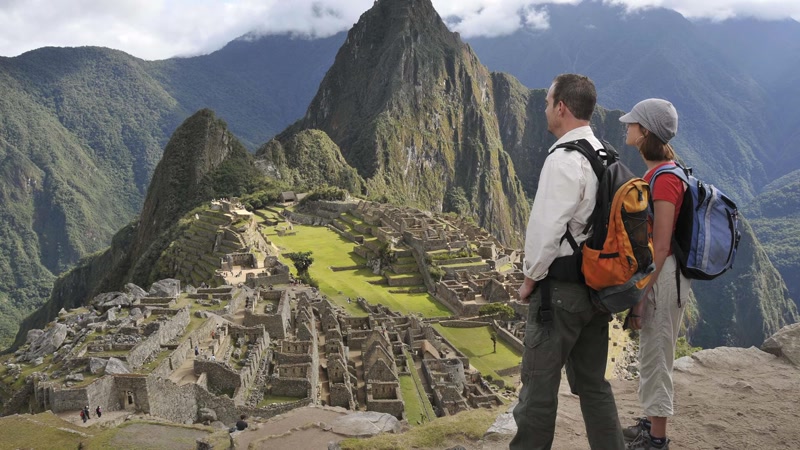
- Choose Peru: You're a hiker, history lover, foodie, or want South America's most bucket-list destination. Machu Picchu is genuinely unmissable.
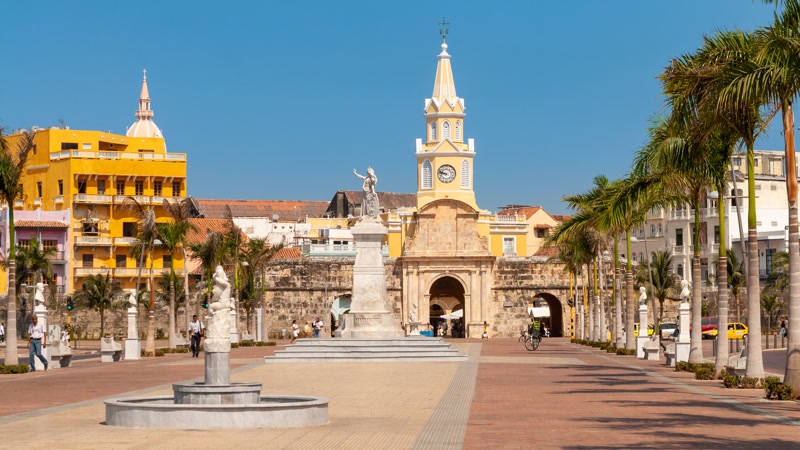
- Choose Colombia: You want city culture, coffee farms, colonial charm, and Caribbean beaches — without spending big on entrance fees and domestic flights.
- Do both? If you have 3+ weeks, yes. Fly Bogotá → Lima and you'll cover South America's two most compelling travel destinations.
Choose Colombia
Medellín's urban transformation story, Cartagena's colonial magic, the Coffee Region's lush hillsides, and one of South America's best nightlife scenes. Great for first-timers who want a welcoming, energetic country.
Choose Peru
Machu Picchu, Cusco, the Sacred Valley, Rainbow Mountain, the Amazon, ceviche, and Lima's world-class restaurant scene. The density of incredible experiences per dollar is unmatched in South America.
Quick Comparison
| Category | 🇨🇴 Colombia | 🇵🇪 Peru | Winner |
|---|---|---|---|
| Daily Budget (mid-range) | $50–80/day (Medellín/Bogotá) | $60–90/day (Lima/Cusco) | Tie |
| Iconic Landmarks | Ciudad Perdida, Coffee Region, Cartagena old city | Machu Picchu, Sacred Valley, Colca Canyon, Lake Titicaca | Peru |
| Food Scene | Bandeja paisa, arepas, fresh tropical fruit | Ceviche, lomo saltado, Lima fine dining (world-ranked) | Peru |
| Hiking & Trekking | Lost City Trek (4 days), El Cocuy, Cocora Valley | Inca Trail, Salkantay, Huaraz, Rainbow Mountain | Peru |
| Nightlife | Medellín (world-class), Cartagena, Bogotá | Lima's Barranco/Miraflores, Cusco, limited elsewhere | Colombia |
| City Culture | Graffiti tours, cable cars, salsa, coffee culture | Colonial Cusco, Lima architecture, Arequipa's white city | Colombia |
| Caribbean Beaches | Cartagena, Tayrona National Park, San Andrés | None (Pacific coast only) | Colombia |
| Safety | Improved dramatically; still requires street smarts | Generally safer; tourist corridors well-established | Peru |
| Entry Fees | Few major entry fees | Machu Picchu $57 USD + train $50–100 | Colombia |
| English Spoken | Limited outside tourist zones | Limited; better in Cusco/Lima tourist areas | Tie |
| Internal Transport | Cheap buses, short flights $30–60 | Bus + plane often required; Cusco flight ~$80–120 | Colombia |
| Coffee | World's best coffee in the source region (Salento) | Limited coffee culture | Colombia |
💰 Cost Comparison
Both Colombia and Peru punch well above their weight class for value. You can travel comfortably in either country for under $100/day as a mid-range traveler. The gap narrows when you factor in Peru's major attraction fees — Machu Picchu alone costs $57 USD entry plus $50–100 for the train from Aguas Calientes.
| Expense | 🇨🇴 Colombia | 🇵🇪 Peru |
|---|---|---|
| Hostel dorm | $12–20/night (Medellín) | $10–18/night (Cusco) |
| Mid-range hotel | $40–80/night (Bogotá) | $45–90/night (Lima/Cusco) |
| Street meal | $2–5 (bandeja paisa, arepas) | $2–5 (ceviche, menu del día) |
| Restaurant dinner (mid) | $10–20/person | $12–25/person |
| Beer | $1.50–3 (Club Colombia) | $2–4 (Cusqueña) |
| Machu Picchu entry | N/A | $57 USD (advance booking required) |
| Domestic flight | $30–60 (Bogotá–Cartagena) | $80–130 (Lima–Cusco) |
| Long-distance bus | $5–15 | $8–20 (luxury bus Lima–Arequipa ~$20–40) |
"Peru costs a bit more than Colombia day-to-day, but the experiences are worth it. Machu Picchu, the Inca Trail, Rainbow Mountain — they add up but you're not going to regret any of it. Colombia I could do on $40/day easily."
— r/solotravel, thread: "18 Day Trip to South America: Colombia or Peru? Or Both?"
Colombia's internal travel is notably cheaper. Avianca, VivaAir, and Latam run competitive routes between Bogotá, Medellín, and Cartagena for $30–60 USD. Peru's Lima–Cusco route runs $80–130 and is almost mandatory if you want to visit Machu Picchu without spending 22 hours on a bus.
🏛️ Culture & History
This is Peru's strongest card. The Inca Empire left behind an astounding legacy — Machu Picchu, the Sacred Valley, Ollantaytambo, Sacsayhuamán — all within a few hours of Cusco. The sheer scale and preservation of Incan architecture is unmatched anywhere in the Americas. Colombia's pre-Columbian history is less visible (the Gold Museum in Bogotá is world-class) but its colonial architecture in Cartagena rivals anything in Latin America.
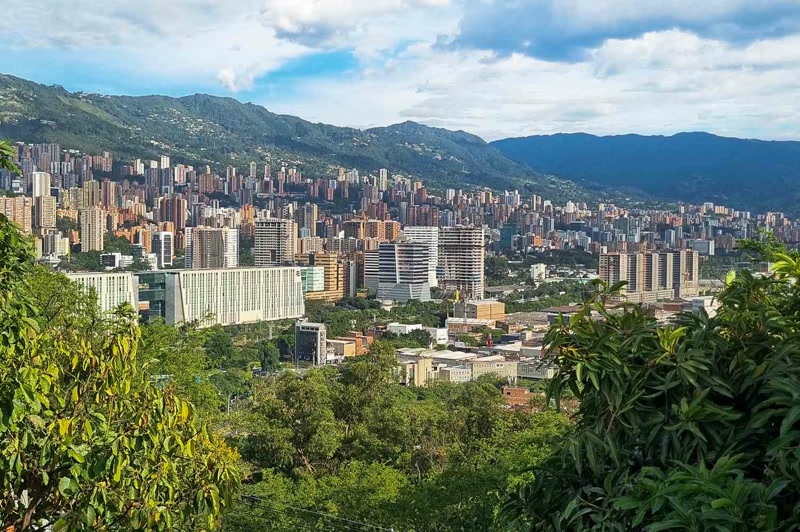
Colombia's cultural story is its urban reinvention. Medellín went from the world's most dangerous city in the 1990s to winning the Lee Kuan Yew Prize for most innovative city in 2013. The graffiti tours of Comuna 13, the cable car system, Pablo Escobar tours, and the city's salsa and coffee culture are genuinely compelling. Bogotá's Candelaria neighborhood, the Gold Museum, and Monserrate hill give you layers of history in a 48-hour visit.
"Peru's cultural depth is unlike anything I've experienced. Cusco alone has layers — Incan stonework literally incorporated into Spanish colonial churches. Every block tells a 500-year story. Colombia's great but Peru's history is something else entirely."
— r/travel, thread: "Peru vs Colombia?" (score: 11)
Internal links: Costa Rica vs Colombia | Colombia Popular Picks | Peru Popular Picks
🍽️ Food & Dining
Lima is quietly one of the world's great food cities. The combination of Incan, Spanish, Japanese, Chinese, and African culinary traditions creates something genuinely unique. Ceviche (marinated raw fish "cooked" by lime juice), lomo saltado (stir-fried beef with fries), ají de gallina, tiradito, anticuchos (grilled beef heart skewers) — every dish has depth. Central and Maido consistently rank in the World's 50 Best Restaurants.
"I'd say Peru is superior in food. The street food in Cusco and Lima is exceptional — menu del día (set lunch) for $3–5 gets you soup, main course, and juice. You eat incredibly well without spending much."
— r/solotravel, thread: "18 Day Trip to South America: Colombia or Peru?"
Colombia's food is comforting and flavorful but less celebrated internationally. Bandeja paisa (beans, rice, pork belly, egg, arepa) is a hearty national dish. Arepas are everywhere and come in dozens of regional variations. The Coffee Region (Salento, Armenia) serves some of the best café in the world — freshly roasted, single-origin Colombian beans at source. Medellín bandeja paisa guide →
Cartagena has a great seafood scene — ceviche, coconut rice, fried fish — influenced by Afro-Colombian traditions. But it doesn't compete with Lima for culinary depth.
"Peru's food is genuinely world-class. Lima's Miraflores neighborhood alone has restaurants that would be top-tier in any major world city, but you're paying $20–40 for tasting menus. The street food at $2–3 is equally impressive."
— r/travel, thread: "Colombia or Peru for a short trip?"
🥾 Hiking & Nature
Peru is the hiking capital of South America. The Inca Trail (4 days, 43 km, limited to 500 people per day — book 6 months in advance) remains one of the world's great treks. Salkantay Trek (5 days, harder, cheaper, no permit limits) offers similar scenery without the crowds. Huaraz's Cordillera Blanca in northern Peru is one of the world's premier alpine trekking destinations — Laguna 69 is one of the most beautiful day hikes on earth.
"Peru hiking blows Colombia out of the water. The Sacred Valley has more trekking options than you can do in a month. Lost City Trek is great but it's a 4-day jungle hike — Peru has that PLUS Inca Trail, Salkantay, Rainbow Mountain, Huaraz, Colca Canyon..."
— r/solotravel, thread: "18 Day Trip to South America: Colombia or Peru?" (score: 8)
Colombia isn't without world-class hiking. The Lost City (Ciudad Perdida) trek in the Sierra Nevada de Santa Marta is 4 days of challenging jungle terrain leading to a pre-Columbian city older than Machu Picchu. Cocora Valley's giant wax palms (Colombia's national tree) are surreal. El Cocuy in the Andes is rugged and barely visited. But the volume and variety of Peru's trekking options dwarfs Colombia.
For Amazon experiences, both countries offer jungle access. Peru (Madre de Dios, Manu National Park) and Colombia (Leticia, Mocoa) both have Amazon lodges, but Peru's Amazon is more developed for tourism with better infrastructure near Puerto Maldonado and Iquitos.
🏙️ Best Cities
Colombia has the edge on city experiences. Medellín's urban transformation is genuinely inspiring — what was the world's most dangerous city in the 1990s is now a model of innovative urbanism. The cable car system connecting hillside comunas, the graffiti tours of Comuna 13, the Botanical Garden, Parque Arví — Medellín rewards 3–4 full days of exploration. The city has Colombia's best nightlife, excellent coffee shops, and a thriving digital nomad scene.
"Medellín is one of my favorite cities in the world. The food, the people, the nightlife, the innovation story — it has a vibe you don't find anywhere else. I've been back three times. Colombia all day every day."
— r/travel, thread: "Colombia or Peru?" (score: 10)
Bogotá is Colombia's capital — chaotic, sprawling, exciting. La Candelaria has some of the best street art in Latin America. The Gold Museum (Museo del Oro) houses 55,000 pre-Columbian gold pieces and is free to enter on Sundays. Cartagena's walled old city is UNESCO-listed and genuinely magical at sunset — though increasingly expensive and touristy. Bogotá craft coffee scene → | Cartagena ceviche guide →
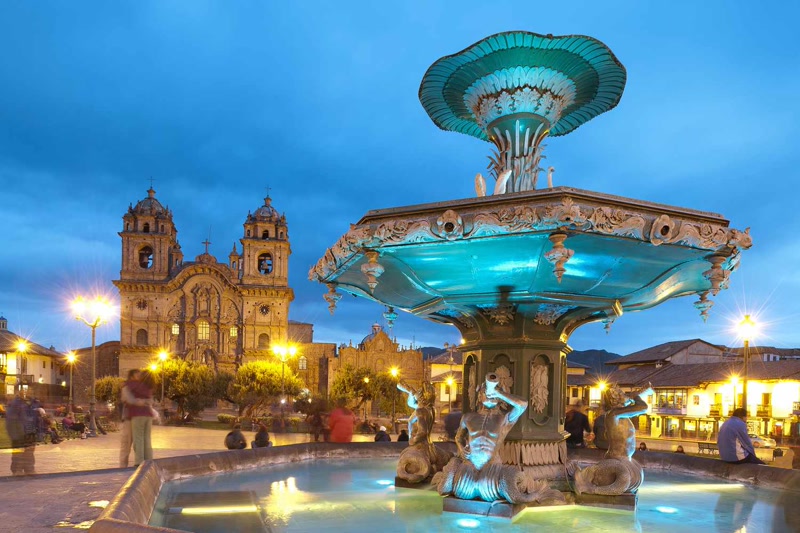
Peru's cities serve more as gateways. Lima has genuinely excellent neighborhoods — Miraflores (upscale, seafront), Barranco (bohemian, murals, bars), Cusco (the Incan capital, 3,400m above sea level). Cusco's Plaza de Armas is one of South America's great public spaces. Arequipa (the "White City," built from white volcanic sillar stone) is underrated and beautiful. But no Peruvian city matches Medellín for overall urban energy.
🏖️ Beaches
Colombia wins beaches cleanly — Peru barely has a Caribbean coast at all. Colombia's Caribbean coastline stretches from the Venezuelan border to Panamá, with Cartagena, Santa Marta, and the islands of Rosario and San Andrés offering a range of options from historic city beaches to Caribbean paradise.
Tayrona National Park near Santa Marta is Colombia's crown jewel beach destination — pristine white-sand beaches backed by jungle in the Sierra Nevada foothills. No cars, limited infrastructure, and extraordinary nature. Parque Tayrona costs ~$20 COP (~$5 USD) to enter and requires a short hike to reach the best beaches.
"Tayrona is one of the best places I've ever been. Jungle meets Caribbean — the beach Cabo San Juan has this perfect little hut, hammocks over the water, howler monkeys in the trees. Nothing like it in Peru."
— r/travel, thread: "Colombia or Peru?" discussing beach options
San Andrés (a Colombian island 700km off the coast, near Nicaragua) has some of the best snorkeling and turquoise water in the Caribbean. It's a quick flight from Bogotá or Medellín and largely unknown to non-Colombian tourists.
Peru's Pacific coast has beaches (Máncora in the north is popular, Paracas has dramatic desert-meets-ocean scenery), but they can't compete with the Caribbean. The water is cold due to the Humboldt Current. If Caribbean beaches are important to your trip, Colombia is the clear choice.
🛡️ Safety
Both countries have dramatically improved their safety profiles over the past 15 years. Neither is the dangerous destination the old reputation suggests — millions of travelers visit Colombia and Peru safely every year. But both require more situational awareness than, say, Japan or Portugal.
Peru is generally considered slightly safer for first-time solo travelers, particularly in the established tourist corridors: Lima's Miraflores and Barranco, Cusco's historic center, Arequipa's colonial zone, and the Sacred Valley. Express kidnappings (taxi scams, ATM robberies) exist in Lima — always use official taxis or apps like Cabify. Avoid the northern bus routes at night. Protests and road blockades occur periodically around Cusco and Puno.
"Peru is a bit safer to travel around solo. The tourist infrastructure is better developed, especially around Cusco. Colombia requires more street smarts — mainly just don't flash valuables and be selective about neighborhoods, especially in Bogotá at night."
— r/travel, thread: "Peru vs Colombia?" (score: 2)
Colombia's safety story is remarkable — Medellín's murder rate dropped from 381 per 100,000 in 1991 to under 20 today. El Poblado (Medellín), Cartagena's walled city, and Bogotá's Zona Rosa are genuinely safe. The risks are concentrated in specific neighborhoods (southern Bogotá, certain parts of Cali) and drug-related scopolamine (burundanga) incidents — don't accept drinks from strangers. Colombian police are generally responsive and tourist areas are well-policed.
🚌 Getting Around
Colombia is easier and cheaper to get around. The three major cities — Bogotá, Medellín, Cartagena — form a triangle connected by cheap domestic flights ($30–60 USD on Latam, Avianca, or VivaAir) and comfortable long-distance buses. Medellín has an integrated metro, cable car, and bus system. Within cities, Uber operates in Colombia and is generally safe.
Peru's transport is trickier. The Lima–Cusco flight is almost mandatory (the bus takes 22 hours and involves challenging mountain roads). Peru Bus (Cruz del Sur, Oltursa) offers luxury sleeper buses for longer routes like Lima–Arequipa (16h, $20–40). Within Cusco, taxis are cheap (~$3–5 for most city trips) but always negotiate upfront or use apps. The Inca Rail and Peru Rail trains to Aguas Calientes (Machu Picchu gateway) cost $50–100 return — book 2–4 weeks ahead in high season.
"Getting around Colombia is surprisingly easy. Quick flights between cities, good buses, Uber works. Peru I found harder — you really need to plan the Cusco/Machu Picchu logistics carefully, book trains and entry tickets weeks in advance. Worth it, but more complex."
— r/solotravel, thread: "18 Day Trip to South America: Colombia or Peru?"
🌤️ Best Time to Visit
Both countries are year-round destinations but have distinct seasonal patterns:
Colombia: Has two dry seasons: December–March (main dry, covers Caribbean coast and Andes) and June–September (Andean dry season, Coffee Region). These are best for outdoor activities. Cartagena is hottest in March–April. Medellín is the "City of Eternal Spring" — temperate 22–28°C year-round with brief afternoon rain showers. October–November is wetter and cheaper.
Peru: The dry season May–September is prime time for trekking and Machu Picchu. The Inca Trail closes entirely in February for maintenance. July–August is peak season — crowds at Machu Picchu are high, prices up 20–30%. April–May and September–October are sweet spots: drier than wet season, fewer crowds than peak. The wet season (December–March) makes trekking difficult but Lima's coast is sunny — the Lima paradox.
"I went to Peru in October — absolutely perfect. Shoulder season: trails were dry, Machu Picchu had half the July crowds, and prices were normal. If you can avoid July–August, do it."
— r/travel, thread: "HELP! Confused and undecided between Peru and Colombia"
🎯 The Decision Framework
Choose Colombia If…
- You want the most welcoming urban experience in South America
- Medellín's transformation story excites you
- Caribbean beaches are a priority (Cartagena, Tayrona)
- You're a coffee nerd (Salento/Coffee Region is unmissable)
- Nightlife and city energy matter to you
- You want to minimize logistics complexity and booking hassle
- Budget is tight ($40–60/day is entirely doable)
- Salsa dancing and Latin music culture appeals
- You're combining with Ecuador or Venezuela
- You want the world's most bio-diverse birdwatching
Choose Peru If…
- Machu Picchu is on your bucket list (it should be)
- You're a hiker or trekker (Inca Trail, Salkantay, Huaraz)
- Food is your primary travel motivation (Lima is world-class)
- Ancient civilizations and archaeology fascinate you
- You want diverse landscapes: Andes, Amazon, Pacific coast, desert
- Lake Titicaca and the altiplano are on your list
- You want more Instagram-able landscapes per square kilometer
- You're combining with Bolivia or Chile
- You want the most iconic South America experience possible
- You have 10+ days and want to go deep
❓ Frequently Asked Questions
Is Colombia or Peru better for first-time visitors to South America?
It depends on your travel style. Peru is the go-to for iconic landmarks — Machu Picchu alone justifies the trip, and the tourist infrastructure is excellent. Colombia wins on city energy, nightlife, and value. Reddit consensus: if you only have 10–14 days and want one country, most recommend Peru for the sheer variety of experiences. But if you prefer urban exploration, coffee farms, and beaches, Colombia is hard to beat.
Which is cheaper to travel — Colombia or Peru?
Both are budget-friendly by South American standards. Colombia runs slightly cheaper: mid-range travelers spend $50–70/day in Medellín or Bogotá vs $60–90/day in Peru (adding Machu Picchu entry at $57 USD plus train). Cartagena is Colombia's priciest city at $80–120/day. Budget backpackers can do either country for $30–45/day with hostels and street food.
Is Colombia or Peru safer for solo travelers?
Both have improved dramatically. Peru is generally considered slightly safer for solo travelers: Cusco, Arequipa, and Lima's Miraflores are well-developed tourist corridors with low violent crime. Colombia requires more neighborhood awareness, especially in Bogotá (avoid the south), but Medellín's El Poblado and Cartagena's old city are genuinely safe. Reddit advice for both: don't flash valuables, avoid night buses in remote areas, and use licensed taxis or Uber.
Which country has better food — Colombia or Peru?
Peru wins this one decisively. Lima is consistently ranked among the world's top food destinations — Central, Maido, and Astrid y Gastón are on every global best-restaurant list. Peruvian street food (ceviche, lomo saltado, anticuchos) is extraordinary even at $2–5 per dish. Colombia has excellent bandeja paisa, arepas, and fresh tropical fruit, but Peru's culinary depth is in a different league.
How many days do you need in Colombia vs Peru?
Minimum 10 days for either country to see more than just one city. Colombia: 3 days Medellín + 2 days Salento + 3 days Cartagena = a solid 8–10 day trip. Peru: 2 days Lima + 4 days Cusco/Sacred Valley + 1 day Machu Picchu + 2 days Arequipa/Colca = 9–12 days. Both countries reward slower travel — 3 weeks in either reveals entirely different dimensions.
Can you visit both Colombia and Peru in one trip?
Yes, and it's a popular combination. Bogotá to Lima flights run $80–200 USD and take 4–5 hours. A common 3–4 week route: fly into Bogotá, explore Colombia's highlights (Medellín, Salento, Cartagena), then fly to Lima and head south through Peru. You won't have time to do both countries justice in under 3 weeks, but 10–14 days each is achievable.
Which country has better hiking — Colombia or Peru?
Peru, and it's not close. The Inca Trail, Salkantay Trek, Huaraz's Cordillera Blanca, and Rainbow Mountain are world-class. The Sacred Valley alone offers weeks of trekking options. Colombia has excellent hiking in the Lost City (Ciudad Perdida, 4 days), Coffee Region, and El Cocuy, but Peru's sheer volume of Andean trails puts it in a different tier for trekking travelers.
What's the best time to visit Colombia vs Peru?
Colombia has a dry season from December to March (north/Caribbean coast) and June to September (coffee region/Andes). Peru's prime season is May to September (dry season) for trekking and Machu Picchu. Avoid Peru from December to March if hiking is your goal — the Inca Trail closes entirely in February. Both countries are year-round destinations; just time your specific activities around local weather.
Ready to plan your South America trip?
Get a free custom itinerary for Colombia, Peru, or both — built from real traveler insights, not generic templates.
🎟️ Book Tours & Experiences
Hand-picked tours and activities for both destinations — book with free cancellation
Experiences via Viator — free cancellation on most tours