How we built this comparison
This page combines traveler discussion patterns, published price ranges, flight schedules, and seasonal data to help you decide between Colombia and Portugal.
- Reviewed 100+ Reddit threads from r/travel, r/solotravel, r/Colombia, r/Portugal, r/digitalnomad
- Verified costs and logistics against current booking platforms like Booking.com, Skyscanner, and local transport sites
- Cross-referenced seasonal patterns and weather data from meteorological sources for optimal travel times
⚡ Quick Answers
⚡ The TL;DR Verdict
Portugal offers easier logistics and a familiar European comfort at moderate prices. Colombia delivers a raw, intense adventure for fewer dollars and a genuine sense of discovery. Most travelers seeking pure value and a dose of the unexpected will find Colombia more rewarding.
- Choose Colombia: For backpackers, adventure seekers, and those on a tighter budget wanting intense nature, a different cultural experience, and lively salsa scenes.
- Choose Portugal: For travelers wanting European ease, dependable infrastructure, excellent food, historic cities, and Atlantic coastlines, willing to spend a bit more for comfort.
- Choose Both: Not ideal for a single trip unless you have 4+ weeks and significant budget for the intercontinental flights and time zone adjustment. Focus on one to experience it deeply.
Choose Colombia
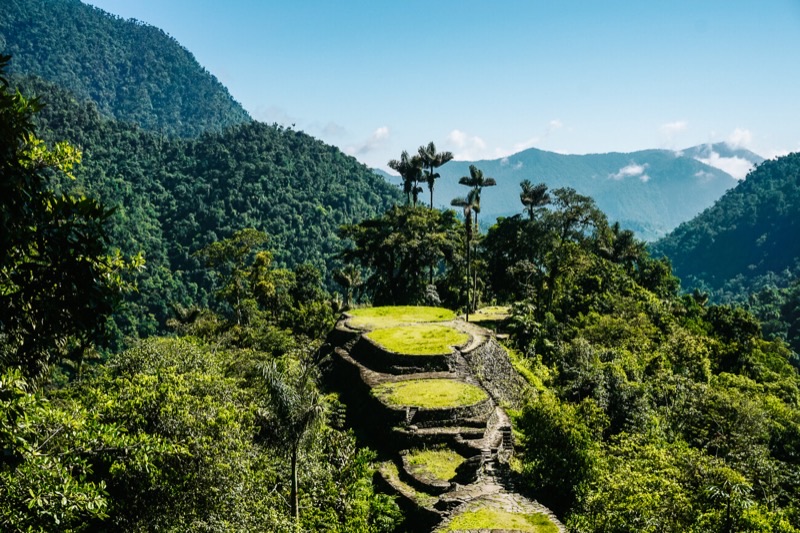
Choose Colombia if you crave an exhilarating, budget-friendly adventure. It's ideal for backpackers and culture vultures seeking authentic experiences, from hiking the stunning Caribbean coast of Tayrona to dancing salsa in Cali or exploring Medellín's vibrant art scene. Prepare for a genuine sense of discovery and unexpected thrills that stretch your dollars further.
Choose Portugal
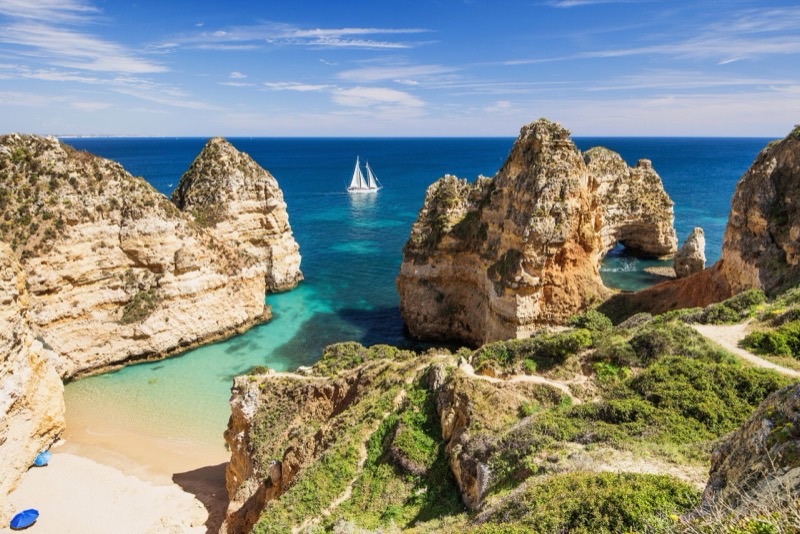
Opt for Portugal if you desire a relaxed European escape with excellent food and seamless travel. It's perfect for those who appreciate historic cities like Lisbon with its iconic trams, indulging in Port wine in Porto, or unwinding on the beautiful Algarve beaches. Enjoy dependable infrastructure and a familiar comfort without breaking the bank, ideal for a more refined exploration.
📊 Visual Scorecard
🌤 When to Visit
Average high temperatures (°C). Green = best months, orange = avoid.
Quick Comparison
| Category | Colombia | Portugal | Winner |
|---|---|---|---|
| Overall Travel Costs | Significantly cheaper for almost everything: food, transport, accommodation. Daily budget $40-70. | More expensive than Colombia, but still good value for Europe. Daily budget $70-120. | Colombia |
| Food & Drink | Hearty, often fried, diverse regional dishes. Excellent coffee and tropical fruits. Lively street food. | Seafood focus, pastries, excellent wine, olive oil. Comforting, traditional European fare. | Portugal |
| Safety & Perception | Improved significantly but still requires vigilance, especially at night and in certain areas. Pickpocketing and petty crime are concerns. | Generally very safe, with low crime rates. Major cities have typical tourist area petty crime. | Portugal |
| Nature & Landscapes | Incredible diversity: Andes mountains, Amazon rainforest, Caribbean coast, coffee region, desert. Raw, expansive. | Rolling hills, dramatic Atlantic cliffs, river valleys, national parks. Accessible and pretty. | Colombia |
| Beaches & Coastlines | Caribbean beaches, often palm-lined with clear waters. Some remote, some crowded. Pacific coast is different. | Atlantic beaches, often dramatic cliffs and golden sands. Strong waves, cooler waters. Surfing focus. | Tie |
| Nightlife & Socializing | Late-night salsa clubs, reggaeton parties, lively plazas. Social, energetic, often informal. | Late dinners, Fado music, bar hopping, relaxed club scene. More European and diverse. | Colombia |
| Culture & History | Pre-Columbian artifacts, Spanish colonial towns, coffee culture, salsa music, Gabriel Garcia Marquez legacy. | Roman, Moorish, Age of Discoveries, Fado, Manueline architecture. Maritime history is prominent. | Tie |
| Getting Around | Extensive bus network, domestic flights for long distances. Roads can be slow. Ride-share available. | Excellent train and bus network. Highways are good. Public transport in cities is efficient. | Portugal |
| Accommodation | Hostels are abundant and affordable. Mid-range hotels are good value. Airbnb widely available. | Hostels are common. Hotels range from budget to luxury. Guesthouses and apartments are popular. | Colombia |
| Solo Travel & Digital Nomad Suitability | Excellent for solo travelers seeking community. Growing nomad hubs. Strong social scene. Can be challenging for digital nomads outside hubs. | Very safe for solo travelers. Established nomad hubs, good infrastructure. Great work-life balance. | Portugal |
💰 Overall Travel Costs
Travel in Colombia offers considerable savings compared to Portugal. A budget traveler can manage on $40-50 per day, covering a hostel bed ($10-20 USD), two local meals like a…
Colombia

Portugal
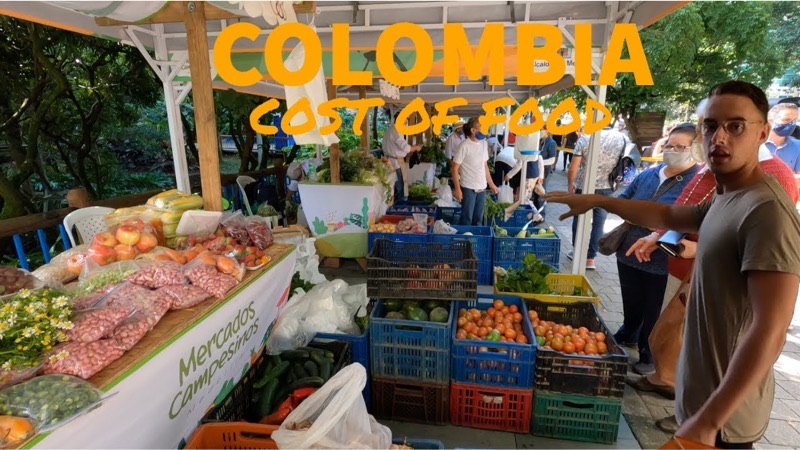
Travel in Colombia offers considerable savings compared to Portugal. A budget traveler can manage on $40-50 per day, covering a hostel bed ($10-20 USD), two local meals like a 'menu del dia' ($3-5 USD each), street food like an 'arepa' ($1-2 USD), and intercity bus transport ($20-40 USD for longer routes like Bogota to Medellin). A comfortable mid-range trip might cost $70-100 per day, including nicer private rooms ($30-50 USD), sit-down dinners ($15-25 USD), and some tours. Alcohol, especially local aguardiente or beers, is very affordable.
Portugal, while a bargain for Western Europe, is still more costly than Colombia. A budget traveler should plan for $70-90 per day, covering a hostel bed ($20-35 USD), cheap meals like 'francesinha' or a 'bica' and 'pastel de nata' ($1-2 USD for coffee and pastry, $8-15 USD for a meal), and regional train tickets ($20-30 USD for Lisbon to Porto). Mid-range travel will likely run $100-150 per day, including private hotel rooms ($60-100 USD), nicer restaurant meals ($25-40 USD), and wine tastings. Public transport in cities is efficient and affordable, about $1.50 USD per ride. Colombia clearly wins on pure budget.
Tabiji Verdict: Colombia is the obvious choice for travelers prioritizing maximum experience per dollar.
- Winner: Colombia
- Why: Colombia offers a dramatically lower cost of living and travel expenses across all categories, making budgets stretch further.
- Who this matters for: Budget backpackers, long-term travelers, and those wanting to maximize experiences on limited funds.
🍽️ Food & Drink
Colombian cuisine is comfort food: rich, starchy, and often fried. Staples include 'bandeja paisa' (a massive platter with rice, beans, meat, egg, plantain, avocado), 'arepas'…
Colombia
Portugal
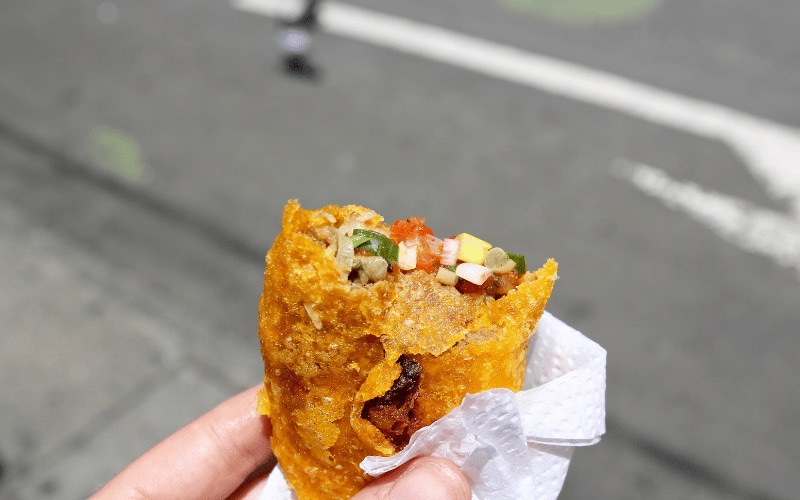
Colombian cuisine is comfort food: rich, starchy, and often fried. Staples include 'bandeja paisa' (a massive platter with rice, beans, meat, egg, plantain, avocado), 'arepas' (corn cakes), 'sancocho' (soup), and 'empanadas'. The coffee is exceptional, especially in the 'Eje Cafetero' region near Salento, where you can tour Finca El Ocaso for about 30,000 COP ($7.50 USD). Tropical fruits are abundant and cheap. Medellin offers a good range of international restaurants in El Poblado, but overall, local dining is about filling up rather than gourmet experiences. Expect to pay 10,000-20,000 COP ($2.50-5 USD) for a 'menu del dia'.
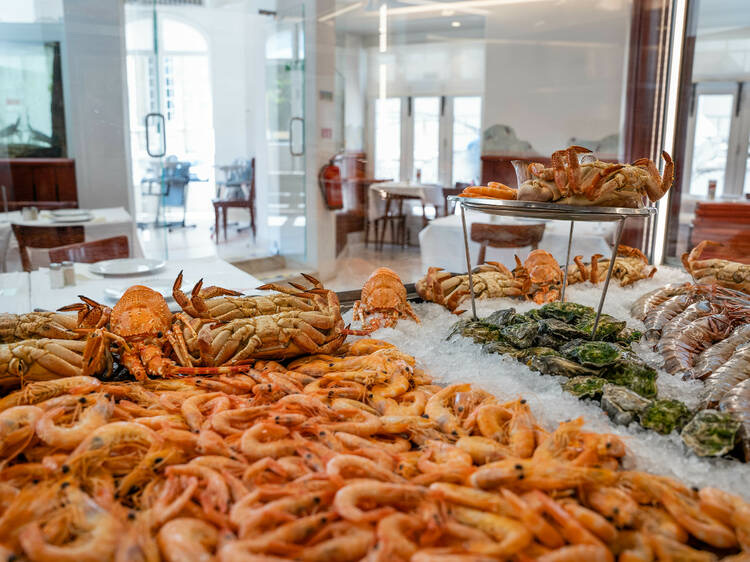
Portugal takes the edge with its refined yet rustic cuisine. Seafood dominates, from 'bacalhau' (codfish prepared countless ways) to grilled sardines and fresh octopus. Lisbon's Time Out Market offers a fantastic array of local dishes, while Porto is famous for its 'francesinha' sandwich (around 12 EUR / $13 USD). Pastries like 'pastel de nata' are iconic and widely available for around 1.50 EUR ($1.60 USD). Portuguese wine, especially Port wine from the Douro Valley, is world-renowned. The emphasis on fresh, simple ingredients, olive oil, and bold flavors gives Portugal a culinary advantage.
Tabiji Verdict: Portugal offers a more diverse and consistently delicious culinary landscape, particularly for seafood and wine enthusiasts.
- Winner: Portugal
- Why: Portugal provides a broader range of sophisticated and fresh flavors, with a strong focus on seafood, excellent wines, and iconic pastries.
- Who this matters for: Foodies, seafood lovers, wine connoisseurs, and those who appreciate refined comfort food.
🛡️ Safety & Perception
Colombia has come a long way regarding safety, especially in major tourist areas like Medellin, Cartagena, and Bogota. However, travelers still need to exercise caution. Avoiding…

Colombia
Portugal
Colombia has come a long way regarding safety, especially in major tourist areas like Medellin, Cartagena, and Bogota. However, travelers still need to exercise caution. Avoiding certain neighborhoods, not flashing valuables, and being aware of surroundings are crucial. Express kidnappings, although rare for tourists, can occur if one is not careful with taxis or nightlife choices. Pickpocketing is common in crowded areas like La Candelaria in Bogota or Getsemani in Cartagena. Night travel by bus between cities is generally discouraged. Most tourists have incident-free trips, but an awareness of your environment is paramount. Always use regulated taxis or ride-share apps like Uber.
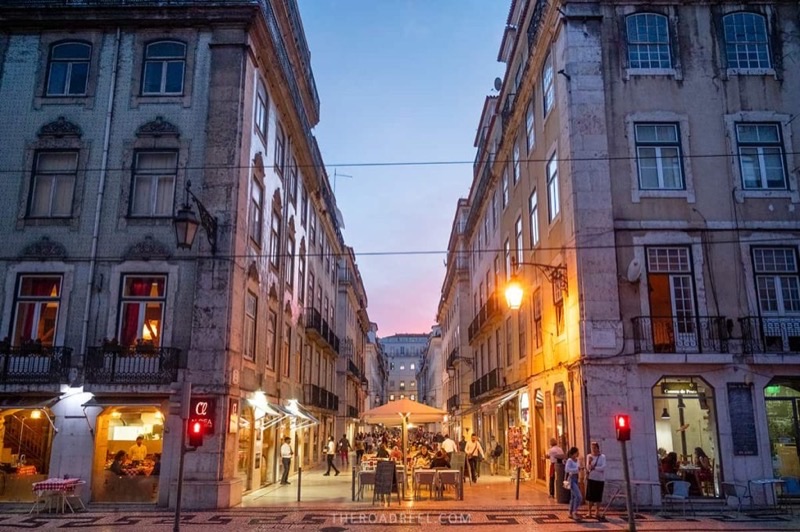
Portugal is consistently ranked among the safest countries globally. Violent crime is rare, and tourists can generally feel comfortable exploring cities and rural areas. The primary concern is petty theft, particularly pickpocketing in crowded tourist spots like Lisbon's Tram 28 or the Alfama district. Vigilance over belongings is good practice, but fear of personal harm is minimal. Solo female travelers often report feeling very safe. Public transport is reliable and secure. The contrast in perceived and actual safety levels is considerable.
Tabiji Verdict: Portugal offers a much higher baseline of safety and peace of mind for most travelers.
- Winner: Portugal
- Why: Portugal consistently ranks as one of the safest countries globally, with minimal violent crime and generally secure environments for travelers.
- Who this matters for: Solo travelers, families with young children, and those who prioritize a low-stress, secure travel environment.
🏞️ Nature & Landscapes
Colombia is a mega-diverse country, boasting an astonishing array of natural settings. You can trek through the cloud forests of the Andes in Salento (Cocora Valley, home to wax…

Colombia
Portugal
Colombia is a mega-diverse country, boasting an astonishing array of natural settings. You can trek through the cloud forests of the Andes in Salento (Cocora Valley, home to wax palms), explore the Amazon basin from Leticia, relax on Caribbean beaches near Tayrona National Park (entry around 68,000 COP / $17 USD), or visit the Tatacoa Desert. The sheer scale and variety of ecosystems are unparalleled. From snow-capped peaks to tropical lowlands, the landscapes feel grand and untamed. Adventure sports like paragliding in San Gil or white-water rafting are readily available. The Sierra Nevada de Santa Marta, the worlds highest coastal mountain range, delivers scenery unlike anywhere else.
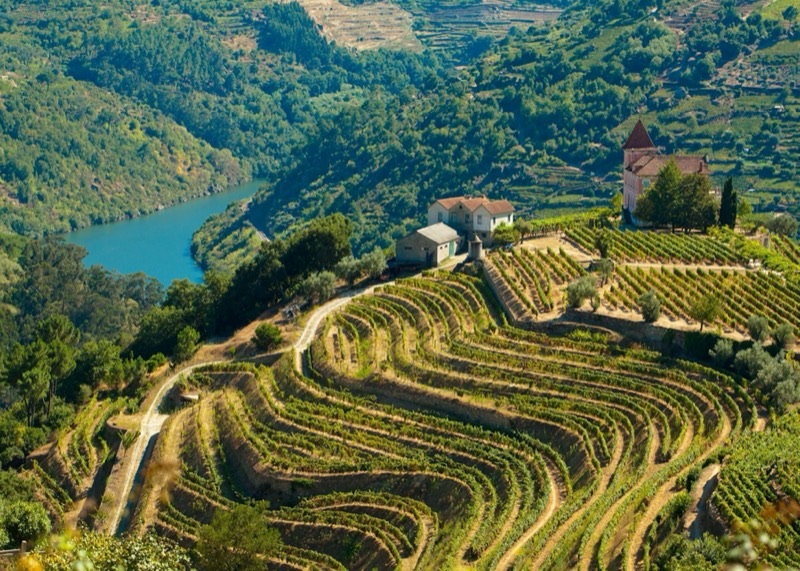
Portugal offers beautiful and accessible natural landscapes, though on a smaller scale. The dramatic sea cliffs of the Algarve (e.g., Ponta da Piedade near Lagos), the rolling vineyards of the Douro Valley, and the national parks like Peneda-Geres provide ample opportunities for hiking and scenic drives. Surfing spots along the Atlantic coast are popular, particularly around Nazaré and Ericeira. While lovely, Portugal's nature tends to be more manicured or easily integrated with human activity compared to Colombia's vast wilderness. The Seven Hanging Valleys Trail near Carvoeiro offers coastal walks with stunning views.
Tabiji Verdict: Colombia wins for sheer diversity, scale, and raw, untouched natural grandeur.
- Winner: Colombia
- Why: Colombia offers an unmatched diversity of ecosystems from Amazon rainforest to Andean peaks to Caribbean coasts, on a grand and often untouched scale.
- Who this matters for: Adventure seekers, serious hikers, nature photographers, and those who desire a wide range of intense natural environments.
🏖️ Beaches & Coastlines
Colombia's main draw for beaches is its Caribbean coast. Cartagena offers city beaches and access to the Rosario Islands (day trips around 150,000 COP / $38 USD), known for clear…
Colombia
Portugal
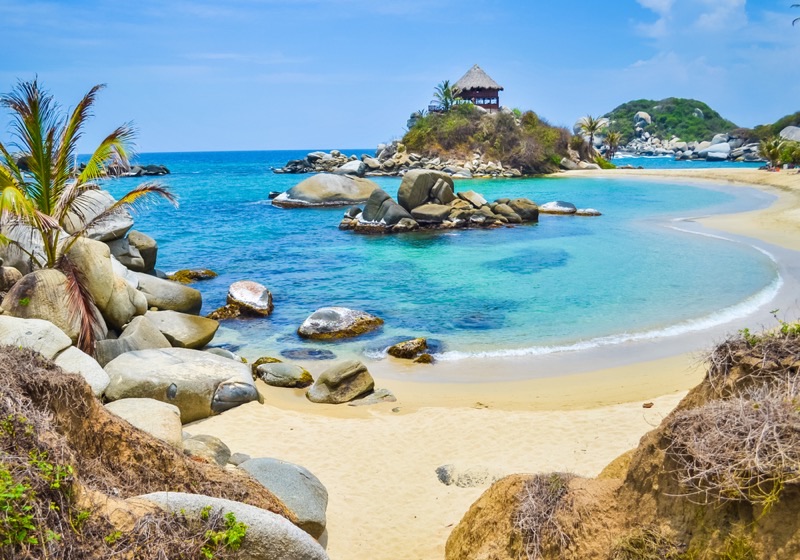
Colombia's main draw for beaches is its Caribbean coast. Cartagena offers city beaches and access to the Rosario Islands (day trips around 150,000 COP / $38 USD), known for clear waters and snorkeling. Tayrona National Park boasts some truly stunning, wild beaches like Cabo San Juan del Guía, though they require a hike to reach and can be crowded. Palomino offers a more laid-back, backpacker vibe with tubing down the river to the ocean. The Pacific coast is very different, with dark sand and heavy rains, visited mostly for whale watching. Colombian beaches are generally warm, tropical, and often very lively, sometimes with vendors.
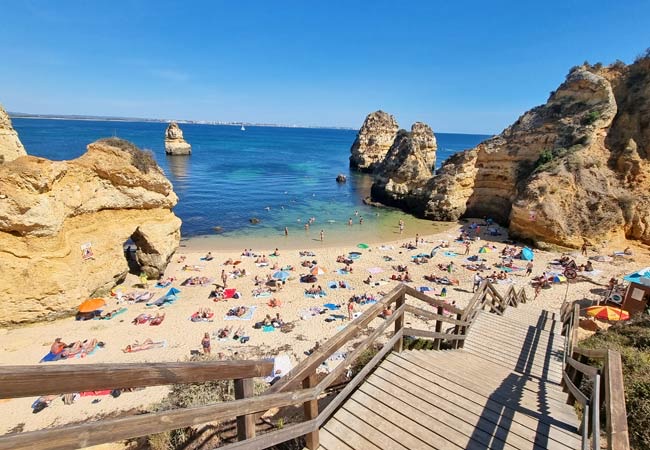
Portugal counters with its extensive Atlantic coastline, offering a different but equally compelling beach experience. The Algarve region in the south is famous for its dramatic golden cliffs, sea caves (e.g., Benagil Cave), and sheltered coves with warm-ish waters, such as Praia da Marinha. North of Lisbon, the beaches are wilder, often windier, with stronger waves ideal for surfing (e.g., Nazare, Peniche, Ericeira). The waters are generally cooler than the Caribbean. Portugals beaches are typically very clean and well-maintained, with excellent infrastructure. Both countries offer excellent coastal experiences, but cater to different preferences.
Tabiji Verdict: A tie, as each country offers distinct and high-quality beach experiences appealing to different types of travelers.
- Winner: Tie
- Why: Both countries deliver distinct yet equally compelling coastal experiences, catering to different preferences for temperature, waves, and scenery.
- Who this matters for: Beach lovers who appreciate both warm, calm Caribbean waters and dramatic, wave-rich Atlantic coasts; depends on specific preference.
🌃 Nightlife & Socializing
Colombia has a reputation for its incredibly lively nightlife. In cities like Medellin and Cali, salsa clubs (e.g., El Tibiri in Cali) are central to the social scene, with…
Colombia has a reputation for its incredibly lively nightlife. In cities like Medellin and Cali, salsa clubs (e.g., El Tibiri in Cali) are central to the social scene, with dancing often going until dawn. Bogota offers diverse options from electronic music clubs in Chapinero to more casual bars in La Candelaria. Cartagena's Getsemani district comes alive with street performers, outdoor bars, and clubs. The atmosphere is generally open, friendly, and very social, with locals eager to dance and interact. Expect late nights and a strong emphasis on music and movement. A beer costs around 5,000-8,000 COP ($1.25-2 USD).
Portugal's nightlife is sophisticated and varied, though perhaps less overtly energetic than Colombia's. Lisbon's Bairro Alto district is famous for its narrow streets packed with small bars, allowing for easy bar hopping. Cais do Sodre, especially the Pink Street, offers a more club-focused scene. Porto has its own collection of lively bars and clubs. Fado music houses (e.g., Mesa de Frades in Lisbon) provide a more traditional, melancholic, and intimate evening experience. Dinners in Portugal are often late and extend into the evening. A beer typically costs 2-4 EUR ($2.20-4.40 USD).
Tabiji Verdict: Colombia wins for its unparalleled energy, late-night dancing culture, and widespread social opportunities.
- Winner: Colombia
- Why: Colombia offers a more intense, social, and dance-focused nightlife experience, particularly with its strong salsa and reggaeton scenes.
- Who this matters for: Party-goers, salsa dancers, and travelers who thrive on high-energy, late-night social interactions.
🏛️ Culture & History
Colombia's cultural fabric is a rich blend of indigenous roots, Spanish colonial influence, and African heritage. Bogota's Museo del Oro (Gold Museum, entry around 4,000 COP / $1…
Colombia's cultural fabric is a rich blend of indigenous roots, Spanish colonial influence, and African heritage. Bogota's Museo del Oro (Gold Museum, entry around 4,000 COP / $1 USD) houses an incredible collection of pre-Columbian gold artifacts. Cartagena's Walled City is a UNESCO site, a stunning example of colonial architecture and fortresses. Coffee culture is central to the identity of the Paisa region, offering insights into cultivation and daily life. The literary legacy of Gabriel Garcia Marquez, particularly in the Caribbean region, is palpable. Salsa music, especially in Cali, is a core cultural expression, not just entertainment.
Portugal boasts a deep and complex history shaped by various influences, most notably its maritime Age of Discoveries. Lisbon offers historic neighborhoods like Alfama, ancient castles (Sao Jorge Castle, 15 EUR / $16 USD entry), and the impressive Jeronimos Monastery. Porto's Ribeira district and its Port wine lodges tell stories of trade and industry. The melancholic Fado music, often heard in traditional restaurants, is a profound cultural art form. Sintra's palaces (Pena Palace, 14 EUR / $15 USD entry) showcase eccentric royalty. The blend of Roman, Moorish, and distinct Portuguese architectural styles provides a continuously engaging historical journey.
Tabiji Verdict: Both countries offer profoundly different but equally compelling cultural and historical narratives.
- Winner: Tie
- Why: Both destinations present equally captivating and distinct historical narratives and cultural expressions, appealing to different interests.
- Who this matters for: Travelers interested in either colonial history, indigenous heritage, and Latin American arts, or European maritime history, Fado music, and ancient architecture.
🗺️ Getting Around
Getting around Colombia is an adventure. An extensive bus network connects most cities, but journeys can be long (e.g., Bogota to Medellin is 8-10 hours) due to mountainous…
Getting around Colombia is an adventure. An extensive bus network connects most cities, but journeys can be long (e.g., Bogota to Medellin is 8-10 hours) due to mountainous terrain and road conditions. Domestic flights (e.g., Avianca, Latam) are common for covering large distances quickly but add to costs. In cities, ride-share apps like Uber and local taxi services are readily available and affordable. Bogota has a TransMilenio bus system. Navigation requires some patience, and Spanish proficiency helps. Security on long-distance buses is generally good, but daytime travel is often recommended for peace of mind. Expect to pay 80,000-150,000 COP ($20-38 USD) for a bus ticket between major cities.
Portugal excels in its public transport infrastructure. A modern train system (CP - Comboios de Portugal) connects major cities like Lisbon, Porto, and Faro efficiently and comfortably. Buses (Rede Expressos) fill in the gaps and cover smaller towns. Highways are well-maintained for those renting cars. Within cities, public transport like trams (Lisbon's Tram 28), metros, and buses are clean, reliable, and easy to use. A single metro ticket in Lisbon is about 1.50 EUR ($1.60 USD). Language is less of a barrier, with many people in tourist areas speaking English. The ease of getting around contributes significantly to a relaxed travel experience.
Tabiji Verdict: Portugal offers a far more convenient, efficient, and comfortable experience for intercity and urban travel.
- Winner: Portugal
- Why: Portugal boasts a modern, efficient, and comfortable public transportation system, making travel between and within cities straightforward and stress-free.
- Who this matters for: Travelers who prioritize ease of movement, efficiency, and comfort when navigating a new country.
🏨 Accommodation
Accommodation in Colombia is very budget-friendly. A bed in a well-regarded hostel in areas like El Poblado in Medellin or Getsemani in Cartagena can be found for $10-20 USD.…
Accommodation in Colombia is very budget-friendly. A bed in a well-regarded hostel in areas like El Poblado in Medellin or Getsemani in Cartagena can be found for $10-20 USD. Private rooms in hostels or basic hotels often cost $30-50 USD. Mid-range hotels (e.g., chain hotels or boutique options) are typically $60-100 USD and offer excellent value for money. Airbnb is widely used and provides a range of options from budget rooms to entire apartments. Standards are generally good, with many places offering strong Wi-Fi and social spaces. It is easy to find last-minute bookings outside of peak holidays.
Portugal offers a good range of accommodation options, but at higher price points than Colombia. Hostel beds in Lisbon or Porto typically cost $20-35 USD. Mid-range hotel rooms often start from $70-120 USD, with boutique guesthouses and apartments (Airbnb, Booking.com) being very popular choices. Higher-end hotels can easily exceed $150-200 USD per night, especially in peak season in Lisbon or the Algarve. Quality is generally high, with modern amenities and good service. Finding affordable accommodation during peak summer or festival periods can require booking several months in advance.
Tabiji Verdict: Colombia wins for its significantly lower prices across all accommodation types, delivering more value per dollar.
- Winner: Colombia
- Why: Colombia offers much lower prices for all types of accommodation, from hostels to mid-range hotels, providing better value.
- Who this matters for: Travelers on a budget, long-term travelers, and those who want to stretch their accommodation budget further for private rooms or nicer stays.
💻 Solo Travel & Digital Nomad Suitability
Colombia is fantastic for solo travelers who are comfortable with a bit more grit. Hostels are social hubs, making it easy to meet people. Medellin, in particular, has a growing…
Colombia is fantastic for solo travelers who are comfortable with a bit more grit. Hostels are social hubs, making it easy to meet people. Medellin, in particular, has a growing digital nomad scene, with co-working spaces and good internet in El Poblado. Bogota also offers options. However, outside these hubs, reliable high-speed internet can be inconsistent. The social atmosphere is very welcoming, especially if you speak some Spanish. Solo female travelers need to be particularly aware of their surroundings, especially at night. For long-term nomads, the cost of living is very appealing (e.g., an apartment in Medellin for $500-800 USD/month).
Portugal is a dream for solo travelers and digital nomads. It is one of the safest countries, making it easy to explore independently. Lisbon and Porto are established nomad hotspots with numerous co-working spaces, excellent internet infrastructure, and a large expat community. The work-life balance is appealing, with plenty of opportunities for outdoor activities and socializing. While the cost of living is higher than Colombia (e.g., an apartment in Lisbon for $1000-1500 USD/month), it is still relatively affordable for Western Europe. The ease of transport, widespread English, and general sense of security contribute to a smooth experience.
Tabiji Verdict: Portugal is the stronger choice for both solo travelers prioritizing ease and safety, and digital nomads needing reliable infrastructure.
- Winner: Portugal
- Why: Portugal offers a safer, more infrastructurally developed, and easier environment for both solo travelers and digital nomads, with established communities.
- Who this matters for: Solo travelers valuing safety and ease, and digital nomads requiring reliable infrastructure, good internet, and a supportive community.
🎯 The Decision Framework
Choose Colombia If…
- You want a truly immersive, intense South American adventure.
- Your daily budget is under $70 and you want it to stretch.
- You want to learn or practice Spanish extensively.
- You are excited by late-night salsa dancing and street parties.
- You desire extreme natural diversity: mountains, jungle, desert, Caribbean.
- You enjoy hearty, comforting street food and cheap, excellent coffee.
- You are comfortable with exercising more caution for safety.
- You appreciate genuine, unfiltered cultural experiences away from mass tourism.
Choose Portugal If…
- You seek European ease, comfort, and reliable infrastructure.
- You are willing to spend $70-120 daily for a comfortable trip.
- You love fresh seafood, fine wine, and iconic pastries like pastel de nata.
- You value high personal safety and a low-stress travel environment.
- You are interested in maritime history, Fado music, and ancient architecture.
- You prefer efficient train and bus travel over longer, slower journeys.
- You appreciate dramatic Atlantic coastlines and world-class surfing.
- You are a digital nomad seeking strong internet, co-working spaces, and expat communities.
📅 Sample Itineraries
Weekend in Colombia (3 Days)
💡 Utilize Medellín's efficient metro system; a single ride costs around $0.70 and is a practical way to get around the city.
Weekend in Portugal (3 Days)
💡 Purchase a 'Via Viagem' card (€0.50) upon arrival and load it with 'zapping' credit to access cheaper fares on Lisbon's public transport, saving on individual ticket costs.
One Week in Colombia (7 Days)
💡 When purchasing goods or services from street vendors in Cartagena, it's common to negotiate prices; aim to bring the initial offer down by 20-30%.
One Week in Portugal (7 Days)
💡 For train travel between Lisbon and Porto, booking tickets online in advance often secures better prices, potentially saving up to 50% compared to last-minute purchases.
❓ Frequently Asked Questions
What are the typical flight times and costs from North America?
Flights from major US cities to Bogota (BOG) or Medellin (MDE) typically range from 5-7 hours direct, costing $300-600 USD round trip. Flights to Lisbon (LIS) or Porto (OPO) are longer, around 7-9 hours direct from the East Coast, and 10-12+ hours from the West Coast, usually costing $500-900 USD round trip.
Is one destination significantly cheaper than the other?
Yes, Colombia is significantly cheaper across the board. Expect to spend $40-70 USD per day for a comfortable budget trip in Colombia, whereas Portugal will likely cost $70-120 USD per day for a similar experience, mainly due to higher accommodation and food prices.
What are the main safety differences travelers should be aware of?
Portugal is consistently one of the safest countries globally, with petty crime as the main concern. Colombia has improved significantly but requires more vigilance, especially regarding petty theft, scams, and avoiding certain areas at night. Awareness of surroundings is key in Colombia.
Which country is better for beaches?
It depends on preference. Colombia offers warm, tropical Caribbean beaches with clear waters (e.g., Tayrona, Rosario Islands). Portugal has dramatic Atlantic coastlines with golden cliffs, often cooler waters, and excellent conditions for surfing (e.g., Algarve, Nazare). Both have compelling options.
Are there specific visa requirements for US citizens?
For US citizens, neither Colombia nor Portugal generally requires a visa for tourist stays up to 90 days. For longer stays or different nationalities, it is always recommended to check the latest entry requirements with the respective embassy or consulate well in advance of travel.
How prevalent is English in each country?
In Portugal, English is widely spoken in tourist areas, major cities, and by younger generations. In Colombia, English proficiency is less common outside of tourist-focused establishments in major cities. Basic Spanish is very helpful and appreciated for navigating Colombia, especially in rural areas.
What are the major cultural differences regarding music and social life?
Colombian social life often revolves around late-night dancing, particularly salsa and reggaeton, with a very high-energy atmosphere. Portugal has a tradition of Fado music, late dinners, and bar hopping in districts like Bairro Alto, offering a more relaxed European club and social scene.
Can I combine both Colombia and Portugal into a two-week trip?
Attempting to combine both Colombia and Portugal into a two-week trip is not recommended. The flight time and cost between continents are substantial, consuming valuable travel days and budget. You would likely feel rushed and miss the depth of either country. Focus on one for a more rewarding experience.
Ready to plan your next trip?
Get a free custom itinerary for Colombia, Portugal, or both — built from real traveler insights.
👥 Travelers Also Compared
🎟️ Book Tours & Experiences
Hand-picked tours and activities for both destinations — book with free cancellation
Experiences via Viator — free cancellation on most tours