How we built this comparison
This page combines traveler discussion patterns, published price ranges, flight schedules, and seasonal data to help you decide between Colombia and Spain.
- Reviewed 70+ Reddit threads from r/travel, r/solotravel, r/Colombia, r/Spain, and related subreddits.
- Verified costs and logistics against current booking platforms like Google Flights, Booking.com, and local transport sites.
- Cross-referenced seasonal patterns and weather data from meteorological sources.
⚡ Quick Answers
⚡ The TL;DR Verdict
For most travelers seeking a mix of cultural immersion, affordability, and natural beauty without extreme planning, Colombia is the stronger pick. Daily budgets can run from $50-100 there, providing more experience for your money. Spain delivers a high-quality, comfortable trip for $80-150 daily, ideal for those prioritizing ease and classic European charm.
- Choose Colombia: You prioritize adventurous experiences, a lower daily budget, and learning some Spanish to connect deeper with locals and culture.
- Choose Spain: You prefer well-developed infrastructure, predictable travel, a focus on art and history, and generally higher comfort levels.
- Choose Both: If you have 4+ weeks and significant budget, combine them to experience two distinct worlds – perhaps 2 weeks in each after a transatlantic flight.
Choose Colombia
Choose Colombia if you're an intrepid traveler eager for authentic cultural immersion and stunning natural landscapes on a comfortable budget. Explore the vibrant street art of Bogotá, dance to salsa in Cali, or hike through the coffee regions, connecting deeply with friendly locals. It’s perfect for those seeking adventure and a rich experience without breaking the bank, typically $50-100 daily.
Choose Spain
Choose Spain if you crave a comfortable, high-quality European experience rich in art, history, and culinary delights. Indulge in tapas in Seville, marvel at Gaudí's architecture in Barcelona, or explore world-class museums like the Prado in Madrid, all with excellent infrastructure. It's ideal for travelers prioritizing ease, sophisticated charm, and delicious food, with daily budgets around $80-150.
📊 Visual Scorecard
🌤 When to Visit
Average high temperatures (°C). Green = best months, orange = avoid.
Quick Comparison
| Category | Colombia | Spain | Winner |
|---|---|---|---|
| Costs & Budget | Significantly cheaper across all categories: accommodation, food, local transport, and activities. | Higher costs for everything, though still good value compared to Northern Europe or North America. | Colombia |
| Safety & Comfort | Requires situational awareness; some areas demand caution. Overall improved, but perceptions persist. | Generally very safe and comfortable, with low violent crime rates. Petty theft is a concern in tourist areas. | Spain |
| Food & Drink | Hearty, often fried, comfort food with intense tropical fruit flavors. Excellent coffee and unique local drinks. | Diverse regional cuisines, famous for tapas, paella, jamón, and a strong wine culture. | Spain |
| Nature & Landscapes | Extreme biodiversity: Amazon rainforest, Andes mountains, Caribbean beaches, deserts, and coffee regions. | Varied landscapes including Pyrenees mountains, Mediterranean coastlines, volcanic islands, and arid plains. | Colombia |
| Cities & Architecture | Colonial charm in Cartagena, modern dynamism in Medellín, and the sprawling cultural hub of Bogotá. | Historically layered cities like Rome (Madrid), architectural marvels in Barcelona, and Moorish influences in Andalusia. | Spain |
| Beaches & Coastlines | Caribbean coast with clear waters and tropical islands, but some mainland beaches are overdeveloped. | Mediterranean and Atlantic coasts, diverse beaches from popular resorts to remote coves. Canary Islands offer unique volcanic sands. | Tie |
| Nightlife & Entertainment | Salsa in Cali, reggaeton clubs in Medellín, and a diverse bar scene in Bogotá. Late nights are common. | World-famous clubs in Ibiza and Barcelona, vibrant tapas bars, flamenco shows, and late-night socializing. | Spain |
| Getting Around | Buses are common for intercity travel, domestic flights for long distances. City transport varies. | Excellent high-speed rail network, extensive bus system, reliable public transport in cities. | Spain |
| Culture & History | Indigenous heritage, Spanish colonial past, and modern cultural expressions like salsa and street art. | Roman, Moorish, and Christian influences, creating layers of art, architecture, and traditions. | Spain |
| Solo Travel Experience | Good for connecting with other travelers in hostels, but requires higher safety awareness. | Generally very safe and easy to navigate alone, with social opportunities in hostels and bars. | Spain |
💰 Costs & Budget
Colombia presents a budget traveler's dream, allowing for longer trips or more activities for less money. A dorm bed in Medellín or Bogotá runs about COP 40,000-70,000 ($10-18…

Colombia
Spain
Colombia presents a budget traveler's dream, allowing for longer trips or more activities for less money. A dorm bed in Medellín or Bogotá runs about COP 40,000-70,000 ($10-18 USD), while a good private room in a guesthouse might be COP 150,000-250,000 ($40-65 USD). Street food like empanadas are COP 2,000-5,000 ($0.50-$1.30 USD), and a sit-down meal at a local restaurant (menu del día) is COP 15,000-30,000 ($4-8 USD). Long-distance buses, like Bogotá to Medellín (about 8-10 hours), cost COP 70,000-120,000 ($18-30 USD). You can comfortably travel Colombia on $50-80 USD per day if you're mindful, or $80-120 USD for more comfort.
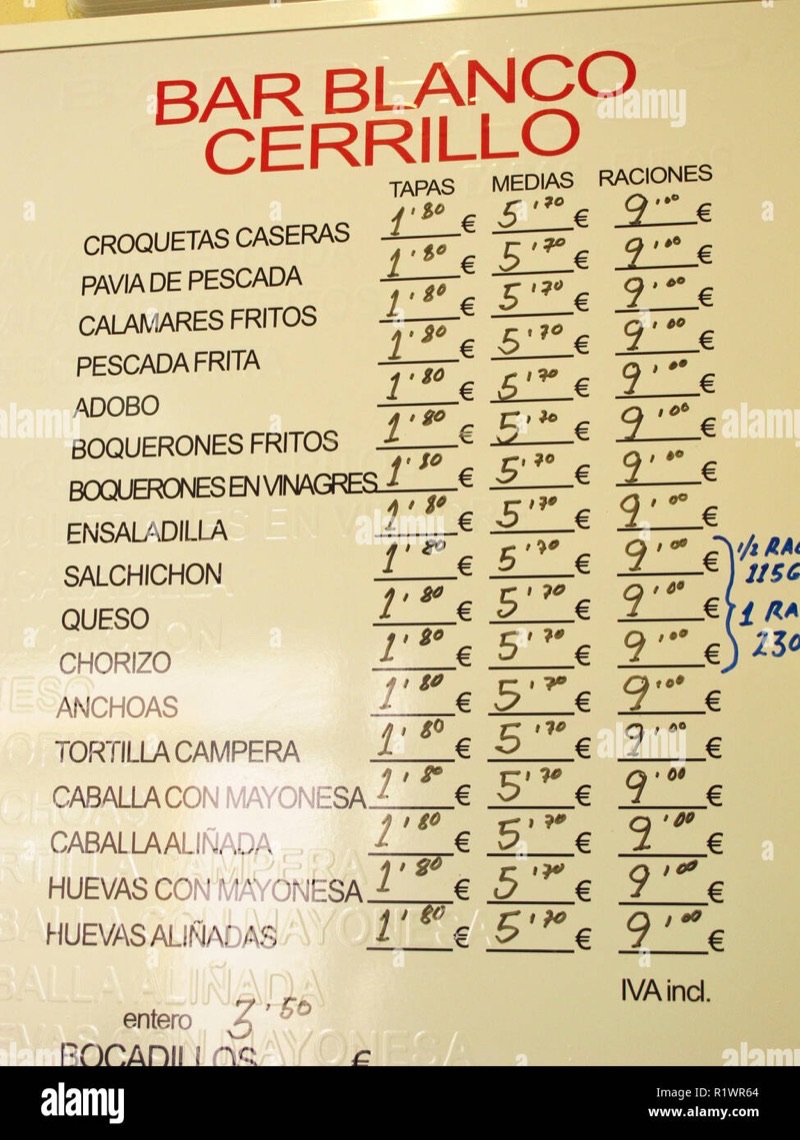
Spain requires a larger financial commitment. A dorm bed in Madrid or Barcelona will typically be €25-45 ($27-48 USD), and a decent private room in a mid-range hotel €80-150 ($86-160 USD). Tapas dishes average €3-7 ($3.20-$7.50 USD) each, and a main course in a casual restaurant €12-20 ($13-21 USD). High-speed train tickets from Madrid to Barcelona can be €50-100 ($54-107 USD) if booked in advance. A reasonable budget for Spain starts around $80-120 USD per day for a budget traveler, pushing $120-200 USD for a mid-range experience. Colombia is the clear winner for cost-conscious travelers.
- Winner: Colombia
- Why: Colombia offers substantially lower prices for virtually all travel expenses, allowing for extended stays or more experiences.
- Who this matters for: Budget travelers, long-term travelers, those who want to maximize experiences for their money.
🚨 Safety & Comfort
Colombia has come a long way regarding safety, especially in major tourist cities like Medellín, Cartagena, and Bogotá. However, certain neighborhoods in these cities (e.g.,…

Colombia
Spain
Colombia has come a long way regarding safety, especially in major tourist cities like Medellín, Cartagena, and Bogotá. However, certain neighborhoods in these cities (e.g., specific areas of downtown Bogotá or parts of Cali) still carry warnings, and rural areas away from established tourist routes can pose risks. Travelers need to exercise more caution, avoid displaying valuables, and be aware of their surroundings, particularly at night. Scams and petty theft are common in tourist zones, so securing belongings is important. Public transportation is generally safe during the day, but ride-sharing apps like Uber (though technically unregulated in Colombia) are widely used for security.
Spain is a significantly safer destination for tourists, offering a higher level of comfort and predictability. Violent crime is low, and tourists can generally move freely in cities and between regions without major safety concerns. The primary issue in Spain is petty theft, especially pickpocketing in crowded areas like Barcelona's Las Ramblas, Madrid's Plaza Mayor, and Seville's Alcázar. Keeping valuables secured and out of sight is the main precaution. Public transport systems are efficient, clean, and very safe. The general atmosphere allows for more relaxed exploration, including late-night walks in city centers. Spain wins this category for its higher baseline of safety and reduced need for constant vigilance.
- Winner: Spain
- Why: Spain provides a much higher level of personal safety and comfort, allowing for more relaxed travel without significant security concerns.
- Who this matters for: Solo female travelers, first-time international travelers, families with young children, those who prioritize peace of mind.
🍲 Food & Drink
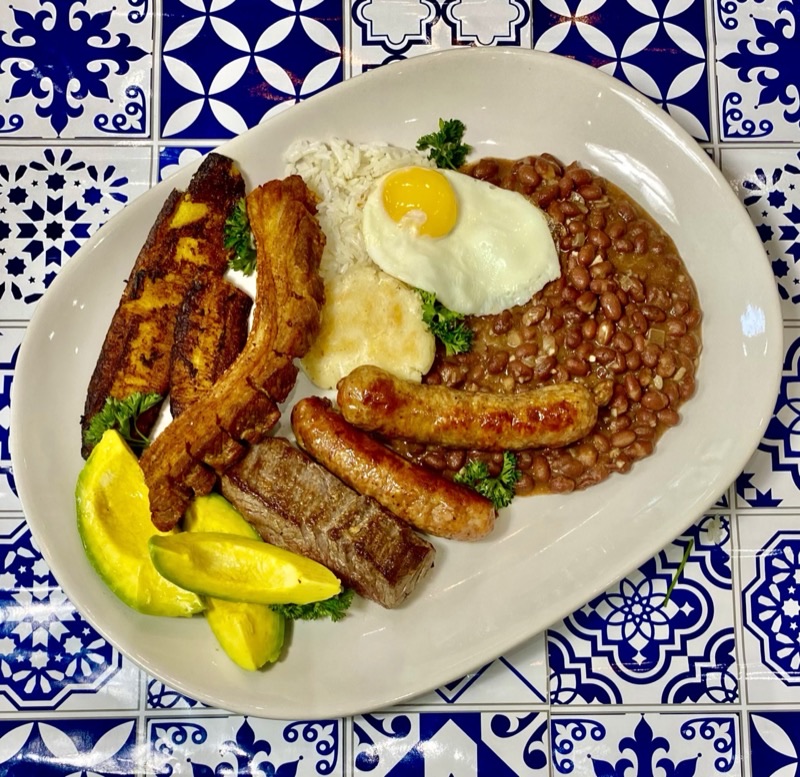
Colombian food is comforting and filling, often featuring generous portions of meat, rice, potatoes, and plantains. Staples include bandeja paisa (a large platter with various…
Colombia
Spain
Colombian food is comforting and filling, often featuring generous portions of meat, rice, potatoes, and plantains. Staples include bandeja paisa (a large platter with various meats, rice, beans, egg, avocado), ajiaco (a chicken and potato soup), and arepas (corn cakes often filled or topped). The country's tropical climate means an incredible array of fresh fruits and juices, often served with every meal. Colombian coffee is world-renowned, and experiencing a coffee farm tour near Salento or Medellín is a highlight. Aguardiente is the traditional alcoholic spirit. While delicious, the cuisine generally has less spice and variety compared to some other Latin American countries.
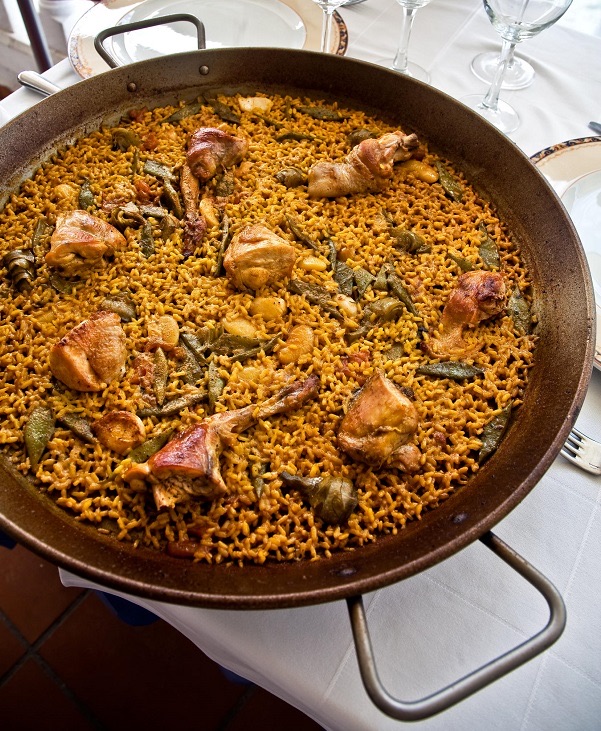
Spanish cuisine is far more diverse and refined, with distinct regional dishes. From the seafood and paellas of Valencia, to the pintxos of Basque Country, the jamón ibérico, and the variety of tapas across the entire country, there's a constant stream of new flavors. Spain's culinary scene includes high-end dining in cities like San Sebastián and Barcelona, traditional taverns in Seville, and bustling markets like Mercado de San Miguel in Madrid. The wine culture is deeply ingrained, with excellent and affordable local wines. Spanish mealtimes are also a cultural experience, with late dinners and social tapas crawls. For sheer variety, quality, and culinary depth, Spain comes out ahead.
- Winner: Spain
- Why: Spain offers a broader range of culinary experiences, from diverse regional dishes and renowned tapas culture to exceptional wines and high-end dining.
- Who this matters for: Foodies, those who enjoy dining as a central part of their travel experience, wine enthusiasts.
🏞️ Nature & Landscapes
Colombia boasts an astonishing array of natural environments, largely due to its position near the equator and the three branches of the Andes mountains. You can trek through the…

Colombia

Spain
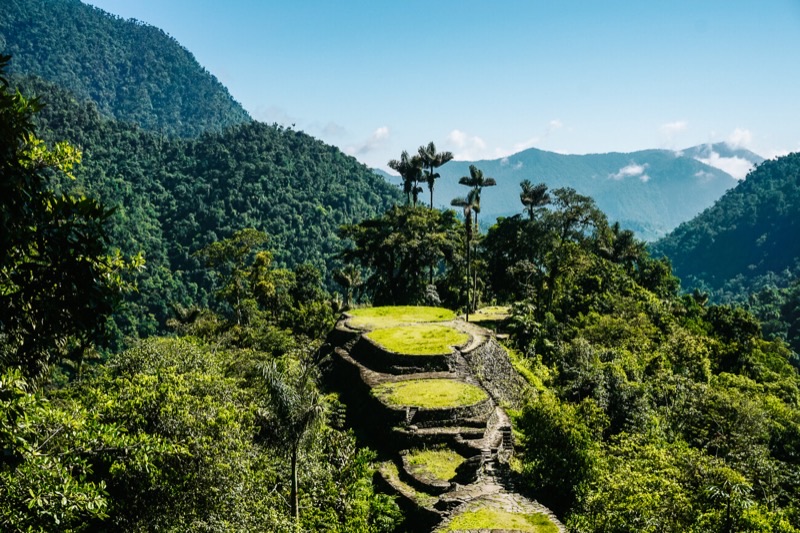
Colombia boasts an astonishing array of natural environments, largely due to its position near the equator and the three branches of the Andes mountains. You can trek through the Valle de Cocora with its towering wax palms, explore the dense Amazon rainforest near Leticia, relax on the Caribbean beaches of Tayrona National Natural Park, or discover the desert landscapes of La Guajira. The country is a birdwatcher's paradise and offers numerous opportunities for hiking, paragliding (e.g., near San Gil), and exploring cloud forests. The access to different ecosystems within relatively short distances is a major draw, offering dramatic changes in scenery and climate.
Spain also offers substantial natural beauty, though with less extreme biodiversity. The Pyrenees and Picos de Europa provide dramatic mountain ranges for hiking and skiing. The Mediterranean coast features beaches and coves, while the Canary Islands offer volcanic landscapes and unique flora. Regions like Andalusia have arid, desert-like areas. While beautiful, Spain's nature tends to be more developed with easier access for tourism. Colombia's raw, untamed nature, with its greater biodiversity and more challenging access to some areas, provides a more adventurous and diverse natural experience. Colombia delivers a more intense and varied natural encounter.
- Winner: Colombia
- Why: Colombia offers a broader and more extreme range of natural environments, from Amazon rainforest to high Andes and Caribbean coast.
- Who this matters for: Adventure seekers, nature photographers, hikers, those interested in extreme biodiversity.
🏙️ Cities & Architecture
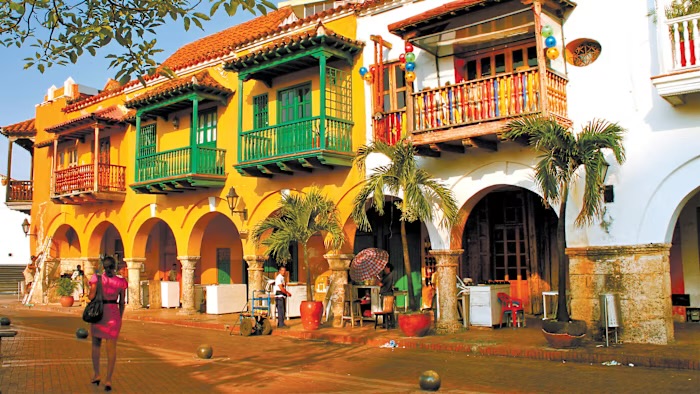
Colombia's cities offer distinct personalities. Cartagena's walled city presents well-preserved colonial architecture with vibrant colors, plazas, and historic forts like Castillo…
Colombia

Spain
Colombia's cities offer distinct personalities. Cartagena's walled city presents well-preserved colonial architecture with vibrant colors, plazas, and historic forts like Castillo San Felipe de Barajas. Medellín, the 'City of Eternal Spring,' showcases modern urban planning, public art (like Botero sculptures), and a transformation story, but its architecture is largely contemporary. Bogotá is a sprawling metropolis with a historic Candelaria district featuring colonial buildings, street art, and museums (like the Gold Museum), but much of the city is modern and functional. While there are architectural gems, they are often concentrated in specific zones rather than being a consistent theme across the urban landscape.
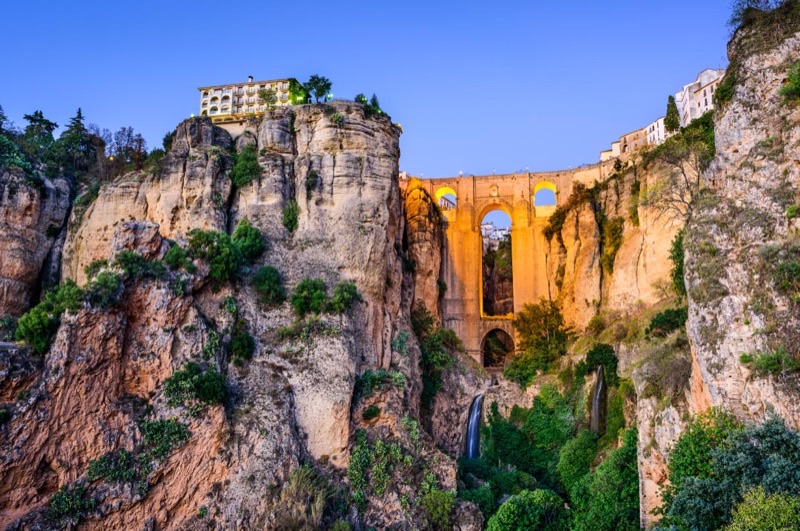
Spain excels in its urban environments and architectural heritage. Madrid offers grand boulevards, impressive palaces (Palacio Real), and art museums (Prado, Reina Sofía). Barcelona is a masterclass in modernisme with Gaudí's Sagrada Familia, Park Güell, and Casa Batlló. Southern Spain, particularly Seville, Granada, and Cordoba, displays stunning Moorish architecture with sites like the Alhambra, Alcázar of Seville, and the Mezquita. These cities are themselves open-air museums, with centuries of history visible in their streetscapes, churches, and public squares. Spain provides a richer and more consistently impressive architectural experience.
- Winner: Spain
- Why: Spain's cities boast a greater density of historically significant, architecturally renowned, and aesthetically cohesive urban environments.
- Who this matters for: History enthusiasts, architecture buffs, art lovers, urban explorers.
🏖️ Beaches & Coastlines
Colombia's Caribbean coast is its main draw for beach lovers. Tayrona National Natural Park offers pristine stretches of sand backed by jungle, though access requires some hiking.…
Colombia's Caribbean coast is its main draw for beach lovers. Tayrona National Natural Park offers pristine stretches of sand backed by jungle, though access requires some hiking. The Rosario Islands and San Bernardo Archipelago, accessible from Cartagena, feature postcard-worthy white sand and turquoise waters. Popular choices like Isla Barú (Playa Blanca) are beautiful but can become very crowded and commercialized. The Pacific coast has wild, dark sand beaches with excellent whale watching opportunities during specific seasons, but they are harder to access. Generally, Colombia's beaches are less developed outside of a few key tourist hubs, offering a more rustic experience.
Spain offers a vast and varied coastline. The Mediterranean coast (Costa del Sol, Costa Brava) has numerous sandy beaches, from popular resorts with full amenities to smaller, secluded coves. The Atlantic coast in the north (e.g., Galicia, Asturias) provides dramatic cliffs and cooler, surfing-friendly waters. The Canary Islands offer unique black volcanic sand beaches alongside golden sands, with year-round warm weather. Balearic Islands like Mallorca and Ibiza have some incredibly clear waters and party beaches. Spain's beach infrastructure is highly developed, making access and amenities easy. Both countries have appealing beaches, but for different reasons – Colombia for raw, tropical settings and Spain for developed variety and accessibility.
- Winner: Tie
- Why: Both countries offer compelling but different beach experiences; Colombia for raw tropical appeal, Spain for developed variety and accessibility.
- Who this matters for: Beachgoers of all types, those looking for either remote escapes or amenity-rich resorts.
🎉 Nightlife & Entertainment
Colombia has a reputation for lively nightlife, especially with its passion for music and dance. Cali is the global capital of salsa, with numerous schools and clubs (e.g., La…
Colombia has a reputation for lively nightlife, especially with its passion for music and dance. Cali is the global capital of salsa, with numerous schools and clubs (e.g., La Topa Tolondra) where locals and tourists dance until dawn. Medellín's El Poblado district is packed with reggaeton clubs and bars catering to younger crowds, while Bogotá offers a more varied scene, from electronic music venues to rock bars and jazz clubs in areas like Zona T. Colombian nights generally start and end late, with locals socializing over drinks and music.
Spain's nightlife is legendary and offers more variety and scale. Ibiza is synonymous with electronic music superclubs, attracting DJs and partygoers from around the world. Barcelona and Madrid also have extensive club scenes, with venues like Sala Apolo or Pacha. Beyond clubs, the Spanish 'tapas crawl' is a major social event, where people move between bars, eating small dishes and drinking until late. Flamenco shows, particularly in Andalusia (e.g., Casa de la Memoria in Seville), provide a distinct cultural entertainment experience. Spanish evenings are inherently social, extending late into the night. While Colombia is fun, Spain's nightlife offers greater depth, fame, and variety.
- Winner: Spain
- Why: Spain's nightlife provides a broader and more internationally renowned range of options, from mega-clubs to cultural performances and lively tapas bars.
- Who this matters for: Partygoers, those who enjoy late-night social gatherings, culture seekers interested in live performances.
🗺️ Getting Around
In Colombia, intercity travel primarily relies on a comprehensive but sometimes slow bus network. Journeys between major cities like Bogotá and Medellín can take 8-10 hours, often…
In Colombia, intercity travel primarily relies on a comprehensive but sometimes slow bus network. Journeys between major cities like Bogotá and Medellín can take 8-10 hours, often on winding mountain roads. For longer distances, domestic flights (e.g., Avianca, Latam, Viva Air) are affordable and save significant time. Within cities, public transport like Bogotá's TransMilenio or Medellín's Metro (a source of local pride) are efficient, but rideshares (Uber, Didi) and taxis are inexpensive and popular, especially at night. Road quality varies significantly, and self-driving is generally not recommended for tourists due to navigational challenges and road conditions.
Spain offers a superior and more comfortable transportation infrastructure. The Renfe high-speed rail network connects major cities like Madrid, Barcelona, and Seville efficiently, with journeys taking just a few hours. For regions not served by high-speed trains, a reliable bus network (e.g., ALSA) covers the country. Within cities, metros, trams, and buses are clean, punctual, and easy to use. Walking is also a pleasant way to explore most Spanish cities. Car rentals are a viable option for exploring rural areas, with good road quality. Spain's transportation system is significantly more developed, predictable, and comfortable.
- Winner: Spain
- Why: Spain's advanced high-speed rail network, reliable bus system, and efficient city public transport offer a much more comfortable and predictable travel experience.
- Who this matters for: Those who prioritize convenience, speed, and comfort in travel, travelers without extensive local language skills.
🗿 Culture & History
Colombian culture is a mix of indigenous, African, and Spanish influences. Its history is visible in colonial cities like Cartagena and the Gold Museum in Bogotá, showcasing…
Colombian culture is a mix of indigenous, African, and Spanish influences. Its history is visible in colonial cities like Cartagena and the Gold Museum in Bogotá, showcasing pre-Columbian artifacts. Modern Colombian culture is expressed through its music (salsa, cumbia, vallenato), dance, and a growing street art movement, especially in Bogotá. The country has a complex past, and understanding its resilience and transformation is part of the cultural experience. Engaging with locals, especially through learning some Spanish, opens doors to deeper cultural insights.
Spain's cultural and historical depth is immense and easily accessible. Its history traces back to Roman times (e.g., Segovia aqueduct), through the significant Moorish period in Andalusia (Alhambra, Mezquita), and centuries of Christian kingdoms. This layering is apparent in its architecture, art (Picasso, Velázquez, Goya), and traditions like flamenco and bullfighting (though controversial). Spanish cities are filled with museums of global significance (Prado, Reina Sofía, Guggenheim). The culture also includes a strong emphasis on family, late social hours, and local festivals. For sheer historical breadth and accessible cultural institutions, Spain is the stronger choice.
- Winner: Spain
- Why: Spain possesses a longer and more accessible documented history, offering a wealth of historical sites, museums, and distinct cultural traditions.
- Who this matters for: History buffs, art enthusiasts, those interested in long-spanning Western cultural developments.
🚶♀️ Solo Travel Experience
Solo travel in Colombia is becoming increasingly popular, especially among younger backpackers. Hostels in major cities like Medellín (e.g., Los Patios Hostel) and Bogotá are…
Solo travel in Colombia is becoming increasingly popular, especially among younger backpackers. Hostels in major cities like Medellín (e.g., Los Patios Hostel) and Bogotá are excellent for meeting other travelers, organizing tours, and finding travel companions. Locals are generally friendly and curious. However, solo travelers, particularly women, need to maintain a higher level of vigilance regarding personal safety, especially at night or in less populated areas. Knowing some Spanish significantly enhances the experience and helps with navigating local interactions. Scams targeting solo tourists are not unheard of, so being cautious is important.
Spain is an exceptionally welcoming and easy country for solo travelers. Its reliable public transport, low crime rates, and widespread English in tourist areas make navigation simple. Hostels are plentiful and social, providing easy opportunities to meet other travelers. The tapas culture encourages social dining, even for one person, and joining local walking tours or cooking classes is straightforward. Spanish people are generally outgoing, and evenings in bars or plazas offer easy chances for interaction. While petty theft is a concern, overall personal safety is high, allowing solo travelers more freedom and less worry. Spain offers a smoother and less stressful solo travel journey.
- Winner: Spain
- Why: Spain provides a higher level of safety, easier navigation, and more widespread social opportunities for individuals traveling alone.
- Who this matters for: First-time solo travelers, those who prefer comfort and ease when traveling independently, solo female travelers.
🎯 The Decision Framework
Choose Colombia If…
- You want to spend less than $100 USD per day for quality experiences.
- You are comfortable with a higher degree of situational awareness for safety.
- You are learning Spanish and want to practice with locals.
- You crave dramatic natural landscapes: high Andes, Amazon, and Caribbean beaches.
- You enjoy dancing salsa until the early hours in local clubs.
- You prefer unique, less commercialized experiences.
- You want to explore the world of high-quality coffee at its source.
- You are excited by dynamic cities undergoing rapid transformation.
Choose Spain If…
- You prioritize comfortable, efficient travel via high-speed trains.
- You want to visit world-renowned art museums and historical sites easily.
- You enjoy varied cuisine, from tapas to paella, with a strong wine culture.
- You prefer a very safe and predictable travel environment.
- You want to experience vibrant city nightlife and cultural shows like flamenco.
- You appreciate well-preserved architecture spanning Roman, Moorish, and Christian eras.
- You are planning a family trip and seek convenience and amenities.
- You want diverse beach options from Mediterranean resorts to volcanic islands.
📅 Sample Itineraries
Weekend in Colombia (3 Days)
💡 In Cartagena, always confirm taxi fares before starting your journey to avoid inflated prices, especially from the airport or popular tourist areas.
Weekend in Spain (3 Days)
💡 Purchase your Prado Museum tickets online in advance to bypass long queues, especially during peak tourist seasons.
One Week in Colombia (7 Days)
💡 Utilize ride-sharing applications like Uber or Cabify in larger Colombian cities such as Bogotá and Medellín for transparent pricing and convenience.
One Week in Spain (7 Days)
💡 Consider purchasing a Spain Eurail Pass if you plan on taking multiple high-speed train journeys between cities, as it can be more cost-effective than individual tickets.
❓ Frequently Asked Questions
Which destination is better for a two-week trip?
For a two-week trip, Spain allows for a more relaxed pace, visiting 2-3 major cities like Madrid, Barcelona, and Seville via high-speed rail. Colombia would require more domestic flights or long bus rides to see its diverse regions, making it a bit more rushed for the same duration. Spain offers more seamless transitions.
How much does a flight typically cost from the US to each country?
From major US hubs (e.g., NYC, LAX), direct flights to Bogotá (BOG) typically range from $400-700 USD round trip, taking 6-8 hours. Flights to Madrid (MAD) usually cost $500-900 USD round trip, with direct flights taking 7-10 hours. Prices vary significantly by season and booking lead time.
Is English widely spoken in both countries?
In Spain, English is more commonly spoken in major tourist areas, hotels, and larger cities, particularly among younger generations. In Colombia, English proficiency is less widespread outside of high-end hotels and tour operators. Knowing some basic Spanish is highly recommended for Colombia, more so than for Spain, to navigate daily interactions.
Which country offers more accessible outdoor activities?
Spain offers a range of accessible outdoor activities, from hiking in the Pyrenees to coastal walks, often with good trail infrastructure. Colombia's outdoors are more dramatic and diverse, but access to places like Tayrona Park or the Amazon often involves longer journeys or guided tours. For sheer variety and intensity, Colombia wins, but Spain is more generally accessible.
What are the visa requirements for US citizens for each country?
US citizens generally do not require a visa for tourist stays up to 90 days in both Colombia and Spain (as part of the Schengen Area). For longer stays or specific purposes, different rules apply. Always check the latest requirements from official government sources before travel.
Which country is better for families with young children?
Spain is generally a better choice for families with young children due to its higher safety ratings, excellent infrastructure (stroller-friendly cities, reliable transport), and a culture that is very welcoming of children in public spaces, including restaurants. Colombia requires more vigilance and can be more challenging with young kids.
What is the best time of year to visit each destination?
Colombia, being close to the equator, has relatively consistent temperatures but 'dry seasons' are generally December-March and July-August. Spain's best times are spring (April-May) and fall (September-October) for pleasant weather across the country and fewer crowds. Summer (June-August) can be very hot, especially inland.
Are there significant altitude considerations in either country?
Yes, in Colombia, cities like Bogotá are at over 2,600 meters (8,500 feet), and some Andean treks go even higher. Travelers may experience altitude sickness. Spain has high mountain ranges (Pyrenees, Sierra Nevada), but major cities are at lower elevations, so altitude sickness is not a common concern for typical tourist itineraries there.
Ready to plan your next adventure?
Get a free custom itinerary for Colombia, Spain, or both — built from real traveler insights.
👥 Travelers Also Compared
🎟️ Book Tours & Experiences
Hand-picked tours and activities for both destinations — book with free cancellation
Experiences via Viator — free cancellation on most tours