How we built this comparison
This page combines traveler discussion patterns, published price ranges, flight schedules, and seasonal data to help you decide between Colombia and Uruguay.
- Reviewed 50+ Reddit threads from r/travel, r/solotravel, r/colombia, r/uruguay, r/southamerica
- Verified costs and logistics against current booking platforms like Booking.com, Kayak, and local bus sites
- Cross-referenced seasonal patterns and weather data from meteorological sources for accurate timing advice
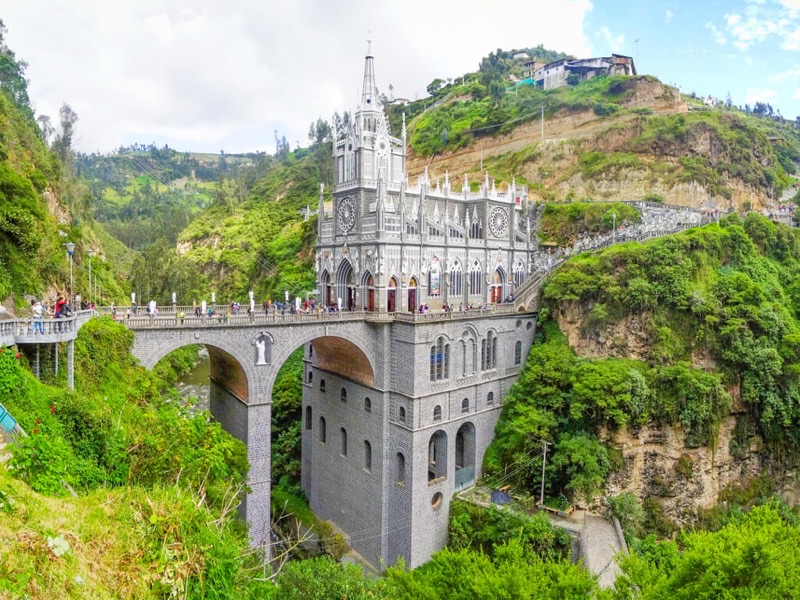
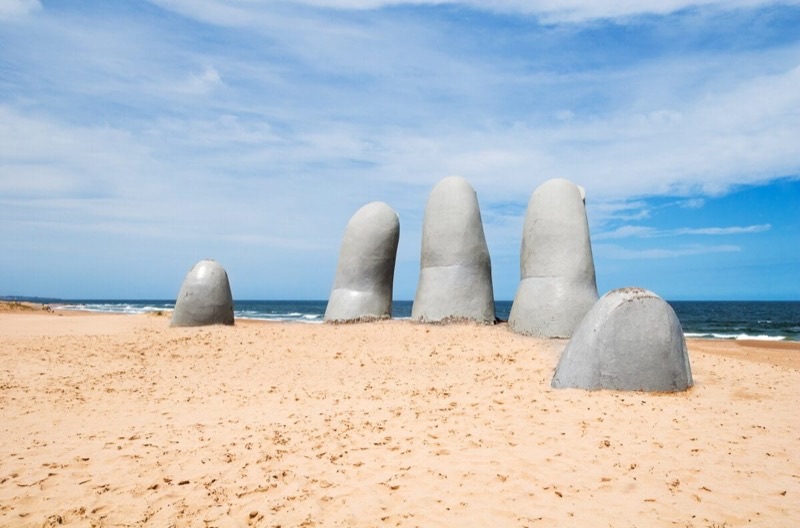
⚡ The TL;DR Verdict
For most travelers seeking a dynamic experience with a lower daily spend, Colombia is the clear choice. It delivers a range of landscapes and activities at a price point that makes extended stays feasible. Uruguay suits those prioritizing a slower pace, high safety, and a more European feel, provided their budget allows for it. Generally, pick Colombia for its sheer variety and value.
- Choose Colombia: You want diverse activities from mountains to beaches, a lively social scene, and need your budget to stretch further. Expect a constant buzz.
- Choose Uruguay: You prefer calm, high personal safety, excellent food and wine, and a more understated, mature atmosphere. You are comfortable with higher costs.
- Choose Both: If you have 4+ weeks and a flexible budget, combine them. Fly into Colombia, spend 2-3 weeks, then fly to Buenos Aires and take a ferry to Colonia del Sacramento for 1-2 weeks in Uruguay.
Choose Colombia
Choose Colombia if you're an adventurous traveler craving diverse landscapes and a vibrant cultural immersion without breaking the bank. Explore the historic charm of Cartagena, hike in Tayrona National Park, or dance salsa in Medellín's lively neighborhoods. It's perfect for those seeking high energy and incredible value across mountains, beaches, and bustling cities.
Choose Uruguay
Opt for Uruguay if you desire a sophisticated, tranquil escape with a distinctly European ambiance and exceptional personal safety. Wander the charming cobblestone streets of Colonia del Sacramento, savor world-class wines in the countryside, or enjoy the refined culinary scene in Montevideo. It's ideal for those prioritizing quality, a slower pace, and a premium experience, comfortable with a higher budget.
Quick Comparison
| Category | Colombia | Uruguay | Winner |
|---|---|---|---|
| Costs & Budget | Significantly more affordable for accommodation, food, and transport. Daily budget can be $40-80 USD. | Higher costs across the board, comparable to parts of Western Europe. Daily budget typically $70-120 USD. | Colombia |
| Culture & History | Diverse indigenous and Spanish colonial influences, coffee culture, salsa, and Gabriel Garcia Marquez legacy. Deep regional identities. | Strong European heritage (Italian, Spanish), tango roots, 'gaucho' tradition, and a more secular, liberal society. | Colombia |
| Nature & Scenery | Andes mountains, Amazon rainforest, Caribbean coast, desert, coffee regions, and diverse wildlife. | Rolling hills, expansive grasslands (pampas), Atlantic coastline, and thermal springs. | Colombia |
| Beaches & Coast | Caribbean coast with clear waters, white sands, and islands. Pacific coast with black sand and dense rainforest. | Atlantic coast with long, sandy beaches, popular surf spots, and calmer bays. | Colombia |
| Food & Drink | Hearty, affordable regional dishes (arepas, bandeja paisa), diverse tropical fruits, and excellent coffee. Growing fine dining scene. | High-quality beef, pasta, pizza, and a strong European culinary influence. Excellent wines and craft beer. More expensive. | Tie |
| Nightlife & Entertainment | Energetic, late-night scene with salsa clubs, reggaeton, and electronic music. Zona T in Bogota, El Poblado in Medellin. | More relaxed, sophisticated bar and pub scene. Tango in Montevideo. Punta del Este has seasonal clubs. | Colombia |
| Getting Around | Extensive, affordable bus network for intercity travel. Ride-shares and taxis are common in cities. Internal flights are efficient. | Efficient intercity bus network. Smaller distances make travel quicker. Taxis and ride-shares available in cities. | Tie |
| Safety | Improved significantly, but requires street smarts. Pickpocketing, petty theft, and scams are common in tourist areas. Certain neighborhoods or regions still have higher risks. | One of the safest countries in South America. Low crime rates, relaxed atmosphere. Still exercise basic precautions. | Uruguay |
| Accommodation | Wide range from budget hostels to boutique hotels. More options, lower prices, especially outside of peak seasons. | Fewer budget options, generally higher prices. Boutique hotels and guesthouses are common, particularly in tourist towns. | Colombia |
| Solo Travel | Easy to meet people in hostels, attend language exchanges, and join group tours. Requires higher vigilance for personal safety. | Relaxed and safe for solo exploration. Meeting people might require more effort outside of specific hostels or guided activities. | Colombia |
💰 Costs & Budget
Colombia presents a compelling budget advantage. A decent hostel bed in Medellin or Bogota costs around 40,000-60,000 COP ($10-15 USD). A full meal at a local 'menu del dia' spot…
Colombia
Uruguay
Colombia presents a compelling budget advantage. A decent hostel bed in Medellin or Bogota costs around 40,000-60,000 COP ($10-15 USD). A full meal at a local 'menu del dia' spot is 15,000-25,000 COP ($4-7 USD). Intercity bus travel, like Bogota to Salento, costs about 70,000-90,000 COP ($18-23 USD) for a 7-8 hour journey. Taxis or ride-shares are inexpensive for short distances, often just 10,000-20,000 COP ($2.50-5 USD).
Uruguay is consistently more expensive. A hostel bed in Montevideo or Colonia del Sacramento starts around 800-1200 UYU ($20-30 USD). A modest restaurant meal, even a local 'chivito' sandwich, can easily be 500-800 UYU ($13-20 USD). Bus tickets, such as Montevideo to Punta del Este, are around 400-600 UYU ($10-15 USD) for a 2-hour trip. Groceries and alcohol also carry higher price tags, making self-catering a less dramatic saving than in Colombia. Tabiji verdict: Colombia wins decisively for travelers prioritizing budget efficiency.
- Winner: Colombia
- Why: Colombia offers superior value on nearly every expense category, allowing budgets to stretch much further.
- Who this matters for: Budget-conscious travelers, backpackers, long-term travelers
🏛️ Culture & History
Colombia's cultural landscape is multifaceted. Cartagena's walled city presents Spanish colonial architecture and history with clear African influences. Bogota's La Candelaria…
Colombia
Uruguay
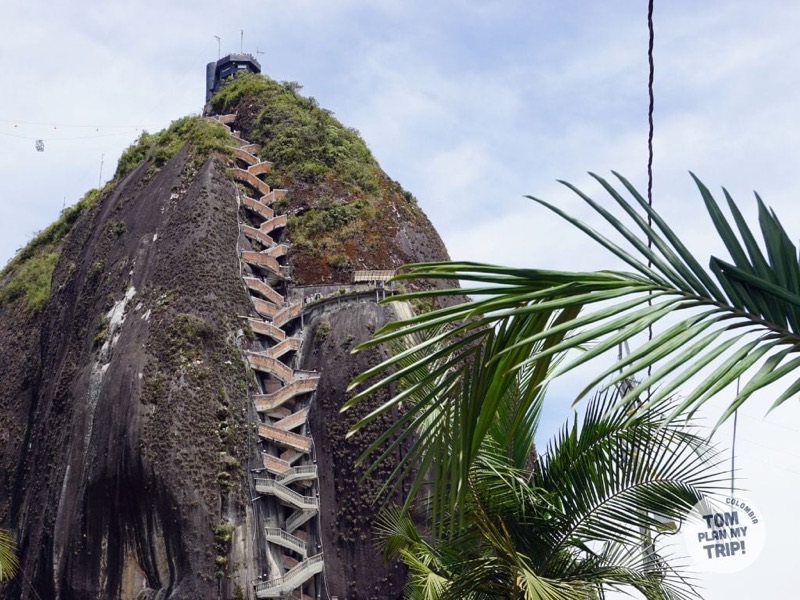
Colombia's cultural landscape is multifaceted. Cartagena's walled city presents Spanish colonial architecture and history with clear African influences. Bogota's La Candelaria district has pre-Columbian gold artifacts at the Gold Museum and extensive street art. Coffee culture is central in the Eje Cafetero, with Hacienda Venecia offering tours for 50,000 COP ($13 USD) to explain the bean-to-cup process. Cali is a center for salsa dancing, with clubs like Tin Tin Deo. Indigenous communities maintain traditions in areas like La Guajira.
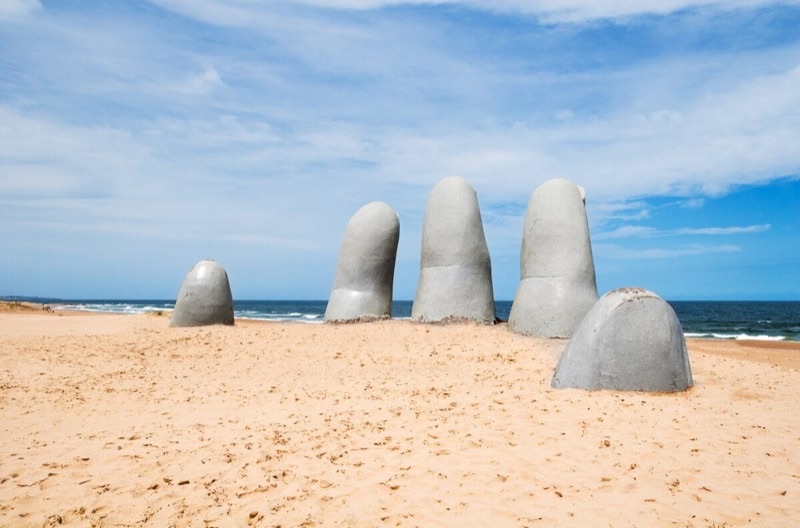
Uruguay's culture is subtle and European-flavored. Montevideo's Ciudad Vieja features neoclassical buildings, tango performance venues, and the Mercado del Puerto, a food hall since 1868. Colonia del Sacramento, a UNESCO site, has Portuguese and Spanish colonial architecture. The country has a strong 'mate' drinking tradition, similar to Argentina. The 'gaucho' culture of the countryside contrasts with the urban sophistication. Uruguayan museums, such as the Museo Nacional de Artes Visuales, focus on local and regional art. Tabiji verdict: Colombia's scale and regional differences offer a broader cultural experience.
- Winner: Colombia
- Why: Colombia presents a more varied and immediately perceptible cultural experience with stronger regional identities.
- Who this matters for: Travelers seeking deep dives into history, music, and diverse local traditions
⛰️ Nature & Scenery
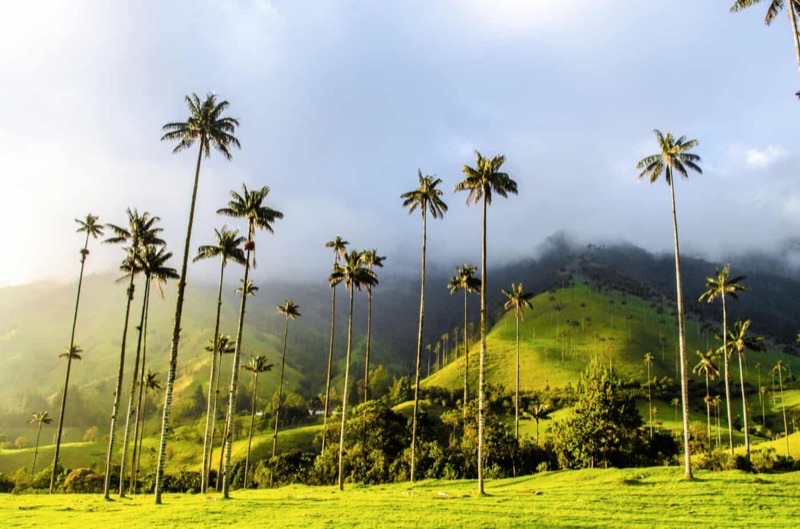
Colombia holds incredible geographical diversity. The Cocora Valley near Salento is famous for its towering wax palms, with hikes costing only the local bus fare (around 4,000 COP…

Colombia

Uruguay
Colombia holds incredible geographical diversity. The Cocora Valley near Salento is famous for its towering wax palms, with hikes costing only the local bus fare (around 4,000 COP / $1 USD). Tayrona National Park combines rainforest with Caribbean beaches. The Amazon basin in the south offers wildlife viewing near Leticia. Los Nevados National Natural Park has snow-capped peaks and high-altitude lakes. The Tatacoa Desert provides stargazing opportunities and distinctive geological formations. From the Pacific coast rainforests to the Caribbean islands, the country packs a lot into its borders.
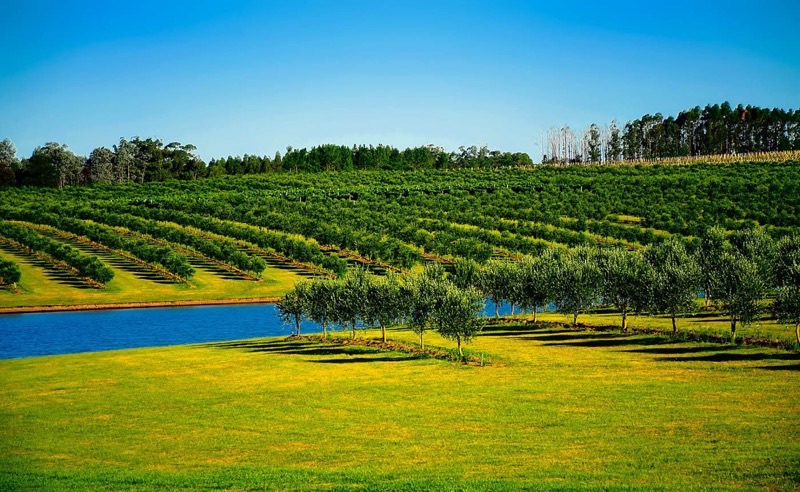
Uruguay's natural appeal is more understated. Its landscape consists mainly of rolling grasslands, suitable for horse riding or exploring 'estancias.' The Atlantic coast features sandy beaches and small lagoons, particularly around Rocha. Quebrada de los Cuervos is a natural canyon, a rare geological feature in the country. Thermal springs in Salto and Paysandú offer relaxation, with entry fees around 400-600 UYU ($10-15 USD). While pleasant, Uruguay lacks the dramatic mountain ranges or tropical rainforests of Colombia. Tabiji verdict: Colombia's extreme topographic variations deliver a more visually impressive and diverse natural environment.
- Winner: Colombia
- Why: Colombia's combination of mountains, rainforest, desert, and two coastlines offers significantly more varied and dramatic landscapes.
- Who this matters for: Outdoor enthusiasts, hikers, wildlife photographers, those seeking grand natural vistas
🏖️ Beaches & Coast
Colombia's Caribbean coast is a major draw. Cartagena offers Bocagrande's city beaches, but the real appeal lies in nearby islands like the Rosario Islands, accessible by boat…
Colombia

Uruguay
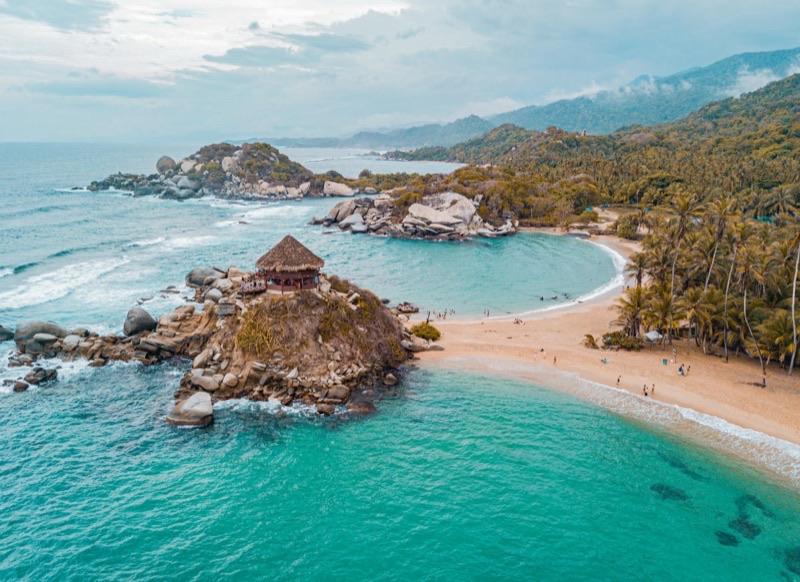
Colombia's Caribbean coast is a major draw. Cartagena offers Bocagrande's city beaches, but the real appeal lies in nearby islands like the Rosario Islands, accessible by boat tours for around 150,000-250,000 COP ($38-64 USD). Tayrona National Park has iconic beaches like Cabo San Juan, reached by a 2-hour hike or boat. Palomino offers relaxed vibes and tubing down a river to the sea. The Pacific coast, though harder to access, provides remote black sand beaches and whale watching opportunities (July-October) from Nuquí or Bahía Solano. Expect warm waters and a lively atmosphere.
Uruguay's beaches are along its Atlantic coast, particularly popular in the summer (December-February). Punta del Este is the most famous, known for its wide sandy stretches and modern resort feel, though it can be expensive. La Paloma and La Pedrera offer a more bohemian, relaxed atmosphere with good surf conditions. Cabo Polonio, a remote fishing village reachable by 4x4, has windswept dunes and sea lion colonies. The water is generally cooler than the Caribbean. While pleasant, they lack the tropical feel and vivid colors of Colombia's best. Tabiji verdict: Colombia's Caribbean beaches provide a more idyllic and postcard-worthy experience.
- Winner: Colombia
- Why: Colombia's Caribbean coast delivers warmer, clearer waters and iconic tropical beach settings often associated with South America.
- Who this matters for: Beachgoers seeking tropical scenery, warm waters, and island hopping
🍽️ Food & Drink
Colombian food is comforting and uses local ingredients. Arepas, corn cakes served with cheese, eggs, or meat, are breakfast staples. The bandeja paisa, a platter with rice,…
Colombia
Uruguay
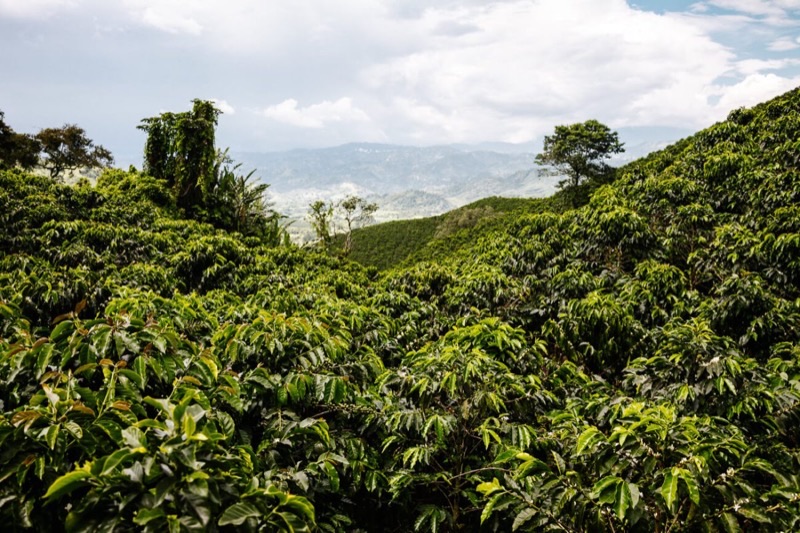
Colombian food is comforting and uses local ingredients. Arepas, corn cakes served with cheese, eggs, or meat, are breakfast staples. The bandeja paisa, a platter with rice, beans, meat, egg, avocado, and plantain, is a filling lunch. Empanadas, ajiaco soup (Bogota), and fresh tropical fruits like lulo and maracuyá are everywhere. Coffee is outstanding, and a specialty cup costs 7,000-12,000 COP ($1.80-3 USD). In larger cities, fine dining (e.g., El Chato in Bogota) is emerging, fusing traditional ingredients with modern techniques.
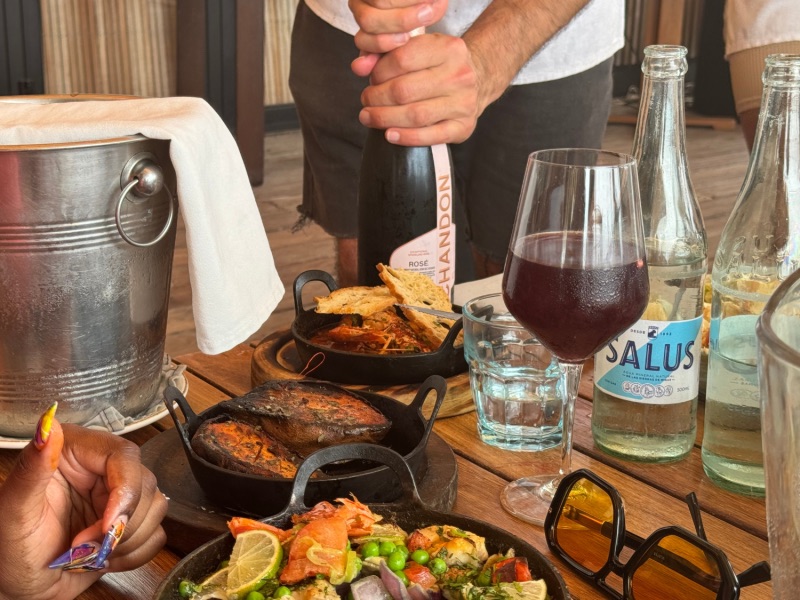
Uruguayan cuisine shines with its quality ingredients. 'Asado' (barbecue) is central, featuring high-quality beef cuts. The 'chivito' sandwich, piled high with steak, ham, cheese, and egg, is a national dish and a must-try, costing around 400-600 UYU ($10-15 USD). Pasta and pizza are common due to Italian immigration. Tannat wine is a point of national pride, with vineyard tours near Montevideo (e.g., Bodega Bouza) costing around 2,000-3,500 UYU ($50-90 USD) for a tasting and meal. Craft beer is also gaining popularity. Tabiji verdict: Both countries offer compelling food experiences, Colombia for its everyday variety and affordability, Uruguay for its ingredient quality and European influence.
- Winner: Tie
- Why: Both countries offer distinct and high-quality culinary experiences, catering to different preferences in taste and budget.
- Who this matters for: Foodies, gourmands, those who value specific culinary styles
🎉 Nightlife & Entertainment
Colombia's nightlife is known for its intensity and variety. In Bogota, Zona T and Parque 93 offer upscale bars and clubs, while Chapinero has a more alternative scene. Medellin's…
Colombia's nightlife is known for its intensity and variety. In Bogota, Zona T and Parque 93 offer upscale bars and clubs, while Chapinero has a more alternative scene. Medellin's El Poblado (especially Parque Lleras) is packed with bars, discotecas, and reggaeton clubs that stay open until the early morning. Cali is the global capital of salsa, with schools offering classes and clubs like Delirio hosting professional shows. Drinks are generally affordable, with a beer costing 8,000-12,000 COP ($2-3 USD) and cocktails 25,000-40,000 COP ($6-10 USD). Expect music and dancing until sunrise.
Uruguay's nightlife is calmer. Montevideo has a solid bar scene, particularly in Pocitos and Ciudad Vieja, with live music and pubs. Tango shows, though less flashy than in Buenos Aires, can be found. During the summer, Punta del Este transforms into a party hub, with beach clubs and nightclubs attracting a regional crowd, but prices escalate significantly. Outside of Montevideo and Punta del Este, options are limited to local pubs. A beer costs around 150-250 UYU ($4-6 USD), cocktails 300-500 UYU ($8-13 USD). Tabiji verdict: For sheer energy, options, and late-night revelry, Colombia is the clear winner.
- Winner: Colombia
- Why: Colombia offers a more diverse, energetic, and affordable nightlife scene with options for various music and dance preferences.
- Who this matters for: Party-goers, social travelers, those seeking late-night entertainment
🚌 Getting Around
Colombia's public transport is well-developed for its size. Long-distance buses connect major cities, with companies like Bolivariano and Expreso Palmira offering comfortable…
Colombia's public transport is well-developed for its size. Long-distance buses connect major cities, with companies like Bolivariano and Expreso Palmira offering comfortable services. A 10-hour overnight bus from Medellin to Cartagena costs around 120,000-160,000 COP ($30-40 USD). Internal flights are often cheap with airlines like Viva Air and Latam, a Bogota-Medellin flight can be 150,000-300,000 COP ($38-75 USD). City transport includes TransMilenio (Bogota) and Metro (Medellin), costing around 2,950 COP ($0.75 USD) per ride. Ride-shares like Uber/Didi are prevalent.
Uruguay boasts an excellent and reliable intercity bus system, with companies like COT and Copsa. Distances are much shorter; Montevideo to Colonia del Sacramento is a 2.5-hour bus ride for around 400-500 UYU ($10-13 USD). Montevideo's city buses are comprehensive, with fares around 50 UYU ($1.30 USD). Taxis are widely available and ride-shares like Uber operate in major cities. While less diverse in transport modes due to its smaller size, Uruguay's system is efficient and easy to navigate. Tabiji verdict: Both countries offer effective ways to travel, with Colombia handling larger distances and Uruguay providing quicker connections.
- Winner: Tie
- Why: Both countries offer effective and reliable public transportation networks for different travel scales.
- Who this matters for: Travelers who rely on public transport, those on a budget
🛡️ Safety
Colombia has made considerable strides in safety over the past decades. Major tourist cities like Cartagena, Medellin, and Bogota are generally safe during the day in…
Colombia has made considerable strides in safety over the past decades. Major tourist cities like Cartagena, Medellin, and Bogota are generally safe during the day in well-trafficked areas. However, petty crime like pickpocketing and phone snatching is common, especially in crowded markets or on public transport. Scams, such as the 'paseo millonario' (express kidnapping for ATM withdrawals), exist, particularly if accepting drinks from strangers. Certain neighborhoods, especially on the outskirts of large cities, are best avoided. Nighttime travel often requires taxis or ride-shares rather than walking.
Uruguay is consistently ranked as one of the safest countries in South America. Violent crime is rare, and while petty theft can occur in tourist hotspots like Ciudad Vieja in Montevideo, it is less prevalent than in Colombia. Walking alone at night in well-lit areas of major cities is generally considered safe. The overall atmosphere is relaxed, and travelers often report feeling secure. Sensible precautions, like not displaying cash or valuables and being aware of surroundings, are still advised, but the level of vigilance required is considerably lower. Tabiji verdict: Uruguay offers a significantly more relaxed and secure travel environment.
- Winner: Uruguay
- Why: Uruguay consistently offers a lower crime rate and a more secure environment for travelers, requiring less constant vigilance.
- Who this matters for: Solo female travelers, first-time international travelers, those prioritizing personal security
🛌 Accommodation
Colombia offers abundant accommodation choices for every budget. In Medellin, a well-regarded hostel like The Click Clack Hotel offers private rooms from $70-120 USD, while a bed…
Colombia offers abundant accommodation choices for every budget. In Medellin, a well-regarded hostel like The Click Clack Hotel offers private rooms from $70-120 USD, while a bed in a dorm starts at $15-20 USD. Boutique hotels in Cartagena's walled city can range from $100-300+ USD. For budget travelers, local guesthouses (hostales) outside the main tourist zones offer rooms for $25-40 USD. Airbnb is widely available and often provides good value, especially for longer stays. The sheer volume of choices helps keep prices competitive across the country.
Uruguay's accommodation market is smaller and typically more expensive. In Montevideo, a decent hotel room starts around $80-150 USD, with hostels charging $25-40 USD for a dorm bed. Boutique hotels in Colonia del Sacramento or Punta del Este can easily exceed $150-250+ USD per night during high season. While quality is generally high, finding truly budget-friendly options, especially outside of Montevideo, requires more searching. Vacation rentals are also popular, particularly for families or longer stays along the coast. Tabiji verdict: Colombia provides superior value and a broader range of affordable and high-quality lodging options.
- Winner: Colombia
- Why: Colombia offers significantly more choices and better value across all accommodation types, from hostels to luxury hotels.
- Who this matters for: Budget travelers, those seeking diverse lodging experiences, digital nomads
🚶♀️ Solo Travel
Colombia is a popular destination for solo travelers, particularly backpackers. Hostels are numerous and social, making it easy to connect with other travelers for day trips or…
Colombia is a popular destination for solo travelers, particularly backpackers. Hostels are numerous and social, making it easy to connect with other travelers for day trips or nightlife. Cities like Medellin and Bogota have established language exchange events and walking tours that are great for meeting people. The local population is generally friendly and curious, often willing to engage in conversation. However, solo travelers, especially women, need to be highly aware of their surroundings, particularly at night, and exercise caution with valuables and personal safety. Local scams or unwanted attention can occur.
Uruguay is a very safe country for solo travelers, offering peace of mind. Walking alone in most urban areas, even at night, presents fewer concerns than in Colombia. The atmosphere is generally more subdued, meaning the social scene might be less immediate than in Colombia's bustling hostels. Solo travelers might need to actively seek out group activities or specific hostels known for their social atmosphere to connect with others. While locals are polite, they can be more reserved than Colombians. Tabiji verdict: Colombia edges out Uruguay for solo travelers due to the ease of social connection and diverse activities, despite the need for greater safety awareness.
- Winner: Colombia
- Why: Colombia's established backpacker trail and social infrastructure make it easier for solo travelers to meet others and find activities.
- Who this matters for: Solo travelers seeking social interaction, budget-conscious individuals
🎯 The Decision Framework
Choose Colombia If…
- You want to hike through towering wax palm valleys.
- You crave salsa dancing lessons and late-night clubs.
- Your daily travel budget is under $80 USD.
- You wish to explore diverse landscapes: mountains, jungle, and Caribbean beaches.
- You prefer warm, tropical climates year-round.
- You are comfortable with a higher pace of travel and a more intense sensory experience.
- You prioritize meeting other backpackers and social interaction.
- You want excellent coffee directly from the source.
Choose Uruguay If…
- You prefer a relaxed, European-influenced atmosphere.
- Your top priority is personal safety and low crime rates.
- You want high-quality beef, Tannat wines, and 'chivito' sandwiches.
- You appreciate quiet, expansive beaches and a slower pace of life.
- You are comfortable with a daily budget of $70-120 USD or more.
- You enjoy exploring colonial towns without large crowds.
- You seek a tranquil escape rather than constant activity.
- You prefer cooler, temperate weather, especially in summer.
❓ Frequently Asked Questions
Which country is easier to get to from North America?
Colombia is generally easier to reach. Direct flights from major US hubs (e.g., Miami, NYC) to Bogota or Cartagena take 3.5-5.5 hours. Flights to Montevideo typically involve a layover and take 8-10+ hours. Both require a passport, but neither typically requires a visa for US/Canadian citizens for stays under 90 days.
What are the best times of year to visit each country?
Colombia's climate varies by altitude, but generally, December to March and July to August are drier periods, good for exploring mountains. The Caribbean coast is warm year-round. Uruguay's summer (December-February) is ideal for beaches and outdoor activities, but also peak season. Spring (September-November) and Autumn (March-May) offer pleasant weather with fewer crowds.
Is solo female travel safe in Colombia vs. Uruguay?
Uruguay is notably safer for solo female travelers, with low crime rates and a relaxed atmosphere. Basic precautions are usually sufficient. In Colombia, solo female travelers report positive experiences but advise heightened vigilance, especially at night and in crowded areas. Awareness of surroundings and avoiding isolated places are important.
Which country has better hiking opportunities?
Colombia offers significantly more diverse and challenging hiking. From the towering wax palms of Cocora Valley near Salento to the high-altitude trails in Los Nevados National Park or the coastal jungle treks in Tayrona National Park, the options are extensive. Uruguay has pleasant walking trails, but lacks the dramatic elevation changes and varied ecosystems for serious hiking.
Can I use English in both countries?
In major tourist areas and higher-end establishments in both countries, English is often spoken, especially by younger staff. However, outside these areas, Spanish is essential. It's advisable to learn basic Spanish phrases for day-to-day interactions, especially in Colombia. Uruguayans generally speak Spanish with a distinct accent but standard Spanish is understood.
Which country is better for coffee lovers?
Colombia is the clear choice for coffee lovers. You can visit coffee farms in the Eje Cafetero (e.g., Salento, Manizales) to see the entire process, from bean to cup. Specialty coffee shops are prevalent in all major cities, offering high-quality brews for around 7,000-12,000 COP ($1.80-3 USD). Uruguay consumes coffee but does not have a similar production or culture.
What are typical daily spending ranges for a mid-range traveler?
In Colombia, a mid-range traveler can expect to spend $60-100 USD per day, including comfortable accommodation, restaurant meals, and activities. In Uruguay, a mid-range budget is typically $90-150 USD per day, reflecting higher costs for lodging, dining, and transport. These figures exclude major splurges like high-end tours or luxury hotels.
Which country is better for nightlife?
Colombia offers a more intense and diverse nightlife experience. Cities like Medellin (El Poblado), Bogota (Zona T), and Cali (salsa clubs) have numerous bars and clubs that stay open late. Uruguay's nightlife is more subdued, focused on pubs and bars in Montevideo, with Punta del Este becoming a party destination only during the peak summer season (December-February).
Ready to plan your South America trip?
Get a free custom itinerary for Colombia, Uruguay, or both — built from real traveler insights.
🎟️ Book Tours & Experiences
Hand-picked tours and activities for both destinations — book with free cancellation
Experiences via Viator — free cancellation on most tours