How we built this comparison
This page combines traveler discussion patterns, published price ranges, flight schedules, and seasonal data to help you decide between Colombo and Mumbai.
- Reviewed 100+ Reddit threads from r/travel, r/solotravel, r/srilanka, r/mumbai, and r/india for genuine traveler experiences and insights.
- Verified costs and logistics against current booking platforms (Booking.com, Skyscanner, Uber/PickMe) and local exchange rates.
- Cross-referenced seasonal patterns and weather data from meteorological sources to provide accurate best-time-to-visit recommendations.

⚡ The TL;DR Verdict
Choose Mumbai for an electrifying urban experience, a food lover's paradise, and a deep dive into Indian culture, expecting a mid-range daily budget of $50-$100 USD. Opt for Colombo if you seek a more relaxed pace, easier access to beaches, and a budget-friendlier trip, where $30-$70 USD a day can get you quite far. Both offer incredible value, but their vibes are worlds apart.
- Choose Colombo: Perfect for travelers seeking a relaxed city break, delicious seafood, and a comfortable base to explore Sri Lanka's beautiful beaches and historic sites without breaking the bank. It's calmer, greener, and feels a bit more manageable for first-time South Asia visitors.
- Choose Mumbai: Ideal for adventurers who thrive on intense urban energy, unparalleled street food, rich history, and a vibrant cultural scene. It's a city that grabs you by the collar and doesn't let go, offering endless exploration for foodies, history buffs, and culture vultures.
- Choose Both: If you have 2-3 weeks or more and want a truly diverse South Asian experience, combine both! Start with Mumbai's electrifying buzz, then unwind in Colombo's tranquil setting before exploring the rest of Sri Lanka. Direct flights between them make it a feasible, rewarding combo.
Quick Comparison
| Category | Colombo | Mumbai | Winner |
|---|---|---|---|
| Atmosphere & Vibe | Relaxed, green, colonial buildings, bustling markets but less intense than Mumbai. More serene, with a distinct island rhythm. | Hyper-energetic, chaotic, crowded, a constant sensory overload. India's financial and entertainment capital, always on the go. | Mumbai |
| Food Scene | Excellent seafood, rice and curry, hoppers, kottu roti. Influences from South Indian, Malay, and Dutch cuisines. | A legendary street food capital with incredible regional diversity. Vada Pav, Pav Bhaji, Bhel Puri, kebabs, and high-end dining. | Mumbai |
| Nightlife | Emerging scene with some chic rooftop bars, casino hotels, and pubs. More relaxed, less intense clubbing. | Vibrant and diverse, with everything from swanky rooftop bars to pulsating nightclubs and live music venues. Goes late. | Mumbai |
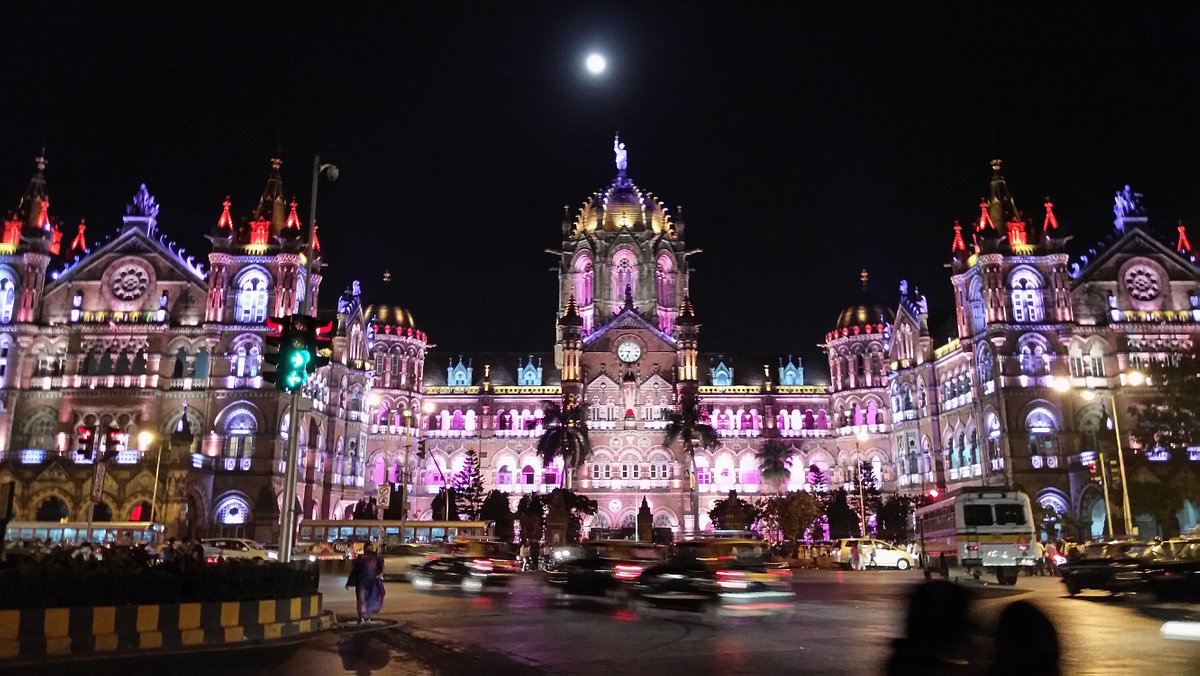
| Culture & History | Colonial architecture, Buddhist temples, National Museum. Gateway to ancient cities like Anuradhapura and Polonnaruwa. | Rich colonial heritage, Gateway of India, Elephanta Caves, Chhatrapati Shivaji Maharaj Terminus, Bollywood, diverse religious sites. | Mumbai |
| Costs & Budget | Generally more affordable. Local meals are cheap, transport is reasonable, and mid-range accommodation offers good value. | Still budget-friendly by Western standards, but typically pricier than Colombo, especially for quality accommodation and dining in tourist areas. | Colombo |
| Getting There & Flights | Bandaranaike International Airport (CMB). Good connections from the Middle East, Southeast Asia, and some European hubs. | Chhatrapati Shivaji Maharaj International Airport (BOM). Major global hub with excellent connections from almost everywhere. | Mumbai |
| Getting Around | Tuk-tuks and ride-hailing (PickMe, Uber) are king. Public buses are cheap but confusing. Traffic can be bad. | Local trains (iconic but extremely crowded), black-and-yellow taxis, ride-hailing (Uber, Ola), public buses. Intense traffic. | Tie |
| Accommodation | Good range from budget guesthouses to luxury hotels, often with better value for mid-range options and pools. | Extensive range, from hostels to opulent palaces. Can be pricier for equivalent quality and space, especially in central areas. | Colombo |
| Day Trips & Nature | Gateway to stunning beaches (Mt Lavinia, Negombo), historical Galle Fort, and the cultural triangle (Kandy, Sigiriya). | Day trips to Elephanta Caves (historical), Lonavala/Khandala (hill stations), Alibaug (beach). Limited direct access to extensive nature. | Colombo |
| Safety & Solo Travel | Generally safe, feels relaxed. Usual precautions apply, especially for solo female travelers at night. Less intense touting. | Generally safe but intense. Crowds can be overwhelming. Standard precautions for pickpockets and scams. Solo female travelers need extra awareness. | Colombo |
✨ Atmosphere & Vibe
Colombo offers a more laid-back, tropical urban experience. You'll find wide boulevards shaded by trees, remnants of colonial architecture like the Old Parliament Building or the Dutch Hospital Precinct, and a growing café culture. It's busy, but in a way that feels less overwhelming, with tuk-tuks zipping around but also quieter residential areas. The Galle Face Green promenade offers a breezy escape by the ocean. In contrast, Mumbai is an absolute powerhouse of human activity. From the moment you step out, you're hit with a symphony of horns, a kaleidoscope of people, and the aroma of street food. Areas like Colaba and Fort buzz with heritage buildings, while Marine Drive offers stunning coastal views and a constant stream of life. It’s relentless, exhilarating, and truly unique. "Mumbai just hits different. It's exhausting but in the best way possible. Colombo felt like a spa day after that!" The sheer scale and dynamism of Mumbai are unmatched, making it a more impactful, if intense, experience.
Winner takeaway
- Winner: Mumbai
- Why: Mumbai wins for its unparalleled, electrifying urban energy and sheer dynamism that offers an unforgettable, immersive experience.
- Who this matters for: Those who thrive on sensory overload, constant activity, and a truly 'big city' feel.
🍽️ Food Scene
Colombo's food scene is delicious and comforting, centered around Sri Lankan staples. You'll find incredible seafood at places like Ministry of Crab (though pricey, expect $50+ USD per person) or more local spots like Lagoon at Cinnamon Grand. Street food like kottu roti (chopped flatbread, vegetables, and meat, around 500-800 LKR / $1.50-$2.50) and hoppers (bowl-shaped pancakes, 100-200 LKR / $0.30-$0.60 each) are widely available and fantastic. However, Mumbai's food scene is on another level of variety and intensity. It's a street food paradise: Vada Pav (potato fritter in a bun, 20-30 INR / $0.25-$0.40) and Pav Bhaji (spicy vegetable mash with buttered bread, 80-150 INR / $1.00-$1.80) are iconic must-tries. Beyond the streets, you have everything from Irani cafes like Britannia & Co. (famous for Berry Pulao) to Parsi delicacies, Goan curries, and some of India's finest fine dining. "Honestly, the street food in Mumbai blew my mind. Vada Pav for like 20 INR? Can't beat it. Every corner had something new to try." The sheer depth, affordability, and regional diversity of Mumbai's culinary offerings make it a clear winner.
Winner takeaway
- Winner: Mumbai
- Why: Mumbai offers an unparalleled, diverse, and affordable food experience, especially for street food, with options ranging from iconic snacks to world-class dining.
- Who this matters for: Foodies, budget travelers, and anyone eager to explore a vast array of authentic regional cuisines.
🌃 Nightlife
Colombo's nightlife is growing, but it's still a more subdued affair compared to Mumbai. You'll find some great spots, especially around the Galle Face area or within luxury hotels. Popular choices include rooftop bars like The Love Bar at The Hilton or Cloud Red at Cinnamon Red, offering cocktails (expect 1500-2500 LKR / $5-$8 USD) and good views. There are also a few casinos, like Bally's, which are lively. However, for a truly buzzing nightlife, Mumbai is the undisputed champion. The city comes alive after dark with an incredible array of options. From upscale clubs in Bandra like Drop or Kitty Su at The Lalit to hip pubs in Lower Parel like The Bombay Canteen, there's something for every taste and budget. Cocktails might range from 700-1500 INR ($8-$18 USD) in mid-range places, going higher in luxury spots. Many places stay open until 1:30 AM or later, especially on weekends. "Mumbai's nightlife is just on another level. We danced until 3 AM and the energy was still pumping. Colombo felt like last call by midnight." The sheer variety, energy, and late-night options in Mumbai make it the clear winner for anyone looking to party.
Winner takeaway
- Winner: Mumbai
- Why: Mumbai offers a far more diverse, vibrant, and extensive nightlife scene, catering to all tastes with late-night options.
- Who this matters for: Party-goers, social butterflies, and those looking for lively evenings out.
🏛️ Culture & History
Colombo offers fascinating cultural insights, particularly into its colonial past and Buddhist heritage. Key sites include the National Museum, displaying Sri Lankan art and history (around 1000-1500 LKR / $3-$5 USD entry), the Gangaramaya Temple with its eclectic mix of Sri Lankan, Thai, Indian, and Chinese architecture, and numerous colonial-era buildings like the Cargills building or the Wolvendaal Church. It serves as an excellent starting point for exploring Sri Lanka's ancient cities like Sigiriya and Polonnaruwa. Mumbai, however, presents a more varied and dense historical and cultural tapestry within the city limits. The iconic Gateway of India, the stunning Victorian Gothic architecture of Chhatrapati Shivaji Maharaj Terminus (a UNESCO site), and the Elephanta Caves (UNESCO site, accessible by ferry for ~250 INR / $3 USD plus entry of 600 INR / $7.50 USD) are just a few highlights. You can explore the Chhatrapati Shivaji Maharaj Vastu Sangrahalaya (museum), visit diverse religious sites like Haji Ali Dargah or Siddhivinayak Temple, and immerse yourself in the world of Bollywood. "Mumbai's history feels so alive, everywhere you look. From the old buildings to the street stories, it's just so much deeper and more layered than I expected." The sheer volume, depth, and diversity of cultural and historical experiences within Mumbai itself give it the edge.
Winner takeaway
- Winner: Mumbai
- Why: Mumbai boasts a richer, more diverse, and densely packed array of historical sites, architectural marvels, and living cultural experiences, including Bollywood.
- Who this matters for: History buffs, architecture enthusiasts, and those seeking a multifaceted cultural immersion.
💰 Costs & Budget
When it comes to stretching your dollar, Colombo usually comes out ahead. A decent local meal in a casual eatery might cost 500-800 LKR (approx. $1.50-$2.50 USD), while a comfortable guesthouse can be found for 5,000-10,000 LKR ($15-$30 USD) per night. Tuk-tuk rides are inexpensive, often 200-500 LKR ($0.60-$1.50 USD) for short distances, and ride-hailing apps like PickMe offer transparent pricing. Mumbai, while offering incredible value, tends to be a bit more expensive. Street food is still incredibly cheap (20-150 INR / $0.25-$1.80 USD), but dining in proper restaurants can easily be 500-1000 INR ($6-$12 USD) per person, if not more for nicer places. Accommodation for similar quality might start around 3,000-6,000 INR ($36-$72 USD) for a clean, well-located mid-range hotel. Taxis and Uber/Ola rides are affordable (e.g., 200-400 INR / $2.40-$4.80 USD for a 30-minute ride), but can add up. "For pure budget travel, Colombo was easier. I felt like my money just went further there, especially for food and guesthouses. Mumbai felt a bit steeper for the same comfort level." Overall, if you're watching every penny, Colombo offers a slightly more relaxed budget experience.
Winner takeaway
- Winner: Colombo
- Why: Colombo generally offers better value for money across accommodation, food, and local transport, making it easier for budget travelers.
- Who this matters for: Budget-conscious travelers, backpackers, and anyone looking to maximize their travel funds.
✈️ Getting There & Flights
Both cities are accessible via international airports, but Mumbai generally offers more frequent and often cheaper flight options due to its status as a major global hub. Bandaranaike International Airport (CMB) in Colombo is well-connected, especially from hubs like Dubai (DXB to CMB: ~4.5 hours, ~ $150-$250 USD one-way), Singapore (SIN to CMB: ~3.5 hours, ~$180-$300 USD one-way), and increasingly from European cities. However, direct flights from North America are rare, usually requiring a stop in the Middle East or Europe. Mumbai's Chhatrapati Shivaji Maharaj International Airport (BOM) is a massive airport with direct flights from virtually every major continent. From London (LHR to BOM: ~9 hours, ~$400-$700 USD one-way), Dubai (DXB to BOM: ~3 hours, ~$100-$200 USD one-way), or Singapore (SIN to BOM: ~5 hours, ~$150-$250 USD one-way), you'll find numerous daily flights. "Getting to Mumbai felt way easier from Europe, more direct options and often cheaper. Colombo usually meant an extra layover for me." If you're coming from a wider range of international destinations, Mumbai's connectivity is simply superior.
Winner takeaway
- Winner: Mumbai
- Why: Mumbai, as a major global aviation hub, offers more direct flights, greater frequency, and often more competitive pricing from a wider array of international destinations.
- Who this matters for: International travelers from diverse origins, those prioritizing convenience and cost-effective flight options.
🚦 Getting Around
Both cities present unique challenges and charms for getting around. In Colombo, tuk-tuks are ubiquitous, fun, and relatively cheap, but always ensure the meter is on or agree on a price beforehand. Ride-hailing apps like PickMe and Uber are highly recommended for transparent pricing and ease, with a 5km ride costing around 300-500 LKR ($1-$1.50 USD). Public buses are very cheap (under 100 LKR / $0.30 USD for most city routes) but can be crowded and difficult to navigate for tourists. Mumbai's local train network is its lifeline, incredibly cheap (tickets from 5-15 INR / $0.06-$0.18 USD) but notoriously crowded, especially during peak hours – an experience in itself, but not for the faint of heart. The iconic black-and-yellow taxis are metered but can be hard to flag down sometimes, and ride-hailing apps (Uber, Ola) are excellent, with a similar 5km ride costing 150-250 INR ($1.80-$3 USD). Traffic in both cities can be horrendous, making short distances take long times. "Mumbai's local trains were insane, but I actually loved the chaos. Colombo's PickMe app was a lifesaver for getting around easily without haggling." While Mumbai offers the unique train experience, Colombo's reliance on straightforward ride-hailing makes it slightly less stressful for tourists, balancing out the tie.
Winner takeaway
- Winner: Tie
- Why: Both cities offer effective but distinct modes of transport, with Colombo's ride-hailing convenience balancing Mumbai's iconic, albeit crowded, local trains.
- Who this matters for: All travelers; ease of transport is crucial for a smooth trip.
🏨 Accommodation
Colombo generally offers better value and more spacious options for accommodation, especially in the mid-range. You can find well-appointed guesthouses or boutique hotels with pools for around 8,000-15,000 LKR ($25-$45 USD) per night in areas like Cinnamon Gardens or Kollupitiya. Luxury hotels like The Kingsbury or Cinnamon Grand offer world-class amenities starting from $100-$150 USD. The overall quality and amenities (like swimming pools, which are more common even in mid-range places) tend to be quite good for the price point. Mumbai, while having an equally vast range from budget hostels (dorms around 700-1500 INR / $8-$18 USD) to incredibly luxurious hotels like The Taj Mahal Palace, tends to be more expensive for similar standards. A decent mid-range hotel in a good location like Colaba or Bandra might cost 4,000-8,000 INR ($48-$96 USD) per night, and rooms can sometimes be smaller. "Finding a comfortable, clean room with a pool in Colombo for under $50 was easy. In Mumbai, that price point felt like a much bigger compromise on space or location." While Mumbai has more options, Colombo often delivers better comfort and amenities for your money, especially in the sweet spot for most travelers.
Winner takeaway
- Winner: Colombo
- Why: Colombo offers superior value for money in accommodation, providing more spacious rooms and amenities like pools at more accessible price points.
- Who this matters for: Budget-conscious travelers, those seeking comfort and value, and families.
🏞️ Day Trips & Nature
Colombo shines as a starting point for exploring Sri Lanka's incredible natural beauty and rich history just beyond the city limits. You can easily take a short train ride to Mount Lavinia Beach for a quick swim or sunset, or a slightly longer trip to Negombo Beach. The UNESCO World Heritage site of Galle Fort is a popular day trip (2-3 hours by train/car, about 1000-2000 LKR / $3-$6 USD for train). Further afield, but still doable as an overnight trip, are Kandy and the famous Sigiriya Rock Fortress, offering stunning ancient history and lush landscapes. Mumbai's day trip options are more limited in terms of diverse nature. The Elephanta Caves are a must-see historical site, easily accessible by ferry from the Gateway of India. For nature, you have hill stations like Lonavala and Khandala (2-3 hours by train/car, around 150-300 INR / $1.80-$3.60 USD for train) or beaches like Alibaug, but they don't offer the same dramatic landscapes or historical depth as Sri Lanka's interior. Sanjay Gandhi National Park is within Mumbai, offering a touch of green, but it's not the same as vast natural reserves. "Colombo felt like the perfect jump-off point for exploring so much more of Sri Lanka – those beaches and ancient sites are incredible. Mumbai's day trips were fine, but not as diverse." Colombo wins for its direct gateway to a richer and more varied array of natural and historical wonders.
Winner takeaway
- Winner: Colombo
- Why: Colombo serves as an exceptional gateway to a much wider and more diverse range of stunning natural landscapes and significant historical sites within easy reach.
- Who this matters for: Nature lovers, history enthusiasts, and those planning a multi-day itinerary beyond the main city.
🚶♀️ Safety & Solo Travel
Both cities require common-sense safety precautions, but Colombo often feels slightly more relaxed and less intense, particularly for solo travelers. Petty crime like pickpocketing exists, but serious crime against tourists is rare. The biggest annoyances are persistent tuk-tuk drivers, though less aggressive than in some other South Asian cities. Solo female travelers often report feeling comfortable, especially using ride-hailing apps for late-night transport. "Colombo's vibe is just chiller. Felt safe walking around even late, unlike some other big cities where I was constantly on edge." Mumbai is generally safe for a large metropolis, but its sheer crowds and intensity can be overwhelming. Scams can occur, and women, especially solo, need to be vigilant about unwanted attention, particularly in very crowded areas or at night. While Mumbaikars are often helpful, the constant jostle and sensory input can be draining. Public transport, especially local trains, requires awareness of personal space. The police presence is noticeable, but navigating the intensity requires a higher level of street smarts. Overall, Colombo offers a slightly gentler introduction to South Asia for those concerned about safety and ease of solo travel.
Winner takeaway
- Winner: Colombo
- Why: Colombo offers a more relaxed and less intense environment, which can feel safer and more comfortable for solo travelers, particularly women.
- Who this matters for: Solo travelers, first-time visitors to South Asia, and those prioritizing a less overwhelming travel experience.
❓ Frequently Asked Questions
Which city is better for a family trip with young children?
Colombo might be slightly better for families due to its more relaxed pace and easier access to child-friendly beaches like Mount Lavinia. Mumbai's crowds and intense pace can be overwhelming for young kids, though it does offer attractions like EsselWorld amusement park and numerous museums if your children are older.
What's the best time of year to visit Colombo vs Mumbai?
For Colombo, the best time is from December to March, avoiding the monsoon rains. For Mumbai, October to March offers pleasant, cooler and drier weather, making it ideal to explore without the intense heat or monsoon downpours.
Are English speakers common in Colombo and Mumbai?
Yes, English is widely spoken in both cities, especially in tourist areas, hotels, and by ride-hailing drivers. In Mumbai, it's very common due to its international business ties, while in Colombo, most educated people and those in the tourism industry speak good English.
Which city has better shopping opportunities?
Mumbai definitely takes the crown for shopping. From high-end malls like Phoenix Marketcity to bustling street markets like Colaba Causeway (for souvenirs and fashion) and Chor Bazaar (for antiques), Mumbai offers an unparalleled variety. Colombo has modern malls and local markets, but not the same scale or diversity.
Is it easy to get a visa for Sri Lanka and India?
For most nationalities, obtaining an e-Visa (ETA for Sri Lanka, e-Visa for India) is a straightforward online process. Ensure you apply well in advance of your trip. Requirements and costs vary by nationality, so always check the official government websites specific to your passport.
Which city has better beaches nearby?
Colombo has more accessible and appealing city beaches, like Mount Lavinia, which is just a short train ride away. While Mumbai has Juhu Beach, it's more for strolling and street food than swimming. For truly beautiful beaches, Colombo serves as a gateway to the stunning southern coast of Sri Lanka, a clear win.
What are the key cultural differences to be aware of?
While both are South Asian, Mumbai is overwhelmingly Indian, with a vibrant mix of Hindu, Muslim, and Parsi cultures. Colombo is predominantly Sinhalese Buddhist, with Tamil and Muslim minorities, and a strong colonial Portuguese, Dutch, and British influence. This shapes everything from cuisine to festivals and architecture, offering distinct experiences.
Can I use credit cards easily in both cities?
Yes, major credit cards (Visa, Mastercard) are widely accepted at hotels, larger restaurants, and shops in both Colombo and Mumbai. However, for street food, local markets, and smaller establishments, cash in local currency (LKR in Colombo, INR in Mumbai) is essential. ATMs are readily available.
Ready to plan your South Asia trip?
Get a free custom itinerary for Colombo, Mumbai, or both — built from real traveler insights.
🎟️ Book Tours & Experiences
Hand-picked tours and activities for both destinations — book with free cancellation
Experiences via Viator — free cancellation on most tours