How we built this comparison
This page combines traveler discussion patterns, published price ranges, flight schedules, and seasonal data to help you decide between Cook Islands and Bora Bora.
- Reviewed 50+ Reddit threads from r/travel, r/solotravel, r/CookIslands, and r/FrenchPolynesia, focusing on recent traveler experiences.
- Verified costs and logistics against current booking platforms (e.g., Expedia, Booking.com, resort websites, airline sites) for Q4 2023 / Q1 2024.
- Cross-referenced seasonal patterns and weather data from meteorological sources for typical tropical island conditions.
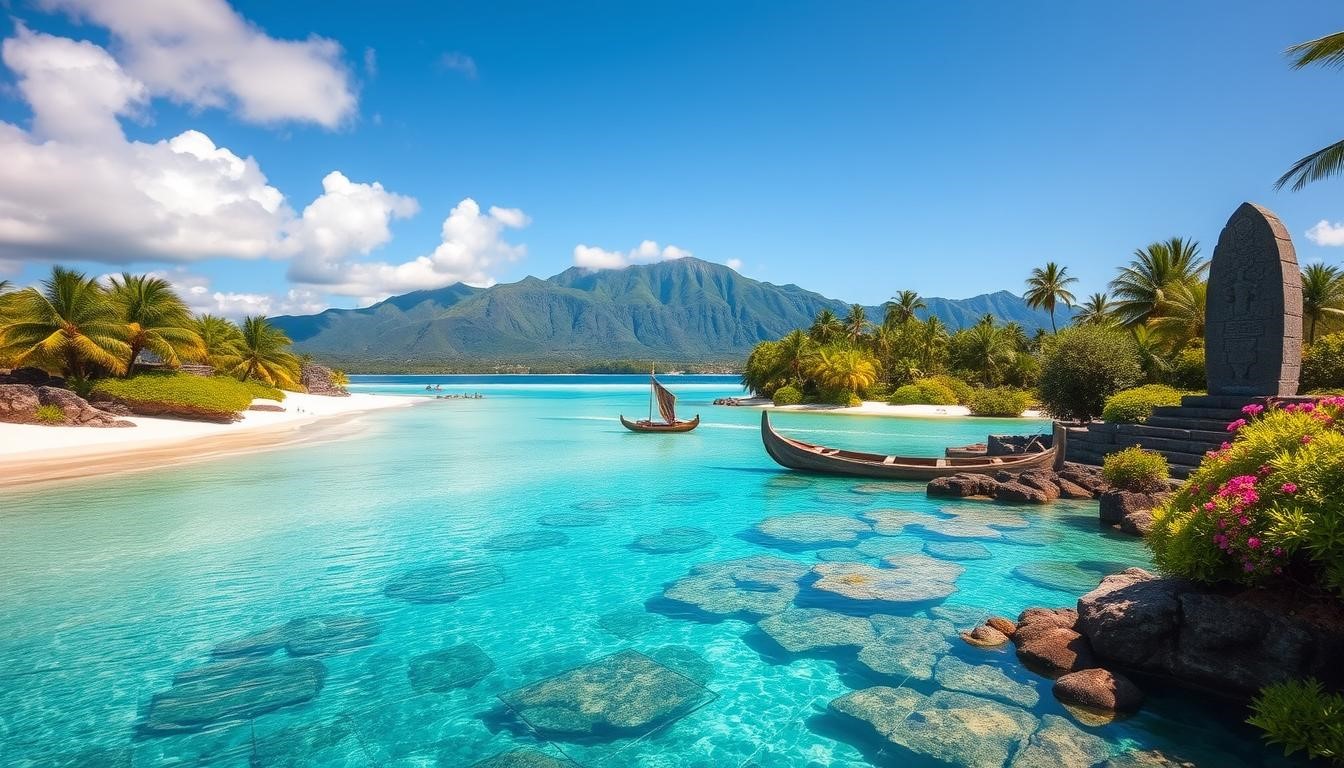
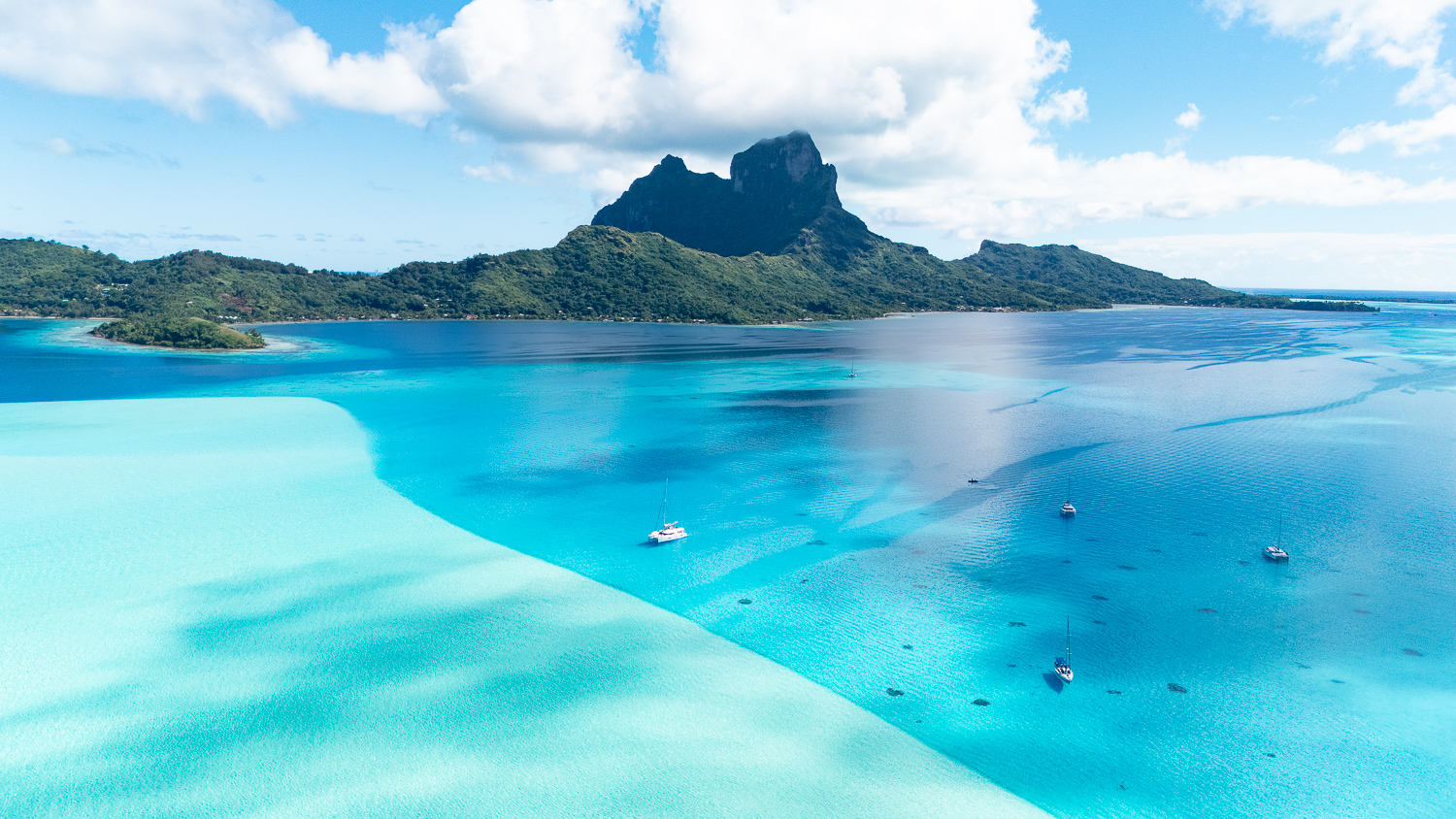
⚡ The TL;DR Verdict
For those craving an authentic, independent, and budget-friendlier island escape with strong local culture, the Cook Islands is your clear winner. If your dream involves iconic overwater bungalows, ultimate luxury, and a curated high-end experience without worrying about costs, Bora Bora beckons. Expect to spend $150-400 USD daily in the Cook Islands versus $800-2000+ USD in Bora Bora.
- Choose Cook Islands: Choose the Cook Islands if you're a budget-conscious adventurer, a couple seeking a laid-back, culturally immersive experience, or a family wanting to explore on your own terms. It's perfect for those who value local interaction, self-driving scooters, and pristine, less-crowded natural beauty without the ultra-luxury price tag.
- Choose Bora Bora: Opt for Bora Bora if you're celebrating a special occasion like a honeymoon, want to indulge in world-class luxury resorts, and prioritize iconic overwater bungalows and impeccable service. It’s ideal for travelers whose primary goal is relaxation in an opulent setting, where cost is less of a concern and curated experiences are preferred over independent exploration.
- Choose Both: If you have ample time (2+ weeks) and a generous budget, combining both could offer the ultimate South Pacific experience. Start with the authentic charm and adventure of Rarotonga, then splurge on a few nights of pure luxury in an overwater bungalow in Bora Bora for a truly diverse and unforgettable trip.
Quick Comparison
| Category | Cook Islands | Bora Bora | Winner |
|---|---|---|---|
| Costs & Value | Significantly more affordable, offering great value for money across accommodation, food, and activities. Expect to pay in NZD. | Extremely expensive, catering to luxury travelers with high prices for everything from basic meals to premium experiences. Prices in XPF. | Cook Islands |
| Beaches & Lagoons | Pristine, less crowded beaches, particularly Muri Lagoon on Rarotonga and the iconic Aitutaki Lagoon, known for its vibrant marine life and turquoise waters. | Stunning, impossibly blue lagoons famous for their dramatic volcanic backdrop and iconic overwater bungalows. Matira Beach is a public highlight. | Bora Bora |
| Accommodation | Wide range from boutique resorts and charming bungalows to self-catering villas, often at great value. Fewer traditional overwater bungalows. | Dominated by ultra-luxury, international chain resorts featuring iconic overwater bungalows, with fewer budget-friendly options available. | Bora Bora |
| Food & Dining | Authentic Polynesian flavors, fresh seafood, local markets, and a good mix of casual eateries. Ika Mata is a must-try. | High-end resort dining with a strong French influence, often expensive. Limited local street food options outside resorts. | Cook Islands |
| Getting There | Primarily via Auckland, New Zealand (AKL) to Rarotonga (RAR). Direct flights from LAX and Sydney also available, but less frequent. | Always via Papeete, Tahiti (PPT) from major international hubs, then a domestic flight to Bora Bora (BOB). | Tie |
| Getting Around | Easy to self-explore via scooter or rental car on Rarotonga's single ring road. Local bus system also available. Aitutaki requires taxis or tours. | Mainly resort boats, water taxis, and occasional bikes on the main island. Resorts are often isolated on their own motus, limiting independent exploration. | Cook Islands |
| Culture & Local Interaction | Strong, vibrant Polynesian (Maori) culture, very friendly locals, opportunities for deep cultural immersion and interaction. | Polynesian culture is present but often presented as curated experiences within resorts; less organic interaction with local life outside tourist areas. | Cook Islands |
| Activities & Excursions | Diverse range from snorkeling and diving to jungle treks, lagoon cruises, and cultural tours, often at reasonable prices. | Focus on high-end water activities: shark/ray feeding, diving, jet skiing, and luxury spa treatments. Excursions are very expensive. | Tie |
| Nightlife & Entertainment | Relaxed bars, occasional live music, and the famous 'Raro Pub Crawl' bus on certain nights. More local feel. | Primarily resort bars and lounges, offering sophisticated drinks and often live, subtle entertainment. Very little outside the resorts. | Cook Islands |
| Romance & Ambiance | Intimate, laid-back, and authentic romance amidst stunning natural beauty and friendly locals. Perfect for quiet getaways. | The epitome of luxury romance, with iconic overwater bungalows, impeccable service, and breathtaking, dramatic scenery. Ideal for honeymoons. | Bora Bora |
💰 Costs & Value
This is where the Cook Islands truly shine for the everyday traveler. A comfortable daily budget for two can range from NZD 250-600 ($150-360 USD), including a mid-range bungalow (e.g., Rarotongan Beach Resort from NZD 350/$210 USD), scooter rental, and meals. You can easily find delicious fresh seafood at local eateries for NZD 25-40 ($15-24 USD) per person, or self-cater from the Punanga Nui Market. In stark contrast, Bora Bora's daily costs for two can easily hit XPF 100,000-200,000+ ($900-1800+ USD). A basic overwater bungalow at a major resort like the Conrad or St. Regis starts around XPF 90,000-150,000 ($800-1350 USD) per night, and a casual dinner can set you back XPF 8,000-12,000 ($70-110 USD) per person. Everything from bottled water to excursions carries a premium. "If you want to feel rich, go to Raro. If you *are* rich, go to Bora Bora. Simple as that," as one Redditor perfectly put it.
Winner takeaway
- Winner: Cook Islands
- Why: The Cook Islands offer an incredible South Pacific experience at a fraction of Bora Bora's cost, providing excellent value without compromising on natural beauty or authenticity.
- Who this matters for: Budget-conscious travelers, families, and those seeking longer stays.
🏖️ Beaches & Lagoons
While the Cook Islands boast breathtaking beaches like Muri Lagoon on Rarotonga and the world-renowned Aitutaki Lagoon (often cited as one of the most beautiful in the world), Bora Bora's visual impact is simply unrivaled. The caldera of Mount Otemanu rising dramatically from the impossibly vibrant blue lagoon creates a postcard-perfect scene that feels almost surreal. The overwater bungalows perched directly above these clear waters are a major draw, offering direct access to the warm, shallow reef. Matira Beach on Bora Bora is also a truly stunning public beach. Aitutaki's One Foot Island is phenomenal for its untouched beauty and stamp, but the sheer scale and iconic imagery of Bora Bora's lagoon, with its various shades of blue and the constant mountain backdrop, give it the edge for sheer 'wow' factor. "Nothing compares to waking up to Otemanu outside your bungalow window. It's just... *Bora Bora*," noted a traveler.
Winner takeaway
- Winner: Bora Bora
- Why: Bora Bora's iconic volcanic backdrop combined with its stunning, multi-hued lagoon and ubiquitous overwater bungalows create an unparalleled visual spectacle.
- Who this matters for: Honeymooners, photographers, and those seeking the quintessential 'South Pacific dream' aesthetic.
🏨 Accommodation
Bora Bora is the undisputed king of overwater bungalows. Resorts like St. Regis, Four Seasons, Conrad, and Le Méridien offer unparalleled luxury, privacy, and direct lagoon access from your private deck. Expect prices for these dream stays to start from XPF 90,000 ($800 USD) and easily climb to XPF 200,000+ ($1,800 USD) per night. The Cook Islands, particularly Rarotonga, offer a fantastic array of quality accommodations but with a different focus. You'll find beautiful beachfront bungalows at places like Pacific Resort Rarotonga (NZD 500-800/$300-480 USD) or charming self-catering villas. While Aitutaki does have some overwater bungalows (e.g., Aitutaki Lagoon Private Island Resort), they are fewer and less iconic than Bora Bora's. The Cook Islands excel in offering great value and more local-style stays, but for the sheer opulence and iconic architectural statement of accommodation, Bora Bora leads. As one forum user put it: "For the ultimate overwater experience, Bora Bora can't be beaten. But Raro has such a great mix of local charm and comfort that's actually attainable."
Winner takeaway
- Winner: Bora Bora
- Why: Bora Bora's iconic, luxurious overwater bungalows and world-renowned resorts offer an unparalleled, aspirational accommodation experience.
- Who this matters for: Luxury travelers, honeymooners, and those for whom the overwater bungalow is a must-have dream.
🍽️ Food & Dining
The Cook Islands offer a more authentic and accessible culinary journey. Rarotonga's Punanga Nui Market on Saturdays is a vibrant hub for local produce, street food, and cultural immersion, where you can grab delicious BBQ or tropical fruits for a few NZD. Casual restaurants like Trader Jacks or Charlie's Cafe offer fresh seafood dishes for NZD 25-40 ($15-24 USD), and you must try ika mata (raw fish marinated in coconut cream). The progressive 'Island Night' feasts with traditional song and dance are also a highlight. In Bora Bora, dining is primarily within the resorts, offering exquisite (and expensive) international cuisine with a French flair. Expect a main course at a resort like St. Regis's Lagoon by Jean-Georges to be XPF 6,000-10,000+ ($55-90+ USD). There are a few local 'roulottes' (food trucks) or small restaurants like Bloody Mary's on the main island, but they are often still pricey and require transportation. "Raro's food scene felt so much more real and delicious without breaking the bank. I still dream about the ika mata!" commented a traveler.
Winner takeaway
- Winner: Cook Islands
- Why: The Cook Islands provide a more authentic, varied, and budget-friendly culinary experience deeply rooted in local culture.
- Who this matters for: Foodies, budget travelers, and those seeking cultural immersion through cuisine.
✈️ Getting There
Access to both destinations requires multiple flights for most international travelers, though the hubs differ. For the Cook Islands, the main gateway is Rarotonga (RAR), with frequent flights from Auckland, New Zealand (AKL). Air New Zealand is the primary carrier, and there are direct flights from Los Angeles (LAX) once or twice a week, and Sydney (SYD). Total travel time from the US West Coast can be around 10-12 hours total flight time. For Bora Bora, all international flights go to Papeete, Tahiti (PPT), typically from LAX, San Francisco (SFO), or Paris (CDG). From PPT, you then take a mandatory domestic flight to Bora Bora (BOB) on Air Tahiti, which is about 50 minutes. The airport is on a motu, requiring a boat transfer to your resort. "Both are a trek, honestly. Raro's direct LAX flight is nice, but Bora Bora's domestic leg is part of the iconic arrival," noted a frequent flyer. Neither is 'easy' to get to, but both offer stunning arrivals.
Winner takeaway
- Winner: Tie
- Why: Both destinations require multiple flight legs for most travelers, with similar overall travel times and complexities, albeit through different hubs.
- Who this matters for: All travelers, as flight logistics are crucial for planning any international trip.
🛵 Getting Around
The Cook Islands truly shine for independent exploration. Rarotonga, with its single 32km (20-mile) ring road, is perfectly suited for self-drive adventures. Renting a scooter for NZD 50-60 ($30-36 USD) per day (a local license is required and easily obtained) is the quintessential Raro experience, letting you stop at any beach or roadside cafe. Rental cars are also readily available from NZD 60-90 ($36-54 USD) per day. There's even a reliable 'clockwise' and 'anti-clockwise' bus service. Aitutaki is smaller, requiring taxis or organized tours. In contrast, Bora Bora's luxury resort experience often means you're largely confined to your resort's motu, relying on expensive resort boat transfers. While you can take water taxis to the main island, independent exploration is far more limited and costly. "Renting a scooter in Raro and just cruising around the island, pulling over whenever you want, was one of my favorite travel experiences ever. Bora Bora felt much more contained," a visitor shared.
Winner takeaway
- Winner: Cook Islands
- Why: The Cook Islands offer unparalleled freedom and ease for independent exploration and self-driving, promoting a sense of adventure and local immersion.
- Who this matters for: Independent travelers, adventurers, and those who enjoy spontaneous exploration.
🌺 Culture & Local Interaction
The Cook Islands are a beacon of authentic Polynesian culture. From the moment you arrive, you feel immersed in the local way of life. Attending an 'Island Night' cultural show at venues like Te Vara Nui Village (NZD 110-130/$66-78 USD) is more than just a performance; it's a celebration of heritage, often with locals engaging guests. The Punanga Nui Market, local churches on Sunday, and simply chatting with shopkeepers or taxi drivers offer genuine interaction. Locals are incredibly friendly and welcoming. Bora Bora's culture, while beautiful, is often filtered through the luxury resort lens. You'll see traditional dance and music at resort events, and staff are incredibly hospitable, but opportunities to wander through local villages or spontaneously interact with non-tourism locals are far fewer. It's a more curated cultural experience. "Raro felt like I was visiting friends; Bora Bora felt like I was visiting a very beautiful, very expensive resort. Big difference in local vibe," a traveler observed.
Winner takeaway
- Winner: Cook Islands
- Why: The Cook Islands offer a much more authentic, accessible, and immersive cultural experience with abundant opportunities for genuine local interaction.
- Who this matters for: Culture enthusiasts, solo travelers, and those seeking deeper connections with the places they visit.
🎣 Activities & Excursions
Both destinations excel in providing incredible water-based activities, but with different price points and flavors. In the Cook Islands, a Muri Lagoon cruise with Koka Lagoon Cruises (NZD 79/$48 USD) offers fantastic snorkeling, BBQ, and entertainment. The Cross-Island Trek with Pa's Treks (NZD 75-90/$45-54 USD) is an unforgettable jungle adventure, and diving is world-class. Bora Bora is famous for its lagoon tours, especially snorkeling with blacktip sharks and manta rays (XPF 12,000-20,000/$110-180 USD), exhilarating jet ski tours (XPF 20,000-30,000/$180-270 USD), and robust diving opportunities. While the activities themselves are similar in nature (snorkeling, diving, boat tours), Bora Bora's are often more polished, exclusive, and come with a significantly higher price tag. The Cook Islands offer a wider variety of land-based adventures (hiking, cycling, local village visits) that are less prominent in Bora Bora's resort-centric model. "For sheer variety and value, Raro crushed it. But for the 'wow' factor of feeding a shark in crystal water, Bora Bora wins that specific memory," a traveler mused.
Winner takeaway
- Winner: Tie
- Why: Both destinations offer exceptional, distinct, and memorable activities and excursions that cater to different preferences and budgets.
- Who this matters for: Adventure seekers, water sports enthusiasts, and those looking for unique memorable experiences.
🍹 Nightlife & Entertainment
If you're looking for a bit more buzz after sunset, the Cook Islands offer a more engaging and authentic nightlife. Rarotonga is famous for its 'Raro Pub Crawl' bus, which circles the island on specific nights, picking up and dropping off revelers at popular spots like Trader Jacks, OTR (On The Rocks), and Hula Bar. These venues often feature live local music, a lively atmosphere, and a chance to mingle with both tourists and locals. Expect a beer to cost NZD 8-12 ($5-7 USD). Bora Bora, by contrast, is very much about quiet, romantic evenings within your resort. Each luxury resort has its own sophisticated bars and lounges, offering expertly crafted cocktails (often XPF 2,000-3,000/$18-27 USD) and sometimes soft live music. However, there's virtually no independent nightlife or local bars to explore outside the resort bubble. "After a few days in Bora Bora, I definitely missed being able to just walk into a local bar and hear some island tunes like you can in Raro. It's too quiet there at night," a past visitor commented.
Winner takeaway
- Winner: Cook Islands
- Why: The Cook Islands provide a more lively, accessible, and locally infused nightlife scene compared to Bora Bora's quiet resort-centric evenings.
- Who this matters for: Social travelers, those who enjoy local bars, and anyone looking for a bit of evening entertainment beyond their hotel.
💖 Romance & Ambiance
While both destinations are incredibly romantic, Bora Bora takes the crown for its sheer, undeniable 'honeymoon destination' allure. The iconic image of overwater bungalows against the backdrop of Mount Otemanu, combined with impeccable, discreet service, creates an atmosphere of unparalleled luxury and intimacy perfect for celebrating special occasions. Private dinners on your bungalow deck, sunset cruises, and couples' spa treatments are elevated to an art form here. The Cook Islands offer a different, more understated kind of romance – one of shared discovery, scooter rides around the island, quiet beachfront dinners under the stars, and connecting with a genuine island pace. Places like Aitutaki, with its serene lagoon, are incredibly romantic. However, Bora Bora's global reputation for being *the* ultimate romantic escape, with its curated, ultra-luxurious ambiance, makes it the winner in this category for most couples. "For a honeymoon, Bora Bora is just on another level. It feels like you're living in a postcard designed for romance, even if it cost a fortune!" recalled a newlywed.
Winner takeaway
- Winner: Bora Bora
- Why: Bora Bora's iconic overwater bungalows, unparalleled luxury resorts, and stunning dramatic scenery are globally synonymous with the ultimate romantic escape and honeymoon destination.
- Who this matters for: Honeymooners, couples celebrating major anniversaries, and those seeking the ultimate luxurious romantic getaway.
❓ Frequently Asked Questions
Which destination is better for families?
The Cook Islands, particularly Rarotonga, are generally better for families due to the more affordable costs, easier independent exploration (like scooter rentals and safe beaches), and a relaxed, welcoming atmosphere. Bora Bora, while beautiful, caters more to adults and couples, and its high prices can make it less practical for families.
Is English widely spoken in both places?
Yes, English is widely spoken in both the Cook Islands and Bora Bora. In the Cook Islands, English and Cook Islands Māori are official languages. In Bora Bora, French and Tahitian are official, but due to tourism, English is very commonly spoken, especially within resorts and tourist-facing businesses.
What's the best time of year to visit?
For both destinations, the dry season (typically May to October) is considered the best time to visit. This period offers cooler temperatures, lower humidity, and less rainfall, making it ideal for outdoor activities and enjoying the beaches. The wet season (November to April) brings higher humidity, more rain, and the possibility of tropical storms.
Do I need a visa for either destination?
For most major nationalities (US, Canada, UK, EU, Australia, NZ), a visa is not required for tourist stays of up to 30 or 90 days in either the Cook Islands or French Polynesia (Bora Bora). You will need a valid passport, onward/return ticket, and proof of sufficient funds. Always check the latest visa requirements for your specific nationality before traveling.
Which destination has better snorkeling/diving?
Both offer excellent snorkeling and diving, but with slightly different characteristics. Bora Bora is famous for its calm lagoon, making it fantastic for snorkeling and seeing rays and sharks. The Cook Islands, especially around Rarotonga, boast vibrant coral reefs and diverse marine life, often with more drift diving opportunities outside the lagoons. For sheer ease of access to big marine life within the lagoon, Bora Bora might have a slight edge for snorkelers, while divers might find more advanced sites in the Cook Islands.
Can I do a day trip to Aitutaki from Rarotonga?
Yes, day trips to Aitutaki from Rarotonga are very popular and highly recommended. Air Rarotonga offers daily flights, usually including a lagoon cruise and lunch. It's a long but incredibly rewarding day to experience Aitutaki's world-famous lagoon, though many recommend staying a night or two if your budget and time allow.
Is it safe to drink the tap water?
In the Cook Islands, it's generally advised not to drink tap water on Rarotonga and Aitutaki. Bottled water is widely available. In Bora Bora, tap water in resorts is usually filtered and safe to drink, but it's always best to check with your specific resort or err on the side of caution and stick to bottled water, which is readily available throughout.
Which destination is better for solo travelers?
The Cook Islands are generally more appealing for solo travelers. Its smaller size, easy independent navigation (scooter), opportunities for local interaction, and more budget-friendly options make it easier to meet people and explore without feeling isolated. Bora Bora's focus on luxury couples and high price points can make it less ideal for solo adventures.
Ready to plan your South Pacific trip?
Get a free custom itinerary for Cook Islands, Bora Bora, or both — built from real traveler insights.
🎟️ Book Tours & Experiences
Hand-picked tours and activities for both destinations — book with free cancellation
Experiences via Viator — free cancellation on most tours