How we built this comparison
This page combines traveler discussion patterns, published price ranges, flight schedules, and seasonal data to help you decide between Cook Islands and Fiji.
- Reviewed 50+ Reddit threads from r/travel, r/solotravel, r/CookIslands, r/Fiji, and r/pacifictravel for firsthand experiences and advice.
- Verified costs and logistics against current booking platforms (Booking.com, Skyscanner, local tour operators) and official tourism sites.
- Cross-referenced seasonal patterns, weather data, and major events to provide accurate 'best time to visit' insights.
⚡ The TL;DR Verdict
For those craving a laid-back, intimate island escape with stunning lagoons and a touch of Polynesian authenticity, the Cook Islands win. If you're after a more developed tourist infrastructure, diverse activities, and social resorts, Fiji is your pick. Budget-wise, Cook Islands can be done for NZD 200-350 ($120-220 USD) daily, while Fiji typically ranges from FJD 180-400 ($80-180 USD) for a comfortable trip.
- Choose Cook Islands: You prioritize peace, incredible snorkeling/diving in crystal-clear lagoons, self-catering options, and a genuine, unhurried Polynesian vibe without the crowds.
- Choose Fiji: You're looking for more adventure, a wider range of resort options (from budget hostels to luxury), vibrant nightlife, and easily accessible island hopping with a lively, welcoming culture.
- Choose Both: If you have 3+ weeks and a healthy budget, combining both offers a full spectrum of South Pacific experiences – start tranquil in the Cooks, then ramp up the adventure in Fiji.
Quick Comparison
| Category | Cook Islands | Fiji | Winner |
|---|---|---|---|
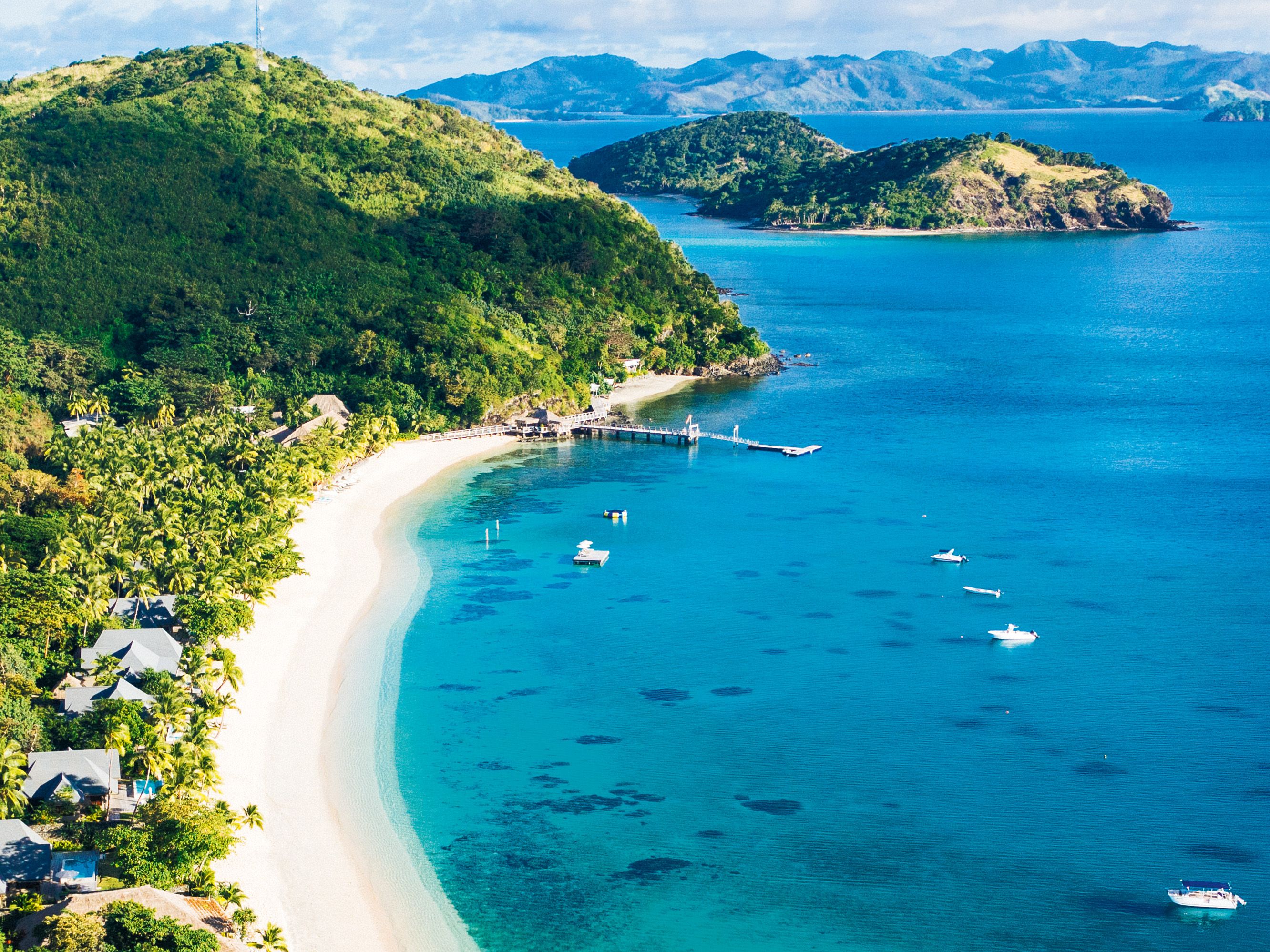
| Beaches & Scenery | Unspoiled, pristine lagoons (Aitutaki is world-class), lush volcanic peaks, and fewer crowds. | Stunning white sand beaches (Mamanucas, Yasawas), diverse coral reefs, and dramatic volcanic landscapes. | Cook Islands |
| Cost of Travel | Higher baseline costs, especially for flights and imports, but self-catering helps. | Wider range of budget options (hostels), competitive resort pricing, local markets are affordable. | Fiji |
| Getting There & Flights | Limited direct flights, mainly from NZ, AUS, LAX. Rarotonga (RAR) is the main hub. | More international flights, especially from North America, AUS, NZ. Nadi (NAN) is a major hub. | Fiji |
| Accommodation | Boutique resorts, self-catering bungalows, guesthouses. Smaller scale, intimate. | Wide range: backpacker hostels, family resorts, luxury island escapes. Larger scale, more variety. | Fiji |
| Food & Dining | Fresh seafood, Polynesian influences, good self-catering options. Limited high-end. | Indian influences, fresh seafood, resort dining, Lovo feasts. More diverse options. | Fiji |
| Culture & Local Interaction | Authentic, laid-back Polynesian culture, very friendly locals, strong traditional values. | Warm 'Bula!' hospitality, strong village traditions, more opportunities for structured cultural tours. | Cook Islands |
| Activities & Adventure | Excellent snorkeling/diving, paddleboarding, hiking (Cross-Island Track), lagoon cruises. | World-class diving (shark feeding!), surfing, white water rafting, zip-lining, island hopping. | Fiji |
| Nightlife & Entertainment | Low-key, local pubs, cultural shows, quiet resort bars. Early nights are typical. | Vibrant resort bars, some nightclubs in Nadi/Suva, lively backpacker scene, traditional Kava ceremonies. | Fiji |
| Getting Around | Rental scooters are king on Rarotonga, local bus service. Small, easy to navigate. | Buses, taxis, rental cars, ferries for island hopping. More options, but can be complex. | Cook Islands |
| Families & Kids | Safe, calm lagoons, friendly locals, self-catering options, fewer kids clubs. | Numerous family resorts, kids clubs, wide range of activities, experienced with family travel. | Fiji |
🏖️ Beaches & Scenery
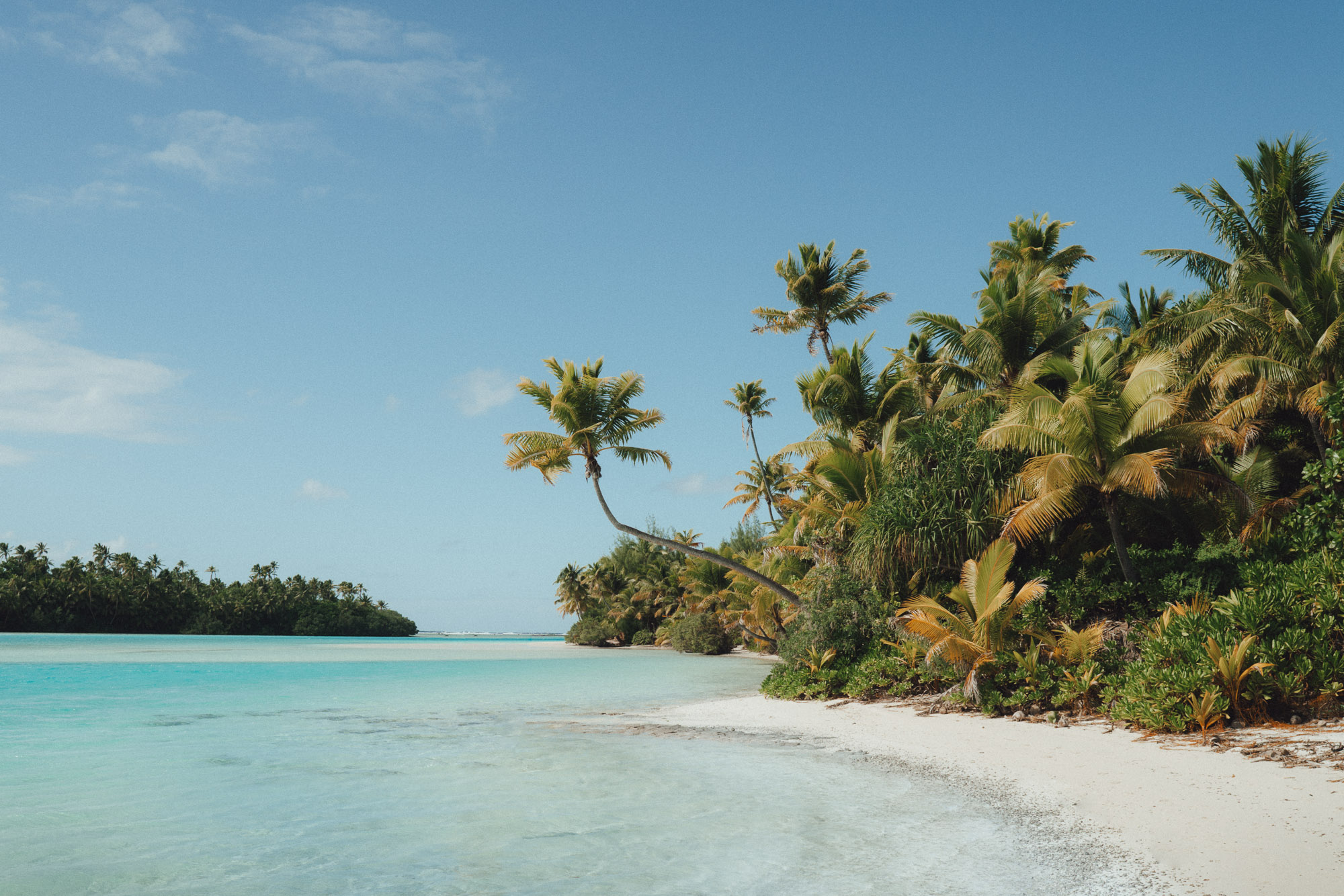
When it comes to sheer, untouched beauty, the Cook Islands, particularly Aitutaki, are unparalleled. Its lagoon is often cited as one of the most beautiful in the world, with vibrant turquoise waters, tiny motu (islets), and incredible snorkeling right from the shore. Rarotonga also boasts beautiful beaches like Muri Beach, fringed by shallow lagoons perfect for paddleboarding. Fiji's Mamanuca and Yasawa Islands offer quintessential postcard-perfect beaches, like those around the famed Castaway Island or Mantaray Island. However, some of Fiji's mainland beaches, especially near Nadi, don't hold a candle to the outer islands or the Cooks. The volcanic interior of Viti Levu and Taveuni in Fiji is more rugged and dramatic for hiking, but for consistently breathtaking lagoons and pristine, accessible beaches, the Cook Islands generally edge it out. "Seriously, Aitutaki's lagoon boat trip changed my life. Nothing in Fiji quite hit that level of 'wow' for me, even the Yasawas were a step down." A highlight in the Cooks is snorkeling in Titikaveka Lagoon; in Fiji, exploring the Sawa-i-Lau Caves in the Yasawas offers a different kind of natural wonder.
Winner takeaway
- Winner: Cook Islands
- Why: The Cook Islands offer consistently pristine, accessible lagoons and beaches, with Aitutaki's lagoon being a global standout.
- Who this matters for: Travelers prioritizing serene, picture-perfect waters and uncrowded shores.
💰 Cost of Travel
This is a big one. Fiji generally offers better value, especially if you're willing to mix and match accommodation styles or stick to a backpacker budget. You can find hostel dorms in Fiji for FJD 30-60 ($13-26 USD) or decent guesthouses for FJD 100-200 ($45-90 USD). Resort stays, like at The Sofitel Denarau, start around FJD 500 ($220 USD) per night. Meals at local 'lovo' restaurants or markets are cheap, FJD 10-25 ($4-11 USD). The Cook Islands are pricier across the board. Flights tend to be less frequent and thus more expensive. A decent guesthouse in Rarotonga (e.g., Rarotonga Beach Bungalows) starts around NZD 250-400 ($150-250 USD). Meals at restaurants like Antipodes might cost NZD 50-80 ($30-50 USD) per person, and even groceries are noticeably more expensive due to import costs. You'll save by utilizing self-catering options which are common. "Fiji felt way more manageable on a budget. We did a 5-day Yasawa island hop for like FJD 800 ($350 USD) including food, couldn't even get 3 nights in a mid-range Cook Islands place for that." For a comfortable mid-range trip, expect to spend NZD 350+ ($220+ USD) daily in the Cooks, versus FJD 250+ ($110+ USD) in Fiji.
Winner takeaway
- Winner: Fiji
- Why: Fiji offers a broader spectrum of accommodation and dining options at more accessible price points, catering better to budget travelers.
- Who this matters for: Budget-conscious travelers and those looking for more bang for their buck.
✈️ Getting There & Flights
Fiji is significantly easier and often cheaper to get to. Nadi International Airport (NAN) is a major South Pacific hub with direct flights from numerous cities including Los Angeles (LAX ~10.5 hrs, ~USD 800-1200 RT), San Francisco (SFO ~10.5 hrs), Sydney (SYD ~4 hrs, ~AUD 500-800 RT), Auckland (AKL ~3 hrs, ~NZD 400-700 RT), and even Singapore. This high volume means more competition and often better prices. The Cook Islands' main international airport, Rarotonga (RAR), has fewer direct routes. Primarily, you'll find direct flights from Auckland (AKL ~4 hrs, ~NZD 600-900 RT), Sydney (SYD ~5.5 hrs), and Los Angeles (LAX ~9.5 hrs, ~USD 900-1400 RT) a few times a week. Connecting through Auckland is common, adding travel time and potentially cost. "Getting to Fiji was a breeze from LAX, direct flight and done. Cook Islands meant a stop in NZ, which was fine but added hours and complexity." If you're coming from anywhere other than New Zealand or Australia, Fiji offers a more straightforward travel experience.
Winner takeaway
- Winner: Fiji
- Why: Fiji benefits from more direct international flight routes and greater flight frequency, making it more accessible and often cheaper to reach.
- Who this matters for: Travelers coming from North America, Asia, or those seeking the most direct and affordable flights.
🏨 Accommodation
Fiji offers an unparalleled range of accommodation, from budget-friendly dorms in Nadi (like Smugglers Cove) starting at FJD 30 ($13 USD) to sprawling, family-friendly resorts on Denarau Island (e.g., Radisson Blu Resort Fiji) around FJD 400-800 ($180-350 USD), and ultra-luxury private island resorts like Laucala Island for FJD 10,000+ ($4,500+ USD). There's literally something for every budget and style. The Cook Islands lean heavily into boutique resorts, self-catering villas, and locally-owned bungalows. Options like Pacific Resort Aitutaki or Crown Beach Resort & Spa in Rarotonga offer beautiful stays, but generally start at NZD 400-700 ($250-450 USD) a night. True budget hostels are almost non-existent, and while there are charming guesthouses (e.g., Muri Beachcomber), the overall scale and variety are smaller. "We loved the intimacy of our Rarotonga bungalow, but when we wanted to splurge on an adult-only resort, Fiji had so many more fantastic options, like The Brando or The Warwick, that felt truly luxurious." For those seeking diverse choices at all price points, Fiji is the clear winner.
Winner takeaway
- Winner: Fiji
- Why: Fiji provides a significantly wider and more diverse range of accommodation types and price points, from budget to ultra-luxury.
- Who this matters for: Travelers with specific accommodation needs, varying budgets, or those seeking large-scale resort amenities.
🍽️ Food & Dining
Both destinations offer fresh seafood and local Polynesian flavors, but Fiji's culinary scene is more diverse and often more accessible. The strong Indo-Fijian population has infused the cuisine with incredible Indian curries and rotis, found affordably at local eateries in Nadi or Suva for FJD 10-20 ($4-9 USD). Resort dining offers international fare, and traditional 'Lovo' (earth oven) feasts are a must-try cultural experience, often costing FJD 50-80 ($22-35 USD) per person. In the Cook Islands, the focus is on fresh seafood (ika mata is a must-try!) and local produce. Restaurants like The Yellowfin in Rarotonga or OTB On the Beach in Aitutaki offer excellent dining, but prices are generally higher, NZD 40-70 ($25-45 USD) for a main. Self-catering is very popular and recommended in the Cooks due to higher restaurant costs and well-stocked local markets like Punanga Nui Market. "Fiji's food scene really surprised me with the Indian influences – best curry I've ever had outside of India, and so cheap! Cook Islands food was good, but a bit more limited and pricy unless we cooked ourselves." While both offer delicious local dishes, Fiji's broader culinary landscape and better budget options make it the winner.
Winner takeaway
- Winner: Fiji
- Why: Fiji offers a more diverse culinary landscape, including strong Indian influences, and a wider range of affordable local dining options.
- Who this matters for: Foodies, budget travelers, and those who enjoy a variety of international and local cuisines.
🗿 Culture & Local Interaction
This is where the Cook Islands truly shine. The culture feels incredibly authentic and accessible, without feeling staged. Locals are genuinely warm, friendly, and proud of their heritage. You'll experience 'Kia Orana' greetings everywhere, attend local church services (highly recommended for the singing), and easily strike up conversations. The pace of life is slow, reflecting the 'island time' ethos. There are cultural nights (e.g., Te Vara Nui Village in Rarotonga, NZD 110-130 / $70-80 USD) which are excellent but also many organic interactions. Fiji's 'Bula' spirit is legendary, and Fijians are incredibly hospitable. However, due to its larger tourism industry, some interactions, especially around Denarau, can feel more transactional. Authentic village visits (e.g., Navala Village in Viti Levu, ~FJD 80-150 / $35-70 USD) are fantastic but often organized tours rather than spontaneous encounters. "The Cook Islands just felt more 'real' to me. Everyone was so genuinely welcoming, not just because I was a tourist. I loved the church services, felt like part of the community." While Fiji offers great cultural tours, the everyday immersion in the Cook Islands feels more organic and profound.
Winner takeaway
- Winner: Cook Islands
- Why: The Cook Islands offer a more intimate, authentically preserved, and easily accessible Polynesian cultural experience with genuine local interactions.
- Who this matters for: Travelers seeking deep cultural immersion, genuine local connections, and a slow, authentic pace.
🏄 Activities & Adventure
Fiji offers a significantly broader and more adrenaline-fueled array of activities. It's famous for world-class diving, especially shark diving with Bull Sharks at Beqa Lagoon (~FJD 450 / $200 USD), and vibrant soft coral reefs around Taveuni. Surfing is epic, particularly at Cloudbreak near the Mamanucas. You can go white water rafting on the Upper Navua River (~FJD 350 / $150 USD), zip-lining, jet-skiing, or explore the interior. Island hopping through the Mamanucas and Yasawas via services like the 'Yasawa Flyer' is a major draw, offering diverse experiences and social opportunities. The Cook Islands excel in lagoon-based activities: unparalleled snorkeling and diving within the lagoons, paddleboarding, kayaking, and the iconic Aitutaki lagoon cruise (NZD 120-180 / $75-110 USD). Rarotonga also has the Cross-Island Track for hiking. "Fiji just had so much more to DO. We did shark diving, surfing, and even visited a waterfall inland. Cook Islands was mostly about the water, which was amazing, but less variety." While the Cooks are perfect for relaxation and water sports, Fiji caters to a wider range of adventure seekers.
Winner takeaway
- Winner: Fiji
- Why: Fiji provides a far more diverse and extensive range of adventure activities, from extreme sports to extensive island hopping.
- Who this matters for: Adventure seekers, divers, surfers, and those who want a packed itinerary of varied activities.
🥂 Nightlife & Entertainment
If a lively nightlife is high on your agenda, Fiji is the clear frontrunner. Denarau Island's resorts have numerous bars and restaurants that stay open later, often with live music and themed nights. Nadi and Suva also offer a few actual nightclubs and bustling local pubs. The Mamanuca and Yasawa Islands have a strong backpacker resort scene (e.g., Beachcomber Island Resort, often FJD 100+ / $45+ USD for a party night) where nightly parties, bonfires, and social events are the norm. Traditional Kava ceremonies are also a unique social experience found throughout Fiji. The Cook Islands' nightlife is much more subdued. Think quiet resort bars, a handful of local pubs in Avarua (like Rehab or The Shipwreck Hut), and cultural shows (e.g., Te Vara Nui) which usually wrap up by 10 PM. "Fiji's backpacker islands were so much fun at night, always something happening. In the Cooks, after dinner, it was pretty much just chilling. We went to a couple of local bars, but it was nothing crazy." The Cook Islands prioritize tranquility, while Fiji offers options for those who like to party or socialize into the evening.
Winner takeaway
- Winner: Fiji
- Why: Fiji offers a more active and diverse nightlife, catering to various tastes from lively resort bars to backpacker parties and local clubs.
- Who this matters for: Party-goers, social travelers, and those seeking evening entertainment beyond quiet dinners.
🚗 Getting Around
Getting around Rarotonga in the Cook Islands is incredibly easy and part of the charm. The main island is small enough (32km circumference) to circumnavigate by scooter in under an hour, and renting one (approx. NZD 25-40 / $15-25 USD per day) is the most popular way to explore. You'll need to get a local driving permit (NZD 20 / $12 USD) from the police station, which is a fun rite of passage. There's also a reliable 'clockwise' and 'anti-clockwise' bus service (NZD 5 / $3 USD per ride). Aitutaki is even smaller, easily explored by scooter or bicycle. Fiji, being much larger and more spread out, requires more planning. On Viti Levu, you can rent cars (FJD 80-150 / $35-70 USD per day), use local buses for budget travel, or take taxis. Island hopping to the Mamanucas and Yasawas relies on specific ferry services like the 'Yasawa Flyer' (FJD 150-250 / $65-110 USD one-way depending on destination), which can be costly. "Renting a scooter in Rarotonga was freedom! Just zip around, no traffic, easy. Fiji felt like a lot more logistics with ferries and taxis, especially getting to the outer islands." The simplicity and unique charm of getting around the Cook Islands win here.
Winner takeaway
- Winner: Cook Islands
- Why: The Cook Islands offer an incredibly simple, charming, and convenient way to explore, primarily via scooter on small, easily navigable islands.
- Who this matters for: Independent travelers, those who enjoy self-exploring, and anyone valuing ease of transport.
👨👩👧👦 Families & Kids
Fiji is arguably one of the best family destinations in the South Pacific, having perfected the family holiday experience. Resorts on Denarau Island (e.g., Hilton Fiji Beach Resort & Spa, The Warwick Fiji) are purpose-built for families, offering extensive kids' clubs (often included or affordable extra, FJD 50-100 / $22-45 USD per day), dedicated pools, family-friendly dining, and babysitting services. The 'Bula' spirit means kids are genuinely adored by locals. There are also many family-friendly activities like snorkeling, mild surfing lessons, and village visits. The Cook Islands are also very family-friendly, particularly for younger children. The calm, shallow lagoons around Rarotonga (Muri Beach, Titikaveka) are perfect for safe swimming and splashing. Self-catering villas are common, making meal times easier. However, the range of dedicated kids' clubs and organized activities found in Fiji is not as extensive. "We took our two little ones to Fiji and the kids' club at the Denarau resort was a lifesaver! They had a blast and we got some adult time. Cook Islands would be great for a more low-key family trip, but Fiji made it so easy." While both are welcoming, Fiji's comprehensive infrastructure for families makes it the stronger choice.
Winner takeaway
- Winner: Fiji
- Why: Fiji boasts a more developed and extensive infrastructure for family travel, including numerous resorts with dedicated kids' clubs and activities.
- Who this matters for: Families with children of all ages, especially those seeking structured entertainment and childcare options.
❓ Frequently Asked Questions
Which destination is better for a honeymoon?
For a secluded, intimate, and truly romantic escape with breathtaking scenery, the Cook Islands (especially Aitutaki) are hard to beat. Fiji offers more luxurious, all-inclusive resort options and adventurous activities, which some couples prefer for a dynamic honeymoon. It depends on whether you seek tranquil privacy or lively resort indulgence.
Is diving better in the Cook Islands or Fiji?
Fiji is generally considered a world-class diving destination, especially known for its soft coral reefs and thrilling shark dives (e.g., Beqa Lagoon). The Cook Islands offer excellent diving, particularly within their pristine lagoons and outer reefs, but Fiji's diversity, marine life, and specific dive sites often get the edge for experienced divers.
Which destination is safer for solo female travelers?
Both destinations are relatively safe, especially in tourist areas. The Cook Islands, being smaller and more intimate, tend to feel incredibly secure, with very low crime rates. Fiji is also safe, but in larger towns like Nadi or Suva, standard precautions (avoiding walking alone at night, being aware of surroundings) are advisable, similar to any developing country. Cook Islands might feel slightly more 'hassle-free'.
What's the best time to visit each?
Both share similar seasons. The dry season (May to October) is ideal for both, with less humidity, sunshine, and cooler temperatures. This is peak season. The wet season (November to April) brings higher humidity, rain, and cyclone risk but also lush landscapes and fewer crowds. Early shoulder seasons (May, October) often strike a good balance.
Can I easily island hop in both places?
Fiji is much better set up for island hopping, especially to the Mamanuca and Yasawa island groups, with dedicated ferry services like the 'Yasawa Flyer' connecting numerous resorts. In the Cook Islands, inter-island travel mostly involves flying between Rarotonga and Aitutaki, which is stunning but less extensive in terms of multiple islands.
Which has better food for vegetarians/vegans?
Fiji generally offers more variety for vegetarians and vegans due to its significant Indo-Fijian population and Indian-influenced cuisine, where many dishes are naturally meat-free. Larger resorts in Fiji are also more accustomed to dietary requests. The Cook Islands offer fresh produce, but dedicated vegetarian/vegan options at restaurants might be more limited.
Are they good for a digital nomad working remotely?
Neither are ideal for consistent, high-speed remote work. Internet can be slow and expensive in both. Fiji has slightly better infrastructure and more urban areas (Nadi, Suva) with cafes and co-working spaces. The Cook Islands are more about unplugging, with very limited reliable high-speed internet outside of main resorts, making it challenging for continuous work.
What local currency should I bring?
For the Cook Islands, the local currency is the New Zealand Dollar (NZD). For Fiji, it's the Fijian Dollar (FJD). ATMs are available in main towns, and credit cards are accepted at most resorts and larger establishments in both, but having some local cash is always recommended for smaller purchases or remote areas.
Ready to plan your South Pacific trip?
Get a free custom itinerary for Cook Islands, Fiji, or both — built from real traveler insights.
🎟️ Book Tours & Experiences
Hand-picked tours and activities for both destinations — book with free cancellation
Experiences via Viator — free cancellation on most tours