How we built this comparison
This page combines traveler discussion patterns, published price ranges, flight schedules, and seasonal data to help you decide between Cook Islands and Samoa.
- Reviewed 100+ Reddit threads from r/travel, r/solotravel, r/OceaniaTravel, r/backpacking and specific country subreddits.
- Verified costs and logistics against current booking platforms (e.g., Expedia, Booking.com, Skyscanner) and local tourism sites.
- Cross-referenced seasonal patterns and weather data from meteorological sources for optimal travel times.
⚡ The TL;DR Verdict
For those seeking easy, comfortable luxury with stunning lagoons, the Cook Islands (Rarotonga, Aitutaki) are your dream, budgeting NZ$300-600 (US$180-370) per day. If raw adventure, deep cultural immersion, and incredible natural wonders at a more accessible price point are your jam, Samoa (Upolu, Savai'i) beckons, with daily costs ranging WST$250-500 (US$90-180).
- Choose Cook Islands: Perfect for honeymooners, families, or couples craving resort comfort, pristine lagoons, and easy accessibility. You want stunning scenery without roughing it, and don't mind a slightly higher price tag.
- Choose Samoa: Ideal for adventurous solo travelers, budget-conscious backpackers, and culture enthusiasts. You're looking for authentic Polynesian experiences, breathtaking waterfalls, and a more 'off-the-beaten-path' feel, ready to embrace local transport and simpler accommodations.
- Choose Both: If you have 3-4 weeks and a decent budget, pairing both offers a comprehensive South Pacific experience – start with the ease of Cook Islands then dive into Samoa's wilder side. Fly Auckland (NZ) to each separately.
Quick Comparison
| Category | Cook Islands | Samoa | Winner |
|---|---|---|---|
| Beaches & Lagoons | World-renowned Muri Lagoon (Rarotonga) and Aitutaki's incomparable turquoise waters, perfect for snorkeling and relaxation. | Stunning Lalomanu Beach (Upolu) and vibrant reefs, but less focus on sheltered, calm lagoons compared to Cook Islands. | Cook Islands |
| Culture & Authenticity | Polynesian culture present but often tailored for tourists, with cultural shows and village visits. | Deeply preserved Fa'a Samoa (The Samoan Way) is integral to daily life, offering a more immersive and less commercialized experience. | Samoa |
| Costs & Budget | Generally more expensive, especially for accommodation, dining, and tours. New Zealand Dollar is currency. | Significantly more budget-friendly, particularly for accommodation (fales) and local food. Samoan Tala is currency. | Samoa |
| Accommodation | Wide range of resorts, boutique hotels, and self-catering villas, catering to comfort and luxury. | Focus on rustic beachfront fales, guesthouses, and a growing number of mid-range hotels; less high-end luxury. | Cook Islands |
| Getting There & Flights | Direct flights from Auckland (NZ) and some from Sydney (AU) and Los Angeles (US), making it relatively easy. | Mostly requires connections through Auckland (NZ) or Nadi (Fiji), making the journey often longer and multi-leg. | Cook Islands |
| Getting Around | Easy to navigate Rarotonga by scooter or local bus; Aitutaki is smaller, best by scooter/taxi. | Public buses are an experience but slow; rental cars are recommended for independence, roads can be challenging. | Cook Islands |
| Food & Dining | Diverse range of restaurants from fine dining to casual cafes, focusing on fresh seafood and international cuisine. | Authentic local cuisine, often served in fales or small eateries; less variety in upscale or international dining. | Cook Islands |
| Activities & Nature | Lagoon tours, snorkeling, diving, hiking (Cross-Island Track), cultural shows, and market visits. | Stunning waterfalls, ocean trenches, lava fields, rainforest hikes, surfing, and pristine, undeveloped beaches. | Samoa |
| Safety & Comfort | Very safe, well-developed tourist infrastructure, generally hassle-free and comfortable. | Generally safe but requires more awareness; less developed infrastructure means more rustic experiences and potential minor inconveniences. | Cook Islands |
| Families & Accessibility | Excellent for families with kid-friendly resorts, calm lagoons, and easy activities. | Good for adventurous families, but less structured activities and amenities; some attractions require more effort. | Cook Islands |
🏖️ Beaches & Lagoons
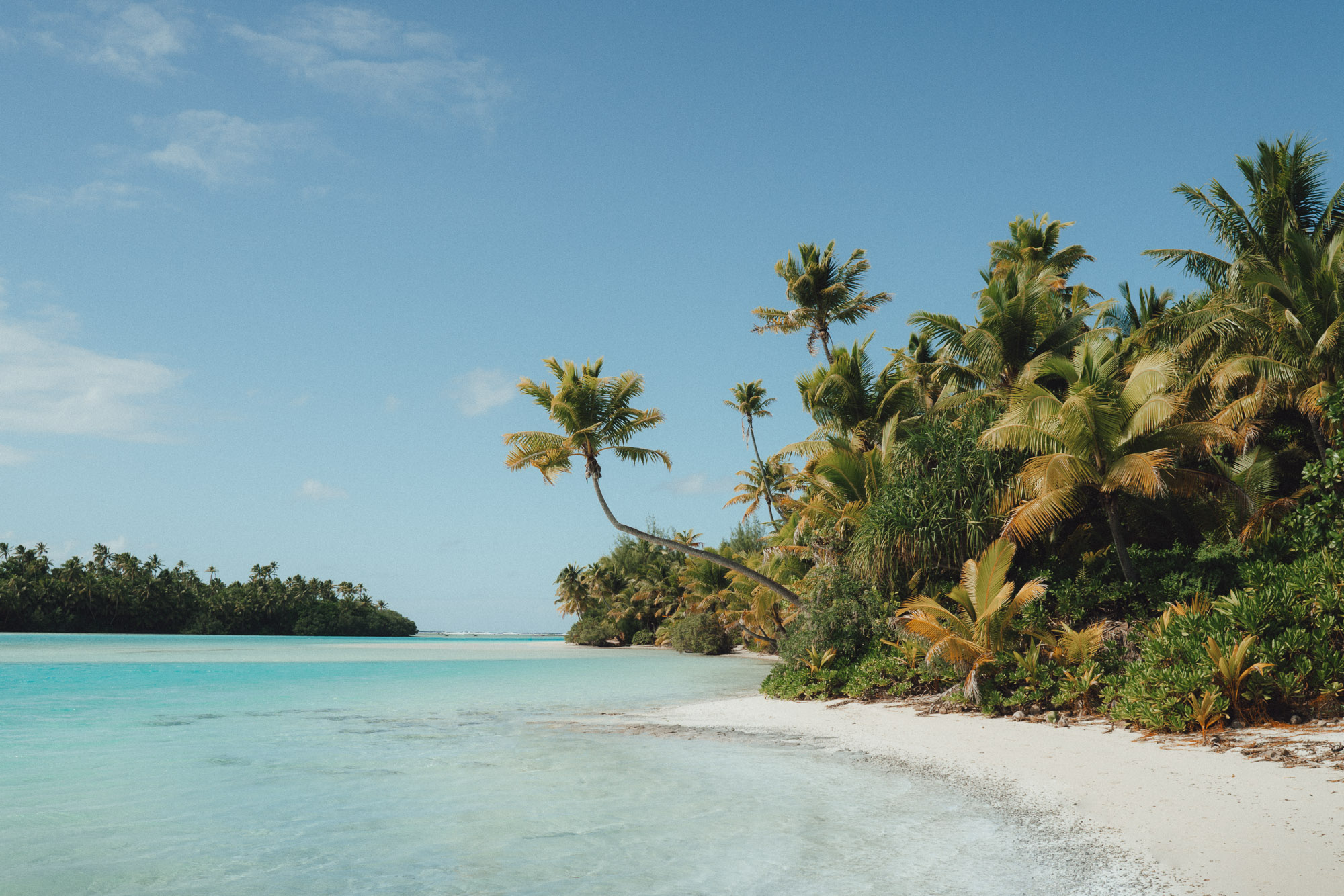
The Cook Islands, especially Rarotonga and Aitutaki, are synonymous with postcard-perfect lagoons. Muri Lagoon on Rarotonga is a hub for water activities, while Aitutaki's lagoon is often hailed as one of the most beautiful in the world, with boat tours to tiny motu (islets) like One Foot Island a must-do. The clarity and shades of blue are simply unbelievable, making it a snorkeler's paradise. Samoa has incredible beaches too, notably Lalomanu Beach on Upolu, which is truly spectacular with its white sand and beachfront fales. However, the reef often drops off quicker, leading to stronger currents and less of that shallow, protected 'lagoon' feel that defines the Cook Islands. While Samoa offers dramatic coastal scenery and beautiful coves, the sheer aquatic perfection of Cook Islands' lagoons gives it the edge for calm, idyllic beach and water experiences. "Aitutaki was unreal, literally felt like a screensaver. Nothing in Samoa quite matched that specific shade of turquoise paradise, though Lalomanu was gorgeous in its own way." Expect Aitutaki lagoon tours to run NZ$150-250 (US$90-150) per person.
Winner takeaway
- Winner: Cook Islands
- Why: The Cook Islands offers more consistently stunning, protected lagoons ideal for swimming, snorkeling, and easy water access.
- Who this matters for: Lagoon lovers, snorkelers, families with young children, and those seeking iconic South Pacific water photography.
🎭 Culture & Authenticity
Samoa stands out for its profound and living cultural experience, known as Fa'a Samoa. Tradition, family, and village life are at the heart of everything. You'll witness Sunday church services, communal fales, and the warmth of true Samoan hospitality organically, not just in curated shows. Participating in an 'umu' (earth oven feast) or kava ceremony often happens as part of a stay in a beach fale or village guesthouse. The Cook Islands also boast a rich Polynesian heritage, and you can find excellent cultural performances at places like Te Vara Nui Village on Rarotonga, which offers a fantastic dinner show for around NZ$120-150 (US$75-90). However, the overall daily immersion feels more structured and tourist-oriented. Samoa's culture feels less 'performed' and more 'lived.' "Samoa felt like a step back in time, the villages just 'are' – not really putting on a show. Cook Islands was lovely, but the culture felt more like an attraction." This genuine integration of culture into the travel experience makes Samoa the clear winner for authenticity.
Winner takeaway
- Winner: Samoa
- Why: Samoa offers a more authentic, pervasive, and less commercialized cultural immersion rooted in daily life.
- Who this matters for: Cultural explorers, anthropology enthusiasts, and travelers seeking genuine local interaction.
💰 Costs & Budget
Samoa is undeniably the more budget-friendly destination. A basic, but charming, beachfront fale in Samoa can cost WST$80-150 (US$30-55) per person per night, often including breakfast and dinner. Mid-range hotels might start from WST$300 (US$110). In the Cook Islands, even a mid-range hotel on Rarotonga starts at NZ$200-300 (US$125-185) per night, and budget options are scarce. Food in Samoa is cheaper too; a local plate of chop suey or fresh fish at a roadside stall might be WST$15-30 (US$5-11), whereas a similar meal in Rarotonga would be NZ$25-40 (US$15-25). Activities like waterfall entries in Samoa are usually WST$5-20 (US$2-7), while tours in the Cook Islands often run NZ$80-150 (US$50-90). Flights are comparable, often connecting through Auckland. Rental cars in Samoa can be WST$100-150 (US$37-55) per day, similar to NZ$60-100 (US$37-60) in Cook Islands, but public transport is far cheaper in Samoa (WST$2-10 per ride compared to NZ$5-10 for the Rarotonga bus). "Samoa saved my backpacking budget. Those fales with food included were a lifesaver. Cook Islands felt more like a honeymoon splurge destination." For the value-conscious traveler, Samoa offers a stunning experience without breaking the bank.
Winner takeaway
- Winner: Samoa
- Why: Samoa offers significantly more affordable accommodation, food, and activities, making it far more accessible for budget travelers.
- Who this matters for: Budget travelers, backpackers, and anyone looking to extend their trip without overspending.
🏨 Accommodation
The Cook Islands excels in offering a diverse and high-quality range of accommodations, from sprawling resorts like The Edgewater Resort & Spa (NZ$300-500/night, US$185-300) to intimate boutique hotels and well-appointed self-catering villas. You can easily find options with pools, spas, and direct beach access. Aitutaki, though smaller, also has luxury bungalows overlooking its famous lagoon. Samoa, by contrast, is famed for its traditional beachfront fales (open-sided huts with mats, or more enclosed versions). These are incredibly atmospheric and budget-friendly (WST$80-150/person including meals), found prominently at places like Lalomanu Beach or Fafa's Fales. While there are a few upscale options, such as Sinalei Reef Resort & Spa (WST$800+/night, US$300+) or the reimagined Aggie Grey's Hotel & Bungalows, the overall selection of luxury and mid-range Western-style hotels is much smaller and less developed than in the Cook Islands. "Cook Islands had all the creature comforts I needed after a long flight. Samoa was an adventure, but I definitely missed air con sometimes in those fales." If your preference leans towards comfort, amenities, and choice in higher-end lodging, Cook Islands is the clear victor.
Winner takeaway
- Winner: Cook Islands
- Why: The Cook Islands offers a broader and more developed range of comfortable, amenity-rich accommodation options, particularly in the mid to high-end range.
- Who this matters for: Comfort-seekers, honeymooners, families, and travelers prioritizing resort amenities and privacy.
✈️ Getting There & Flights
Getting to the Cook Islands, specifically Rarotonga (RAR), is generally more straightforward. Air New Zealand offers frequent direct flights from Auckland, which is a major international hub. There are also less frequent direct flights from Sydney and even Los Angeles (LAX) on Hawaiian Airlines and Air New Zealand, making it accessible from North America. A flight from Auckland to Rarotonga is about 3.5-4 hours. Samoa (Apia - APW) typically requires more connections. While there are direct flights from Auckland and Nadi (Fiji), most international travelers will connect through one of these hubs. This often means longer layovers and a more fragmented journey. For example, flying from Sydney to Apia would likely involve a stop in Auckland, adding significant travel time. "Felt like getting to Rarotonga was a breeze compared to the multiple hops my friends had to do for Samoa. Straight outta NZ, bam, you're there." While both are in the South Pacific and involve significant travel for many, the Cook Islands' more direct routes from key international gateways give it an advantage in terms of ease and efficiency of travel.
Winner takeaway
- Winner: Cook Islands
- Why: The Cook Islands benefits from more direct flight options from major international hubs, simplifying the journey for many travelers.
- Who this matters for: Travelers prioritizing shorter travel times and fewer connections, especially from New Zealand, Australia, and North America.
🛵 Getting Around
Rarotonga in the Cook Islands is incredibly easy to get around. The main road circles the island in about 45 minutes, and local buses run clockwise and anti-clockwise, making it simple. Renting a scooter (NZ$20-30/day, US$12-18) is extremely popular and fun, though you'll need a local driving permit (NZ$20, US$12) from the police station after showing your home license. Rental cars are also readily available (NZ$60-100/day, US$37-60). Aitutaki is even smaller and easily explored by scooter or bicycle. Samoa offers a different experience. Public buses are a vibrant cultural immersion (WST$2-10/ride, US$0.70-3.70), often playing loud music and stopping frequently, but they can be slow and don't always run on a fixed schedule. For flexibility, a rental car (WST$100-150/day, US$37-55) is highly recommended for exploring Upolu and Savai'i, especially to reach waterfalls and beaches. However, roads can be rougher, and driving requires more caution. "Renting a scooter in Raro and just cruising around the whole island was bliss. Samoa's buses were fun for a bit, but for seeing everything, a rental car was essential, and even then, some roads were dodgy." The sheer convenience and ease of independent travel in the Cook Islands make it the winner here.
Winner takeaway
- Winner: Cook Islands
- Why: The Cook Islands offers exceptionally easy and convenient self-navigation, particularly with scooters, on well-maintained roads.
- Who this matters for: Independent explorers, those who enjoy self-driving or scootering, and travelers preferring hassle-free transport.
🍽️ Food & Dining
The Cook Islands, particularly Rarotonga, boasts a surprisingly sophisticated and diverse dining scene for its size. You'll find everything from upscale restaurants like Tamarind House (mains NZ$35-50, US$20-30), serving exquisite fresh seafood and Pacific fusion, to charming beachside cafes, bustling markets (the Punanga Nui Market is a must for local snacks and crafts), and casual eateries. The emphasis is on fresh, locally sourced ingredients, especially fish. Samoa's food scene is more about authentic, homely experiences. Many beach fales include simple but delicious breakfast and dinner, often featuring fresh fish, taro, breadfruit, and coconut cream. Local eateries and market stalls offer very affordable and tasty options like chop suey, palusami (taro leaves in coconut cream), and whole roast pigs for special occasions. While you can find a handful of international restaurants in Apia, the capital, the variety and sophistication of dining options don't match the Cook Islands. "I loved the fresh tuna sashimi and diverse restaurant options in Raro – felt like a proper foodie destination. Samoa was good, but more rustic and local, which is its own charm, but not as varied." For culinary variety and quality of dining experiences, the Cook Islands takes the lead.
Winner takeaway
- Winner: Cook Islands
- Why: The Cook Islands offers a wider, more refined, and diverse range of dining experiences, from casual to upscale.
- Who this matters for: Foodies, those who enjoy dining out, and travelers seeking diverse culinary options.
⛰️ Activities & Nature
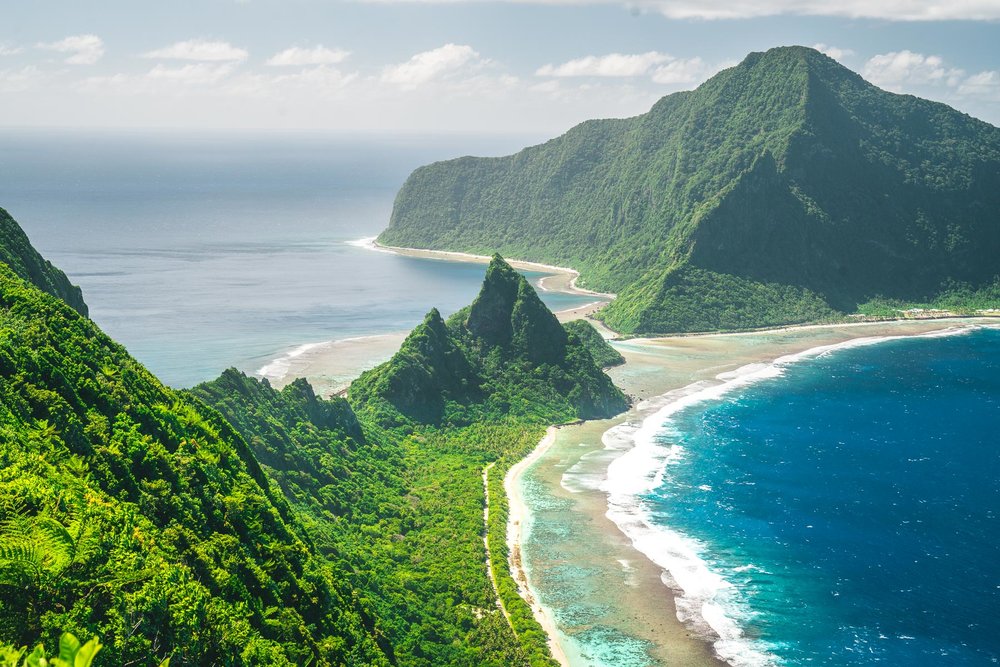
Samoa truly shines when it comes to raw, untamed nature and adventurous activities. The iconic To Sua Ocean Trench (entry WST$20, US$7.50) is a breathtaking natural swimming hole that draws visitors from around the globe. Beyond To Sua, Upolu is dotted with stunning waterfalls like Papase'ea Sliding Rocks (WST$5, US$2), Sopo'aga Falls (WST$10, US$3.70), and Fuipisia Falls. Savai'i island offers lava fields, blowholes, and dense rainforests for hiking. Surfing spots are also plentiful for experienced riders. The Cook Islands offer fantastic activities centered around its lagoons – think snorkeling, paddleboarding, lagoon cruises (Aitutaki is legendary for this). Rarotonga also has the challenging Cross-Island Track hike, leading to 'The Needle', offering stunning interior views. Cultural shows and market visits are popular. However, the sheer diversity and dramatic scale of Samoa's natural wonders, from its unique geological features to its lush, less-developed rainforests, give it an edge for the adventurous nature lover. "Samoa blew me away with its waterfalls and the Ocean Trench, seriously felt like I was in a Jurassic Park movie. Cook Islands had pretty lagoons but Samoa's land-based nature was next level." For those craving epic natural landscapes and adventurous exploration beyond just water activities, Samoa is unparalleled.
Winner takeaway
- Winner: Samoa
- Why: Samoa offers a more diverse range of dramatic natural wonders, including unique geological formations, waterfalls, and rugged rainforests.
- Who this matters for: Adventure seekers, nature photographers, hikers, and those looking for unique natural attractions.
🛡️ Safety & Comfort
Both destinations are generally safe for tourists, but the Cook Islands offers a distinctly higher level of comfort and perceived safety due to its more developed tourist infrastructure and smaller, more manageable size. Rarotonga feels incredibly secure, with low crime rates and easily accessible services. The tourism industry is well-established, meaning amenities, tours, and services are reliable and streamlined. Samoa is also a very welcoming and safe country, but it requires a bit more street smarts and adaptability. Petty crime is rare but can occur, and travelers should be respectful of local customs (Fa'a Samoa) and village protocols, especially on Sundays. The infrastructure is less polished; roads can be rough, and power outages, while infrequent, are not unheard of. "Cook Islands felt like I could leave my door unlocked – super chill and safe vibes. Samoa was safe too, but you just felt a bit more 'on your guard' in certain areas, especially at night in Apia." For travelers prioritizing seamless comfort, minimal hassle, and a feeling of complete security, the Cook Islands provides a more consistently 'easy' experience.
Winner takeaway
- Winner: Cook Islands
- Why: The Cook Islands offers a more polished, safer, and consistently comfortable experience with well-developed tourist infrastructure.
- Who this matters for: First-time South Pacific travelers, families, solo female travelers, and those prioritizing ease and peace of mind.
👨👩👧👦 Families & Accessibility
The Cook Islands are exceptionally well-suited for families, particularly with younger children. Resorts like The Edgewater Resort & Spa or Pacific Resort Rarotonga offer dedicated kids' clubs, family-friendly pools, and spacious accommodations. The calm, shallow waters of Muri Lagoon are perfect for kids to splash and snorkel safely. Activities like glass-bottom boat tours, cultural shows, and easy access to shops and cafes make for a low-stress family holiday. Samoa can be fantastic for adventurous families who enjoy exploring and aren't reliant on extensive kids' amenities. Children will love swimming in the waterfalls, sliding down Papase'ea, and building sandcastles on Lalomanu Beach. Beach fales can be a unique family experience, fostering togetherness. However, the lack of dedicated kids' clubs, fewer structured activities, and potentially longer, bumpier drives to attractions might be more challenging for some families, especially with toddlers. "Cook Islands was a dream with the kids, the resorts had everything covered, and the calm lagoons were perfect. Samoa would be great for older, more adventurous kids, but I'd think twice with my toddlers." For ease, comfort, and a wide array of kid-specific amenities and safe activities, the Cook Islands is the stronger choice.
Winner takeaway
- Winner: Cook Islands
- Why: The Cook Islands offers superior family-friendly resorts, calm and safe water activities, and a more accessible, convenient environment for children.
- Who this matters for: Families with young children, those needing specific kid-friendly amenities, and travelers prioritizing ease of access for all ages.
❓ Frequently Asked Questions
What's the best time to visit either destination?
The dry season (May to October) is ideal for both the Cook Islands and Samoa, offering cooler temperatures, lower humidity, and less rain. This is also peak tourist season. The wet season (November to April) brings higher humidity, more rain, and the risk of cyclones, but also lush landscapes and fewer crowds.
Do I need a visa for the Cook Islands or Samoa?
Many nationalities, including citizens of the US, Canada, UK, Australia, and New Zealand, do not require a visa for stays up to 30-90 days in both the Cook Islands and Samoa. You'll typically need a valid passport, an onward/return ticket, and proof of sufficient funds. Always check the latest requirements for your specific nationality.
What currency is used in each country?
The Cook Islands uses the New Zealand Dollar (NZD), though they also issue their own unique Cook Islands coins and banknotes which are interchangeable with NZD but not accepted outside the islands. Samoa uses the Samoan Tala (WST). It's always wise to carry some local cash for smaller purchases, especially in Samoa.
How expensive are flights to these South Pacific islands?
Flight costs vary widely based on your departure point and time of year. From Auckland (NZ), expect to pay NZ$600-1000 (US$370-600) for a return flight to Rarotonga or Apia. From the US West Coast, flights can range from US$1000-2000+. Booking well in advance, especially for the dry season, is crucial for better prices.
Are these destinations suitable for solo travelers?
Both can be great for solo travelers, but with different vibes. The Cook Islands offer a safe, comfortable solo experience, easy to meet others at resorts or on tours. Samoa is excellent for adventurous solo travelers and backpackers, especially by staying in fales where you'll easily connect with other travelers and locals. Samoa might require a bit more independent planning for transport.
Can I island hop within the Cook Islands or Samoa?
Yes, island hopping is popular. In the Cook Islands, flights to Aitutaki are frequent from Rarotonga and highly recommended (around NZ$300-400 return, US$185-250). In Samoa, ferries regularly connect Upolu (Mulifanua Wharf) to Savai'i (Salelologa) for about WST$10-20 (US$3.70-7.50) per passenger, making a day trip or longer stay on Savai'i very feasible.
What local dishes should I definitely try?
In the Cook Islands, seek out 'ika mata' (raw fish marinated in coconut cream and lime) and fresh seafood platters. Don't miss the local 'rukau' (taro leaves in coconut cream). In Samoa, try 'palusami' (taro leaves baked in coconut cream, often with corned beef), 'oka' (Samoan version of ika mata), and any dish cooked in an 'umu' (earth oven).
Is WiFi readily available and reliable?
WiFi is available in both countries but can be slower and more expensive than you're used to. In the Cook Islands, many resorts offer WiFi, often for a fee, or you can purchase a local SIM card (Vodafone). Samoa also has local SIM options (Digicel, Vodafone) and some hotels/fales offer WiFi, but expect it to be slower, especially outside of Apia. Don't rely on constant, high-speed connectivity.
Ready to plan your South Pacific trip?
Get a free custom itinerary for Cook Islands, Samoa, or both — built from real traveler insights.
🎟️ Book Tours & Experiences
Hand-picked tours and activities for both destinations — book with free cancellation
Experiences via Viator — free cancellation on most tours