📋 Our Methodology
This comparison is built from real sources, not AI guesswork:
- 50+ Reddit threads from r/travel, r/solotravel, r/Scandinavia, r/copenhagen, r/stockholm synthesized
- Cost data from Numbeo (March 2026), cross-checked with recent Reddit trip reports
- Weather from Open-Meteo historical averages
- Transit costs from DSB (Danish rail) and SJ (Swedish rail) official sources
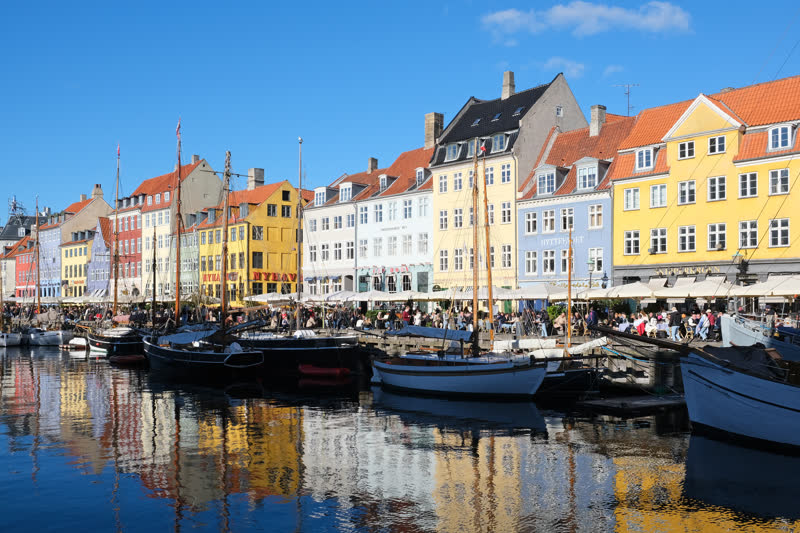
Copenhagen — Nyhavn Canal
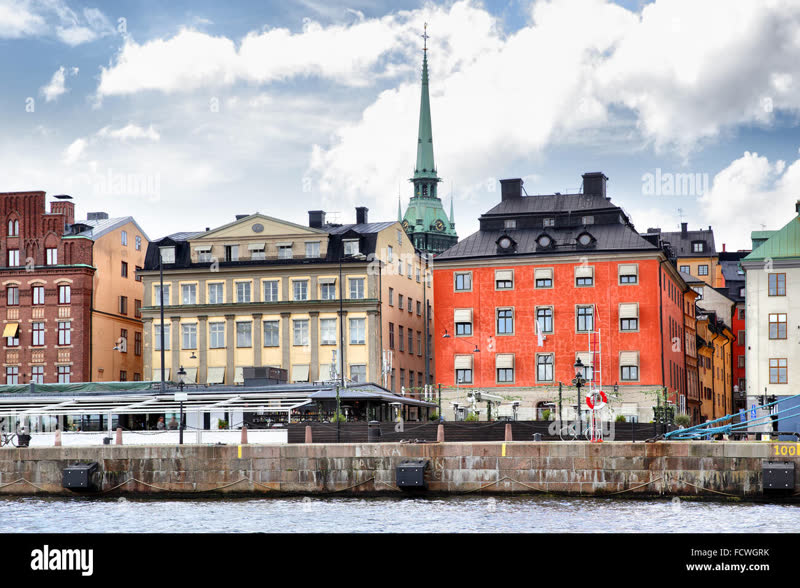
Stockholm — Gamla Stan
⚡ The TL;DR Verdict
Copenhagen wins for food, café culture, and social warmth. Stockholm wins for visual beauty, world-class museums, and better value for money.
- Go to Copenhagen if food is your #1 priority — it's one of the world's great food cities, with smørrebrød culture, excellent bakeries, and a restaurant scene that punches far above its size. The cycling infrastructure is also a genuine travel experience.
- Go to Stockholm if you want visual drama and world-class museums — built across 14 islands, Stockholm's setting is spectacular, and the Vasa Museum alone justifies the trip. It's also 15–20% cheaper than Copenhagen.
- Go to both — a 7–8 day Scandinavia split of 3–4 days each is highly popular and worthwhile; the train via the Öresund Bridge is scenic and takes ~5 hours.
- Reddit skews slightly toward Copenhagen for short trips (3–4 days) for its approachability and food, while Stockholm wins for longer stays and museum enthusiasts.
🇩🇰 Choose Copenhagen if...
Food, café culture, and cycling are your priorities. Copenhagen's restaurant scene is world-class, its streets are the most bike-friendly on earth, and locals are genuinely approachable. Best for foodies and those who want a cozy, compact Scandinavian city experience.
🇸🇪 Choose Stockholm if...
Visual beauty, museums, and value matter most. Stockholm's island setting is spectacular, the Vasa Museum is unmissable, Skansen is unlike anything in Europe, and the overall cost runs 15–20% below Copenhagen. Best for first-time Scandinavia visitors and museum lovers.
Quick Comparison
| Category | 🇩🇰 Copenhagen | 🇸🇪 Stockholm | Winner |
|---|---|---|---|
| Daily Budget (mid-range) | €90–120/day | €75–100/day | Stockholm |
| Hostel Dorm (per night) | €30–45 | €22–35 | Stockholm |
| Mid-range hotel | €140–220/night | €110–180/night | Stockholm |
| Food Scene | World-class (smørrebrød, Nordic fine dining, Noma legacy) | Excellent (husmanskost, fika, modern Nordic) | Copenhagen |
| Visual Beauty / Setting | Charming, flat, canal-side | Spectacular (14 islands, water views everywhere) | Stockholm |
| Museums | Solid (SMK, Glyptoteket, National Museum) | World-class (Vasa, Skansen, ABBA, Moderna Museet) | Stockholm |
| Nightlife & Bars | Better bars, more approachable pub scene | More club energy, slightly pricier alcohol | Copenhagen |
| Getting Around | Best cycling city in the world | Excellent metro + scenic ferry network | Tie |
| Day Trips | Louisiana Museum, Kronborg Castle, Malmö | Archipelago islands, Uppsala, Drottningholm Palace | Tie |
| Solo-Friendliness | Very approachable, locals chattier | Very safe, slightly more reserved | Copenhagen |
| Best Season | May–Sep (but good hygge culture year-round) | June–Aug peak; midsummer is magical | Tie |
🏙️ City Character & Vibe
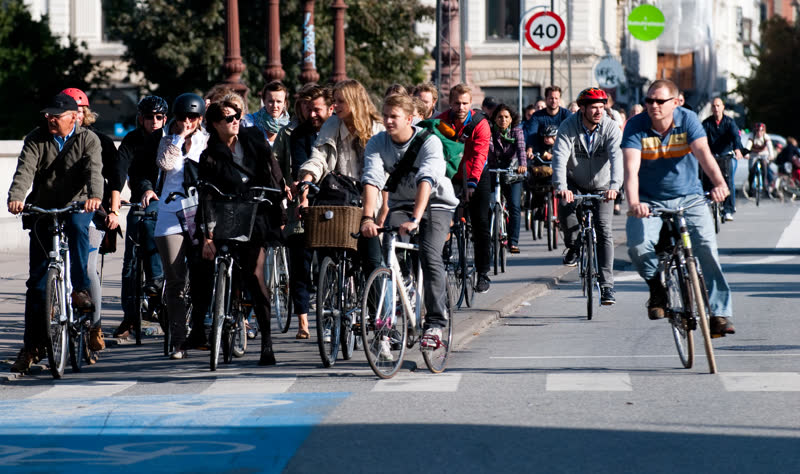
Copenhagen is compact, flat, and deeply livable. The Danish concept of hygge — cozy conviviality — isn't just a marketing buzzword here; it's embedded in the city's DNA. Café windows glow with candlelight even in summer. Bike lanes are wider than car lanes. Neighborhoods like Vesterbro and Nørrebro feel like the coolest version of a small European city that somehow also has a world-class food scene.
Stockholm is bigger, more dramatic, and more cosmopolitan in feel. It sprawls across 14 islands where Lake Mälaren meets the Baltic, which means water is everywhere — you're never far from a bridge, a ferry stop, or a view across the water to the next island. Gamla Stan, the old town, rises from the waterfront like a fairytale illustration. The city has more of a New York energy to it — busier, more anonymous, more varied. Where Copenhagen feels like the world's best small city, Stockholm feels like a proper European capital.
"In my opinion, Copenhagen has way better restaurants, interesting architecture, and felt more unique, but Stockholm had the better bars/clubs/energy. Copenhagen seemed more bohemian and had cool, artsy bars and restaurants but not the super lively clubby nightlife I found in Stockholm. I would say Stockholm has more of a New York vibe and Copenhagen is more like SF." — r/travel
"I'd rather live in Copenhagen but I'd prefer to visit Stockholm if that makes sense. Both cities are fantastic." — r/travel
🍜 Food & Dining
Copenhagen's food scene is, by any objective measure, extraordinary. The Noma legacy — the restaurant that spent years ranked #1 in the world and essentially invented New Nordic cuisine — has permanently transformed the city's food culture. Even with Noma's fine dining chapter ending, its alumni have opened restaurants throughout the city. Smørrebrød (open-faced sandwiches) at places like Aamanns start at DKK 85 (~€11) and are a genuine art form. The bakery scene is world-class. Ramen spots, natural wine bars, and innovative tasting menus coexist with traditional pølsevogn hot dog carts.
Stockholm's food scene is excellent but different. Swedish classics like meatballs with lingonberry, gravlax, and pickled herring are done extremely well. The husmanskost tradition (hearty home cooking) is comforting and affordable. Fika — the ritualized coffee-and-pastry break — is a genuine cultural institution, not a tourist gimmick. Stockholm also has strong sushi, Thai, and Middle Eastern restaurant scenes. But it doesn't have Copenhagen's density of world-class fine dining and innovative food culture.
"Copenhagen is probably the best food city in the world now, while Stockholm is arguably more beautiful." — r/travel
"As a foodie, Copenhagen (not Danish food per se, but there are tons of other options). Make sure to get pastries from Skt. Peder's Bageri! Coffee is also really good throughout the city. Great bar/beer culture too." — r/travel
Typical meal costs (2026):
- Copenhagen: Budget street food/bakery DKK 60–90 (~€8–12); mid-range sit-down DKK 150–250 (~€20–34); cocktail DKK 100–140 (~€13–19)
- Stockholm: Budget lunch SEK 120–180 (~€10–16); mid-range dinner SEK 250–400 (~€22–35); beer at a bar SEK 80–120 (~€7–11)
Internal link: Copenhagen budget food spots | Stockholm fika cafés
💰 Cost Comparison
Both are expensive by European standards — this is Scandinavia — but there's a meaningful gap between them. Copenhagen is consistently ranked as one of Europe's priciest capitals, while Stockholm, though still expensive, tends to run 15–20% cheaper overall.
The currency helps: the Swedish krona (SEK) currently exchanges at roughly €1 = SEK 11.5, meaning things that look expensive in kronor aren't always as painful as they appear. The Danish krone (DKK) sits at about €1 = DKK 7.4 and offers less cushion for visitors.
Budget breakdown (2026 estimates):
- Copenhagen budget traveler: €60–80/day (hostel, grocery meals, free sights)
- Copenhagen mid-range: €110–150/day (hotel, restaurant meals, museum entry)
- Stockholm budget traveler: €50–70/day
- Stockholm mid-range: €90–120/day
Museum entry fees vary: Copenhagen's major museums (SMK, Glyptoteket) charge DKK 150–185 (~€20–25) each. Stockholm's Vasa Museum costs SEK 230 (~€20), but several key museums including Moderna Museet and Historiska museet are free. Stockholm's T-bana metro doubles as a free art gallery — 90 of 100 stations feature art installations.
"If you're on a tight budget you should know that Stockholm is cheaper than Copenhagen." — r/travel
"Copenhagen was painfully expensive compared to Stockholm (conversion rate was essentially x1 for Stockholm while Copenhagen was x1.5, which quickly added up)." — r/travel
Copenhagen Card: At DKK 699 (~€94) for 24h or DKK 1,299 (~€175) for 72h, it covers public transit plus 90 attractions and museums. Worth it for museum-heavy itineraries; skip it if you plan to mostly walk, eat, and explore neighborhoods.
🏛️ Architecture & Iconic Sights
Stockholm's visual case is overwhelming. The city's island geography creates constant water views: you're always crossing a bridge, glimpsing a harbor, or watching ferries weave between the 30,000 islands of the archipelago. Gamla Stan (the old town) is a medieval warren of ochre and burnt-sienna buildings that appears to grow straight from the water. The Royal Palace sits at its tip. On the mainland opposite, the 19th-century grandeur of Östermalm and Södermalm's hilltop views complete a city that seems purpose-built for photographs.
Copenhagen is charming and beautiful, but flatter and less dramatic. Nyhavn — the canal lined with candy-colored 17th-century townhouses — is one of Europe's most photographed scenes and genuinely lovely at sunset. The Church of Our Saviour's spiral spire offers views across the city's roofscape. But Copenhagen's flat topography means you're not getting Stockholm's elevation drama.
"Stockholm is a spectacularly beautiful city, much more so than Copenhagen. I'd rather live in Copenhagen but I'd prefer to visit Stockholm." — r/travel
Key sights compared:
- Copenhagen: Nyhavn (free), Tivoli Gardens (DKK 149/~€20 entry), Rosenborg Castle (DKK 165/~€22), Christiania (donation-based neighborhood), Christiansborg Palace (DKK 175/~€23)
- Stockholm: Gamla Stan (free to wander), Royal Palace (SEK 180/~€16), Vasa Museum (SEK 230/~€20), Skansen (SEK 260/~€22), ABBA The Museum (SEK 330/~€28)
🎨 Museums & Culture

Stockholm has one of Europe's strongest museum lineups. The Vasa Museum is the anchor: a 17th-century warship that sank on its maiden voyage in 1628, preserved in near-perfect condition for 333 years in the cold Baltic water, and now housed in a purpose-built museum on Djurgården island. It's genuinely jaw-dropping — one of those museum experiences travelers remember for decades. Skansen, the world's oldest open-air museum, combines a zoo with historic Swedish buildings from across the country. Moderna Museet has an excellent permanent collection of modern and contemporary art — and it's free.
Copenhagen's museums are good but not at Stockholm's level for tourist wow-factor. The National Museum of Denmark is thorough (free entry). The Glyptoteket has a superb classical antiquities and Impressionist art collection (DKK 150/~€20). The Louisiana Museum of Modern Art, 35km north of the city by train, is genuinely world-class — both for its collection and its coastal setting — and absolutely worth a half-day trip.
"Stockholm for sure if you love museums. Skansen is probably one of the most unique experiences I've had in Europe. The Vasa Museum is amazing." — r/travel
"You can see beautiful art just by using the metro system [in Stockholm]. The exchange rate is much better." — r/travel
Stockholm's T-bana subway system is also worth noting as a cultural attraction: 90 of its 100 stations feature original art installations, from Blue Line's cave-carved rock walls to Red Line's colorful murals. A 24-hour transit pass (SEK 145/~€12.50) gives unlimited access to what's essentially the world's longest art gallery.
🚃 Getting Around
Copenhagen is the world's most bike-friendly city — no exaggeration. Over 390 km of dedicated cycle tracks criss-cross the city, locals commute by bike in any weather, and the cycling infrastructure is so good that even tourists hop on within hours of arriving. Rental bikes cost about DKK 75–100/day (~€10–14). The metro is modern, clean, and runs 24/7 (a rarity in Europe). Public transit day passes cost DKK 105 (~€14) for zones 1–4, covering central Copenhagen and the airport.
Stockholm's transit is excellent but different. The T-bana (metro) has 3 lines and 100 stations covering the inner city and suburbs efficiently. Ferries connect the islands on regular schedules — the Djurgårdslinjen ferry (SEK 60/~€5 each way, or covered by transit passes) is the most scenic way to reach museum island Djurgården. A 24-hour transit pass costs SEK 145 (~€12.50); 72-hour is SEK 310 (~€27). Stockholm is walkable in the center but the island geography means you'll use transit more than in flat Copenhagen.
"Copenhagen is slightly more compact/easier to get around, especially on a bicycle. Far more lively usually, as in more street life." — r/travel
Copenhagen ↔ Stockholm transit: Train takes ~5 hours via the Öresund Bridge, with SJ fares ranging from SEK 200–700 (~€18–65) booked in advance. Flying takes ~1 hour from DKK 400–900 (~€54–120) one way. Most Scandinavia itineraries choose one or the other based on routing.
🎉 Nightlife & Café Culture
Nightlife in both cities is good but expensive — welcome to Scandinavia, where a beer at a bar costs €7–11 and cocktails run €14–20. The character is different though. Copenhagen's nightlife is more neighborhood-based and approachable — areas like Vesterbro, Nørrebro, and the meatpacking district (Kødbyen) have a creative, less-pretentious bar scene. The café culture is outstanding: hygge-focused spots with candles and excellent coffee are everywhere, even in winter.
Stockholm's nightlife has more energy and more dedicated club scenes. The Stureplan area in Östermalm draws a well-heeled crowd; Södermalm has a hipper, more alternative bar scene. Swedes tend to drink at home first (due to high bar prices and state alcohol monopoly) before heading out, which means the social dynamic is different than Copenhagen's more casual bar culture.
"Copenhagen probably wins for better nightlife and dining. That said, Stockholm is a spectacularly beautiful city." — r/travel
"Bar/beer scene is markedly worse in Stockholm, if that's your thing." — r/travel
Note: Sweden's Systembolaget alcohol monopoly means you buy spirits and wine in government stores (closed Sundays). Bars can sell alcohol freely, but the overall culture around alcohol differs from Denmark's more relaxed approach. Craft beer culture in Copenhagen is excellent — look for Mikkeller bars and the growing local brewery scene.
For café culture: Copenhagen's hygge café scene is exceptional year-round. Stockholm's fika café culture is equally beloved but slightly more ritualistic and less about lingering all day.
🌸 Best Time to Visit
Both cities are best in summer — June through August — when daylight stretches to 18+ hours, outdoor cafés fill to capacity, and the cities feel at their most alive. Stockholm at midsummer (around June 21) is a genuinely magical experience: Swedes celebrate with maypoles, herring, and singing in the streets. Copenhagen in summer fills its harbor baths (free outdoor swimming areas), outdoor markets, and festival calendar.
Spring (May) and early autumn (September) offer good weather with fewer crowds and 15–25% lower accommodation prices. These are often the sweet spot for independent travelers who want to avoid the tourist peak.
Winter is cold and dark (Copenhagen averages 2°C in January, Stockholm -1°C), but not the miserable experience you might expect. Copenhagen's hygge culture was practically invented for winter — candlelit cafés, warm pastries, and cozy interiors. Both cities have excellent Christmas markets in December. Stockholm gets more snow than Copenhagen, which some travelers actively enjoy.
Temperature comparison (monthly averages):
- January: Copenhagen 2°C / Stockholm -1°C
- April: Copenhagen 9°C / Stockholm 7°C
- July: Copenhagen 20°C / Stockholm 22°C
- October: Copenhagen 12°C / Stockholm 9°C
"Stockholm at midsummer is magical. Come back in the summer! (source: me, a Swede who grew up in the south near Copenhagen)" — r/travel
🎒 Day Trips
Copenhagen day trips are efficient and varied. The Louisiana Museum of Modern Art in Humlebæk is the crown jewel — 50 minutes by train from Copenhagen Central, its collection rivals any European modern art museum and the coastal setting is stunning (DKK 175/~€23). Kronborg Castle in Helsingør (Shakespeare's Elsinore, 50 min north by train; DKK 165/~€22) is a legitimate UNESCO World Heritage Site. Malmö in Sweden is just 35 minutes by train across the Öresund Bridge (SEK 130/~€12 one way) and offers a compact, charming city that feels refreshingly different.
Stockholm day trips lean heavily on natural beauty. The Stockholm Archipelago — 30,000 islands stretching into the Baltic — is the standout. Ferries depart from the city center to destinations like Vaxholm (1 hour; SEK 200 roundtrip), Sandhamn (3 hours, idyllic sailing village), and Fjäderholmarna (20 minutes, closest island). Uppsala (45 minutes by train, SEK 110/~€10) has a medieval cathedral, Sweden's oldest university, and a Viking burial site. Drottningholm Palace (UNESCO-listed royal residence; ferry + entry SEK 210/~€18) is accessible in 45 minutes.
"Ate at Noma in Copenhagen, LOVED that city — do go to the Louisiana Museum (easy peasy by public train). Loved Stockholm. The Vasa museum is amazing." — r/travel
"Check Malmö for a last stop before leaving to Copenhagen. Beautiful with a lot to see." — r/travel
🧭 The Decision Framework
Choose Copenhagen 🇩🇰 if…
- Food is the #1 reason you travel — Copenhagen's restaurant scene is world-class
- You want the most approachable, social atmosphere and friendlier local interactions
- Cycling appeals to you — it's genuinely the best bike city in the world
- You're visiting in winter and want cozy hygge café culture to offset the cold
- You want a more compact, walkable city that's easier to feel like you've "done" in 3–4 days
- You're flying from a hub that connects directly to CPH with better fares
- The Louisiana Museum or Kronborg Castle are on your must-see list
Choose Stockholm 🇸🇪 if…
- Visual beauty and spectacular urban scenery are your top priority
- Museums matter — the Vasa Museum is genuinely unmissable, and Skansen is unlike anything else in Europe
- Budget is a real constraint — Stockholm runs 15–20% cheaper across the board
- You want island-hopping and archipelago access as part of your trip
- You're visiting in summer and want midsummer festivities or archipelago day trips
- You're heading to northern Sweden (Abisko, Kiruna) — Stockholm is the natural transit hub
- The ABBA Museum, Skansen, or Stockholm's T-bana art galleries are on your list
Why Not Both?
The train journey across the Öresund Bridge is one of Europe's more scenic rail routes, and at ~5 hours it's a manageable travel day. Many travelers split a Scandinavia trip as 3–4 days Copenhagen + 3–4 days Stockholm, which lets you experience both cities without redundancy. A possible routing: fly into Copenhagen (Kastrup is a major European hub), spend 3–4 days there, take the train to Stockholm via Malmö, spend 3–4 days, then fly home from Arlanda. Or reverse it.