How we built this comparison
This comparison was meticulously crafted by analyzing current travel data, expert insights, and real traveler experiences. We've weighed factors crucial to vacation planning, from budget considerations to cultural immersion and natural beauty, to provide an unbiased perspective.
- Reddit discussion analysis from r/travel, r/solotravel, and destination-specific subreddits
- Real-time cost data and flight routes
- Seasonal patterns and local insights
⚡ The TL;DR Verdict
Corsica is better if you want a rugged, adventurous, and distinctly French-Italian fusion experience with dramatic landscapes and challenging hikes. Crete is better if you want a rich historical tapestry, vibrant Greek culture, stunning beaches, and a more budget-friendly, family-oriented vacation. Budget: Corsica is generally 20-30% more expensive than Crete.
- Choose Corsica: Adventurous hikers, nature lovers seeking dramatic unspoiled landscapes, those who appreciate a blend of French chic & Italian passion, travelers looking for secluded coves, and foodies interested in unique charcuterie & cheeses.
- Choose Crete: History buffs, sun-worshippers seeking long sandy beaches, families, foodies craving authentic Greek cuisine, travelers on a moderate budget, and those who enjoy a lively, welcoming atmosphere.
- Budget snapshot: Corsica tends to be more expensive, similar to mainland France or Italy, with daily costs ranging from €100-€200+ per person. Crete offers better value, with daily costs typically €70-€150 per person, making it more accessible for budget-conscious travelers.
Choose Corsica
Dramatic Mountains & Coastlines, Epic Hiking (GR20), Unique Franco-Italian Culture, Secluded Bays, High-End Gastronomy
Choose Crete
Ancient History & Mythology, Sandy Beaches & Turquoise Waters, Delicious Greek Cuisine, Warm Hospitality, Excellent Value
Quick Comparison
| Category | 🏝️ Corsica | 🏖️ Crete | Winner |
|---|---|---|---|
| Overall Vibe | Wild, rugged, French-Italian, sophisticated but untamed. | Vibrant, historical, Greek, warm, family-friendly. | Depends |
| Beaches & Nature | Dramatic cliffs, rocky coves, pristine turquoise waters, pine forests. Cala di Roccapina, Palombaggia. | Long sandy beaches, iconic pink sand (Elafonisi), crystal clear waters. Balos Lagoon, Preveli Palm Beach. | Tie |
| Food & Drink | Mediterranean fusion: charcuterie, cheeses, wild boar, seafood, chestnuts, Corsican wines. | Authentic Greek: fresh seafood, olive oil, dakos, souvlaki, raki, local wines. | Crete |
| History & Culture | Ancient Genoese towers, Napoleon's birthplace, strong local identity. | Minoan palaces (Knossos), Venetian old towns (Chania), Byzantine monasteries, ancient mythology. | Crete |
| Cost & Budget | Generally higher, comparable to mainland France for accommodation, dining & car rental. | More affordable, excellent value for money on food, accommodation & activities. | Crete |
| Getting There | Flights to Ajaccio/Bastia, ferries from France/Italy. | Flights to Heraklion/Chania, ferries from Piraeus (Athens). | Tie |
| Getting Around | Car essential for exploring, narrow winding roads, some public transport between main towns. | Car recommended, good bus network connecting major towns & tourist spots. | Crete |
| Nightlife | Relaxed, elegant bars & restaurants, vibrant in main towns like Ajaccio & Calvi. | Lively, diverse options from quiet tavernas to bustling clubs in Heraklion, Chania & Malia. | Crete |
| Activities | Hiking (GR20), canyoning, diving, boat trips, exploring medieval towns. | Archeological sites, hiking Samaria Gorge, water sports, cooking classes, exploring Venetian harbors. | Tie |
| Accommodation | Charming boutique hotels, villas, gîtes ruraux (rural guesthouses), fewer large resorts. | Wide range: luxury resorts, family hotels, boutique hotels, budget apartments, villas. | Crete |
| Best Time to Visit | May-June or Sept-Oct for hiking & pleasant weather. July-August for beaches (crowded). | May-June or Sept-Oct for beaches & sightseeing. July-August for peak beach season (hot & busy). | Tie |
🗺️ Main Attractions: Mountains, Beaches & Ancient Wonders
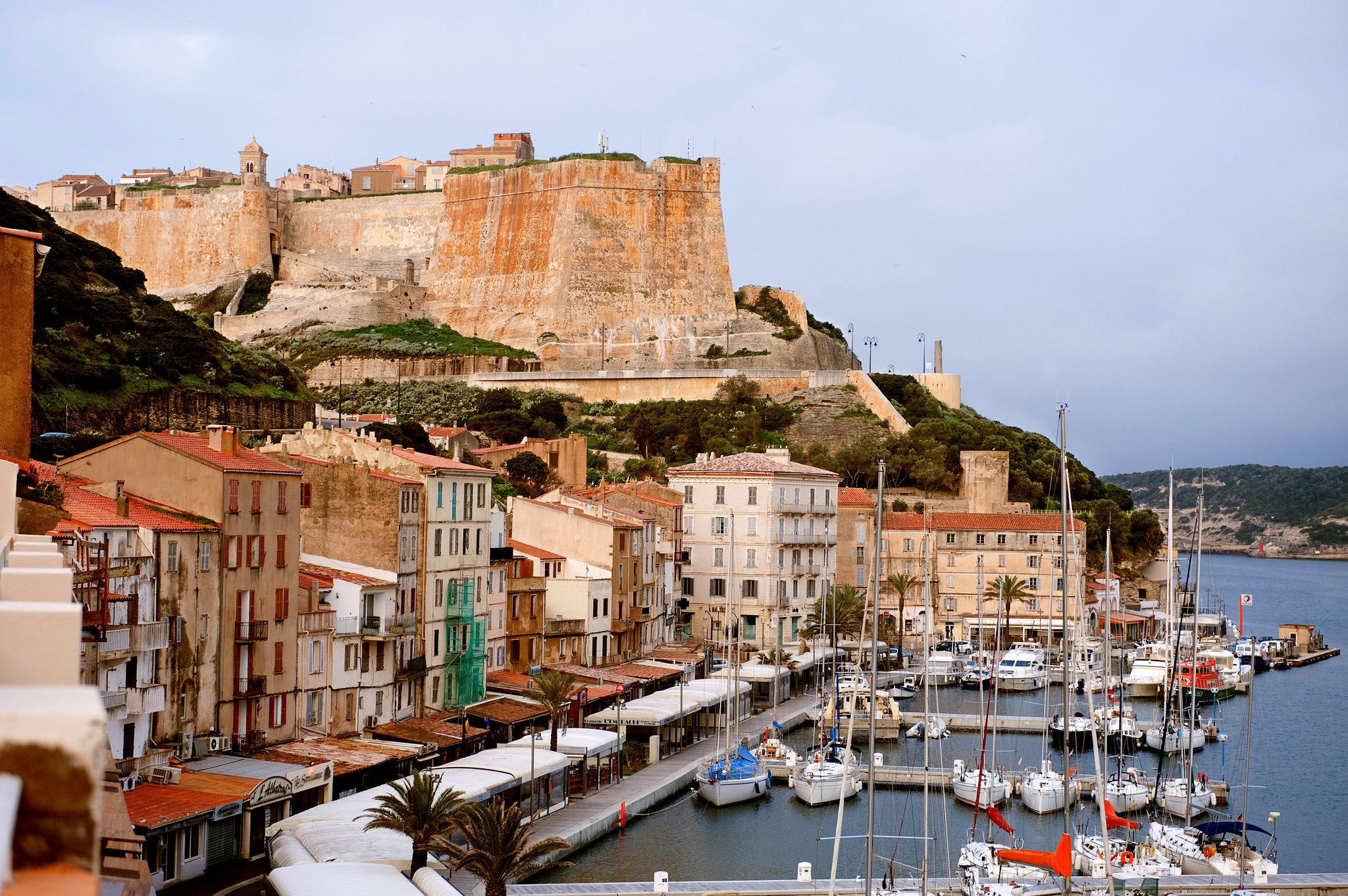
Corsica, the 'Island of Beauty,' lives up to its name with a spectacular blend of soaring mountains and pristine coastline. Its most famous draw is the GR20, one of Europe's toughest long-distance hiking trails, traversing the island's spine. Even if you're not tackling the full trek, areas like the Calanques de Piana offer dramatic red rock formations meeting the turquoise sea, best explored by boat or car. Coastal gems include the luxury hub of Porto-Vecchio with its nearby famous beaches like Palombaggia and Santa Giulia, and the stunning cliff-top town of Bonifacio, clinging precariously to white limestone cliffs. The capital, Ajaccio, offers a glimpse into Napoleon's birthplace and charming old town streets.
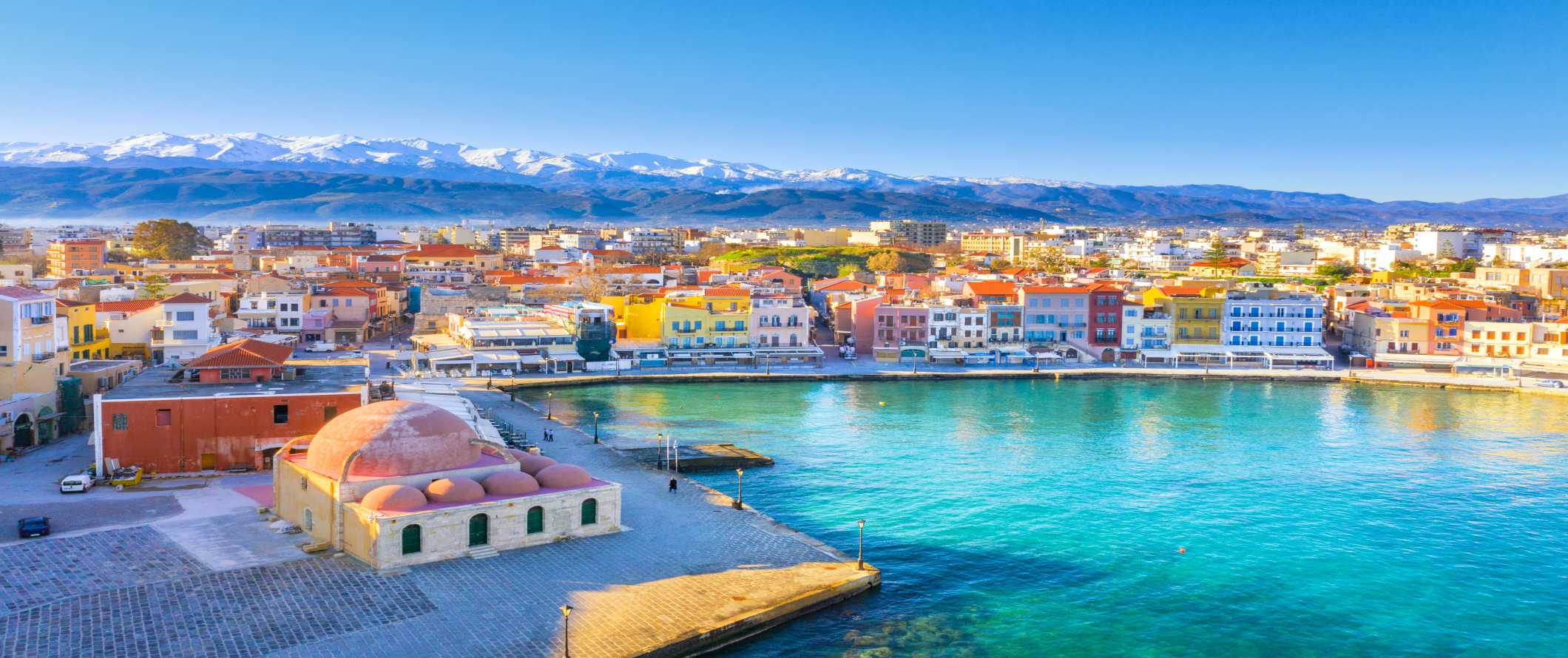
Crete, Greece's largest island, boasts an equally diverse but distinct array of attractions. History takes center stage with the ancient Minoan Palace of Knossos near Heraklion, a window into Europe's oldest civilization. For nature lovers, the dramatic Samaria Gorge offers an unforgettable (though challenging) hike through Europe's longest gorge, while the pink sands of Elafonisi Beach and the tropical lagoon of Balos are postcard-perfect coastal retreats. The charming Venetian harbor towns of Chania and Rethymno are must-visits, with their narrow alleyways, vibrant markets, and waterfront dining.
Winner takeaway
- Winner: Tie
- Why: Both islands offer breathtaking and unique attractions catering to different tastes.
- Who this matters for: This matters for all travelers, as both islands excel in natural beauty and cultural significance.
🍽️ Culinary Delights: French Fusion vs. Greek Authenticity
Corsican cuisine is a delectable blend of French and Italian influences, with a strong emphasis on local, artisanal products. Expect hearty mountain fare like wild boar stew (civets de sanglier), exceptional charcuterie (lonzu, coppa, figatellu), and a wide array of sheep and goat cheeses such as Brocciu. Chestnuts are a staple, used in flour, cakes, and even beer. Seafood is abundant along the coast, with fresh catches like sea bass and langoustines. Local wines, often robust reds, complement the cuisine perfectly. Dining out in Corsica, especially in tourist hotspots like Saint-Florent or Bonifacio, can be on the pricier side, with a good meal easily costing €30-€50 per person.
Crete offers the epitome of healthy and delicious Mediterranean diet. Its cuisine is renowned for its fresh ingredients, high-quality olive oil, and distinctive flavors. Staples include dakos (barley rusk salad), kalitsounia (cheese pies), fresh seafood, and various slow-cooked meat dishes like lamb with stamnagathi (wild greens). Cretan mezedes (appetizers) are perfect for sharing, accompanied by local raki or a glass of crisp Cretan wine. Don't miss the chance to try locally produced honey and cheeses. Dining in Crete is generally more affordable than Corsica, with a satisfying meal in a local taverna often costing €15-€30 per person, especially outside of major tourist areas like Elounda or Rethymno.
Winner takeaway
- Winner: Crete
- Why: Crete offers a more authentic, globally recognized healthy cuisine with better value for money.
- Who this matters for: This is crucial for foodies and budget-conscious travelers seeking an immersive culinary experience.
💰 Costs & Budget: The Price of Paradise
Visiting Corsica generally comes with a higher price tag, aligning with Western European standards. Accommodation ranges from €80-€150 for a mid-range hotel, with luxury options far exceeding €200 per night. Car rental can be €40-€70 per day in peak season. Dining, as mentioned, is often €30-€50 for a main meal. Activities like boat trips or canyoning tours also add up, typically €50-€100 per person. Expect daily expenses, excluding flights, to be in the range of €100-€200+ per person for a comfortable trip.
Crete offers a more budget-friendly Mediterranean getaway without compromising on quality. Mid-range hotels or apartments can be found for €50-€100 per night, with many excellent deals outside peak months. Car rentals are competitive, often €30-€50 per day. Dining in local tavernas is a highlight, with full meals costing €15-€30. Many attractions, especially natural ones like beaches, are free, and historical sites like Knossos are around €15. A comfortable daily budget for Crete, excluding flights, typically falls between €70-€150 per person.
Winner takeaway
- Winner: Crete
- Why: Crete consistently offers better value across accommodation, dining, and activities, making it more accessible.
- Who this matters for: This is a primary factor for budget travelers, families, and those seeking extended stays without breaking the bank.
🚗 Getting Around: Driving the Roads Less Traveled
In Corsica, renting a car is highly recommended, if not essential, for truly exploring the island's diverse landscapes. The roads, particularly in the mountainous interior, can be narrow, winding, and challenging, but they reward with spectacular views. Main roads between larger towns like Ajaccio, Bastia, and Calvi are well-maintained. Public transport, primarily buses, connects major towns but can be infrequent and doesn't reach many of the more secluded beaches or hiking trailheads. Taxis are available but expensive for longer distances. Be prepared for a scenic but sometimes slow drive, especially on coastal routes like the D81 between Calvi and Porto.
Crete also benefits greatly from car rental for exploration, allowing flexibility to reach remote beaches, historical sites, and mountain villages. The main highway (E75) runs along the north coast, connecting major cities like Chania, Rethymno, and Heraklion, making travel between them relatively swift. Inland and southern roads can be more winding but generally well-maintained. Crete has a more robust public bus system (KTEL) that connects most towns and popular tourist spots, making it a viable option for those who prefer not to drive, though it still lacks the flexibility of a private vehicle.
Winner takeaway
- Winner: Crete
- Why: Crete offers a better balance of good road infrastructure for driving and a more extensive public transport network.
- Who this matters for: This impacts travelers who prefer public transport, those on a budget, and drivers looking for a less challenging experience.
🏨 Accommodation: Boutique Stays vs. Diverse Options
Corsica's accommodation scene leans towards charming, often family-run hotels, boutique guesthouses (gîtes ruraux), and private villas. You'll find fewer large, all-inclusive resorts here, especially outside of major coastal towns like Porto-Vecchio. There's a strong emphasis on integrating with the natural landscape, with many properties offering stunning views or secluded locations. Prices tend to be higher, reflecting the island's upscale positioning. Expect to pay €120-€250+ for a decent mid-range hotel in high season, with luxurious stays easily exceeding €400. Booking well in advance, especially for July and August, is crucial.
Crete boasts a much wider and more diverse range of accommodation options to suit every budget and travel style. From luxurious five-star resorts with private beaches in Elounda and Chania, to family-friendly all-inclusive hotels, charming boutique hotels in the old town centers, and budget-friendly apartments or studios. You can also find agritourism stays in rural areas or villas for larger groups. Prices are generally more competitive, with comfortable mid-range hotels available for €80-€150, and budget options starting from €40-€60 in smaller towns. This variety makes Crete more flexible for different traveler types.
Winner takeaway
- Winner: Crete
- Why: Crete offers a significantly broader range of accommodation types and price points, catering to all travelers.
- Who this matters for: This is particularly important for families, budget travelers, and those with specific luxury preferences.
☀️ Best Time to Visit & Weather: Seasons for Every Activity
The best time to visit Corsica largely depends on your primary interests. For hiking the GR20 or exploring the mountainous interior, late May to early July, and then September to early October, offer ideal temperatures (15-25°C) and fewer crowds. The shoulder seasons are perfect for enjoying the coastal areas without the intense summer heat or crowds. July and August are peak beach season, with temperatures often exceeding 30°C, but coastal towns can become very crowded and expensive. Winter is quiet, with many businesses closed, and suitable only for very specific activities like skiing (yes, Corsica has ski resorts!).
For Crete, the shoulder seasons of April-May and September-October are considered ideal. Temperatures are pleasant (20-28°C), perfect for both beach relaxation and extensive sightseeing of ancient ruins and gorges. The sea is warm enough for swimming, and the crowds are thinner than in mid-summer. June is also excellent, warmer than the earlier spring months. July and August are the hottest and busiest months, with temperatures often soaring above 30°C, making intense hiking challenging but perfect for sunbathing. Winters are mild but can be rainy, particularly in the west, with many tourist facilities closed.
Winner takeaway
- Winner: Tie
- Why: Both islands have distinct seasons that cater well to different types of activities, offering excellent shoulder seasons.
- Who this matters for: This impacts all travelers, as choosing the right time can significantly enhance the experience based on desired activities.
⛵ Day Trips & Excursions: Exploring Beyond the Main Hubs
From Corsica's coastal towns, numerous boat trips are a highlight. A must-do is a cruise to the Lavezzi Islands from Bonifacio, offering stunning snorkeling and pristine beaches. From Porto, explore the Scandola Nature Reserve and the Calanques de Piana, a UNESCO World Heritage site, by boat. Inland, day trips could include visiting charming mountain villages like Corte, the island's historical heart, or exploring the dramatic Aiguilles de Bavella. Canyoning and river swimming in areas like the Restonica Valley or Fiumorbo are popular adventurous excursions. Most excursions are readily available from major port towns.
Crete offers an abundance of diverse day trips. From Chania or Rethymno, you can visit the famous Elafonisi and Balos beaches (often combined with a boat trip to Balos due to challenging road access). History enthusiasts can easily reach the Palace of Knossos from Heraklion. For hikers, the challenging Samaria Gorge or the shorter Imbros Gorge are popular excursions, often with organized transport. Drive south to discover charming villages like Matala with its ancient caves, or explore the Lassithi Plateau. Boat trips to Spinalonga Island, with its intriguing leper colony history, are also popular from Agios Nikolaos.
Winner takeaway
- Winner: Crete
- Why: Crete offers a greater variety of easily accessible day trips encompassing both natural wonders and significant historical sites.
- Who this matters for: This is key for travelers who enjoy exploring beyond their base and want diverse experiences from ancient history to natural beauty.
🎉 Nightlife & Entertainment: Relaxed Evenings vs. Lively Buzz
Corsica's nightlife is generally more relaxed and sophisticated, focused on enjoying good food and wine in atmospheric settings. You'll find charming waterfront bars and restaurants in towns like Ajaccio, Calvi, Saint-Florent, and Porto-Vecchio, where evenings are spent lingering over dinner or sipping cocktails while watching the sunset. There are a few stylish clubs, particularly in Porto-Vecchio during peak summer, but the island isn't known for wild parties. Expect elegant evenings rather than boisterous revelry. Live music might be found in smaller venues or during local festivals.
Crete offers a more diverse and vibrant nightlife scene. Major cities like Heraklion and Chania have a wide range of bars, clubs, and live music venues that come alive after dark. The Venetian harbor in Chania is particularly atmospheric for evening strolls and drinks. For those seeking more intense party atmospheres, coastal resorts like Malia and Hersonissos are renowned for their lively club scenes and are popular with younger crowds, offering everything from foam parties to international DJs. Even smaller towns will have bustling tavernas with music and dancing, reflecting the Greek zest for life.
Winner takeaway
- Winner: Crete
- Why: Crete provides a broader spectrum of nightlife options, from relaxed tavernas to full-on party resorts.
- Who this matters for: This is important for younger travelers, groups, and anyone looking for lively evening entertainment and clubbing.
👮 Safety & Local Customs: Navigating Your Island Stay
Corsica is generally a very safe destination, with low crime rates. Standard precautions against petty theft, especially in crowded tourist areas, are advisable. The local Corsican identity is very strong, and visitors should respect local customs and the Corsican language (Corsu), though French is universally spoken. While there have been historical political movements, these rarely impact tourists. Driving can be challenging on winding roads, so caution is advised. Emergency services are reliable. Locals are typically welcoming, especially if you show respect for their culture and environment. It's an island where nature is king, so respect for the environment is paramount.
Crete is also a very safe island for tourists. Violent crime is rare, and common sense precautions apply, particularly in crowded areas or late at night in major party resorts. Greek hospitality (filoxenia) is famous, and locals are generally very friendly and eager to help. While tipping is appreciated, it's not as rigidly expected as in some other countries. Respect for religious sites (dress modestly) and local traditions is important. The drinking age is 18. Driving can be chaotic in cities, but outside of them, it's generally fine. It's always a good idea to learn a few basic Greek phrases like 'kalimera' (good morning) or 'efharisto' (thank you).
Winner takeaway
- Winner: Tie
- Why: Both islands are incredibly safe and offer warm hospitality, making them excellent choices for all travelers.
- Who this matters for: This is a key factor for solo travelers, families, and anyone prioritizing peace of mind during their vacation.
✈️ Getting There: Flights, Ferries & Connections
Accessing Corsica primarily involves flying or taking a ferry. The island has four main airports: Ajaccio (AJA), Bastia (BIA), Calvi (CLY), and Figari (FSC). Direct flights are available from various European cities, particularly from France (Paris, Nice, Marseille) and Italy, especially during peak season with airlines like Air Corsica, Air France, and low-cost carriers. Ferries are a popular and scenic option, connecting Corsica to mainland France (Marseille, Nice, Toulon) and Italy (Livorno, Savona, Genoa) with companies like Corsica Ferries and La Méridionale. A ferry from Nice to Ajaccio can take about 6-8 hours, while a flight from Paris is around 1.5 hours.
Crete is well-connected by air and sea. It has two major international airports: Heraklion (HER) and Chania (CHQ), with a smaller airport in Sitia (JSH). Both Heraklion and Chania receive numerous direct flights from across Europe, especially during the summer, from a wide array of airlines including Aegean Airlines, Ryanair, and easyJet. Ferries are also a primary mode of transport, connecting Crete to mainland Greece (Piraeus port in Athens) with daily overnight crossings that often include cabins, taking around 8-9 hours. Ferry connections also exist to other Greek islands. Flight time from London to Heraklion is approximately 3.5-4 hours.
Winner takeaway
- Winner: Tie
- Why: Both islands offer convenient flight and ferry options, making them equally accessible from major European hubs.
- Who this matters for: This affects all travelers, as ease of access is a fundamental aspect of trip planning.
🤔 The Decision Framework: How to Make Your Choice
Choosing between Corsica and Crete ultimately comes down to your personal travel style, priorities, and budget. If your ideal vacation involves rugged adventure, challenging hikes through stunning mountain scenery, secluded beaches, and a taste of sophisticated French-Italian culture, Corsica is likely your perfect match. It's for those who don't mind spending a bit more for pristine nature and a less commercialized, more exclusive feel. Think dramatic landscapes, fresh mountain air, and evenings savored over gourmet local produce.
However, if you're drawn to a destination rich in ancient history, vibrant Greek culture, long stretches of sandy beaches perfect for families, and a bustling, warm atmosphere with excellent value for money, then Crete beckons. It offers a more diverse experience with something for everyone, from archaeological wonders like Knossos to lively nightlife in Chania, and plenty of delicious, affordable food. Consider the energy you're seeking: Corsica is a wilder, more serene beauty, while Crete offers a more lively, culturally rich, and overtly hospitable embrace.
Winner takeaway
- Winner: Depends
- Why: The 'best' island is entirely subjective and depends on individual preferences and travel goals.
- Who this matters for: This section is for all travelers who are still on the fence, helping them consolidate their decision based on personal priorities.
❓ Frequently Asked Questions
Is Corsica or Crete better for families?
Crete generally offers a more family-friendly experience with its numerous sandy beaches, a wider array of resorts with family amenities, and a more robust public transport system. Corsica's rugged terrain and focus on adventure might be better suited for families with older children or those seeking an active holiday.
Which island is more affordable, Corsica or Crete?
Crete is significantly more affordable than Corsica. From accommodation and dining to activities and car rental, you'll find better value for money in Crete. Corsica's prices are comparable to mainland France, making it a more upscale destination.
Which island has better beaches?
Both islands boast spectacular beaches, but they differ in character. Corsica offers dramatic, rugged coves and pristine turquoise waters often backed by mountains (e.g., Palombaggia). Crete features longer stretches of sandy beaches, including unique ones like the pink sands of Elafonisi and the tropical Balos Lagoon. The 'better' depends on your preference for wild beauty vs. classic sandy shores.
Is it easy to travel between Corsica and Crete?
No, it is not easy to travel directly between Corsica and Crete. There are no direct flights or ferry routes connecting the two islands. You would typically need to fly via a major European hub like Athens, Rome, or Paris, which would involve significant travel time and cost.
Which island is better for hiking?
Corsica is renowned globally for its exceptional hiking opportunities, most notably the challenging GR20 trail. Its mountainous interior offers dramatic, well-maintained paths for all skill levels. While Crete also has fantastic hikes like the Samaria Gorge, Corsica's sheer quantity and quality of hiking trails make it the superior choice for dedicated trekkers.
What kind of culture can I expect in Corsica vs. Crete?
Corsica has a unique Franco-Italian culture with a strong, proud Corsican identity and language (Corsu), influenced by centuries of Genoese and French rule. Crete, on the other hand, is deeply rooted in Greek culture, with a rich history dating back to the Minoan civilization, vibrant traditions, and famous Greek hospitality.
Do I need a car to explore these islands?
While Crete has a decent public bus system connecting major towns, a car is highly recommended for both islands to fully explore their hidden gems, secluded beaches, and natural wonders. In Corsica, a car is almost essential due to less extensive public transport outside main routes.
Which island has better nightlife?
Crete offers a more diverse and vibrant nightlife scene, especially in cities like Heraklion and Chania, and dedicated party resorts like Malia and Hersonissos. Corsica's nightlife is generally more subdued and sophisticated, focusing on elegant dining and quiet bars rather than large clubs.
Ready to plan your Mediterranean trip?
Get a free custom itinerary for Corsica, Crete, or both — built from real traveler insights.
🎟️ Book Tours & Experiences
Hand-picked tours and activities for both destinations — book with free cancellation
Experiences via Viator — free cancellation on most tours