How we built this comparison
This page combines traveler discussion patterns, published price ranges, flight schedules, and seasonal data to help you decide between Corsica and Sicily.
- Reviewed 100+ Reddit threads from r/travel, r/solotravel, r/ItalyTravel, r/FranceTravel, r/Sicily, r/Corsica.
- Verified costs and logistics against current booking platforms (Booking.com, Skyscanner, Google Flights, rental car sites).
- Cross-referenced seasonal patterns, weather data, and major festival schedules for optimal timing.
⚡ The TL;DR Verdict
If you crave pristine, wild nature, challenging hikes, and a chic, somewhat exclusive vibe with a higher budget, Corsica is your island. But if you're a history buff, a food lover, and want a more budget-friendly, culturally immersive experience with bustling cities and ancient ruins, Sicily will captivate you. Expect to budget €100-200+ ($110-220+) daily for Corsica, versus €60-120 ($65-130+) for Sicily.
- Choose Corsica: Choose Corsica for dramatic, unspoiled landscapes, challenging hiking (GR20), secluded beaches, and a more serene, upscale vibe, especially if you appreciate French island culture and have a flexible budget.
- Choose Sicily: Choose Sicily for a deep dive into ancient history, incredible street food, vibrant city life, the grandeur of Mount Etna, and a more accessible, bustling Italian experience that offers excellent value for money.
- Choose Both: If you have 3-4 weeks and a decent budget, you could combine both for a truly epic Mediterranean adventure, flying between the two or taking a ferry (e.g., from Bonifacio to Sardinia, then Sardinia to Sicily), dedicating 10-14 days to each island.
Quick Comparison
| Category | Corsica | Sicily | Winner |
|---|---|---|---|
| Nature & Adventure | Rugged mountains, GR20 trail, Scandola Reserve, dramatic cliffs, pristine beaches. | Mount Etna, Zingaro Reserve, beautiful coastlines, diverse landscapes. | Corsica |
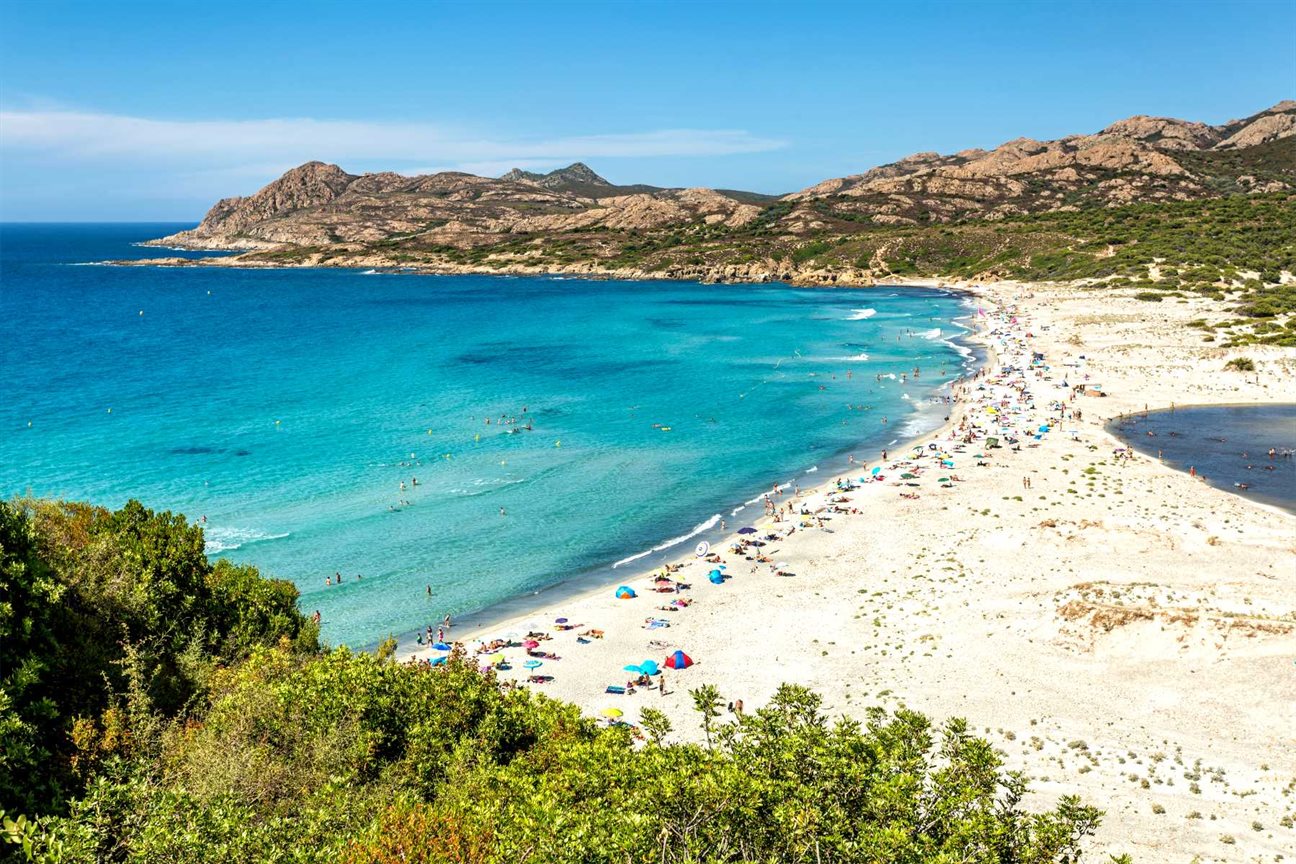
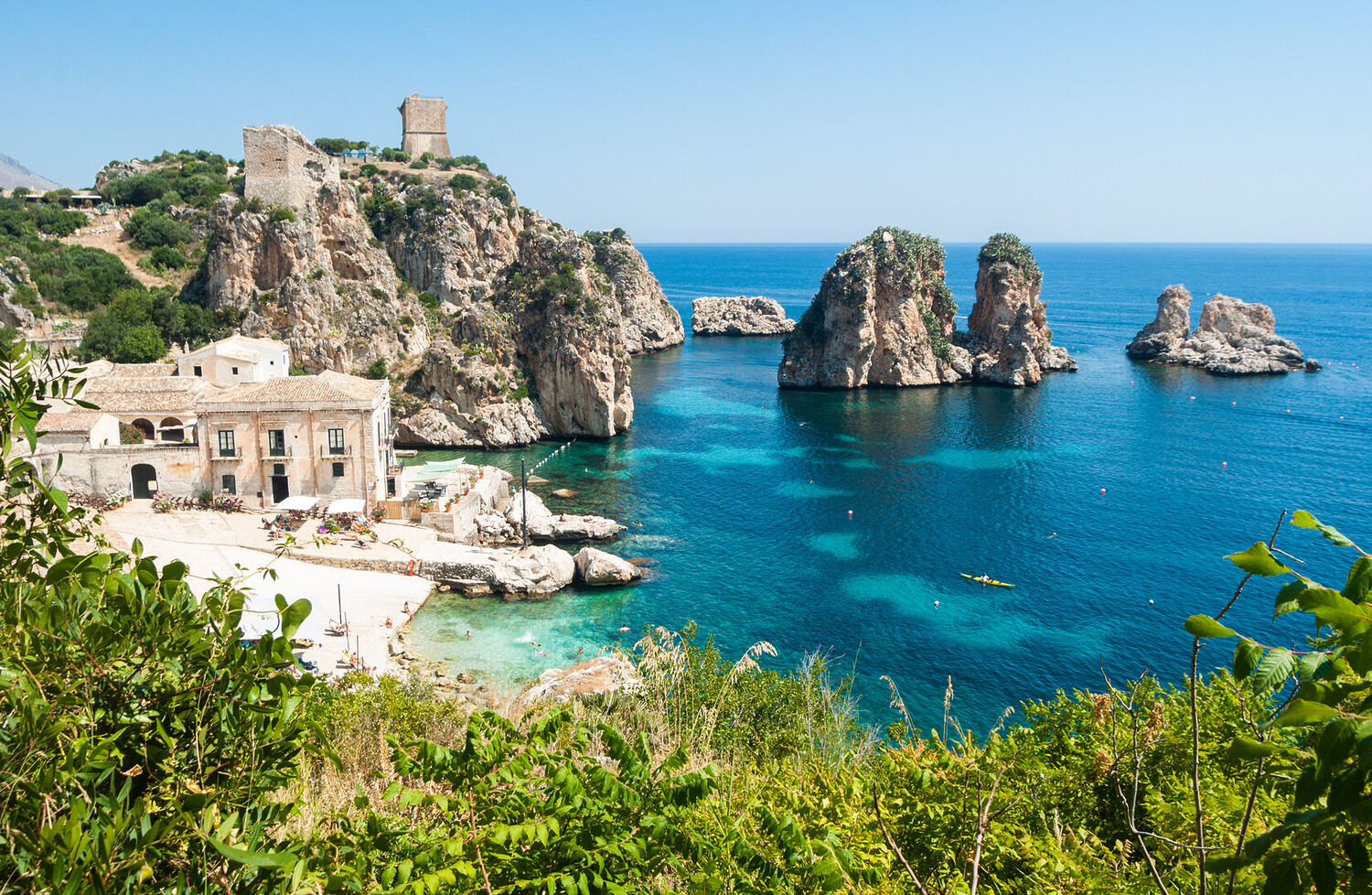
| Beaches & Coastline | Secluded coves, turquoise waters, white sand, often less crowded. | Varied sandy beaches, dramatic cliffs (Scala dei Turchi), popular resorts, more developed. | Corsica |
| Culture & History | Genoese towers, Napoleonic sites, strong Corsican identity, less ancient history. | Ancient Greek temples, Roman mosaics, Norman cathedrals, Baroque towns, rich and layered history. | Sicily |
| Food & Wine | French/Italian fusion, charcuterie, cheese (brocciu), chestnut products, seafood. | Diverse, rich Italian cuisine, street food, seafood, pasta, sweets, volcanic wines. | Sicily |
| Costs & Value | Generally expensive, comparable to mainland France, higher accommodation and dining costs. | More affordable, excellent value for money, diverse budget options. | Sicily |
| Getting There | Multiple small airports, often requires connections through France or ferry from mainland. | Two major international airports, direct flights from many European cities, good ferry links. | Sicily |
| Getting Around | Car essential, winding mountain roads, slow travel, limited public transport. | Car recommended, decent road network, some train/bus services between major cities, more manageable distances. | Sicily |
| Accommodation | Chic boutique hotels, private villas, gîtes, generally higher price point. | Wide range from luxury to budget B&Bs, agriturismos, historic palazzos, excellent value. | Sicily |
| Family Friendliness | Good for older kids who enjoy nature/adventure, quieter, less focused on specific family attractions. | More diverse activities, child-friendly food, accessible history, wider accommodation choices, more amenities. | Sicily |
| Nightlife & Social Scene | Quieter, more laid-back, dinner-focused, limited clubbing, mostly in coastal towns. | Vibrant, bustling piazzas, lively aperitivo, diverse bars, some clubbing in major cities. | Sicily |
⛰️ Nature & Adventure
Corsica is often called 'the Isle of Beauty' for a reason, offering an unparalleled level of wild, untamed nature. Its star attraction is undoubtedly the GR20, one of Europe's most challenging long-distance hikes, traversing the island's mountainous spine. Even if you're not tackling the whole thing, day hikes in areas like the Aiguilles de Bavella or the Restonica Valley offer breathtaking views. The Scandola Nature Reserve, a UNESCO World Heritage site, is a must-see for its dramatic red cliffs and pristine marine life, best explored by boat from Porto or Calvi, often costing around €60-80 ($65-90) for a half-day tour. Sicily, while beautiful with Mount Etna dominating its skyline and the lovely Zingaro Nature Reserve, doesn't quite match Corsica's sheer ruggedness and density of 'wow' nature experiences. "Corsica felt like stepping into a wild postcard, every turn was another insane view, especially around Bonifacio and the Calanques de Piana." You'll find more diverse geological wonders in Sicily, but Corsica feels more like an adventure playground.
Winner takeaway
- Winner: Corsica
- Why: Corsica's pristine, rugged, and intensely dramatic landscapes, coupled with world-class hiking, make it a nature lover's paradise.
- Who this matters for: Hikers, nature photographers, outdoor adventurers, and those seeking remote, wild beauty.
🏖️ Beaches & Coastline
Both islands boast stunning coastlines, but Corsica edges out Sicily with its consistent offering of picture-perfect, often secluded, white-sand beaches with crystal-clear turquoise waters. Think Palombaggia, Rondinara, and Saleccia – these aren't just pretty, they feel truly wild and unspoiled. Accessing some, like Saleccia, requires a 4x4 or a boat trip (e.g., from St Florent for around €30-40/$33-45 return), adding to their exclusivity. Sicily has its gems, like the crescent bay of San Vito Lo Capo or the iconic white marl cliffs of Scala dei Turchi, but many of its beaches are more developed, pebbly, or simply lack the consistent 'wow' factor of Corsica's best. Cefalù's beach is lovely but can get very crowded. "The beaches in Corsica, especially down south, are just unreal. Like, postcard perfect but without the crowds you'd expect." If you're chasing that 'deserted paradise' feel, Corsica delivers repeatedly.
Winner takeaway
- Winner: Corsica
- Why: Corsica offers a higher concentration of truly pristine, secluded, white-sand beaches with incredible clarity, often feeling untouched.
- Who this matters for: Beach connoisseurs, those seeking tranquility, honeymooners, and luxury travelers.
🏛️ Culture & History
Sicily is a living museum, a historical palimpsest where layers of civilizations — Greek, Roman, Byzantine, Arab, Norman, Spanish — have left indelible marks. Visiting the Valley of the Temples in Agrigento (€12-15/$13-17 entry) is like stepping back to ancient Greece, while the Roman Villa del Casale boasts astonishingly preserved mosaics. Palermo's Norman cathedrals like Monreale and Cefalù are simply breathtaking. Then there are the Baroque towns of the Noto Valley (Noto, Ragusa, Modica), UNESCO sites that are architectural marvels. Corsica, while proud of its unique culture (with a distinct language, music, and cuisine), its Genoese towers, and Napoleonic connections (Ajaccio is Napoleon's birthplace), simply can't compete with the sheer depth and breadth of Sicily's historical treasures. "Sicily blew my mind with how much history was crammed into one island. Every town had something ancient, a cathedral, a ruin, a story." If you're a history buff, Sicily is an absolute goldmine.
Winner takeaway
- Winner: Sicily
- Why: Sicily offers an unparalleled wealth of ancient ruins, diverse architectural styles, and a deeply layered history spanning millennia.
- Who this matters for: History buffs, archaeology enthusiasts, culture vultures, and those fascinated by ancient civilizations.
🍷 Food & Wine
Sicily is a gastronomic powerhouse, a true paradise for foodies. Its cuisine is a vibrant fusion of all the cultures that have passed through, from Greek olives to Arab spices. You'll feast on incredible street food in Palermo (€2-5/$2-5 for arancini or panelle), fresh seafood everywhere, pasta alla Norma in Catania, and the iconic cannoli or granita for dessert. Don't forget the incredible volcanic wines from Mount Etna, offering unique terroir. Dining out can be surprisingly affordable, with a fantastic pasta dish often costing €10-15 ($11-17). Corsica's cuisine is delicious, blending French and Italian influences with its own unique identity, heavy on charcuterie (lonzu, coppa), cheeses (brocciu), and chestnut-based products. You'll find lovely seafood, often at higher prices (a main course often €25-40/$28-45). "The food in Sicily is just next level. I ate my way through Palermo and Catania and still dream about the arancini and pasta con le sarde. Corsica was good, but Sicily was an experience." While Corsica offers quality, Sicily offers an explosion of flavors, variety, and accessibility.
Winner takeaway
- Winner: Sicily
- Why: Sicily's cuisine is incredibly diverse, rich in history, globally renowned, and offers an exceptional street food culture and value.
- Who this matters for: Foodies, culinary travelers, budget-conscious eaters, and wine enthusiasts.
💸 Costs & Value
When it comes to your wallet, Sicily is the clear winner for value. A comfortable mid-range daily budget for Sicily might be €60-120 ($65-130) per person, including decent meals, entry fees, and transportation. You can find excellent B&Bs for €50-80 ($55-90) a night, and a delicious pizza or pasta dish for €10-15 ($11-17). Car rental can be as low as €25-40 ($28-45) per day. Corsica, on the other hand, aligns more with mainland French prices. Expect a mid-range daily budget of €100-200+ ($110-220+). A basic hotel room can easily run €90-150 ($100-165), and a standard dinner for one might be €25-40 ($28-45). Groceries are also noticeably pricier. "Corsica was stunning, but my wallet definitely felt it. Sicily felt like I was getting so much more bang for my buck without sacrificing quality." While you can find budget options in Corsica, they are fewer and farther between. For travelers seeking great experiences without breaking the bank, Sicily is far more accommodating.
Winner takeaway
- Winner: Sicily
- Why: Sicily consistently offers significantly better value across accommodation, dining, and activities, making it far more budget-friendly.
- Who this matters for: Budget travelers, families, long-term travelers, and those seeking maximum experiences for their money.
✈️ Getting There
Sicily is generally easier and often cheaper to reach for most international travelers, especially from Europe. It has two major international airports, Palermo (PMO) and Catania (CTA), which receive direct flights from numerous European cities (e.g., Rome, Milan, London, Berlin). A flight from Rome to Palermo can be as short as 1 hour and cost €30-80 ($33-90). Ferry services from mainland Italy (Naples, Civitavecchia) are also frequent. Corsica has four smaller airports (Ajaccio-AJA, Bastia-BIA, Calvi-CLY, Figari-FSC), but direct international flights are less common and often seasonal. Most travelers will connect through major French cities like Paris, Nice, or Marseille, or take a ferry from Nice, Marseille, or Toulon, which can be a longer journey (5-10 hours overnight for around €50-100/$55-110 for a basic passage). "Getting to Sicily was a breeze, direct flight from London, land and go. Corsica felt a bit more of an effort with the connections." While not prohibitive, Corsica requires a bit more planning and often more travel time and cost.
Winner takeaway
- Winner: Sicily
- Why: Sicily offers more direct international flight options and larger airports, making it generally easier and cheaper to access.
- Who this matters for: International travelers, those with limited time, and budget-conscious fliers.
🚗 Getting Around
Getting around both islands generally necessitates a car for true exploration, but Sicily's infrastructure and distances make it slightly more manageable. Sicily has a more extensive, albeit sometimes aging, road network, including some decent highways (autostrade) connecting major cities like Palermo, Catania, and Messina. While not always efficient, there's also a more developed train and bus network between key urban centers, allowing for car-free travel to some extent if focused on cities. A train from Palermo to Cefalù is about an hour and €7 ($8). Corsica, by contrast, is very mountainous, and roads are often incredibly winding, narrow, and slow, even for relatively short distances (e.g., Corte to Porto can take 2 hours for 70km). Public transport is sparse and infrequent, almost non-existent outside of major towns. "Driving in Corsica was beautiful but exhausting. So many hairpin turns! Sicily felt a bit easier to cover ground, especially between the big cities." While the scenery is stunning, Corsica's terrain means getting around takes more time and patience, and a car is truly non-negotiable for exploration.
Winner takeaway
- Winner: Sicily
- Why: Sicily offers a slightly better road network, more manageable driving conditions for longer distances, and more public transport options between key hubs.
- Who this matters for: Those who prefer less strenuous driving, travelers reliant on public transport for some legs, and families with young children.
🏨 Accommodation
Sicily offers a far broader and more affordable range of accommodation options. You can find charming B&Bs in historic centers for €50-80 ($55-90) a night, rustic agriturismos (farm stays) for a unique experience, and even luxurious boutique hotels in Taormina or Palermo. The variety caters to all budgets and styles, often with exceptional value. For example, a beautiful B&B in Ortigia (Syracuse) with breakfast can be found for €70 ($77). Corsica's accommodation scene, while high quality, tends to be more exclusive and pricier. Expect chic boutique hotels in coastal towns like Bonifacio or Calvi, often starting from €100-150 ($110-165) per night for something decent, and private villa rentals or 'gîtes ruraux' in the interior. Budget options are harder to come by and can feel more basic for the price. "I loved the vibe of the agriturismos in Sicily, felt so authentic and great value. Corsica had beautiful places too, but they were definitely a splurge." If you're looking for variety, character, and bang for your buck, Sicily wins hands down.
Winner takeaway
- Winner: Sicily
- Why: Sicily provides a more diverse range of accommodation types, from budget to luxury, with consistently better value and more unique local options like agriturismos.
- Who this matters for: Budget-conscious travelers, families, those seeking unique local experiences, and travelers who value variety.
👨👩👧👦 Family Friendliness
Sicily is generally more family-friendly, especially for younger children, due to its diverse attractions and amenities. Kids will love the sandy beaches (like Cefalù or San Vito Lo Capo), the excitement of exploring ancient ruins (Valley of the Temples offers space to run), and the sheer joy of Sicilian food (pizza, pasta, gelato are universal kid-pleasers). Many cities have parks and easy-to-navigate pedestrian areas. Accommodation choices are varied and often spacious, and costs are lower. Corsica is fantastic for families with older, active children who appreciate hiking, water sports, and exploring wild nature. The beaches are incredible, but accessing some can be challenging for little ones. The winding roads can also lead to car sickness. "We found Sicily so easy with the kids. They loved the street food, playing on the beaches, and even exploring a castle or two. Corsica felt a bit more geared towards adults or older teens." While both offer great experiences, Sicily's broader appeal, accessibility, and more overt child-friendly culture make it a slightly easier choice for families overall.
Winner takeaway
- Winner: Sicily
- Why: Sicily offers a wider range of activities appealing to all ages, more accessible attractions, diverse food options, and generally better value for families.
- Who this matters for: Families with young children, those seeking a balance of relaxation and activities, and budget-conscious families.
🎉 Nightlife & Social Scene
If you're looking for a lively social scene beyond a quiet dinner, Sicily offers a much more vibrant experience. Cities like Palermo and Catania, and even smaller towns like Taormina, come alive in the evenings. The Italian 'passeggiata' (evening stroll) is a social ritual, followed by bustling aperitivo culture, where you can enjoy a drink with complimentary snacks for €8-12 ($9-13). There are plenty of bars, pubs, and even some clubs in the larger cities. Piazza Bellini in Catania or the Vucciria market area in Palermo offer lively evening vibes. Corsica, by contrast, is much quieter and more laid-back. Nightlife is primarily focused on relaxed dinners, enjoying a glass of local wine in a scenic spot, or perhaps a small bar in coastal towns like Calvi, Porto-Vecchio, or Bonifacio. There are very few dedicated clubs, and the scene is generally more subdued. "After a day of exploring, Sicily's piazzas just buzz with energy, everyone's out, laughing, having an aperitivo. Corsica felt like everyone was in bed by 10." If you crave that lively Mediterranean evening energy, Sicily delivers in spades.
Winner takeaway
- Winner: Sicily
- Why: Sicily boasts a more vibrant and diverse nightlife, bustling city centers, and a strong aperitivo culture, offering more options for evening entertainment.
- Who this matters for: Solo travelers, young adults, groups of friends, and those who enjoy a lively evening atmosphere.
❓ Frequently Asked Questions
Which island is better for hiking?
Corsica is hands down better for serious hiking, home to the legendary GR20. Sicily has beautiful nature reserves like Zingaro and trails on Mount Etna, but Corsica's mountainous interior offers a denser network of challenging and scenic multi-day treks and day hikes.
Is Corsica or Sicily safer?
Both islands are generally very safe for tourists. Petty crime like pickpocketing can occur in crowded areas of Sicily's larger cities (Palermo, Catania), but violent crime against tourists is rare in both. Corsica has a very low crime rate, making both excellent choices for safety-conscious travelers.
Which island is better for foodies?
Sicily is a culinary paradise with its incredibly diverse cuisine, renowned street food, fresh seafood, and iconic desserts. Corsica offers delicious French-Italian fusion with unique charcuterie and cheeses, but Sicily provides a broader, more accessible, and more globally celebrated gastronomic experience.
Can I visit both Corsica and Sardinia?
Yes, visiting both Corsica and Sardinia is very common and relatively easy. There are frequent short ferry connections between Bonifacio (Corsica) and Santa Teresa Gallura (Sardinia), taking only about 50 minutes. This allows for a fantastic two-island adventure.
Which island is better for a relaxing beach vacation?
While both have stunning beaches, Corsica might edge out Sicily for sheer tranquility and pristine beauty on its less-developed shores. For a more resort-focused, amenity-rich beach vacation, Sicily's popular spots like Cefalù or San Vito Lo Capo might be preferred, but Corsica's hidden coves offer ultimate relaxation.
What's the best time to visit Corsica or Sicily?
The shoulder seasons (April-May and September-October) are ideal for both islands. Temperatures are pleasant, crowds are thinner, and prices are often lower. July and August are peak season, with hot weather and heavy crowds, especially on the coast.
Do I need a car in Corsica or Sicily?
For Corsica, a car is virtually essential to truly explore the island's diverse landscapes and reach secluded spots, as public transport is very limited. In Sicily, a car is highly recommended for flexibility, but major cities are accessible by train/bus, and you can manage a city-focused trip without one, though you'll miss out on many gems.
Which island has better ancient ruins?
Sicily is vastly superior for ancient ruins, boasting an incredible array of Greek temples (Valley of the Temples), Roman villas (Villa Romana del Casale), and Norman cathedrals. Corsica has some Genoese towers and historical sites, but nothing on the grand scale of Sicily's millennia-spanning archaeological heritage.
Ready to plan your Mediterranean adventure?
Get a free custom itinerary for Corsica, Sicily, or both — built from real traveler insights.
🎟️ Book Tours & Experiences
Hand-picked tours and activities for both destinations — book with free cancellation
Experiences via Viator — free cancellation on most tours