How we built this comparison
This page combines traveler discussion patterns, published price ranges, flight schedules, and seasonal data to help you decide between Costa Brava and Costa Del Sol.
- Reviewed 50+ Reddit threads from r/travel, r/solotravel, r/Barcelona, r/Malaga, and r/SpainTravel for authentic traveler experiences and advice.
- Verified costs and logistics against current booking platforms (Booking.com, Skyscanner, Renfe) and local tourism boards.
- Cross-referenced seasonal patterns and weather data from meteorological sources to ensure accurate climate descriptions.
⚡ The TL;DR Verdict
For those craving dramatic coastlines, exquisite seafood, and medieval villages with a genuine Catalan vibe, Costa Brava is your pick, budget around €100-180 ($110-200) daily. If endless sunshine, sandy beaches, vibrant nightlife, and a mix of resort luxury and Andalusian charm are calling, Costa Del Sol awaits, with daily budgets ranging from €80 ($90) for modest travelers to €250+ ($270+) for luxury seekers.
- Choose Costa Brava: Choose Costa Brava if you value stunning, wilder beaches, Michelin-starred dining, charming medieval towns like Pals and Begur, and a less 'touristy' feel, especially appealing for couples, foodies, and those who appreciate active exploration.
- Choose Costa Del Sol: Opt for Costa Del Sol if consistent warm weather, wide sandy beaches, diverse resort options (from budget to luxury), lively nightlife, golf, and easy access to cultural gems like Seville and Granada are your priorities, ideal for families, sun-seekers, and party-goers.
- Choose Both: Consider doing both if you have at least 10-14 days and want a comprehensive taste of Spain's varied coastlines and cultures. Start in the north (Costa Brava) for 4-5 days, then fly from Barcelona to Malaga for another 5-7 days to experience the stark contrast in scenery and atmosphere.
Quick Comparison
| Category | Costa Brava | Costa Del Sol | Winner |
|---|---|---|---|
| Beaches & Scenery | Dramatic, rocky coves, pine forests to the shore, clear turquoise waters, less sand but incredibly picturesque. | Expansive, sandy beaches, often backed by promenades and resorts, warmer and calmer Mediterranean waters. | Costa Brava |
| Food & Drink | World-renowned Catalan cuisine, fresh seafood, Michelin stars, authentic tapas, excellent wines. | Andalusian tapas culture, fresh fried fish (pescaíto frito), diverse international restaurants, sherry wine. | Costa Brava |
| Nightlife | Chilled-out beach bars, sophisticated cocktail lounges, local festivals, quieter evenings. | Vibrant and diverse, from superclubs in Marbella to traditional flamenco in Málaga and casual pubs. | Costa Del Sol |
| Culture & History | Medieval villages, Salvador Dalí's legacy, ancient Greek/Roman ruins, Catalan identity. | Moorish heritage, Picasso's birthplace, Roman ruins, traditional Andalusian towns, flamenco. | Costa Del Sol |
| Costs | Slightly higher accommodation in peak season, good value 'menu del día', local experiences. | Wide range from budget to extreme luxury, cheaper tapas, more budget flight options into Malaga. | Tie |
| Getting Around | Car rental highly recommended for flexibility, local buses connect main towns, some ferries. | Good public transport between main towns, extensive train network, car rental useful for exploring inland. | Costa Del Sol |
| Accommodation | Charming boutique hotels, renovated farmhouses (masías), fewer large resorts, focus on unique stays. | Wide range from budget apartments to all-inclusive resorts, luxury villas, and boutique hotels in city centers. | Costa Del Sol |
| Day Trips | Girona, Cadaqués, Pals, Peratallada, Dalí Triangle, Cap de Creus natural park. | Granada (Alhambra), Seville, Ronda (Puente Nuevo), Córdoba (Mezquita), white villages (Pueblos Blancos). | Costa Del Sol |
| Weather & Seasons | Warm summers (July-Aug), pleasant springs/autumns, cooler winters, occasional Tramuntana wind. | Hot, dry summers (June-Sept), mild and sunny winters, longest sunshine hours in mainland Europe. | Costa Del Sol |
| Family Friendliness | Quieter beaches, charming towns, nature activities, less overt kids' entertainment. | Resort infrastructure, water parks, kid-friendly beaches, theme parks, abundance of family amenities. | Costa Del Sol |
🏖️ Beaches & Scenery
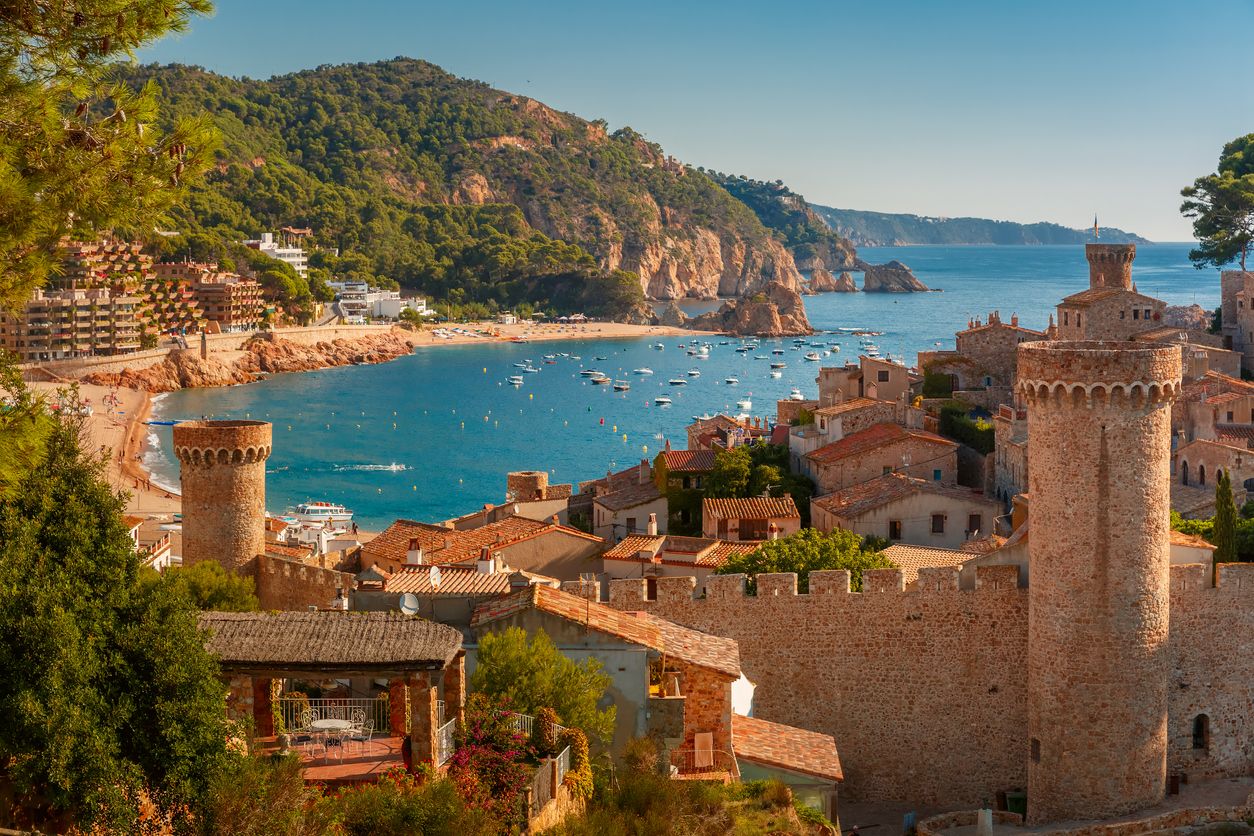
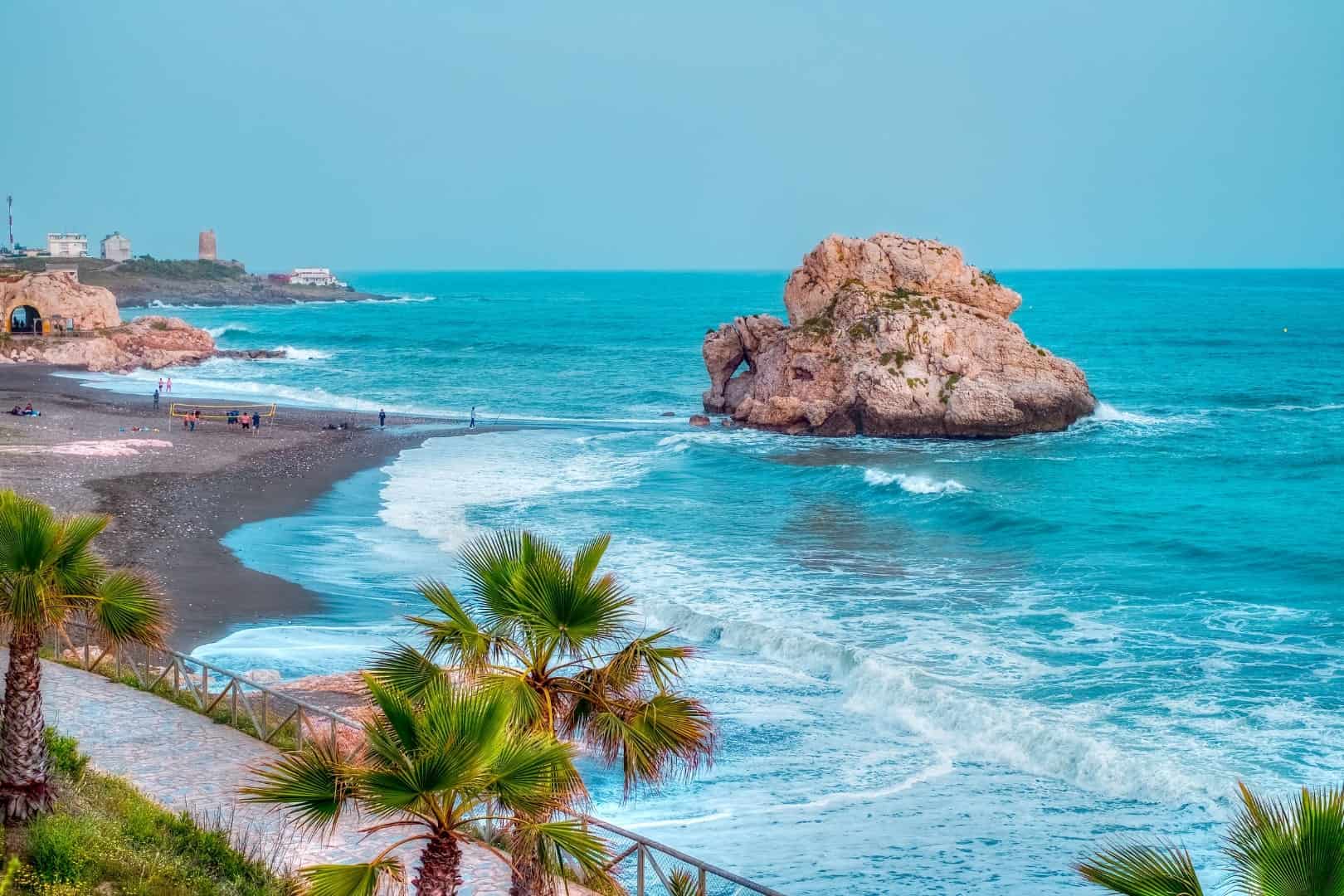
Costa Brava truly lives up to its name, meaning 'Wild Coast.' Here you'll find breathtaking clifftop paths connecting secluded coves like Cala Aiguablava in Begur or the iconic crescent beach of Tamariu. The scenery is rugged, with pine trees almost touching the sea, offering a more dramatic and authentic Mediterranean feel. While many beaches are pebbly or have coarse sand, the water clarity is often exceptional, perfect for snorkeling and diving. You'll often discover 'calas' (coves) that feel truly private after a short hike. In contrast, Costa Del Sol boasts wide, golden sandy beaches that stretch for miles, particularly around Marbella, Estepona, and Fuengirola. These are generally very accessible, often Blue Flag certified, and come with full amenities like sun loungers (rentals typically €5-10/$5.50-11 per day), chiringuitos (beach bars), and watersports. The water is noticeably warmer, which appeals to many, but the scenery can feel more developed and less 'wild.' "Honestly, we loved hiking the Cami de Ronda near Palafrugell; those views of the hidden calas were unreal, felt like a movie," a traveler from r/travel once commented.
Winner takeaway
- Winner: Costa Brava
- Why: Costa Brava wins for its uniquely dramatic, unspoiled, and diverse coastal landscapes that offer more character and adventure.
- Who this matters for: Nature lovers, hikers, photographers, and those seeking picturesque, less crowded coves.
🍽️ Food & Drink
The Costa Brava is a gastronomic powerhouse. It's home to some of the world's most innovative cuisine, famously El Bulli (though now closed, its legacy remains) and several Michelin-starred restaurants like El Celler de Can Roca nearby in Girona (expect €200-300+/$220-330+ per person for a tasting menu). Beyond the high-end, you'll find incredible fresh seafood – gambas de Palamós (Palamós prawns) are a must-try – and authentic Catalan dishes like 'mar i muntanya' (sea and mountain) stews. A typical three-course 'menu del día' (lunch menu) costs €15-25 ($16-28) and is excellent value. Pair meals with local Empordà wines. Costa Del Sol, particularly Málaga, offers a fantastic Andalusian tapas scene with plenty of 'pescaíto frito' (fried fish platter, usually €10-15/$11-17), espeteros (sardines grilled on skewers), and a strong focus on fresh produce. While good, it doesn't quite reach the innovative heights or the same density of culinary excellence as Costa Brava. "The food in Cadaqués blew my mind, especially the anchovies and local wines. Felt like every meal was an experience, not just eating," shared a foodie on r/SpainTravel.
Winner takeaway
- Winner: Costa Brava
- Why: Costa Brava offers a more innovative, diverse, and globally recognized culinary scene, from humble seafood shacks to Michelin-starred dining.
- Who this matters for: Foodies, gourmands, and those seeking a high-quality, authentic gastronomic experience.
🍸 Nightlife
If you're looking for vibrant, diverse nightlife, Costa Del Sol is the undisputed champion. Marbella's Puerto Banús is legendary for its exclusive beach clubs (e.g., Ocean Club, Nikki Beach, entry can be €50-150+/$55-165+), luxury yachts, and high-end bars where the party often goes until dawn. Málaga city offers a more authentic, lively Spanish experience with numerous rooftop bars, lively plazas like Plaza de la Merced, and traditional flamenco shows (tickets typically €25-40/$28-44). Resorts like Torremolinos and Benalmádena also cater to a younger, more energetic crowd with plenty of late-night bars and clubs. In contrast, Costa Brava's nightlife is generally more relaxed and sophisticated. Lloret de Mar is an exception, known for its budget-friendly party scene attracting younger crowds, but most towns like Cadaqués, Begur, or L'Estartit offer charming waterfront bars, cocktail lounges, and a focus on enjoying a drink with a view rather than clubbing. "Marbella's club scene is wild if that's what you're into, but I found Malaga's rooftop bars way more my speed – great vibe without the pretension," a Redditor noted on r/Malaga.
Winner takeaway
- Winner: Costa Del Sol
- Why: Costa Del Sol provides a broader, more intense, and famous nightlife scene catering to a wider range of preferences, from luxury clubs to authentic Spanish bars.
- Who this matters for: Party-goers, young adults, those seeking vibrant social scenes, and luxury travelers.
🏛️ Culture & History
Costa Del Sol, particularly Málaga and its proximity to other Andalusian cities, offers a richer and more diverse historical tapestry. Málaga itself is a treasure trove with the Alcazaba (Moorish fortress), Roman Theatre, Málaga Cathedral, and the Picasso Museum (entry €10-12/$11-13). Day trips easily take you to Granada's Alhambra, Seville's Alcázar and Cathedral, or Ronda's Puente Nuevo, each a UNESCO World Heritage site representing centuries of Moorish and Christian influence. These are profound cultural experiences. The Costa Brava offers a distinct Catalan culture, marked by its medieval villages like Pals and Peratallada, which feel like stepping back in time. Empúries, with its Greek and Roman ruins (entry €6/$6.50), is fascinating. The most unique cultural draw is the 'Dalí Triangle,' encompassing his museum in Figueres (entry €15/$16.50), his house in Portlligat, and Gala's Castle in Púbol. "While Dalí was cool, exploring the tiny white villages near Nerja felt more authentic to me than some of the more curated experiences up north," a history buff posted on r/travel.
Winner takeaway
- Winner: Costa Del Sol
- Why: Costa Del Sol offers access to a broader, more iconic range of historical sites, including several UNESCO World Heritage sites, and a deeper dive into Spain's Moorish past.
- Who this matters for: History buffs, art enthusiasts (especially Picasso fans), and those interested in diverse historical periods.
💰 Costs
Comparing costs is tricky as both regions offer a spectrum. In Costa Brava, particularly popular towns like Cadaqués or Begur, accommodation can be pricier in high season (July/August), with a mid-range hotel starting around €120-200 ($130-220) per night. However, local dining, especially the 'menu del día,' provides excellent value at €15-25 ($16-28). Activities like hiking or beach hopping are largely free. A standard beer might be €3-4 ($3.30-4.40). Costa Del Sol has a wider range. You can find budget hotels or apartments in Torremolinos for €70-100 ($77-110) per night, or splurge on luxury resorts in Marbella for €300+ ($330+) a night. Tapas are often cheaper, with many bars offering small plates for €2-4 ($2.20-4.40). Flights into Málaga (AGP) from major European cities can sometimes be more competitive than into Barcelona (BCN) or Girona (GRO) depending on your origin. "I found that while Marbella was ridiculous, staying in Malaga city was super affordable, and the tapas were cheap and amazing," noted a budget traveler on r/solotravel. So, while Costa Brava's average might be slightly higher due to less budget accommodation, Costa Del Sol's high-end options can push overall costs far higher. For a comfortable mid-range trip, expect €100-180 ($110-200) daily in Costa Brava vs. €80-150 ($90-165) in less touristy parts of Costa Del Sol, or €200-300+ ($220-330+) in luxury areas.
Winner takeaway
- Winner: Tie
- Why: Both regions offer different value propositions: Costa Brava for authentic mid-range experiences, Costa Del Sol for budget options balanced with extreme luxury.
- Who this matters for: Budget travelers (Costa Del Sol), luxury travelers (Costa Del Sol), and those seeking authentic mid-range value (Costa Brava).
🚗 Getting Around
Getting around Costa Del Sol is generally easier and more efficient, especially if you're sticking to the main coastal towns. The Cercanías train line connects Málaga city with Malaga Airport (AGP), Torremolinos, Benalmádena, and Fuengirola, with tickets costing just a few euros (€2-5/$2.20-5.50). Intercity buses are plentiful and connect all major towns and cities (e.g., Málaga to Marbella is around €8-12/$9-13 and takes about an hour). Car rental is useful for exploring white villages inland or for day trips to Granada or Seville, but not strictly necessary for coastal hopping. In Costa Brava, a car is almost essential for truly exploring the region's hidden coves and charming medieval villages, as public transport is less extensive and slower. Buses connect major towns like Girona, Palafrugell, Palamós, and Cadaqués, but reaching secluded beaches or smaller inland villages without a car can be challenging. Expect car rental to be around €30-60 ($33-66) per day, plus parking can be an issue in peak season. "We tried to do Costa Brava without a car, and while doable, we regretted it for the freedom it would have given us to explore the smaller towns," a r/solotravel user advised.
Winner takeaway
- Winner: Costa Del Sol
- Why: Costa Del Sol offers a more robust and convenient public transportation network, making it easier to explore without a car.
- Who this matters for: Travelers who prefer not to rent a car, those relying on public transport, and those valuing ease of transit.
🏨 Accommodation
Costa Del Sol offers an unparalleled diversity in accommodation. You'll find everything from sprawling all-inclusive resorts in Benalmádena and Torremolinos (starting from €80-150/$90-165 per night) to ultra-luxury villas and five-star hotels in Marbella's Golden Mile (easily €300-1000+/$330-1100+). Málaga city offers a great selection of stylish boutique hotels and apartment rentals in its historic center (e.g., Room Mate Larios from €120-200/$130-220). This variety means there's truly something for every budget and travel style. Costa Brava, while having beautiful options, leans more towards charming boutique hotels, family-run guesthouses, and renovated 'masías' (traditional farmhouses) in the countryside. There are fewer massive resorts, though Lloret de Mar does cater to package tourism. Expect a charming hotel in Cadaqués or Begur to cost €120-250 ($130-275) per night in high season. The accommodation here often feels more integrated into the local culture. "We stayed in a lovely little hotel in Frigiliana, and it felt so authentically Spanish, unlike the big resorts we saw near Torremolinos," a tourist shared on r/travel.
Winner takeaway
- Winner: Costa Del Sol
- Why: Costa Del Sol offers a much broader and more diverse range of accommodation types and price points, catering to almost any traveler's needs.
- Who this matters for: Families seeking resorts, luxury travelers, budget-conscious travelers, and those wanting a wide choice of styles.
🗺️ Day Trips
The sheer number and historical significance of day trip options from Costa Del Sol give it the edge. From a base in Málaga, you can easily reach Granada (Alhambra, approx. 1.5-hour drive or bus, €15-20/$16-22 for bus ticket), Seville (Alcázar, Cathedral, approx. 2-hour train, €30-50/$33-55), Ronda (Puente Nuevo, approx. 1.5-hour drive), and Córdoba (Mezquita, approx. 1.5-hour train). These are world-class historical and cultural sites. Beyond the 'big three,' exploring the picturesque 'Pueblos Blancos' (white villages) like Frigiliana or Mijas is also a popular and rewarding option. Costa Brava offers fantastic day trips too, but they are more focused on natural beauty and charming towns. Girona, with its colorful houses and Jewish Quarter, is a must (easy train from Barcelona or bus from coastal towns, €5-10/$5.50-11). The Dalí Triangle (Figueres, Portlligat, Púbol) is a unique artistic journey. Exploring the medieval towns of Pals and Peratallada or the dramatic Cap de Creus natural park provides stunning scenery. "Going to Granada from Malaga was so easy and the Alhambra is just incredible – a must-do if you're in Andalucía," a r/travel user commented.
Winner takeaway
- Winner: Costa Del Sol
- Why: Costa Del Sol's proximity to multiple UNESCO World Heritage sites and iconic Spanish cities makes its day trip options more historically significant and diverse.
- Who this matters for: Culture vultures, history buffs, and those wanting to see Spain's most famous landmarks.
☀️ Weather & Seasons
Costa Del Sol lives up to its name, 'Coast of the Sun,' boasting over 320 sunny days a year and the warmest winter temperatures in mainland Europe. Summers (June-September) are hot and dry, often reaching 30-35°C (86-95°F), perfect for beach lovers, though intense. Spring (April-May) and autumn (October-November) are delightfully warm and sunny, with temperatures around 20-25°C (68-77°F), ideal for sightseeing. Even winters are mild, averaging 15-18°C (59-64°F) with plenty of sunshine, making it a popular year-round destination. Costa Brava also enjoys a Mediterranean climate but is generally cooler and more prone to wind, especially the 'Tramuntana,' a strong northerly wind that can be refreshing or chilling depending on the season. Summers (July-August) are warm, 25-30°C (77-86°F), but often with more humidity and slightly cooler evenings. Spring and autumn are beautiful but can be unpredictable with more rain. Winters are noticeably cooler, with average daytime temperatures around 10-14°C (50-57°F), making it less of a winter sun destination. "If you want guaranteed sunshine and warmth, Costa Del Sol in October is unbeatable; we were swimming every day," a sun-seeker wrote on r/SpainTravel.
Winner takeaway
- Winner: Costa Del Sol
- Why: Costa Del Sol offers more consistent, warmer weather year-round, making it a superior choice for sun-seekers and off-season travel.
- Who this matters for: Sun-seekers, those planning off-season trips, and anyone prioritizing consistent warm weather.
👨👩👧👦 Family Friendliness
Costa Del Sol is exceptionally well-equipped for families, particularly those with younger children. Its long, sandy beaches are perfect for building sandcastles and offer gentle waves. Resorts like Benalmádena, Fuengirola, and Estepona are packed with family-focused hotels, often with kids' clubs, pools, and entertainment. You'll find numerous attractions like Tivoli World (though currently closed, others exist), Bioparc Fuengirola (entry €24/$26 for adults, €18/$20 for kids), Selwo Marina (entry €22/$24), and various water parks (e.g., Aqualand Torremolinos, €32/$35 adult, €24/$26 child). The infrastructure is designed for easy family travel. Costa Brava, while beautiful, is geared more towards a quieter, nature-based family holiday. Its coves are stunning but can be less accessible for strollers, and many beaches are pebbly. Towns like L'Estartit or Sant Feliu de Guíxols offer more family-oriented amenities. Activities include exploring medieval villages, gentle hikes, or kayaking in calm waters. There's less overt 'kid entertainment' but more opportunities for natural exploration. "Costa Del Sol with kids was a breeze, so many playgrounds and activities, plus the hotels cater really well to families. Costa Brava felt a bit more 'grown-up,'" commented a parent on r/travel.
Winner takeaway
- Winner: Costa Del Sol
- Why: Costa Del Sol offers a superior infrastructure, dedicated attractions, and more readily available amenities catering specifically to families with children of all ages.
- Who this matters for: Families with young children, those seeking resort-style holidays, and anyone wanting a wide array of kid-friendly activities.
❓ Frequently Asked Questions
Which Costa is better for a budget traveler?
For strict budget travelers, Costa Del Sol generally offers more options for affordable accommodation and cheaper tapas, especially in towns like Torremolinos or the lesser-known parts of Málaga. Flights into Málaga can also be very competitive. Costa Brava can be done on a budget, but finding truly cheap accommodation outside of Lloret de Mar is harder.
Is one Costa more 'authentic' than the other?
Costa Brava often feels more authentically Catalan, with its preserved medieval villages, dramatic coastline, and less resort-heavy development. It offers a glimpse into a distinct regional culture. Costa Del Sol, while having authentic Andalusian charm in places like Málaga city, also has areas that are highly developed for international tourism, which can feel less 'authentic' to some.
Which Costa has better water sports opportunities?
Both offer good water sports, but Costa Brava excels in diving, snorkeling, and kayaking due to its clearer waters, rocky coves, and marine reserves like the Medes Islands. Costa Del Sol, with its calmer, warmer waters and extensive beaches, is better for general swimming, paddleboarding, and family-friendly activities like banana boat rides and jet skiing from established centers.
How do the crowds compare between the two regions?
Both can get very crowded in peak summer (July-August). Costa Del Sol's major resorts and beaches will be bustling with international tourists. Costa Brava's charming towns also draw crowds, but its many hidden coves can offer more seclusion if you're willing to hike. Outside of peak season, Costa Brava quiets down significantly, while Costa Del Sol maintains a more consistent buzz due to its larger expat community and year-round tourism.
Which region is easier to reach from a major international airport?
Both are quite accessible. Costa Brava is served by Girona-Costa Brava Airport (GRO) and Barcelona El Prat (BCN), with BCN being a major international hub. Costa Del Sol is primarily served by Málaga-Costa del Sol Airport (AGP), which is also a very large and well-connected international airport, often a hub for budget airlines from Europe. It's largely dependent on your origin city.
Can I combine a trip to both Costa Brava and Costa Del Sol?
Yes, but it requires a bit of travel. The most efficient way is to fly from Barcelona (BCN) to Málaga (AGP). The flight takes about 1.5-2 hours. You'd need at least 10-14 days to properly enjoy both regions without feeling rushed. It offers a fantastic contrast between Spain's northeast and south.
Which is better for solo female travelers?
Both are generally safe for solo female travelers. Costa Brava, with its quieter towns and focus on nature/culture, might appeal more to those seeking a reflective, safe, and less party-centric experience. Costa Del Sol is also safe, but in its livelier areas, standard precautions for nightlife should be observed. Málaga city is very welcoming and easy to navigate solo.
Are there good hiking opportunities in both areas?
Absolutely! Costa Brava is renowned for its Cami de Ronda coastal path, offering spectacular hikes connecting coves and towns. It's rugged and incredibly scenic. Costa Del Sol also has excellent hiking in the mountains just inland, such as the Montes de Málaga Natural Park, El Torcal de Antequera, or the famous Caminito del Rey, which offers a thrilling, dramatic walk.
Ready to plan your unforgettable Spanish coastal adventure?
Get a free custom itinerary for Costa Brava, Costa Del Sol, or both — built from real traveler insights, tailored to your budget and preferences.
🎟️ Book Tours & Experiences
Hand-picked tours and activities for both destinations — book with free cancellation
Experiences via Viator — free cancellation on most tours