How we built this comparison
This page combines traveler discussion patterns, published price ranges, flight schedules, and seasonal data to help you decide between Costa Rica and Dominican Republic.
- Reviewed 500+ Reddit threads from r/travel, r/solotravel, r/costarica, r/dominicanrepublic, and r/Caribbean.
- Verified costs and logistics against current booking platforms for flights, accommodation, and tours.
- Cross-referenced seasonal patterns, weather data, and safety advisories from government sources.
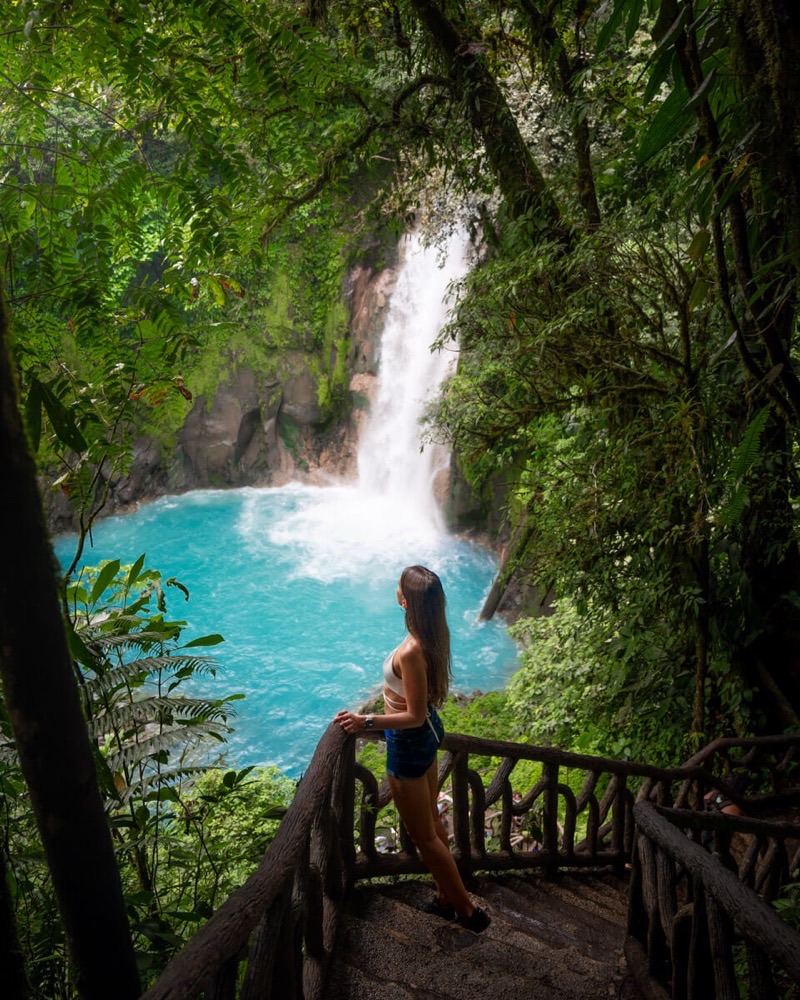
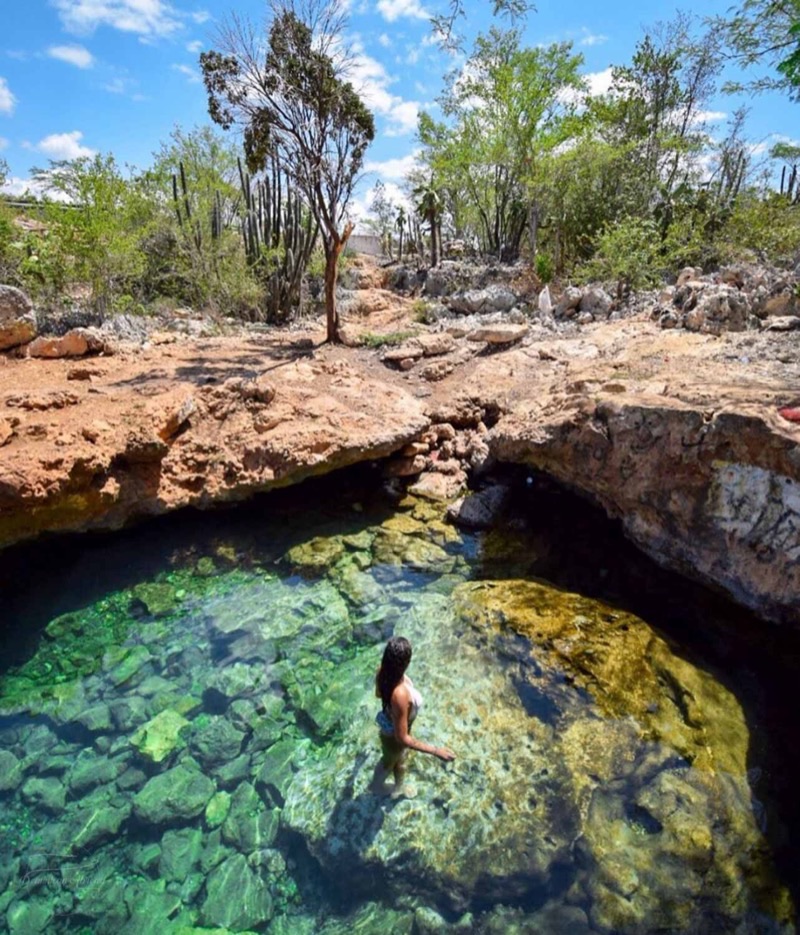
⚡ Quick Answers
⚡ The TL;DR Verdict
Most travelers seeking active outdoor pursuits, wildlife encounters, and eco-centric experiences on a mid-range budget should pick Costa Rica ($60-120/day). If your priority is relaxing on extensive beaches, resort amenities, and a livelier party scene with options for both budget local eats and luxury resorts, the Dominican Republic ($50-150/day) is the better choice.
- Choose Costa Rica: For nature lovers, active adventurers, and those prioritizing wildlife viewing, hiking, and conservation efforts over resort luxury.
- Choose Dominican Republic: For beach enthusiasts, resort-goers, party seekers, and travelers interested in colonial history and a Latin-Caribbean cultural immersion.
- Choose Both: If you have 3-4 weeks and a generous budget, combine both for a full Central American and Caribbean experience. Start with Costa Rica's nature, then fly to DR for beaches and culture.
Choose Costa Rica
Choose Costa Rica if your ideal vacation involves thrilling outdoor adventures and profound wildlife encounters. It's best for eco-conscious travelers eager to hike through misty cloud forests, zip-line over lush canopies in Monteverde, or spot sloths and monkeys in Manuel Antonio National Park. This destination offers an immersive, nature-focused experience on a mid-range budget.
Choose Dominican Republic
Opt for the Dominican Republic if you dream of sun-drenched days on stunning beaches and lively resort experiences. It’s perfect for travelers who want to unwind at a luxurious all-inclusive in Punta Cana, dance the night away, or explore the rich colonial history of Santo Domingo's Zona Colonial. This vibrant island offers a fantastic blend of relaxation, culture, and party, suitable for various budgets.
📊 Visual Scorecard
🌤 When to Visit
Average high temperatures (°C). Green = best months, orange = avoid.
Quick Comparison
| Category | Costa Rica | Dominican Republic | Winner |
|---|---|---|---|
| Nature & Wildlife | Dense rainforests, volcanoes, cloud forests. High biodiversity, easy wildlife spotting: sloths, monkeys, toucans. | Extensive beaches, coral reefs, desert landscapes, tallest Caribbean peak (Pico Duarte). Marine life and birdwatching. | Costa Rica |
| Beaches & Water Sports | Pacific coast for surfing (Tamarindo, Santa Teresa), Caribbean for calmer waters (Puerto Viejo, Cahuita). Varied sand colors. | White sand beaches, clear turquoise waters. Resorts concentrated in Punta Cana, Bavaro, La Romana. Excellent for snorkeling, diving, kitesurfing. | Dominican Republic |
| Costs & Budget | Generally higher cost. Mid-range daily budget $60-120. Resorts are expensive. Local sodas offer cheap food. | Can be very cheap or very expensive depending on travel style. Mid-range daily budget $50-150. All-inclusive resorts common. | Tie |
| Culture & History | Pura Vida philosophy, laid-back. Indigenous heritage, strong conservation values. Less overt historical sites. | Spanish colonial history, Taino heritage, African influences. Merengue, Bachata music. Santo Domingo's Colonial Zone is a UNESCO site. | Dominican Republic |
| Safety & Local Experience | Generally safe, especially outside San Jose. Petty crime targets tourists. Driving can be challenging. | Higher crime rates in urban areas, tourist zones can have issues. Resort areas are generally secure. Poverty is visible. | Costa Rica |
| Food & Drink | Simple, fresh ingredients. Gallo Pinto (rice and beans), Casado (plate lunch). Fresh fruit. Less spicy. | Caribbean-Latin flavors. Mofongo (plantain dish), Sancocho (stew). Rum, Presidente beer. More flavorful and diverse. | Dominican Republic |
| Accommodation | Eco-lodges, boutique hotels, hostels, scattered resorts. Focus on natural integration. | Large all-inclusive resorts dominate in tourist hubs. Also boutique hotels, guesthouses in cities. | Tie |
| Getting There & Around | Major airports in San Jose (SJO) and Liberia (LIR). Driving is common but challenging. Shared shuttles reliable. | Multiple international airports (SDQ, PUJ, STI). Public transport (guaguas) cheap. Taxis and ride-shares in cities. | Dominican Republic |
| Nightlife & Entertainment | More relaxed nightlife, especially outside surf towns. Live music, casual bars. San Jose has casinos. | Lively and energetic. Merengue, Bachata clubs. Resorts offer entertainment. Strong party scene in tourist areas. | Dominican Republic |
| Day Trips & Excursions | Volcano hikes, hot springs, coffee plantations, wildlife tours, national parks. Focus on nature and adventure. | Colonial city tours, waterfall visits, catamaran trips to islands (Saona), whale watching (Samana). Mix of history, nature, beach. | Tie |
🐒 Nature & Wildlife
Costa Rica is a global leader in ecotourism. Its national park system, covering over 25% of the country, preserves diverse ecosystems from the active Arenal Volcano to the misty…
Costa Rica
Dominican Republic
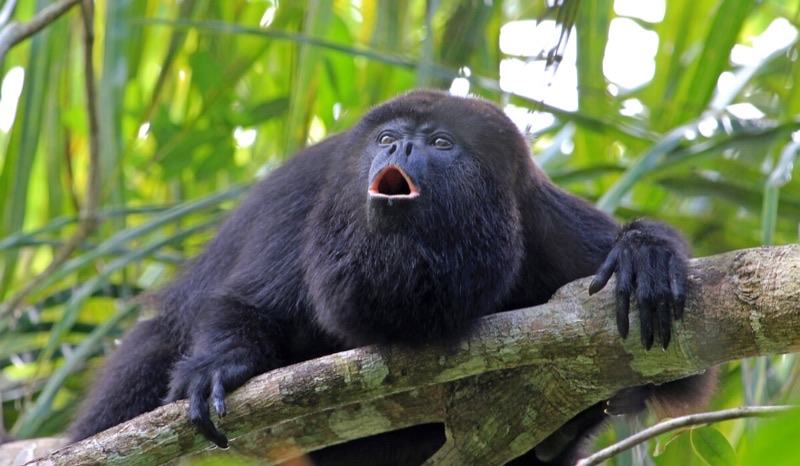
Costa Rica is a global leader in ecotourism. Its national park system, covering over 25% of the country, preserves diverse ecosystems from the active Arenal Volcano to the misty Monteverde Cloud Forest. Travelers can easily see sloths, howler monkeys, capuchin monkeys, and numerous bird species. Activities like white-water rafting on the Pacuare River, zip-lining through forests near La Fortuna, and hiking in Manuel Antonio National Park are primary draws. Park entry typically costs $15-18 per person, and guided tours for wildlife viewing range from $30-60. The commitment to conservation here is evident, making wildlife encounters common and accessible.
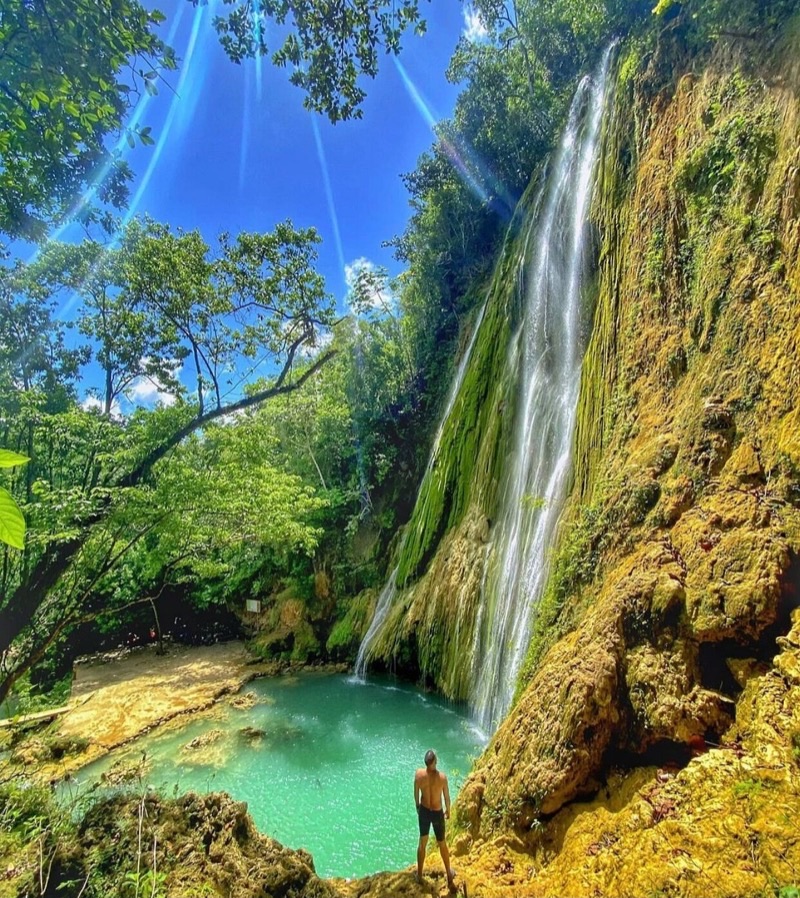
The Dominican Republic offers impressive natural features, though less focused on terrestrial wildlife viewing. Its strengths lie in marine environments and mountain landscapes. Punta Cana and La Romana have extensive coral reefs suitable for snorkeling and diving. The Samana Peninsula is a winter breeding ground for humpback whales, with tours costing around $60-90. Pico Duarte, at 3,098 meters, offers multi-day strenuous hikes. Jarabacoa, in the central mountains, provides river rafting and canyoning. While there are national parks like Los Haitises, they are less geared towards direct, easy wildlife encounters compared to Costa Rica. The focus is more on beaches, water sports, and mountain activities.
Tabiji verdict: Costa Rica wins this category due to its greater biodiversity and established eco-tourism infrastructure for wildlife observation.
- Winner: Costa Rica
- Why: Costa Rica has higher biodiversity and a more developed infrastructure specifically for wildlife encounters and nature-based activities.
- Who this matters for: Adventure travelers, wildlife photographers, and those who prioritize conservation and ecological immersion.
🏖️ Beaches & Water Sports
Costa Rica presents two distinct coastlines. The Pacific side, particularly areas like Tamarindo, Santa Teresa, and Jaco, is renowned for surfing, with strong breaks drawing…
Costa Rica
Dominican Republic
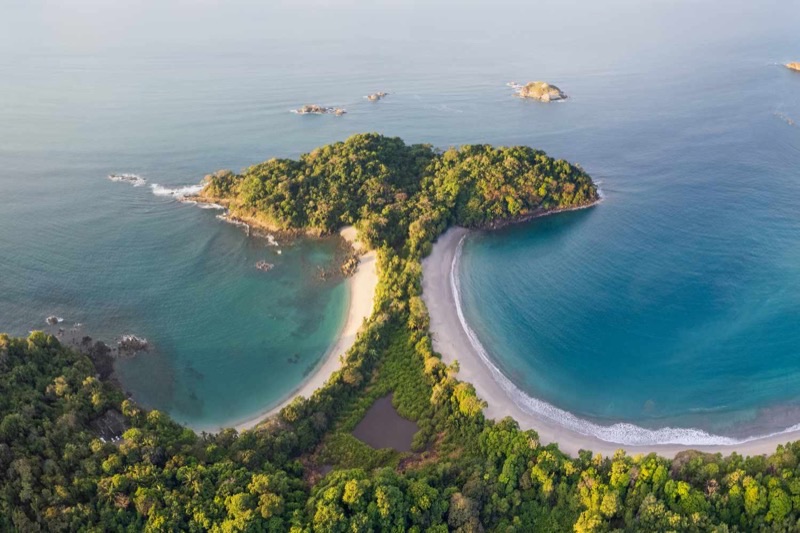
Costa Rica presents two distinct coastlines. The Pacific side, particularly areas like Tamarindo, Santa Teresa, and Jaco, is renowned for surfing, with strong breaks drawing surfers globally. Manuel Antonio offers a combination of rainforest-backed beaches and calm swimming areas. The Caribbean coast, around Puerto Viejo and Cahuita, has a more laid-back vibe, calmer waters, and coral reefs close to shore. While the beaches are beautiful, they are often smaller and more rugged, sometimes with darker sand. Water sports include surfing lessons (around $50-70 per session) and snorkeling.
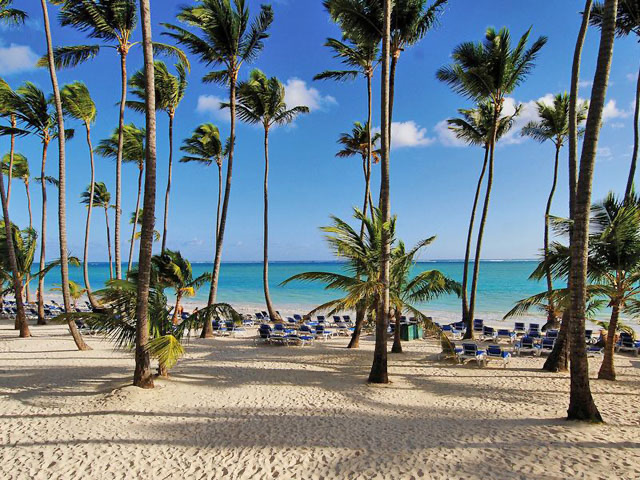
The Dominican Republic is a beach destination. Its eastern and southern coasts boast miles of powdery white sand and clear, warm Caribbean waters, particularly in Punta Cana, Bavaro, and La Romana. These areas are lined with large resorts offering amenities and direct beach access. Water sports are plentiful: snorkeling and diving are popular due to extensive coral reefs, kitesurfing thrives in Cabarete, and sailing excursions are common. A typical snorkeling trip might cost $40-70, while an introductory dive can be $100-150. The scale and consistency of beach quality, along with the array of water activities supported by resort infrastructure, give the DR a clear edge for beach-focused travel.
Tabiji verdict: For sheer quantity of classic white sand beaches and accessibility of water sports, the Dominican Republic is the stronger choice.
- Winner: Dominican Republic
- Why: The Dominican Republic offers more extensive stretches of classic white sand beaches and a wider array of accessible water sports, especially from resorts.
- Who this matters for: Beach lovers, resort-goers, families with children, and those seeking consistent beach leisure and water activities.
💰 Costs & Budget
Costa Rica is not a budget destination. A mid-range daily budget, including accommodation, activities, and food, typically falls between $60-120 per person. Hostels cost $20-35…

Costa Rica
Dominican Republic
Costa Rica is not a budget destination. A mid-range daily budget, including accommodation, activities, and food, typically falls between $60-120 per person. Hostels cost $20-35 per night, while mid-range hotels are $80-150. National park entry is $15-18. A Casado (local meal) at a 'soda' costs $5-8. Tours like zip-lining or rafting are $50-90. Rental cars are expensive, often $40-60 per day plus insurance. Transportation via shared shuttle is $40-60 for longer distances. Staying outside tourist hubs can reduce costs, but overall, it is more expensive than many Latin American countries.
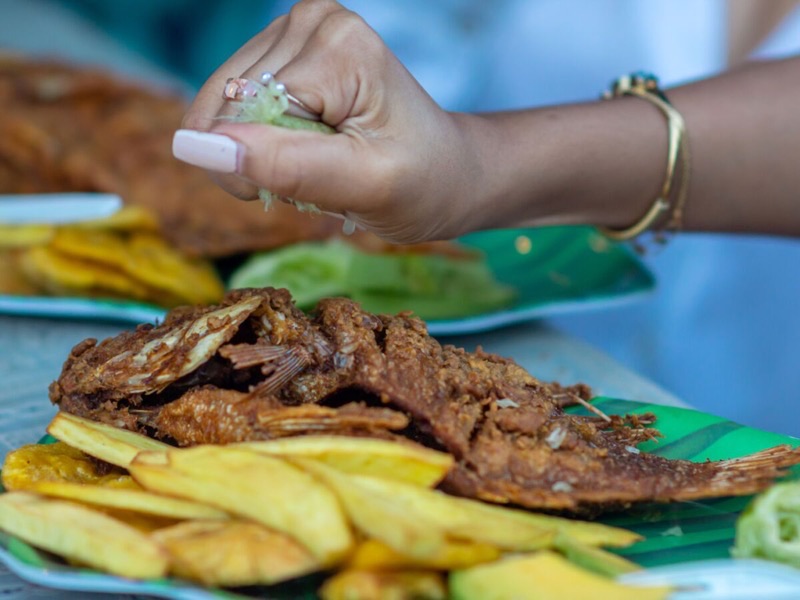
The Dominican Republic offers a wider spectrum of costs. For budget travelers eating local 'comida criolla' (e.g., a plate of rice, beans, meat for 200-300 DOP or $3.50-5), staying in guesthouses ($30-50), and using local transport (guaguas for 50-100 DOP or $1-2), a daily budget can be $50-70. However, the prevalence of large all-inclusive resorts in Punta Cana means many travelers spend significantly more, often $150-300+ per person per day, which includes all food, drinks, and activities. Excursions like whale watching or catamaran tours are $60-100. Overall, it can be cheaper than Costa Rica for budget travelers, but resort-focused trips push the average higher.
Tabiji verdict: Both countries can be expensive, but the Dominican Republic offers more extreme budget options if you avoid resorts, creating a tie in overall cost flexibility.
- Winner: Tie
- Why: While Costa Rica is consistently mid-to-high, the Dominican Republic offers a broader range from very budget-friendly local travel to luxury all-inclusive resorts, balancing out the cost comparison.
- Who this matters for: Budget travelers, luxury seekers, and those who want flexibility in their spending.
🏛️ Culture & History
Costa Rica's culture is defined by 'Pura Vida' – a relaxed, optimistic way of life often linked to its natural environment. It has a strong focus on conservation and community,…
Costa Rica
Dominican Republic
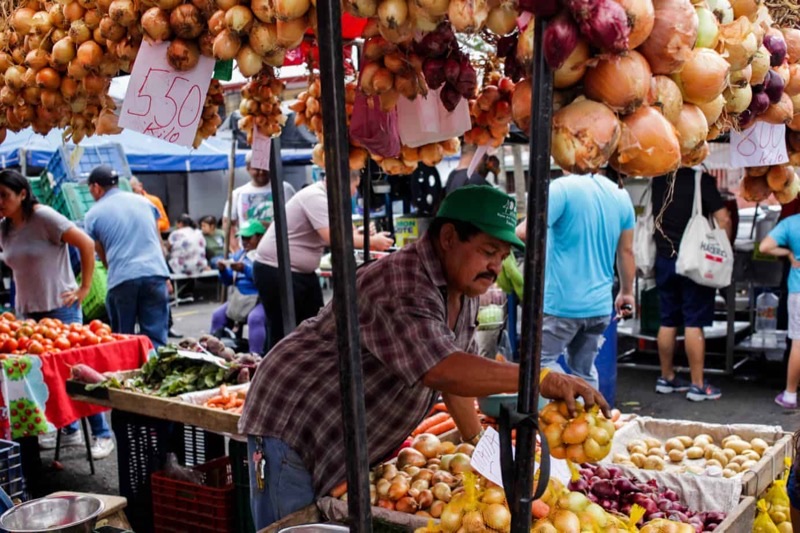
Costa Rica's culture is defined by 'Pura Vida' – a relaxed, optimistic way of life often linked to its natural environment. It has a strong focus on conservation and community, particularly in rural areas. While there is indigenous history, there are fewer grand historical structures. The capital, San Jose, has some museums like the Gold Museum and National Museum, but it's not a primary cultural draw for most tourists. Cultural experiences often involve local cooking classes, coffee plantation tours, or visiting small artisan villages. The country's historical narrative is less about colonial grandeur and more about peaceful democratic development and environmental stewardship.
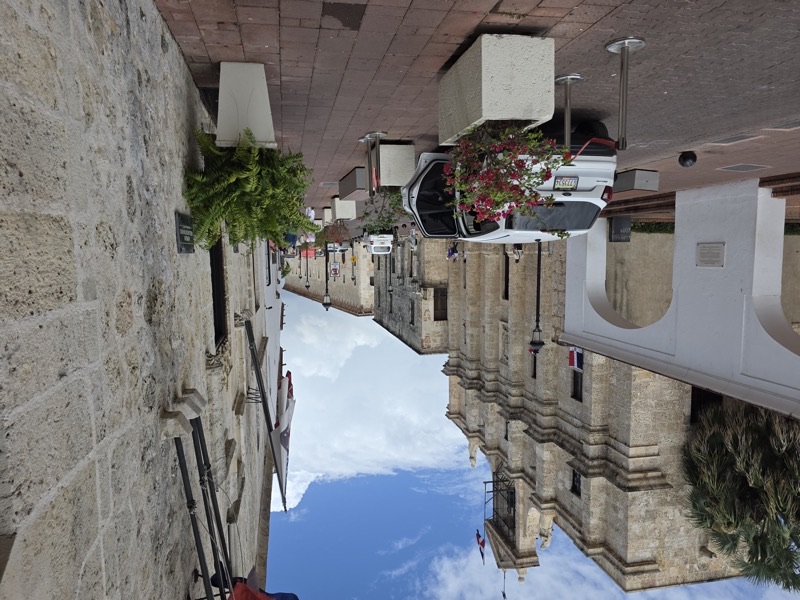
The Dominican Republic possesses a deep and complex history as the site of the first permanent European settlement in the Americas. Santo Domingo's Colonial Zone, a UNESCO World Heritage site, is filled with cobblestone streets, the first cathedral of the Americas (Catedral Primada de América), and Alcazar de Colon. This area offers hours of exploration and historical insight. The country is the birthplace of Merengue and Bachata music, which are central to its social fabric. You will find live music and dancing in local bars and clubs across the country. Taino indigenous heritage is also present in art and archaeological sites. The cultural experience is more outwardly expressive and historically layered, from its architecture to its music and cuisine.
Tabiji verdict: The Dominican Republic offers a richer, more tangible historical experience and a more overtly expressive culture with its music and dance.
- Winner: Dominican Republic
- Why: The Dominican Republic has a much richer and more accessible colonial history, with UNESCO sites and a strong, recognizable music and dance culture.
- Who this matters for: History buffs, culture seekers, architecture enthusiasts, and those interested in Latin-Caribbean music and dance.
🚨 Safety & Local Experience
Costa Rica is one of the safest countries in Central America. While petty crime like pickpocketing and car break-ins occurs, particularly in tourist hot spots (e.g., Manuel…
Costa Rica
Dominican Republic
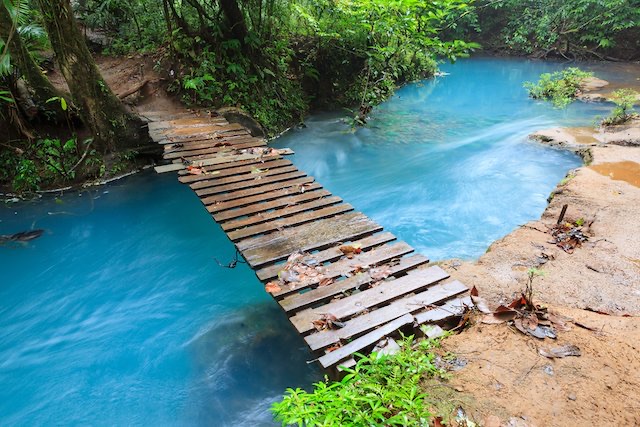
Costa Rica is one of the safest countries in Central America. While petty crime like pickpocketing and car break-ins occurs, particularly in tourist hot spots (e.g., Manuel Antonio beach parking, Jaco) and parts of San Jose, violent crime against tourists is uncommon. Exercising standard precautions (not leaving valuables unattended, avoiding walking alone at night in unlit areas) is sufficient. The local experience feels very welcoming; 'Ticos' are generally friendly. Driving can be slow due to road conditions, but it is manageable. Using a rental car allows access to more remote natural areas. The local interactions are often relaxed and genuine, fitting the Pura Vida lifestyle.
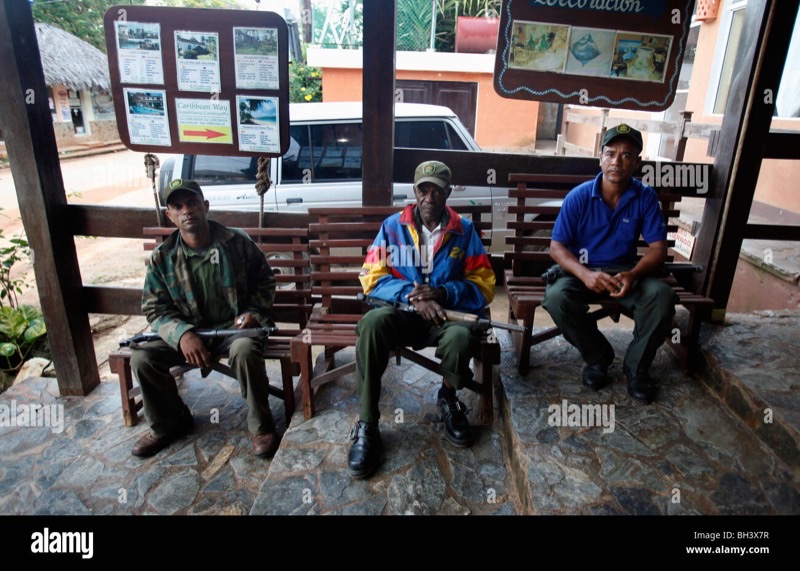
The Dominican Republic has higher crime rates than Costa Rica, especially in larger cities like Santo Domingo and Santiago. While major resort areas in Punta Cana are generally secure due to private security, incidents of petty theft, muggings, and even some violent crime can occur outside these zones. Visible poverty in certain areas can be unsettling for some travelers. Using reputable taxis or ride-shares is advised, especially at night. For a local experience, venturing beyond resorts is necessary but requires increased awareness. Interactions with locals can be warm and lively, especially if you speak some Spanish, but tourists are sometimes targeted for scams or inflated prices.
Tabiji verdict: Costa Rica offers a generally more relaxed and secure travel environment for independent exploration and local interactions.
- Winner: Costa Rica
- Why: Costa Rica has a lower overall crime rate and a more relaxed atmosphere, making independent travel and local immersion feel safer.
- Who this matters for: Solo travelers, families, and those who prioritize a low-stress, secure environment for exploration.
🍽️ Food & Drink
Costa Rican cuisine is generally simple and fresh. The staple is Gallo Pinto, a breakfast dish of rice and beans. Casado, a plate lunch with rice, beans, meat (chicken, fish,…
Costa Rican cuisine is generally simple and fresh. The staple is Gallo Pinto, a breakfast dish of rice and beans. Casado, a plate lunch with rice, beans, meat (chicken, fish, pork), salad, and plantains, is a common and affordable meal, often costing $5-8 at a 'soda' (local eatery). Fresh fruit and fruit juices are abundant. While satisfying, the flavors are not complex or spicy. Seafood is common on the coasts. Coffee is a significant part of the culture, with many plantation tours available. For adventurous eaters, the options might feel limited compared to other Latin American countries.
The Dominican Republic's food is a rich fusion of Taino, Spanish, and African influences, leading to more complex and robust flavors. Mofongo, a dish of mashed plantains with garlic, pork rinds, and often served with broth or meat, is a national favorite. Sancocho, a hearty seven-meat stew, is a comfort food. 'La Bandera Dominicana' (the Dominican Flag) is a common meal of rice, beans, and meat. Seafood, especially fresh fish and lobster, is widely available. Presidente beer is ubiquitous, and rum is the national drink. Street food like empanadas and pastelitos are cheap, often 50-100 DOP ($1-2). Restaurant meals outside resorts can be $10-20. The cuisine offers a wider array of dishes and bolder flavors.
Tabiji verdict: The Dominican Republic wins for a more flavorful, diverse, and historically rich culinary landscape that is more exciting for food travelers.
- Winner: Dominican Republic
- Why: Dominican cuisine offers a more diverse range of dishes, richer flavors, and a stronger culinary identity with its Mofongo and Sancocho.
- Who this matters for: Foodies, those seeking strong Caribbean flavors, and travelers who enjoy trying local, robust dishes.
🛌 Accommodation
Costa Rica excels in eco-lodges and boutique accommodations that blend into the natural environment. From rustic treehouses to luxurious tented camps, options prioritize…
Costa Rica excels in eco-lodges and boutique accommodations that blend into the natural environment. From rustic treehouses to luxurious tented camps, options prioritize sustainability and proximity to nature. Hostels are plentiful in surf towns and popular areas ($20-35/night). Mid-range hotels ($80-150/night) often feature open-air designs and wildlife viewing from the property. Larger, chain resorts exist but are less pervasive than in the DR. The focus is on unique stays that connect guests with their surroundings, offering a range from budget to high-end within this specific niche. Finding a 'standard' resort is possible but not the main style.
The Dominican Republic is synonymous with large, all-inclusive resorts, particularly in Punta Cana, Bavaro, and Puerto Plata. These resorts offer a full vacation experience with multiple pools, restaurants, and entertainment, often starting from $150-300+ per person per night. Outside the resort zones, in cities like Santo Domingo or towns like Cabarete, you will find guesthouses, smaller hotels, and Airbnb options that are more affordable ($30-80/night for a decent guesthouse). The variety outside the resorts is also good, but the resort model is what the DR is known for. Both countries offer distinct strengths in their accommodation styles.
Tabiji verdict: While different, both countries offer quality accommodations that cater to their respective primary travel styles, making it a tie.
- Winner: Tie
- Why: Both countries offer excellent accommodation options aligned with their primary travel styles — eco-lodges in CR, all-inclusive resorts in DR — serving their respective audiences well.
- Who this matters for: Travelers with specific accommodation preferences: eco-conscious vs. resort-focused.
✈️ Getting There & Around
Getting to Costa Rica involves flying into Juan Santamaría International Airport (SJO) near San Jose or Daniel Oduber Quirós International Airport (LIR) in Liberia. Direct flights…
Getting to Costa Rica involves flying into Juan Santamaría International Airport (SJO) near San Jose or Daniel Oduber Quirós International Airport (LIR) in Liberia. Direct flights from major US cities (e.g., Miami, NYC, LAX) range from 3.5 to 6 hours. Once there, getting around can be slow. Rental cars are popular for flexibility but roads can be rough and require a 4x4 for some areas; expect $40-60/day. Shared shuttle services (e.g., Interbus, Caribe Shuttle) are reliable and efficient for tourist routes ($40-60 per person). Public buses are cheap but slow and less direct. Domestic flights are available but expensive.
The Dominican Republic has several major international airports: Las Américas (SDQ) near Santo Domingo, Punta Cana (PUJ), and Cibao (STI) near Santiago. Direct flights from major US cities are generally 3-5 hours. Transportation within the DR is varied. For budget travelers, local 'guaguas' (vans) are incredibly cheap (50-200 DOP or $1-3 per ride) and cover most routes, though they can be crowded. Taxis are common, and ride-sharing apps like Uber operate in major cities. For resort guests, airport transfers are often included. Driving can be chaotic and is not recommended for inexperienced drivers, but car rentals are available. Overall, public transport options are more extensive and cheaper here.
Tabiji verdict: The Dominican Republic offers more accessible and affordable domestic transportation options, particularly for budget travelers.
- Winner: Dominican Republic
- Why: The Dominican Republic has more accessible public transport options (guaguas) and better ride-sharing coverage in cities, making it easier and cheaper to get around without a rental car.
- Who this matters for: Budget travelers, those who prefer not to drive abroad, and travelers staying in urban or resort areas.
🎉 Nightlife & Entertainment
Costa Rica's nightlife is generally more subdued. In surf towns like Tamarindo and Jaco, you will find beachfront bars and some clubs, often with live music and a laid-back…
Costa Rica's nightlife is generally more subdued. In surf towns like Tamarindo and Jaco, you will find beachfront bars and some clubs, often with live music and a laid-back atmosphere. Puerto Viejo on the Caribbean side also has a more relaxed reggae and calypso scene. San Jose offers more options, including casinos and a few dance clubs, but it is not a primary destination for nightlife. The focus is often on enjoying a few drinks after a day of activities rather than an all-night party. A typical drink at a bar might cost $4-8.
The Dominican Republic has a reputation for spirited nightlife. Merengue and Bachata are central to the culture, and you will find clubs ('discotecas') and local bars ('colmados') where people dance until the early hours. Santo Domingo has a vibrant nightlife scene, especially in the Colonial Zone, with numerous bars and live music venues. Resort areas like Punta Cana offer their own entertainment, including discos and themed parties, which are usually included in all-inclusive packages. Cabarete is known for its beachfront bars and a more international party atmosphere. Expect to pay $3-7 for a beer or local cocktail outside of resorts. The energy is higher and the dancing is more prevalent.
Tabiji verdict: The Dominican Republic delivers a more energetic and culturally immersive nightlife experience, especially with its iconic music and dance scene.
- Winner: Dominican Republic
- Why: The Dominican Republic offers a more energetic, dance-focused nightlife deeply embedded in its Merengue and Bachata culture, with options from local colmados to large resort discos.
- Who this matters for: Party-goers, dance enthusiasts, and those looking for lively evening entertainment and cultural immersion through music.
🗺️ Day Trips & Excursions
Costa Rica offers a range of day trips centered around its natural wonders. From La Fortuna, you can visit Arenal Volcano National Park, relax in Tabacon Hot Springs ($60-80 day…
Costa Rica offers a range of day trips centered around its natural wonders. From La Fortuna, you can visit Arenal Volcano National Park, relax in Tabacon Hot Springs ($60-80 day pass), or go zip-lining. From San Jose, coffee plantation tours (e.g., Doka Estate for $30-45) or Poas Volcano are accessible. Manuel Antonio provides rainforest hikes and beach time. Multi-day trips often involve white-water rafting on the Pacuare River. The emphasis is heavily on outdoor adventure and wildlife viewing, with tours often including transport, guides, and meals, costing between $60-120 per person.
The Dominican Republic also has diverse day trip options. From Punta Cana, a popular excursion is a catamaran trip to Saona Island (often $80-120), known for its white sand beaches and clear waters. From Santo Domingo, exploring the Colonial Zone is a full-day activity. In the Samana Peninsula, whale watching tours are a major draw from January to March. The 27 Waterfalls of Damajagua offer a wet and wild adventure (entrance $10-15, guided tour additional). You can also visit tobacco farms or explore the Jarabacoa mountains. These trips offer a mix of historical, natural, and leisure experiences.
Tabiji verdict: Both countries provide excellent and distinct day trip opportunities, catering to different interests, making it a tie.
- Winner: Tie
- Why: Both countries excel in offering a variety of day trips that align with their core appeal: nature and adventure in CR, and a mix of history, beaches, and specific natural sites in DR.
- Who this matters for: Any traveler, as both destinations offer compelling excursions for various interests.
🎯 The Decision Framework
Choose Costa Rica If…
- You prioritize seeing sloths, monkeys, and toucans in their natural habitat.
- Your idea of a vacation involves hiking rainforest trails and zip-lining over canopies.
- You appreciate a strong commitment to conservation and eco-friendly tourism.
- You enjoy relatively calm, low-key evenings after a day of outdoor activities.
- You are comfortable with an overall higher travel budget for experiences.
- You prefer smaller, nature-integrated accommodations over large resorts.
- You are a surfer seeking consistent Pacific waves and a laid-back beach vibe.
- You value a generally safe and welcoming environment for independent exploration.
Choose Dominican Republic If…
- You dream of relaxing on extensive white-sand beaches with turquoise waters.
- You want the convenience and amenities of an all-inclusive resort experience.
- You are excited by the idea of dancing Merengue and Bachata in local clubs.
- You are interested in exploring the first European city in the Americas, Santo Domingo.
- You want flexibility to find very cheap local food and transport options.
- You are seeking kitesurfing or diving opportunities with clear Caribbean waters.
- You are comfortable with a more urban, energetic atmosphere and navigating local transport.
- You enjoy a country with a strong, overt cultural identity in its music, food, and history.
📅 Sample Itineraries
Weekend in Costa Rica (3 Days)
💡 Book your hot spring tickets and zip-lining tours online in advance to save time and sometimes receive a small discount of 5-10%.
Weekend in Dominican Republic (3 Days)
💡 Use local 'guaguas' (public vans) for short trips within cities or to nearby beaches; a ride typically costs less than $1-2, saving significantly over taxis.
One Week in Costa Rica (7 Days)
💡 Consider renting a 4x4 vehicle if you plan to visit multiple regions, especially Monteverde, as some roads are unpaved. Renting for a week can cost around $300-400.
One Week in Dominican Republic (7 Days)
💡 For intercity travel, use Caribe Tours or Metro Bus lines; they are reliable, air-conditioned, and significantly cheaper than private transfers, costing $8-15 for longer routes.
❓ Frequently Asked Questions
Which destination is better for families with young children?
Costa Rica is often a better fit for families seeking educational nature experiences, with many kid-friendly eco-lodges and accessible wildlife tours. Kids love seeing monkeys and sloths up close. The Dominican Republic is great for families who prioritize beach time and resort amenities, with many all-inclusive options offering kids clubs and pools. Consider the activity level desired; CR is more active, DR is more relaxation-focused.
What are the flight times from the US to each country?
Direct flights from major US East Coast cities (e.g., Miami, NYC) to both countries typically range from 3.5 to 5 hours. From the West Coast (e.g., Los Angeles), flights to Costa Rica are usually 5-6 hours direct, while flights to the Dominican Republic are often longer, around 6-8 hours, often with a connection.
Is it easy to travel between different regions within each country?
In Costa Rica, internal travel is common using shared shuttles or rental cars, connecting popular areas like Arenal, Monteverde, and Manuel Antonio. Roads can be slow. In the Dominican Republic, local 'guaguas' are abundant and cheap for inter-city travel, but less comfortable. Taxis and private transfers are options, and domestic flights are available for longer distances between major cities like Santo Domingo and Puerto Plata.
Which country offers better surfing conditions?
Costa Rica is a stronger choice for surfing, especially its Pacific coast with renowned breaks in areas like Tamarindo, Santa Teresa, and Jaco. These spots offer consistent waves for all skill levels. While the Dominican Republic has some surf spots (e.g., Cabarete), they are less famous and consistent compared to Costa Rica's well-established surf scene.
What is the typical cost for a decent meal in each country?
In Costa Rica, a 'casado' (plate lunch) at a local 'soda' typically costs $5-8 USD. Sit-down restaurant meals can range from $15-30 USD per person. In the Dominican Republic, a local 'comida criolla' plate can be found for 200-300 DOP ($3.50-5 USD). Mid-range restaurant meals might be $10-25 USD, with resort dining often higher.
Which destination is better for solo female travelers?
Costa Rica is generally perceived as safer and more welcoming for solo female travelers, particularly in tourist areas and eco-lodges. Standard safety precautions are recommended. The Dominican Republic requires a higher degree of caution, especially outside resort areas and in urban centers, due to higher rates of petty crime and some persistent street harassment. Research specific areas and read recent traveler accounts.
When is the best time to visit each country?
For Costa Rica, the dry season (December to April) is most popular for activities and wildlife viewing, with minimal rain. For the Dominican Republic, the dry season (December to May) offers pleasant weather, avoiding hurricane season (June to November). Both destinations have warm temperatures year-round, but avoiding peak rainy seasons generally improves the experience.
Which country has more visible poverty and infrastructure challenges?
The Dominican Republic has more visible poverty outside of its major resort areas and in its larger cities like Santo Domingo. Infrastructure, while improving, can be less consistent than in Costa Rica, particularly regarding road quality in some rural areas and public sanitation. Costa Rica, while not without its challenges, generally has better infrastructure and less extreme visible poverty due to its more stable economy and smaller population.
Ready to plan your next adventure?
Get a free custom itinerary for Costa Rica, Dominican Republic, or both — built from real traveler insights.
👥 Travelers Also Compared
🎟️ Book Tours & Experiences
Hand-picked tours and activities for both destinations — book with free cancellation
Experiences via Viator — free cancellation on most tours