How we built this comparison
This page combines traveler discussion patterns, published price ranges, flight schedules, and seasonal data to help you decide between Costa Rica and Ecuador.
- Reviewed 100+ Reddit threads from r/travel, r/solotravel, r/CostaRica, r/ecuador, and r/SouthAmerica.
- Verified costs and logistics against current booking platforms (e.g., Booking.com, Skyscanner, local tour operators).
- Cross-referenced seasonal patterns, weather data, and government travel advisories from official sources.
⚡ The TL;DR Verdict
Choose Costa Rica if you want nature & wildlife, beaches & surfing, safety & stability. Choose Ecuador if you want costs & budget, culture & history, food scene. Split your trip if you want both experiences without forcing one destination to do the other's job.
- Choose Costa Rica: nature & wildlife, beaches & surfing, safety & stability.
- Choose Ecuador: costs & budget, culture & history, food scene.
- Choose Both: If you have 4+ weeks and want the best of both worlds – Costa Rica's Pacific beaches and rainforests for 2 weeks, then fly to Ecuador for 2-3 weeks to explore the Andes and Amazon (or Galapagos) for a truly epic Central/South American journey.
- Split your trip: Split your trip if you want Costa Rica for its strongest wins but still want Ecuador for the categories where it clearly does better.
Best-for snapshot
Fast answers first: who each destination tends to serve best, pulled from the page’s own comparison table and verdict.
Best for food
EcuadorDiverse regional cuisine, strong indigenous influence, hearty Andean dishes, excellent seafood on the coast, and exotic fruits.
Best for nightlife
TieNot a clean call from the comparison table, so treat this as situational.
Best for budget
EcuadorExcellent value for money, one of the cheapest countries in South America (excluding Galapagos). Budget-friendly for food, transport, and lodging.
Best for first-timers
TieA softer call based on overall ease and beginner-friendliness.
Best for couples
Costa RicaWorld-renowned for accessible, diverse ecosystems: rainforests, cloud forests, volcanoes, and two coasts. High chance of spotting iconic wildlife.
Best for solo travelers
EcuadorDiverse regional cuisine, strong indigenous influence, hearty Andean dishes, excellent seafood on the coast, and exotic fruits.
Best for families
EcuadorExcellent value for money, one of the cheapest countries in South America (excluding Galapagos). Budget-friendly for food, transport, and lodging.
Quick scorecards
Lightweight scoring for scanability - a decision aid, not fake precision.
Costa Rica
Ecuador
Quick Comparison
| Category | Costa Rica | Ecuador | Winner |
|---|---|---|---|
| Nature & Wildlife | World-renowned for accessible, diverse ecosystems: rainforests, cloud forests, volcanoes, and two coasts. High chance of spotting iconic wildlife. | Unparalleled biodiversity with Andes, Amazon, and Galapagos. More rugged and less 'curated' wildlife encounters outside Galapagos. | Costa Rica |
| Costs & Budget | Significantly more expensive, catering to North American and European tourists. Expect higher prices for accommodation, food, and activities. | Excellent value for money, one of the cheapest countries in South America (excluding Galapagos). Budget-friendly for food, transport, and lodging. | Ecuador |
| Beaches & Surfing | World-class surfing on the Pacific, stunning Caribbean shores. Beaches are a major draw, with vibrant surf towns and clear waters. | Mainly on the Pacific coast, less developed for tourism, with some good surf spots but generally not as iconic or diverse as CR's. | Costa Rica |
| Culture & History | Less emphasis on ancient or colonial history, more on modern 'Pura Vida' culture, eco-tourism, and outdoor lifestyle. | Rich pre-Columbian and colonial history, vibrant indigenous cultures, stunning UNESCO cities like Quito and Cuenca. | Ecuador |
| Adventure Activities | A mecca for adventure: zip-lining, white-water rafting, canyoning, volcano hiking, surfing, often with highly developed infrastructure. | Diverse adventures from Andean trekking to Amazon jungle excursions, with incredible natural backdrops and often a more rugged feel. | Tie |
| Food Scene | Fresh, simple, and healthy cuisine focused on rice, beans, plantains, and fresh seafood/produce. Less emphasis on gourmet. | Diverse regional cuisine, strong indigenous influence, hearty Andean dishes, excellent seafood on the coast, and exotic fruits. | Ecuador |
| Safety & Stability | Generally safe with low political instability. Petty crime (theft) is the main concern, especially in tourist areas and cities. | Generally safe but requires more vigilance, particularly in major cities. Political stability has fluctuated more than CR. | Costa Rica |
| Getting There & Around | Easily accessible from North America with direct flights to SJO and LIR. Getting around involves shuttles, rental cars, or some public buses. | Direct flights from North America to UIO and GYE. Excellent and affordable public bus system for intercity travel; less reliance on rental cars. | Ecuador |
| Accommodation | Wide range from luxury eco-lodges to mid-range hotels and hostels, generally more expensive than its counterpart. | Diverse and budget-friendly options, from charming colonial hotels to basic hostels and Amazon lodges. Excellent value. | Ecuador |
| Digital Nomads & Long-Term Stay | Popular, with a digital nomad visa, but higher cost of living can be a deterrent for long stays. Good internet in tourist hubs. | Increasingly popular for its low cost of living, friendly locals, and diverse environments. Internet can be spotty outside major cities. | Ecuador |
🐒 Nature & Wildlife
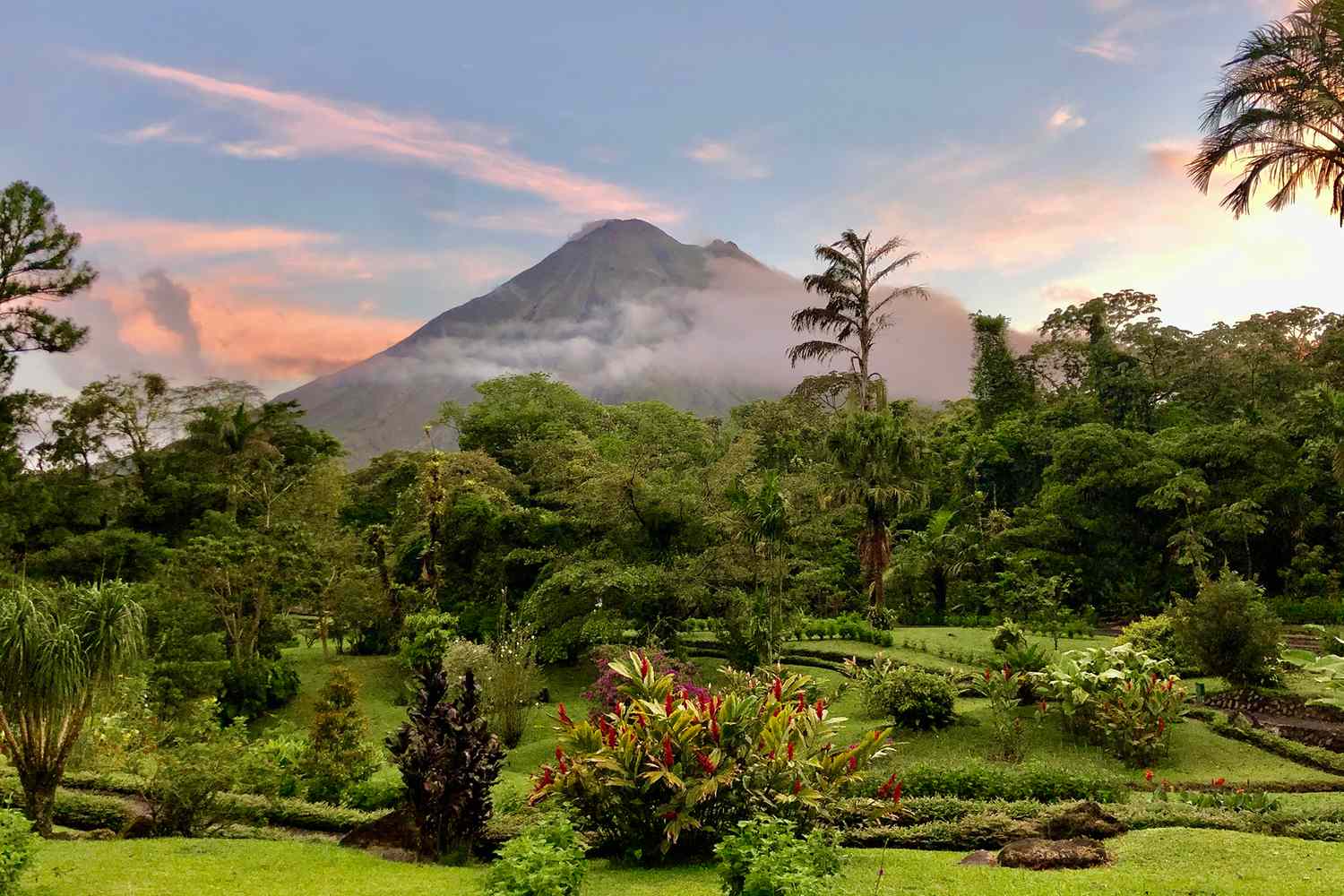
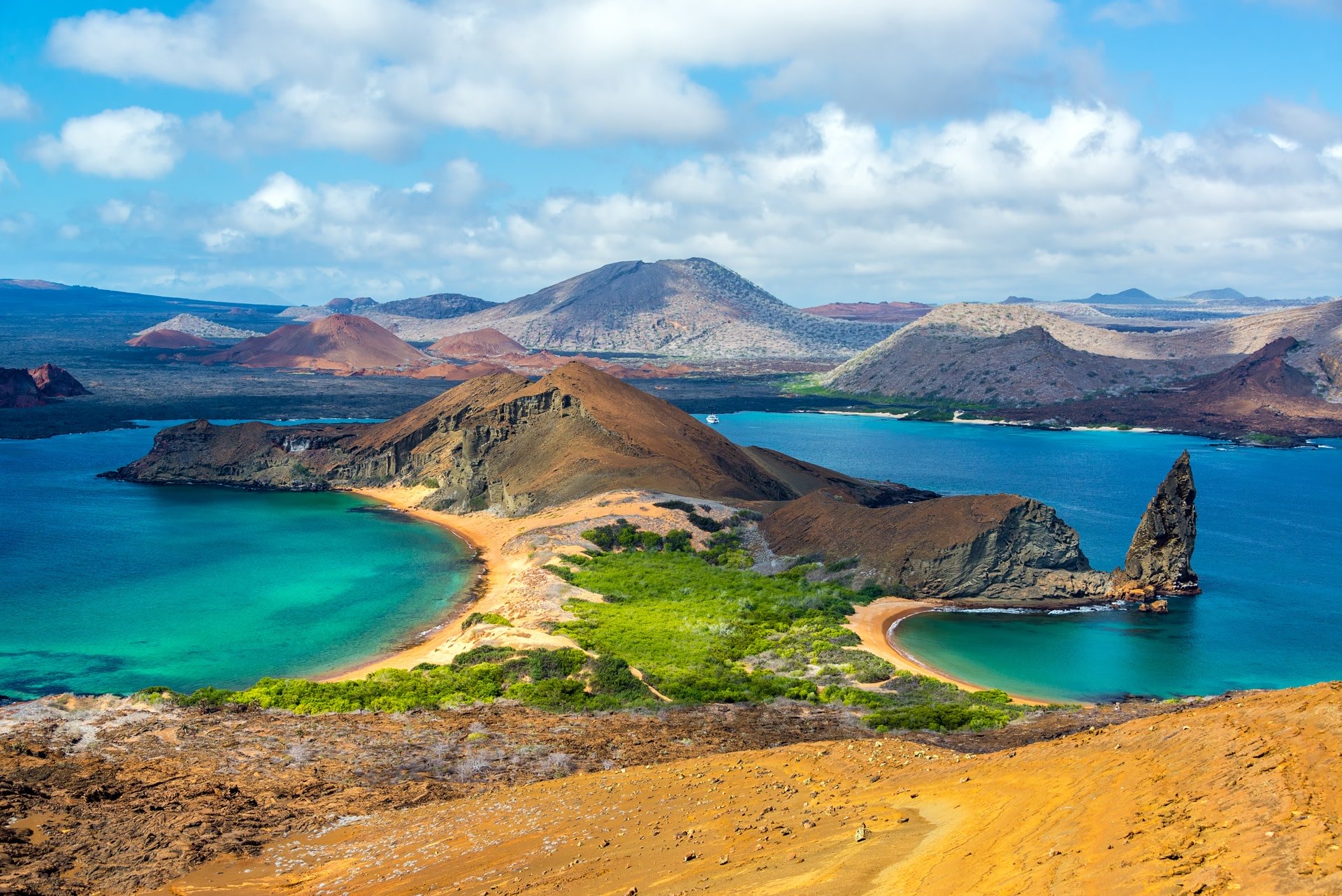
Costa Rica is a masterclass in accessible eco-tourism. Think Manuel Antonio National Park where sloths and monkeys are practically guaranteed sightings on the path to stunning beaches, or Arenal Volcano for hot springs and rainforest adventures. The infrastructure is top-notch, with excellent guides and well-marked trails, though park entry fees like $16 USD for Manuel Antonio add up. Ecuador, on the other hand, offers a raw, immense biodiversity that's hard to beat, especially with the Amazon jungle (Tena region lodges starting around $50-80 USD/night) and the truly unique Galapagos Islands (multi-day cruises often $2000-5000+ USD). While Costa Rica's wildlife is more 'on display' for tourists, Ecuador's offers a profound sense of untamed wilderness, especially in places like Yasuni National Park. As one Reddit user put it, "CR is like a beautifully designed wildlife park, Ecuador is the real jungle, but Galapagos is next level if you can swing it."
Winner takeaway
- Winner: Costa Rica
- Why: Costa Rica wins for its ease of access to diverse, abundant wildlife and well-developed eco-tourism infrastructure.
- Who this matters for: First-time nature travelers, families, and those prioritizing guaranteed wildlife sightings and comfortable infrastructure.
💰 Costs & Budget
If budget is your primary concern, Ecuador is the clear winner. You can easily travel on $35-70 USD per day excluding the Galapagos. A delicious 'almuerzo' (lunch set menu) in Quito or Cuenca can be found for $3-5 USD (around $2.80-4.70 EUR), and a hostel bed is typically $10-25 USD. Intercity buses are incredibly cheap; a 6-hour ride from Quito to Baños might cost just $8-10 USD. Costa Rica, in contrast, hits your wallet harder. Expect a simple 'casado' (local meal) to be $8-15 USD, and a decent hostel bed $25-45 USD. Activities like zip-lining or guided tours can easily be $50-80+ USD per person. Even groceries are notably pricier. "Ecuador gave me so much more bang for my buck; I could stretch my budget twice as far compared to CR," commented a traveler on r/solotravel, which perfectly encapsulates the financial reality.
Winner takeaway
- Winner: Ecuador
- Why: Ecuador offers substantially better value across all travel categories, making it far more accessible for budget travelers.
- Who this matters for: Budget travelers, backpackers, long-term travelers, and anyone looking to maximize their travel duration without breaking the bank.
🏄♀️ Beaches & Surfing
Costa Rica's beaches are legendary, especially for surfing. The Pacific coast boasts popular spots like Tamarindo for beginners and intermediates, Santa Teresa for more advanced surfers and a bohemian vibe, and Jacó for its lively nightlife. You'll find surf schools everywhere, with lessons typically costing $40-60 USD. The Caribbean side, particularly Puerto Viejo and Cahuita, offers a different charm with Afro-Caribbean culture, reggae beats, and calm, clear waters ideal for swimming and snorkeling. Ecuador's coastline, while extensive, is less developed for international tourism, offering a more local experience. Montañita is its most famous surf town, known for its consistent waves and party atmosphere, but it lacks the sheer variety and infrastructure of CR's surf scene. Other beaches like Canoa or Mompiche offer good waves but are quieter. As a surfer friend once told me, "For reliable, diverse waves and a strong surf culture, CR is a no-brainer. Ecuador's good, but it's not the same league."
Winner takeaway
- Winner: Costa Rica
- Why: Costa Rica offers superior, more diverse, and better-developed beach and surfing experiences across both its coasts.
- Who this matters for: Surfers of all levels, beach lovers, those seeking lively beach towns, and snorkeling/swimming enthusiasts.
🗿 Culture & History
Ecuador stands out dramatically for its deep cultural roots and historical richness. Quito's historic center, a UNESCO World Heritage site, is one of the best-preserved in Latin America, with stunning colonial architecture, grand cathedrals like La Compañía de Jesús (entry ~$5 USD), and bustling plazas. Cuenca offers a similar charm with its cobblestone streets and artisan shops. Beyond the cities, Ecuador has a strong indigenous presence, particularly in the Andes, where vibrant markets like Otavalo (Saturdays are best) offer a genuine glimpse into traditional life. Costa Rica, while charming with its 'Pura Vida' philosophy, has a much younger and less historically dense cultural landscape. Its history revolves more around agricultural development and democratic stability rather than grand empires or colonial cities. You won't find the same architectural marvels or ancient ruins. "If you want to feel history breathing around you, Ecuador is it. CR is lovely, but culturally it's much more contemporary," a r/travel user aptly put it.
Winner takeaway
- Winner: Ecuador
- Why: Ecuador offers a profound and visible tapestry of pre-Columbian and colonial history, combined with thriving indigenous cultures.
- Who this matters for: History buffs, culture seekers, those interested in indigenous traditions, and lovers of colonial architecture.
⛰️ Adventure Activities
Both countries are adventure playgrounds, making this a tough call. Costa Rica excels in well-organized, adrenaline-pumping activities. Zip-lining through the Monteverde Cloud Forest (can cost $40-60 USD for a tour), white-water rafting on the Pacuare River (full-day tours $90-120 USD), canyoning near La Fortuna, and surfing are all top-tier and easily accessible with excellent safety standards. Ecuador offers equally thrilling, but often more rugged, adventures. Hiking to the Quilotoa Loop crater lake (bus from Latacunga ~$2 USD) or trekking around Cotopaxi volcano provides breathtaking high-altitude challenges. Baños is the adventure capital, offering canyoning, rafting, and swing-jumping from 'The End of the World' swing (entry ~$1 USD) at a fraction of CR's prices. The Amazon jungle tours are also profound adventures. A friend who's done both said, "CR felt like an adventure theme park in the best way. Ecuador felt like exploring the wild, raw planet. Both incredible, just different flavors of awesome." It's truly a matter of preference: polished thrill vs. raw exploration.
Winner takeaway
- Winner: Tie
- Why: Both countries offer an incredible array of diverse and thrilling adventure activities, appealing to different types of adventurers.
- Who this matters for: Adrenaline junkies, hikers, thrill-seekers, and outdoor enthusiasts – you can't go wrong with either.
🍽️ Food Scene
Ecuador's food scene is surprisingly diverse and flavorful, reflecting its varied geography and indigenous heritage. In the Andes, expect hearty, filling dishes like 'locro de papa' (potato and cheese soup), 'hornado' (roasted pork), and 'cuy' (guinea pig, a delicacy). Coastal areas like Guayaquil offer incredible fresh ceviches and 'encebollado' (tuna soup). The markets are a feast for the senses, overflowing with exotic fruits. You can find a fantastic 'almuerzo' (lunch deal) for $3-5 USD in most cities. Costa Rica's cuisine, while fresh and wholesome, is generally simpler and less varied. The staple 'casado' (rice, beans, protein, salad, plantain) is delicious but can become repetitive. Seafood is excellent on the coasts, but overall, it lacks the depth and regional variety of Ecuador. "I loved the fresh fruit in CR, but Ecuador's soups and street food had so much more character," a travel blogger noted on Instagram. For genuine culinary exploration, Ecuador provides more exciting options.
Winner takeaway
- Winner: Ecuador
- Why: Ecuador offers a more diverse, flavorful, and regionally distinct culinary experience, often at a much better price point.
- Who this matters for: Foodies, budget travelers, those seeking authentic local flavors, and anyone tired of basic 'casado' after a few days.
🛡️ Safety & Stability
Both countries require common-sense safety precautions, but Costa Rica generally feels safer and more stable. It has a long-standing democratic tradition and no military, contributing to a peaceful environment. The biggest concerns for tourists are petty theft – don't leave valuables unattended on beaches or in unlocked cars, and be wary in busy areas of San Jose. Violent crime targeting tourists is rare. Ecuador, while generally safe for tourists, has experienced more political unrest and protests in recent years, which can disrupt travel, though these are usually confined to specific urban areas. Petty crime like pickpocketing is more prevalent in cities like Quito and Guayaquil, and vigilance is a bit higher. Night travel on buses is best avoided in some regions. "I felt totally at ease exploring CR solo, even at night in some towns. Ecuador required a bit more street smarts, especially in the bigger cities," a female solo traveler shared in r/solotravel. Always check current travel advisories, but Costa Rica edges out for perceived and actual lower risk.
Winner takeaway
- Winner: Costa Rica
- Why: Costa Rica has a consistently lower crime rate and greater political stability, contributing to a generally safer travel experience.
- Who this matters for: First-time international travelers, solo female travelers, families, and those who prioritize peace of mind.
✈️ Getting There & Around
Getting to both countries from major North American hubs like Miami or Houston is relatively straightforward, with direct flights to Costa Rica's Juan Santamaría (SJO) or Daniel Oduber Quirós (LIR) taking around 3-5 hours, and to Ecuador's Quito (UIO) or Guayaquil (GYE) taking 4-6 hours. Where Ecuador truly shines is in getting *around*. Its public bus system is phenomenal: extensive, efficient, and incredibly cheap. A 4-hour bus ride from Quito to Otavalo costs just $2.50 USD. For those on a budget, it's a dream. Costa Rica's public bus system is less tourist-friendly, often requiring changes in San Jose, and isn't always the fastest. Many travelers opt for expensive shared shuttles ($40-60 USD for a 3-4 hour ride) or rent 4x4 vehicles (often $50-80 USD/day plus insurance) due to challenging road conditions in some areas. "Ecuador's buses are a godsend. I crisscrossed the whole country for pennies. In CR, I felt stuck unless I paid for a shuttle or rented a car, which ate into my budget big time," a seasoned backpacker posted.
Winner takeaway
- Winner: Ecuador
- Why: Ecuador offers a superior and significantly more affordable public transportation network for intercity travel.
- Who this matters for: Budget travelers, backpackers, independent travelers, and those who prefer public transport over rental cars or expensive shuttles.
🛌 Accommodation
Ecuador provides remarkable value for accommodation, making it easy to find comfortable and unique stays without breaking the bank. In Quito or Cuenca, you can stay in a beautiful colonial-style hotel for $40-80 USD/night, or a clean, centrally located hostel for $10-25 USD. Even boutique hotels offer great deals. In the Amazon, basic but authentic lodges can be found for $50-70 USD/night, including meals. Costa Rica, while offering stunning eco-lodges (often $150-300+ USD/night) and a good selection of mid-range hotels ($80-150 USD/night), is consistently more expensive. Hostels are also pricier, typically $25-45 USD for a dorm bed. The quality is high, but the cost reflects the demand from a more affluent tourist base. "I felt like I was living like a king in Ecuador for hostel prices, whereas in CR, a decent hostel felt like a splurge," a Reddit user on r/travel shared. If your budget for a good night's sleep is a concern, Ecuador delivers more.
Winner takeaway
- Winner: Ecuador
- Why: Ecuador offers significantly better value and a wider range of high-quality, budget-friendly accommodation options.
- Who this matters for: Budget-conscious travelers, backpackers, and anyone seeking excellent value and comfort for their lodging dollar.
💻 Digital Nomads & Long-Term Stay
For digital nomads and those considering a longer stay, Ecuador presents a compelling case, primarily due to its incredibly low cost of living. Renting an apartment in cities like Cuenca or Quito can be as low as $300-600 USD per month for a decent place, and daily expenses are minimal. This allows nomads to stretch their savings and truly immerse themselves. While internet can be inconsistent in very remote areas, major cities offer good fiber optic connections. Costa Rica has also embraced digital nomads, even offering a specific visa, and has excellent internet infrastructure in popular hubs like Tamarindo or Santa Teresa. However, the cost of living, especially rent and groceries, is significantly higher, often comparable to parts of the US or Europe. An apartment that costs $500 in Cuenca might cost $1000-1500 in San Jose or a beach town. "I tried CR for a month, loved it, but my wallet screamed. Ecuador let me live like royalty for a third of the price, and the culture kept me engaged," was a common sentiment heard on digital nomad forums. For sustained, budget-friendly living with cultural depth, Ecuador is a strong contender.
Winner takeaway
- Winner: Ecuador
- Why: Ecuador offers a much lower cost of living, making long-term stays and digital nomad lifestyles significantly more affordable and sustainable.
- Who this matters for: Digital nomads, retirees, long-term travelers, and those seeking an affordable expat experience with cultural immersion.
❓ Frequently Asked Questions
Which country is better for a family trip with young children?
Costa Rica typically edges out for families with young children due to its more developed infrastructure, easier access to wildlife, and generally higher safety perception. Many eco-lodges cater specifically to families, and activities like gentle nature walks and calm beaches are abundant. Ecuador is fantastic but might be better for families with slightly older, more adventurous children.
What's the best time of year to visit each country?
For Costa Rica, the dry season (December to April) is ideal for sunny beaches and outdoor activities, though it's also peak tourist season. For Ecuador, the dry season in the Andes (June to September) is best for trekking, while the Galapagos are good year-round. The Amazon is always wet, but drier months (December to February and August) might offer slightly less rain.
Are the Galapagos Islands worth the extra cost for Ecuador?
Absolutely, if your budget allows. The Galapagos Islands offer a truly unique and unparalleled wildlife experience found nowhere else on Earth. While they significantly increase your overall Ecuador trip cost (often $2000-5000+ USD for a cruise), the opportunity to see fearless animals up close is a once-in-a-lifetime adventure and considered a highlight by nearly everyone who visits.
Do I need to speak Spanish to travel in Costa Rica or Ecuador?
While not strictly necessary in major tourist hubs where English is often spoken (especially in Costa Rica), knowing some basic Spanish phrases will significantly enhance your experience in both countries. In more remote areas or when using public transport in Ecuador, Spanish is highly recommended and sometimes essential.
Which country has better hiking opportunities?
Both offer incredible hiking, but Ecuador probably wins for sheer variety and scale, especially high-altitude trekking in the Andes. From multi-day hikes like the Quilotoa Loop to summiting volcanoes like Cotopaxi (with a guide), the options are immense and often more rugged. Costa Rica offers fantastic rainforest and cloud forest hikes, but generally at lower altitudes and often within national parks with established trails.
How do the flight times compare from major US cities?
From major US cities like Miami or Houston, direct flights to Costa Rica (SJO/LIR) typically range from 2.5 to 5 hours. Direct flights to Ecuador (UIO/GYE) are usually a bit longer, ranging from 4 to 6 hours. Both are easily accessible for a week-long or longer trip, but Costa Rica might offer slightly shorter travel days.
What are the visa requirements for US/EU citizens?
For US and most EU citizens, neither Costa Rica nor Ecuador requires a visa for tourist stays up to 90 days. You will need a valid passport with at least six months of validity remaining from your date of entry, and proof of onward travel is often required by immigration officials.
Which country is better for an eco-conscious traveler?
Both countries are leaders in eco-tourism. Costa Rica has a more established and recognized eco-lodge network and conservation efforts integrated into its tourism model. Ecuador, while also deeply committed to conservation (especially in the Amazon and Galapagos), offers a more 'raw' eco-experience that might appeal to those seeking less commercialized interaction with nature. It's a tie, depending on whether you prefer well-curated or wilder eco-travel.
Ready to plan your Central & South America trip?
Get a free custom itinerary for Costa Rica, Ecuador, or both — built from real traveler insights.
🎟️ Book Tours & Experiences
Hand-picked tours and activities for both destinations — book with free cancellation
Experiences via Viator — free cancellation on most tours