How we built this comparison
This page combines traveler discussion patterns, published price ranges, flight schedules, and seasonal data to help you decide between Costa Rica and Germany.
- Reviewed 100+ Reddit threads from r/travel, r/solotravel, r/CostaRicaTravel, r/Germany, and r/askeurope for traveler experiences and advice.
- Verified costs and logistics against current booking platforms (e.g., Google Flights, Booking.com, Deutsche Bahn, local tour operators).
- Cross-referenced seasonal patterns, weather data, and major events for optimal travel timing.
⚡ Quick Answers
⚡ The TL;DR Verdict
For most travelers seeking sunshine, active outdoor pursuits, and a relaxed pace with a lower cost, Costa Rica is the clear choice. Germany is for those prioritizing history, efficient cities, cultural immersion, and who have a slightly larger daily budget. Both offer distinct experiences, but Costa Rica provides more immediate nature access.
- Choose Costa Rica: You prioritize outdoor activities like surfing, hiking, animal spotting, and want a more relaxed, nature-centric vacation with a generally lower daily spend.
- Choose Germany: You prefer exploring historical sites, grand cities, efficient public transport, diverse museums, and are comfortable with a higher daily budget for a cultural journey.
- Choose Both: If you have at least 3-4 weeks and a substantial budget, combine both for a contrast of nature and culture, starting in CR for a week, then flying to DE for two weeks.
Choose Costa Rica
Choose Costa Rica if your ideal vacation involves thrilling rainforest adventures like zip-lining through Monteverde's clouds or catching waves in Tamarindo. It's perfect for nature enthusiasts and wildlife photographers seeking sloths, monkeys, and vibrant birds, all within a laid-back 'Pura Vida' atmosphere. This destination offers an immersive, active escape without breaking the bank.
Choose Germany
Choose Germany for a rich historical and cultural journey, perfect for urban explorers and history buffs. Immerse yourself in Berlin's iconic Brandenburg Gate and world-class museums, or marvel at fairytale castles like Neuschwanstein in Bavaria. This destination offers efficient travel and diverse experiences, catering to those who appreciate a blend of grand architecture, vibrant city life, and perhaps a hearty beer garden visit.
📊 Visual Scorecard
🌤 When to Visit
Average high temperatures (°C). Green = best months, orange = avoid.
Quick Comparison
| Category | Costa Rica | Germany | Winner |
|---|---|---|---|
| Overall Costs | Lower daily budget, especially outside tourist traps; food and local transport are affordable. | Higher daily budget, particularly in major cities; transport and dining add up. | Costa Rica |
| Nature & Outdoors | Extensive rainforests, volcanoes, beaches, and diverse wildlife. Focus on active outdoor pursuits. | Scenic landscapes in Bavaria and the Black Forest, but less intense nature compared to CR. | Costa Rica |
| Culture & History | Indigenous heritage, Spanish colonial influence, 'Pura Vida' lifestyle. | Millennia of European history, castles, Roman ruins, WWII sites, diverse art scenes. | Germany |
| Food & Drink | Fresh, simple ingredients; rice, beans, plantains, fresh fruit, coffee. | Hearty, traditional cuisine; sausages, pretzels, beer, regional specialties. | Germany |
| Getting There | Direct flights from major US cities, average 5-7 hours. Fewer options from Europe. | Major international hubs in Frankfurt, Munich, Berlin. Direct flights from most continents. | Germany |
| Getting Around | Rental cars, shared shuttles, public buses, some domestic flights. Can be slow. | Extensive, efficient, and reliable train and public transport networks. Driving is also easy. | Germany |
| Accommodation | Eco-lodges, boutique hotels, hostels, and beachfront rentals. | Wide range from hostels to luxury hotels, charming guesthouses, and unique historic properties. | Germany |
| Safety | Generally safe, but petty crime is a concern in tourist areas. Be vigilant. | Very safe, especially in cities. Low crime rates, but pickpocketing exists in crowded spots. | Germany |
| Weather & Seasons | Tropical climate with distinct wet and dry seasons. Warm year-round. | Four distinct seasons, from warm summers to cold, snowy winters. | Costa Rica |
| Solo Travel | Popular for solo adventurers, easy to meet others at hostels/tours, friendly locals. | Extremely safe, efficient transport, easy to navigate, many cultural activities. | Tie |
💸 Overall Costs
Costa Rica generally offers a more budget-friendly experience, assuming you are mindful of your choices. Accommodation in mid-range hotels outside San Jose might cost around…
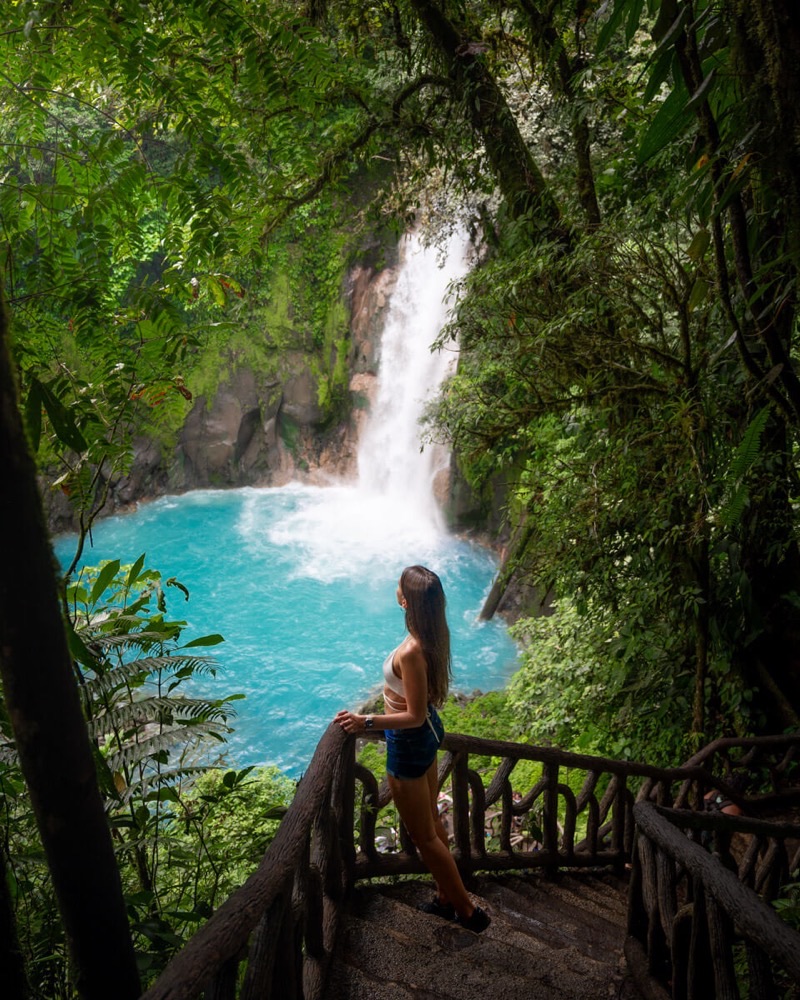
Costa Rica
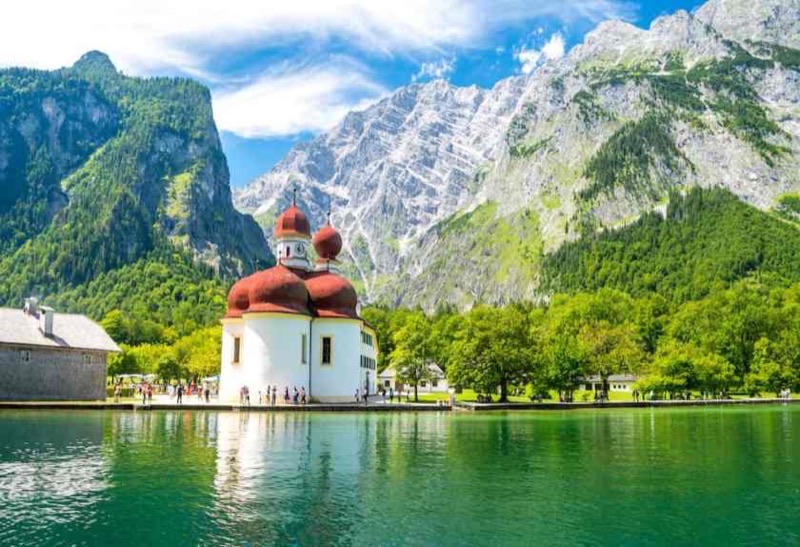
Germany
Costa Rica generally offers a more budget-friendly experience, assuming you are mindful of your choices. Accommodation in mid-range hotels outside San Jose might cost around $80-150 (45,000-85,000 CRC) per night. Eating at local sodas (small restaurants) will run you $5-10 (2,800-5,700 CRC) per meal, while tourist-focused restaurants can be $15-30. Activities like zip-lining or national park entry can be $20-70 per person. A traveler can comfortably spend $70-150 per day for a good experience, avoiding luxury.
Germany is notably more expensive, especially in cities like Munich or Berlin. A decent mid-range hotel room often costs $100-180 (90-160 EUR) per night. Meals in a standard restaurant are typically $15-35 (14-30 EUR), with street food like currywurst around $4-7 (3.5-6 EUR). Museum entries are usually $10-25 (9-22 EUR), and train tickets for intercity travel can quickly add up, easily costing $30-80 (27-70 EUR) for a single journey between major cities if not booked in advance. A daily budget of $100-200 is realistic for a comfortable trip. Costa Rica wins this category for its overall lower price point for a fulfilling experience.
- Winner: Costa Rica
- Why: Costa Rica provides a good travel experience with a lower average daily cost for accommodation, food, and activities compared to Germany.
- Who this matters for: Budget-conscious travelers, backpackers, and families looking to stretch their travel funds.
🌳 Nature & Outdoors
Costa Rica is a nature playground. Imagine hiking near Arenal Volcano, spotting sloths and monkeys in Manuel Antonio National Park, or surfing the waves at Tamarindo Beach. The…

Costa Rica
Germany
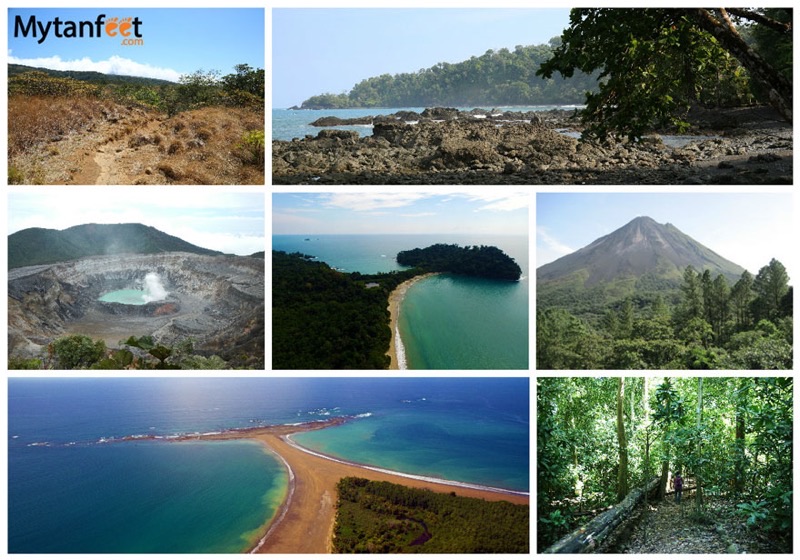
Costa Rica is a nature playground. Imagine hiking near Arenal Volcano, spotting sloths and monkeys in Manuel Antonio National Park, or surfing the waves at Tamarindo Beach. The country is almost 25% national parks and protected areas, making nature access straightforward. Activities like white-water rafting on the Pacuare River, zip-lining through cloud forests near Monteverde, or bird watching in the Osa Peninsula are main attractions. The focus is on immersive experiences within a biodiverse setting.
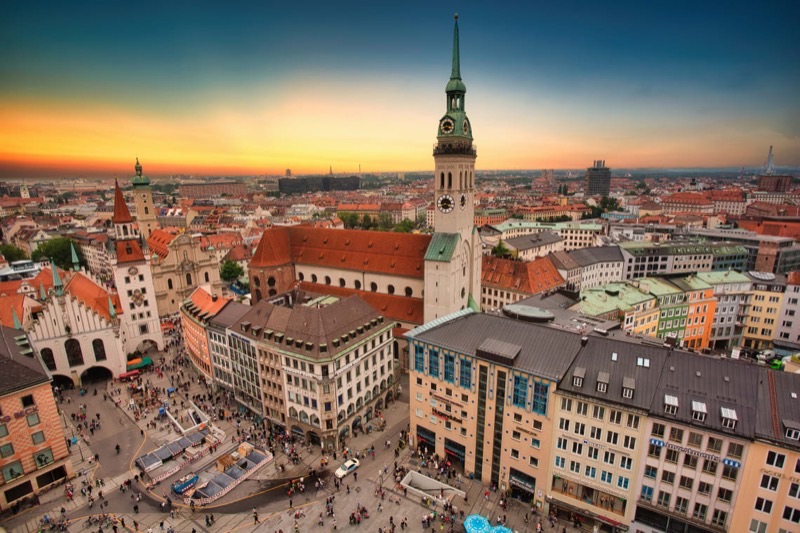
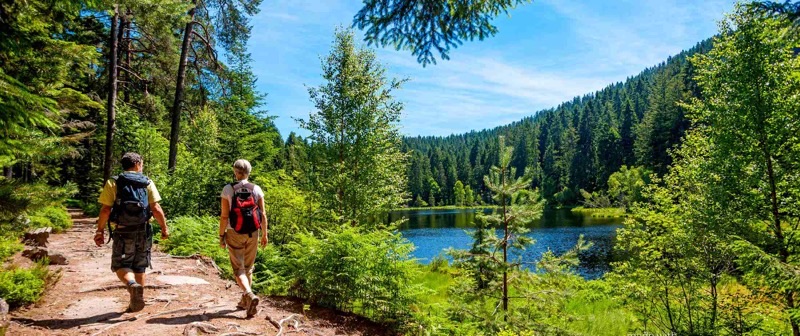
Germany offers beautiful natural landscapes, but on a different scale. The Bavarian Alps provide hiking and skiing opportunities, and areas like the Black Forest are good for forest walks. Lake Constance (Bodensee) offers water sports and cycling paths. While places like Saxon Switzerland National Park have striking rock formations for climbing and hiking, the sheer density of tropical rainforests, active volcanoes, and the specific variety of wildlife found in Costa Rica are absent. Germany excels in manicured parks and accessible trails, but Costa Rica provides the raw, biodiverse, and immersive jungle and beach experience. Costa Rica is the clear winner for travelers seeking an outdoor-focused trip.
- Winner: Costa Rica
- Why: Costa Rica offers unparalleled access to diverse tropical ecosystems, active volcanoes, and a wealth of wildlife, making it a prime destination for nature lovers.
- Who this matters for: Adventure seekers, wildlife enthusiasts, hikers, surfers, and anyone prioritizing outdoor experiences.
🏛️ Culture & History
Costa Rica has a culture shaped by indigenous roots and Spanish colonization, but its historical sites are less grand than those found in Europe. The 'Pura Vida' philosophy…

Costa Rica
Germany
Costa Rica has a culture shaped by indigenous roots and Spanish colonization, but its historical sites are less grand than those found in Europe. The 'Pura Vida' philosophy emphasizes a relaxed, optimistic approach to life, which travelers experience through interactions with locals and a slower pace. You can explore a few colonial buildings in cities like San José or Cartago, visit coffee plantations to learn about their agricultural heritage, or discover pre-Columbian artifacts at the Gold Museum (Museo del Oro Precolombino) in San José. The cultural experience is more about lifestyle and natural connection than ancient ruins or vast historical monuments.
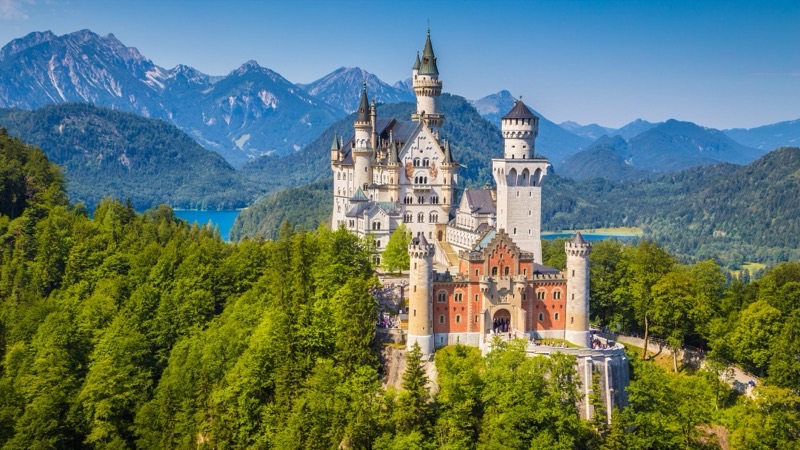
Germany is a deep dive into European history. From Roman ruins in Trier, medieval castles like Neuschwanstein and Heidelberg, to the Brandenburg Gate and Reichstag Building in Berlin, history is omnipresent. Museums in Berlin alone cover everything from ancient civilizations (Pergamon Museum) to Cold War history (Checkpoint Charlie Museum). Cities like Nuremberg offer insight into medieval trade and WWII trials, while Cologne boasts a cathedral that took over 600 years to complete. For a traveler interested in historical narratives, architectural marvels spanning centuries, and a comprehensive look at human endeavors, Germany offers an unmatched breadth and depth. Germany decisively wins for culture and history due to its extensive and well-preserved historical sites and museums.
- Winner: Germany
- Why: Germany possesses a vast and well-preserved array of historical sites, from ancient Roman ruins to medieval castles and significant modern history.
- Who this matters for: History buffs, art lovers, architects, and anyone keen on understanding European heritage.
🍽️ Food & Drink
Costa Rican food is often described as fresh, simple, and healthy. Staples include 'Gallo Pinto' (rice and beans for breakfast), 'Casado' (a plate with rice, beans, salad, a…
Costa Rica

Germany
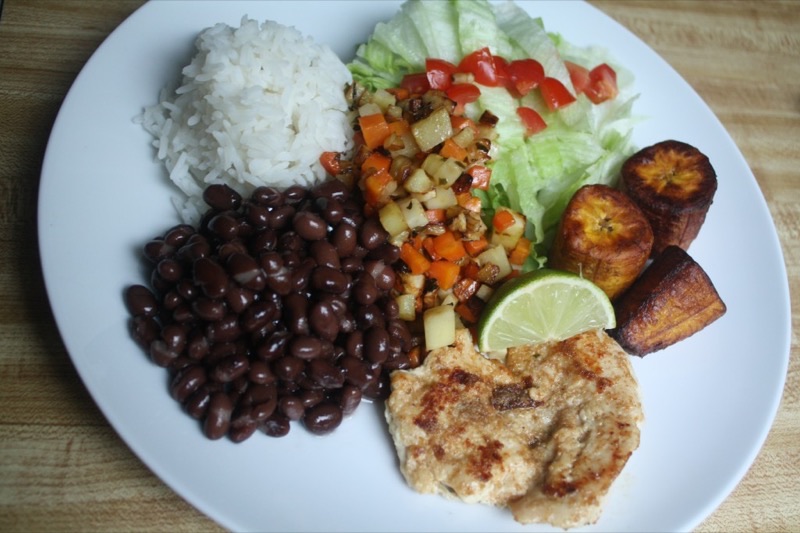
Costa Rican food is often described as fresh, simple, and healthy. Staples include 'Gallo Pinto' (rice and beans for breakfast), 'Casado' (a plate with rice, beans, salad, a protein like fish or chicken, and plantains for lunch/dinner), and an abundance of tropical fruits. Seafood is plentiful on the coasts. Coffee is exceptional, especially from regions like Tarrazú or Poás. While tasty and satisfying, the cuisine tends to be less varied and spicy than some other Latin American countries. You will find good local flavors at places like Soda Tapia in San José or beachfront seafood spots in Manuel Antonio. Expect to pay around $5-15 (2,800-8,500 CRC) for a main meal at a local eatery.
Germany offers a diverse and hearty culinary landscape beyond just sausages and beer. Each region has its specialties, from Bavarian weißwurst and pretzels to Black Forest cake (Schwarzwälder Kirschtorte) and Rhine region Sauerbraten. Cities like Berlin are also global food hubs with international options. German beer culture is a travel experience in itself, with countless breweries and beer gardens (Biergarten) like Hofbräuhaus in Munich. Wine regions along the Mosel and Rhine rivers provide excellent local wines. Bakeries are common, offering fresh bread and pastries. While Costa Rica offers wholesome food, Germany's variety, quality of baked goods, and drink culture provide a more engaging and diverse culinary experience. Germany takes this category for its culinary depth and famous drink culture.
- Winner: Germany
- Why: Germany offers a more varied and regionally diverse cuisine, from hearty traditional dishes to acclaimed beers and baked goods.
- Who this matters for: Foodies, beer enthusiasts, those who appreciate diverse flavors and culinary traditions.
✈️ Getting There
Getting to Costa Rica is relatively easy from North America. Juan Santamaría International Airport (SJO) near San José and Daniel Oduber Quirós International Airport (LIR) in…

Costa Rica

Germany
Getting to Costa Rica is relatively easy from North America. Juan Santamaría International Airport (SJO) near San José and Daniel Oduber Quirós International Airport (LIR) in Liberia receive direct flights from many US cities like Miami, Houston, Atlanta, and New York. Flight times average 5-7 hours from the East Coast US, and a bit longer from the West Coast. Round-trip flights can range from $400-800 depending on the season and departure city. From Europe, flights are longer (10-12 hours) and often involve a layover, making it less direct and usually more expensive (e.g., $700-1200+).
Germany is a major international travel hub, making it very accessible from almost anywhere. Frankfurt Airport (FRA) is one of the busiest in Europe, with extensive direct connections to North America, Asia, Africa, and other European cities. Munich (MUC) and Berlin (BER) also have significant international service. Direct flights from major US cities typically take 7-9 hours to Frankfurt, with round-trip prices often in the $600-1000 range. From other European cities, flights are short and inexpensive (e.g., $50-200 for a 1-3 hour flight). The sheer volume of flight options, competitive pricing, and shorter travel times from a wider range of global origins make Germany an easier destination to reach for a broader international audience. Germany wins for its superior global accessibility.
- Winner: Germany
- Why: Germany has multiple major international airports with extensive direct flight connections from around the world, making it highly accessible.
- Who this matters for: International travelers, those with less flexible schedules, and travelers seeking easier flight connections.
🚌 Getting Around
Navigating Costa Rica can be part of the adventure. Public buses are affordable (a few dollars for intercity routes) but slow and sometimes indirect. Shared shuttle services like…
Navigating Costa Rica can be part of the adventure. Public buses are affordable (a few dollars for intercity routes) but slow and sometimes indirect. Shared shuttle services like Interbus or Caribe Shuttle connect popular tourist areas, costing $40-60 per person for a 3-4 hour journey. Renting a 4x4 vehicle is a popular option, especially for reaching remote spots, but roads can be rough and driving can be stressful. Expect to pay $40-80 per day for a rental car, plus fuel. Domestic flights with carriers like Sansa Airlines reduce travel time significantly but are pricier (around $100-150 for a short hop). Getting around requires patience and planning.
Germany boasts one of the most efficient public transport systems in the world. The Deutsche Bahn (DB) train network connects virtually every town and city, offering high-speed (ICE) and regional trains. A train ticket from Frankfurt to Munich can range from $30-100 (27-90 EUR) depending on how far in advance you book. City public transport (U-Bahn, S-Bahn, trams, buses) is clean, punctual, and easy to use; a day pass in Berlin might cost around $9 (8 EUR). Driving is also an excellent option with well-maintained Autobahns (some with no speed limit). The ease, reliability, and speed of Germany's transport network are a major convenience for travelers. Germany wins this category hands down for its superior transportation infrastructure.
- Winner: Germany
- Why: Germany's train and public transport networks are incredibly efficient, reliable, and connect nearly every part of the country with ease.
- Who this matters for: Travelers who prioritize efficient travel, those without a rental car, and anyone who enjoys seamless connections.
🏨 Accommodation
Costa Rica offers a diverse range of accommodation options, often with a focus on integrating with nature. You will find many eco-lodges, boutique hotels, and guesthouses,…
Costa Rica offers a diverse range of accommodation options, often with a focus on integrating with nature. You will find many eco-lodges, boutique hotels, and guesthouses, particularly in areas like Monteverde, La Fortuna, and Manuel Antonio. Hostels are readily available in tourist hubs for $20-40 (11,000-22,000 CRC) per night. Mid-range hotels typically cost $80-150 (45,000-85,000 CRC), offering amenities like pools and tours. Beachfront rentals and Airbnbs are also popular. While there are luxury options, the overall style leans towards rustic charm and natural settings. Many places are smaller, locally owned operations.
Germany provides a more extensive and standardized range of accommodation choices. From budget-friendly hostels in major cities (e.g., $30-60 or 27-55 EUR per night for a dorm bed) to internationally branded hotels and charming family-run guesthouses (Gasthöfe) in smaller towns. Mid-range hotels in cities average $90-180 (80-160 EUR) per night, often including breakfast. You can also stay in historic castles converted into hotels or unique design hotels in Berlin. The quality and consistency of amenities, especially in mid-range to higher-end establishments, are generally higher. The sheer breadth of options and the reliability of quality, from budget to luxury, give Germany an edge. Germany wins for the breadth and consistency of its accommodation options.
- Winner: Germany
- Why: Germany offers a wider variety of accommodation types, from budget hostels to luxury hotels and historic guesthouses, with high standards across the board.
- Who this matters for: Travelers seeking diverse lodging choices, those prioritizing comfort and amenities, or looking for historic stays.
🚨 Safety
Costa Rica is considered a relatively safe country in Central America, but travelers should be aware of petty crime. Theft from rental cars, hotel rooms, and pickpocketing in…
Costa Rica is considered a relatively safe country in Central America, but travelers should be aware of petty crime. Theft from rental cars, hotel rooms, and pickpocketing in crowded tourist areas (like San José, Jacó, or Limón) are common concerns. Avoiding walking alone at night in poorly lit areas and not displaying valuables openly are standard precautions. Scams, while not widespread, can occur. Most travel is without incident, especially when exercising common sense and situational awareness. It is generally safe to travel during the day, but caution is advised in urban centers after dark.
Germany is a very safe country with low crime rates. Major cities are well-policed, and public spaces feel secure even at night. The main concerns for travelers are minor pickpocketing in crowded tourist zones like around the Brandenburg Gate or on busy public transport. Violent crime is rare. Solo female travelers often report feeling safe and comfortable exploring independently. The well-ordered society and efficient emergency services contribute to a strong sense of security. While both countries are generally safe, Germany offers a higher level of personal security and fewer common traveler-specific petty crimes. Germany wins this category for its consistently high safety ratings.
- Winner: Germany
- Why: Germany has a consistently lower crime rate and offers a higher sense of personal security for travelers across all regions.
- Who this matters for: Solo travelers, families with young children, and anyone prioritizing maximum personal safety and peace of mind.
☀️ Weather & Seasons
Costa Rica has a tropical climate with two main seasons: dry (December to April) and wet (May to November). The dry season is sunny and popular, with average temperatures around…
Costa Rica has a tropical climate with two main seasons: dry (December to April) and wet (May to November). The dry season is sunny and popular, with average temperatures around 25-30°C (77-86°F). The wet season brings afternoon showers, which can be heavy but often clear up quickly, keeping the landscape lush. Temperatures remain warm year-round, making it a good destination for winter sun. The Caribbean coast (e.g., Limón, Puerto Viejo) has a slightly different pattern, with rain more evenly distributed throughout the year. The consistent warmth and predictable weather patterns (even in the wet season) are a draw.
Germany experiences four distinct seasons. Summers (June to August) are generally warm, with average temperatures around 20-25°C (68-77°F), sometimes reaching higher, ideal for sightseeing. Spring and autumn are mild but can be unpredictable, with temperatures from 10-18°C (50-64°F) and a mix of sun and rain. Winters (December to February) are cold, often with snow and temperatures around 0°C (32°F), making it suitable for winter sports or Christmas markets. While Germany offers seasonal variety, Costa Rica's consistent warmth and more predictable weather for outdoor activities, especially during the northern hemisphere winter, make it more appealing for many seeking a warm escape. Costa Rica wins for its consistent warmth and reliable 'dry season' for sunny escapes.
- Winner: Costa Rica
- Why: Costa Rica offers consistent warm temperatures year-round and predictable dry season weather, making it ideal for sun-seeking travelers.
- Who this matters for: Travelers seeking warm weather, beach vacations, and a tropical escape, especially during winter months.
🚶♀️ Solo Travel
Costa Rica is a well-established destination for solo travelers. The hostel network is strong, particularly in tourist towns like La Fortuna, Monteverde, and Santa Teresa, making…
Costa Rica is a well-established destination for solo travelers. The hostel network is strong, particularly in tourist towns like La Fortuna, Monteverde, and Santa Teresa, making it easy to meet other travelers for shared activities or meals. Locals are generally friendly and accustomed to tourists. Group tours for activities like zip-lining, rafting, or wildlife spotting are common, providing built-in social opportunities. While transportation can be less straightforward than in Europe, shared shuttles cater to solo travelers. It is a good choice for those who enjoy social hostels and adventure without needing constant companionship.
Germany is also an excellent choice for solo travelers, particularly those who prefer independence and efficiency. Its public transport system allows for easy solo navigation between cities and within them. The high safety levels mean solo travelers can explore confidently, even at night. There are countless museums, historical sites, and cultural events to enjoy independently. While hostels are available for social interaction, Germany also caters well to solo travelers who prefer their own company in private rooms. Both countries offer distinct advantages for solo travelers, depending on whether they seek adventure and social interaction (Costa Rica) or quiet exploration and cultural immersion (Germany). It is a tie, as both serve different solo traveler preferences well.
- Winner: Tie
- Why: Both destinations offer distinct, compelling advantages for solo travelers, catering to different preferences for adventure versus cultural immersion and efficiency.
- Who this matters for: All solo travelers; those seeking social adventure might lean CR, while independent explorers might favor DE.
🎯 The Decision Framework
Choose Costa Rica If…
- You want to see sloths, monkeys, and toucans in their natural habitat.
- You dream of surfing warm Pacific waves.
- Your ideal trip involves zip-lining through a cloud forest.
- You prefer a relaxed 'Pura Vida' pace over a fast-paced city tour.
- You are looking for a more budget-friendly tropical escape.
- You enjoy eating fresh fruit and simple, wholesome meals daily.
- You want to hike active volcanoes and swim in hot springs.
- You prioritize consistent warm weather over distinct seasons.
Choose Germany If…
- You want to explore medieval castles and ancient Roman ruins.
- You are fascinated by museums covering centuries of history.
- Your travel style values efficient trains and spotless public transport.
- You want to experience authentic German beer gardens and local wines.
- You plan to visit multiple major cities on one trip easily.
- You appreciate a wide range of hotel options, from historic to modern.
- You enjoy hearty traditional dishes like schnitzel and sausages.
- You feel most comfortable in a highly ordered and extremely safe environment.
📅 Sample Itineraries
Weekend in Costa Rica (3 Days)
💡 Book Poás Volcano tickets online in advance to secure your entry slot and avoid lines, as only a limited number of visitors are allowed at a time.
Weekend in Germany (3 Days)
💡 Purchase a Berlin WelcomeCard for unlimited public transport and discounts on attractions, saving you money if you plan to visit multiple museums and use transit frequently.
One Week in Costa Rica (7 Days)
💡 For inter-city travel, book shared shuttles in advance, especially for popular routes like La Fortuna to Monteverde, as they are more convenient than public buses for tourists and often include door-to-door service.
One Week in Germany (7 Days)
💡 For train travel across Germany, consider purchasing a German Rail Pass if you plan multiple long-distance journeys, as it can be more cost-effective than individual tickets, especially if booked closer to travel dates.
❓ Frequently Asked Questions
What is the typical flight time from the US to Costa Rica versus Germany?
Direct flights from the US East Coast to Costa Rica (SJO) average 5-6 hours. From the US East Coast to Germany (FRA) directly, flights are typically 7-8 hours. West Coast flights add 2-3 hours to these estimates for both destinations.
Which country is better for a family vacation with young children?
Costa Rica is often preferred for families with young children due to its focus on nature, wildlife, and outdoor activities like gentle hikes and calm beaches. Germany is excellent for older children who can appreciate historical sites and city exploration, but younger kids might find the cultural focus less engaging than the immediate appeal of animals and nature in Costa Rica.
What is the best time of year to visit each country?
For Costa Rica, the dry season (December to April) is best for sunny weather and outdoor activities, though the wet season (May to November) offers lush landscapes and fewer crowds. For Germany, summer (June to August) provides the warmest weather for sightseeing and outdoor events, while late spring and early autumn are also pleasant with fewer tourists.
Can I get by with just English in both countries?
In Costa Rica, English is widely spoken in major tourist areas and by tour operators, but knowing some basic Spanish phrases will significantly enhance interactions outside these zones. In Germany, English proficiency is high, especially in cities and among younger generations, so you can generally travel easily with only English.
Are activities expensive in Costa Rica and Germany?
In Costa Rica, popular tours like zip-lining, white-water rafting, or guided national park visits can cost $50-100+ per person. In Germany, museum entries are typically $10-25 (9-22 EUR), and castle tours like Neuschwanstein are around $18 (16 EUR). Transportation can be a major cost in Germany if you travel extensively by train without advance booking, with long-distance tickets reaching $50-100+ (45-90 EUR).
Which country is better for adventure sports?
Costa Rica is superior for adventure sports. It offers a wide array of activities such as world-class surfing, white-water rafting, zip-lining, canyoning, rappelling, and extensive hiking through diverse terrains. Germany offers good hiking and skiing in mountainous regions like the Alps, but its adventure sports scene is less prominent and diverse than Costa Rica's tropical outdoor focus.
What is the average cost for a decent meal in each place?
In Costa Rica, a meal at a local 'soda' will cost around $5-10 (2,800-5,700 CRC), while tourist restaurants can be $15-30. In Germany, a meal at a standard restaurant typically costs $15-35 (14-30 EUR), with street food like currywurst around $4-7 (3.5-6 EUR).
Is it easy to find vegetarian/vegan food options?
In Costa Rica, finding vegetarian options is easy, as many dishes are rice, beans, and plantain-based, and fresh fruit is abundant. Vegan options might require more specific requests. In Germany, major cities like Berlin are very vegan-friendly with numerous dedicated restaurants and options, while smaller towns may have fewer, but still manageable, choices.
Ready to plan your next adventure?
Get a free custom itinerary for Costa Rica, Germany, or both — built from real traveler insights.
👥 Travelers Also Compared
🎟️ Book Tours & Experiences
Hand-picked tours and activities for both destinations — book with free cancellation
Experiences via Viator — free cancellation on most tours