How we built this comparison
This page combines traveler discussion patterns, published price ranges, flight schedules, and seasonal data to help you decide between Costa Rica and Honduras.
- Reviewed 500+ Reddit threads from r/travel, r/solotravel, r/CostaRica, r/Honduras
- Verified costs and logistics against current booking platforms like Booking.com, Skyscanner, and local tour operators
- Cross-referenced seasonal patterns and weather data for optimal travel times
⚡ Quick Answers
⚡ The TL;DR Verdict
For most travelers seeking convenience, diverse activities, and higher safety, Costa Rica is the pick, with a daily budget around $70-150. If you prioritize budget, diving, and ancient history, and are comfortable with more independent travel, Honduras delivers for $30-70/day.
- Choose Costa Rica: Travelers prioritizing easy logistics, a well-established tourism infrastructure, extensive adventure activities like zip-lining and rafting, and a higher perceived safety level.
- Choose Honduras: Budget-conscious travelers, serious divers, history enthusiasts seeking significant Mayan ruins, and those desiring a less-traveled, more authentic Central American experience.
- Choose Both: If you have 3-4 weeks and want a complete Central American experience combining Costa Rica's nature with Honduras's diving and history. Internal flights or long bus journeys connect the two.
Choose Costa Rica
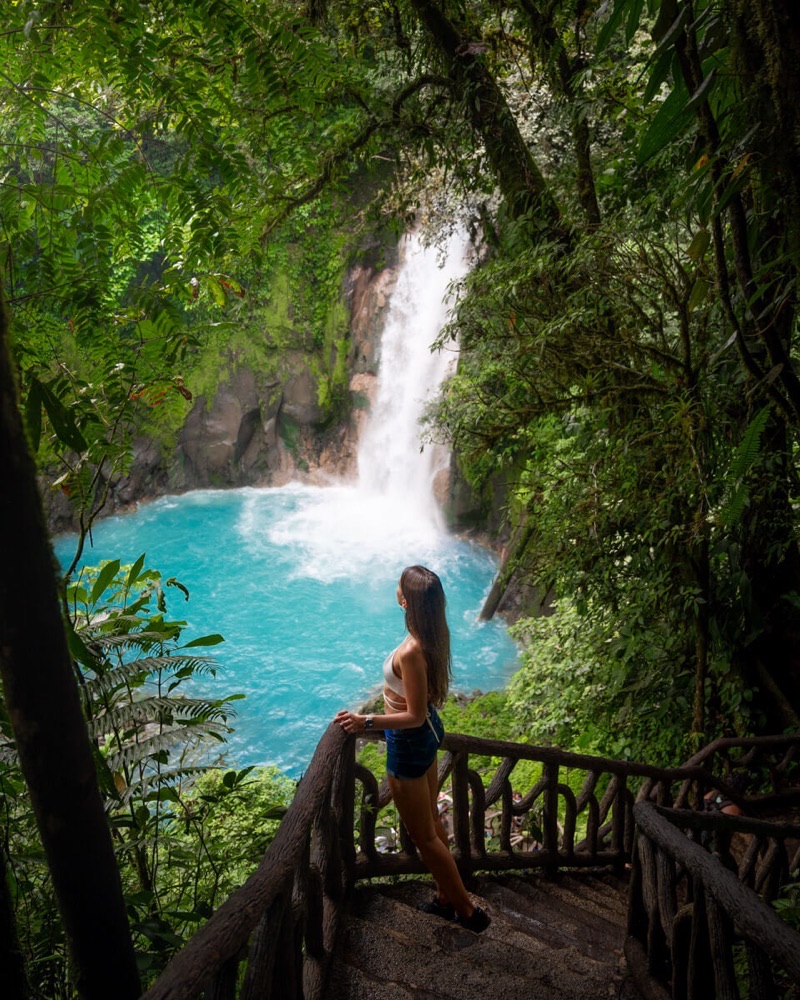
Opt for Costa Rica if you prioritize seamless travel, abundant adventure, and well-maintained eco-tourism. It's perfect for families and first-time Central America visitors seeking thrilling activities like zip-lining through Monteverde's cloud forests or spotting sloths in Manuel Antonio National Park, all with excellent infrastructure. This destination offers peace of mind and diverse experiences.
Choose Honduras
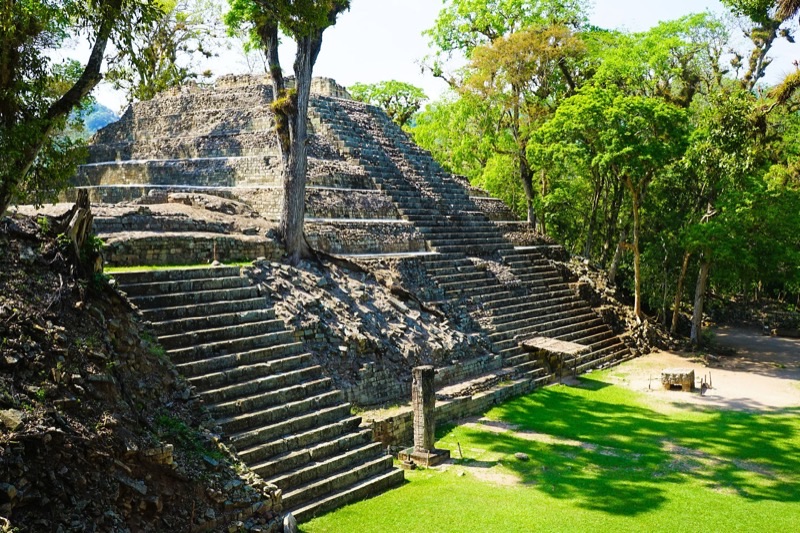
Honduras calls to adventurous, budget-conscious travelers and serious enthusiasts. Dive into the world-class reefs of Roatán or Utila, or step back in time among the impressive Mayan ruins of Copán. This destination is best for independent explorers seeking unparalleled diving, rich history, and a more authentic, less-crowded Central American experience without breaking the bank.
📊 Visual Scorecard
🌤 When to Visit
Average high temperatures (°C). Green = best months, orange = avoid.
Quick Comparison
| Category | Costa Rica | Honduras | Winner |
|---|---|---|---|
| Costs | Significantly more expensive overall, especially for activities and accommodation in popular areas. Daily budget $70-150. | Much more budget-friendly across the board. Daily budget $30-70, even less if camping or cooking. | Honduras |
| Safety | Generally considered safer with established tourist routes. Petty crime exists, but serious incidents are less frequent for tourists. | Higher crime rates in major mainland cities. Tourist areas like the Bay Islands are generally safer but require caution. | Costa Rica |
| Nature & Wildlife | Exceptional biodiversity, well-maintained national parks with easy access. Known for sloths, monkeys, toucans, and cloud forests. | Rich marine life around the Bay Islands, diverse mainland ecosystems including cloud forests and rivers, but less developed infrastructure for land-based wildlife viewing. | Costa Rica |
| Beaches & Diving | Varied Pacific beaches for surfing, Caribbean black sand beaches for relaxation. Diving is present but not its main draw. | Outstanding white sand beaches and some of the world's best, most affordable diving in the Bay Islands. Mainland beaches are less developed. | Honduras |
| Food Scene | Fresh, simple cuisine with staples like gallo pinto and casado. Increasingly diverse options in tourist hubs. Good coffee and fresh fruit. | Hearty, affordable local dishes like baleadas and sopa de caracol. Less international variety outside of Roatan. Seafood is prominent on the coast. | Tie |
| Getting Around | Extensive, reliable public bus network and tourist shuttle services. Rental cars are common but roads can be challenging in rural areas. | Public transport (buses, colectivos) is less reliable and comfortable on the mainland. Internal flights are common for reaching the Bay Islands. Roads can be in poor condition. | Costa Rica |
| Accommodation | Wide range from budget hostels to luxury eco-lodges and resorts. Mid-range options are plentiful but pricier than other Central American countries. | Budget-friendly hostels and guesthouses are common. Mid-range hotels are available, especially on the Bay Islands, but luxury options are fewer outside of a few resorts. | Honduras |
| Culture & History | Focus on the 'Pura Vida' lifestyle, coffee culture, and conservation. Less pre-Columbian or colonial history visible compared to neighbors. | Rich Mayan heritage (Copán Ruins), colonial towns, and distinct Garifuna culture on the Caribbean coast. | Honduras |
| Activities & Adventure | Extensive range of adventure sports: zip-lining, whitewater rafting, volcano hiking, surfing. Well-developed ecotourism. | Primarily focused on diving and snorkeling in the Bay Islands. Mainland offers hiking in national parks and exploring Mayan ruins. | Costa Rica |
| Solo Travel | Very popular for solo travelers, established backpacker trail, easy to meet people, generally safe. | Less common for solo travelers on the mainland, requiring more caution. Bay Islands are solo-friendly, especially for divers. | Costa Rica |
💸 Costs
Costa Rica demands a higher budget, particularly in popular spots like La Fortuna or Manuel Antonio. Expect to pay $15-25 for a sit-down meal, even at a soda (local eatery), and…
Costa Rica
Honduras
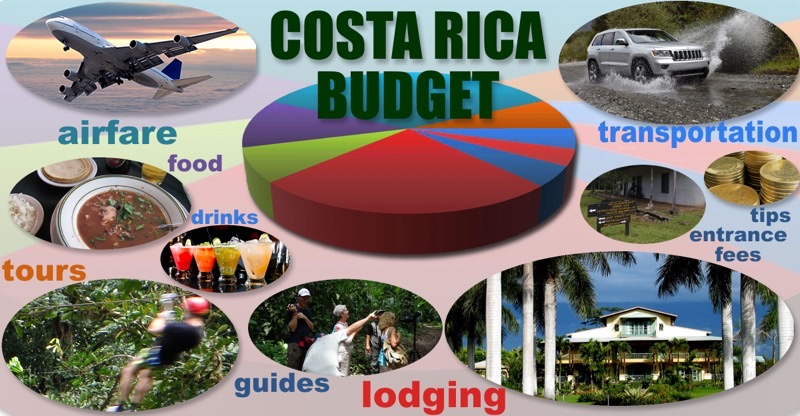
Costa Rica demands a higher budget, particularly in popular spots like La Fortuna or Manuel Antonio. Expect to pay $15-25 for a sit-down meal, even at a soda (local eatery), and $80-150 for a mid-range hotel room. Activities like zip-lining can run $50-80, whitewater rafting $80-100. A week-long trip, excluding international flights, often costs $700-1000 per person for mid-range comfort, while backpackers might manage $450-700.
Honduras provides considerably more value. A full baleada costs around 25-35 Lempiras ($1-1.50 USD), and a substantial local meal with a drink might be 150-250 Lempiras ($6-10 USD). Hostel beds are 250-400 Lempiras ($10-16 USD), and simple guesthouses on Roatan can be 800-1500 Lempiras ($30-60 USD). Diving courses (Open Water) are often $300-400, compared to $500-600 in Costa Rica. A week in Honduras, outside the Bay Islands, can easily stay under $300-400 for a budget traveler. Honduras wins on pure financial savings.
- Winner: Honduras
- Why: Honduras offers significantly lower prices for food, accommodation, and activities, making it more accessible for budget travelers.
- Who this matters for: Budget travelers, long-term backpackers, and those who prioritize stretching their money further.
🛡️ Safety
Costa Rica has a reputation for being one of Central America's safer destinations, making it a common first choice for new travelers to the region. While petty theft, particularly…

Costa Rica
Honduras
Costa Rica has a reputation for being one of Central America's safer destinations, making it a common first choice for new travelers to the region. While petty theft, particularly in crowded areas or on beaches, is present, violent crime against tourists is less common. Areas like La Fortuna, Monteverde, and Manuel Antonio have visible tourist police and well-trafficked routes. Exercise standard precautions: do not display valuables, avoid walking alone at night in unlit areas, and secure belongings in vehicles.
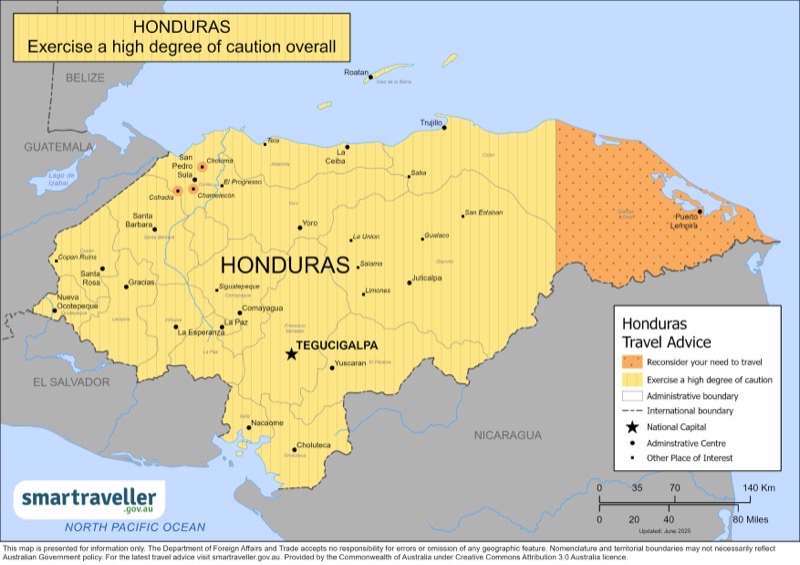
Honduras carries a higher travel warning due to historical crime rates, especially in large cities like San Pedro Sula and Tegucigalpa, where gang activity can be present. These cities are generally not tourist destinations. The Bay Islands (Roatan, Utila) are exceptions, with a relaxed atmosphere and a focus on diving tourism, where crime is lower, though petty theft still occurs. Avoiding mainland travel after dark and using reputable transport services are key. Overall, Costa Rica provides a more relaxed safety perception for most travelers.
- Winner: Costa Rica
- Why: Costa Rica maintains a stronger track record for tourist safety and has more areas where travelers can move with less concern.
- Who this matters for: First-time Central American travelers, solo female travelers, families, and those with lower risk tolerance.
🐒 Nature & Wildlife
Costa Rica's commitment to conservation means accessible, biodiverse national parks are a cornerstone of its tourism. Corcovado National Park, Manuel Antonio National Park, and…

Costa Rica
Honduras
Costa Rica's commitment to conservation means accessible, biodiverse national parks are a cornerstone of its tourism. Corcovado National Park, Manuel Antonio National Park, and Monteverde Cloud Forest are globally recognized for species density. Visitors can easily spot howler monkeys, capuchin monkeys, sloths, quetzals, and various amphibians. Guided tours are prevalent and effective for finding specific species. Trails are typically well-maintained, and park entry fees (around $10-16 USD per park) contribute to conservation efforts.
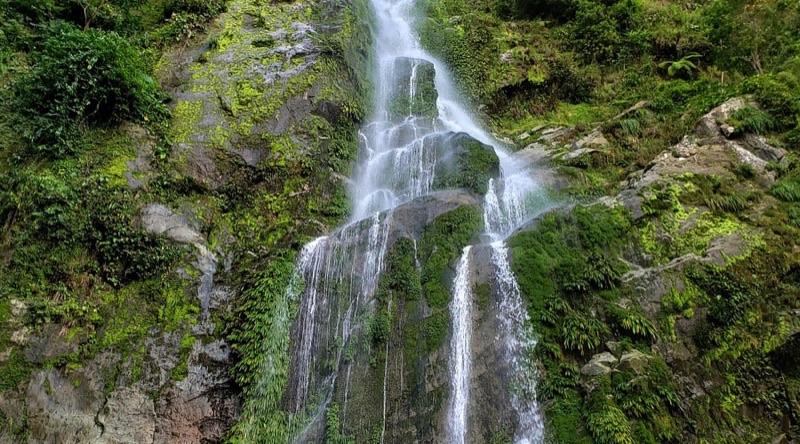
Honduras offers significant natural beauty, particularly in its marine environments. The Mesoamerican Barrier Reef system around Roatan and Utila provides exceptional diving and snorkeling with turtles, sharks, and various fish. On the mainland, Pico Bonito National Park offers cloud forest hikes and waterfalls, while the Rio Platano Biosphere Reserve protects rainforest. However, mainland parks can be harder to access and have fewer established tourist amenities. For readily available and diverse land-based wildlife encounters, Costa Rica has a clear advantage.
- Winner: Costa Rica
- Why: Costa Rica offers more developed and easily accessible land-based wildlife viewing opportunities and national parks with a higher concentration of visible animals.
- Who this matters for: Wildlife enthusiasts, bird watchers, nature photographers, and those seeking accessible ecological tours.
🐠 Beaches & Diving
Costa Rica's Pacific coast boasts popular surf spots like Tamarindo and Santa Teresa, with expansive golden or dark sand beaches. Manuel Antonio offers white sand stretches…
Costa Rica
Honduras
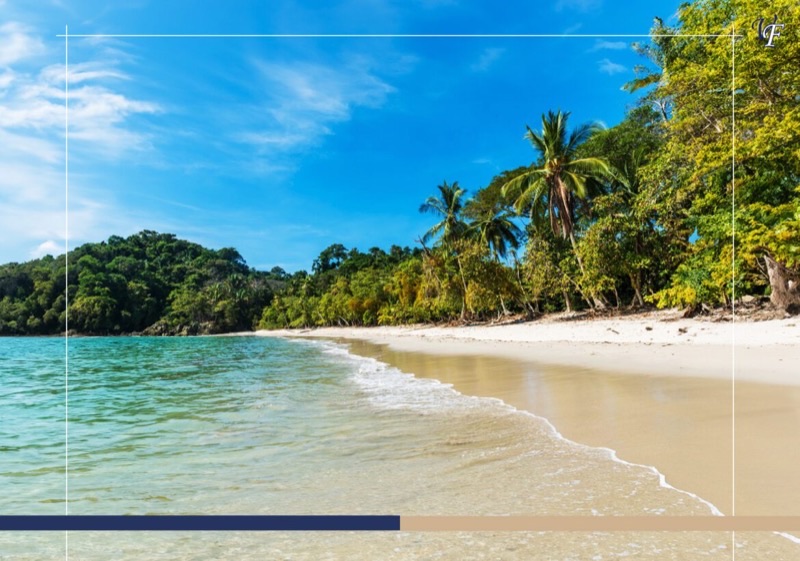
Costa Rica's Pacific coast boasts popular surf spots like Tamarindo and Santa Teresa, with expansive golden or dark sand beaches. Manuel Antonio offers white sand stretches bordered by rainforest. The Caribbean side, around Puerto Viejo, has a more relaxed, bohemian atmosphere with dark sand beaches. While diving is possible in areas like Cocos Island (advanced, expensive trips) or the Bat Islands, it is not Costa Rica's primary marine activity compared to its neighbors. Snorkeling is good in some areas, but coral reefs are not as extensive or healthy as elsewhere.
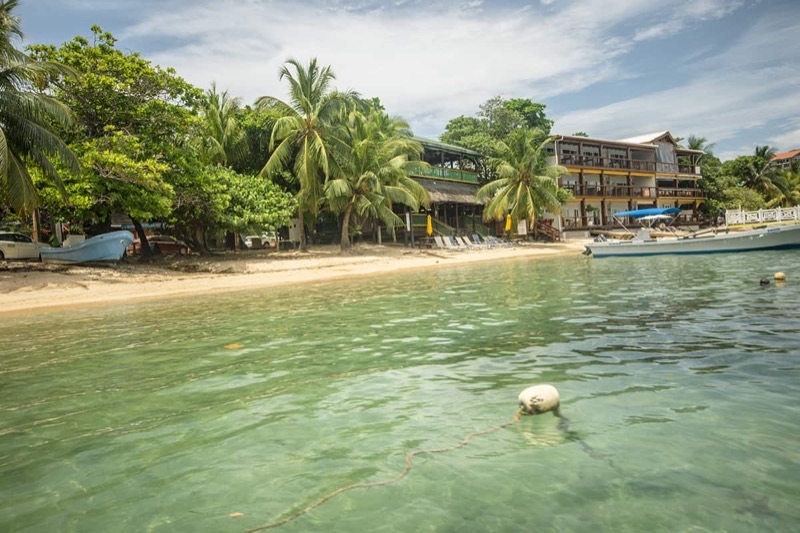
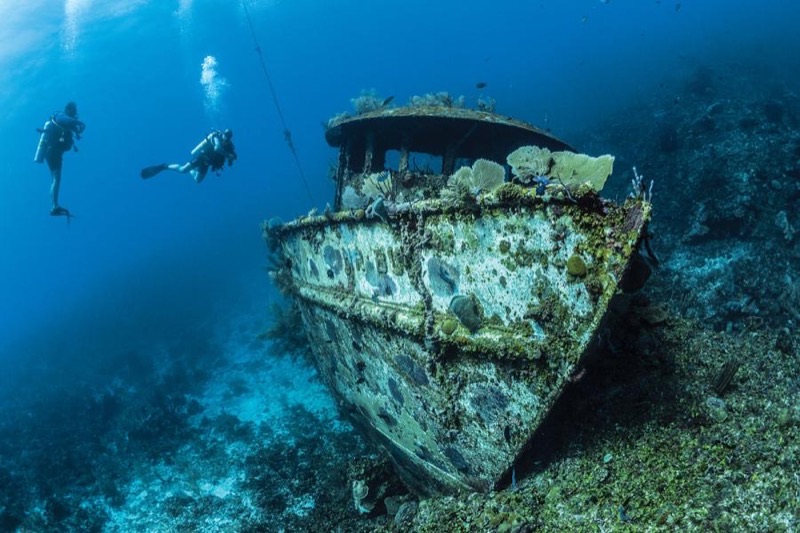
Honduras truly excels in its Bay Islands: Roatan, Utila, and Guanaja. These islands are part of the Mesoamerican Barrier Reef, offering incredible diving and snorkeling. Utila is particularly known for its affordable dive certifications and frequent whale shark sightings. West Bay Beach in Roatan consistently ranks among the top beaches in the Caribbean with its soft white sand and clear, calm waters. Diving conditions are excellent year-round with warm waters and abundant marine life. For pure beach relaxation, clear water swimming, and exceptional reef access, Honduras is the stronger option.
- Winner: Honduras
- Why: Honduras provides superior diving and snorkeling opportunities with healthier reefs and more affordable prices, especially in the Bay Islands.
- Who this matters for: Scuba divers, snorkelers, beach lovers seeking pristine Caribbean sands and clear waters.
🍽️ Food Scene
Costa Rican cuisine centers on fresh ingredients and relatively simple preparations. Gallo pinto (rice and beans) is a breakfast staple, and casado (rice, beans, protein,…

Costa Rica

Honduras
Costa Rican cuisine centers on fresh ingredients and relatively simple preparations. Gallo pinto (rice and beans) is a breakfast staple, and casado (rice, beans, protein, plantains, salad) is a common lunch. Fresh fruit and fruit juices are plentiful. In tourist areas, fusion restaurants and international options are easy to find, often at higher prices. While not a culinary destination like Mexico or Peru, the food is generally fresh and satisfying. Popular dishes include ceviche and arroz con pollo. Expect to pay 4,000-8,000 Colones ($7-14 USD) for a casado in a local soda.
Honduran food is hearty and budget-friendly. The baleada, a flour tortilla filled with beans, cheese, and often sour cream, is a national dish and an essential, affordable meal (25-50 Lempiras, $1-2 USD). Seafood, particularly conch (caracol), is popular on the coast and islands. Sopa de caracol (conch soup) is a local delicacy. While less diverse in international options than Costa Rica, the local flavors are distinct and flavorful. Roatan, due to its tourist appeal, does offer more international restaurants. Both countries offer authentic regional flavors, appealing to different palates.
- Winner: Tie
- Why: Both countries offer distinct and satisfying culinary experiences, with Costa Rica leaning towards fresh simplicity and Honduras towards affordable, flavorful local staples.
- Who this matters for: Travelers seeking authentic local flavors and those who enjoy fresh, simple meals (Costa Rica) vs. those who prioritize budget and specific regional specialties (Honduras).
🚌 Getting Around
Costa Rica's public transportation system is comprehensive and relatively efficient. Buses connect most major towns and tourist destinations, with fares typically ranging from…
Costa Rica's public transportation system is comprehensive and relatively efficient. Buses connect most major towns and tourist destinations, with fares typically ranging from 2,000-6,000 Colones ($3.50-10 USD) for intercity routes. Shared tourist shuttles (e.g., Caribe Shuttle, Interbus) offer more convenience, though at a higher cost ($40-60 USD per ride), directly connecting hotels. Rental cars are a popular option, especially for exploring national parks; a 4x4 is often recommended for unpaved roads. Domestic flights are available but less common than bus travel for mainland destinations. Overall, moving around Costa Rica is straightforward for most travelers.
Honduras presents more challenges for independent travel. Mainland public buses, often called 'chicken buses,' are affordable (50-200 Lempiras, $2-8 USD) but can be crowded, slow, and less comfortable. Rental cars are available, but road conditions vary greatly, and driving outside major cities can be difficult, sometimes unsafe. For accessing the Bay Islands, internal flights from San Pedro Sula or La Ceiba (e.g., with Avianca or CM Airlines) are the most common and safest method, costing $50-100 USD one-way. Ferry services also connect La Ceiba to Roatan and Utila. Costa Rica's well-established transport network makes it easier for most tourists.
- Winner: Costa Rica
- Why: Costa Rica offers a more developed, reliable, and tourist-friendly transportation network for getting between destinations.
- Who this matters for: Travelers who prefer easy logistics, public transport, or comfortable shuttles, and those less experienced with independent travel in developing countries.
🏨 Accommodation
Costa Rica's accommodation landscape is well-developed, catering to all budgets, though prices are higher. Hostels typically cost $20-30 USD for a dorm bed. Mid-range hotels or…
Costa Rica's accommodation landscape is well-developed, catering to all budgets, though prices are higher. Hostels typically cost $20-30 USD for a dorm bed. Mid-range hotels or boutique eco-lodges often range from $80-150 USD per night, while high-end resorts can easily exceed $200-300 USD. Popular areas like La Fortuna, Monteverde, and Manuel Antonio have many options, often with pools and amenities. Booking in advance, especially during peak season, is advisable. Options from beachfront bungalows to mountain cabins are widely available across the country.
Honduras offers significantly cheaper accommodation. Hostel dorm beds generally cost $10-20 USD. Mid-range hotels on the mainland or the Bay Islands can be found for $40-80 USD. While luxury resorts exist on Roatan, they are less common and less numerous than in Costa Rica. For travelers prioritizing value, Honduras allows for longer stays or more comfortable private rooms within a smaller budget. For instance, a private room in a decent guesthouse on Utila might be $30-50 USD, a price that would secure only a dorm bed in many Costa Rican towns. Honduras wins for overall value.
- Winner: Honduras
- Why: Honduras offers more affordable accommodation options across all categories, providing greater value for budget-conscious travelers.
- Who this matters for: Budget travelers, long-term backpackers, and those who prioritize stretching their accommodation budget.
🗿 Culture & History
Costa Rica's cultural identity is often linked to its 'Pura Vida' philosophy, which emphasizes a laid-back, optimistic lifestyle, environmental consciousness, and strong community…
Costa Rica's cultural identity is often linked to its 'Pura Vida' philosophy, which emphasizes a laid-back, optimistic lifestyle, environmental consciousness, and strong community ties. While there are museums in San Jose (e.g., National Museum of Costa Rica, Gold Museum), and coffee farm tours offer insight into a key industry, the country does not have the extensive pre-Columbian ruins or Spanish colonial architecture seen elsewhere in Central America. Its cultural appeal lies more in contemporary life and natural experiences.
Honduras boasts significant historical and cultural depth. The Copán Ruins are a major UNESCO World Heritage site, showcasing some of the most intricate Mayan sculpture and hieroglyphs. This ancient city offers a profound historical experience, comparable to other major Mayan sites in the region, with entry costing around 450 Lempiras ($18 USD). Colonial towns like Comayagua and Gracias offer insights into Spanish colonial architecture. Additionally, the Garifuna culture, a unique Afro-indigenous heritage, is prominent along the Caribbean coast (e.g., in La Ceiba, Sambo Creek), with distinct music, dance, and food. For history and cultural immersion beyond nature, Honduras provides more tangible experiences.
- Winner: Honduras
- Why: Honduras provides richer and more visible historical and cultural experiences, particularly its significant Mayan ruins and unique Garifuna heritage.
- Who this matters for: History buffs, archeology enthusiasts, and travelers interested in ancient civilizations and distinct cultural traditions.
⛰️ Activities & Adventure
Costa Rica is a hub for adventure tourism. Zip-lining, often over cloud forests (e.g., in Monteverde, costing $40-60 USD), is practically a national pastime. Whitewater rafting on…
Costa Rica is a hub for adventure tourism. Zip-lining, often over cloud forests (e.g., in Monteverde, costing $40-60 USD), is practically a national pastime. Whitewater rafting on rivers like the Pacuare or Sarapiqui (full-day trips $80-100 USD) is world-renowned. Volcano hikes around Arenal or Poás, surfing lessons on the Pacific coast (e.g., Jacó, Tamarindo), canyoning, and ATV tours are all widely available and well-organized. The country has perfected the art of eco-adventure, making it easy for travelers to find and book activities.
Honduras's primary adventure draw is undoubtedly diving and snorkeling in the Bay Islands. Utila and Roatan offer excellent conditions for all skill levels. Beyond diving, mainland activities include exploring the Copán Ruins and hiking in national parks like Pico Bonito or Celaque, which offer waterfalls and cloud forest trails. These activities, while fulfilling, are less varied and often less organized for tourists than Costa Rica's offerings. For a broader and more accessible array of adventure sports, Costa Rica consistently delivers more options and infrastructure.
- Winner: Costa Rica
- Why: Costa Rica offers a more diverse and easily accessible range of adventure sports and eco-tourism activities with established infrastructure.
- Who this matters for: Adrenaline junkies, adventure sports enthusiasts, and travelers seeking a variety of organized outdoor activities.
🧍 Solo Travel
Costa Rica is a highly favored destination for solo travelers. The well-trodden 'Gringo Trail' ensures a steady flow of backpackers, making it easy to meet fellow travelers in…
Costa Rica is a highly favored destination for solo travelers. The well-trodden 'Gringo Trail' ensures a steady flow of backpackers, making it easy to meet fellow travelers in hostels, on shuttles, and during tours. The perception of safety, combined with accessible transportation and numerous organized activities, contributes to a comfortable solo experience. Hostels often organize group outings, fostering social interaction. Solo female travelers often report feeling comfortable and safe, though standard precautions apply, especially regarding personal belongings.
Honduras is less frequently chosen by solo travelers, particularly on the mainland, due to higher safety concerns in some areas. However, the Bay Islands (Roatan, Utila) are exceptions. Utila, in particular, is a haven for solo divers, with a very social backpacker and dive school scene where meeting people is almost guaranteed. Roatan also has a strong expat and tourist community. For solo travelers venturing beyond the islands, a higher level of travel experience and caution is recommended. Costa Rica’s overall ease of navigation and established social scene makes it a more straightforward and generally less stressful option for most solo travelers.
- Winner: Costa Rica
- Why: Costa Rica offers a more established and generally safer environment for solo travelers, with easier social opportunities and logistics.
- Who this matters for: First-time solo travelers, those new to Central America, and individuals who prioritize ease of meeting people and safety perception.
🎯 The Decision Framework
Choose Costa Rica If…
- You want to combine rainforest, volcanoes, and beaches without long travel days.
- You prioritize a high perceived level of safety and ease of travel.
- You enjoy adventure sports like zip-lining, whitewater rafting, and surfing.
- You are a wildlife enthusiast eager to spot sloths, monkeys, and exotic birds.
- You appreciate well-developed national parks with clear trails and visitor centers.
- You are comfortable with a mid-range travel budget ($70-150/day).
- You prefer established tourist infrastructure and readily available tours.
- You are a solo traveler looking for an easy-to-navigate and social environment.
Choose Honduras If…
- You are a dedicated diver or snorkeler seeking clear waters and healthy reefs at a lower cost.
- You want to explore significant Mayan ruins like Copán without large crowds.
- You are traveling on a strict budget ($30-70/day) and prioritize value.
- You prefer a less-traveled path and a more authentic, less tourist-centric experience.
- You are interested in unique cultural experiences like the Garifuna heritage.
- You are comfortable with more independent travel and potentially less developed infrastructure.
- You enjoy hearty, affordable local cuisine like baleadas.
- You are seeking a destination that feels more raw and adventurous.
📅 Sample Itineraries
Weekend in Costa Rica (3 Days)
💡 Book popular volcano tours and hot springs passes in advance, especially during peak season, to secure your spot and potentially save a few dollars on online rates.
Weekend in Honduras (3 Days)
💡 Hire a local guide at Copán Archaeological Site for around $20-30 to gain a deeper understanding of the intricate Mayan history and carvings.
One Week in Costa Rica (7 Days)
💡 Utilize shared shuttle services like Interbus or Caribe Shuttle for efficient and comfortable transfers between major tourist destinations, typically costing $50-60 per ride.
One Week in Honduras (7 Days)
💡 In Roatán, renting a scooter or golf cart for around $25-35 per day provides the flexibility to explore the island's various beaches and towns at your own pace.
❓ Frequently Asked Questions
Which country is cheaper, Costa Rica or Honduras?
Honduras is significantly cheaper. A budget traveler can easily spend $30-70 USD per day in Honduras, including food, accommodation, and some activities. In Costa Rica, a similar budget traveler will likely spend $70-150 USD per day due to higher costs for tours, entrance fees, and even basic meals. Accommodation in Honduras can be 50% cheaper.
Is Honduras safe for tourists compared to Costa Rica?
Costa Rica is generally considered safer for tourists. While petty crime exists in both, major mainland cities in Honduras (San Pedro Sula, Tegucigalpa) have higher crime rates. Tourist areas in Honduras, especially the Bay Islands (Roatan, Utila), are much safer but still require awareness. Costa Rica's tourist infrastructure includes more visible safety measures.
Which country has better beaches?
Honduras, specifically its Bay Islands (Roatan, Utila), has superior Caribbean white sand beaches and incredible coral reefs for diving and snorkeling. Costa Rica offers diverse Pacific beaches for surfing and some dark sand Caribbean beaches, but its marine life and pristine white sand do not compare to the Bay Islands.
Where can I see more wildlife, Costa Rica or Honduras?
For terrestrial wildlife (monkeys, sloths, birds), Costa Rica is the clear choice with its extensive, well-managed national parks like Manuel Antonio and Corcovado. For marine life (fish, turtles, sharks, whale sharks), Honduras (Bay Islands) offers more diverse and accessible viewing opportunities due to the Mesoamerican Barrier Reef.
Which country is better for solo female travelers?
Costa Rica is generally recommended as better for solo female travelers due to its established tourist routes, higher perceived safety, and ease of meeting other travelers in hostels and on tours. While the Bay Islands in Honduras are solo-friendly, the mainland requires a higher level of caution and experience for solo women.
How long should I plan for a trip to each country?
For Costa Rica, aim for at least 7-10 days to cover a few key regions like Arenal, Monteverde, and a Pacific beach. For Honduras, 5-7 days for the Bay Islands (especially if diving) or 7-10 days to combine the islands with Copán Ruins on the mainland.
What are the flight times from a major US city (e.g., Miami)?
Direct flights from Miami (MIA) to San Jose, Costa Rica (SJO) are approximately 2.5-3 hours. Direct flights from Miami (MIA) to San Pedro Sula, Honduras (SAP) are also approximately 2-2.5 hours. From SAP, connecting flights to Roatan (RTB) take about 45 minutes.
Which country offers better cultural or historical sites?
Honduras stands out for its cultural and historical offerings. The Copán Ruins are a major Mayan archaeological site with intricate carvings, and the country also preserves unique Garifuna culture on its Caribbean coast. Costa Rica’s cultural appeal is more focused on its 'Pura Vida' modern lifestyle and coffee heritage, with fewer ancient or colonial sites.
Ready to plan your Central America trip?
Get a free custom itinerary for Costa Rica, Honduras, or both — built from real traveler insights.
👥 Travelers Also Compared
🎟️ Book Tours & Experiences
Hand-picked tours and activities for both destinations — book with free cancellation
Experiences via Viator — free cancellation on most tours