How we built this comparison
This page combines real traveler discussion patterns, published price ranges, and seasonal data to make the Costa Rica vs Mexico decision easier to resolve.
- Reviewed Reddit threads from r/CostaRicaTravel, r/costarica, r/MexicoTravel, r/travel, r/AllInclusiveResorts, and r/femaletravels covering hundreds of traveler experiences.
- Cost data sourced from Reddit trip reports, Booking.com, and Hostelworld current listings.
- Wildlife data from Costa Rica's SINAC (National System of Conservation Areas) and traveler reports.
- Transit times and prices verified against local bus schedules and Uber availability reports.
⚡ The TL;DR Verdict
Mexico wins for most travelers. Better food, lower costs, more cultural depth, and easier logistics. Costa Rica wins if wildlife and national parks are your primary reason to travel — but budget 30–50% more per day.
- Choose Mexico: Food lovers, budget travelers, culture seekers, history buffs, and first-time Latin America visitors.
- Choose Costa Rica: Wildlife obsessives, ecotourism advocates, birdwatchers, families wanting nature + safety, and anyone who specifically wants to see sloths, monkeys, and toucans in the wild.
- Do both? Absolutely possible with 2+ weeks. Fly San José → Mexico City direct. The contrast is dramatic and worth it.
Choose Mexico
World-class food, incredible ruins, colonial cities, better beaches, and a fraction of Costa Rica's cost. Mexico has 31 states — you could travel for months and not repeat an experience.
Choose Costa Rica
You want to hold a sloth at a sanctuary, kayak through mangroves, spot 900 species of birds, and wake up to howler monkeys. No other country delivers this density of wildlife this easily.
Quick Comparison
| Category | 🦥 Costa Rica | 🌮 Mexico | Winner |
|---|---|---|---|
| Daily Budget (mid-range) | $80–150/day (US-level prices) | $40–80/day (very affordable) | Mexico |
| Food Scene | Basic local cuisine; gallo pinto gets old | UNESCO-recognized culinary heritage | Mexico |
| Wildlife & Nature | 25% protected land; sloths, monkeys, macaws | Good biodiversity but requires more effort | Costa Rica |
| Beaches | Beautiful Pacific & Caribbean; rougher waves | World-class Caribbean (Yucatán) + Pacific (PV, Cabo) | Mexico |
| Culture & History | Pre-Columbian artifacts; limited ruins | Aztec, Maya, Zapotec; colonial cities; muralists | Mexico |
| Safety (tourist areas) | Very safe; low violent crime | Regional variation; tourist zones generally safe | Costa Rica |
| Getting Around | Difficult without a car; buses are slow | ADO buses, Uber, flights between cities | Mexico |
| Flights from USA | 1 major airport (SJO); limited hubs | 10+ international airports; tons of routes | Mexico |
| Nightlife | Low-key beach bars; Jacó and Tamarindo have scenes | World-class in CDMX, Cancún, Tulum, Guadalajara | Mexico |
| Language Ease | Good English in tourist areas | Less English outside tourist zones; rewarding with Spanish | Costa Rica |
| Eco-Tourism | World leader; Monteverde, Tortuguero, Corcovado | Good eco options but not the main draw | Costa Rica |
| Best For | Wildlife seekers, eco-travelers, families | Foodies, culture vultures, beach lovers, budget travelers | — |
💰 Cost Comparison
This is the single biggest practical difference between the two countries — and it surprises a lot of first-timers. Costa Rica is expensive. Not "a little pricey" — we're talking US-adjacent costs for accommodation, food, and tours. A budget traveler doing hostels and cheap food will spend $60–80/day. A couple staying in mid-range lodges near national parks easily hits $150–250/day. There's no frugal escape hatch in the way Mexico offers.
Mexico, by contrast, is one of the best-value travel destinations in the Americas. A Oaxacan tlayuda costs $2–4. A hostel in Mexico City runs $10–18/night. An ADO first-class bus ticket is $15–30. The price-to-experience ratio is difficult to beat anywhere in the world.
| Expense | 🦥 Costa Rica | 🌮 Mexico |
|---|---|---|
| Hostel dorm | $20–35/night | $8–20/night |
| Mid-range hotel | $80–180/night (near parks) | $35–90/night |
| Street/local meal | $5–10 (casado) | $2–5 (tacos, comida corrida) |
| Restaurant dinner | $15–35/person | $8–20/person |
| Beer | $3–6 (Imperial) | $1.50–3 (local) |
| National park entry | $15–18 USD | $3–10 USD (ruins) |
| Guided wildlife tour | $50–150/person | $20–60/person |
| Daily total (mid-range) | ~$100–150/day | ~$45–80/day |
🌿 Nature & Wildlife
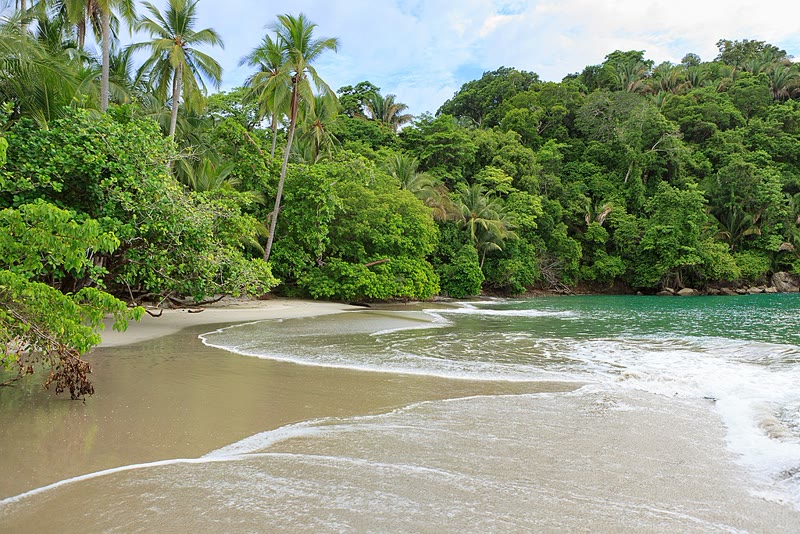
Costa Rica's wildlife density is genuinely extraordinary. A country the size of West Virginia contains nearly 6% of the world's biodiversity — 900+ bird species, 200+ mammal species, 35,000+ insect species. The wildlife isn't locked deep in uninhabited jungle; it's accessible. You can spot sloths hanging above the Manuel Antonio parking lot, watch scarlet macaws fly over your beachfront breakfast, and hear howler monkeys before your alarm goes off.
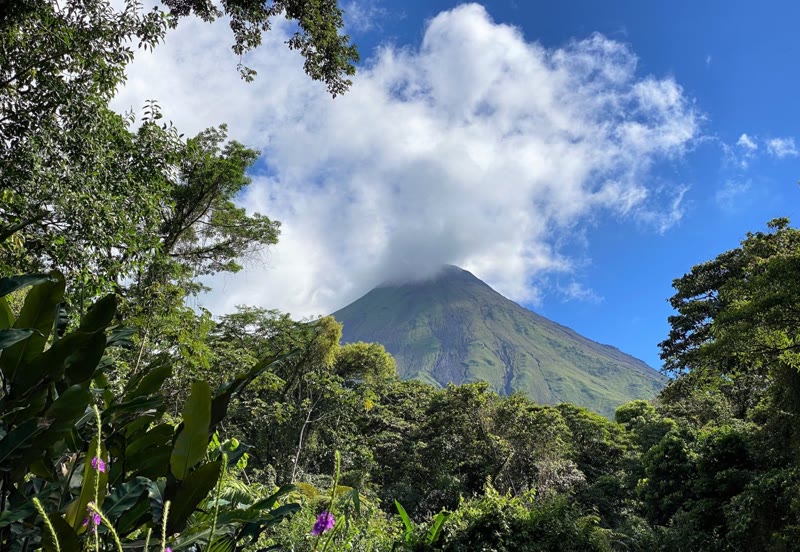
Key Costa Rica ecosystems: Monteverde Cloud Forest (resplendent quetzals, hanging bridges), Tortuguero National Park (sea turtle nesting), Corcovado (most biodiverse national park on Earth per National Geographic), and Arenal (active volcano + hot springs + wildlife).
Mexico is not without nature. The Yucatán cenotes are a wonder. Sierra Gorda in Querétaro is a biosphere reserve. The Copper Canyon in Chihuahua rivals the Grand Canyon. Whale sharks off Isla Mujeres (June–September) are world-class. But wildlife is harder to access, and the density of observable species per square kilometer doesn't come close to Costa Rica.
🏖️ Beaches
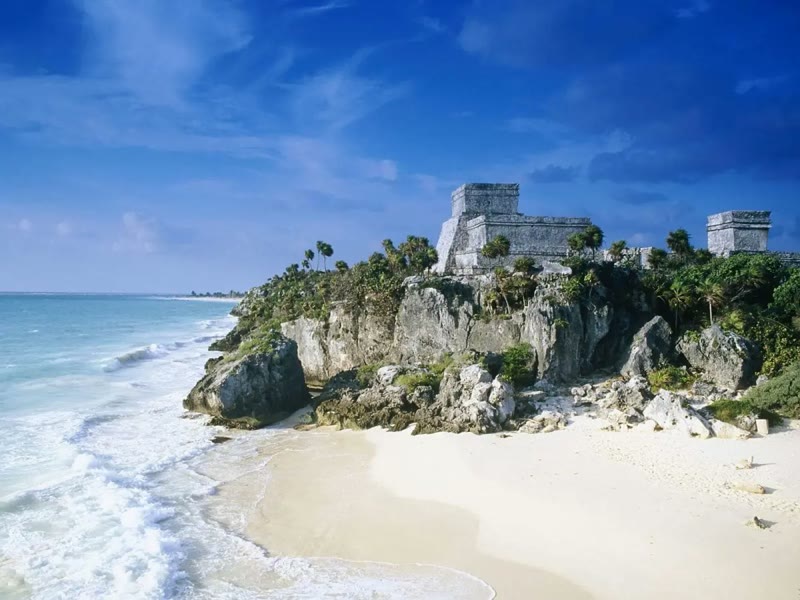
Both countries have stunning coastlines, but they deliver very different beach experiences. Mexico's Caribbean coast — Tulum, Playa del Carmen, Bacalar, Holbox — has some of the world's finest beaches: fine white sand, turquoise water with excellent visibility, and the famous Yucatán cenotes for freshwater swimming nearby. The Pacific coast adds variety: surf towns like Puerto Escondido and Sayulita, upscale Cabo, and family-friendly Puerto Vallarta.
Costa Rica's Pacific beaches (Manuel Antonio, Nosara, Santa Teresa, Tamarindo) are beautiful but distinctly different — darker volcanic sand, stronger Pacific swells, and a wilder, more jungle-meets-sea vibe. They're excellent for surfing (Santa Teresa and Nosara have world-class breaks) but less suited for calm swimming or snorkeling. The Caribbean side (Puerto Viejo, Cahuita) has more classic Caribbean sand and coral reefs, but the area is remote and weather is unpredictable.
🍽️ Food & Dining
This is Mexico's most decisive advantage. Mexican cuisine is a UNESCO Intangible Cultural Heritage, and the country earns that designation daily. Oaxaca's mole negro (simmered for hours from 30+ ingredients), Mexico City's taco al pastor carved off a trompo, Yucatán's cochinita pibil slow-roasted in banana leaves, Veracruz's seafood — Mexico's food culture is one of the great culinary traditions of the world. You can eat extraordinarily well for $2–5 per meal at taquerías, fondas, and mercados.
Costa Rica's traditional cuisine — gallo pinto (rice and beans), casado (rice, beans, plantains, meat), chifrijo — is hearty and filling but not culinarily complex. Reddit travel communities are consistently candid about this. The food isn't bad, it's just…repetitive. San José and beach towns have good international restaurant scenes (sushi, Italian, American), but you're paying first-world prices for it. For proper Central American food exploration, Guatemala and Mexico are more rewarding.
If you're visiting Mexico, key food destinations: Mexico City tacos, Oaxaca mole, and the street markets of Guadalajara. For coffee lovers, Costa Rica's highland coffee (especially around Monteverde) is among the best in Latin America — one genuine culinary triumph.
🏛️ Culture & History
Mexico's cultural depth is staggering. The country was home to three of the Americas' greatest civilizations — the Aztec (Tenochtitlán, now Mexico City), the Maya (Yucatán, Chiapas, Oaxaca), and the Zapotec (Monte Albán). The Archaeological Zone of Teotihuacán — with the Pyramid of the Sun rising 65 meters above the Valley of Mexico — is one of the great ancient cities of the world. Chichén Itzá is a UNESCO World Heritage Site and New Seven Wonder. Oaxaca's colonial centro is stunning. The murals of Rivera, Orozco, and Siqueiros line public walls across the country. This is a country with 35 UNESCO World Heritage Sites.
Costa Rica, by contrast, has a shorter and less architecturally monumental history. The indigenous cultures — Bribri, Boruca, Chorotega — left behind ceramic art and some gold work (the Gold Museum in San José is excellent), but no towering pyramids or colonial city-centers to rival Mexico's. San José is a pleasant but unremarkable capital. The colonial-era architecture is modest. Costa Rica's cultural appeal lies more in its modern environmental identity — "Pura Vida," the highest happiness index in the Americas, and a functioning democracy with no standing army since 1948.
Internal links: See our Mexico City vs Cancún guide and Cancún vs Tulum breakdown if you're narrowing down Mexico destinations.
🛡️ Safety
Safety is a legitimate consideration for both countries, though the picture is more nuanced than headlines suggest. Costa Rica is one of the safest countries in Central America — and by objective metrics, one of the safest in Latin America. The homicide rate is significantly lower than Mexico's national average. Petty theft (phone snatching, bag grabs) is the primary concern for tourists. San José's downtown can feel sketchy at night, but tourist areas like La Fortuna, Manuel Antonio, and Tamarindo are considered very safe.
Mexico's safety situation is genuinely regional. The US State Department issues Do Not Travel advisories for some states (Colima, Guerrero, Michoacán, Sinaloa, Tamaulipas) while other states — including Mexico City (Level 2: Exercise Increased Caution), Oaxaca (Level 2), Yucatán (Level 1: Exercise Normal Precautions) and Quintana Roo (Level 2) — are considered comparable to European destinations. The mistake is treating Mexico as one monolithic safety situation.
🚗 Getting Around
Getting around in Costa Rica is the country's biggest logistical headache. Public buses are slow and infrequent between major destinations. The bus from San José to La Fortuna (Arenal) takes 4–5 hours; the bus to Puerto Viejo takes 4+ hours. Roads outside cities can be rough, especially in the rainy season. A rental car is almost mandatory if you want to see multiple regions — budget $40–80/day including insurance. Uber works in San José, but not in most national park areas.
Mexico is dramatically easier to navigate. The ADO bus network connects every major city and tourist destination with comfortable, air-conditioned first-class and deluxe service. Mexico City to Oaxaca: $25 USD, 6 hours. Cancún to Tulum: $15 USD, 2 hours. Uber works in virtually every major city. Domestic flights on Volaris, Interjet, and Aeromexico connect far-flung destinations (Cancún → Oaxaca for $60–100). 10+ international airports mean competitive routing from the US.
🌤️ Best Time to Visit
Costa Rica's dry season runs December through April — this is peak tourist season and the best time to visit national parks. The landscape is lush but trails aren't muddy. May through November is rainy season on the Pacific side (heavy afternoon showers), though the Caribbean coast (Puerto Viejo) actually becomes drier June–September. Wildlife watching doesn't stop in rainy season — some travelers prefer it for lower crowds and prices.
Mexico's best time varies dramatically by region. The Yucatán (Cancún, Tulum, Playa del Carmen) is best November–April; hurricane season runs June–October with peak risk August–September. Mexico City, Oaxaca, and highland cities are pleasant year-round, with rain May–October (mostly afternoon). Baja California (Los Cabos) is warm year-round, with whale watching best January–March. The diversity of climates means there's always a great place to visit in Mexico regardless of month.
| Month | 🦥 Costa Rica | 🌮 Mexico (Yucatán) |
|---|---|---|
| Dec–April | ✅ Peak — dry, warm, best wildlife | ✅ Best — cool, dry, perfect |
| May–June | ⚠️ Rainy season begins (Pacific) | ⚠️ Rainy season starts |
| July–Aug | ⚠️ Rainy (Pacific); dry (Caribbean) | ❌ Hurricane risk; humidity |
| Sept–Oct | ⚠️ Wettest months; some closures | ❌ Peak hurricane season |
| November | ✅ Late dry season starts | ✅ Season starts; great time |
🎉 Nightlife & Entertainment
Mexico has some of the best nightlife in the Americas. Mexico City's Condesa and Roma neighborhoods are legitimately world-class — mezcalerías, jazz clubs, rooftop bars, underground electronic scenes. Cancún's Hotel Zone is one of the world's most famous party strips (Coco Bongo, Mandala). Tulum's jungle clubs (Zamna, Papaya Playa Project) book DJs alongside Ibiza residencies. Guadalajara has a thriving tequila bar and live music scene. Whatever nightlife you're looking for — rowdy party, sophisticated cocktail bar, live mariachi, rooftop mezcal — Mexico has it.
Costa Rica's nightlife centers on beach towns and San José. Jacó has a lively (if rough-edged) party scene. Tamarindo has sunset bars and beach clubs. San José's Barrio Escalante has craft beer bars and trendy restaurants. It's perfectly enjoyable, but it doesn't scale to Mexico's diversity or quality at the high end. The "pura vida" mentality means things wrap up earlier and the vibe is more mellow.
🎯 The Decision Framework
Still stuck? Here's the clearest way to decide:
🦥 Choose Costa Rica If…
- 🌿Seeing sloths, monkeys, and toucans in the wild is a bucket-list item
- 🐢You want to watch sea turtles nest at Tortuguero
- 🏄You're a surfer targeting Santa Teresa or Nosara
- 👨👩👧You're traveling with family and want low-stress safety
- ♨️You want to soak in natural hot springs below an active volcano
- 🌎Ecotourism and sustainability are core values for you
🌮 Choose Mexico If…
- 🍜Food is a top priority and you won't settle for "mid" cuisine
- 💰Budget matters and you want maximum value per dollar
- 🏛️You want to stand inside a Mayan pyramid or Aztec ruin
- 🏖️You want classic turquoise Caribbean beaches and cenotes
- 🎉Nightlife and city energy are important to your trip
- 🗺️You want to explore multiple distinct regions in one trip
❓ Frequently Asked Questions
Is Costa Rica or Mexico better for first-time visitors?
Mexico is the better first pick for most travelers. It has world-class food, incredible cultural sites (Teotihuacán, Chichén Itzá, Oaxaca), and a budget that goes further. Costa Rica rewards travelers who specifically want wildlife encounters and national parks — but be ready for US-level prices and harder logistics.
Is Costa Rica more expensive than Mexico?
Yes, significantly. Costa Rica costs roughly $80–150/day for a mid-range traveler, comparable to Western Europe. Mexico runs $40–80/day for the same comfort level. A hostel dorm in Costa Rica is $20–35/night; in Mexico it's $8–20. Grocery prices in Costa Rica are similar to the United States — Reddit trip reports consistently flag sticker shock.
Which country has better wildlife — Costa Rica or Mexico?
Costa Rica, without question. Roughly 25% of its land is protected national parks and reserves. You can reliably spot sloths, toucans, howler monkeys, and scarlet macaws within an hour of San José. Mexico has incredible biodiversity in the Yucatán and Chiapas, but wildlife encounters require more planning. Costa Rica's density of observable wildlife is its biggest competitive advantage.
Is Mexico safer than Costa Rica for tourists?
Both are generally safe for tourists who use common sense. Costa Rica has very low violent crime compared to Mexico and is consistently ranked as one of Central America's safest countries. Mexico has regional variation — tourist zones like Oaxaca, Mérida, and the Yucatán Peninsula are considered safe, while others carry State Department advisories. Do your research by specific destination, not just the country.
Which has better beaches — Costa Rica or Mexico?
Mexico wins on beach quality and variety. The Yucatán's Caribbean coast (Tulum, Playa del Carmen, Bacalar) has world-class turquoise water and white sand. Costa Rica's Pacific beaches (Manuel Antonio, Nosara, Santa Teresa) are beautiful but rougher, with darker volcanic sand and stronger waves. Costa Rica's Caribbean coast (Puerto Viejo) has a distinct, lush vibe. If calm turquoise water is your metric, Mexico wins clearly.
Can I visit both Costa Rica and Mexico on one trip?
Yes, but it requires planning. There are direct flights between San José (SJO) and Mexico City (MEX), Cancún (CUN), and occasionally Guadalajara. A popular two-week itinerary: Mexico City + Oaxaca (5 days) → fly to San José → Manuel Antonio or Arenal (5 days). You'll fly into and out of different airports, so it works cleanly. Budget $200–400 for the connecting flights.
What's the best time to visit Costa Rica vs Mexico?
Both countries are best December–April. Costa Rica's dry season peaks January–March — ideal for national parks and wildlife. Mexico's Yucatán is beautiful November–April; hurricane season runs June–October. Mexico's highland cities (CDMX, Oaxaca) are pleasant year-round. If flexibility matters, Mexico's climate diversity gives more year-round options.
Is Costa Rica's food as good as Mexico's?
Honestly, no. Mexican cuisine is a UNESCO Intangible Cultural Heritage — from Oaxacan mole to Yucatán cochinita pibil to Mexico City's taco scene. Costa Rica's traditional cuisine (gallo pinto, casado) is hearty but not culinarily complex. Reddit travelers are consistent: the food in Costa Rica is "mid." Costa Rica does win on coffee — its highland-grown beans are among the world's finest.
Ready to plan your trip?
Get a free custom itinerary for Costa Rica, Mexico, or both — built from real traveler insights, not generic templates.
🎟️ Book Tours & Experiences
Hand-picked tours and activities for both destinations — book with free cancellation
Experiences via Viator — free cancellation on most tours